We may earn money or products from the companies mentioned in this post. This means if you click on the link and purchase the item, I will receive a small commission at no extra cost to you ... you're just helping re-supply our family's travel fund.
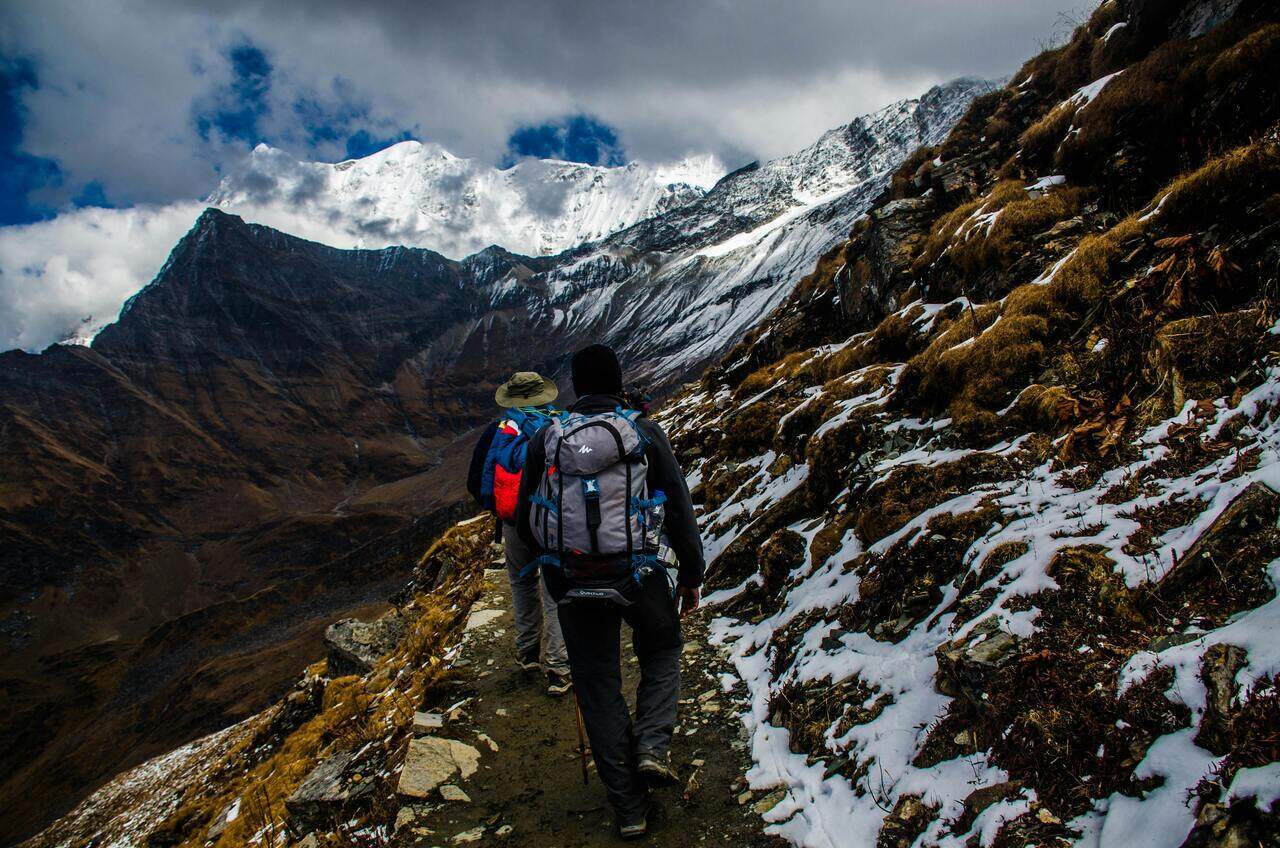
Exploring America’s national parks is a dream for many travelers, but relying on your phone can be risky. Vast wilderness, rugged terrain, and remote locations often mean little to no cell service. In these parks, visitors must prepare for emergencies without expecting instant connectivity. From towering cliffs to endless wetlands, here are five parks where your phone may fail, and offline planning becomes essential for safety and peace of mind.
1. Yosemite National Park, California
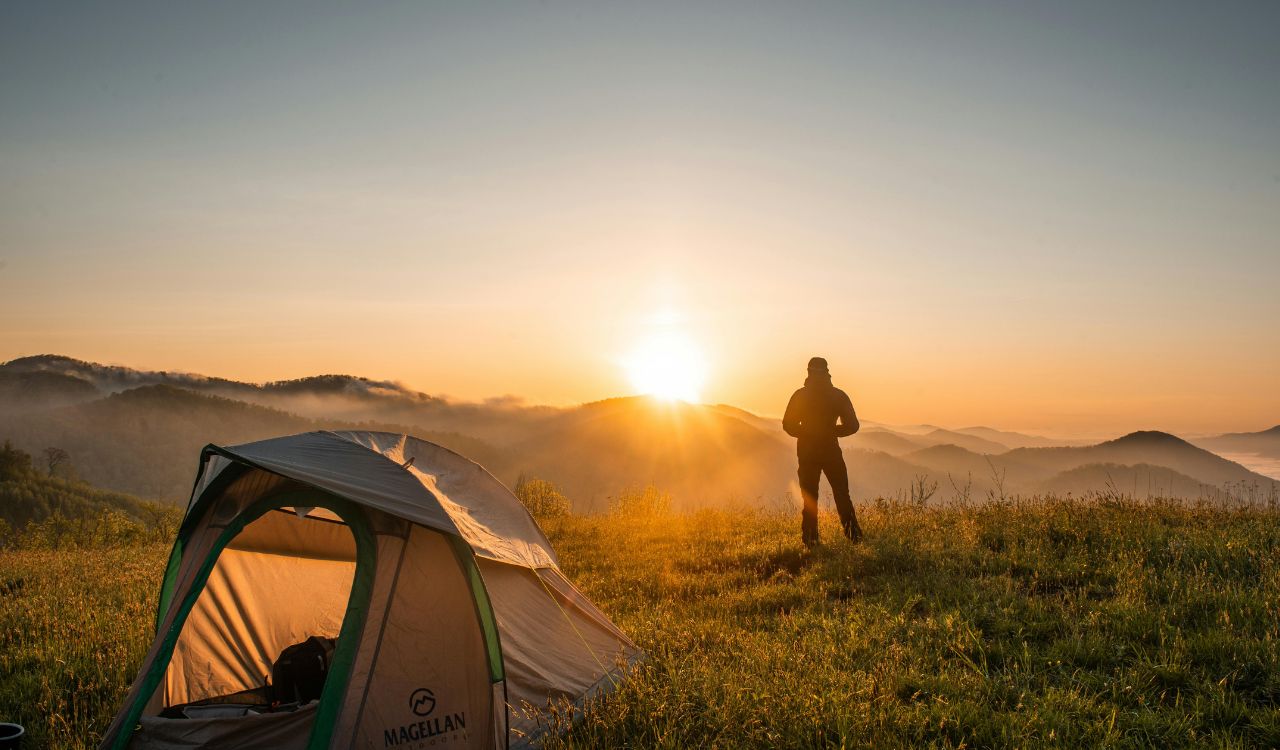
Yosemite attracts over 4 million visitors annually for its granite cliffs and giant sequoias, but much of the park’s 1,187 square miles lacks reliable cell service. Popular areas like Tioga Road and parts of Yosemite Valley have patchy reception, often limited to certain carriers. In the backcountry, hikers can go miles without signal, making GPS apps unreliable. Emergency response may take 30–60 minutes in remote zones. Carrying offline maps, extra batteries, or a satellite communicator is strongly recommended for safety.
2. Glacier National Park, Montana
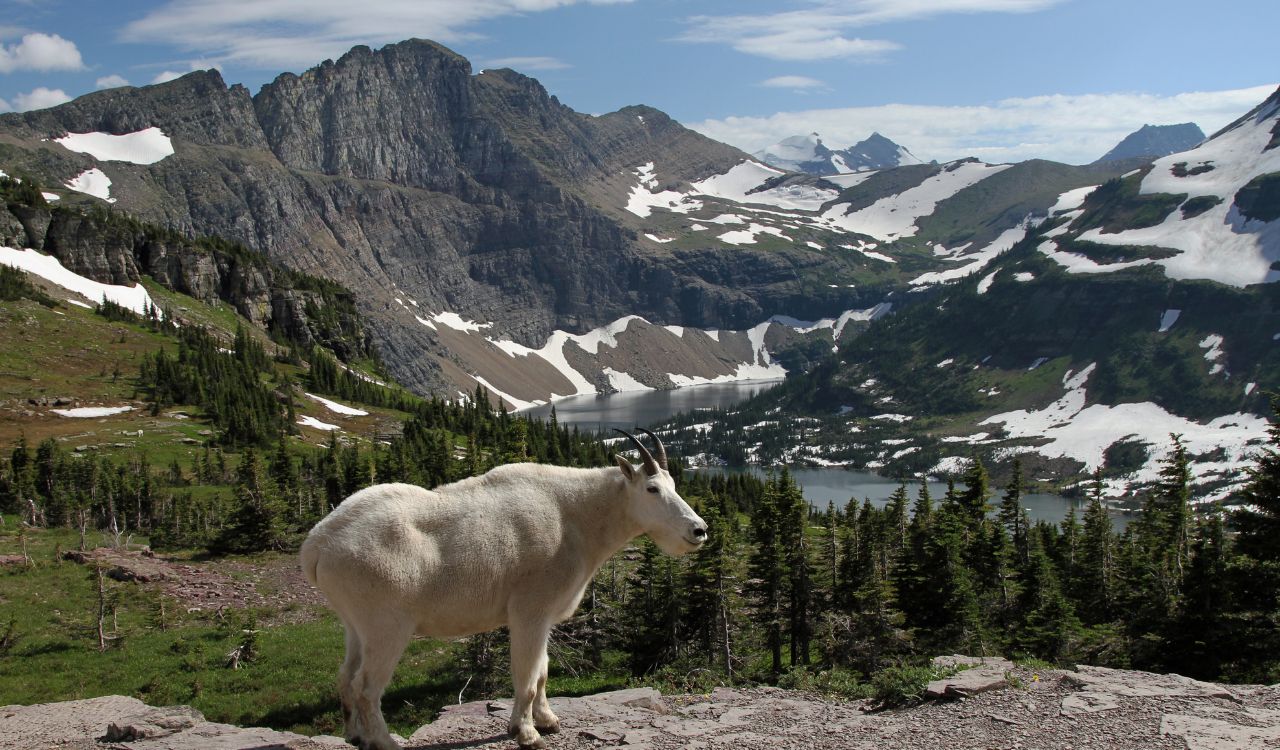
Glacier National Park spans 1 million acres of rugged mountains and dense forests, attracting about 3 million visitors per year. Cell coverage is minimal, especially along the 50-mile Going-to-the-Sun Road during winter months. Hikers in backcountry zones often go days without signal, increasing the risk of delayed rescues. Rangers report that 30–40 calls for help each year involve visitors without working phones. Offline maps, emergency radios, and careful planning are essential when exploring this wild, remote landscape.
3. Everglades National Park, Florida
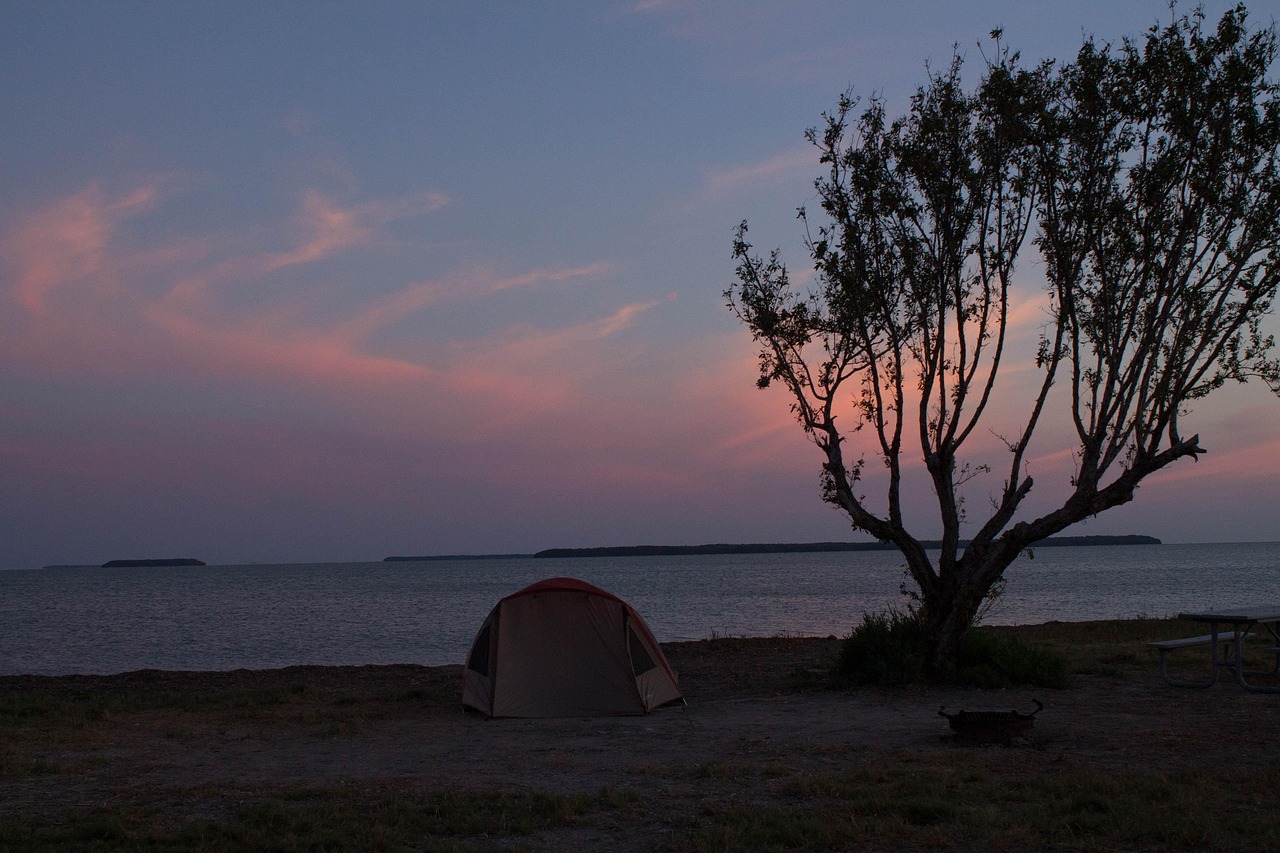
Covering 1.5 million acres of wetlands, mangroves, and marshes, the Everglades is both beautiful and treacherous for connectivity. Many waterways and remote camping spots have zero phone service, leaving boaters and hikers cut off from emergency support. Only main roads and a few visitor centers offer signals. In 2023 alone, at least 25 rescues involved individuals unable to contact help via phone. Travelers should rely on physical maps, VHF radios, or satellite devices to navigate safely across this delicate, isolated ecosystem.
4. Grand Canyon National Park, Arizona
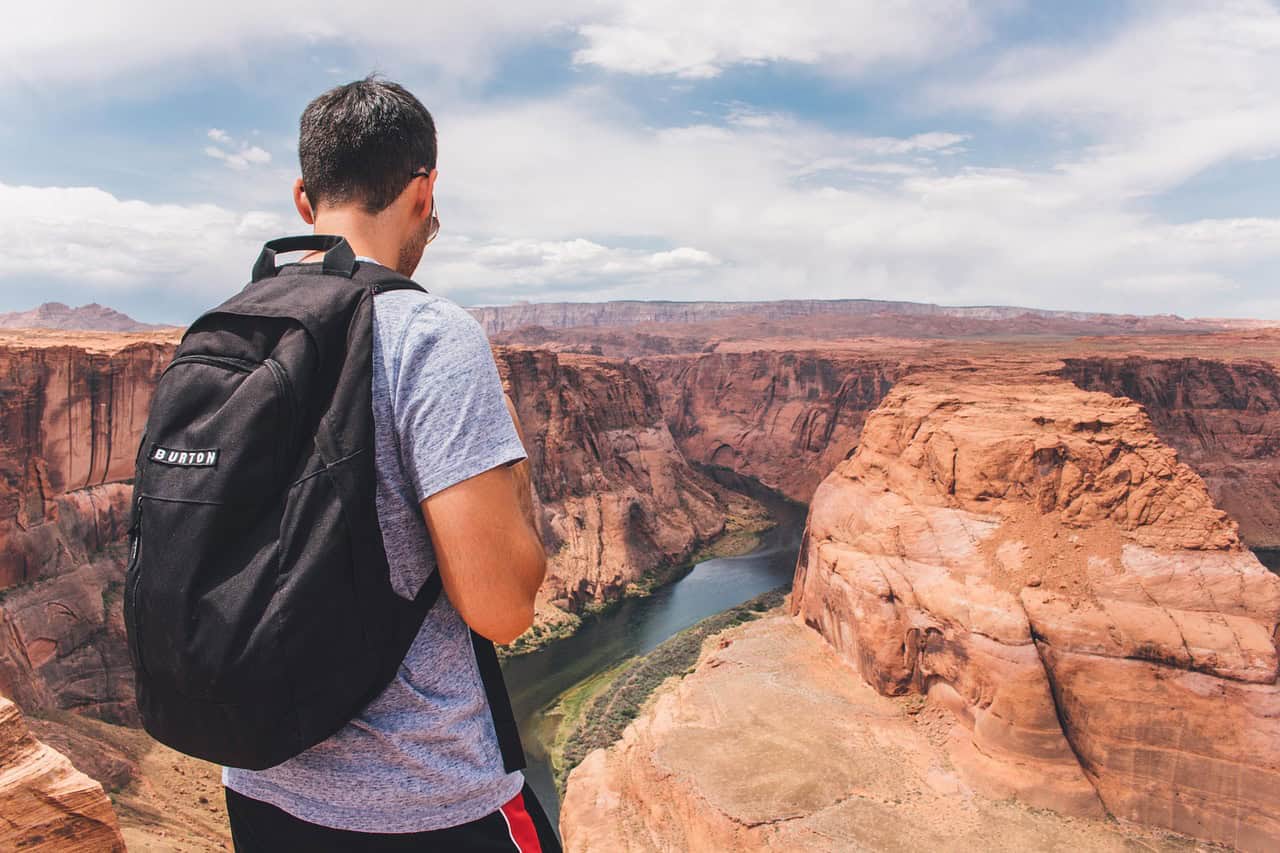
The Grand Canyon draws over 6 million visitors annually, yet phone reception is highly inconsistent. While lodges along the South Rim have partial coverage, the North Rim and inner canyon trails often leave hikers completely disconnected. Descending into the canyon can result in hours or even days without signal. About 300,000 annual backcountry visitors must plan for offline navigation. Safety experts recommend extra water, printed maps, and emergency devices, since even small injuries or missteps can become serious without immediate contact.
5. Denali National Park, Alaska
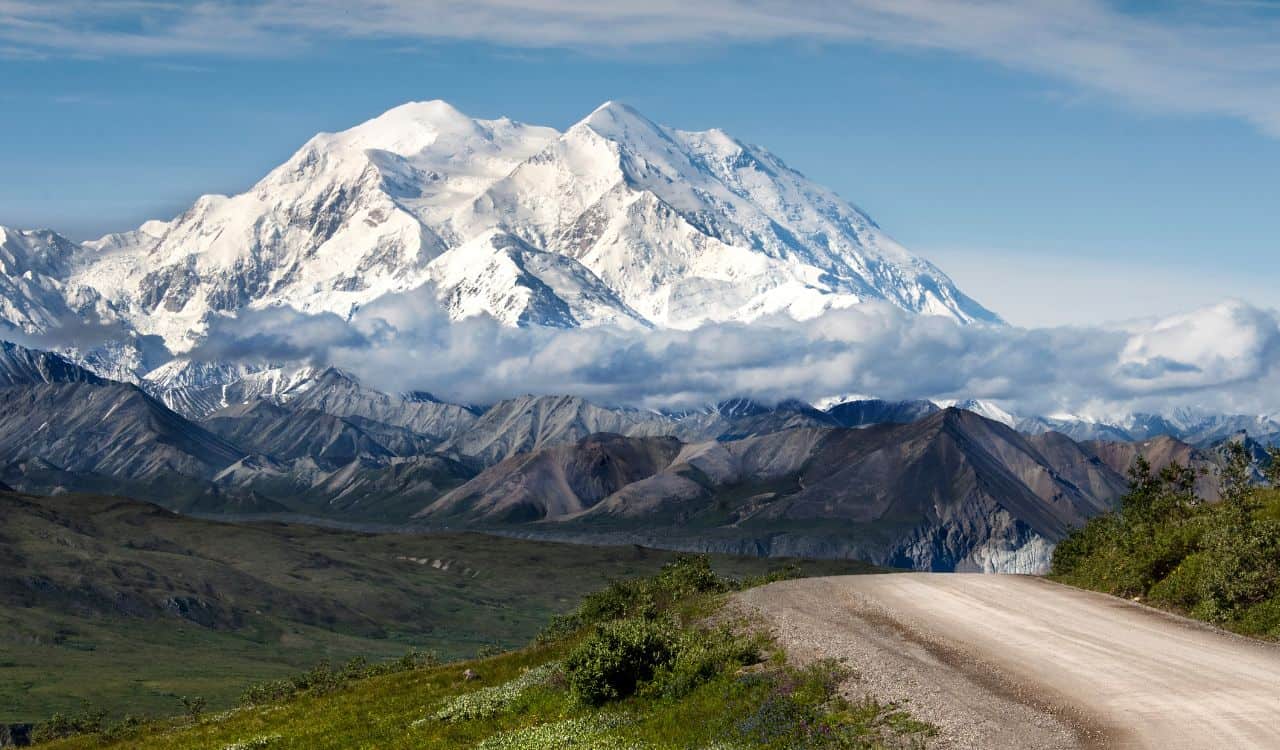
Denali is the most isolated of all U.S. parks, covering 6 million acres and home to North America’s tallest peak. Mobile coverage is virtually nonexistent outside a handful of ranger stations, leaving adventurers dependent on satellite or VHF communication devices. Weather shifts rapidly, and wildlife encounters can escalate emergencies. Search-and-rescue teams report that nearly every backcountry mission involves travelers without working phones. Careful preparation, offline planning, and reliable emergency equipment are non-negotiable for a safe visit here.