We may earn money or products from the companies mentioned in this post. This means if you click on the link and purchase the item, I will receive a small commission at no extra cost to you ... you're just helping re-supply our family's travel fund.

Europe often feels orderly and predictable, which is exactly why certain scams succeed. These are not loud street tricks aimed at reckless travelers. They are carefully timed setups built around fatigue, authority, and routine travel habits. Travel insurance data across major European destinations shows fraud-related tourist losses rising by 18–22% between 2023 and 2025. What makes these scams truly dangerous is the long-term fallout; drained accounts, stolen identities, canceled trips, and months of recovery. Below are five lesser-known scams explained in depth, with real financial consequences every traveler should understand before arriving.
1. The “Helpful Local” ATM Drain
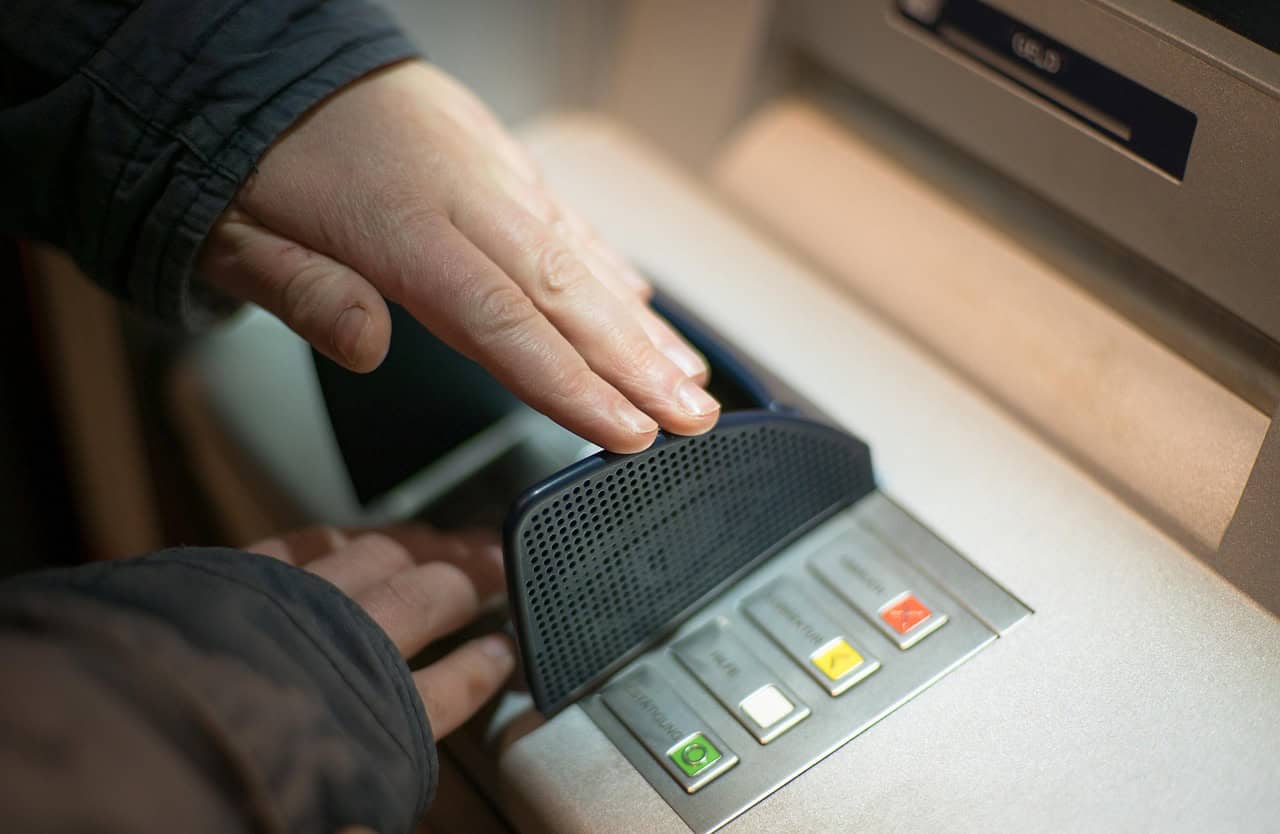
This scam thrives near transit hubs where over 60% of visitors withdraw cash within their first day. A friendly stranger notices an ATM error and offers assistance, claiming the machine is faulty. During the interaction, they discreetly observe your PIN or swap your card with remarkable speed. Victims commonly lose $2,000–$6,000 within hours through repeated withdrawals before banks intervene. Spain and Italy report thousands of cases each year, especially during peak travel months. The threat lies in how calm and ordinary the interaction feels, allowing criminals to empty accounts before suspicion ever arises.
2. Fake Police Document Checks
In tourist-heavy zones, impostors posing as plainclothes police conduct so-called security or counterfeit currency checks. This works because more than 70% of travelers comply instantly with perceived authority. Wallets and passports are examined and returned with cash or cards missing. Replacing a passport abroad often costs $150–$300, not including hotel extensions and rebooking fees during embassy delays that average 2–5 days. Paris and Rome record hundreds of such cases annually. Beyond the immediate loss, victims face heightened risk of identity misuse long after the trip ends.
3. Short-Term Rental Identity Harvesting

This scam feels legitimate and unfolds quietly. Fake or hijacked rental listings request passport scans after booking, citing “local registration requirements.” While some cities do enforce registration, scammers exploit the confusion. Victims often learn months later that accounts or contracts were opened in their names. European fraud agencies estimate identity recovery takes 6–24 months on average. Cities with strict rental laws, such as Barcelona and Amsterdam, see higher exposure. Financial damage often starts small but grows through legal costs, credit repair, and prolonged administrative stress back home.
4. The “Closed Hotel” Taxi Switch
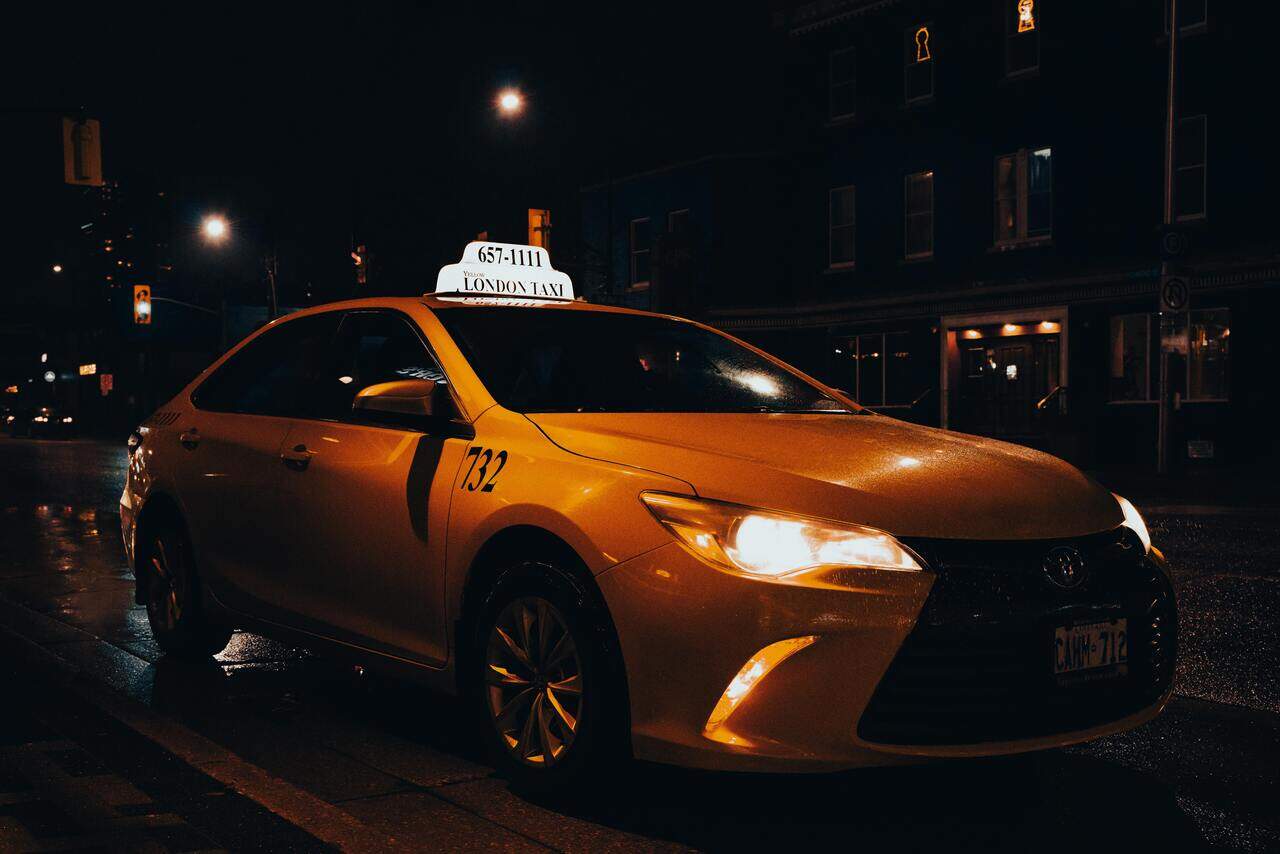
Late-night arrivals are the prime targets. A taxi driver claims your hotel is closed, unsafe, or overbooked and offers a “partner property.” Exhausted travelers agree, only to be dropped at substandard lodging charging 200–400% above normal rates, usually cash-only. Some report being billed $150–$300 for rides that typically cost under $30. Athens, Rome, and Istanbul see recurring complaints. Fatigue is the hook; after long flights, travelers prioritize rest over verification, making refusal difficult once luggage is already unloaded.
5. Coordinated Distraction Theft

This is not simple pickpocketing but organized teamwork involving 2–4 people in crowded areas. One creates a distraction; spilled drinks, questions, minor chaos, while another removes wallets, phones, and documents. Police estimates suggest distraction theft makes up nearly 40% of tourist crime during peak season. Losing everything at once is the real disaster: cards, ID, phone access, and travel credentials. Recovery costs often exceed $1,000, excluding lost vacation time. These thefts are swift, silent, and capable of collapsing an entire trip in seconds.