We may earn money or products from the companies mentioned in this post. This means if you click on the link and purchase the item, I will receive a small commission at no extra cost to you ... you're just helping re-supply our family's travel fund.
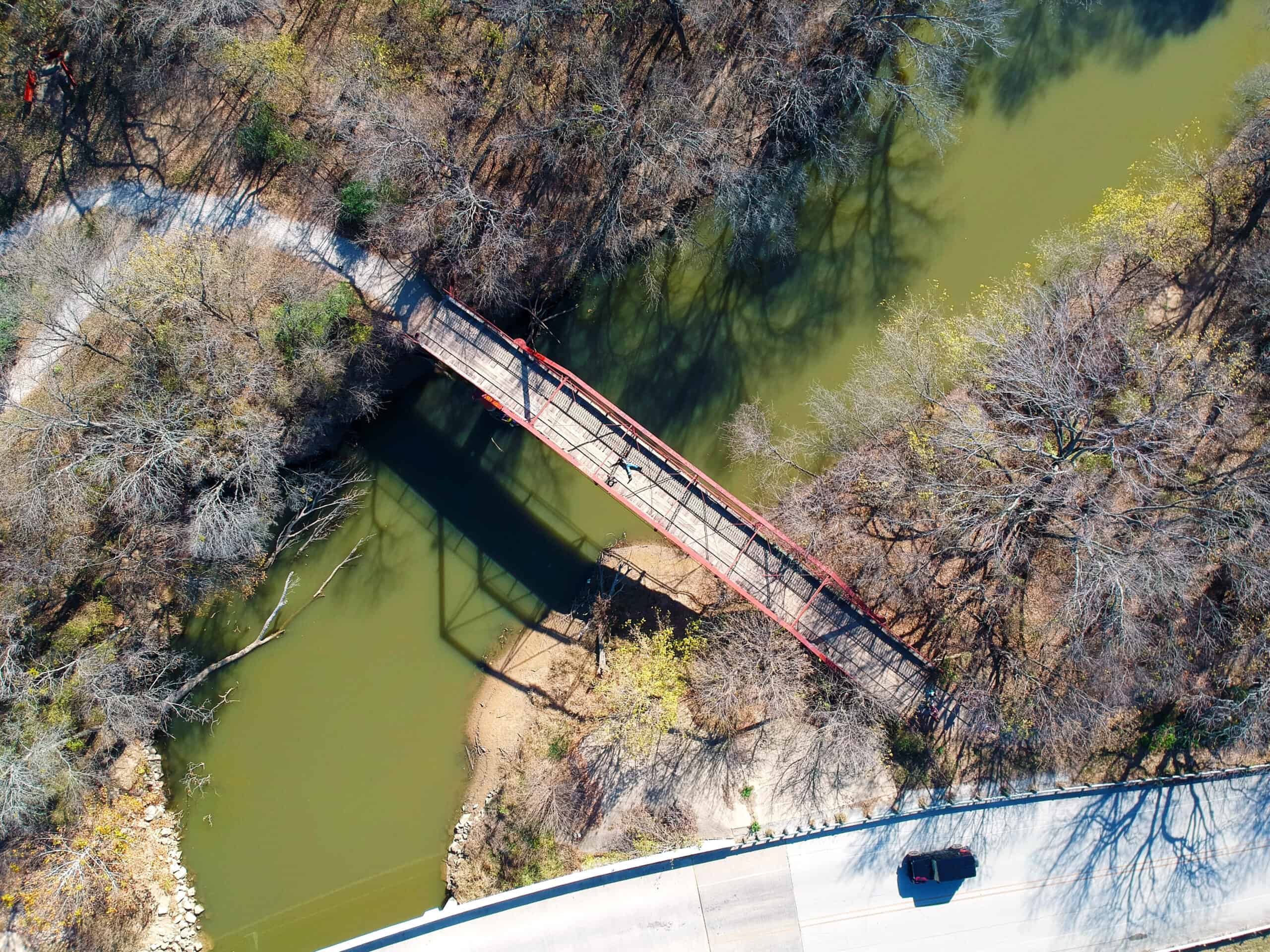
Some bridges do more than cross water or ravines. They collect stories the way timbers collect creaks, holding local memory in every plank and rivet. Across the United States, a handful of spans have become folklore anchors, tied to vanished towns, Civil War routes, midnight sightings, and rumors that refuse to age out. The legends vary by county and generation, but the pattern stays the same: a quiet road, a dark treeline, and a place where people lower their voices without being asked.
Old Alton Bridge (Goatman’s Bridge), Texas
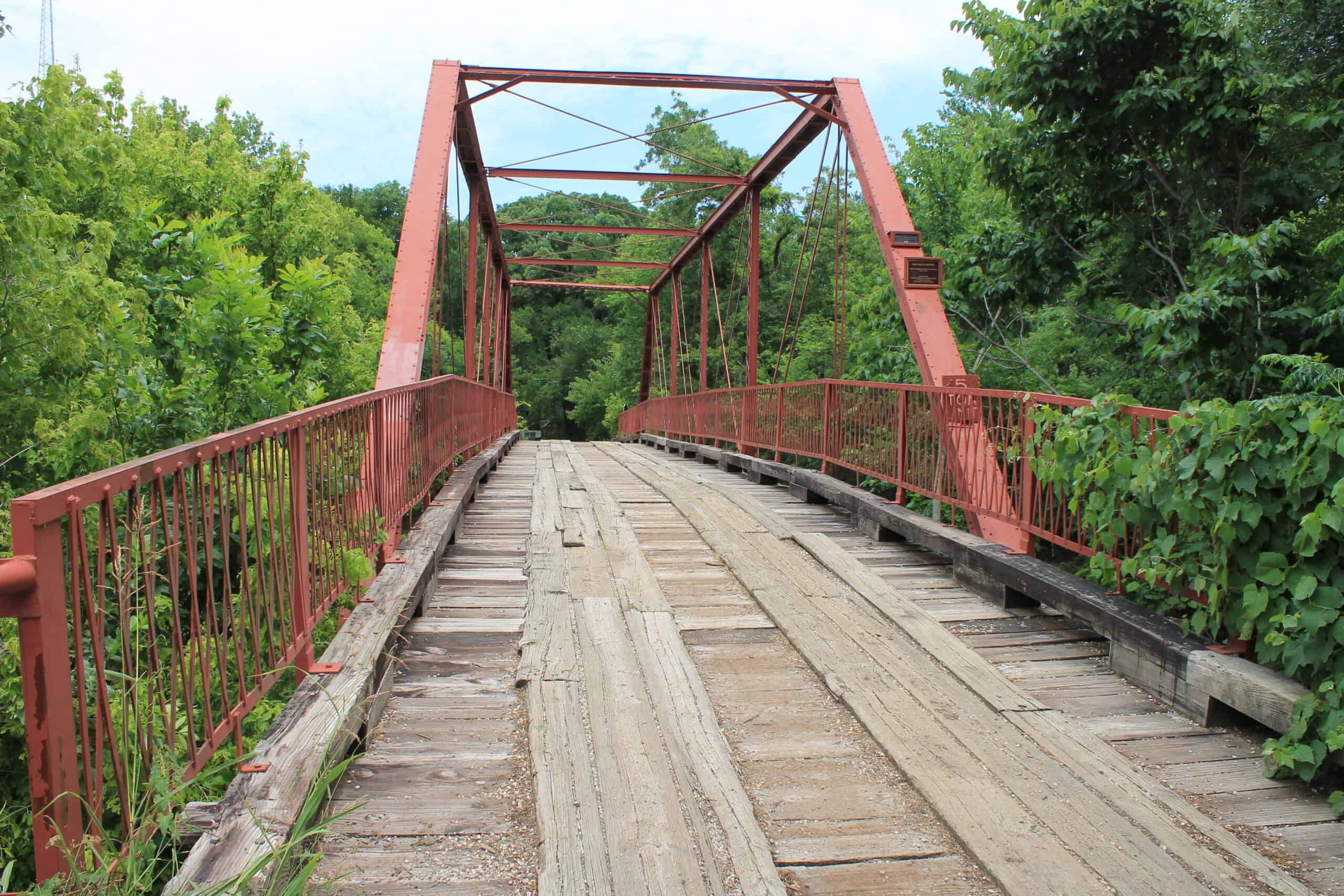
Old Alton Bridge spans Hickory Creek outside Denton, an 1884 iron truss listed on the National Register of Historic Places, and it became a pedestrian landmark after vehicle traffic moved to a newer bridge in 2001. Locals call it Goatman’s Bridge, and modern reporting notes how the legend’s revenge framing intersects with the region’s racial history, not just midnight dare culture or scary-story bravado. The narrow deck, iron lattice, and the woods pressing close create a claustrophobic calm, and by sunset the creek haze can make the truss look like a doorway, which helps the story survive repeat visits from hikers and locals who grew up hearing it. Vermont Historical Society+1
Stuckey’s Bridge, Mississippi
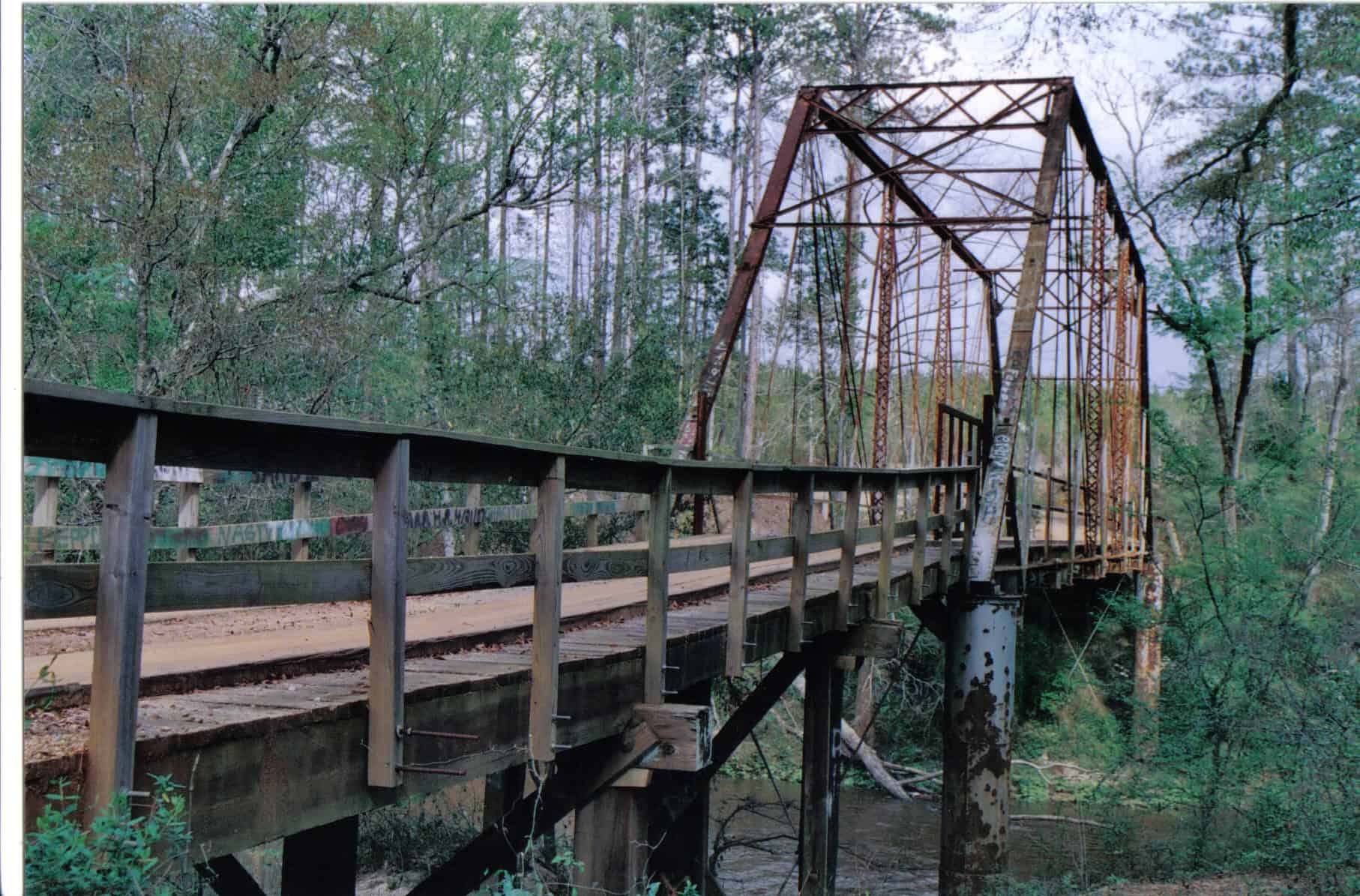
On a back road southwest of Meridian, Stuckey’s Bridge sits half-hidden by pines, a narrow metal span over the Chunky River where rust and shade do most of the talking. Archival records point to a bridge contract in 1847 and later replacements, but the local legend prefers an outlaw innkeeper named Stuckey, plus lantern sightings and river noises that arrive without a clear source, and the tale is popular enough to show up in paranormal television. Whether it is fact or Southern gothic collage, the setting feels self-contained, with muddy banks, cicadas, and a quiet stretch of road that seems to swallow sound after dark, when the treeline closes in.
Gold Brook Covered Bridge (Emily’s Bridge), Vermont
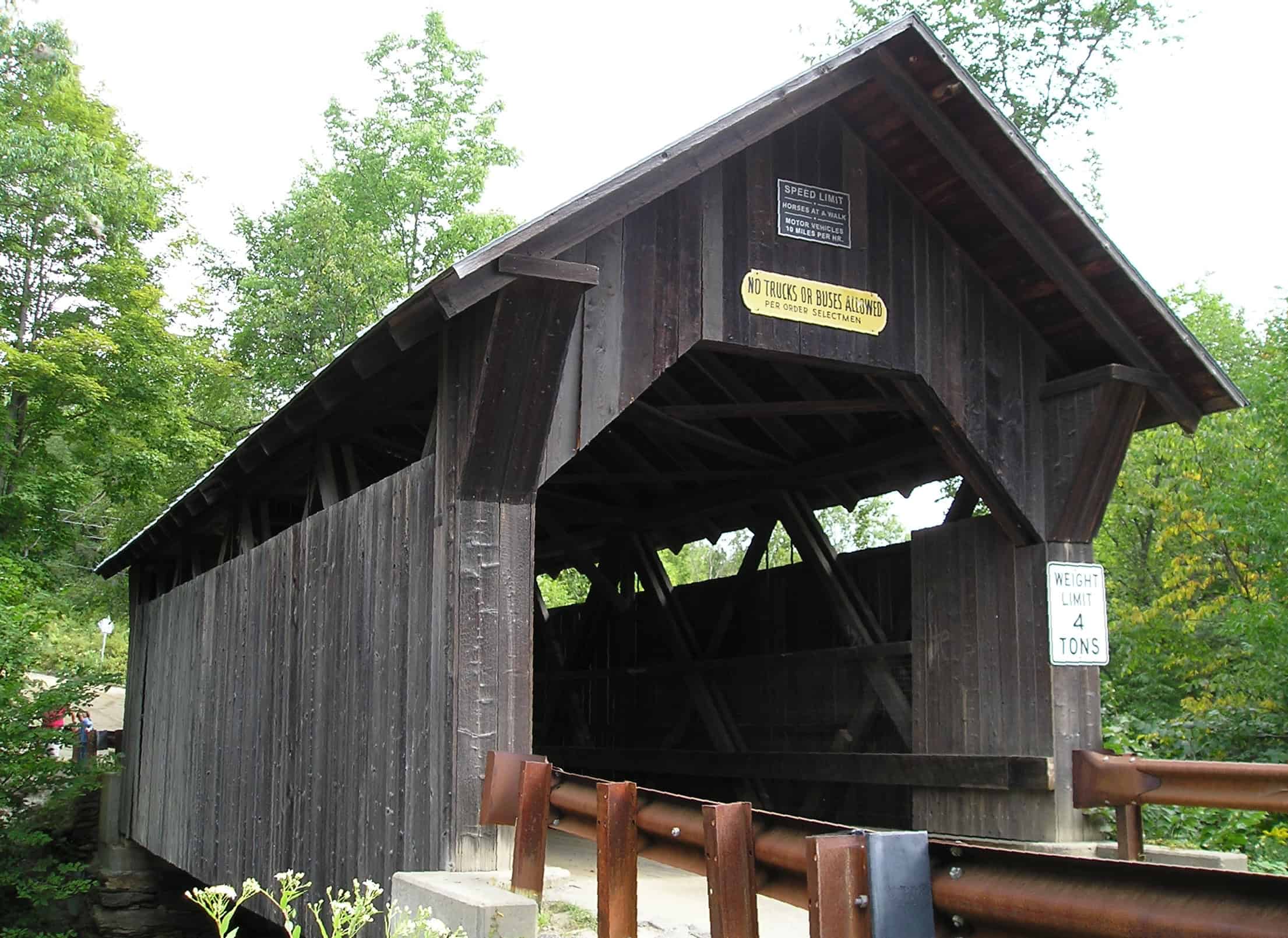
In Stowe, the Gold Brook Covered Bridge, also called the Stowe Hollow Bridge, is better known as Emily’s Bridge, a short covered span built in 1844 and listed on the National Register. The story centers on a young woman, a broken promise, and a spirit said to linger near Gold Brook, but the Vermont Historical Society notes the legend’s hazy dates and its rise in the late 1960s and 1970s. The bridge’s tight enclosure, pitch-dark boards, and muffled acoustics turn a slow roll-through into a theater of knocks and echoes, and even small things, like a loose plank or a pebble, can feel like an answer to a question no one asked out loud.
Sachs Covered Bridge, Pennsylvania

Sachs Covered Bridge, built around 1854 near Gettysburg, sits on Marsh Creek like a quiet footnote to a loud battle, and that contrast feeds its reputation. Documented history ties it to July 1863 troop movement, it was named Pennsylvania’s most historic bridge in 1938 by the state’s highway agency predecessor, and it later closed to vehicles in 1968 while staying open to pedestrians. Folklore supplies phantom soldiers and uneasy sensations, but the most persuasive detail is simple: wind threads through beams, sound carries across fields, and a lone footstep can seem to arrive twice because the covered walls bounce it back in soft waves.
Poinsett Bridge, South Carolina
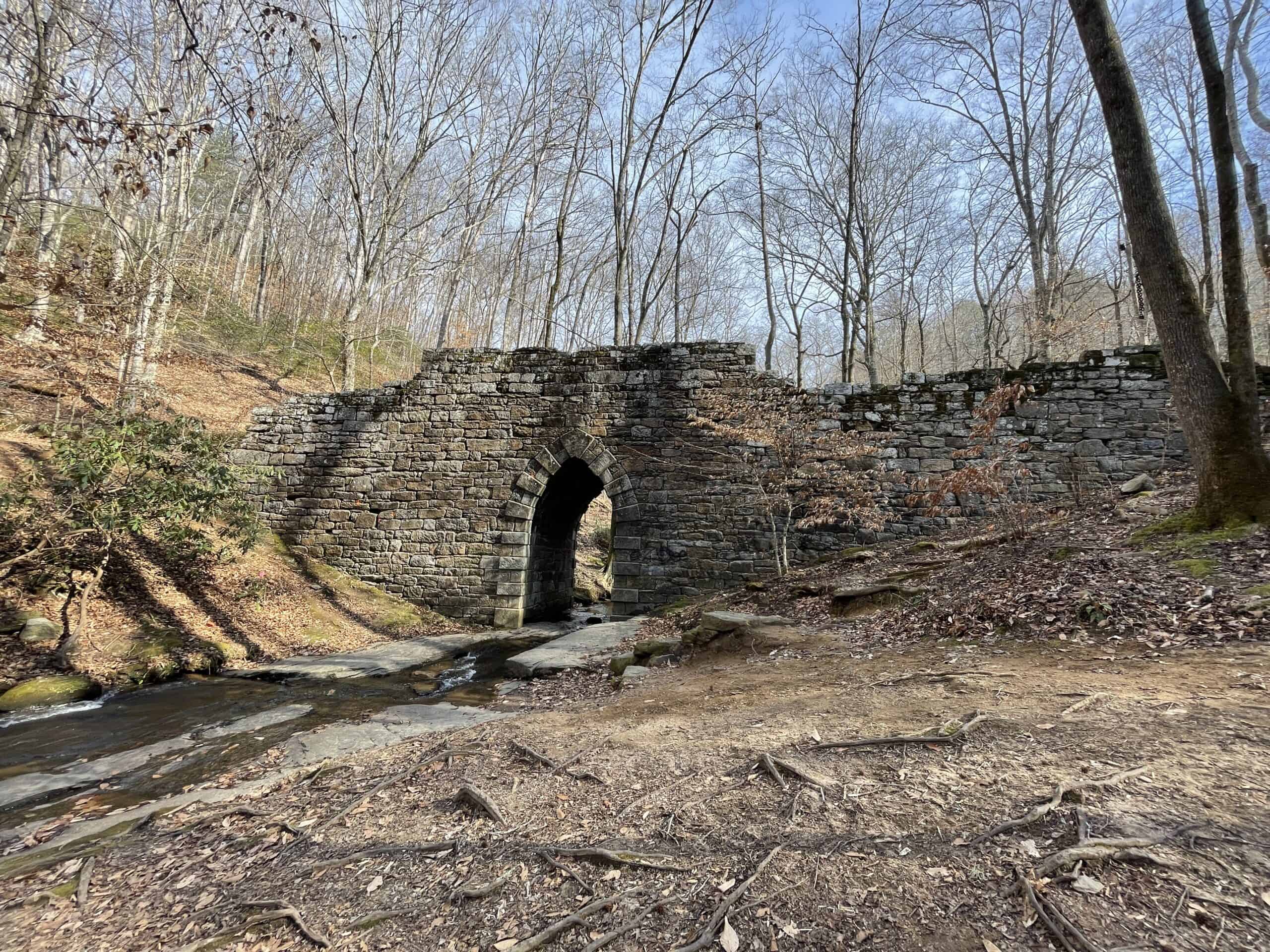
Poinsett Bridge, a stone arch built in 1820, hides in the Upstate woods within a heritage preserve and is widely described as South Carolina’s oldest surviving bridge. Named for Joel Roberts Poinsett and built for an early mountain road, its 14-foot gothic arch and 130-foot span feel dramatic for such a small creek, and some accounts even link the design to architect Robert Mills. Public media and local accounts describe lights, voices, and sudden screams under the arch, yet the stonework alone can unsettle, cooling the air and turning footsteps into a soft, delayed echo on the short walk in from Old US 25, where the woods close behind visitors.