We may earn money or products from the companies mentioned in this post. This means if you click on the link and purchase the item, I will receive a small commission at no extra cost to you ... you're just helping re-supply our family's travel fund.
Some journeys change the way you see the world. The following five destinations span continents, climates, and centuries of history, yet each offers something deeply immersive and unforgettable. From ancient wonders to raw natural spectacles, these places combine measurable scale with emotional impact. If you are building a meaningful bucket list, these experiences deliver depth, beauty, and perspective in ways few other trips can.
1. Petra, Jordan
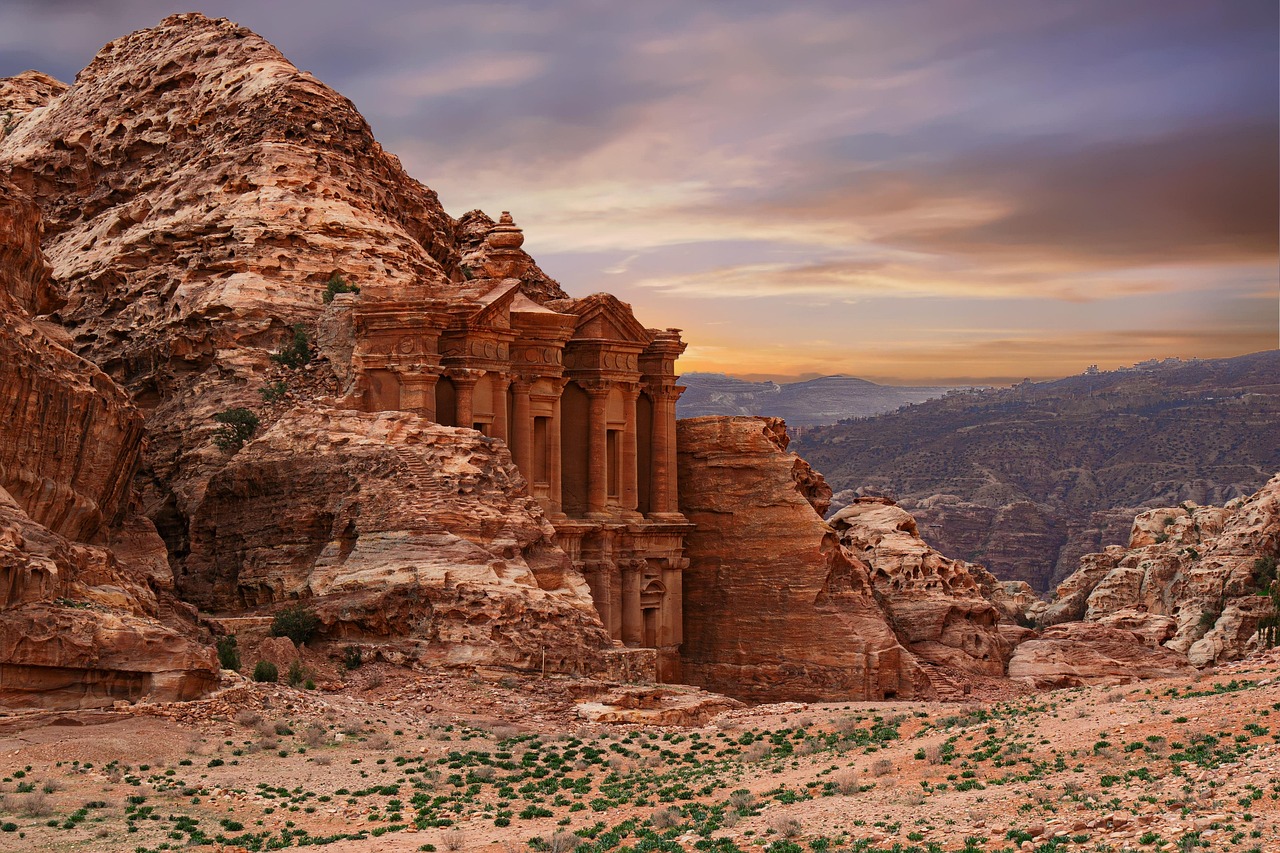
Carved into rose-red sandstone cliffs over 2,000 years ago, Petra stands as Jordan’s most remarkable archaeological treasure. Once home to an estimated 20,000 Nabataeans, the city flourished as a major trade hub linking Arabia, Egypt, and the Mediterranean. Visitors enter through the 0.75-mile Siq canyon before emerging before the 131-foot-high Treasury façade. Beyond it lie more than 800 documented structures spread across roughly 102 square miles. The desert light shifts dramatically through the day, making sunrise and sunset especially powerful times to explore this ancient masterpiece.
2. Banff National Park, Canada
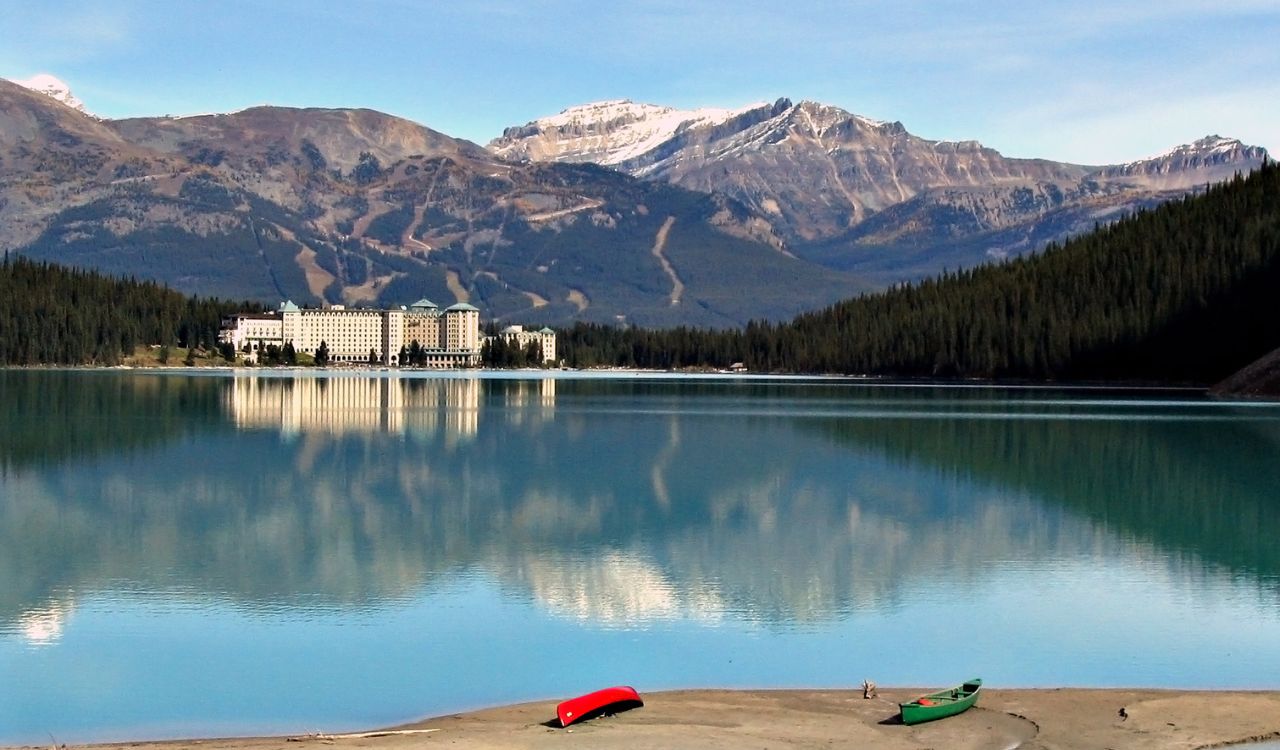
Established in 1885 as Canada’s first national park, Banff covers approximately 2,564 square miles within the Canadian Rockies. Its turquoise lakes, including Lake Louise and Moraine Lake, owe their color to glacial rock flour suspended in meltwater. Mountain peaks rise beyond 1.8 miles (about 9,800 feet) above sea level, shaping a dramatic alpine skyline. Wildlife populations include around 60 mammal species, from elk to grizzly bears. Each year, over 4 million visitors hike, ski, and paddle through its valleys, yet vast stretches remain beautifully untouched.
3. Istanbul, Turkey
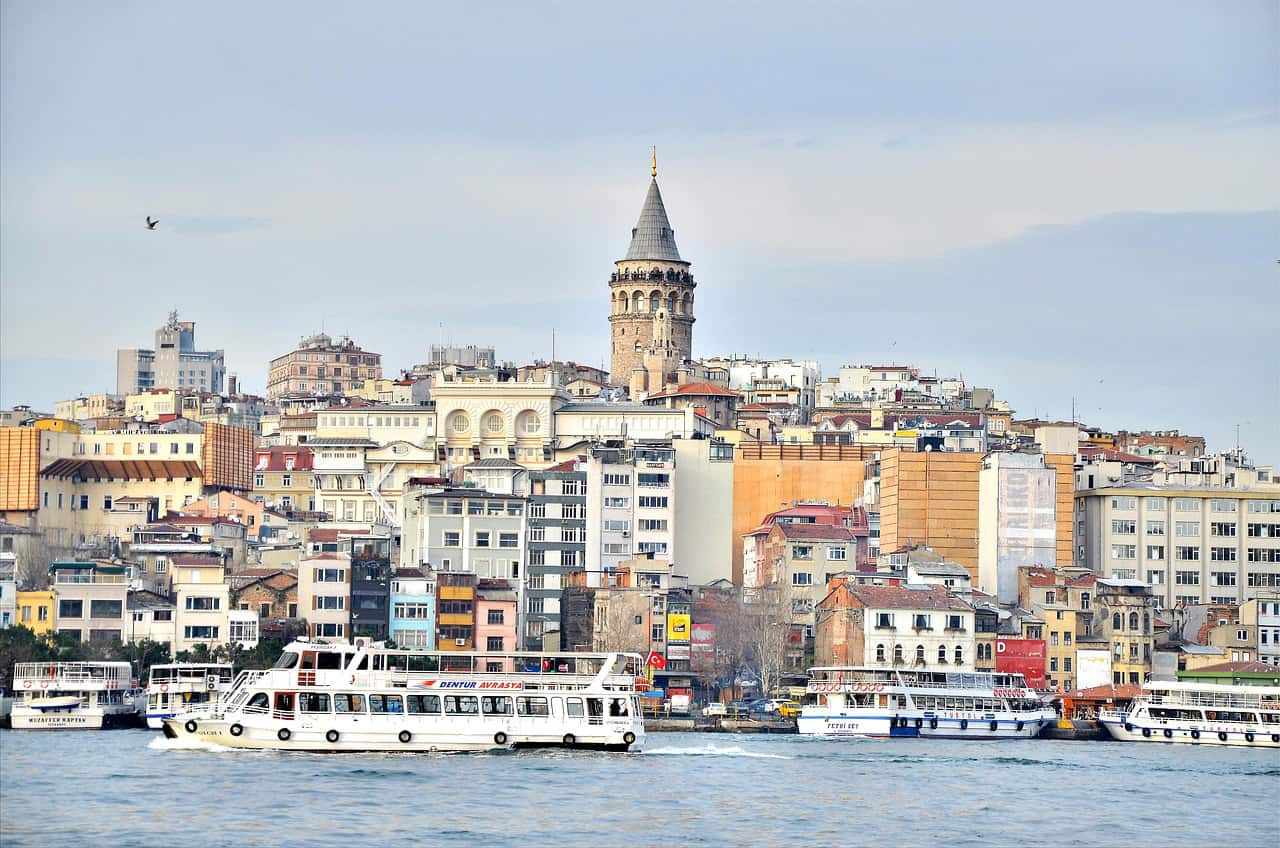
Spanning two continents and more than 5,000 years of history, Istanbul bridges Europe and Asia across the Bosphorus Strait, which narrows to about 0.4 miles at its tightest point. The city’s population exceeds 15 million, making it Turkey’s cultural and economic heart. Hagia Sophia, completed in 537 CE, stands 180 feet tall beneath its central dome. The Grand Bazaar stretches across roughly 30 acres and houses over 4,000 shops. Ferries cross between continents in under 20 minutes, offering sweeping skyline views across miles of waterfront.
4. Salar de Uyuni, Bolivia
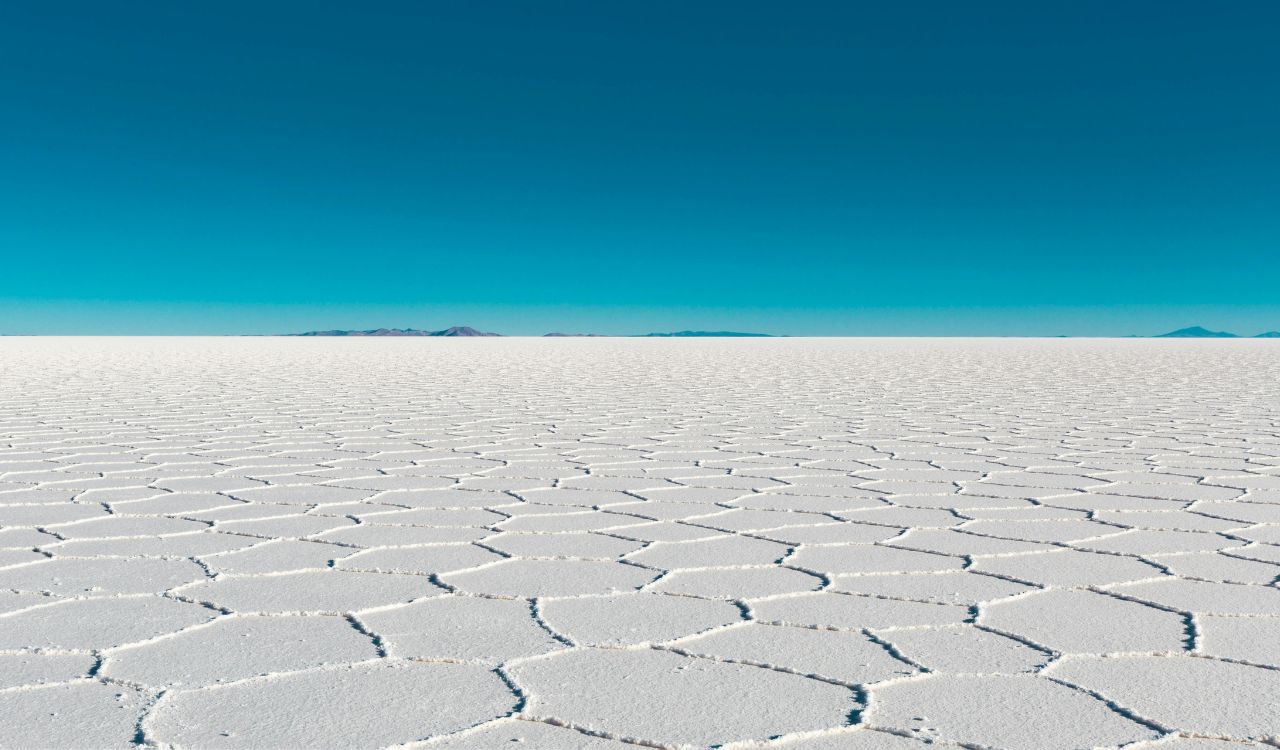
Covering more than 4,086 square miles, Salar de Uyuni is the largest salt flat on Earth. Formed from prehistoric lakes that evaporated thousands of years ago, it contains an estimated 10 billion tons of salt. During the rainy season, a thin water layer transforms the surface into a giant mirror, reflecting the sky across miles of uninterrupted horizon. The elevation reaches about 2.27 miles (11,995 feet) above sea level, intensifying sunlight and perspective. Nearby high-altitude lagoons and volcanic peaks amplify the region’s vast, almost otherworldly atmosphere.
5. Victoria Falls, Zambia and Zimbabwe
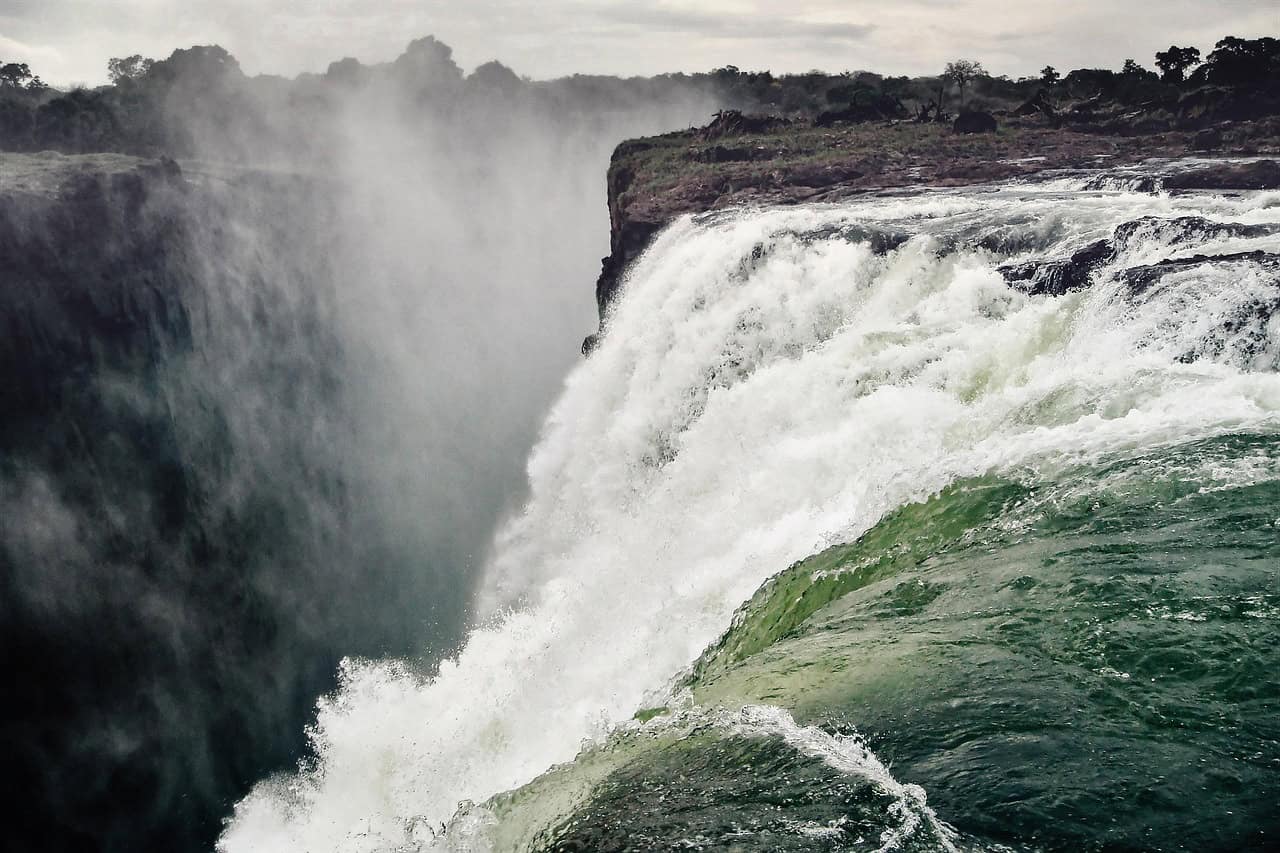
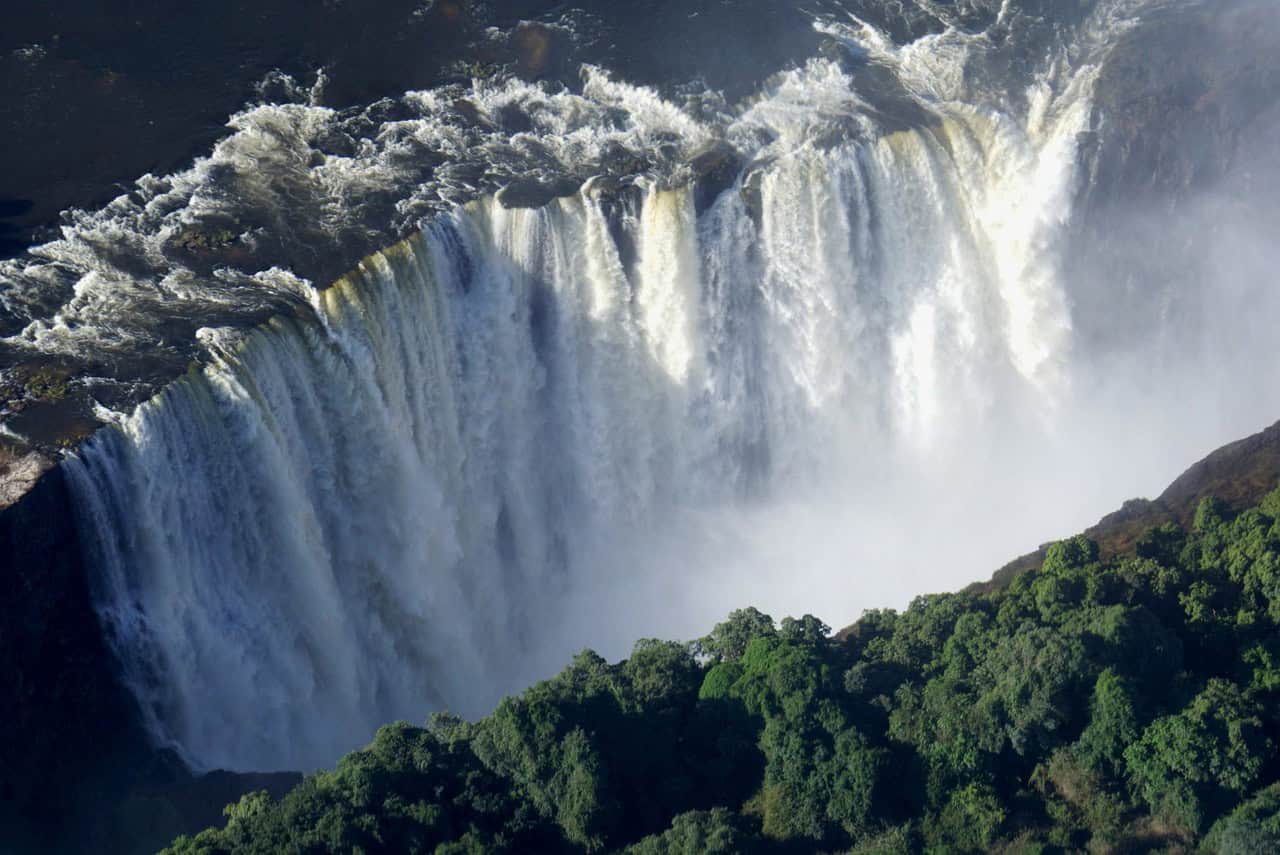
Stretching approximately 1.06 miles wide and plunging 354 feet into the Zambezi Gorge, Victoria Falls is one of the planet’s most powerful waterfalls. At peak flow, roughly 500 million liters of water cascade over the edge each minute, generating mist visible up to 12 miles away. Known locally as “Mosi-oa-Tunya,” meaning “The Smoke That Thunders,” the falls were designated a UNESCO World Heritage Site in 1989. Visitors can walk rainforest trails facing the spray or, during low water months, swim near the edge for a dramatic perspective.