We may earn money or products from the companies mentioned in this post. This means if you click on the link and purchase the item, I will receive a small commission at no extra cost to you ... you're just helping re-supply our family's travel fund.
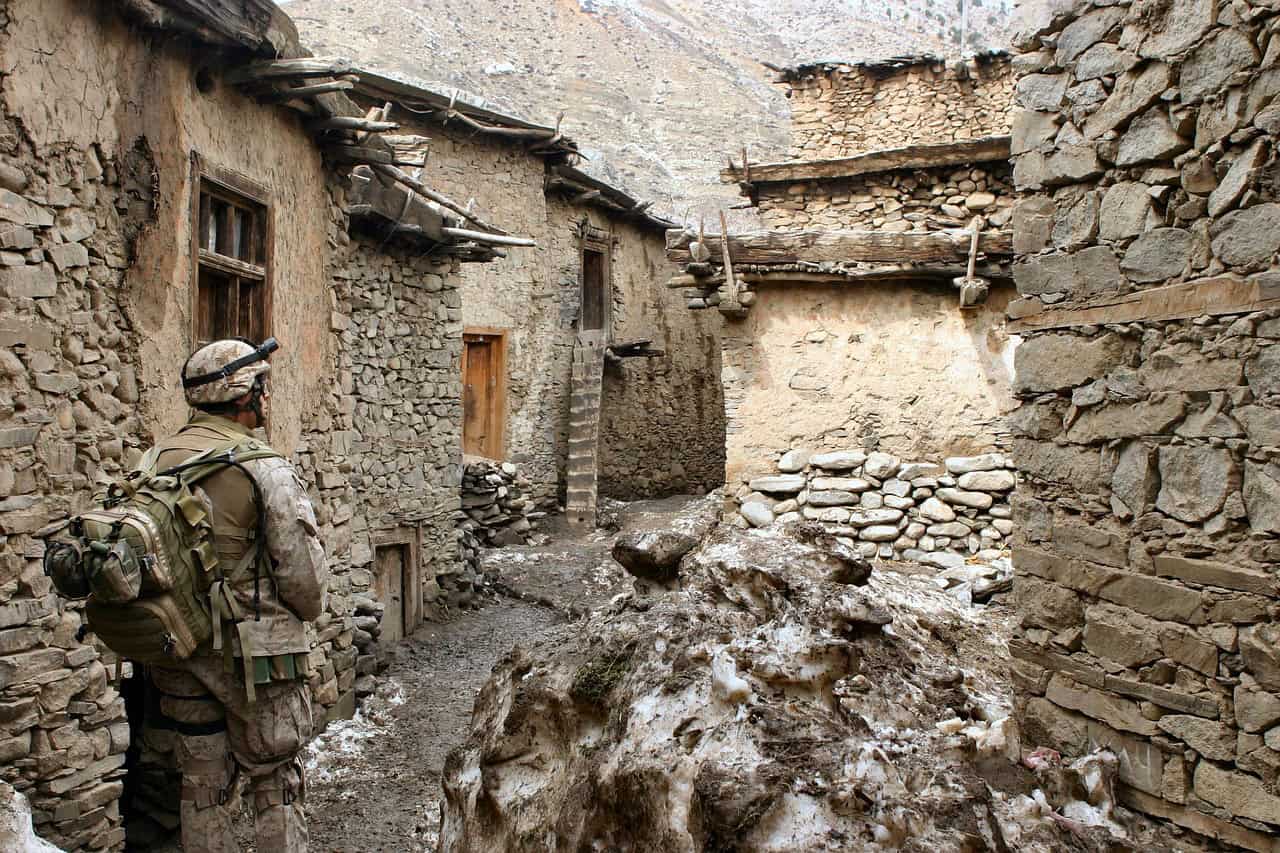
Traveling the world is exciting, but not all destinations are safe at this moment. Political instability, armed conflicts, terrorism, and civil unrest can make some countries extremely dangerous for visitors. Knowing where not to go is just as important as choosing where to visit. Ignoring travel advisories can put your life at serious risk, and emergency support may be limited. Here’s a carefully curated list of five countries that travelers should avoid right now to stay safe.
1. Afghanistan : Conflict and Security Risks
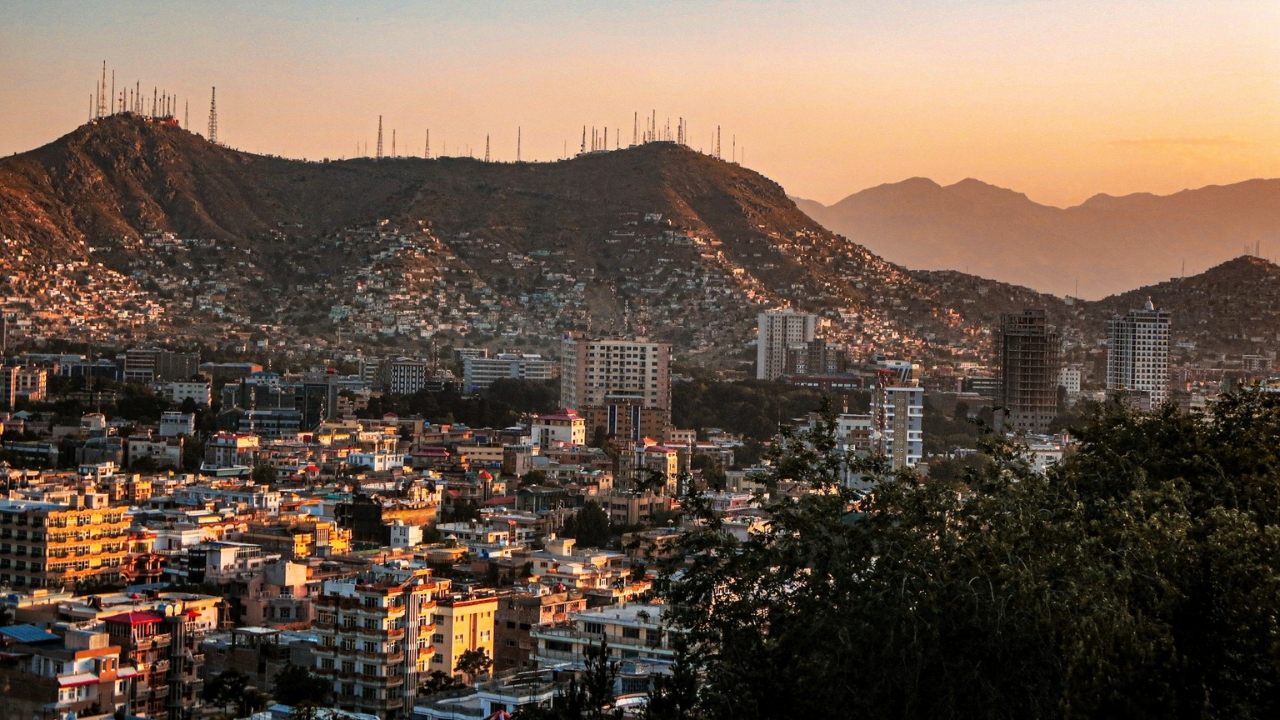
Afghanistan remains extremely dangerous due to ongoing armed conflict, terrorism, and lawlessness. Taliban and other armed groups frequently clash, causing bombings and ambushes even in major cities. Kidnappings and targeted attacks are common, while basic services, including healthcare and transportation, are limited. Foreign government support is scarce, making emergency evacuation difficult. Most advisories, including the U.S. Level 4: Do Not Travel, warn travelers against visiting Afghanistan due to widespread violence and instability.
2. Somalia : Terrorism and Crime Threats
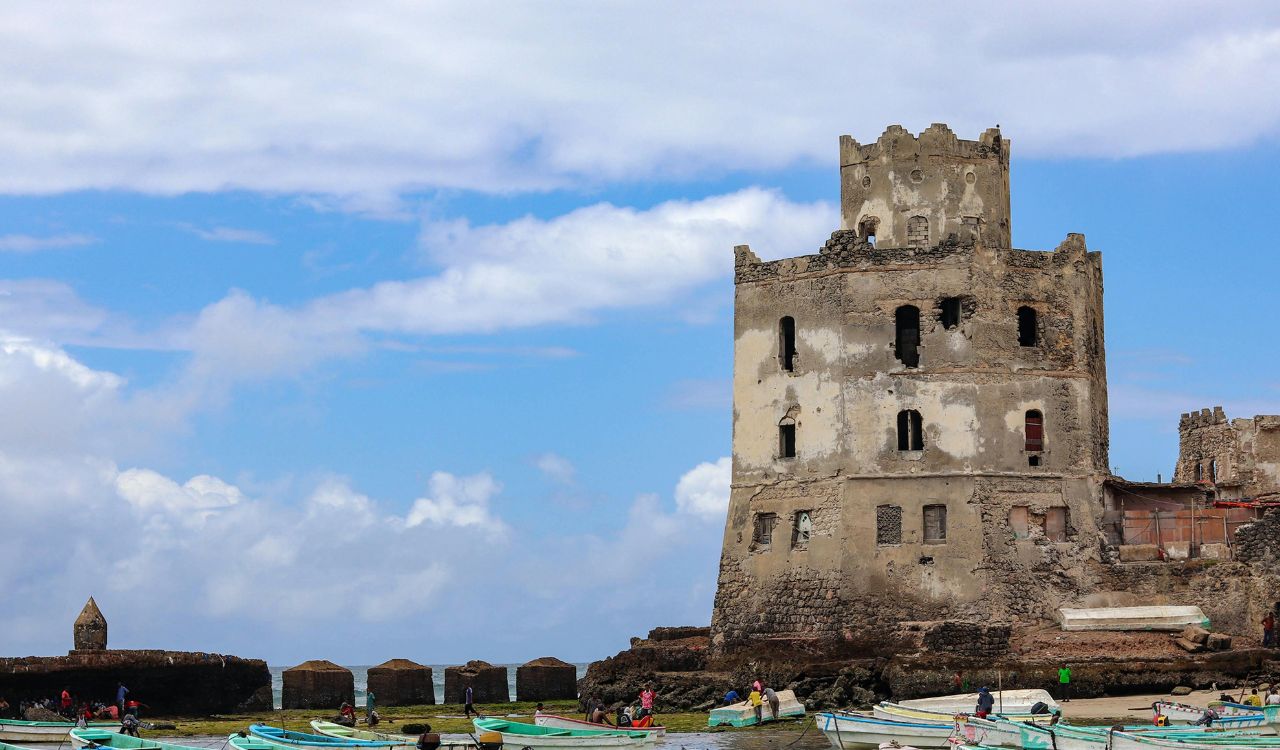
Somalia continues to face severe security challenges, including attacks by extremist groups like al‑Shabaab. Large areas are outside government control, and armed checkpoints pose risks for travelers. Coastal regions remain threatened by piracy, while violent crime, including robberies and kidnappings, is widespread. Infrastructure is poor, healthcare is limited, and humanitarian conditions are harsh. Governments worldwide issue Do Not Travel warnings, emphasizing that visiting Somalia exposes travelers to extreme danger at any time.
3. Syria : War and Fragmented Control
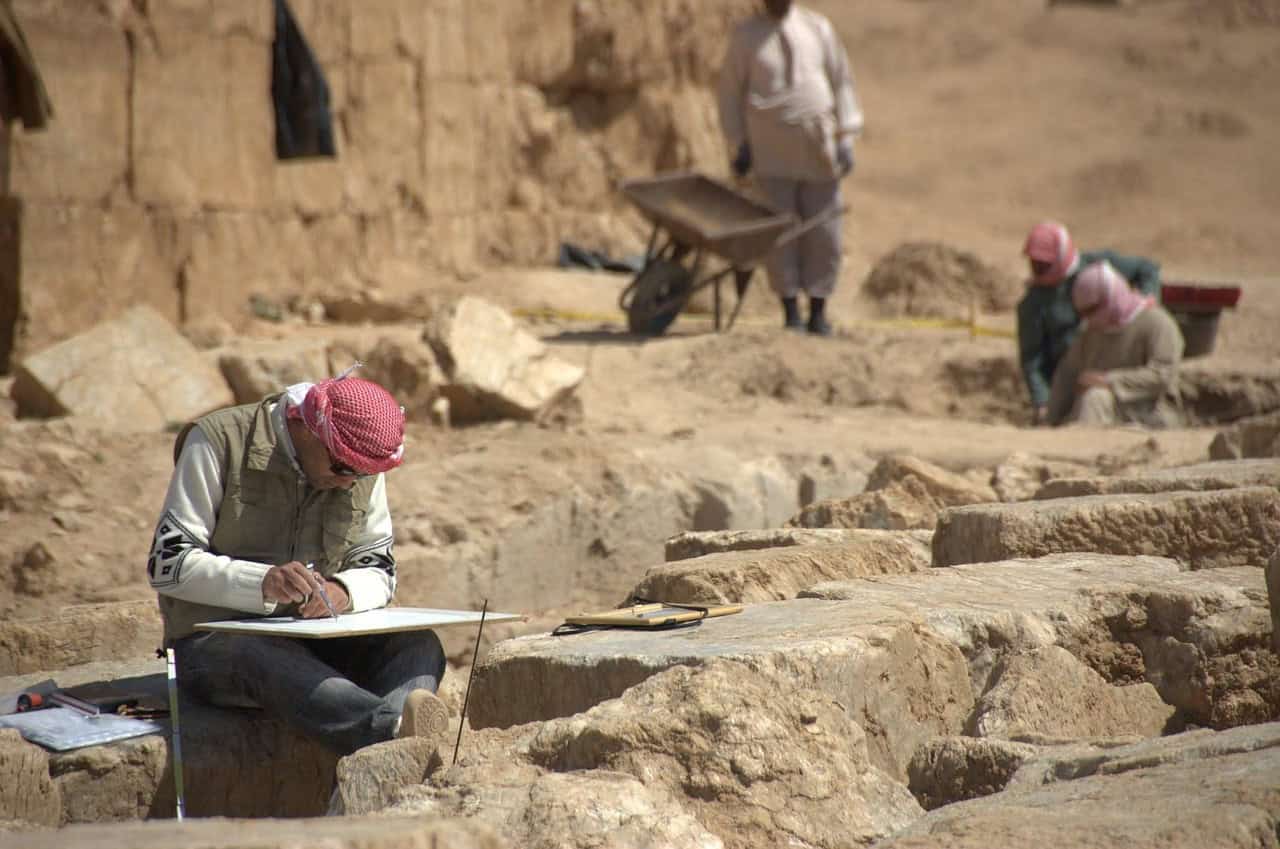
Syria is plagued by a decade-long civil war, creating a fractured and dangerous environment. Multiple armed groups operate across the country, making most regions unsafe. Bombings, armed confrontations, and unexploded ordnance are constant threats. Cities like Aleppo, Homs, and Idlib have disrupted public services, limited healthcare, and damaged infrastructure. Foreign governments provide minimal consular support, and travel advisories unanimously classify Syria as unsafe due to violence, terrorism, and lack of safety for visitors.
4. South Sudan : Civil Violence and Crime
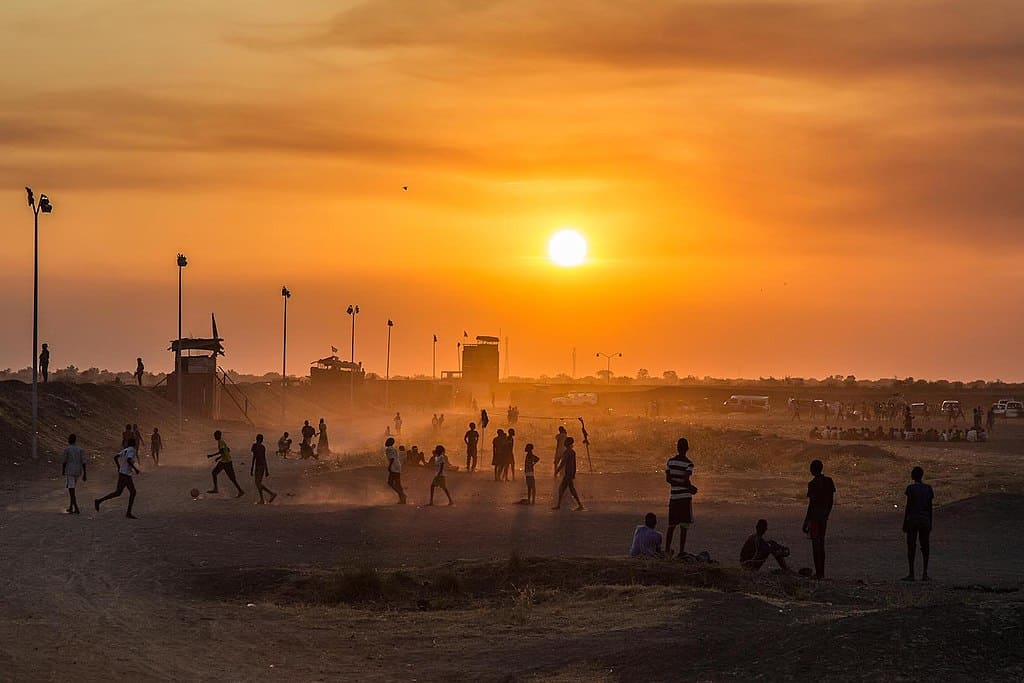
South Sudan faces sporadic civil conflict, ethnic clashes, and lawlessness in many regions. Armed attacks, robberies, and kidnappings occur frequently on both urban streets and rural roads. Roads are unsafe due to banditry, and essential services like hospitals or communication networks are unreliable. Violence can erupt without warning, trapping travelers far from help. Governments including the U.S. advise Do Not Travel, citing risks from crime, armed confrontations, and unpredictable outbreaks of violence that make visiting South Sudan extremely dangerous.
5. Iran : Unrest and Arbitrary Detention

Iran is currently unstable due to widespread protests, economic pressures, and government crackdowns. Demonstrations can turn violent, putting civilians and foreign visitors at risk. Security forces may detain foreigners, especially dual nationals, sometimes for extended periods on vague charges. Internet blackouts and travel restrictions complicate movement. Many governments urge citizens to avoid Iran entirely, noting that evacuation or consular support could be limited. Travelers face serious safety risks from unrest, arbitrary detention, and restricted mobility.