We may earn money or products from the companies mentioned in this post. This means if you click on the link and purchase the item, I will receive a small commission at no extra cost to you ... you're just helping re-supply our family's travel fund.

A quick kiss on a sidewalk can feel harmless, but in some countries it can land a couple in an awkward confrontation, a fine, or a trip to a police station. The difference is not romance versus coldness. It is how public space is defined and protected, often through public-decency laws and strong expectations around modesty. Most problems start when affection looks intimate, prolonged, or attention-seeking, especially in family-heavy areas. Knowing the local line helps couples stay relaxed, respectful, and out of trouble.
United Arab Emirates

In the United Arab Emirates, public affection is treated as a public-decency concern, and outcomes can depend on location, timing, and whether someone complains. UK travel guidance notes that public displays of affection are frowned upon and that people can be arrested for kissing in public. Brief, low-key gestures may pass in resort areas, but lingering kisses, lap-sitting, or heavy cuddling in malls, on the metro, in taxi queues, at public parks, or near mosques can draw security attention, and what starts as a warning can turn into questioning, IDs checked, and paperwork on the spot, in full view.
Qatar

Qatar pairs a modern skyline with conservative expectations in shared spaces, so the same gesture can feel fine in a hotel lobby and out of place in a mall corridor, on a metro platform, or at a family restaurant. Australia’s Smartraveller advises it is illegal to be sexually intimate or overly affectionate in public. A quick hug might be ignored, but kissing or prolonged embracing on the Corniche, in Souq Waqif, or at crowded events can trigger a complaint, and that complaint can mean police questions, fines, and a day of travel plans erased, especially around holidays and big match nights downtown.
Saudi Arabia

Saudi Arabia has opened rapidly to tourism, but public decorum still matters, and affection is an easy way to misread the room in family-forward spaces. UK travel advice tells all couples to be aware of local customs and avoid showing affection in public. Keeping gestures brief helps couples sidestep unwanted scrutiny in malls, markets, waterfront promenades, museums, parks, cafés, ride-share pickup zones, and even hotel entrances, and it reduces risk during busy periods like Ramadan or major festivals, when expectations feel sharper, crowds are denser, cameras are everywhere, and patience can run thin.
Morocco
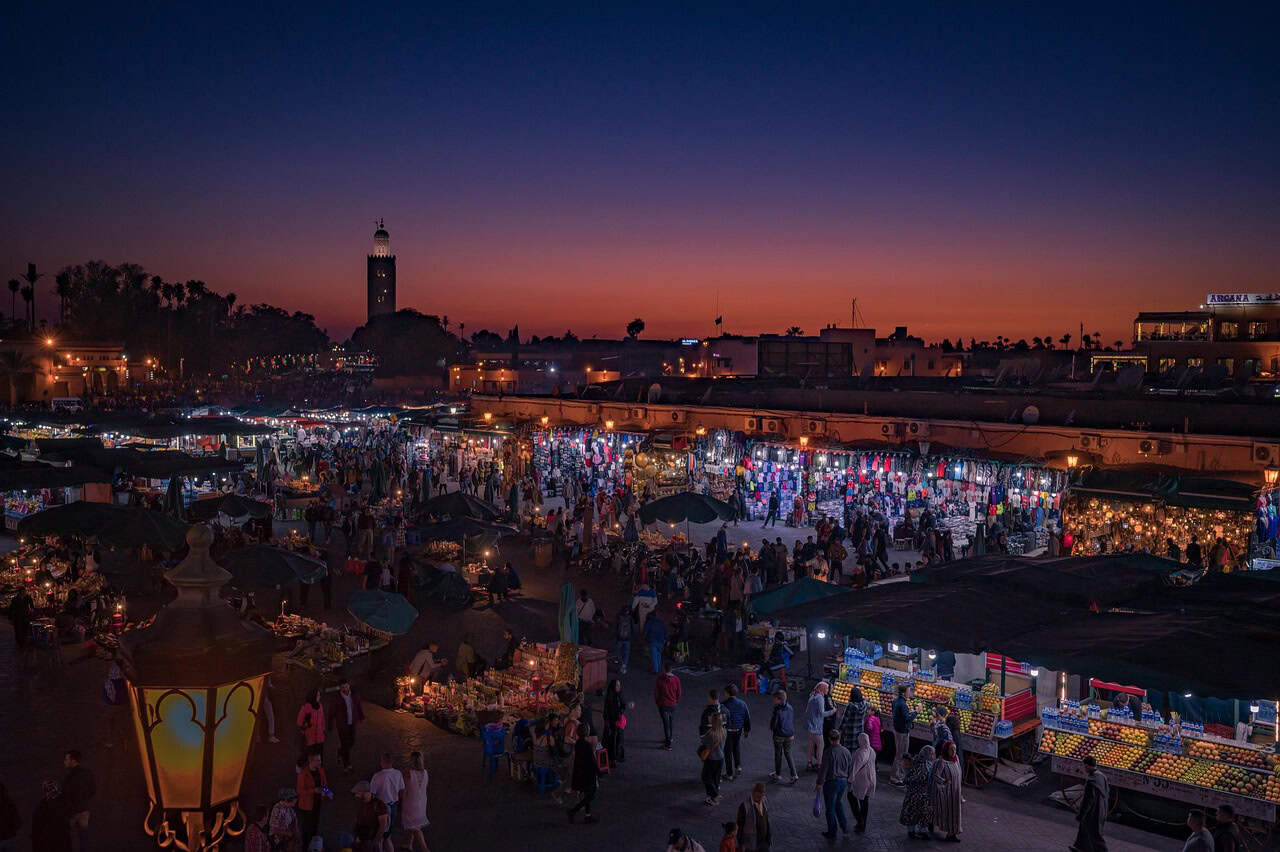
Morocco can feel relaxed in tourist corridors, yet public affection can still trigger complaints, and complaints can become legal trouble when someone feels offended. UK travel advice warns couples to avoid showing affection in public because complaints can lead to prosecution. Hand-holding often blends in, but kissing or extended cuddling in medinas, small towns, train stations, plazas, beaches at night, and near religious sites can sour the mood fast, drawing stares, comments, and sometimes a conversation with authorities, especially if locals decide to report it or a guard steps in to stop it.
Indonesia

Indonesia is diverse, but Aceh is a special case with sharia enforcement that does not apply across most of the archipelago, and it can carry real penalties. Australia’s Smartraveller warns that Aceh upholds aspects of sharia law, that punishments can include caning, fines, and imprisonment, and that these rules may apply to foreigners in some circumstances. Recent reporting has shown Aceh courts punishing acts like hugging and kissing, and sharia police can get involved quickly, so couples passing through Banda Aceh are safest keeping affection private, calm, and unremarkable in public spaces.