We may earn money or products from the companies mentioned in this post. This means if you click on the link and purchase the item, I will receive a small commission at no extra cost to you ... you're just helping re-supply our family's travel fund.

The pullback is not always loud enough to make headlines on its own. It shows up in softer bookings, rerouted stopovers, and families choosing a different coast because the map suddenly feels more fragile than it did a month ago. In March 2026, Reuters reported that travelers were steering clear of the Middle East, staying closer to home, and paying more to avoid disrupted routes, while one major package holiday company said bookings to parts of the eastern Mediterranean had sharply slowed.
United Arab Emirates
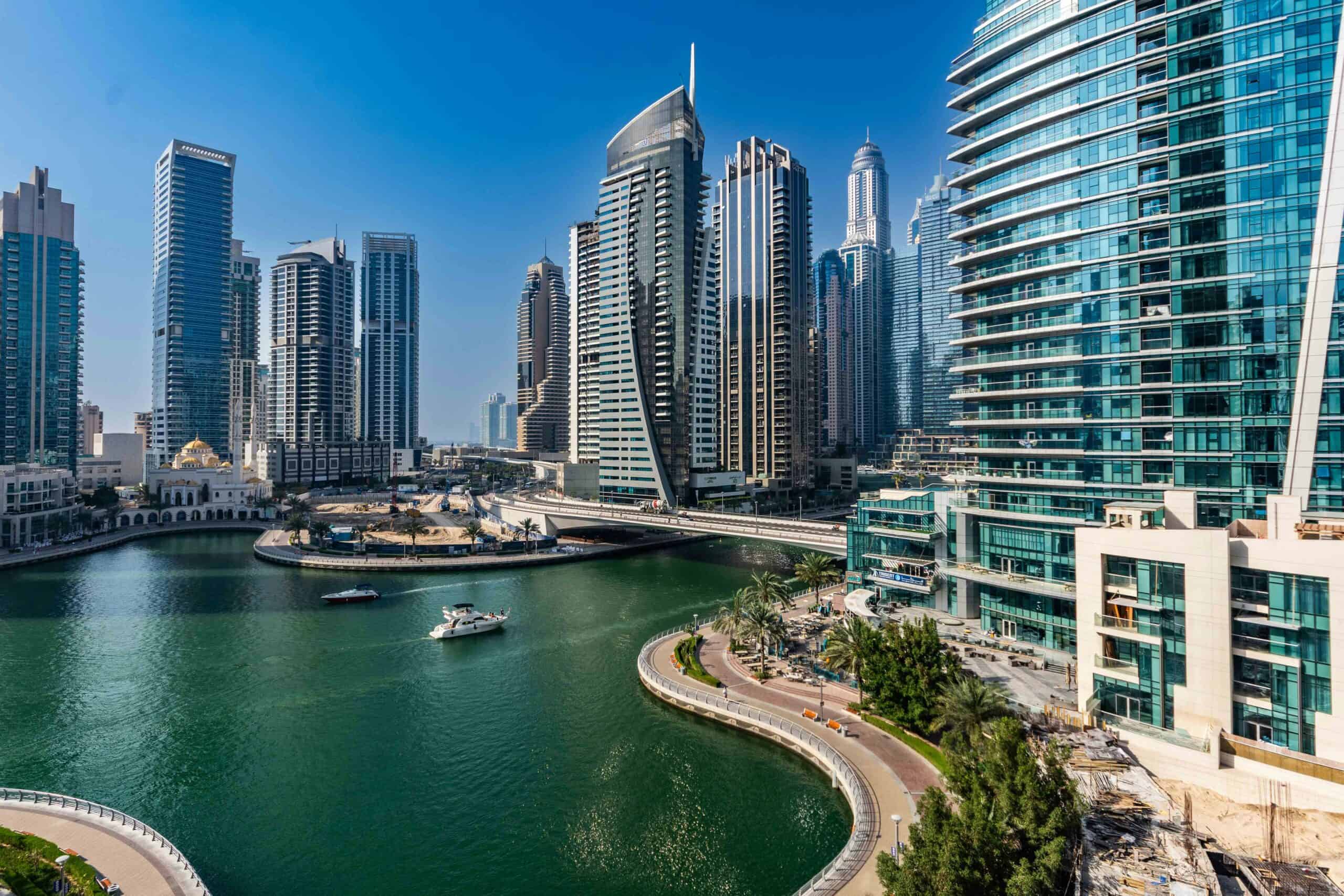
The United Arab Emirates still looks polished and reassuring from the outside, which is part of what makes the shift so striking. Reuters reported that major Gulf hubs including Dubai and Abu Dhabi were closed or severely restricted after the conflict escalated, with 21,300 flights canceled across seven airports, and KLM later canceled all Dubai flights until March 28. The U.S. State Department now lists the UAE at Level 3 and says travelers should reconsider travel because of the threat of armed conflict and terrorism, which helps explain why many leisure travelers are quietly deciding that a Dubai stop or short break can wait.
Turkey
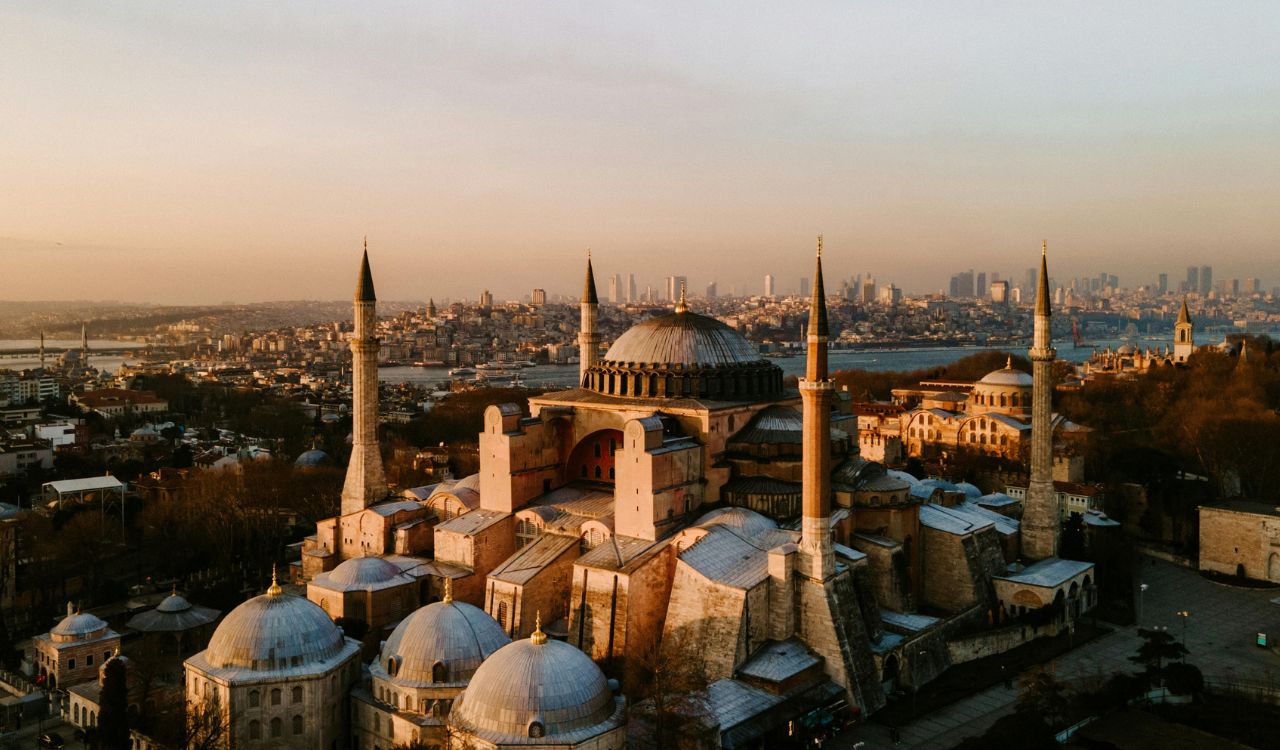
Turkey is being hurt by proximity, not by a collapse of its appeal. Reuters reported that British holiday company On the Beach saw a sharp slowdown in bookings to Turkey after the U.S.-Israeli war with Iran intensified, and another Reuters report said Turkey had stopped flights to Iran, Iraq, Syria, Lebanon, and Jordan for several days while also pausing service to a string of Gulf destinations. That combination matters because even when a resort itself feels calm, travelers start reading the whole region as one anxious airspace story, and Turkey ends up absorbing some of that hesitation.
Greece
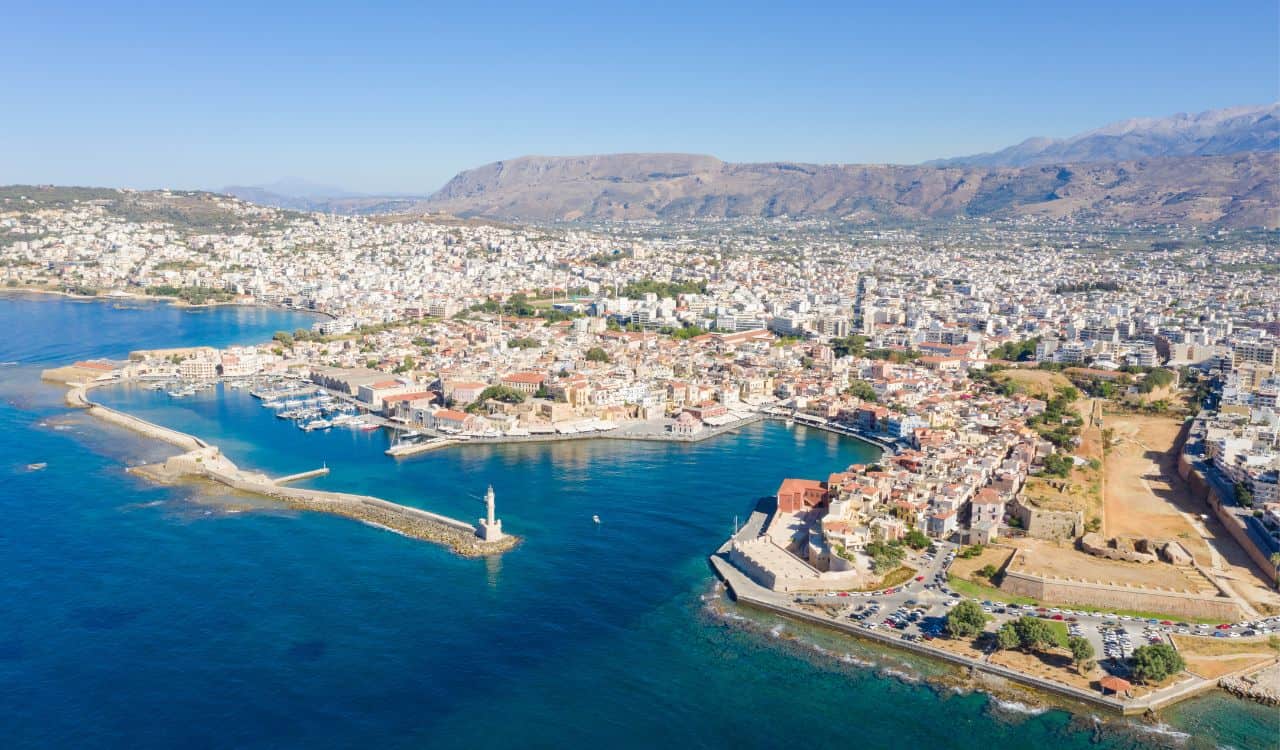
Greece remains one of Europe’s most emotionally dependable summer choices, which makes its current booking slowdown feel especially telling. Reuters said On the Beach had seen demand soften for Greece alongside other nearby destinations, and the Guardian reported that European holidaymakers were switching away from the eastern Mediterranean toward Spain, Portugal, Italy, Malta, and Croatia because of airspace closures and flight disruptions linked to the wider conflict. That does not mean Greek islands have suddenly lost their pull. It means geography is starting to weigh on decisions more than beauty.
Cyprus
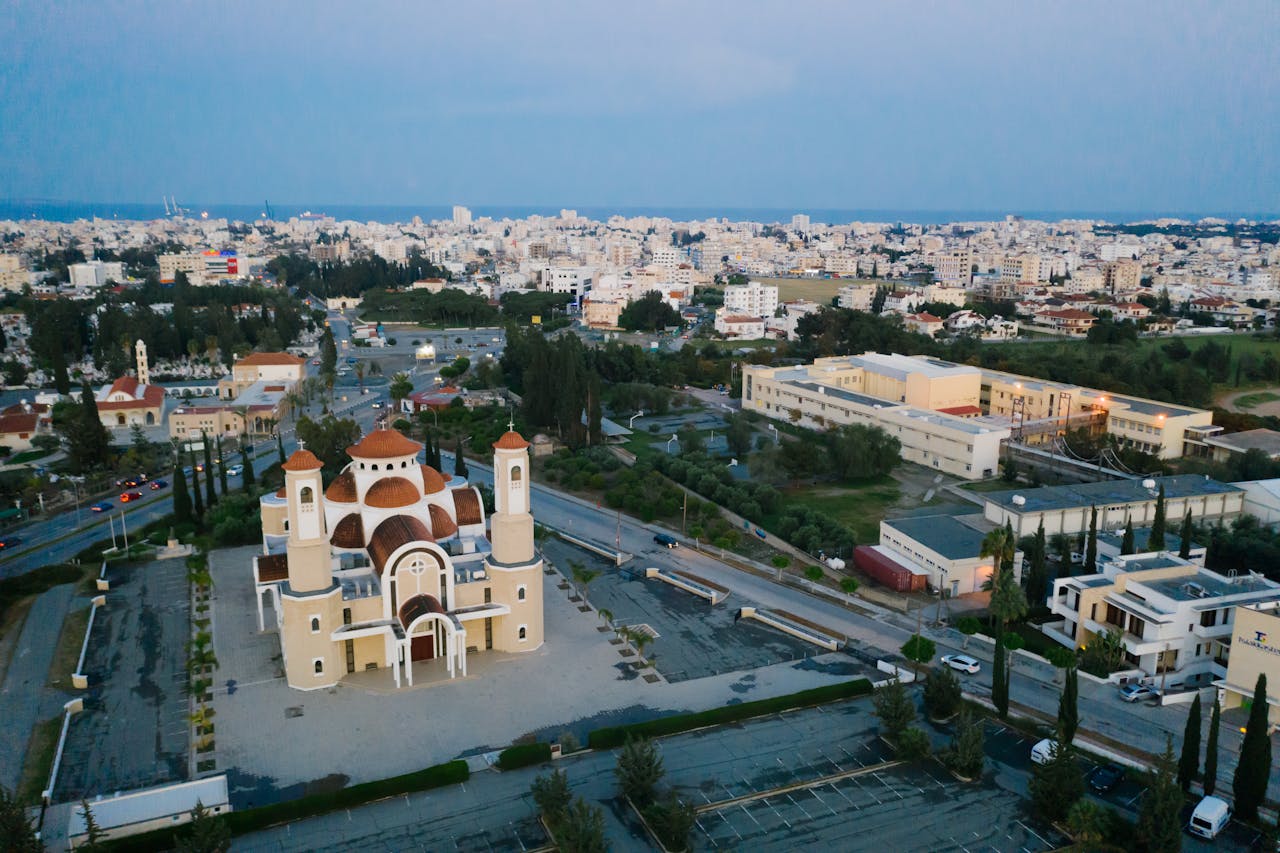
Cyprus is facing the kind of travel anxiety that spreads faster than any official ban. Reuters included Cyprus among the destinations hit by a sharp slowdown in holiday bookings, while the Guardian reported that many Europeans were avoiding the eastern Mediterranean altogether as they looked for simpler routes and fewer chances of disruption. For Cyprus, that is a hard pattern to fight. The island still offers the same blue water, beach towns, and easy sun, but right now many travelers seem more interested in emotional distance from the crisis than in one more beautiful place close to it.
Egypt
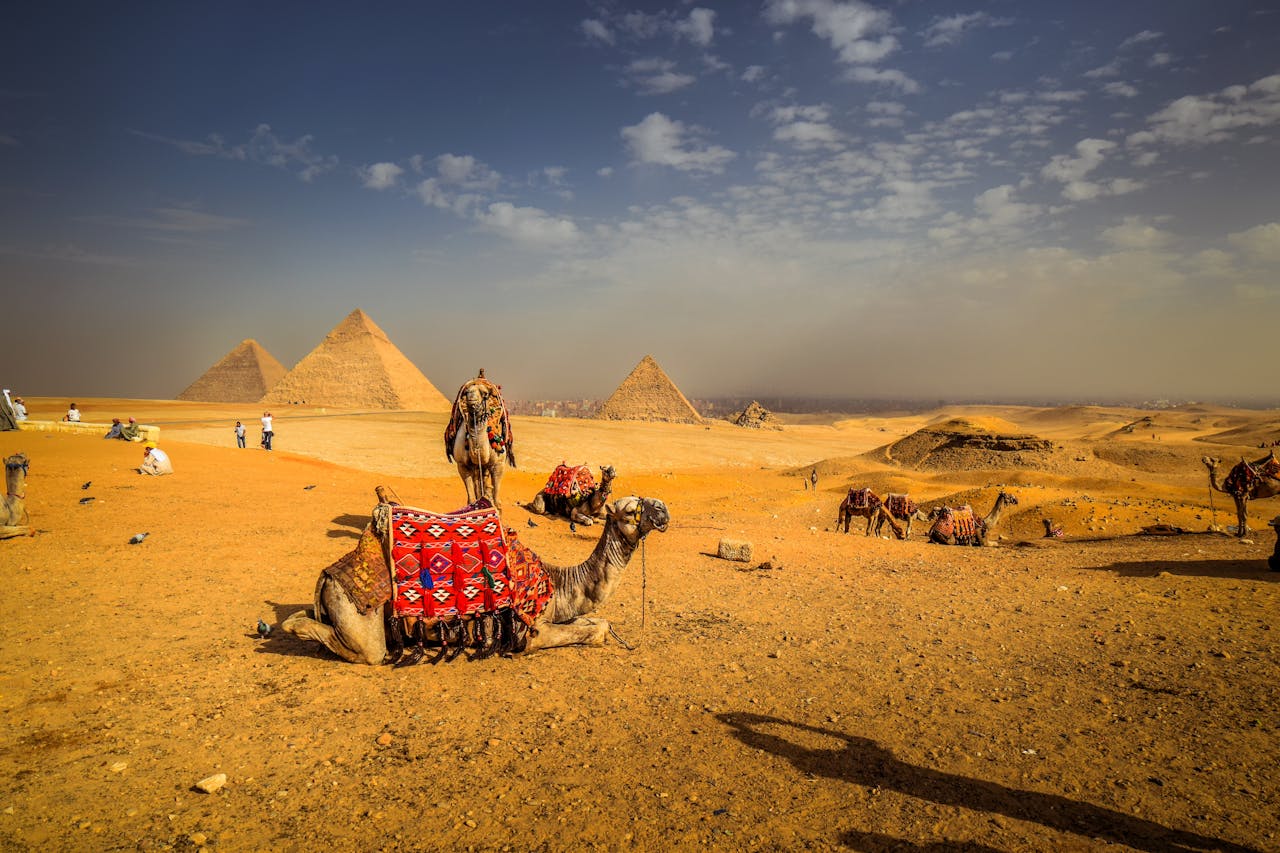
Egypt is being squeezed from two sides at once: regional nerves and the psychology of the map. Reuters said bookings to Egypt had slowed sharply at On the Beach, and another Reuters report noted that the U.S. State Department had urged Americans to depart more than a dozen Middle Eastern countries, including Egypt, because of safety risks tied to the widening conflict. That does not erase the appeal of the Red Sea or the familiarity of Egypt’s resort coast. It does mean that for many travelers, a country once sold as dependable winter or shoulder-season sun now feels harder to separate from the instability around it.