We may earn money or products from the companies mentioned in this post. This means if you click on the link and purchase the item, I will receive a small commission at no extra cost to you ... you're just helping re-supply our family's travel fund.

For years, the countries around Afghanistan drew adventurous travelers with Silk Road stories, distinctive food, and mountain skylines that felt almost otherworldly. Guidebooks treated many of these places as edgy but manageable, somewhere between backpacker brag and serious cultural trip. Now, embassy cables and travel advisories tell a sharper story. Security services track new attacks, border tensions, and arrests that do not always make headlines abroad. The romance of the map is still there, but the risk calculations have grown much heavier.
Pakistan, Treks And Cities Shadowed By Unsteady Security
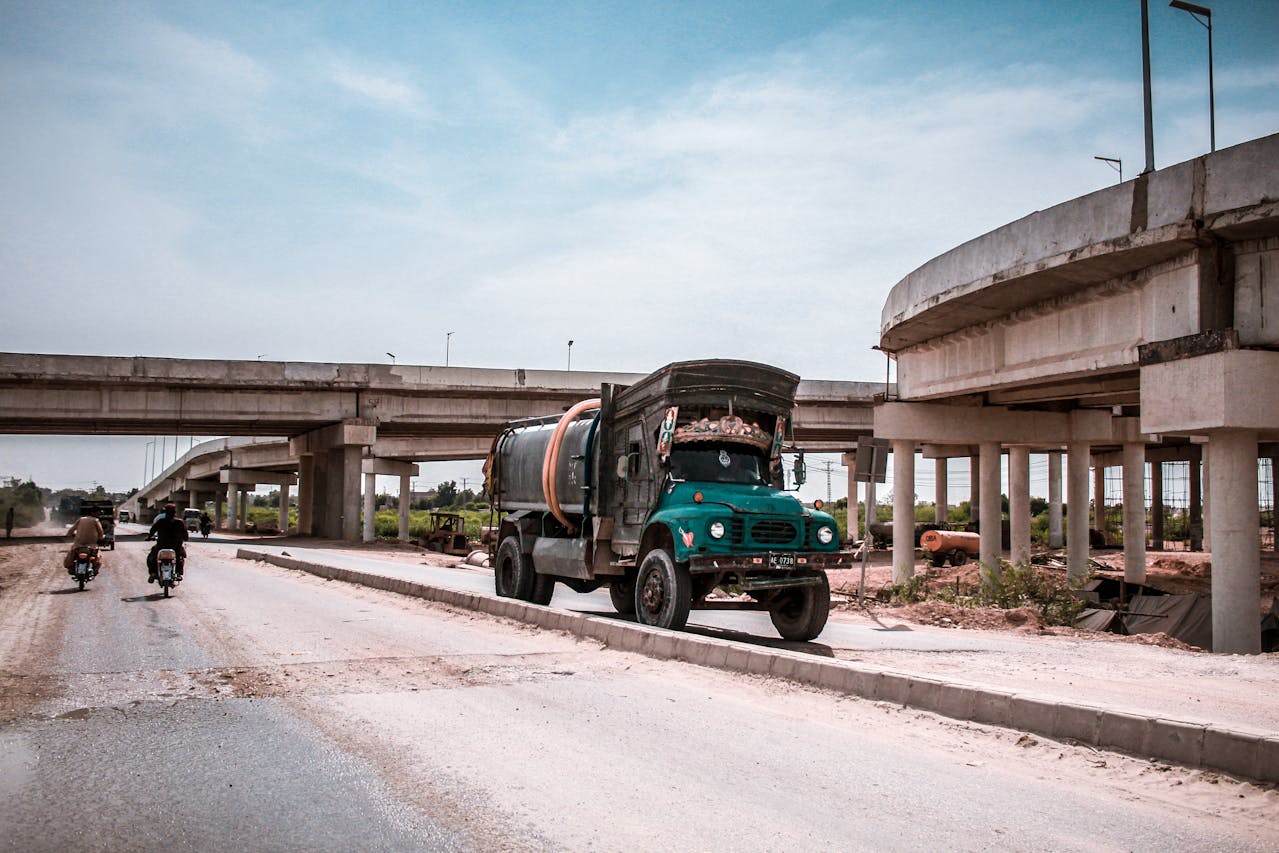
Pakistan still lures climbers and culture seekers with Karakoram peaks, Mughal architecture, and spirited street life in cities like Lahore. At the same time, the overall advisory sits at a high level, with specific regions along the Afghan and Iranian borders tagged as places to avoid because of terrorism, kidnappings, and routine clashes. Urban centers cycle through periods of calm and sudden incidents that hit markets, rallies, or police posts. That volatility makes independent movement harder to plan and harder to justify.
Iran, Deep Culture, High Risk Of Detention
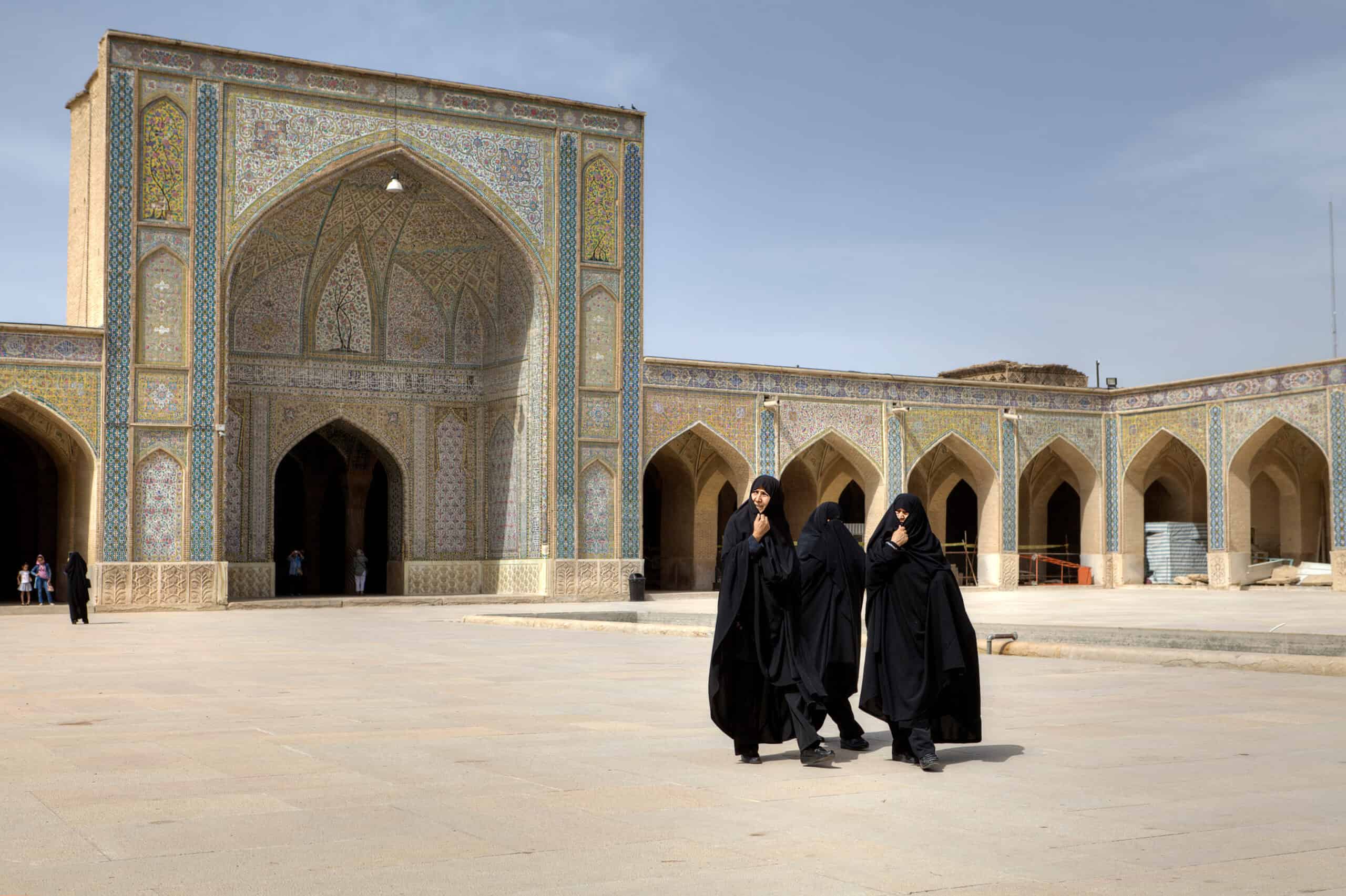
Iran’s mosques, bazaars, and desert cities remain some of the most visually powerful places in the region, and many visitors speak warmly about everyday hospitality. Yet the official warning landscape is blunt, pointing to terrorism, protests that can flare into violence, and a track record of detaining foreign and dual nationals on opaque charges. Families of those detainees describe long, uncertain legal battles where politics matters more than facts. For US tourists, the question is less about beauty and more about whether freedom feels negotiable.
Tajikistan, Pamir Dreams Near A Live Border
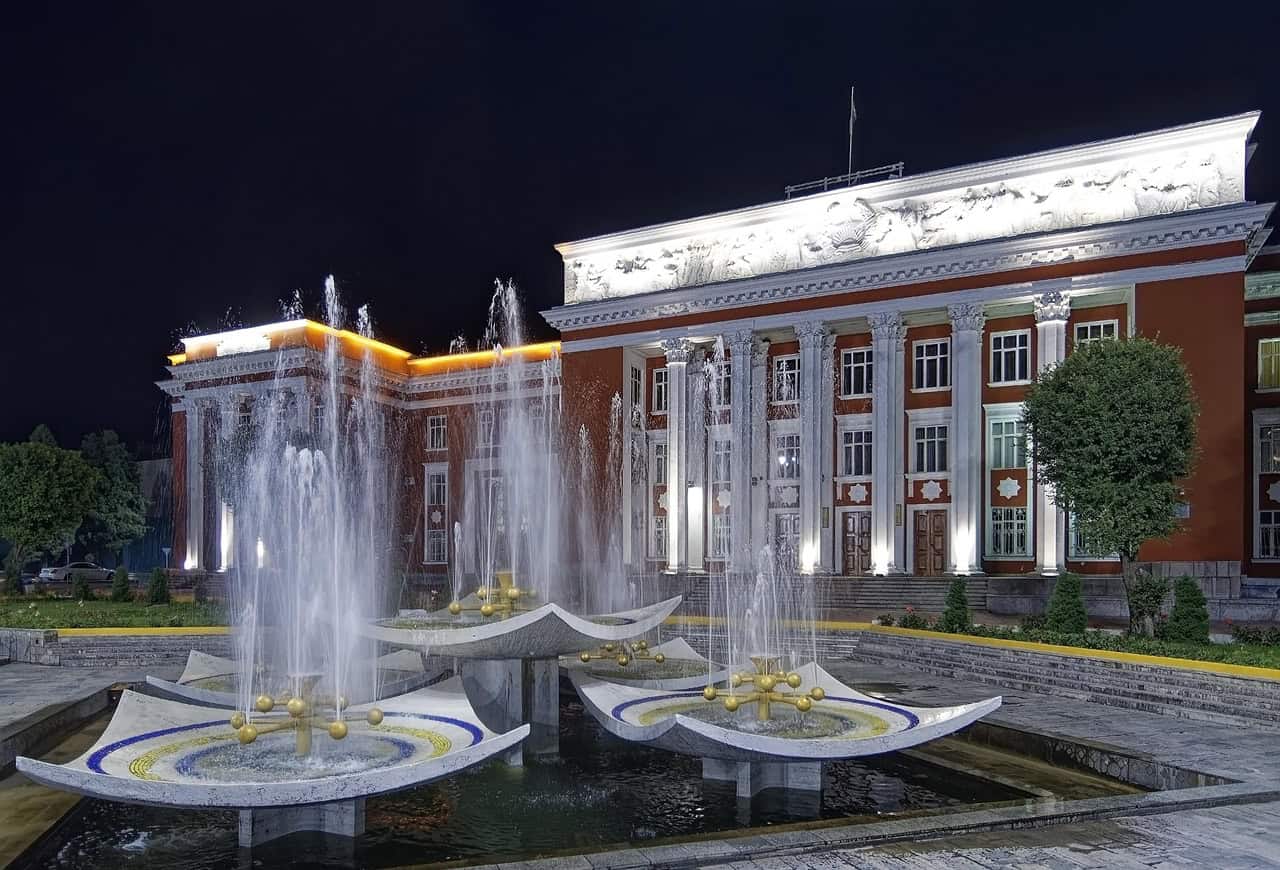
Tajikistan once sat in travel conversations as a rugged but relatively quiet gateway to high Pamir passes and remote village life. The security picture now includes cross-border fire from Afghan territory, militant incursions, and long-standing concerns about landmines and banditry in some valleys. Central authorities do not always have tight control over far-flung districts, especially at night or in bad weather. For foreign visitors, that means spectacular scenery threaded with pockets where state reach, medical care, and rescue capacity thin out quickly.
Uzbekistan, Silk Road Revival With Terrorism In The Background
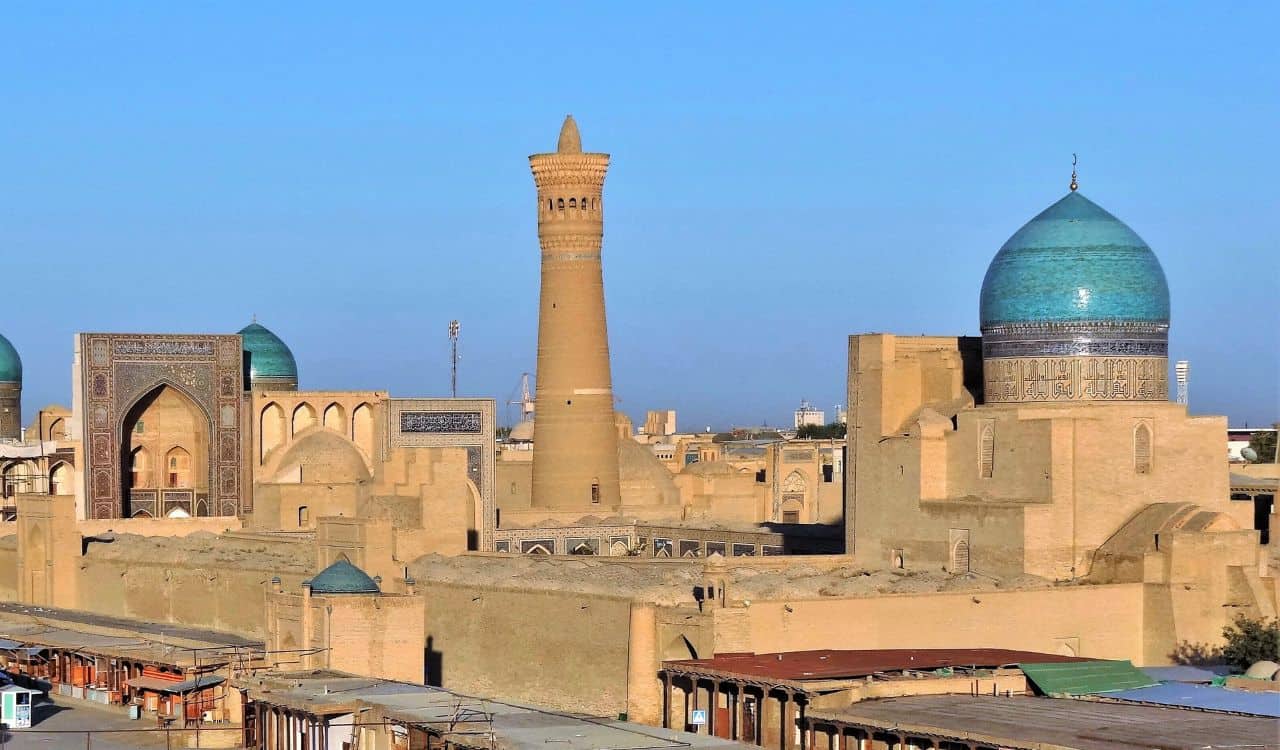
Uzbekistan has poured effort into visas, high-speed trains, and polished old towns to position Samarkand and Bukhara as easy, camera-ready stops. Behind that revival, security services still frame extremist threats as real and persistent, especially around gatherings, religious sites, or government buildings. Past attacks and plots keep intelligence work in the foreground, and regional instability occasionally spills over as arrests or heightened alert levels. The result is a tourism boom layered over a quiet understanding that authorities remain on guard for something worse.
China (Xinjiang Borderlands), Big Landscapes, Tight Controls
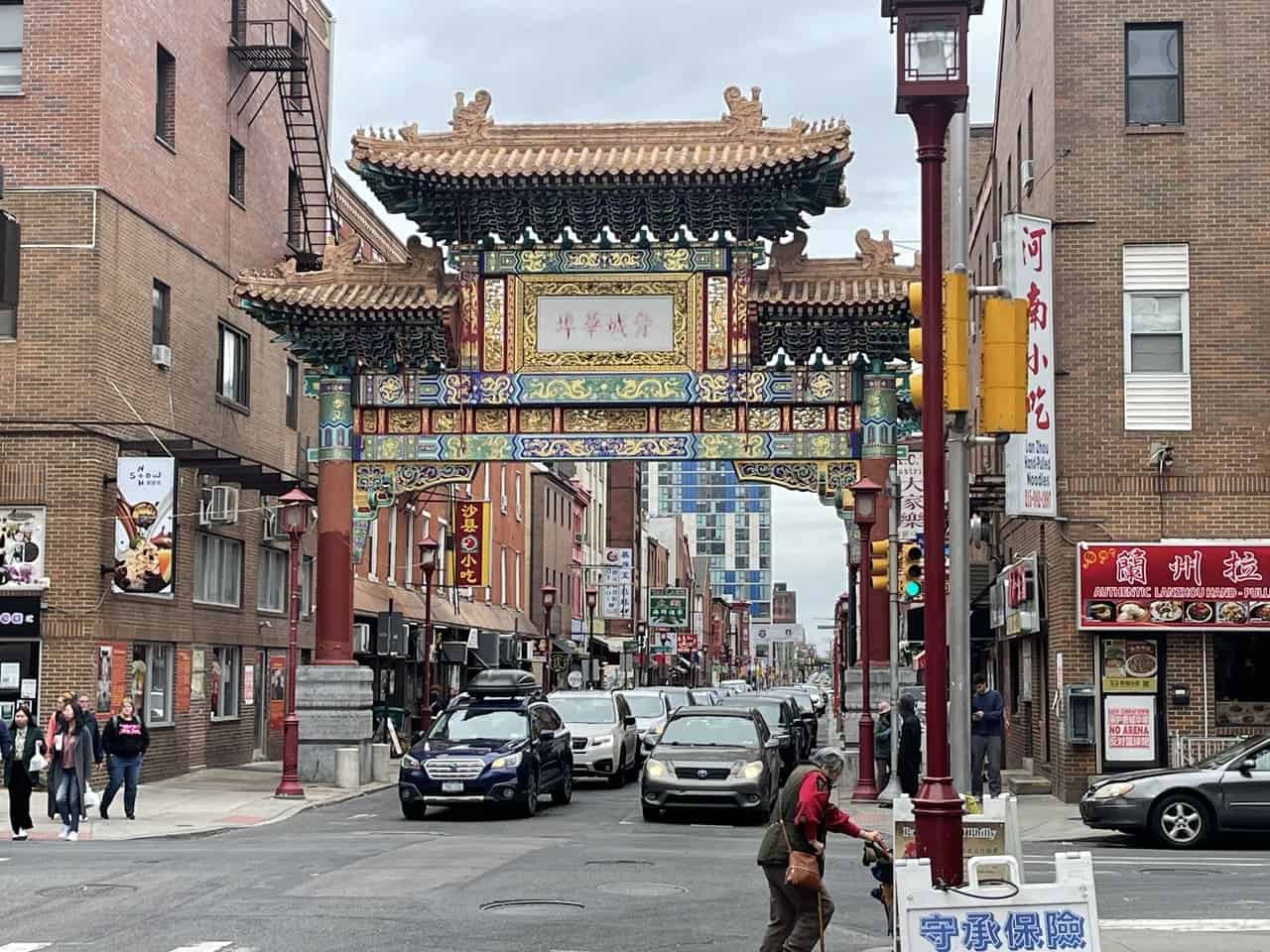
China’s western regions near Afghanistan combine sweeping steppe, desert, and mountain terrain with some of the heaviest surveillance on the planet. Foreigners can face ID checks, police questioning, and close scrutiny of phones or laptops, especially in and around Xinjiang. Reports from rights groups and journalists describe exit bans, opaque security rules, and situations where visitors feel they have little recourse if something goes sideways. The landscape stays as grand as ever, but the sense of being fully in control of one’s movements does not.