We may earn money or products from the companies mentioned in this post. This means if you click on the link and purchase the item, I will receive a small commission at no extra cost to you ... you're just helping re-supply our family's travel fund.

Hiking can be one of the most rewarding ways to connect with nature, but even a short trek can be ruined by something as simple as the wrong boots. Many hikers underestimate the importance of proper footwear, leading to discomfort, injury, or an early end to an adventure. From sizing missteps to maintenance mistakes, understanding common hiking boot errors can save hours of pain and frustration. Here are five critical mistakes to avoid to keep your journeys safe, comfortable, and memorable.
1. Buying Boots That Don’t Fit Properly
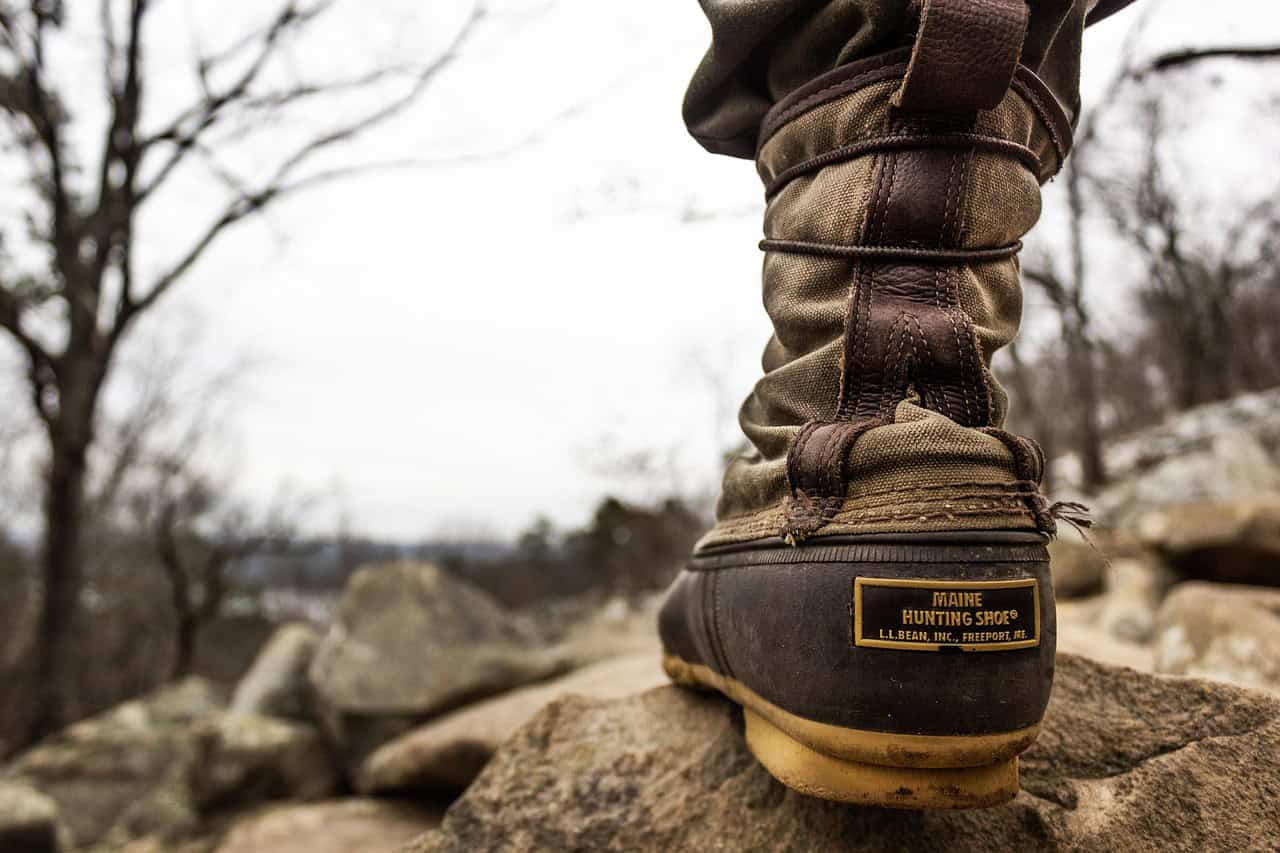
A staggering 65% of hikers report blisters or foot pain caused by ill-fitting boots, making this the most common mistake. Boots should provide snug heel support, enough toe room, and proper arch alignment. Trying them on at the end of the day, when feet are slightly swollen, reveals the true fit. Socks matter too, always test boots with the hiking socks you plan to wear. Ignoring fit can turn even a 5-mile trail into a torturous experience. Remember, comfort is non-negotiable; a well-fitted boot prevents injuries and keeps your hike enjoyable.
2. Ignoring Terrain-Specific Needs
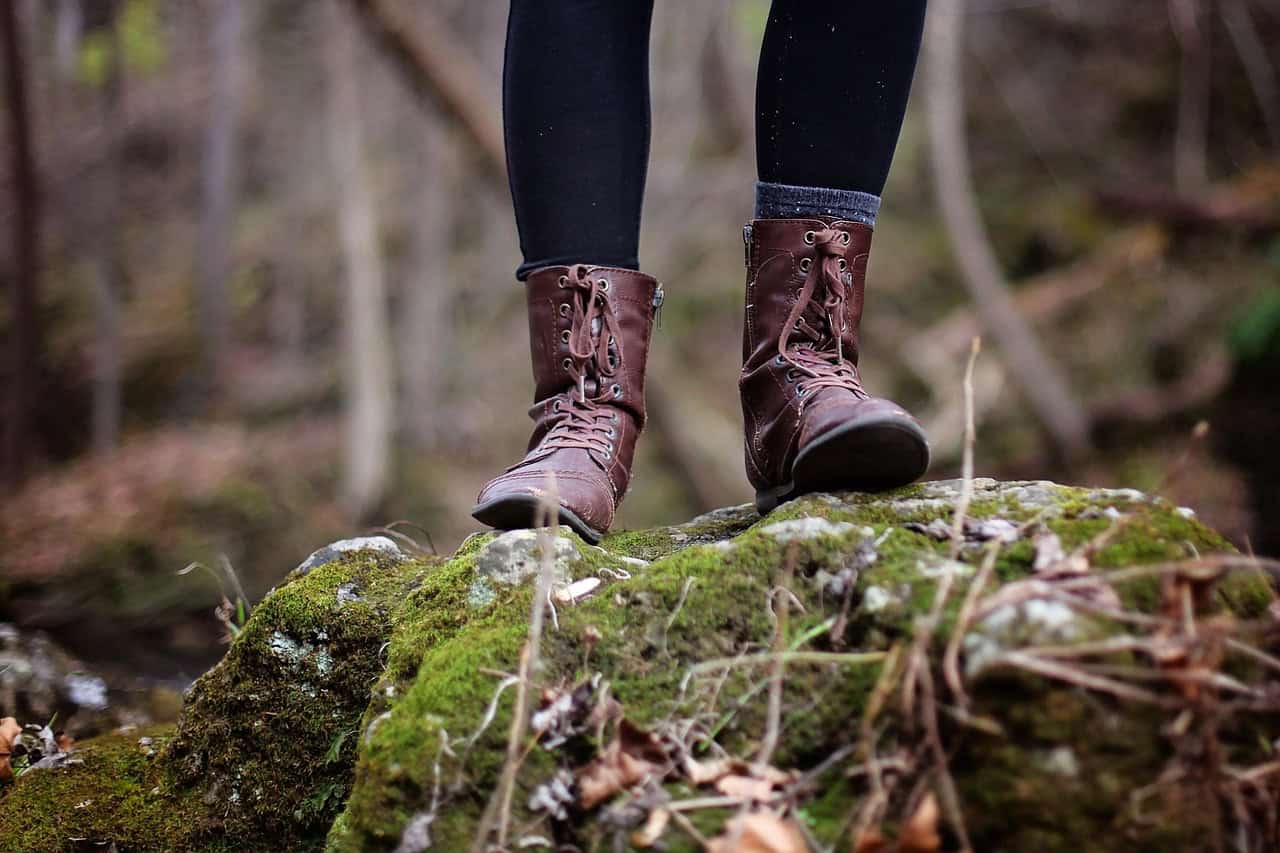
Different trails demand different footwear. Rough, rocky terrain requires sturdy boots with reinforced soles and ankle support, while flat forest paths may be fine with lightweight hiking shoes. Studies show 47% of trail injuries result from inappropriate footwear for the terrain. Wearing heavy boots on easy trails or light shoes on mountains increases fatigue, reduces stability, and risks slips or sprains. Before buying, identify trail conditions and match your boot type to them. Proper terrain-matching ensures better energy conservation and safer, more comfortable hiking over long distances.
3. Skipping the Break-In Period
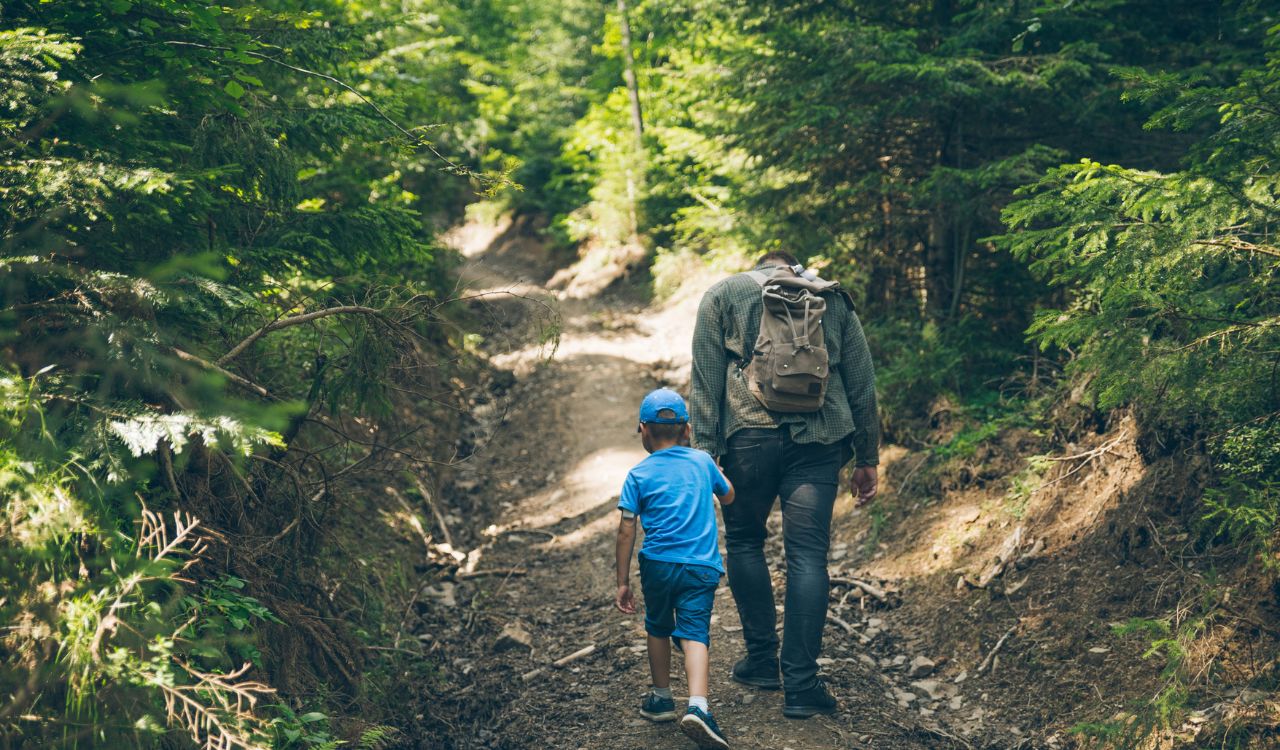
Many hikers assume new boots are ready for multi-day treks immediately, which can lead to blisters and sore arches. On average, boots require 20–30 miles of walking on varied surfaces to mold to your feet. Gradual break-in softens stiff leather or synthetic materials, allowing them to flex naturally with your movements. Skipping this process often forces hikers to cut trips short or endure severe discomfort. Treat boots like a training program: short walks, gentle inclines, and repeated wear will ensure they perform reliably on demanding trails without causing unnecessary pain.
4. Neglecting Waterproofing and Maintenance
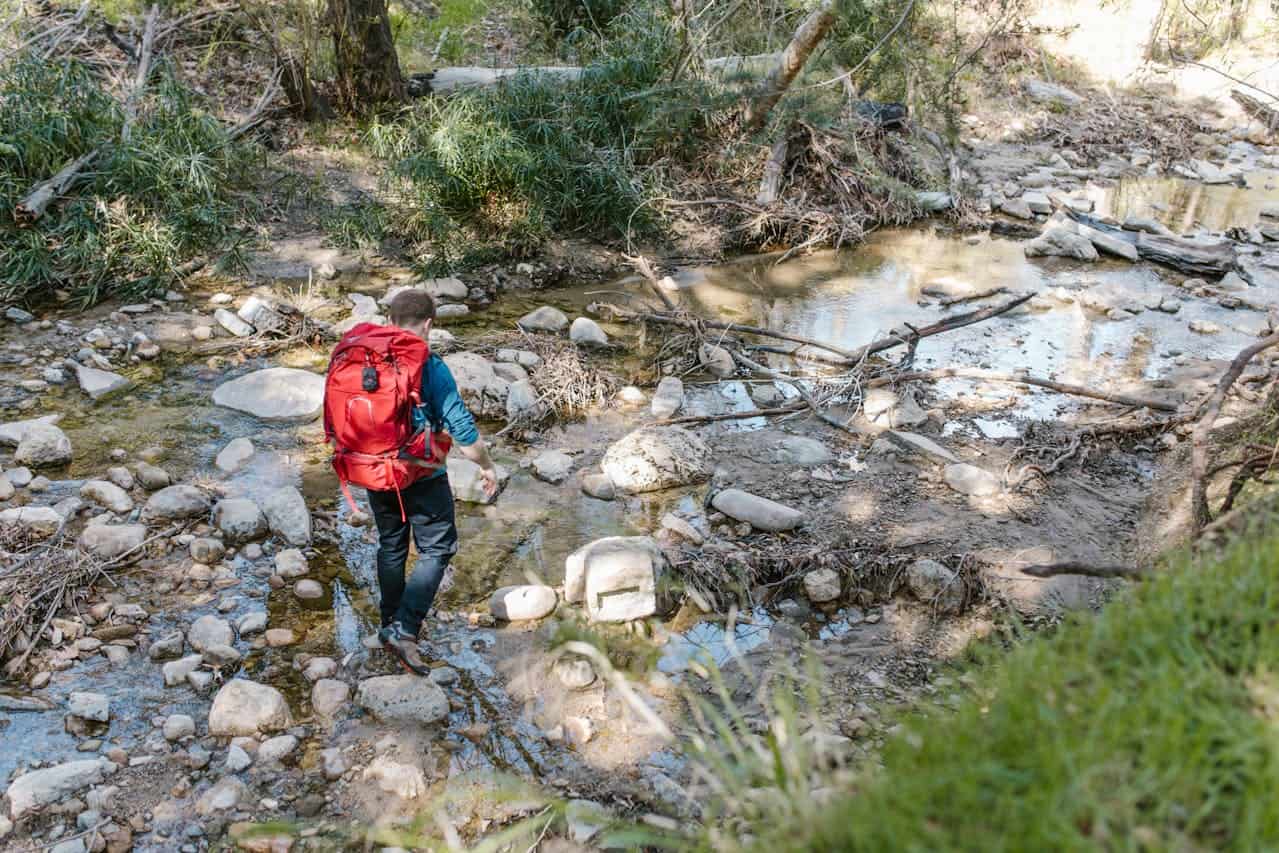
Neglecting waterproofing is a mistake that affects 38% of hikers, leading to soaked feet and blisters during wet conditions. Even water-resistant boots need regular treatment with waxes or sprays to maintain flexibility. Dirt and mud should be removed after each hike to prevent material degradation and odor buildup. Without proper maintenance, boots lose support, stiffness increases, and durability drops significantly. Well-maintained boots last years longer and perform consistently, keeping you safe from slips and moisture-related injuries while improving overall trail comfort and reliability.
5. Wearing the Wrong Socks or Going Sockless
Approximately 52% of hiking-related foot issues stem from improper sock use. Cotton socks trap sweat, increasing friction and causing blisters, while technical hiking socks wick moisture, provide cushioning, and regulate temperature. Going sockless is even worse, especially on multi-hour hikes, making hot spots and painful blisters almost inevitable. Pairing the right socks with your boots ensures comfort, reduces injury risk, and extends boot life. Even high-end boots fail without proper sock support. Investing in quality socks is an inexpensive way to dramatically improve every hike.