We may earn money or products from the companies mentioned in this post. This means if you click on the link and purchase the item, I will receive a small commission at no extra cost to you ... you're just helping re-supply our family's travel fund.

Traveling abroad is exciting, but it comes with hidden risks. In some cities, criminals have perfected the art of drugging tourists to steal valuables before they realize anything is wrong. These incidents aren’t the norm, but documented patterns show certain nightlife hotspots and social settings can be dangerous. From cocktails spiked in bars to strangers offering “friendly” drinks, staying aware can protect your money, documents, and electronics from costly thefts.
1. Barcelona, Spain
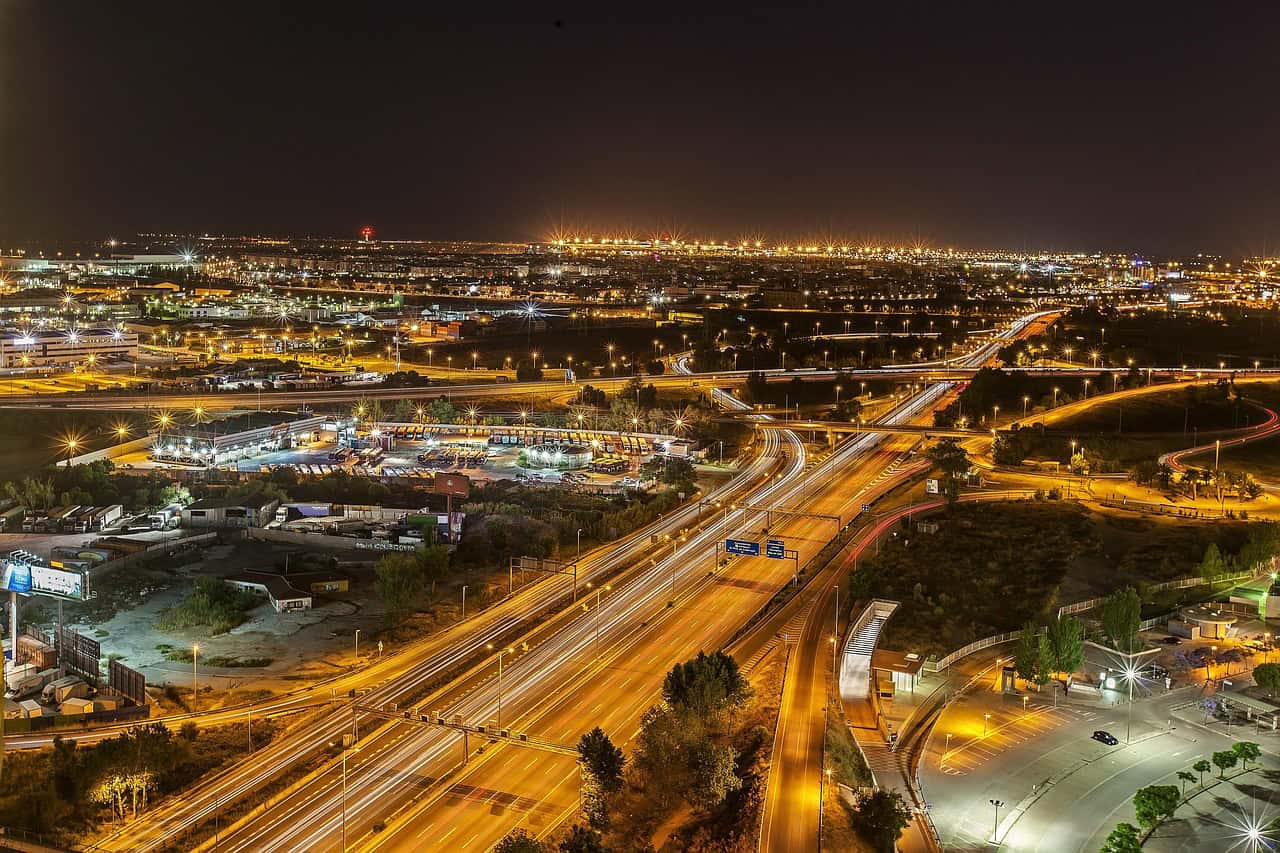
Barcelona is a city of sun-soaked streets and lively nightlife, but tourists must stay alert. Police reports highlight districts like El Raval, Gothic Quarter, and Barceloneta, where drink-spiking incidents have increased, with victims losing between $770–$2,500 in cash, cards, or electronics. Criminals often use benzodiazepines or scopolamine in unsuspecting cocktails, causing memory lapses within 15–30 minutes. Bars, beach clubs, and crowded streets are the main hotspots, and authorities report over 2,000 complaints yearly, though many cases remain unreported.
2. Medellín, Colombia
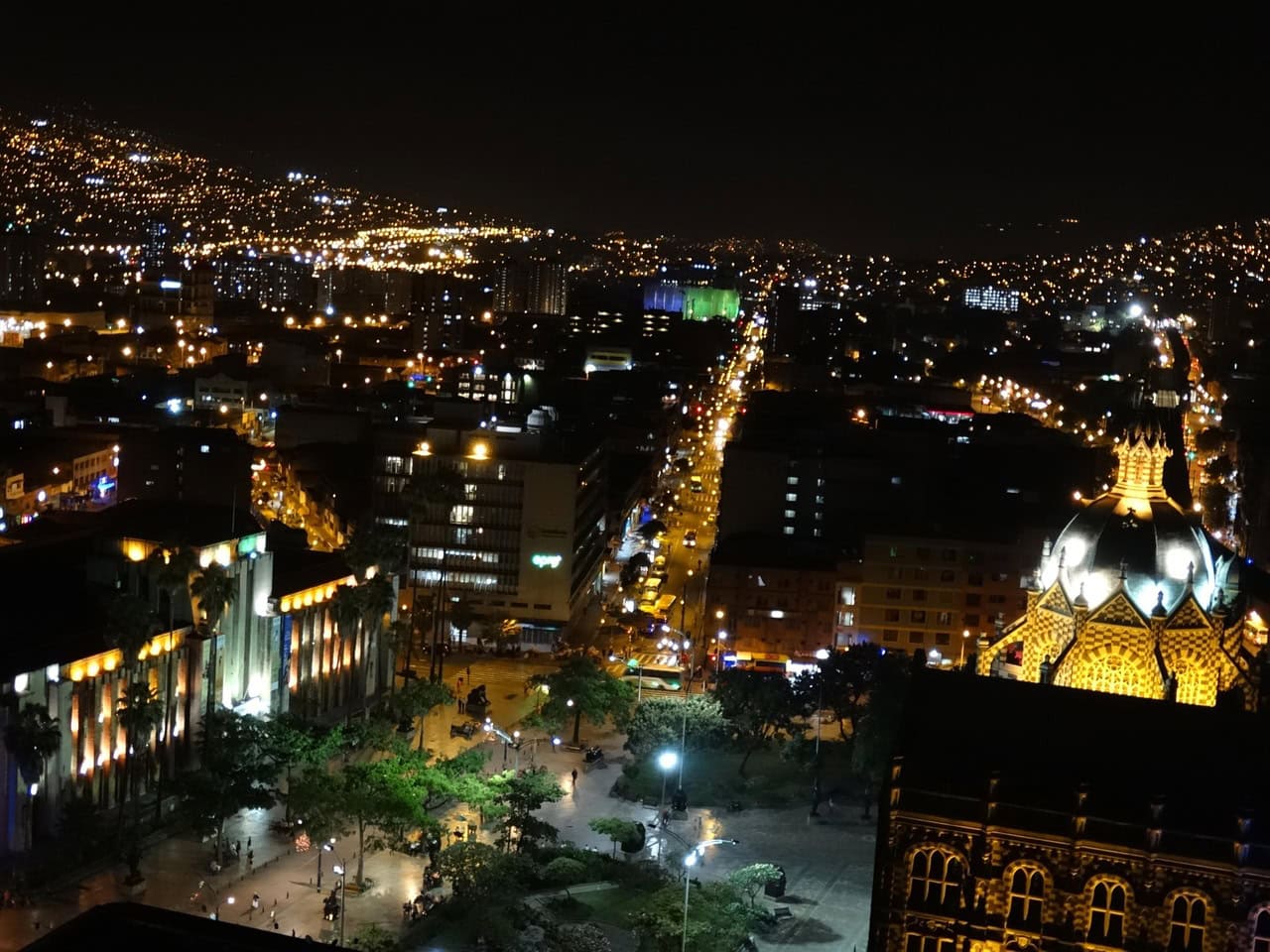
Medellín has become a popular tourist destination, but scams via dating apps and nightlife remain a serious risk. Criminals lure visitors to bars or private apartments, where drinks are spiked with sedatives. Victims may lose consciousness for hours while thieves drain bank accounts or steal valuables, with losses ranging from $3,000–$10,000. Local police estimate that 15–20% of assaults involving foreigners are linked to spiking, especially in El Poblado and Laureles. Awareness and caution when meeting strangers online are essential.
3. Bangkok, Thailand
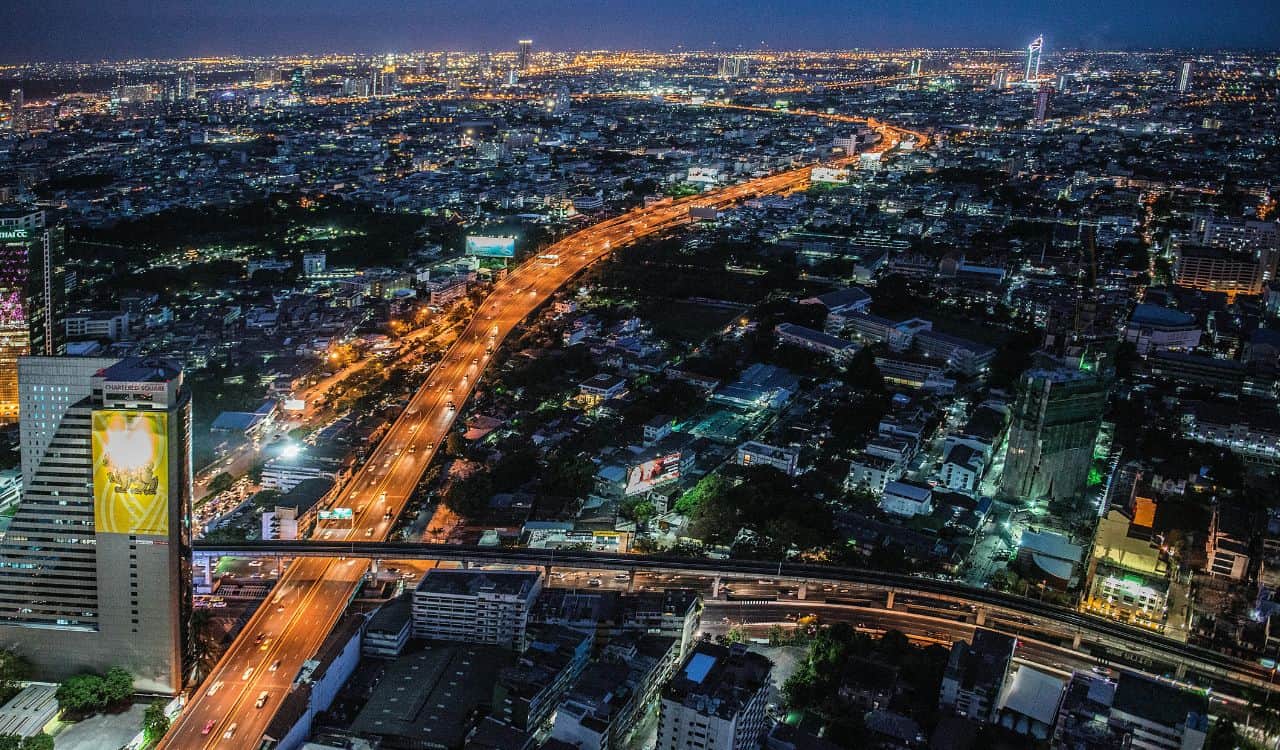
Bangkok’s nightlife draws millions, but drink-spiking is a documented hazard in Sukhumvit, Khao San Road, and Patpong. Incidents often involve bar staff or strangers offering tampered drinks, causing sudden dizziness and disorientation. Thai tourist police receive hundreds of complaints annually, with victims losing $500–$4,000, including phones, wallets, and hotel items. Risks increase late at night, so travelers are advised to keep drinks in sight, avoid accepting drinks from strangers, and use bank cards with low daily withdrawal limits.
4. Prague, Czech Republic

Prague’s cheap alcohol culture attracts tourists, but criminals exploit this. Over-pouring, substituted drinks, or sedative-laced cocktails have been reported in nightlife areas like Old Town and Wenceslas Square. Victims may feel impaired without realizing theft is happening, with losses sometimes exceeding $5,000 in a single night. Czech police warn that even partial sedation is enough for thieves to charge cards or steal valuables, making vigilance, traveling in groups, and safeguarding personal items essential in bars, clubs, and crowded streets.
5. Buenos Aires, Argentina
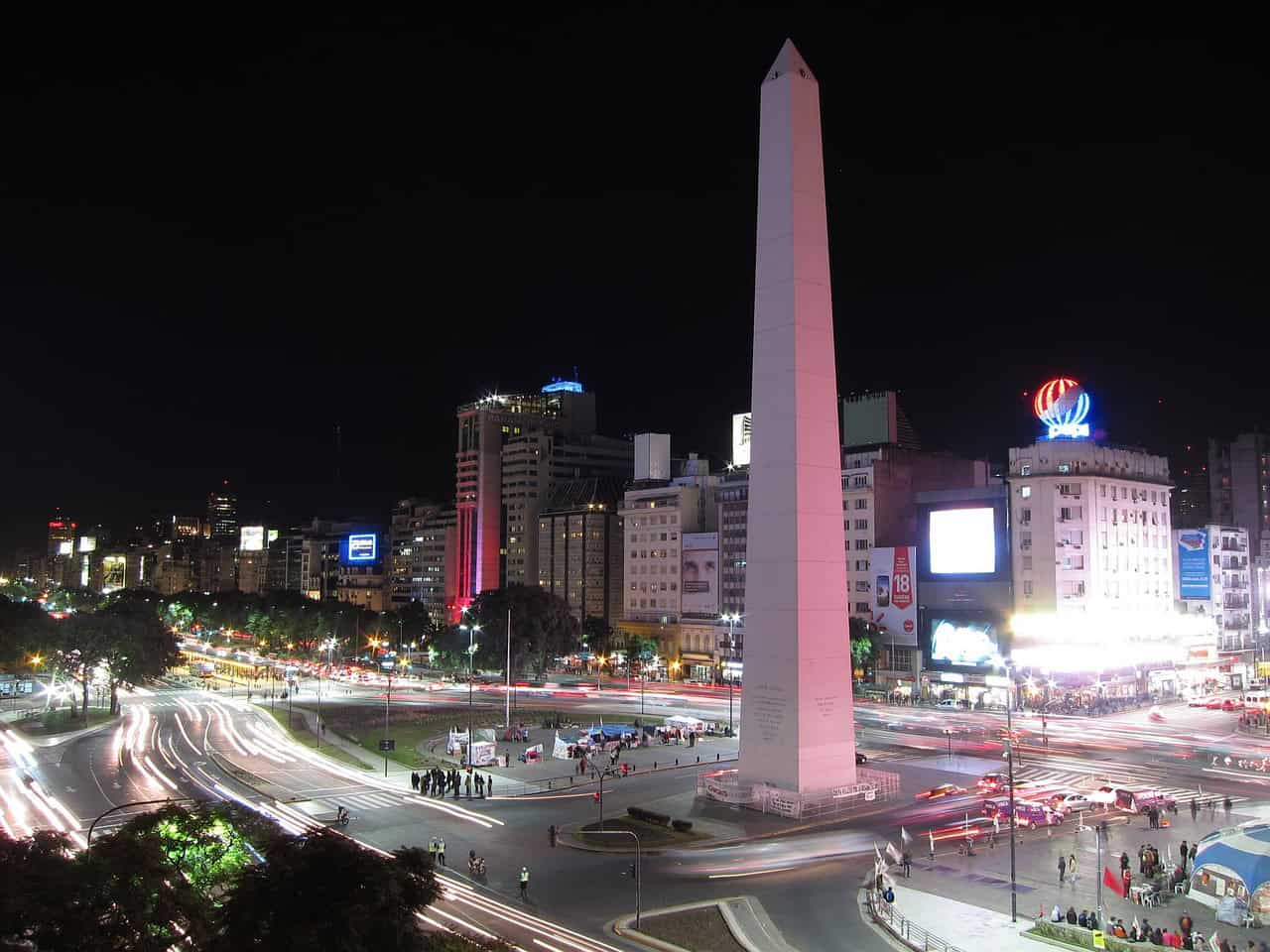
In Buenos Aires, drink-spiking often happens in social settings beyond bars, including cafes and private gatherings in Palermo and San Telmo. Criminals befriend tourists before moving to apartments where drinks are drugged with scopolamine, causing memory gaps and compliance. Victims typically report losing $1,500–$7,000 through theft of cash, electronics, or coerced ATM withdrawals. Police note most incidents occur on weekends, between 10 p.m. and 3 a.m., making vigilance crucial even during seemingly harmless social encounters.