We may earn money or products from the companies mentioned in this post. This means if you click on the link and purchase the item, I will receive a small commission at no extra cost to you ... you're just helping re-supply our family's travel fund.
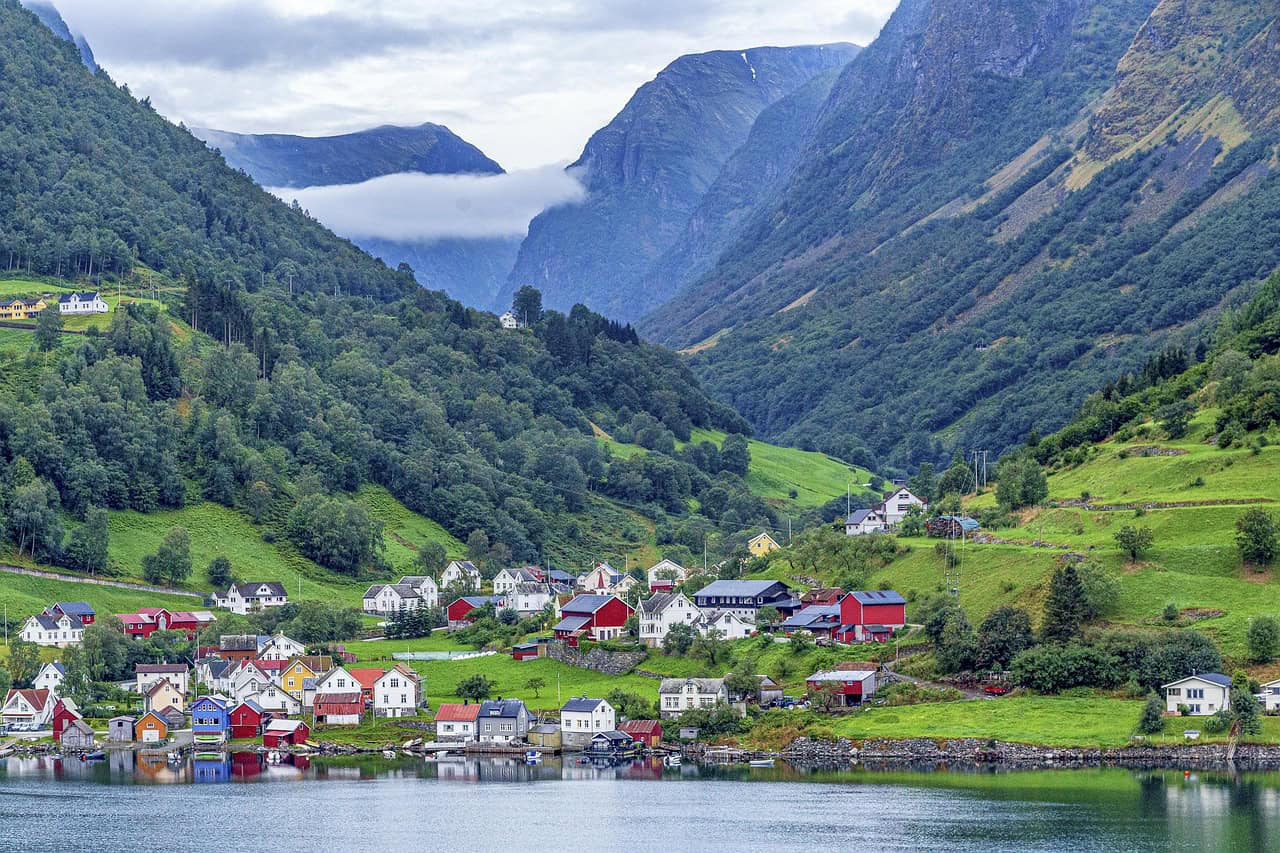
Norway rewards travelers who stop rushing. The most memorable villages are often reached by ferry, mountain road, or a fjord detour that turns a simple transfer into part of the experience. In these places, beauty is not a single lookout. It is cod drying on wooden racks, weather rolling across steep peaks, and small harbors still tied to working life. These five villages stand out because they feel lived in, not staged. The long route to each one builds anticipation, then delivers scenery, texture, and calm that linger long after the trip ends.
Reine, Lofoten
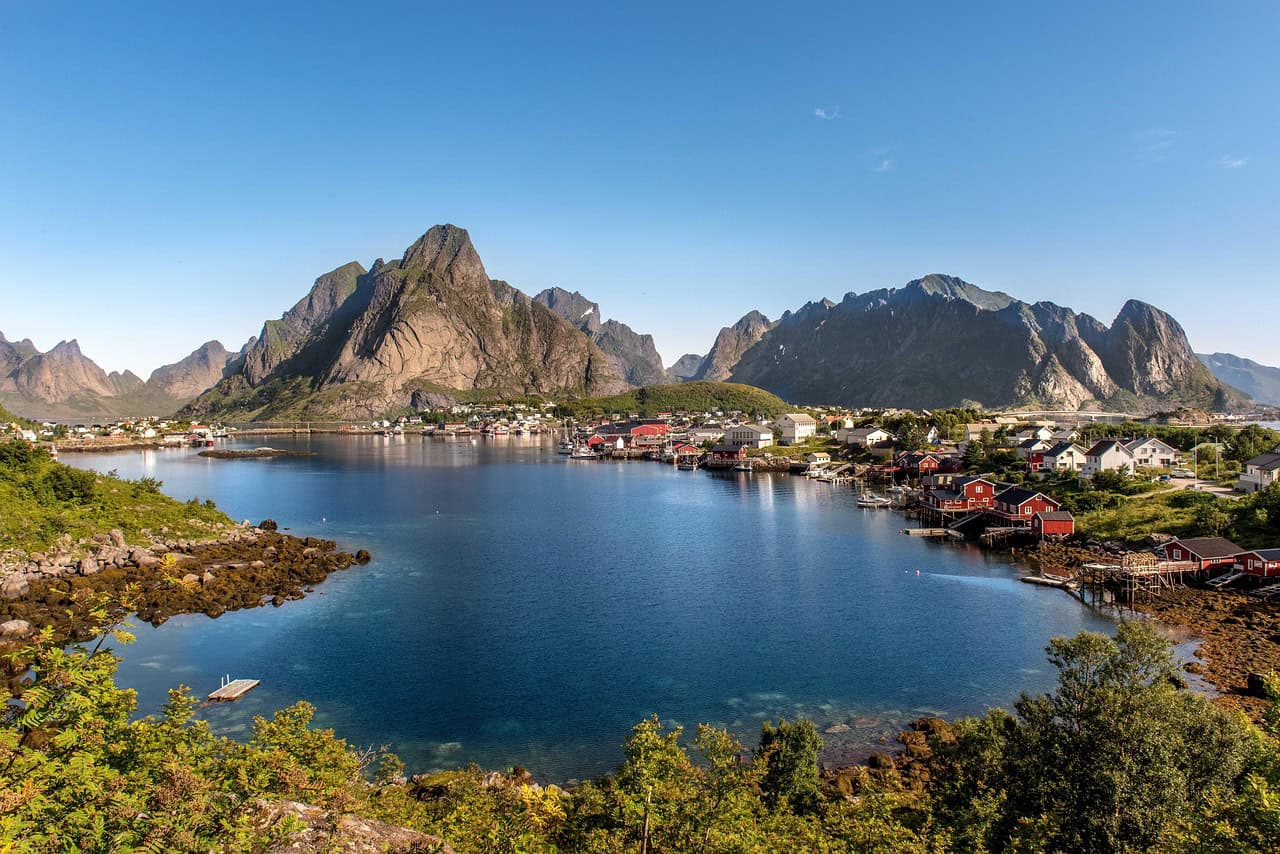
Reine has the kind of setting that makes people pause mid-sentence, with jagged peaks rising straight from dark water and red fishing cabins bright against the shoreline. The village is compact, but each bridge and bend reveals a new composition of sea, rock, and sky, so even short walks feel cinematic. What gives Reine depth is its working-harbor identity, where fishing traditions still shape daily rhythm and architecture. It is not only photogenic. It feels rooted, weathered, and real, especially when evening light stretches across the fjord and the village settles into quiet.
Flåm, Vestland
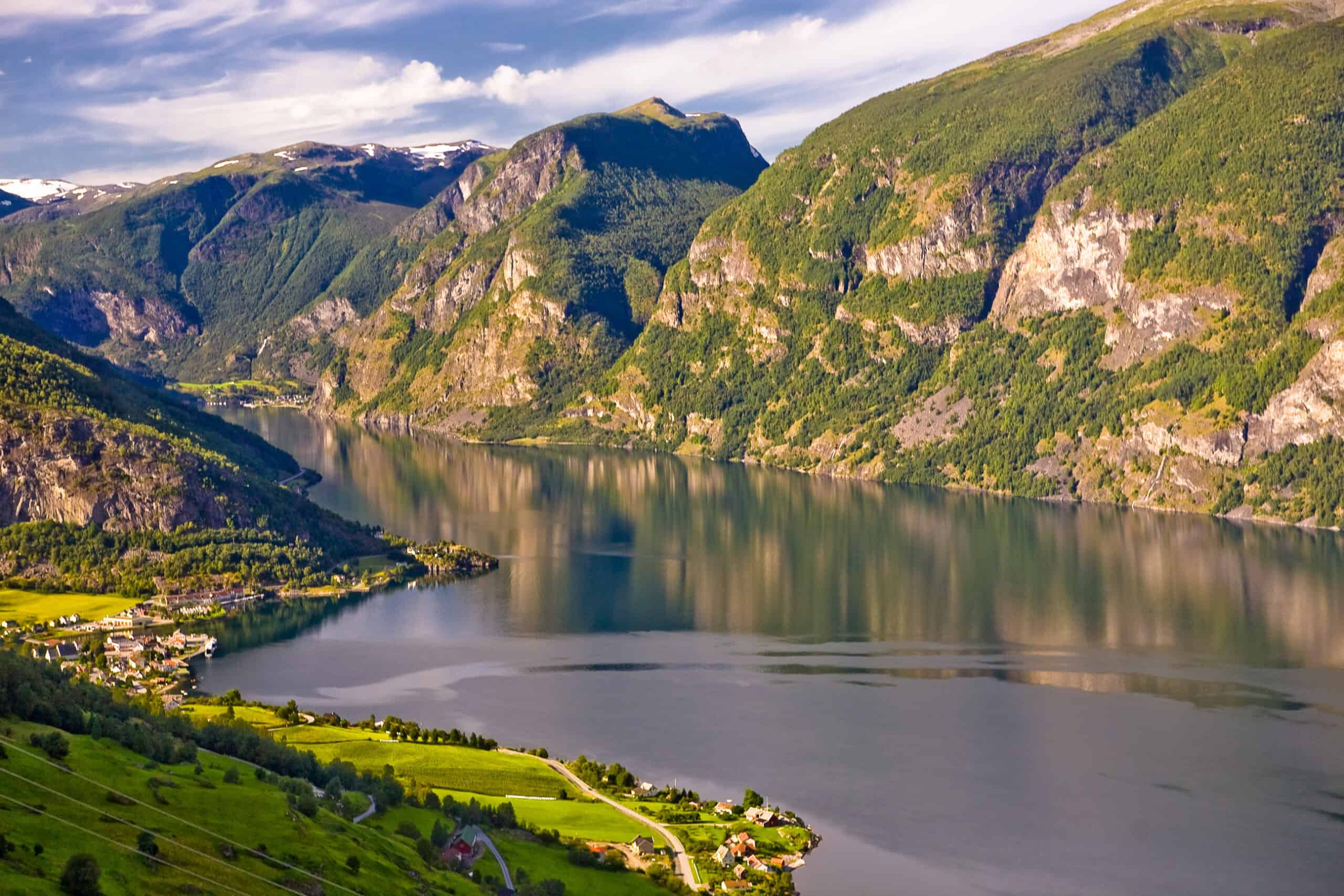
Flåm sits at the inner arm of Aurlandsfjord, framed by steep valley walls that make scale feel immediate from the moment of arrival. Many travelers come for the railway and leave impressed by the full-day flow: water, cliffs, changing cloud, and a village center that stays calm even when routes are busy. Flåm works because logistics are easy without flattening the wildness around it. Rain, mist, or sun each give the same landscape a different mood. By late afternoon, the fjord turns steel-blue, and the place feels both dramatic and unexpectedly peaceful.
Henningsvær, Lofoten
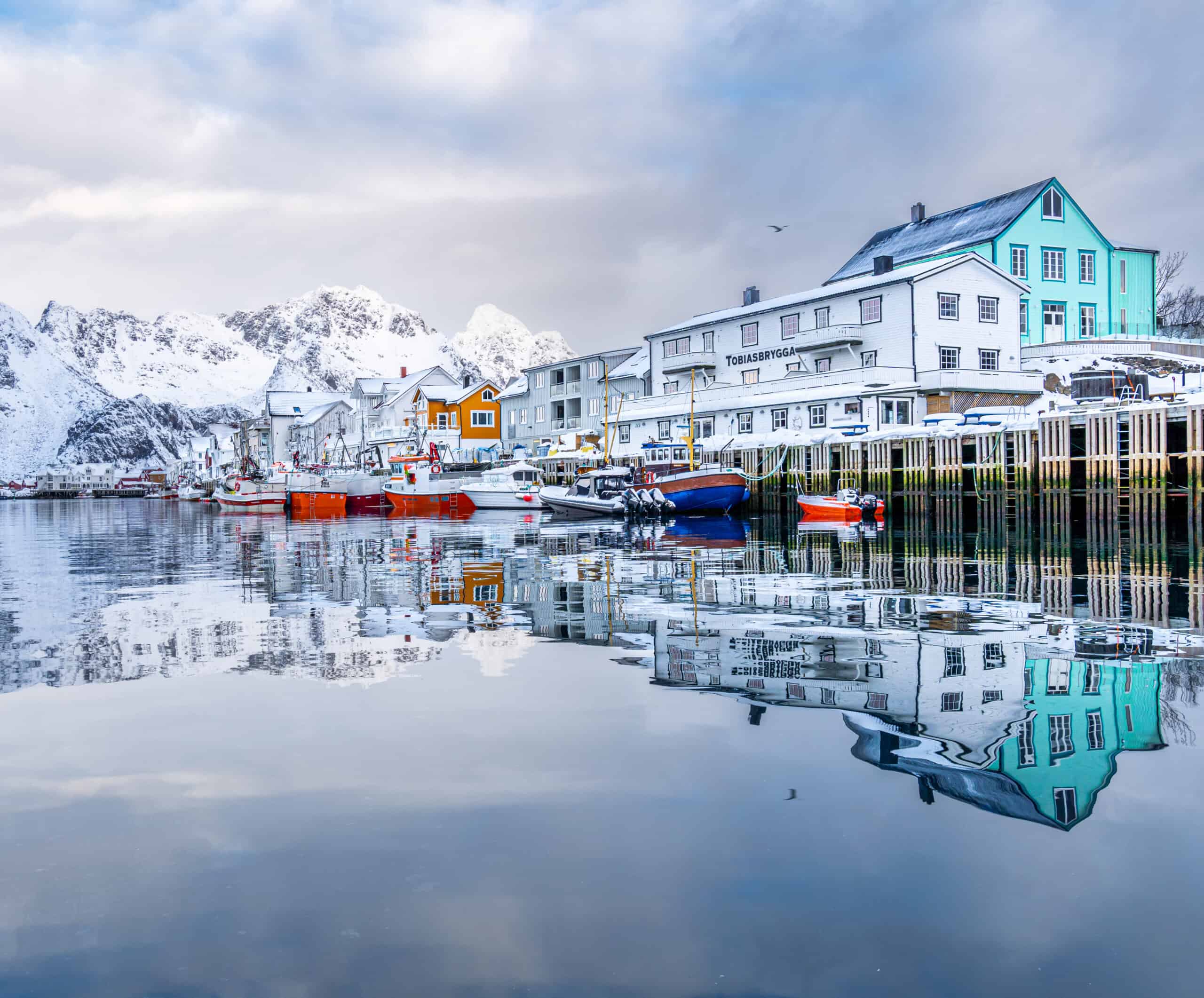
Henningsvær stretches across small linked islands, and that layout gives the village a distinctive rhythm of bridges, docks, and sea views from almost every angle. Fishing life remains visible in boats, racks, and weather-marked buildings, while galleries, cafés, and small creative spaces bring fresh energy without erasing local character. The balance is what makes it memorable: authentic harbor life with enough cultural pulse to support a longer stay. In shifting Arctic light, the village feels both rugged and refined, a place where old industry and new ideas share the same shoreline.
Undredal, Vestland
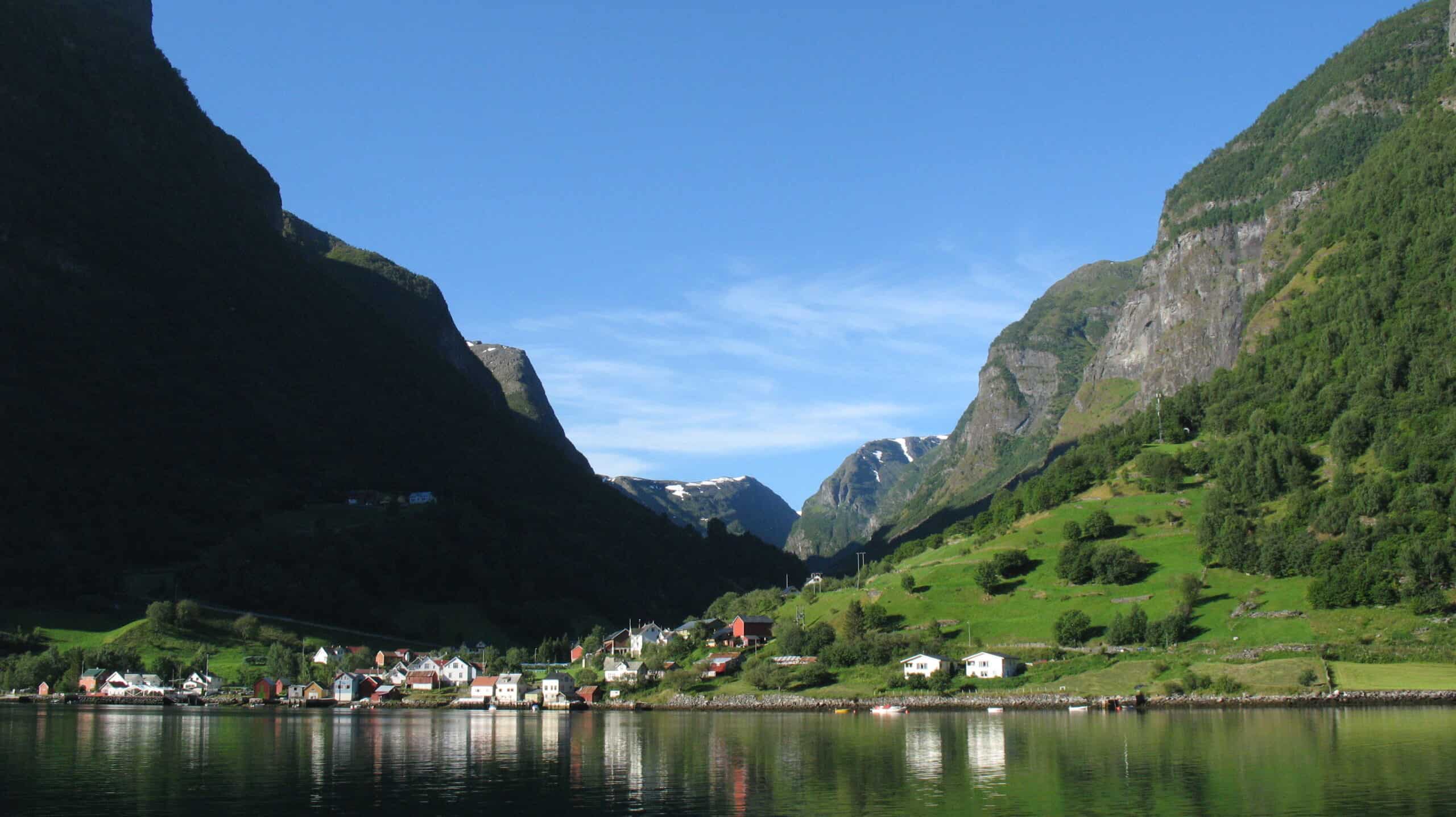
Undredal is tiny by any measure, tucked between steep fjord walls with a scale that makes everyday life feel close and legible. The village is known for goat farming and traditional brown and white cheeses, and that food heritage is not a side note, it is central to identity and place. A small waterfront, a historic stave church, and mountain slopes rising behind homes create a scene that feels intimate and complete. Undredal rewards slow travel because its charm unfolds in details, local craft, quiet water, and the steady pace of a real community.
Nyksund, Vesterålen
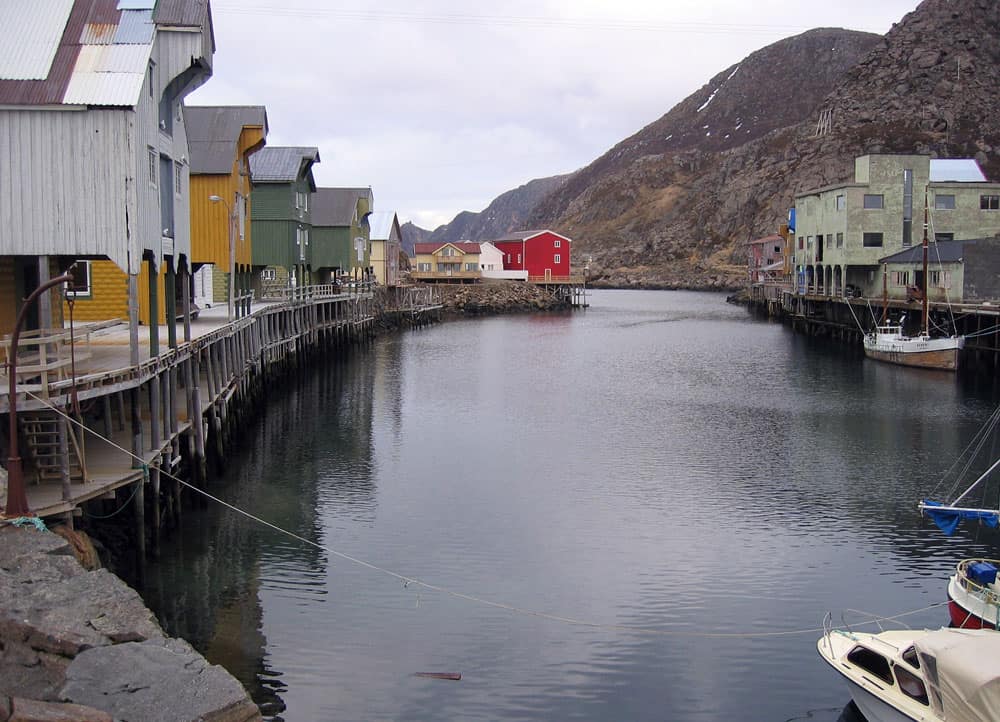
Nyksund carries a powerful edge-of-the-world energy, with weathered structures, open sea, and northern light that can change the mood in minutes. Once close to abandonment, it has been carefully revived through small-scale tourism, food, art, and local entrepreneurship, giving the village a clear sense of direction without losing its raw identity. The result is emotionally rich: resilience visible in buildings, livelihoods, and community effort. Nyksund is beautiful, but its deeper pull is human. It shows how remote places can reinvent themselves while staying honest to landscape and history.