We may earn money or products from the companies mentioned in this post. This means if you click on the link and purchase the item, I will receive a small commission at no extra cost to you ... you're just helping re-supply our family's travel fund.
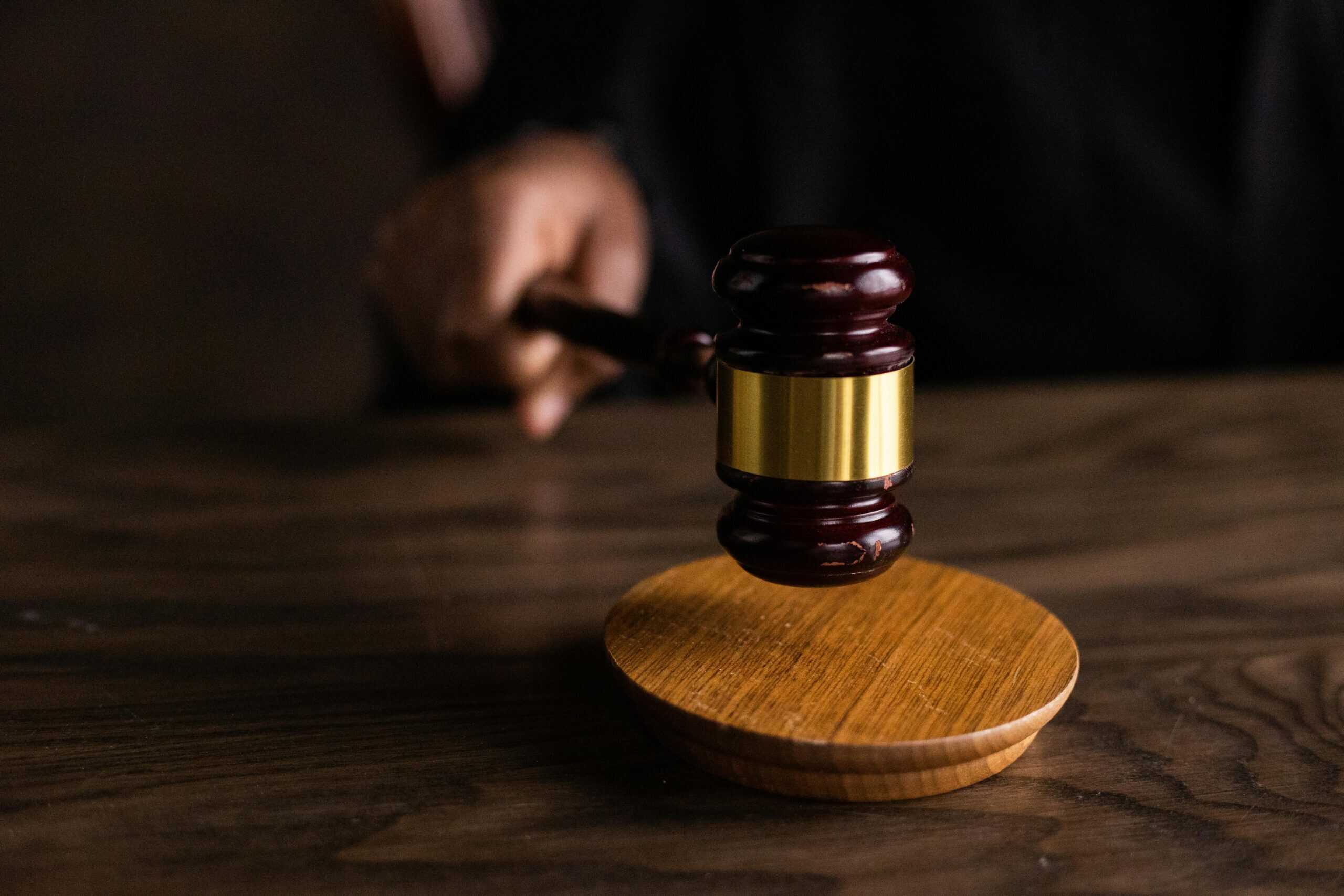
Hotel stays feel governed by house rules, yet some trip-ending trouble comes from actual law. A false name at check-in, a forgotten bill, or a quick recording in the lobby can move from awkward to criminal, depending on the state. Fire safety rules can carry penalties, and a fake service-animal claim can become more than a fee dispute. These five examples show how ordinary moments can collide with statutes, ordinances, and consent rules in ways that surprise even careful travelers.
Real Names On The Guest Register Can Be Required

In Massachusetts, an innholder must keep a register recording a guest’s true name or name in ordinary use, residence, the room assigned, and the day and hour the room is assigned. The statute ties that record to lawful occupancy and allows police inspection, so an alias is not just a privacy choice, it can be treated as a violation with fines or even jail time. It tends to surface in ordinary moments, like reissuing a key, extending a stay, disputing charges, or responding to a welfare check, when staff are expected to match the person to the register, confirm identity, and produce the entry quickly.
Leaving Without Paying Can Trigger Defrauding-An-Innkeeper Charges

Many states criminalize leaving a hotel without paying, and the statutes are broader than a dramatic dash through the lobby. Virginia’s law covers obtaining lodging with intent to defraud, including getting credit through false pretenses or a false show of baggage, and it is written to capture patterns, not just one bad checkout. Nevada’s version can rise from a misdemeanor to a category D felony when the value crosses the statutory threshold, so a long stay, minibar charges, resort fees, parking, or damages can change the exposure fast once staff document intent, preserve video, and call police.
Secret Audio Recording Can Break Consent Laws
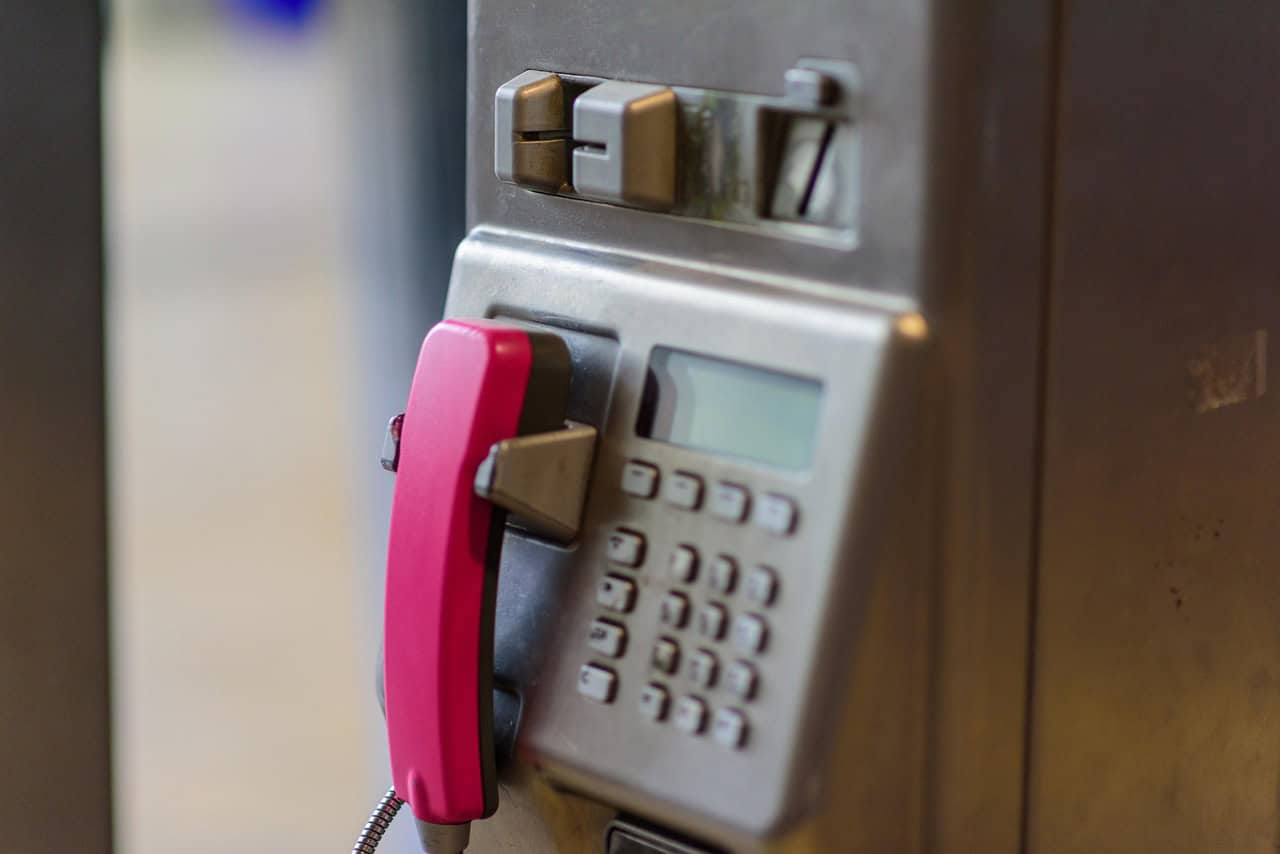
Hotel conflict invites phones: a loud hallway argument, a front-desk confrontation, or a neighbor pounding on doors at 1 a.m. But audio law can turn a clip into a criminal issue, because Florida generally requires all parties to consent before an oral communication is intercepted or recorded. California also prohibits recording a confidential communication without consent, and in lobbies, elevators, and check-in lines, where voices carry and privacy expectations are debated, the safest move is to step back, ask staff for help, and avoid capturing clear audio, even if the video feels harmless later.
Tampering With Smoke Alarms Can Bring Fines Or Jail

Smoke detectors are not just room hardware, they are fire-safety devices backed by law, and some local codes target the person who disables them. Municipal ordinances can set escalating fines for rendering a smoke detector inoperative and may treat each day the device stays disabled as a separate offense, which makes a temporary fix add up quickly. Maryland’s smoke-alarm rules also include misdemeanor penalties for knowing violations, so covering a sensor, pulling a battery, or breaking a unit can become a documented incident that triggers inspections, fees, eviction, or prosecution, and sometimes a call to local fire officials.
Faking A Service Animal Claim Can Be A Crime

Orkhan Mammadov/Unsplash
Service animals have access protections, but some states punish false claims used to dodge pet fees or restrictions. Florida law makes it a second-degree misdemeanor to knowingly and willfully misrepresent a person as using a service animal or as a trainer, including through conduct or verbal or written notice. In hotels, that claim often gets logged at check-in and echoed in emails or receipts, which turns a tense desk exchange into a paper trail, and the safest path stays simple: be honest, book pet-friendly when needed, and avoid a lie that can follow into court and carry criminal penalties.