We may earn money or products from the companies mentioned in this post. This means if you click on the link and purchase the item, I will receive a small commission at no extra cost to you ... you're just helping re-supply our family's travel fund.
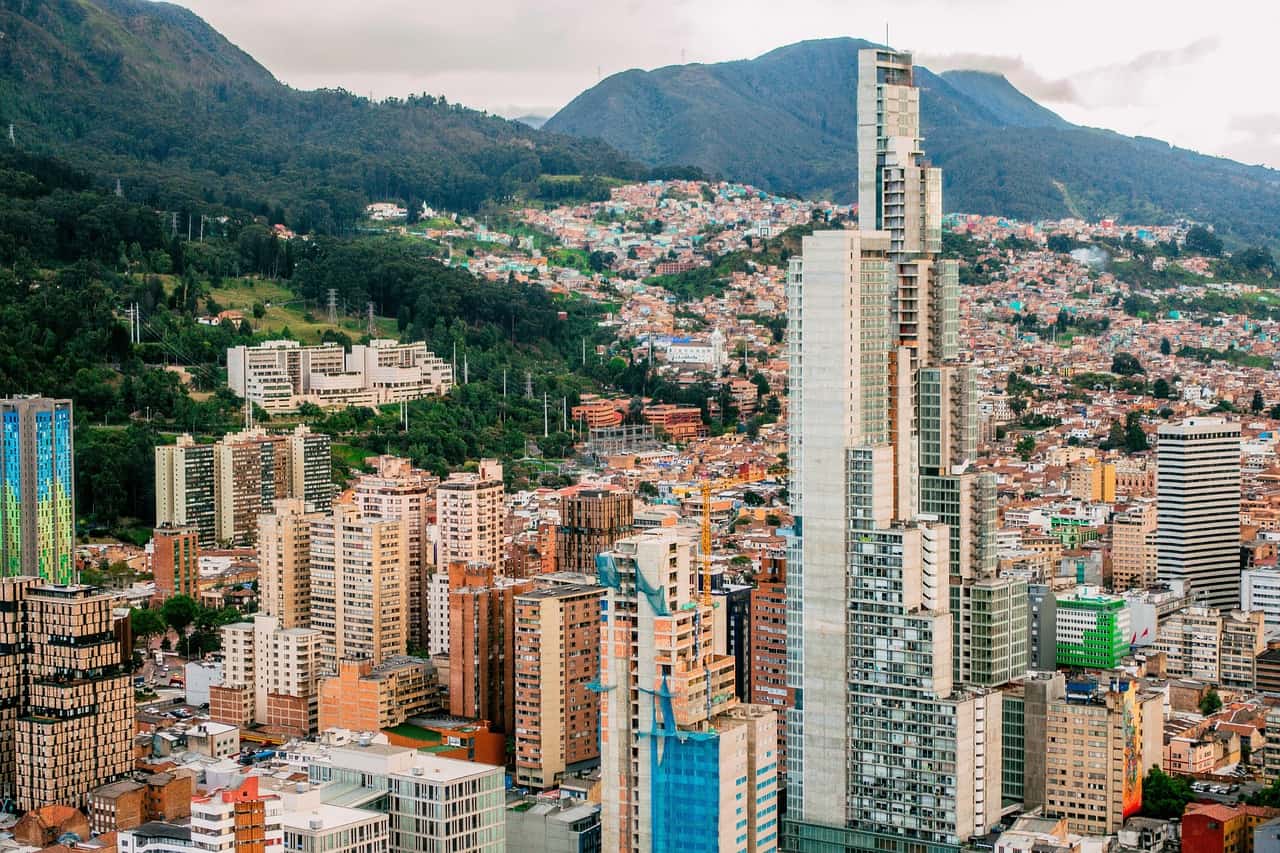
News cycles often magnify tension while overlooking texture. A single crisis, policy dispute, or outdated stereotype can shape how millions perceive an entire nation. Yet travel tells a fuller story. Beyond headlines are thriving cities, layered histories, and people eager to welcome respectful visitors. If you value context over clichés, these four countries reward curiosity with culture, scenery, and surprising warmth.
1. Iran
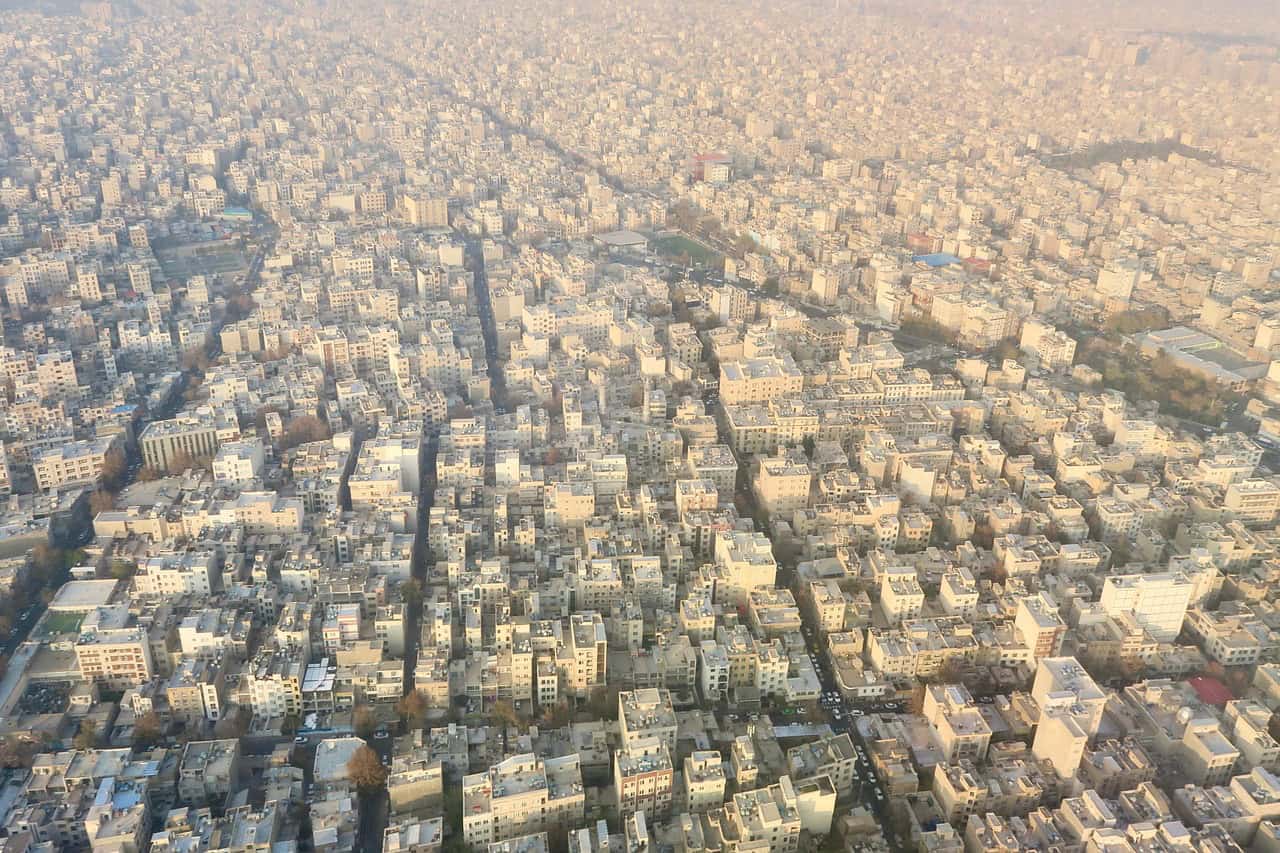
For years, coverage of Iran has centered on geopolitics, yet daily life feels far more nuanced. Tourism numbers fluctuate, but before global disruptions the country welcomed over 8 million visitors annually. In Isfahan, Naqsh-e Jahan Square spans nearly 0.035 square miles, framed by Safavid-era mosques glowing in turquoise tile.
Further south, Shiraz offers poetic gardens and access to Persepolis, founded around 518 BCE. Modest dress is required, and visas need planning, but travelers consistently report genuine hospitality, affordable intercity buses, and meals often under $10. It’s a destination where conversation flows as easily as tea.
2. Colombia
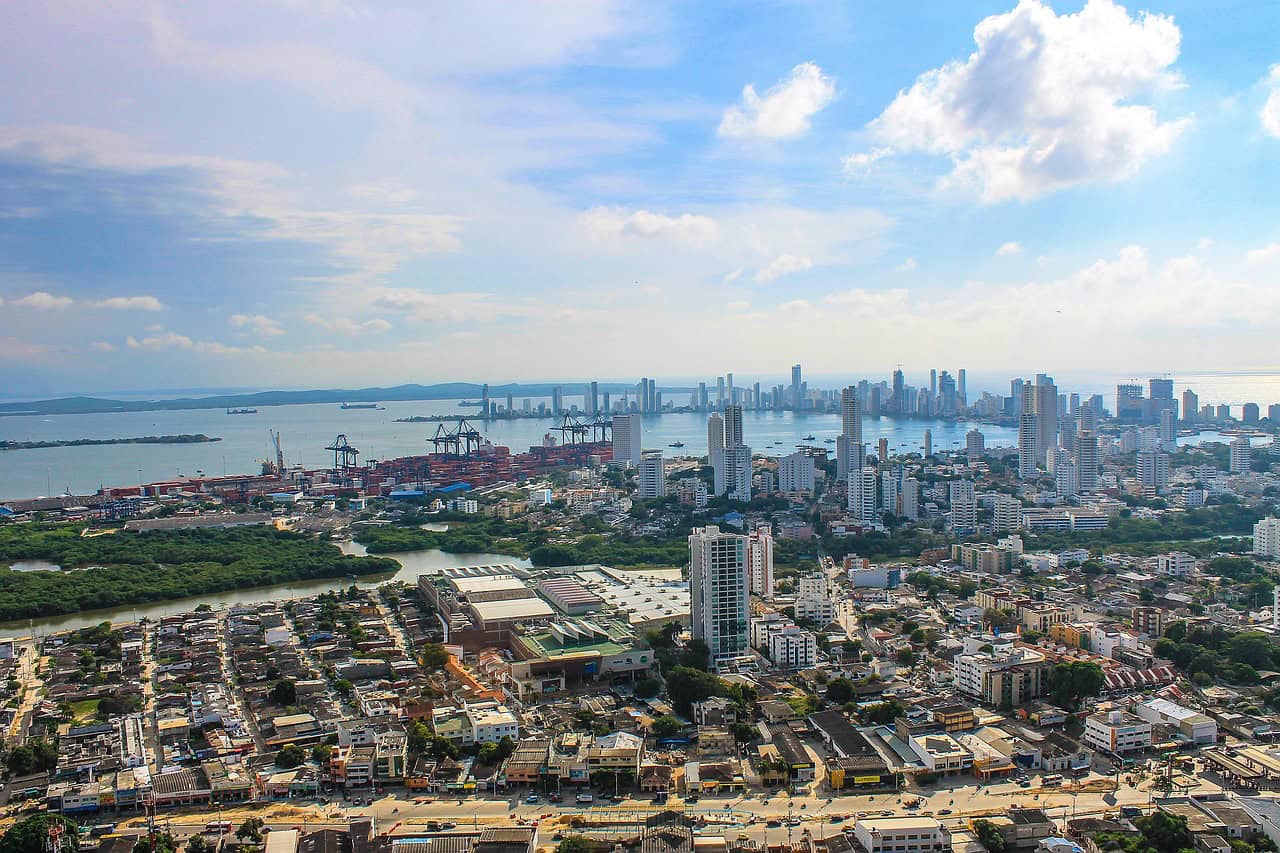
Colombia’s past was dominated by cartel violence, yet transformation has reshaped its reputation. International arrivals surpassed 5 million in recent peak years, signaling renewed global confidence. Medellín, once infamous, now runs a metro and cable car system moving over 1 million passengers daily, connecting hillside neighborhoods to cultural hubs.
On the Caribbean coast, Cartagena preserves 6.8 miles of defensive walls first built in the 1500s. Coffee regions near Salento reveal wax palms rising nearly 0.04 miles high. Safety varies by area, so smart planning matters, but vibrant music, fresh areas, and welcoming locals show a country far beyond old narratives.
3. Saudi Arabia
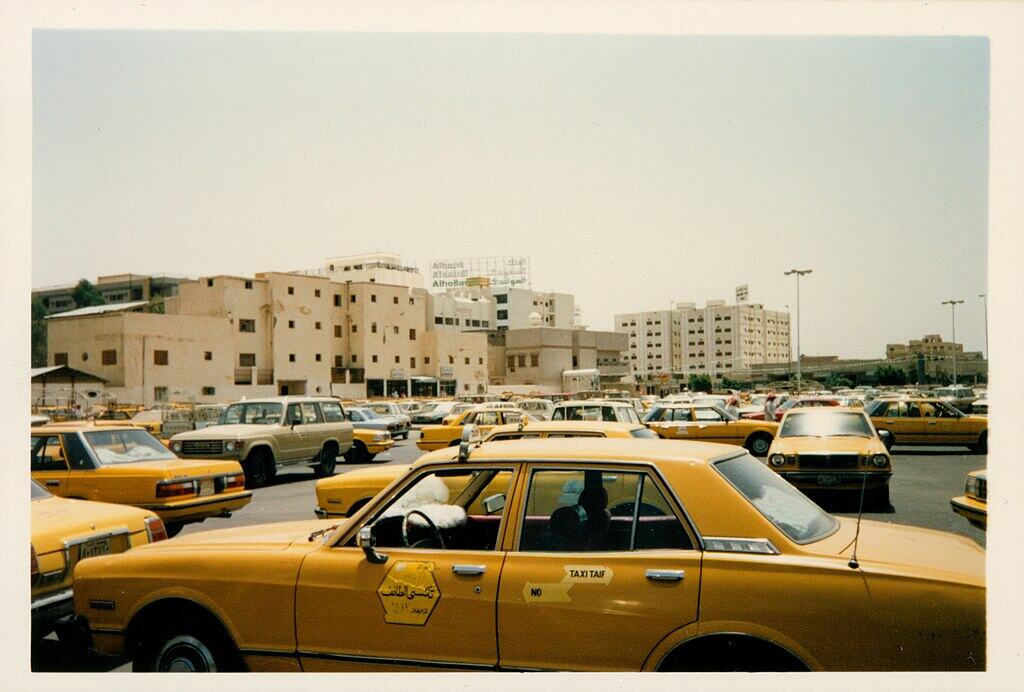
Once largely closed to leisure tourism, Saudi Arabia introduced tourist visas in 2019 and has since targeted 100 million annual visits by 2030. In the desert northwest, Al-Ula protects more than 100 Nabataean tombs carved into sandstone cliffs over 2,000 years ago.
In the capital, Riyadh blends glass towers with centuries-old souqs. Along the Red Sea, coral reefs stretch roughly 1,118 miles, many still untouched by mass tourism. Cultural norms remain conservative and alcohol is prohibited, yet visitors often describe locals as curious, proud, and eager to share coffee rituals and desert heritage.
4. Mexico
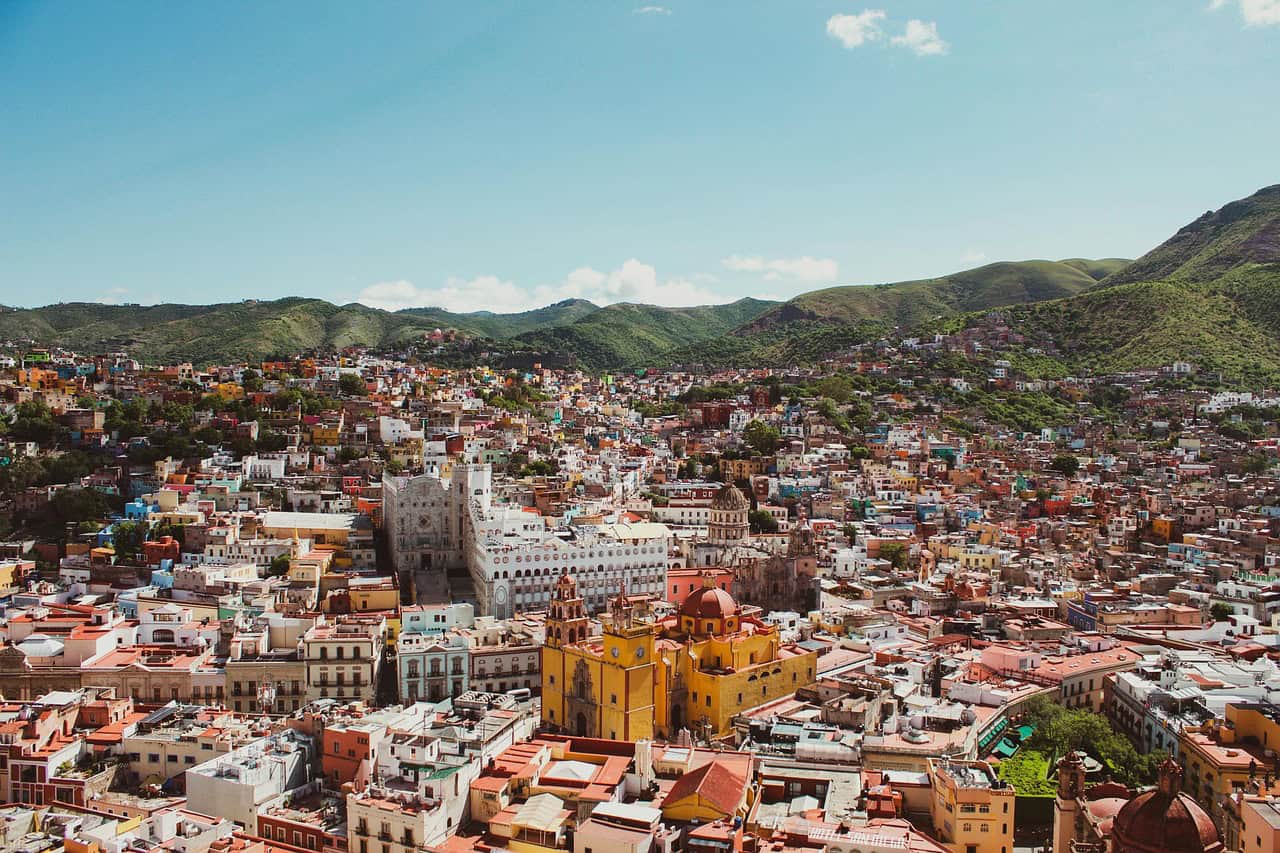
Headlines often spotlight crime statistics, yet Mexico welcomed over 40 million international tourists in strong pre-pandemic years. The country spans about 761,600 square miles, meaning conditions differ widely by region. Mexico City alone hosts more than 150 museums, rivaling many global capitals.
In Oaxaca, indigenous traditions shape markets and cuisine, while Mérida offers colonial charm within a region dotted by cenotes and Mayan ruins. Popular resort corridors maintain visible security, and millions visit annually without incident, discovering warmth, layered history, and unforgettable food.