We may earn money or products from the companies mentioned in this post. This means if you click on the link and purchase the item, I will receive a small commission at no extra cost to you ... you're just helping re-supply our family's travel fund.
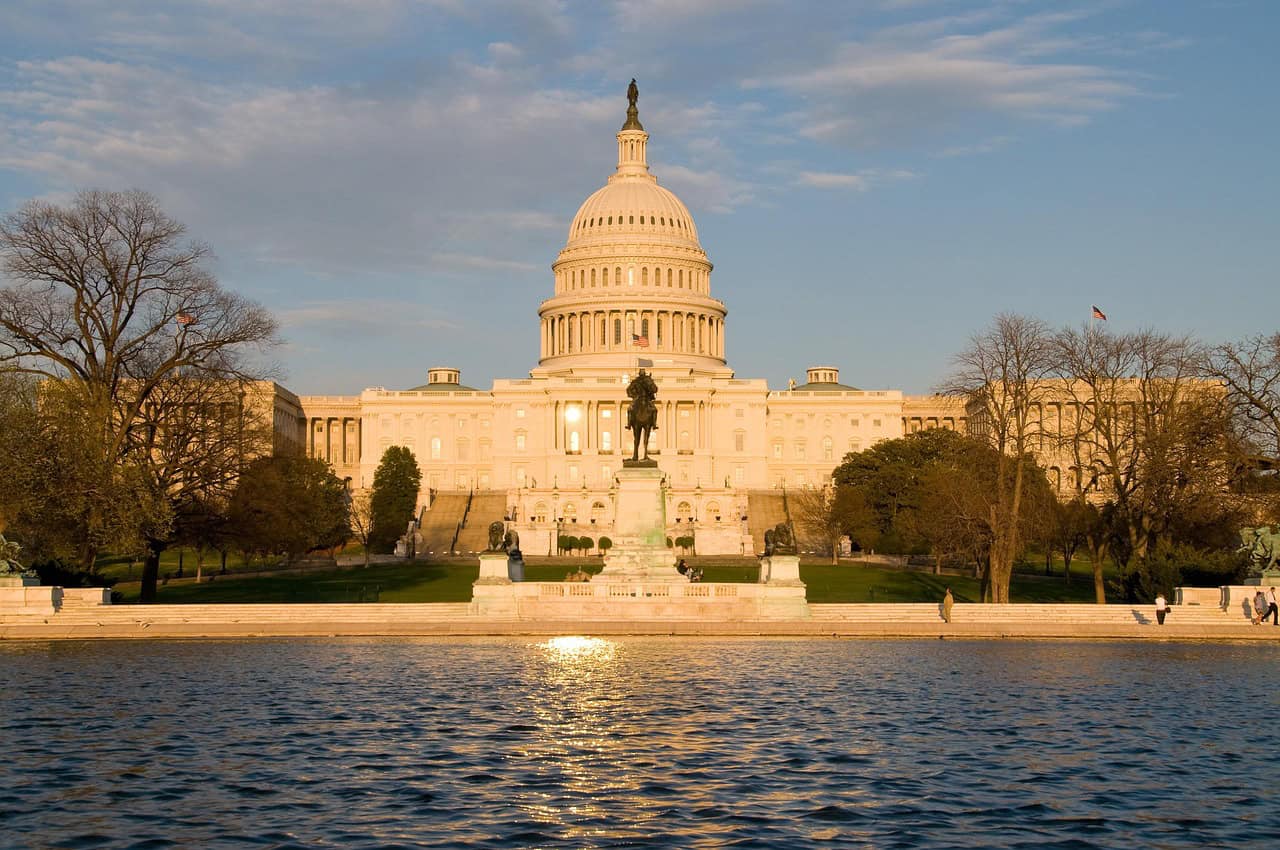
America’s migration map is shifting again. In 2026, movers aren’t just chasing sunshine, they’re targeting cities with strong job pipelines, manageable housing costs, tax advantages, and visible infrastructure growth. Southern and Mountain West metros dominate inbound relocation numbers, while a few revitalized Midwest hubs are quietly staging impressive comebacks.
Below are the first 10 cities expected to attract the biggest wave of new residents in 2026, each driven by measurable economic momentum and lifestyle appeal.
1. Knoxville
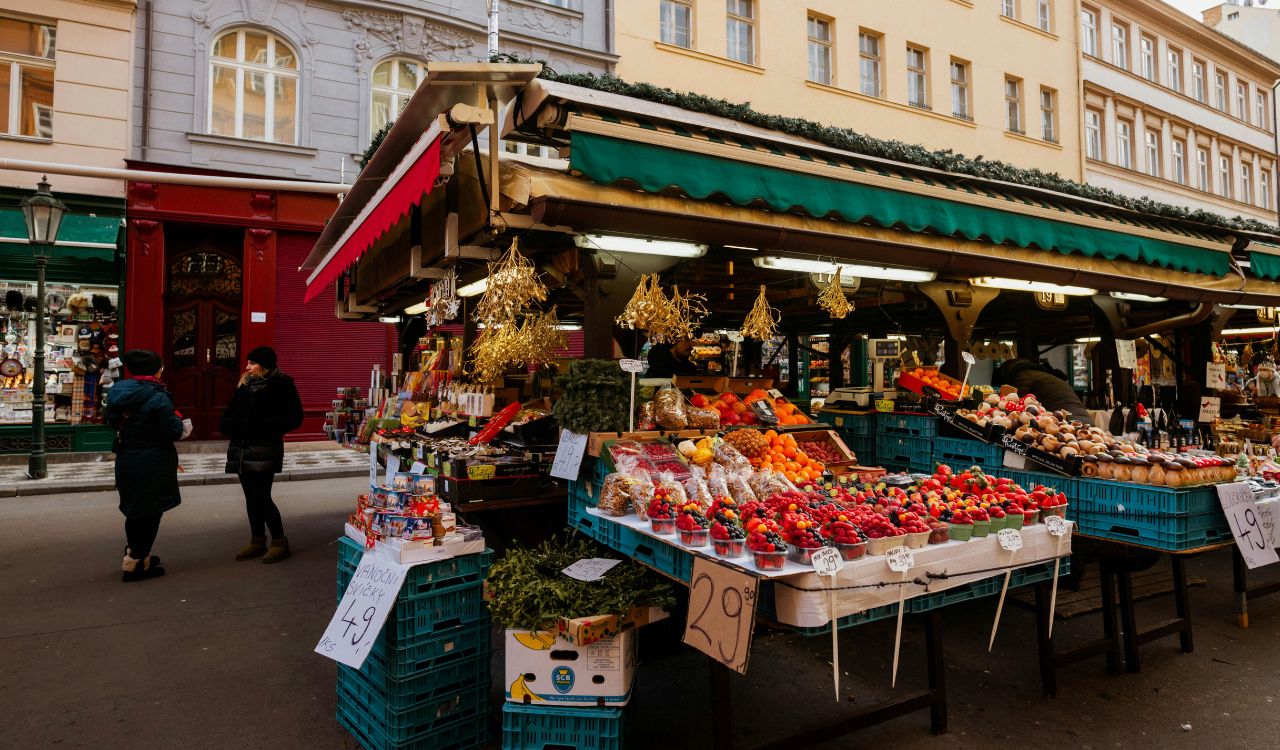
Knoxville has surged ahead as one of the most searched relocation cities heading into 2026. With a metro population nearing 900,000, the area has seen steady inbound migration thanks to Tennessee’s zero state income tax and relatively stable housing market. Median home prices hover around $375,000, still below the national median.
The presence of the University of Tennessee fuels research funding exceeding $400 million annually, while manufacturing and logistics jobs continue expanding. Outdoor access to the Smoky Mountains adds lifestyle appeal without major metro congestion.
2. Frisco
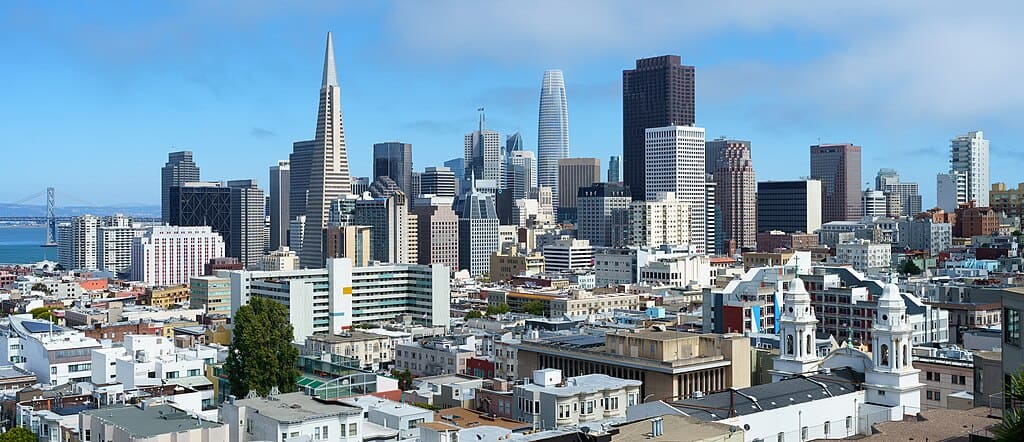
Frisco continues redefining suburban growth. Located within the Dallas–Fort Worth metro, its population has climbed past 225,000 after growing more than 70% over the past decade. Median household income exceeds $145,000, placing it among Texas’ most affluent cities.
Corporate relocations, including regional headquarters and tech offices, are driving job creation. While median home prices sit near $650,000, buyers are attracted by top-rated schools and 25+ million square feet of commercial development. Infrastructure investment remains aggressive.
3. Raleigh
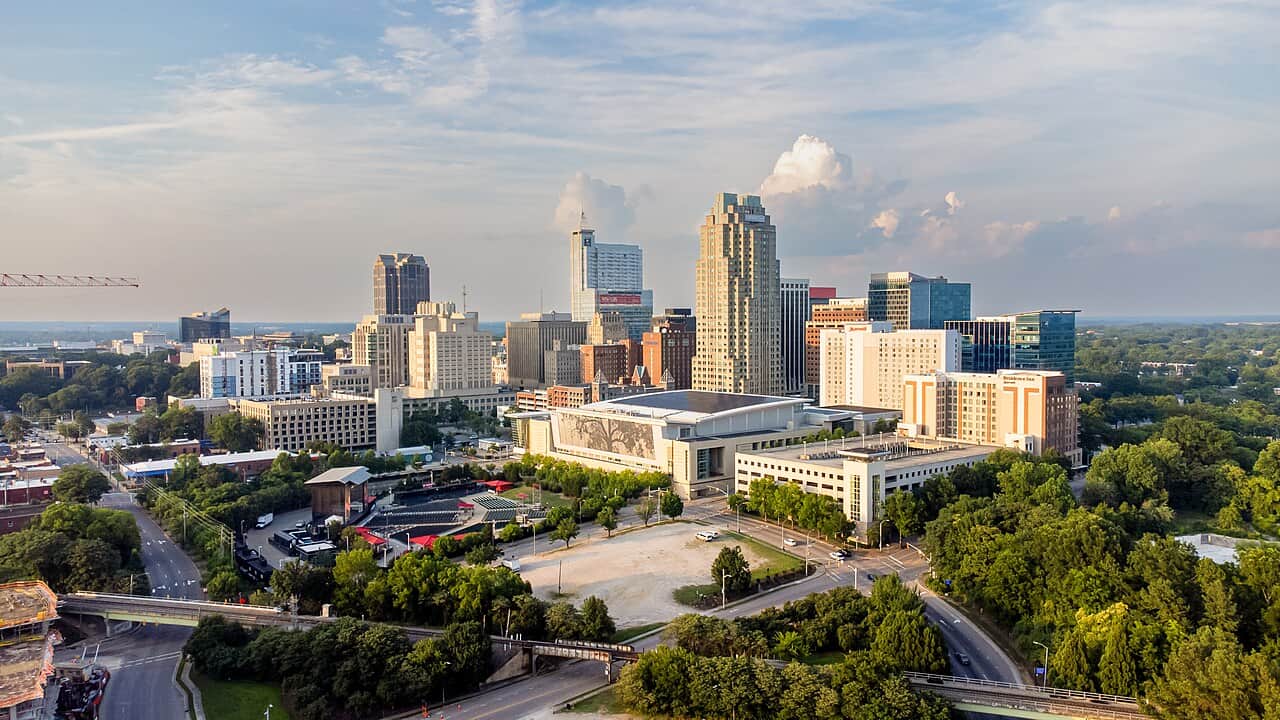
Raleigh remains a magnet for young professionals and tech workers. The metro population now exceeds 1.5 million, supported by research spending that surpasses $2 billion annually across universities and biotech firms. Unemployment consistently trends below the national average.
Median home prices average around $430,000, still competitive compared to larger tech hubs. Strong public schools and a growing startup ecosystem contribute to its appeal. Nearly 60 people per day have been moving into the broader Triangle region in recent estimates.
4. Charlotte
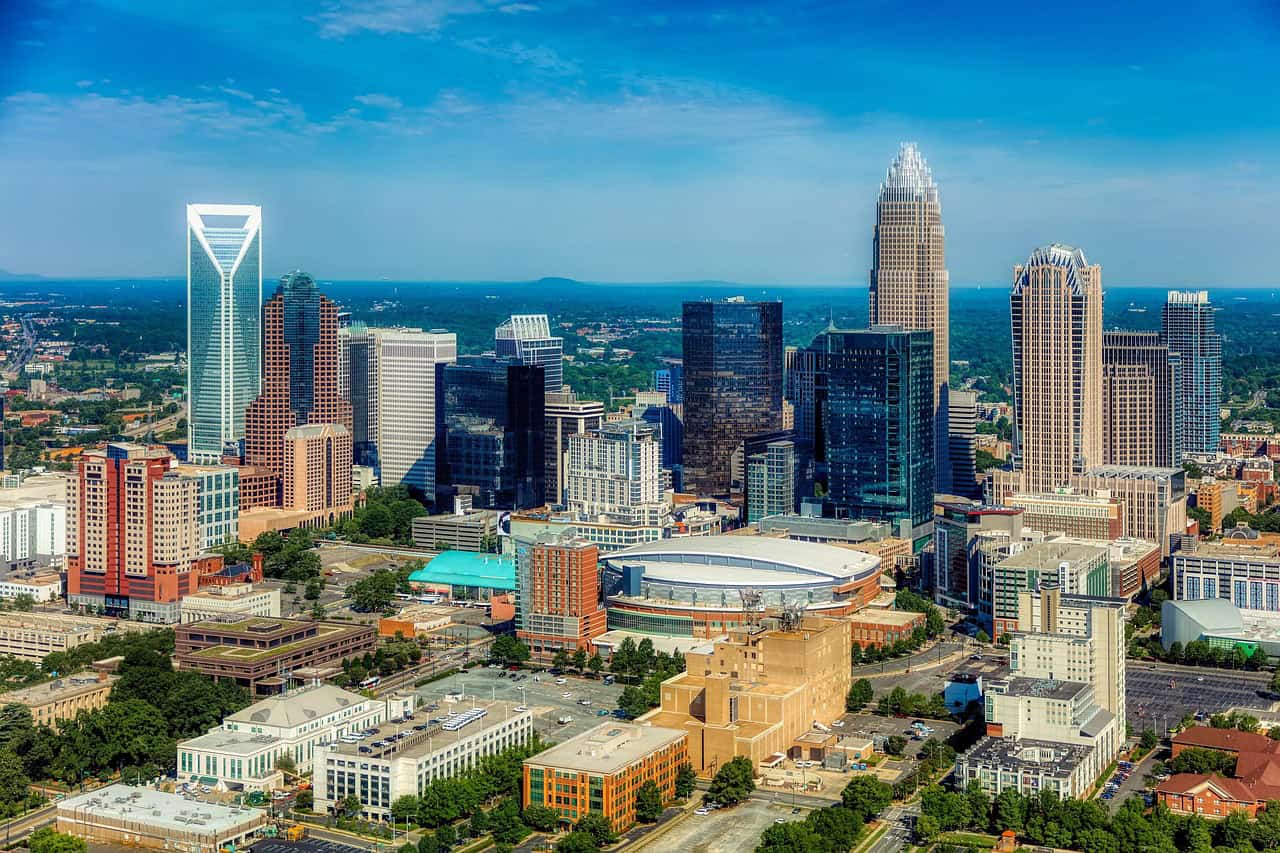
Charlotte blends finance, fintech, and fast population growth. As the second-largest banking center in the U.S., it supports more than 100,000 financial services jobs. The metro population has surpassed 2.8 million and continues expanding steadily.
Median home prices average roughly $400,000, while apartment construction hit record highs in 2025. Major airport expansion and light rail improvements enhance connectivity. Transplants cite career mobility and lower living costs compared to Northeast financial hubs.
5. Nashville
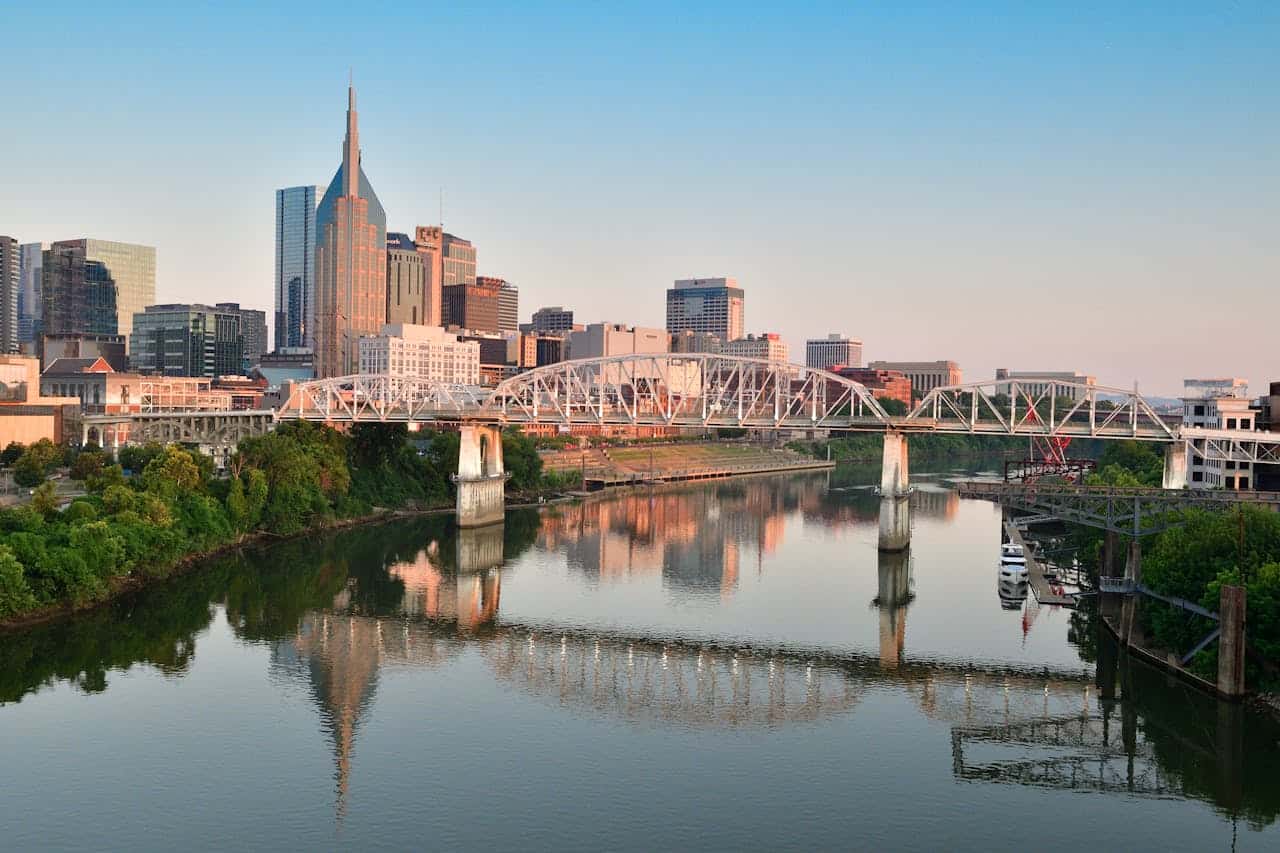
Nashville’s population has climbed past 715,000, with the metro nearing 2 million residents. Healthcare contributes over $68 billion annually to the local economy, making it one of the nation’s strongest hospital management centers.
Median home values hover around $430,000 after cooling slightly from pandemic highs. Tourism exceeds 16 million visitors annually, fueling hospitality and service jobs. Music remains central to its identity, but corporate offices and tech startups are reshaping its workforce profile.
6. Jacksonville
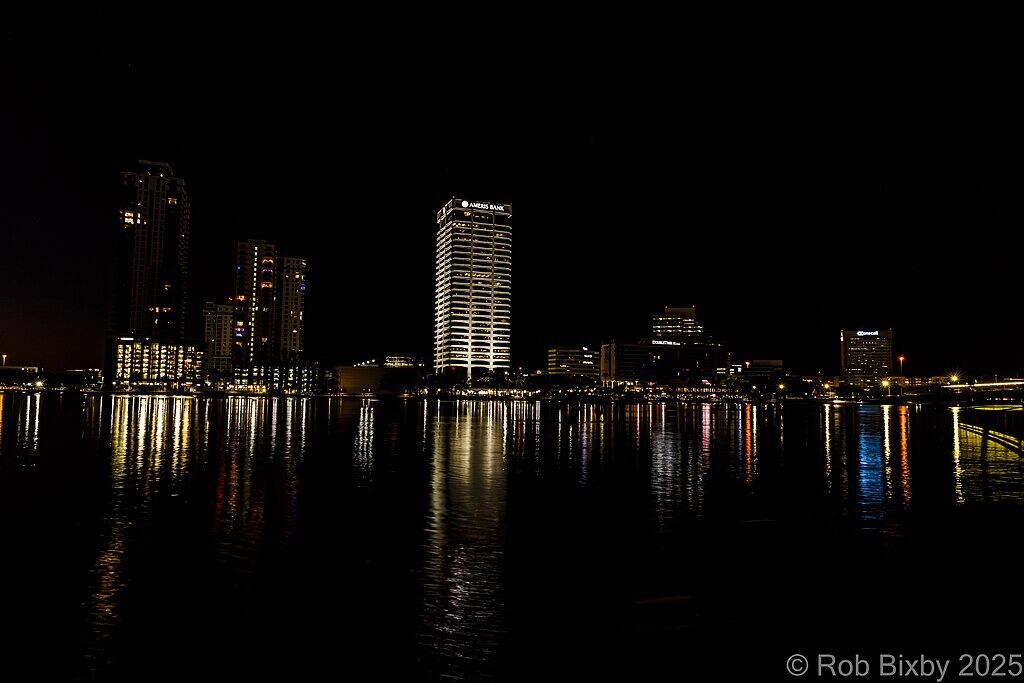
Jacksonville stands out for scale and affordability. With more than 970,000 residents, it is Florida’s most populous city by land area. Median home prices remain near $350,000, notably lower than Miami or Tampa.
The city’s port handles over 1.4 million containers annually, supporting logistics and trade employment. Financial services and healthcare sectors are expanding steadily. Warm winters, 22 miles of beaches, and no state income tax continue drawing retirees and remote professionals alike.
7. Tampa
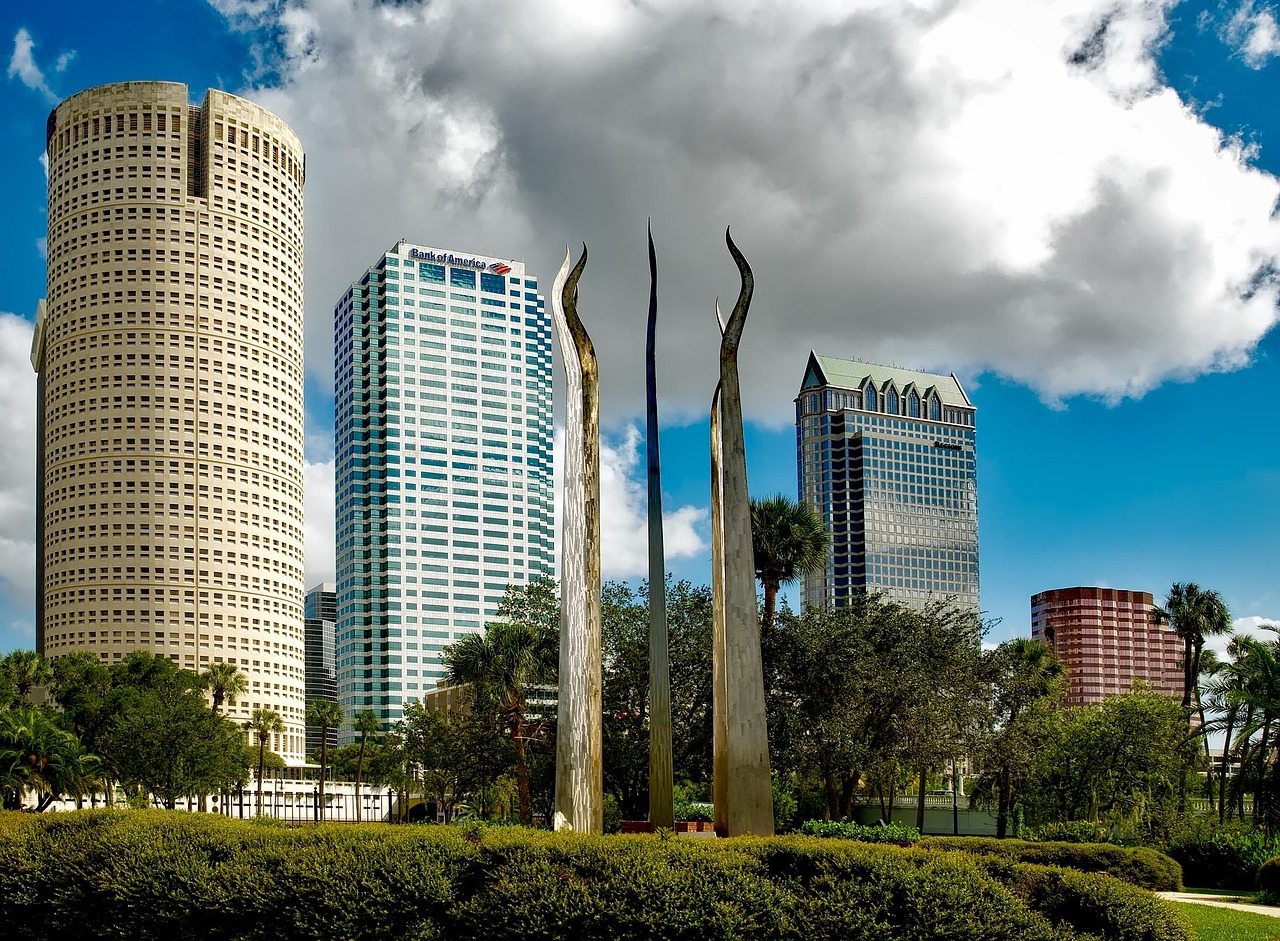
Tampa has evolved into a diversified metro of more than 3.3 million residents. Job growth has averaged above 2% annually in recent years, led by finance, defense contracting, and cybersecurity firms. Median home prices sit near $410,000.
The city added thousands of new apartment units in 2025, signaling sustained demand. Tampa International Airport served over 25 million passengers recently, reflecting its expanding connectivity. Waterfront redevelopment projects continue enhancing livability and downtown density.
8. Savannah
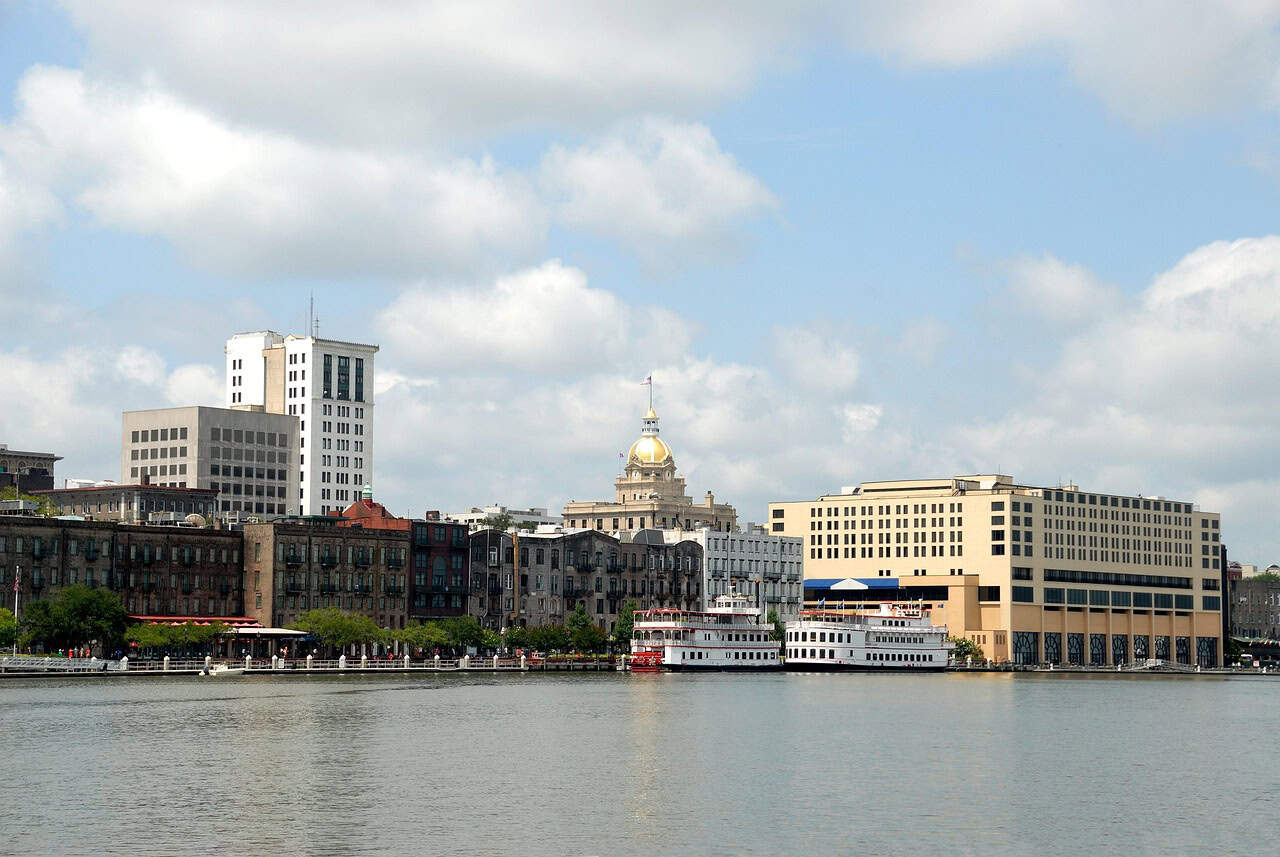
Savannah’s historic charm now pairs with industrial expansion. The metro population has crossed 400,000, boosted by one of the fastest-growing ports in North America. The Port of Savannah moves over 5 million TEUs annually.
Median home prices remain around $330,000, offering relative affordability along the Southeast coast. Film production and tourism also contribute meaningfully to employment. New electric vehicle manufacturing investments are projected to create more than 8,000 regional jobs over time.
9. Huntsville
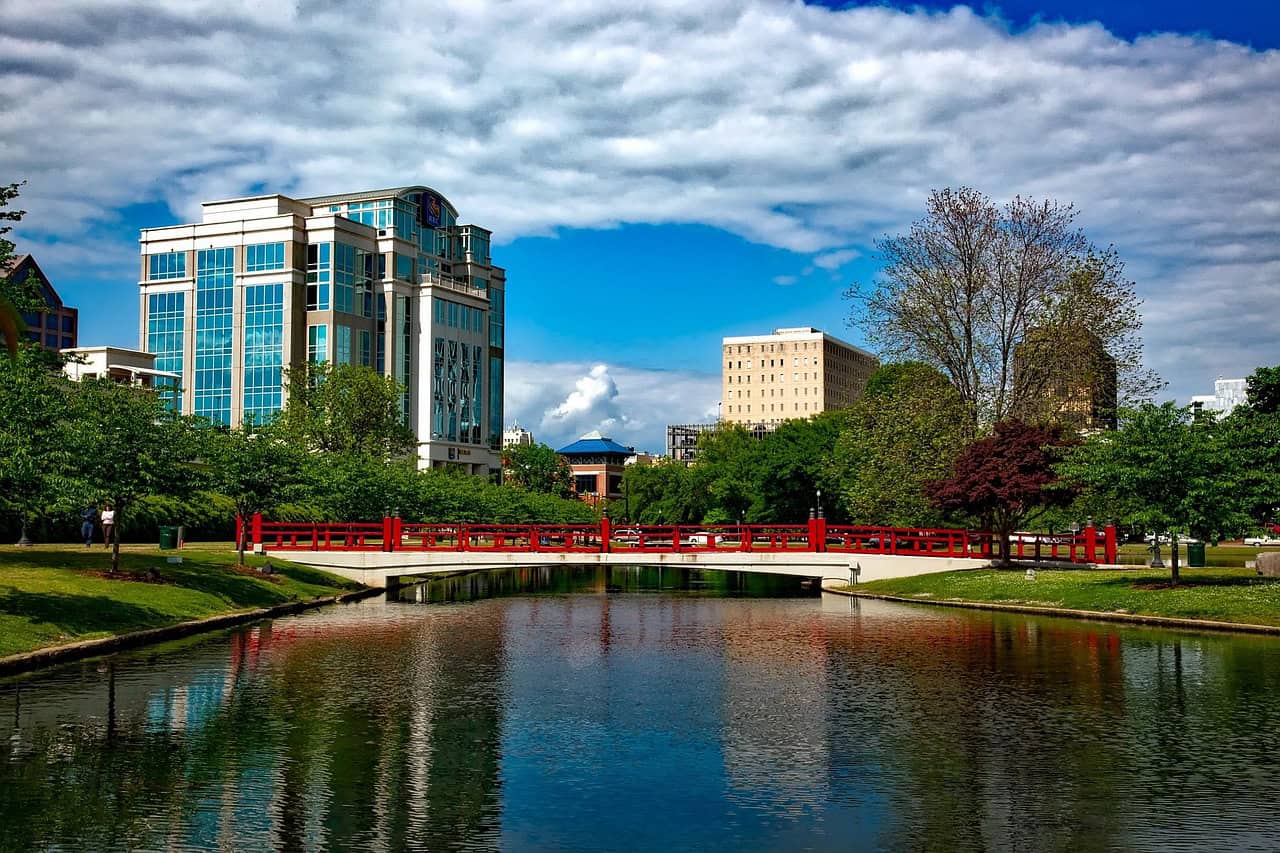
Huntsville has quietly become one of America’s fastest-growing tech cities. Its population recently surpassed 230,000, with metro growth exceeding 15% since 2020. Aerospace and defense dominate, anchored by NASA facilities and private contractors.
Median home prices average around $315,000, still accessible relative to tech corridors elsewhere. Engineering roles pay well above national averages. Major mixed-use developments and entertainment districts are reshaping downtown, making the city more attractive to younger professionals.
10. Boise
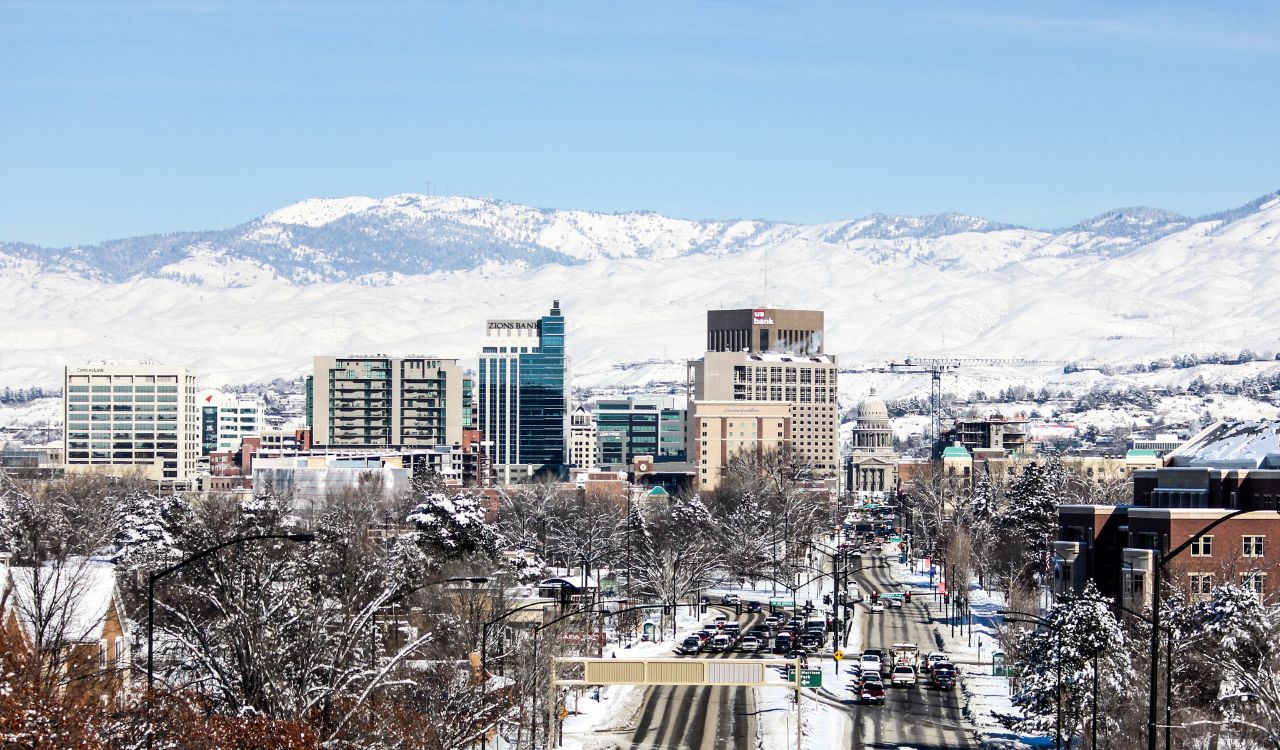
Boise continues drawing migrants seeking outdoor access and moderate density. The metro population now exceeds 800,000 after rapid pandemic-era growth. While median home prices climbed toward $500,000, they remain below West Coast equivalents.
Technology manufacturing and food processing support employment, alongside a growing startup scene. Residents benefit from over 190 miles of trails and strong public school ratings. Even with slower appreciation recently, inbound migration remains steady heading into 2026.
11. Tucson

Tucson is regaining momentum as buyers look beyond Phoenix for value. The metro population now approaches 1.1 million, with steady annual growth returning after a brief slowdown. Median home prices average near $340,000, noticeably lower than many Western markets.
Defense, aerospace, and optics manufacturing remain core employers, alongside the University of Arizona’s $800+ million annual research activity. More than 350 days of sunshine each year attract retirees and remote workers. Expanding logistics corridors are further strengthening long-term job stability.
12. Tempe

Tempe blends university energy with corporate investment. Home to Arizona State University, which enrolls over 140,000 students across campuses, the city maintains a highly educated workforce. The population has climbed past 195,000, supported by tech and semiconductor expansion.
Median home prices sit around $480,000, reflecting strong demand near employment hubs. Major mixed-use projects continue reshaping downtown, adding thousands of apartments and office spaces. Its light rail connectivity and walkable districts appeal strongly to young professionals relocating in 2026.
13. Virginia Beach
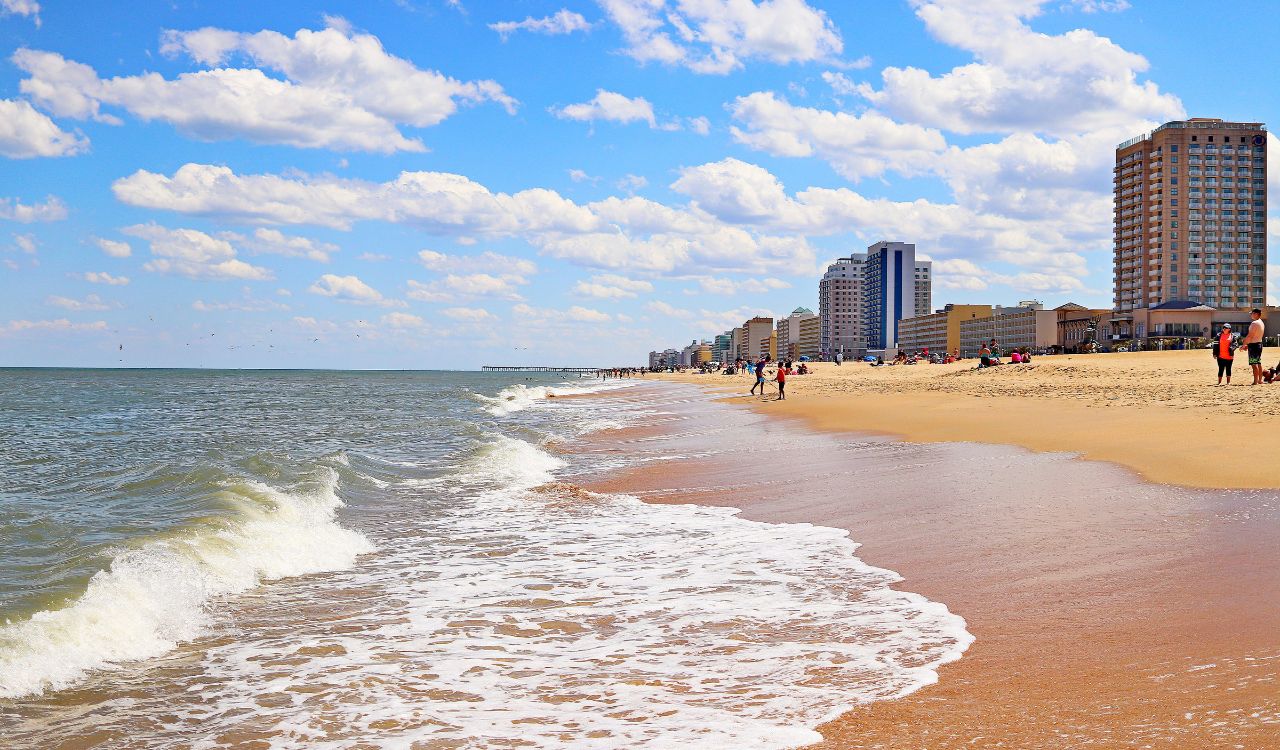
Virginia Beach offers coastal living without Northeast pricing. With roughly 455,000 residents, it anchors a metro nearing 1.8 million. Median home values average around $380,000, competitive for a waterfront market.
Defense spending drives stability, as the region supports one of the largest concentrations of military personnel in the country. Tourism brings over 13 million visitors annually, sustaining hospitality jobs. Infrastructure upgrades and shoreline resilience projects are improving long-term livability and investment confidence.
14. Grand Rapids
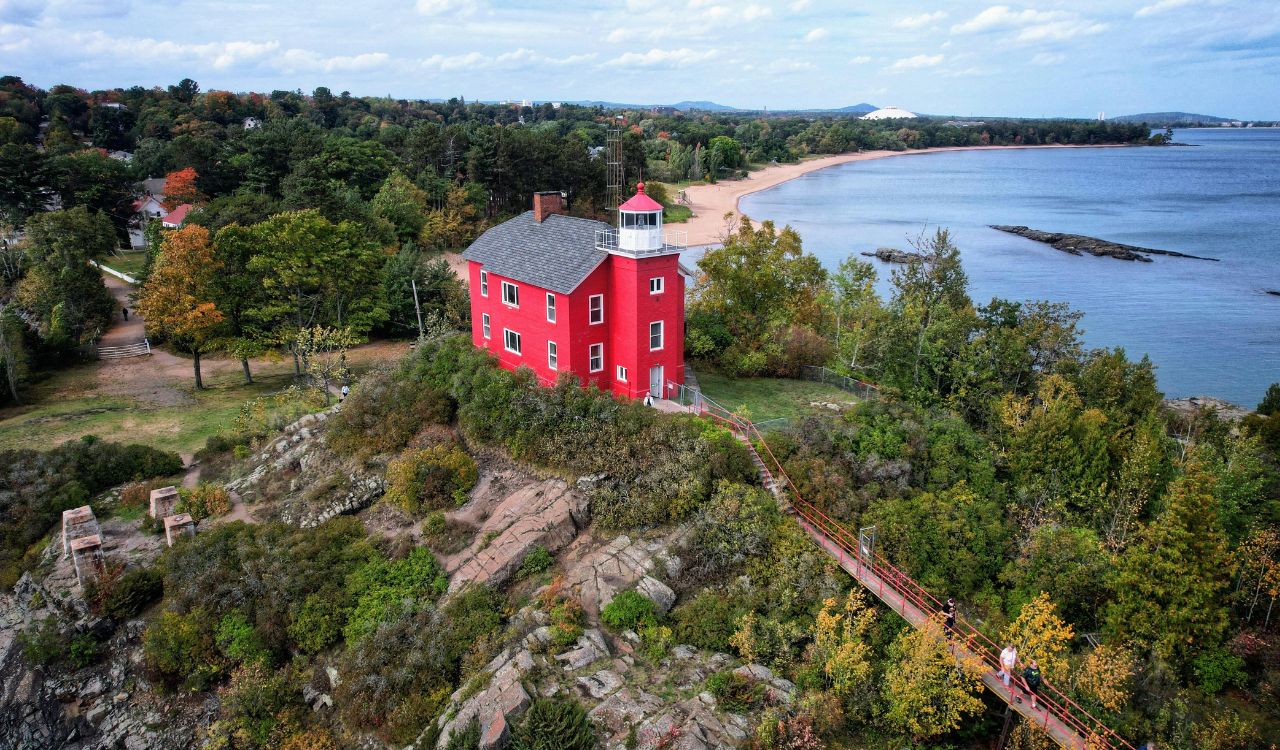
Grand Rapids is emerging as a Midwest comeback story. Its metro population has surpassed 1.1 million, while unemployment rates have remained below national averages. Median home prices hover near $310,000, offering strong value compared to coastal metros.
Healthcare systems, advanced manufacturing, and design industries anchor employment. Downtown residential development has accelerated, adding thousands of units since 2022. A growing craft beverage scene and expanding airport service are making the city more visible to inbound movers seeking affordability with culture.
15. Minneapolis
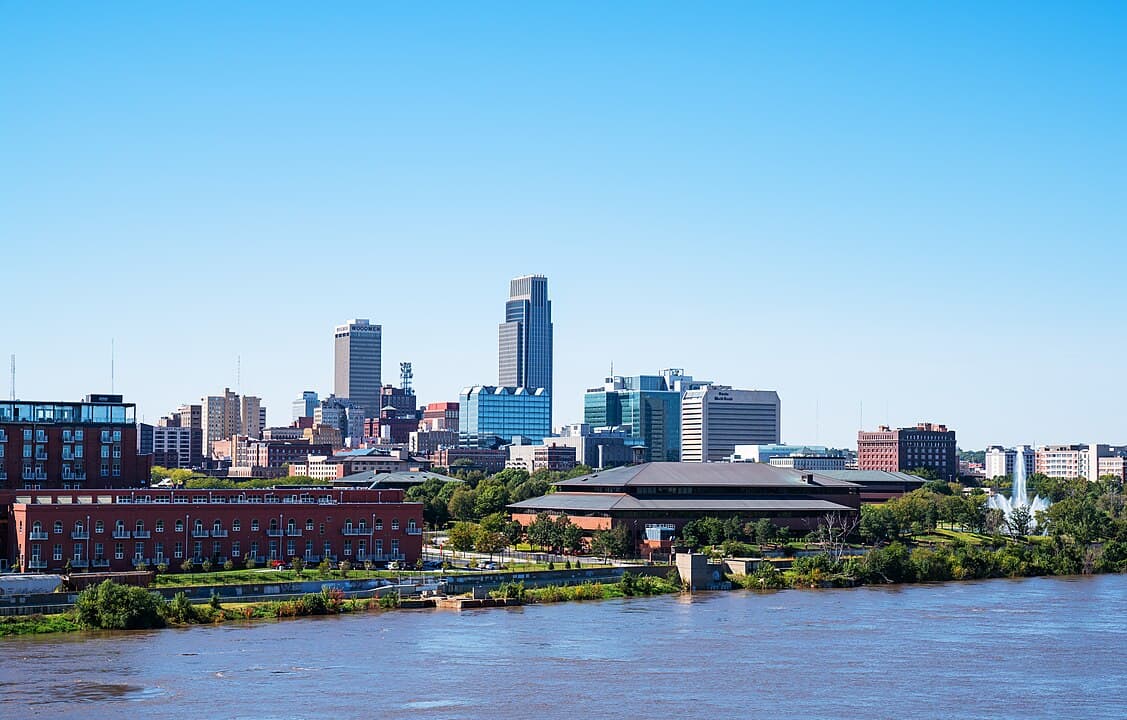
Minneapolis is rebuilding population momentum after recent slowdowns. The metro exceeds 3.6 million residents, supported by Fortune 500 headquarters and diverse industries spanning retail, healthcare, and finance. Median home prices average around $420,000.
Infrastructure investments exceeding $1 billion are modernizing transit and riverfront districts. Educational attainment remains high, with over 40% of adults holding bachelor’s degrees. Job stability and comparatively moderate housing costs are drawing professionals back to the Upper Midwest in 2026.
16. Washington, DC
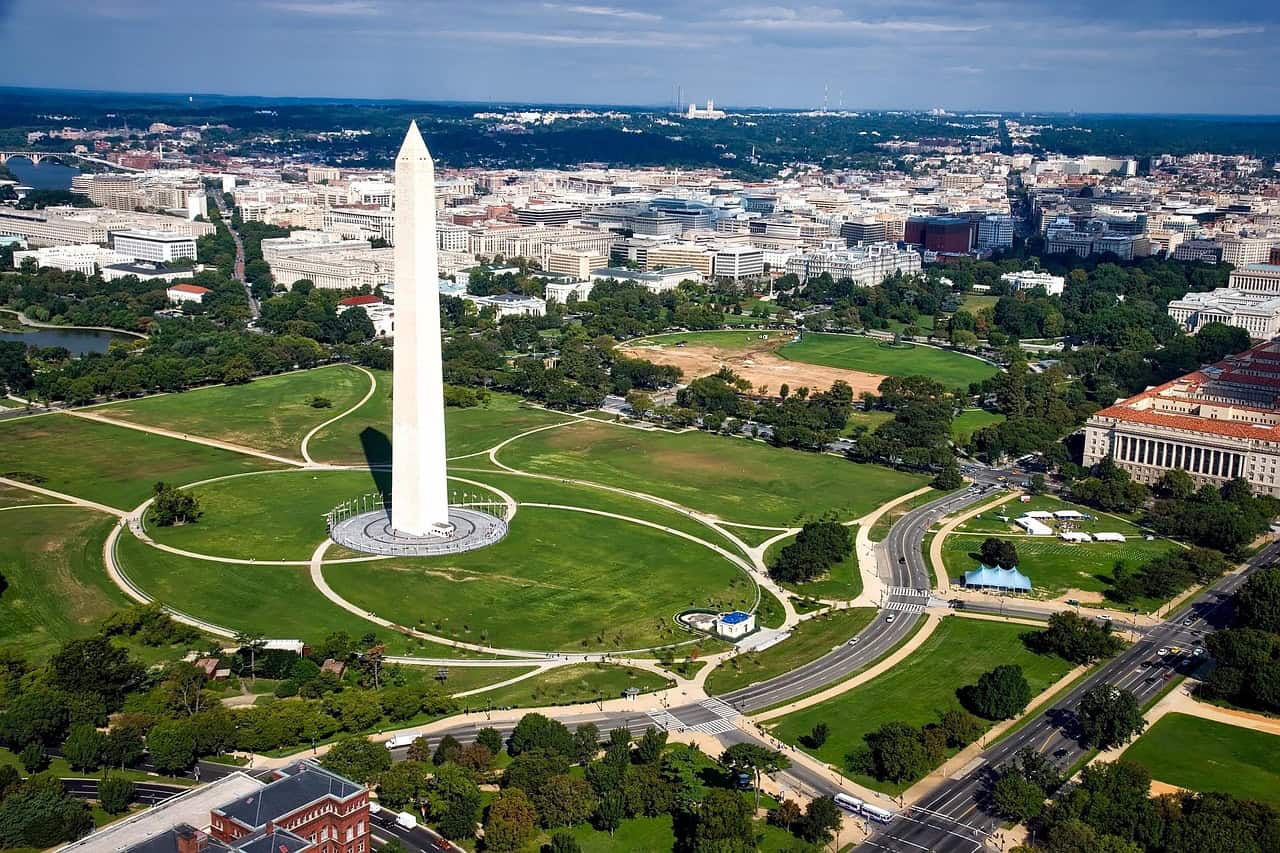
Washington, DC is seeing renewed residential demand as office markets stabilize. The city’s population stands near 680,000, with the broader metro surpassing 6.3 million. Median home prices remain high at roughly $630,000, yet income levels are correspondingly strong.
Federal employment anchors economic resilience, while technology and consulting sectors continue expanding. Metro rail improvements and downtown residential conversions are increasing housing supply. Cultural institutions and global connectivity keep attracting young professionals despite higher living costs.
17. Portland
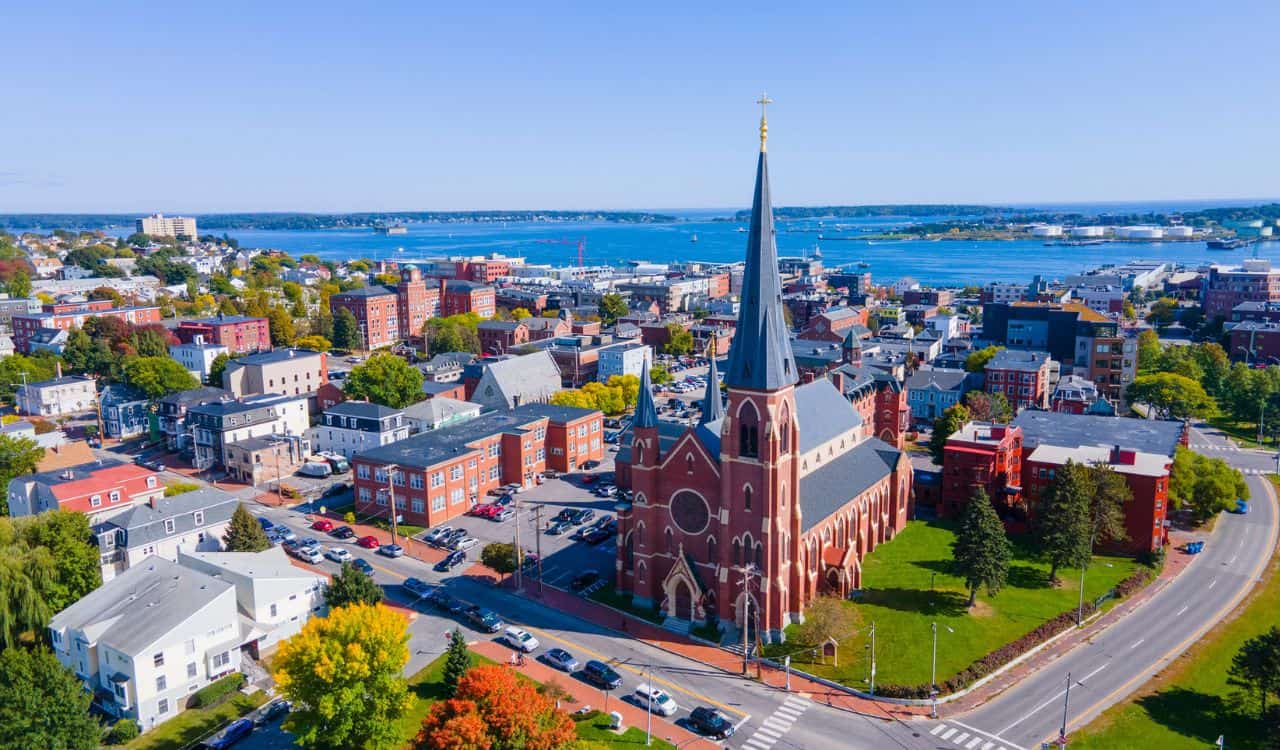
Portland is gradually regaining migration traction after a period of outflow. The metro population remains above 2.5 million, and recent data shows stabilization in inbound interest. Median home prices average around $510,000, lower than Seattle but higher than national averages.
Advanced manufacturing, athletic apparel companies, and green energy initiatives support employment. Urban redevelopment projects are revitalizing central neighborhoods. Access to mountains, coastline, and over 275 public parks sustains long-term appeal among remote workers prioritizing lifestyle balance.
18. New York City
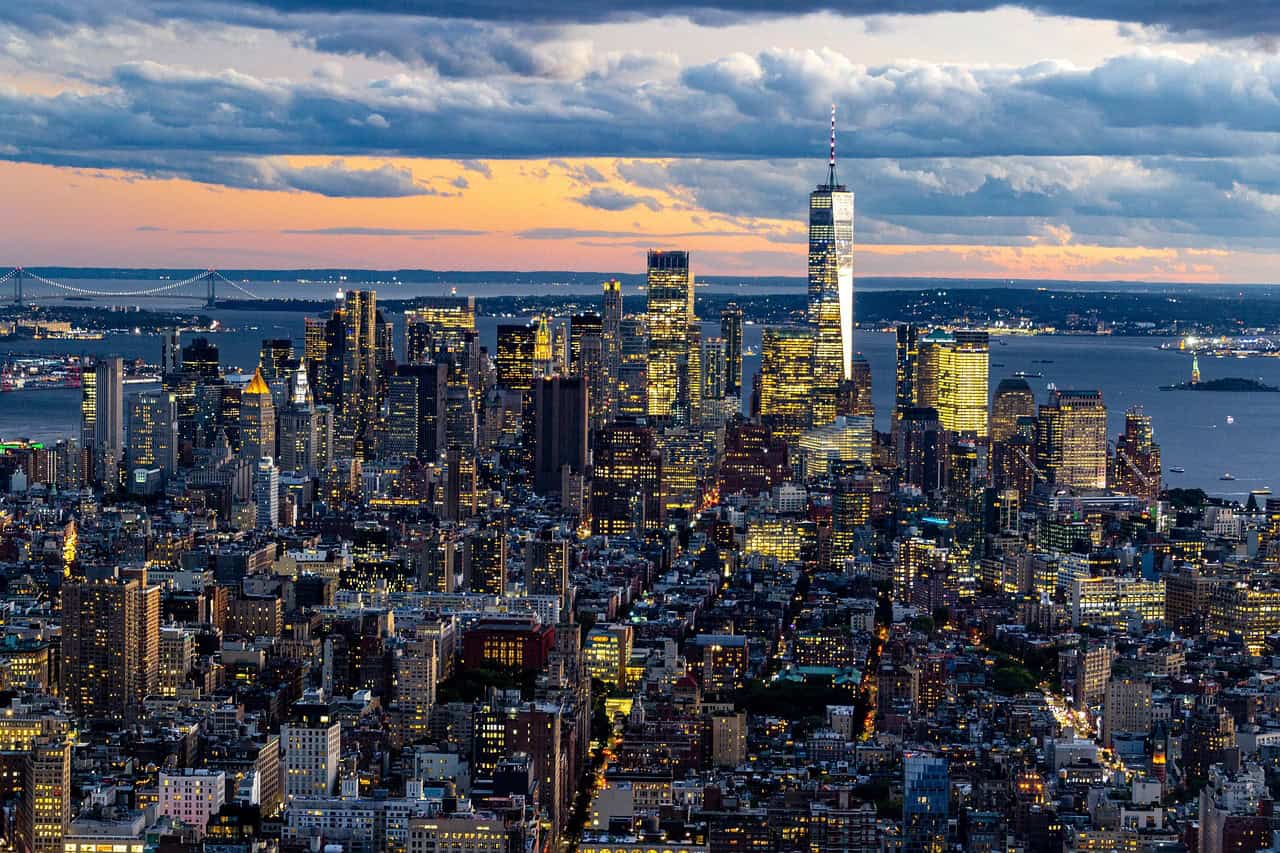
New York City continues surprising analysts with population resilience. The city’s population remains near 8.3 million, while the broader metro exceeds 19 million. Median home prices vary widely but average around $750,000 citywide.
Finance, media, healthcare, and tech collectively support millions of jobs. International migration has rebounded strongly, offsetting earlier domestic losses. Infrastructure projects, including multibillion-dollar transit upgrades, signal confidence in long-term growth despite higher housing costs and density.
19. Orlando
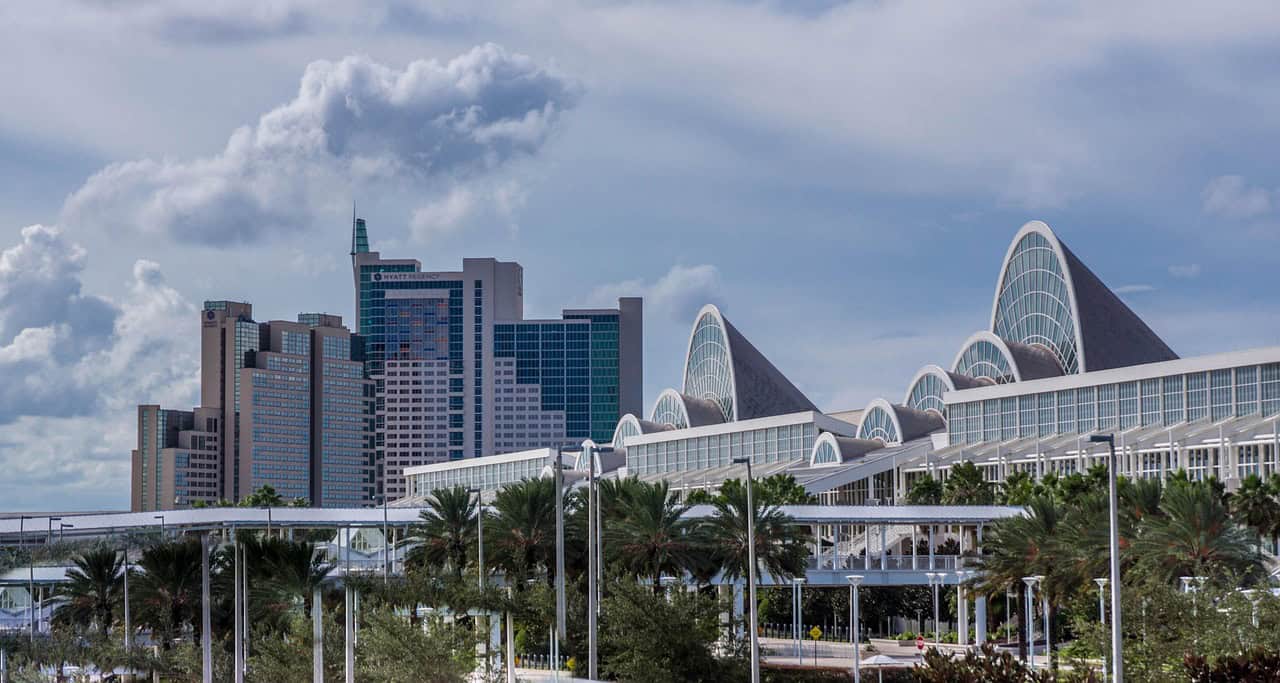
Orlando’s metro has surpassed 2.8 million residents and remains one of the fastest-growing large regions in the Southeast. Median home prices hover around $390,000. Tourism generates over $75 billion annually, but healthcare and aerospace are expanding rapidly as well.
More than 75 million visitors arrive yearly, supporting employment depth. Large-scale residential construction continues across suburban corridors. The absence of state income tax, combined with steady job creation, keeps Orlando high on relocation shortlists heading into 2026.
20. Plano
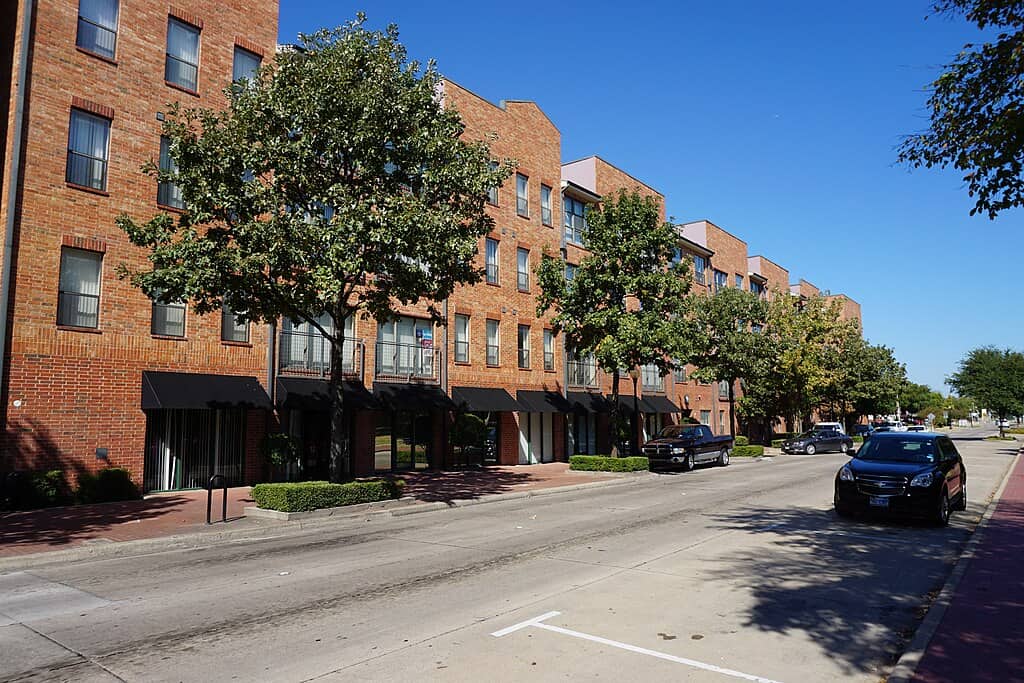
Plano combines corporate density with suburban structure. With approximately 290,000 residents, it sits within the booming Dallas–Fort Worth metro of over 8 million people. Median household income exceeds $110,000, reflecting a strong professional workforce.
Median home prices average around $520,000, supported by consistent demand. Major corporate campuses and regional headquarters provide employment stability. Excellent public schools and infrastructure investment continue drawing families relocating from higher-cost coastal states in 2026.