We may earn money or products from the companies mentioned in this post. This means if you click on the link and purchase the item, I will receive a small commission at no extra cost to you ... you're just helping re-supply our family's travel fund.

Marriage equality has reshaped legal systems and social norms across multiple continents over the past 25 years. What began in one European nation in 2001 has expanded to nearly 40 countries by 2026, representing hundreds of millions of people living under equal marriage laws. Below are five countries that played defining roles in this global shift. Each story reflects a different legal path; parliamentary reform, constitutional courts, public referendums, and landmark judicial rulings yet all resulted in nationwide legal recognition for same-sex couples.
1. Netherlands
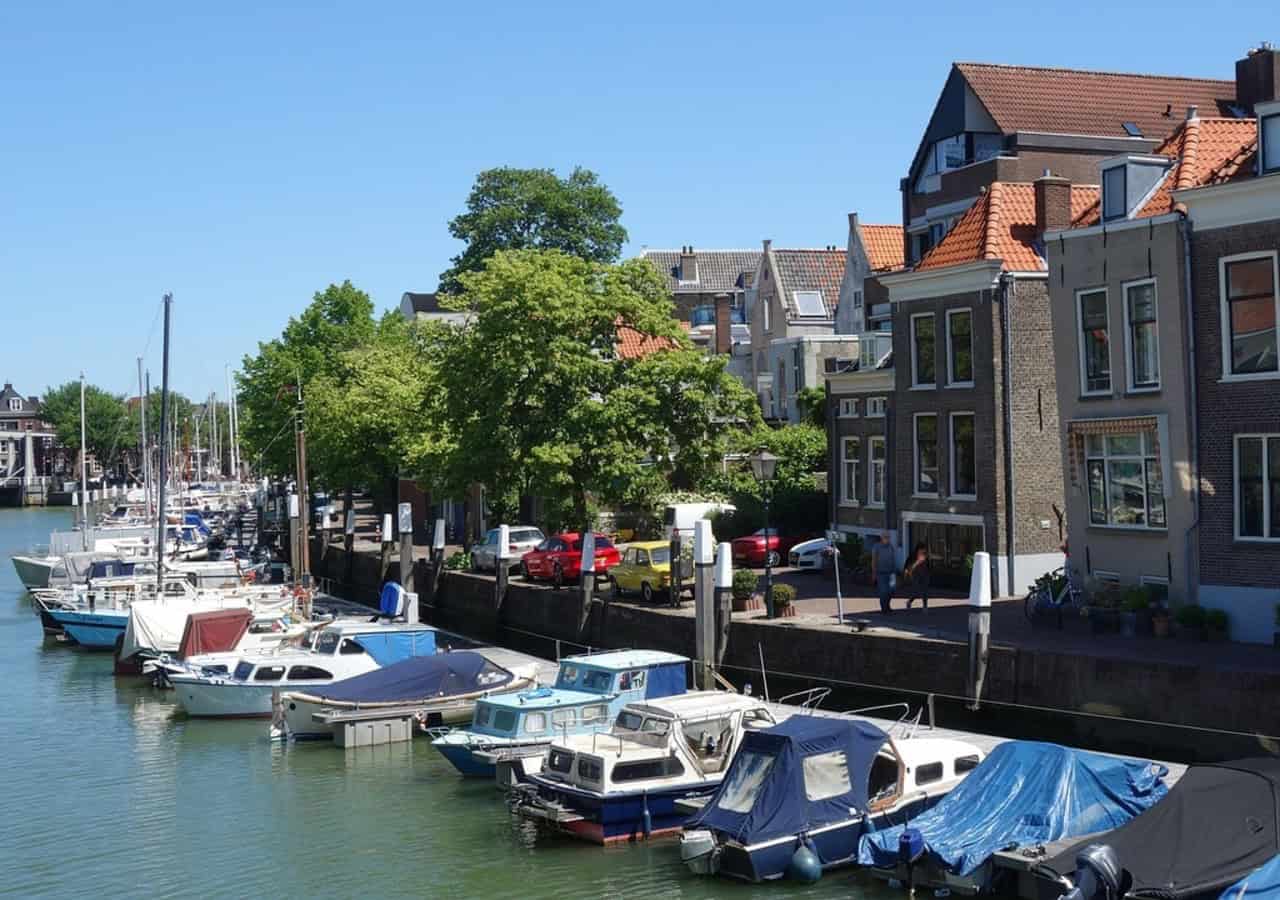
The Netherlands became the first nation in the world to legalize same-sex marriage on April 1, 2001, marking a historic turning point. The Dutch Parliament passed the law with a clear majority vote of 109–33, following years of debate and prior civil partnership reforms introduced in 1998. The first four couples married at midnight in Amsterdam. With a population of roughly 17.5 million, the country established full adoption rights alongside marriage from day one. Public approval has consistently exceeded 85 percent, making it one of the strongest social mandates for equality worldwide.
2. Canada

Canada legalized same-sex marriage nationwide on July 20, 2005, through the Civil Marriage Act. Before federal legislation, courts in 8 of 10 provinces had already ruled in favor of equality, creating momentum across a population then nearing 32 million. Parliament passed the law by a vote of 158–133. Canada also grants full parental and immigration rights to married couples. By 2021 census data, over 72,000 same-sex married couples were recorded. Public support has steadily risen, now estimated at more than 75 percent, reflecting broad societal acceptance across provinces and territories.
3. Spain

Spain legalized marriage equality on July 3, 2005, becoming the third country globally and the first in Southern Europe. Parliament approved the reform 187–147 despite strong opposition from religious institutions. With a population of about 47 million, Spain extended full adoption rights simultaneously. In the first year alone, more than 4,500 same-sex marriages were registered. Support has climbed dramatically since legalization, now exceeding 80 percent in national surveys. Spain’s Constitutional Court upheld the law in 2012, solidifying its permanence within the country’s democratic framework.
4. South Africa

South Africa stands as the only African nation with nationwide marriage equality. Legalization came on November 30, 2006, after the Constitutional Court ruled that excluding same-sex couples violated the equality clause of the 1996 Constitution. Parliament approved the Civil Union Act by 230–41. With a population exceeding 60 million, South Africa extended equal marital benefits, including inheritance and adoption rights. The reform was notable because it occurred within a decade of the end of apartheid, embedding LGBTQ+ protections into one of the world’s most progressive constitutions.
5. United States

The United States recognized same-sex marriage nationwide on June 26, 2015, following the Supreme Court’s 5–4 decision in Obergefell v. Hodges. Prior to the ruling, 36 of 50 states had already legalized it. The decision instantly extended rights to a population of more than 320 million people. By 2022, census estimates indicated over 700,000 married same-sex couples across the country. Federal recognition guarantees access to Social Security benefits, joint taxation, and immigration sponsorship. Public approval has risen from 27 percent in 1996 to roughly 70 percent today.
6. Argentina

Argentina became the first Latin American nation to legalize same-sex marriage on July 15, 2010. The Senate approved the bill 33–27 after an intense national debate that drew tens of thousands into public demonstrations. With a population of around 45 million, Argentina extended full adoption and inheritance rights immediately. Within the first year, more than 2,000 marriages were registered. The reform positioned Argentina as a regional pioneer, influencing neighboring countries. Recent surveys indicate public support has surpassed 75 percent, reflecting a significant cultural shift over just one generation.
7. France

France legalized same-sex marriage on May 17, 2013, through the “Mariage pour tous” law passed by the National Assembly in a 331–225 vote. At the time, France had a population of about 65 million. The law granted equal adoption rights and access to spousal benefits nationwide. In the first full year, over 10,000 same-sex marriages were recorded. Despite large-scale protests prior to passage, public approval has steadily climbed and now stands near 70 percent. France’s reform significantly influenced debates across Western Europe and beyond.
8. United Kingdom

The United Kingdom legalized same-sex marriage in stages beginning in 2014, with England and Wales first, followed by Scotland later that year and Northern Ireland in 2020. Parliamentary votes were decisive, including a 400–175 margin in the House of Commons for England and Wales. With a population of roughly 67 million, the UK grants full spousal and parental rights. In the first year in England and Wales alone, over 6,000 marriages took place. Public support now exceeds 75 percent, marking a dramatic shift from earlier decades.
9. Australia

Australia legalized same-sex marriage on December 9, 2017, after a voluntary national postal survey in which 61.6 percent of 12.7 million participants voted in favor. Parliament then passed the Marriage Amendment Act by 43–12 in the Senate. With a population of about 26 million, Australia extended full marital rights, including recognition of overseas marriages. In 2018 alone, more than 6,500 same-sex couples married. Public support has continued to strengthen, with approval rates now estimated above 75 percent across the country.
10. Taiwan

Taiwan became the first country in Asia to legalize same-sex marriage on May 24, 2019, following a Constitutional Court ruling in 2017 that mandated reform within two years. The Legislative Yuan passed the implementing law 66–27. With a population of approximately 23 million, Taiwan initially limited some cross-border marriage rights but has since expanded recognition. Over 10,000 same-sex marriages were registered within the first three years. Recent polls show support hovering around 60 percent, reflecting gradual yet meaningful societal acceptance in the region.
11. Germany
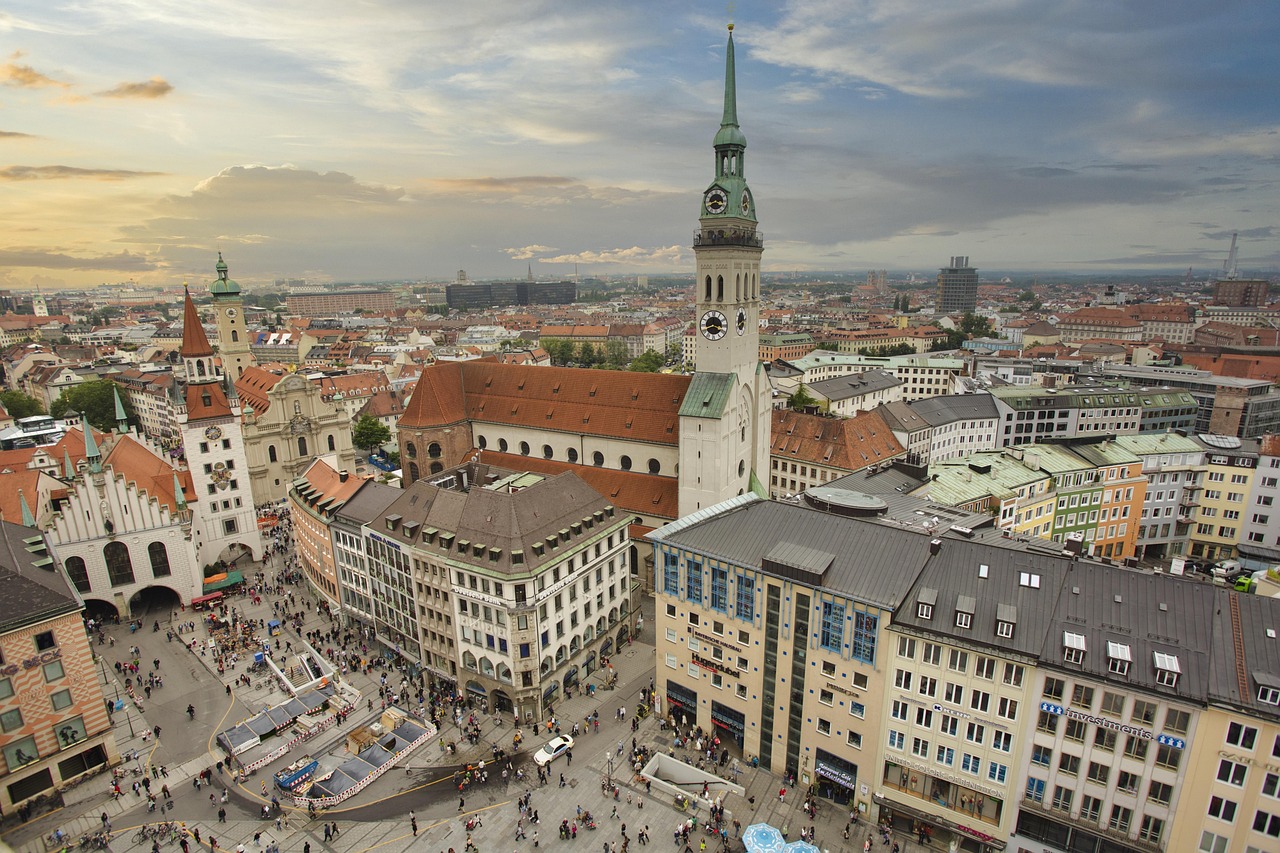
Germany legalized same-sex marriage on October 1, 2017, after the Bundestag passed the reform by a 393–226 vote, allowing lawmakers a conscience vote rather than strict party lines. With a population of roughly 83 million, Germany had previously recognized civil partnerships since 2001, but the new law granted full marital and adoption rights. In the first year, more than 10,000 couples married. Public approval has climbed steadily and now exceeds 75 percent, reflecting broad consensus across much of the country’s political spectrum.
12. Ireland

Ireland made history on May 22, 2015, by becoming the first country to legalize same-sex marriage through a national referendum. Voters approved the constitutional amendment 62–38, with turnout surpassing 60 percent of the electorate. At the time, Ireland’s population was about 4.6 million. The change granted full spousal and parental rights and amended the Constitution to protect equality explicitly. Within the first year, over 1,000 marriages were registered. Support has continued to strengthen, now polling above 75 percent nationwide.
13. New Zealand

New Zealand legalized same-sex marriage on August 19, 2013, after Parliament passed the Marriage (Definition of Marriage) Amendment Act by 77–44. With a population then near 4.5 million, the country extended full adoption and immigration rights to married couples. In the first 12 months, more than 900 marriages were celebrated, including many couples from neighboring Pacific nations. Public support has risen steadily and now exceeds 80 percent. New Zealand’s reform strengthened its international reputation as one of the most socially progressive democracies in the region.
14. Brazil

Brazil recognized same-sex marriage nationwide on May 16, 2013, after the National Justice Council ruled that civil registries could not refuse marriage licenses to same-sex couples. With a population exceeding 210 million, Brazil became the largest country in Latin America to adopt marriage equality at the time. More than 3,700 same-sex marriages were recorded in the first year alone. The decision ensured equal inheritance, pension, and adoption rights. Recent surveys suggest public approval stands near 60 percent, reflecting gradual but meaningful social change.
15. Portugal

Portugal legalized same-sex marriage on June 5, 2010, after Parliament approved the measure 126–97. With a population of about 10 million, Portugal initially excluded joint adoption rights, but these were fully granted in 2016, completing legal equality. In the first year, more than 300 marriages were registered. Public opinion has shifted significantly over the past decade, with support now estimated above 70 percent. Portugal’s reform signaled a notable transformation within a traditionally Catholic society, demonstrating evolving attitudes toward family and civil rights.
16. Sweden
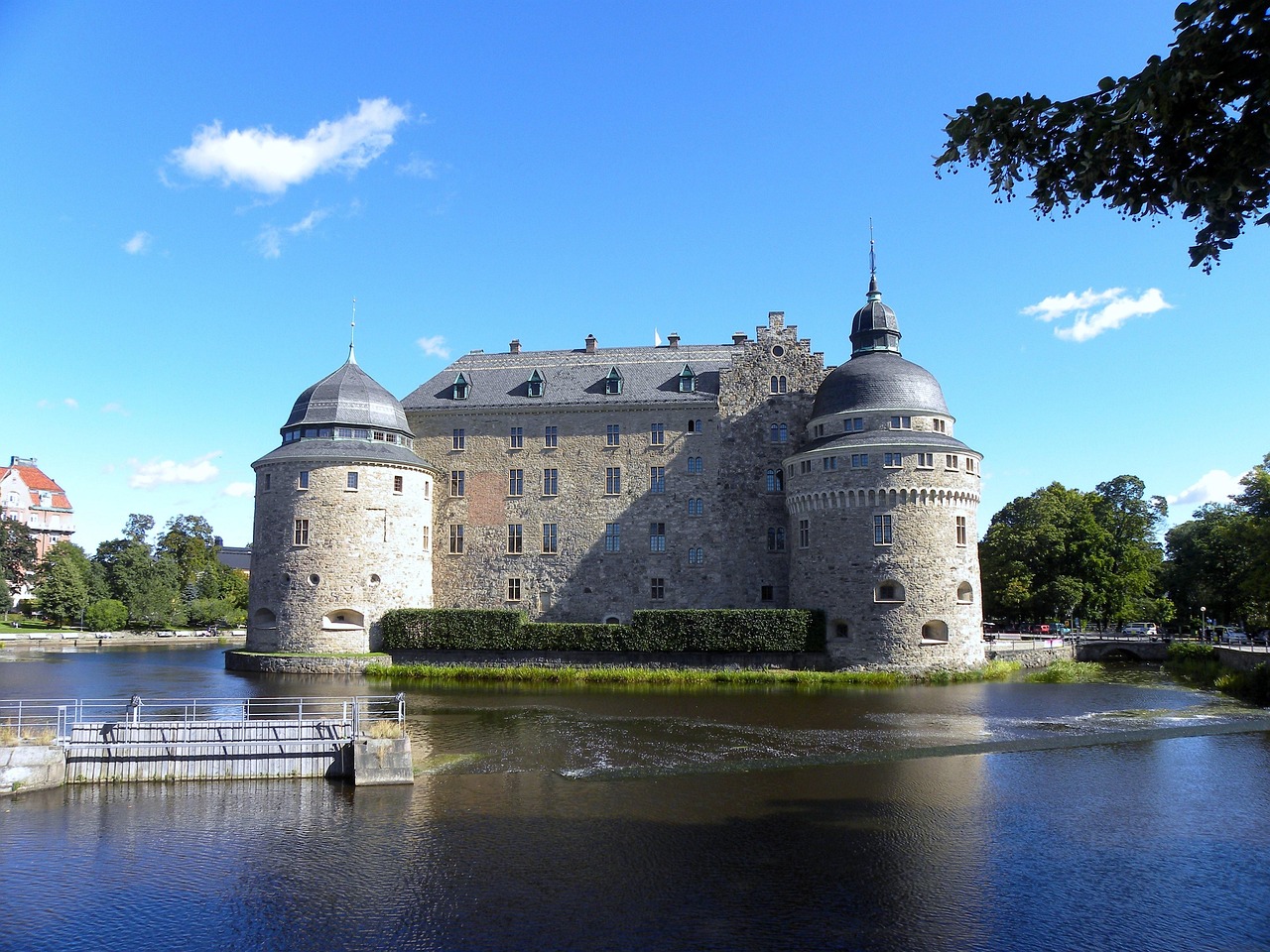
Sweden legalized same-sex marriage on May 1, 2009, after Parliament approved the measure by an overwhelming 261–22 vote. With a population of roughly 10.5 million, Sweden had already recognized registered partnerships since 1995, but the new law granted full marital status and equal adoption rights. The Church of Sweden also voted later that year to allow same-sex weddings. In the first 12 months, more than 1,000 couples married. Public approval consistently exceeds 90 percent, placing Sweden among the strongest supporters of marriage equality worldwide.
17. Norway
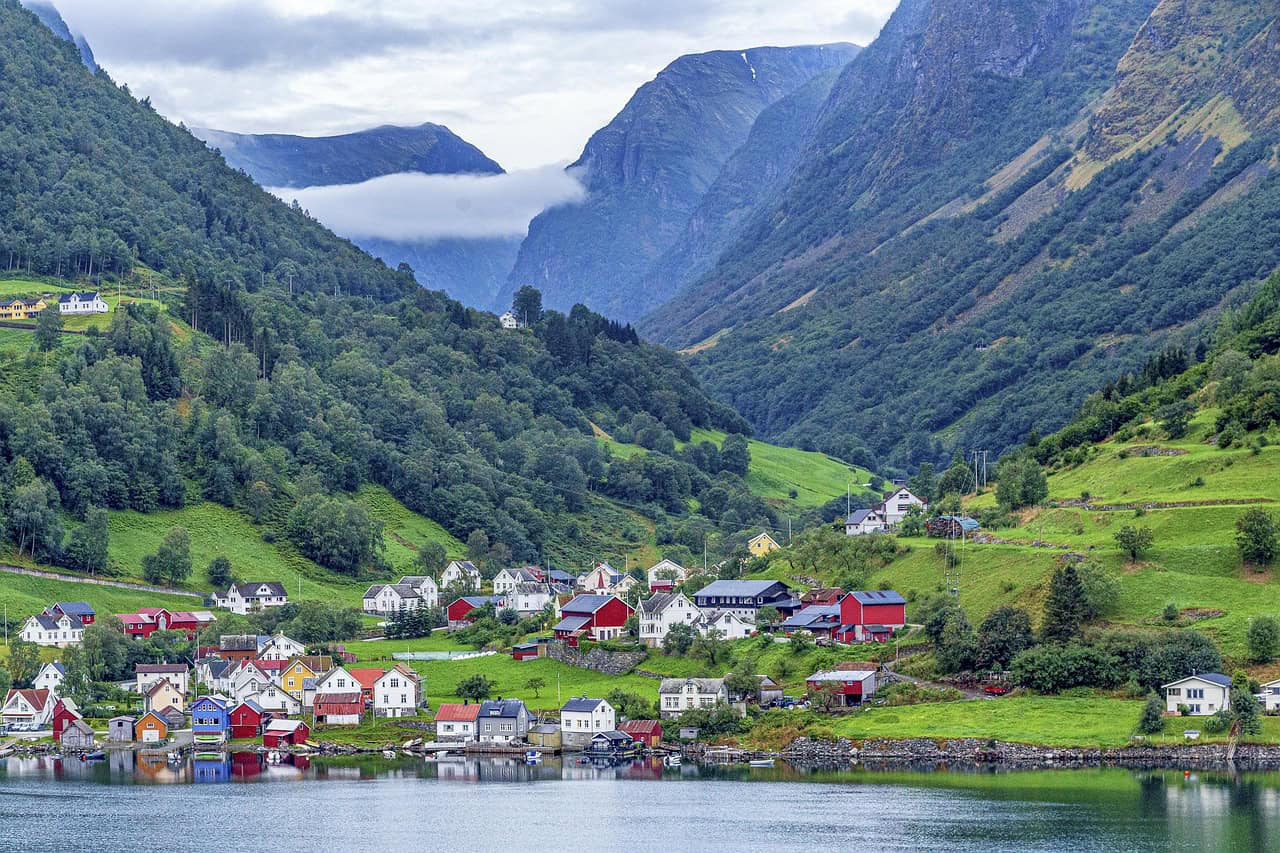
Norway enacted marriage equality on January 1, 2009, following a parliamentary vote of 84–41. At the time, Norway’s population stood near 4.8 million. The reform replaced earlier partnership laws and extended full adoption and assisted reproduction rights to married couples. Within the first year, approximately 300 same-sex marriages were registered. Public backing has remained exceptionally strong, now estimated above 85 percent. Norway’s decision reinforced its global reputation for progressive social policy and comprehensive human rights protections.
18. Mexico

Mexico achieved nationwide marriage equality on October 26, 2022, when the final state amended its civil code, completing a gradual process that began with a Supreme Court ruling in 2015. With a population exceeding 126 million, Mexico is one of the largest countries to recognize same-sex marriage. Thousands of couples had already wed through court injunctions before full nationwide reform. The law guarantees equal spousal, inheritance, and social security rights. Recent polling indicates support stands near 65 percent, reflecting steady generational change.
19. Chile
Chile legalized same-sex marriage on March 10, 2022, after Congress approved the bill 82–20 in the Chamber of Deputies and 21–8 in the Senate. With a population of about 19 million, Chile had recognized civil unions since 2015 before extending full marriage rights. The reform includes equal adoption rights and legal parenthood recognition. In its first year, more than 1,000 marriages were recorded. Public support has climbed above 60 percent, marking a notable cultural shift within the country over the past decade.
20. Switzerland

Switzerland legalized same-sex marriage on July 1, 2022, after 64.1 percent of voters approved the reform in a national referendum held in 2021. With a population of around 8.7 million, Switzerland replaced its 2007 registered partnership system with full marriage equality. The law provides equal adoption rights and access to assisted reproduction for female couples. In the first year, over 2,000 marriages were celebrated. Public support has continued to strengthen, now estimated above 70 percent across the country.