We may earn money or products from the companies mentioned in this post. This means if you click on the link and purchase the item, I will receive a small commission at no extra cost to you ... you're just helping re-supply our family's travel fund.
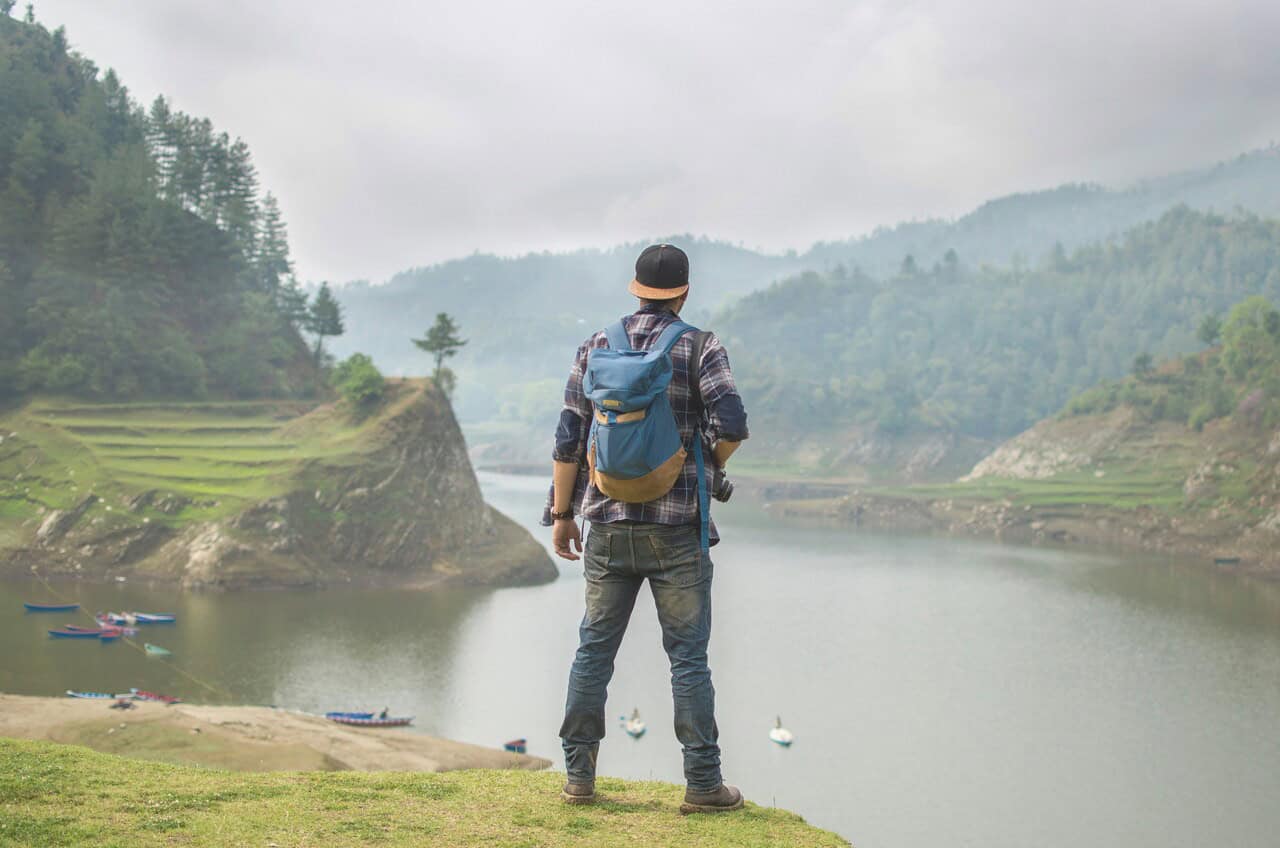
Travel is personal. A place that dazzles one traveler may overwhelm another. The countries below aren’t “bad” destinations; many are historically rich and culturally powerful. But based on safety data, infrastructure challenges, travel restrictions, and on-the-ground realities, these are 20 countries where I would hesitate before booking a return trip. Each section explains why, with context and measurable factors that shape the experience.
1. North Korea
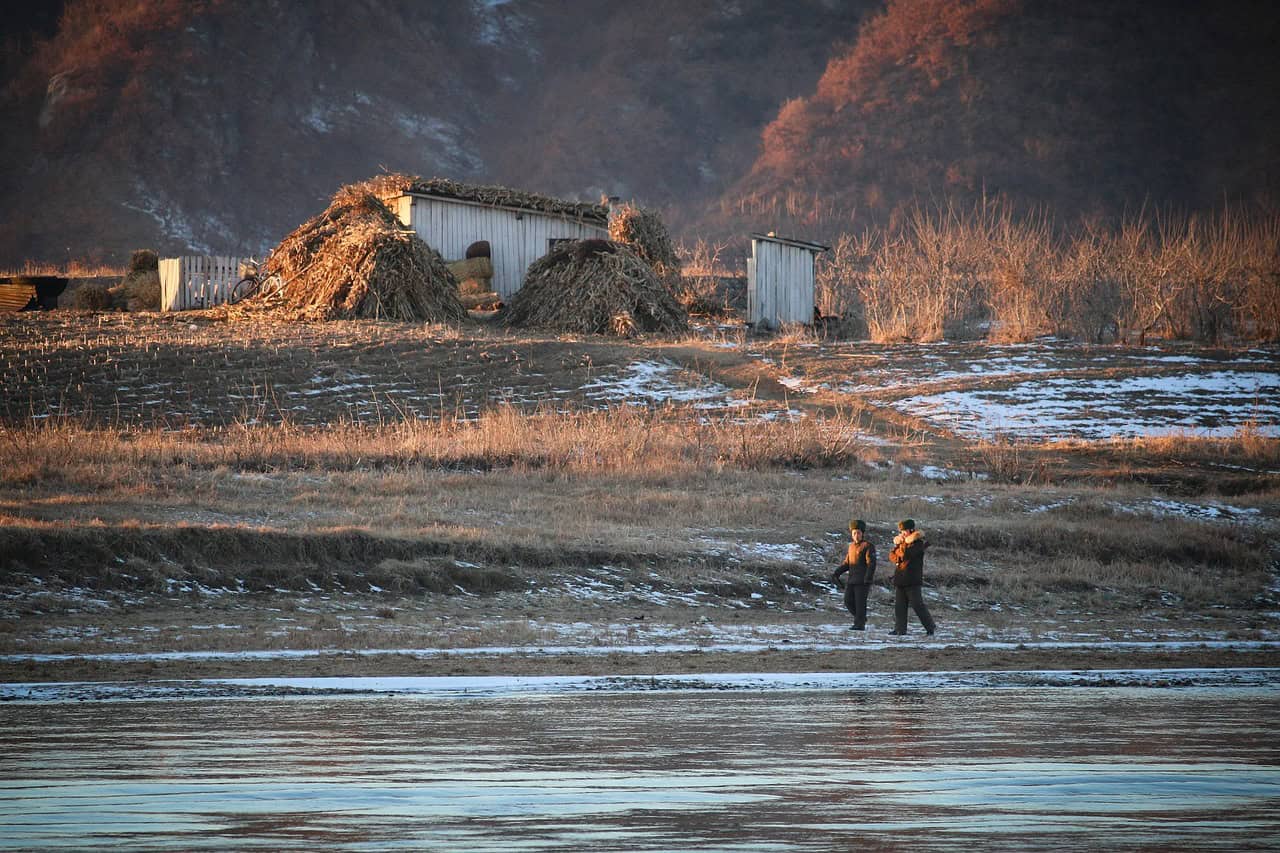
Tourism here operates under strict state control, with 100% of visitors required to join organized tours. Independent movement is not permitted, and guides accompany travelers at all times. Internet access for tourists is extremely limited, and photography rules are heavily enforced. Annual visitor numbers reportedly hover around 5,000 or fewer in most years. While monuments and mass performances are impressive, the absence of personal freedom and unscripted interaction makes the experience feel curated rather than authentic, limiting any desire to return.
2. Venezuela
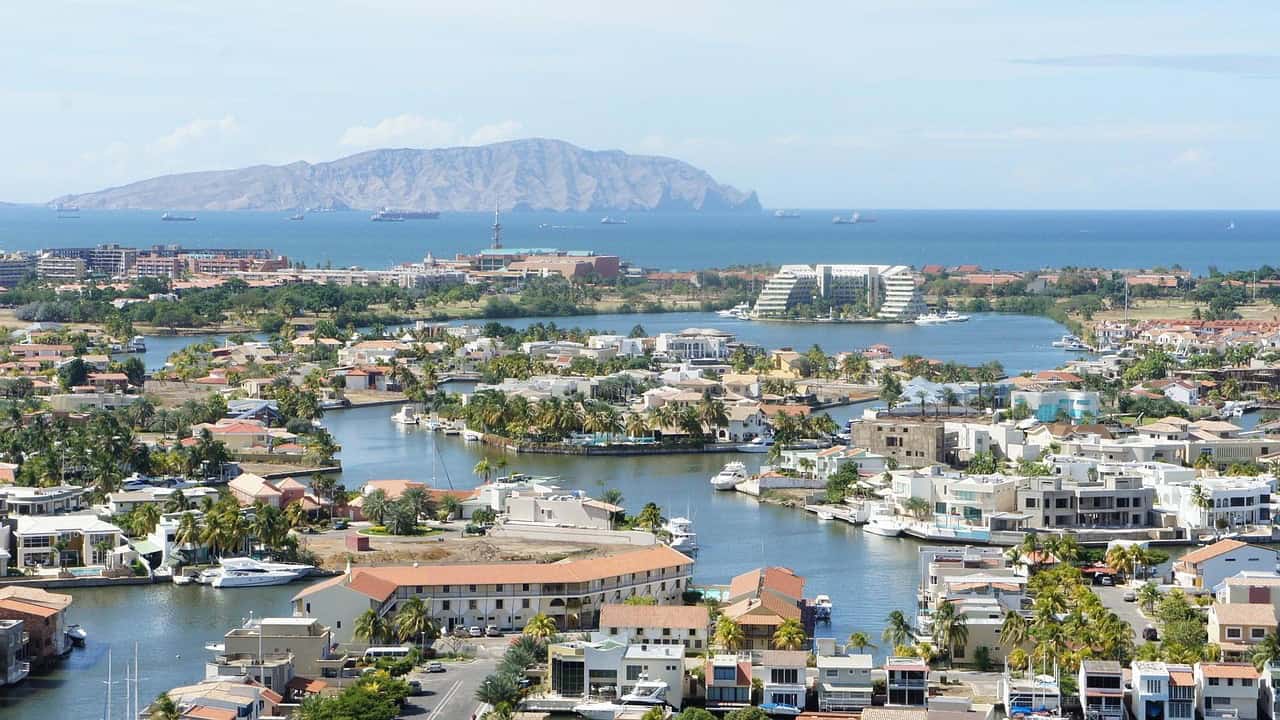
Once drawing over 700,000 tourists annually, arrivals have dropped sharply amid economic collapse and political instability. Inflation surpassed 100% annually in recent years, creating unpredictable pricing. Power outages and fuel shortages disrupt transport. Certain urban areas report high crime rates, influencing travel advisories worldwide. The country’s natural wonders remain breathtaking, yet logistical strain, currency volatility, and safety concerns combine to create a stressful travel environment that many visitors feel is difficult to repeat comfortably.
3. Somalia
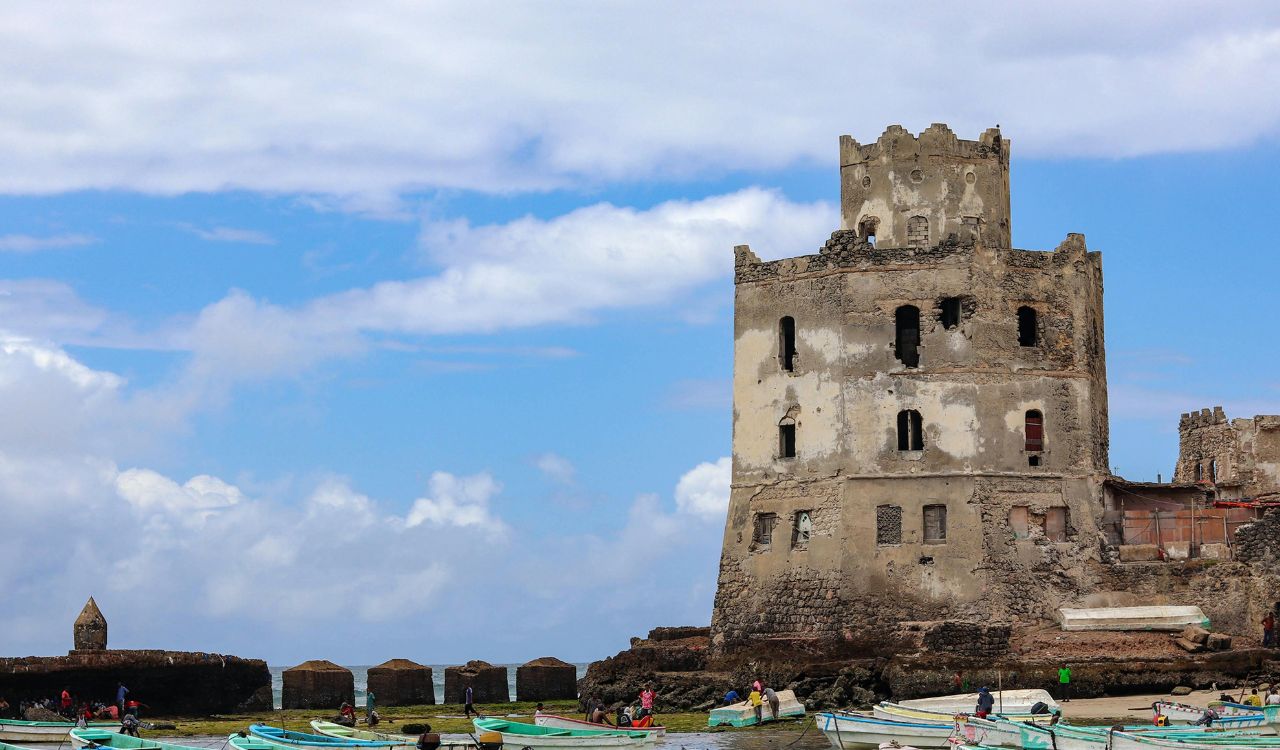
Security warnings dominate nearly every international advisory regarding Somalia. Incidents involving armed groups and terrorism remain documented risks. Tourism infrastructure is minimal, with very limited commercial flights and few internationally recognized hotels. Visitor numbers remain extremely low, often counted in the hundreds annually. Though its coastline stretches more than 3,000 kilometers, making it Africa’s longest mainland shore, ongoing instability overshadows its beauty. For most travelers, the security equation simply outweighs the cultural curiosity.
4. Afghanistan
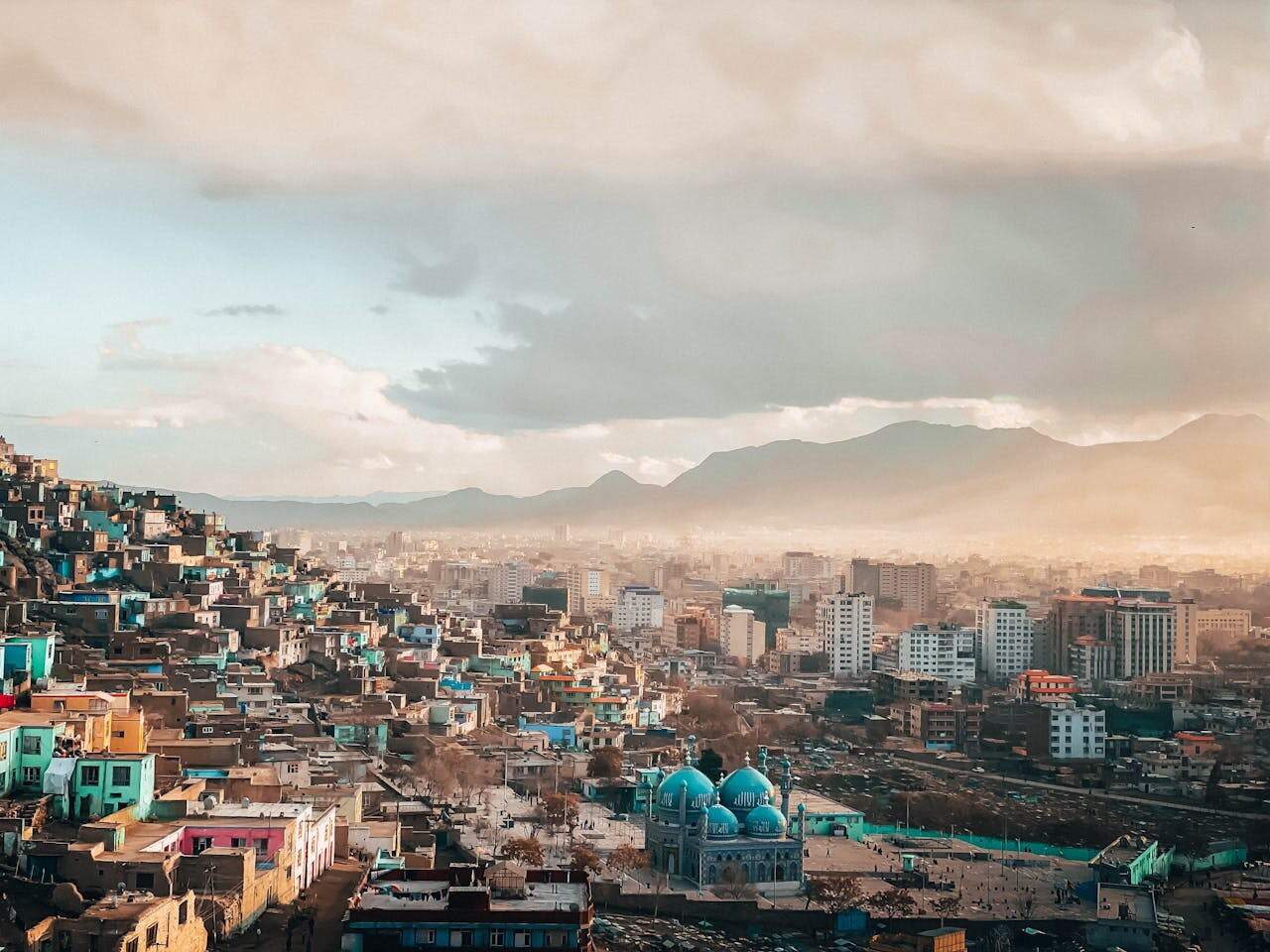
Decades of conflict have reshaped Afghanistan’s travel landscape. Many embassies operate with reduced or no consular presence. Infrastructure damage, landmine contamination in rural areas, and shifting political control create unpredictable conditions. Commercial tourism is nearly nonexistent. While the Hindu Kush mountains and Silk Road heritage are remarkable, safety advisories consistently rank the country among the highest risk globally. Even historically passionate travelers often conclude that, under current conditions, a return visit would be too dangerous.
5. Haiti
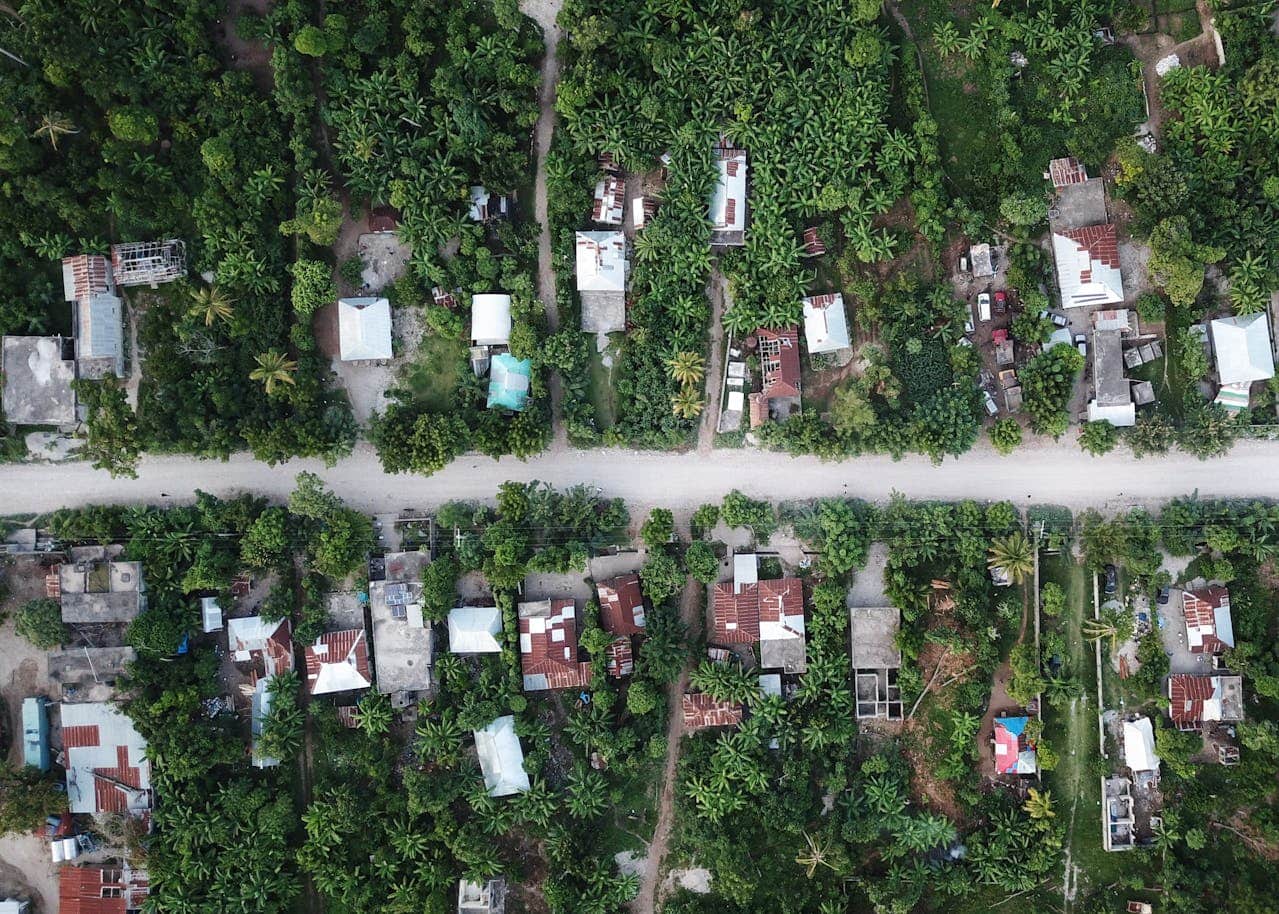
Tourism numbers have fluctuated dramatically, with declines exceeding 50% during periods of unrest. Gang violence in parts of the capital has led to airport disruptions and road blockades. Fuel shortages and limited healthcare infrastructure complicate emergencies. Despite vibrant art, music, and history, logistical unpredictability affects day-to-day travel. Visitors often leave with admiration for Haitian resilience, yet concerns about safety statistics and infrastructure gaps make planning a second trip feel uncertain.
6. Libya
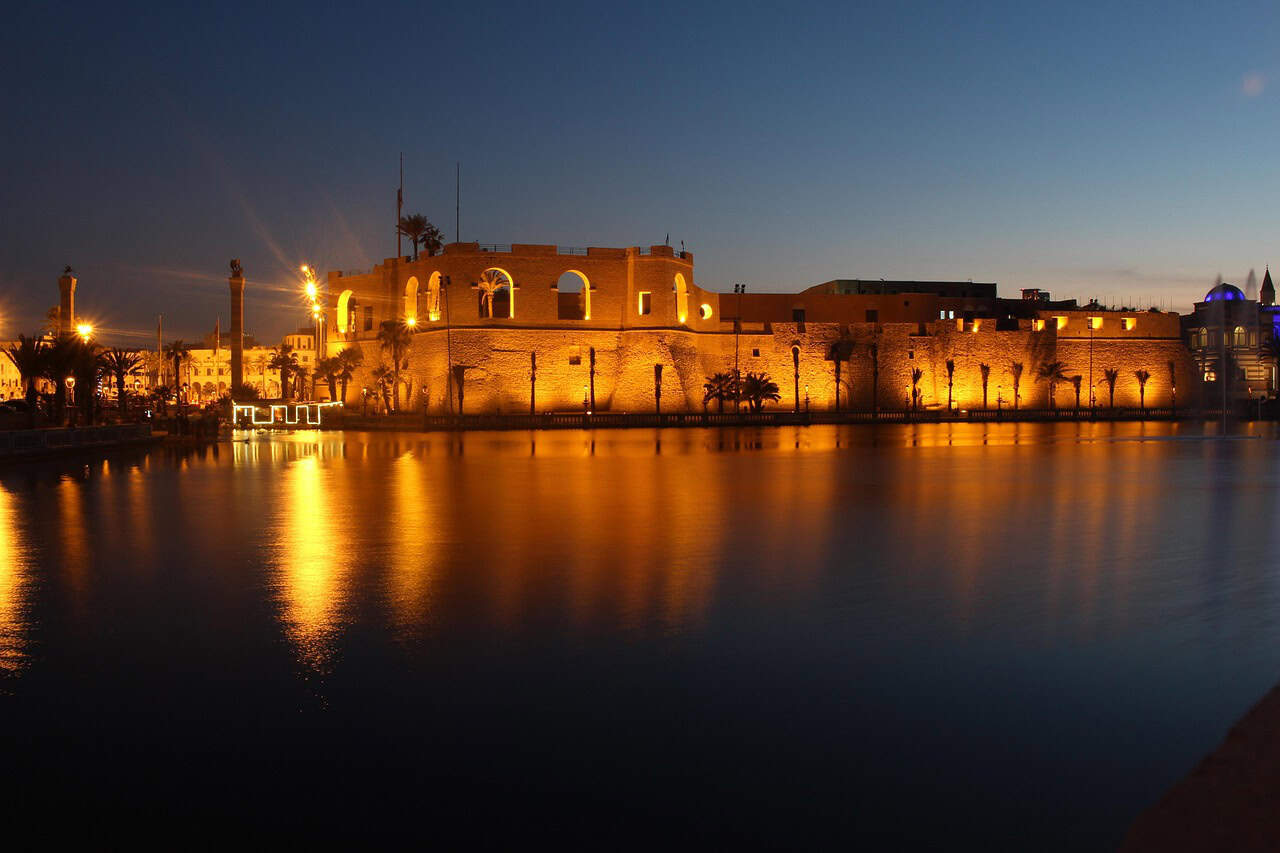
Home to some of the Mediterranean’s best-preserved Roman ruins, Libya once welcomed tens of thousands of visitors yearly. Civil conflict since 2011 drastically reduced arrivals to negligible levels. Competing administrations and militia checkpoints create fragmented authority across regions. International flights remain limited. Travel insurance is often unavailable for entry. Although archaeological sites like Leptis Magna are extraordinary, political fragmentation and security volatility discourage most travelers from considering a return.
7. South Sudan
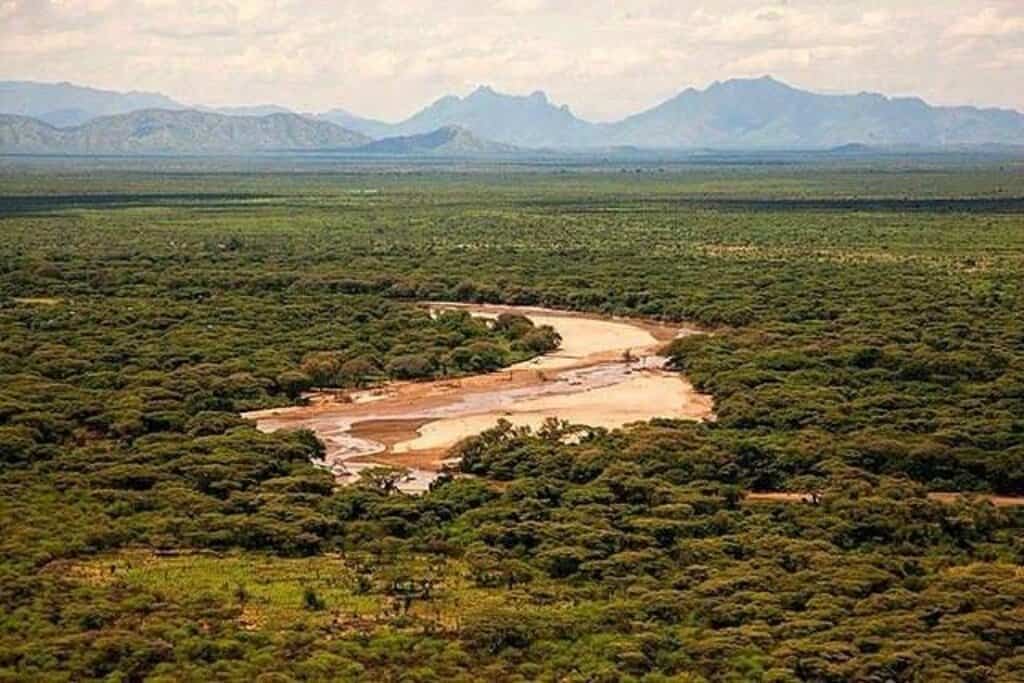
Since gaining independence in 2011, South Sudan has faced recurring internal conflict. Infrastructure ranks among the least developed globally, with fewer than 300 kilometers of paved roads nationwide. Seasonal rains can isolate entire regions. Healthcare facilities are limited outside the capital. Tourism remains extremely rare. While cultural diversity across more than 60 ethnic groups is compelling, logistical hardship, safety advisories, and limited transport networks make repeat travel impractical for most visitors.
8. Iraq
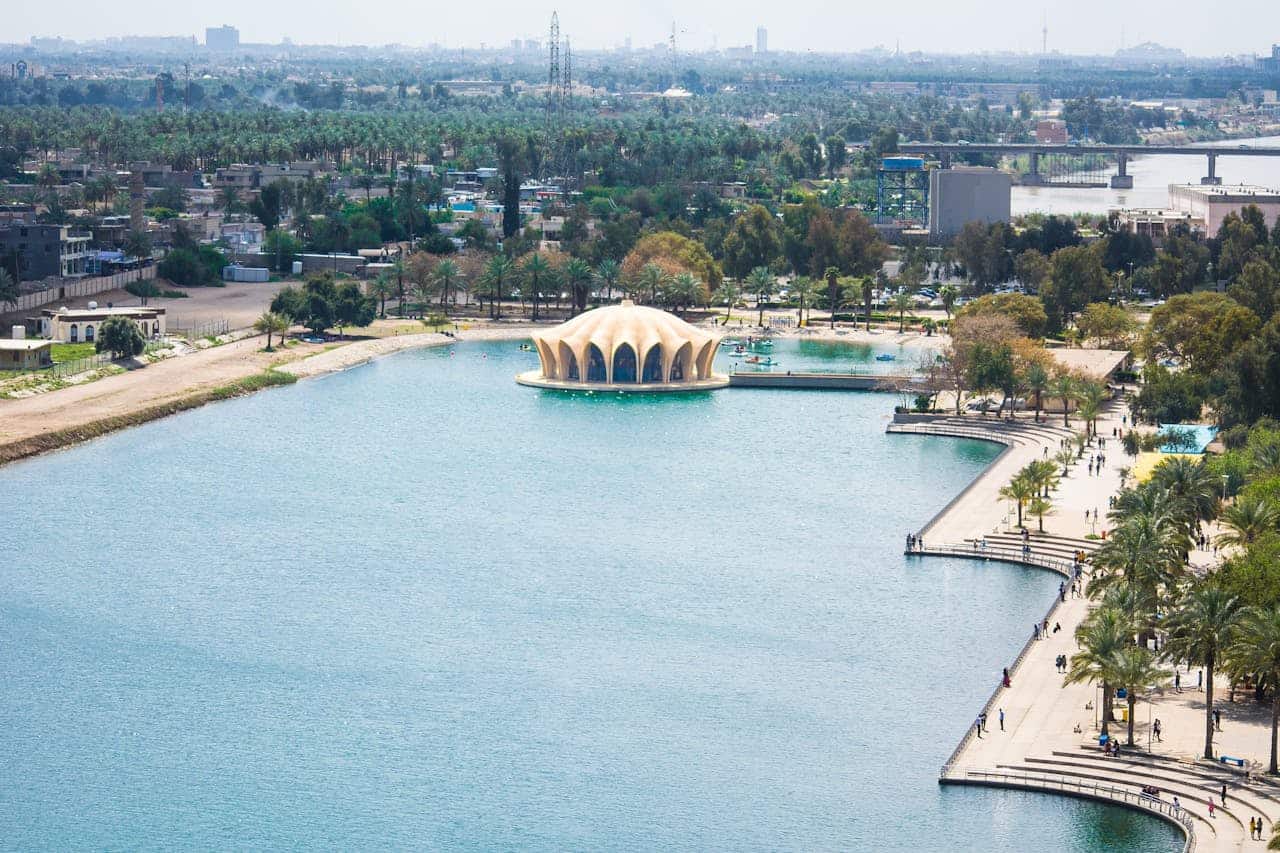
Iraq holds ancient sites dating back over 4,000 years, including Mesopotamian heritage areas. While security has improved in certain regions, advisories still warn against travel to several provinces. Checkpoints are common on highways, and insurance coverage can be restrictive. Visitor numbers remain modest compared to regional neighbors. Though historical depth is extraordinary, infrastructure recovery is ongoing. For many travelers, the complexity of movement and persistent perception of risk reduce enthusiasm for a second visit.
9. Yemen
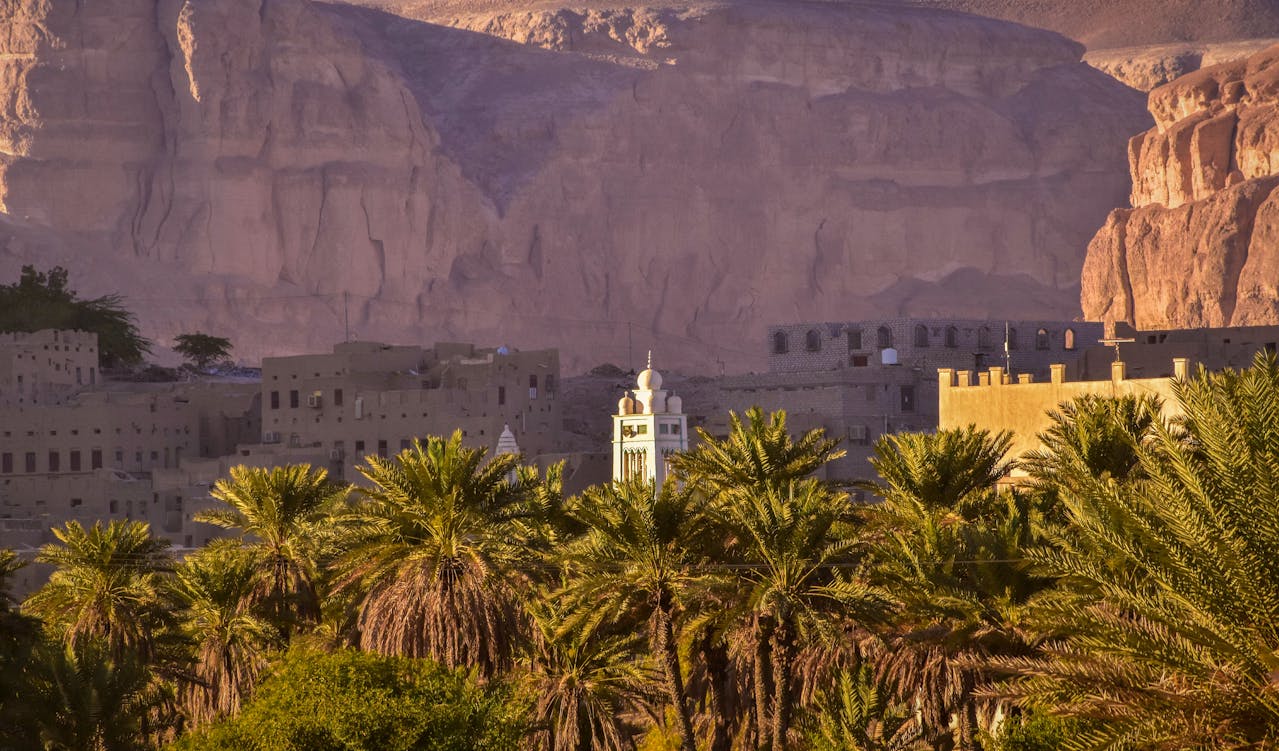
Ongoing conflict has severely disrupted Yemen’s tourism sector, which once drew tens of thousands annually. Airports operate intermittently, and humanitarian conditions remain fragile. Infrastructure damage affects roads, hospitals, and utilities. International advisories consistently rank the country at the highest caution level. Its distinctive mud-brick skyscrapers and mountain villages are architecturally stunning, yet travel restrictions, security volatility, and limited evacuation options make returning unrealistic for most global visitors.
10. Syria
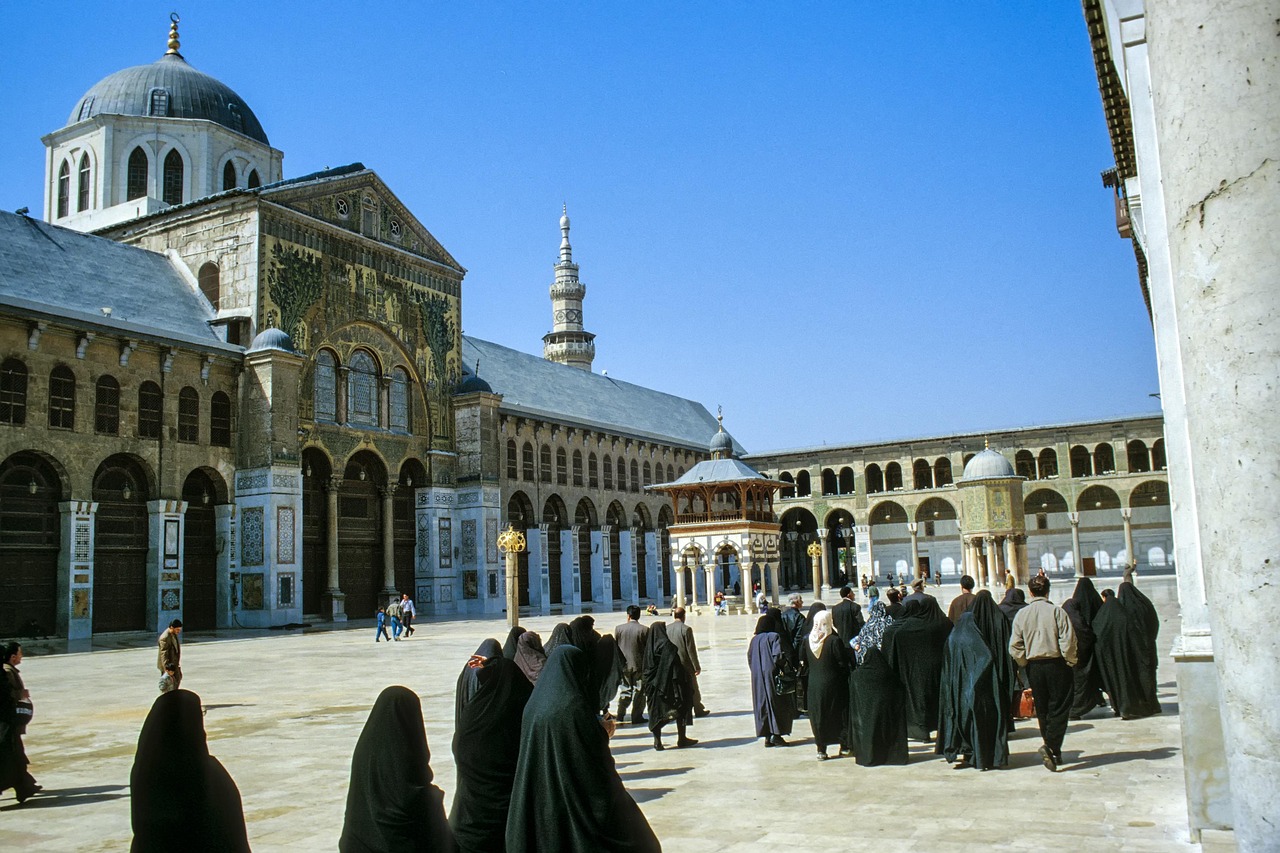
Before 2011, Syria attracted millions of tourists annually to sites like Palmyra and Aleppo. Conflict reduced arrivals to near zero for years. While parts of the country are stabilizing, sanctions, damaged infrastructure, and ongoing security concerns complicate travel. Consular support is minimal from many nations. Historic districts remain partially restored. Though cultural heritage is immense, lingering instability and logistical barriers often discourage travelers from planning a repeat journey.
11. El Salvador
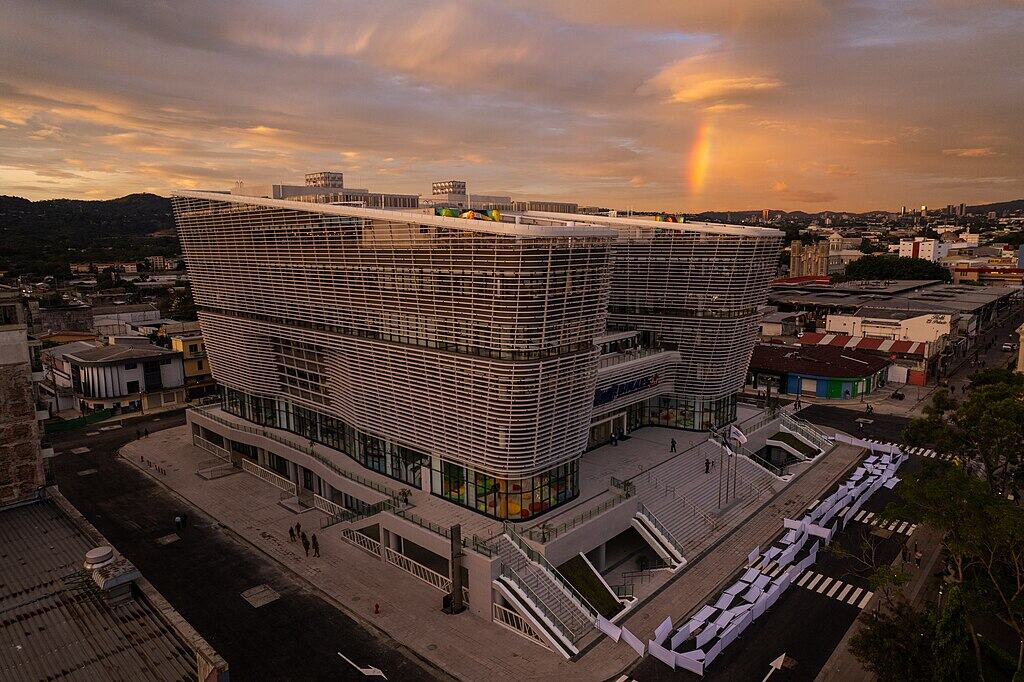
El Salvador has recorded dramatic changes in recent years, including a sharp decline in homicide rates, which once exceeded 100 per 100,000 people at peak levels. While security has improved, strict policing and states of emergency have reshaped daily life. Some travelers remain cautious due to past gang violence headlines. Tourism infrastructure is growing but still limited outside surf hubs like El Tunco. Though compact and scenic, lingering safety perceptions and limited regional transport options reduce the appeal of returning soon.
12. Honduras
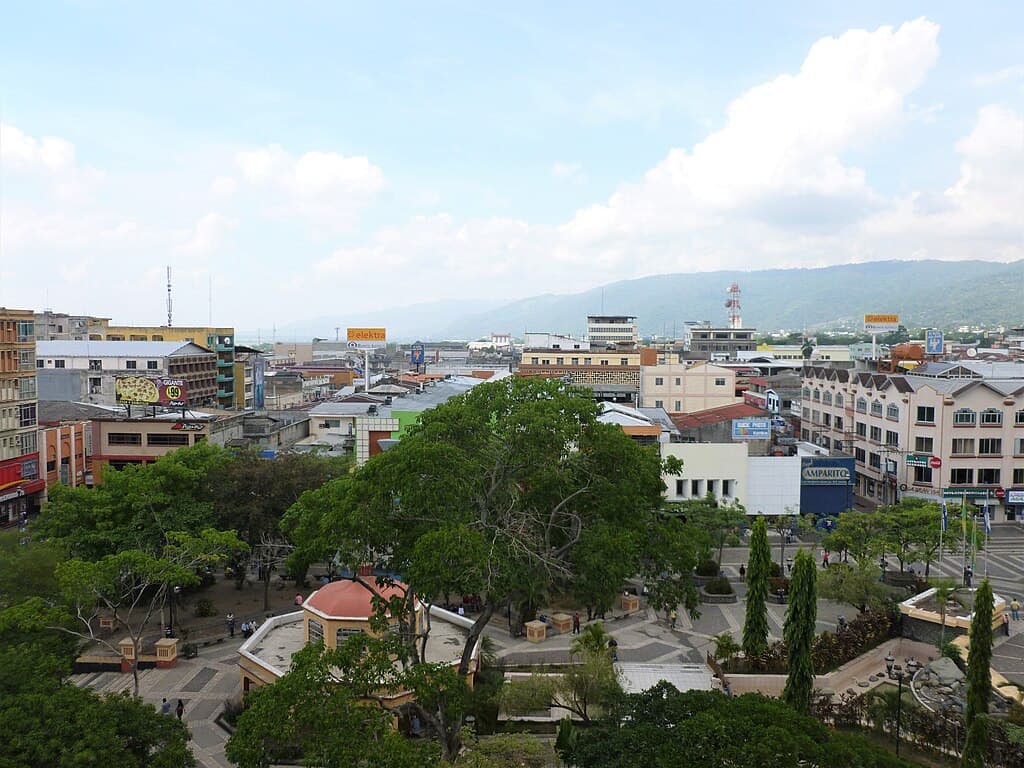
Honduras has long struggled with crime statistics that placed it among the highest homicide-rate countries globally during the 2010s. While rates have gradually declined, advisories still recommend caution. Infrastructure outside major cities can be inconsistent, and road travel at night is often discouraged. The Bay Islands attract divers, yet mainland transport and public safety concerns remain part of travel planning. For some visitors, balancing beauty against security logistics makes a second visit feel uncertain.
13. Bangladesh
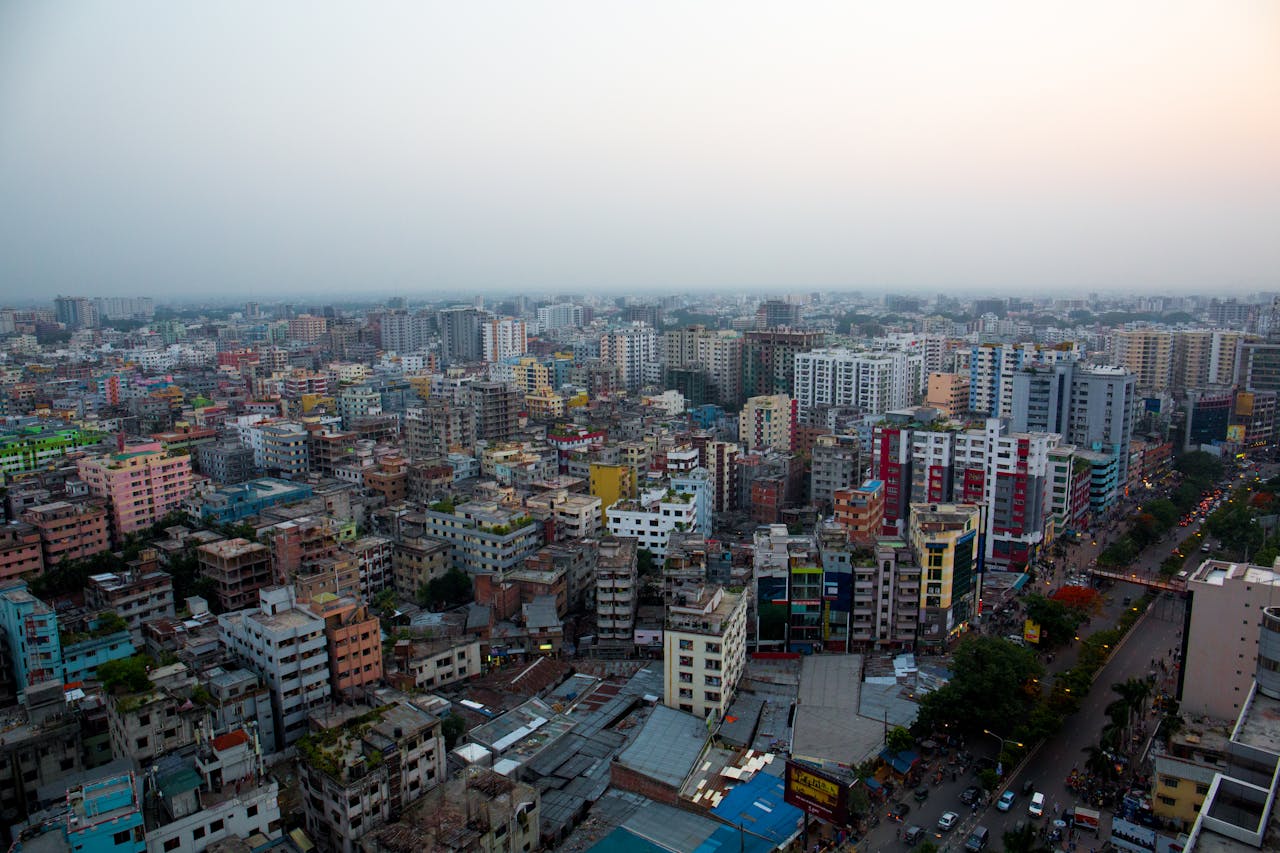
With a population exceeding 170 million people in a relatively small land area, Bangladesh ranks among the world’s most densely populated countries. Urban congestion in Dhaka can mean average traffic speeds under 10 km per hour during peak times. Air pollution levels frequently exceed recommended global standards. Infrastructure is improving, yet transport delays remain common. While river landscapes and cultural warmth are genuine highlights, the intensity of crowds and environmental strain can overwhelm visitors considering another trip.
14. India
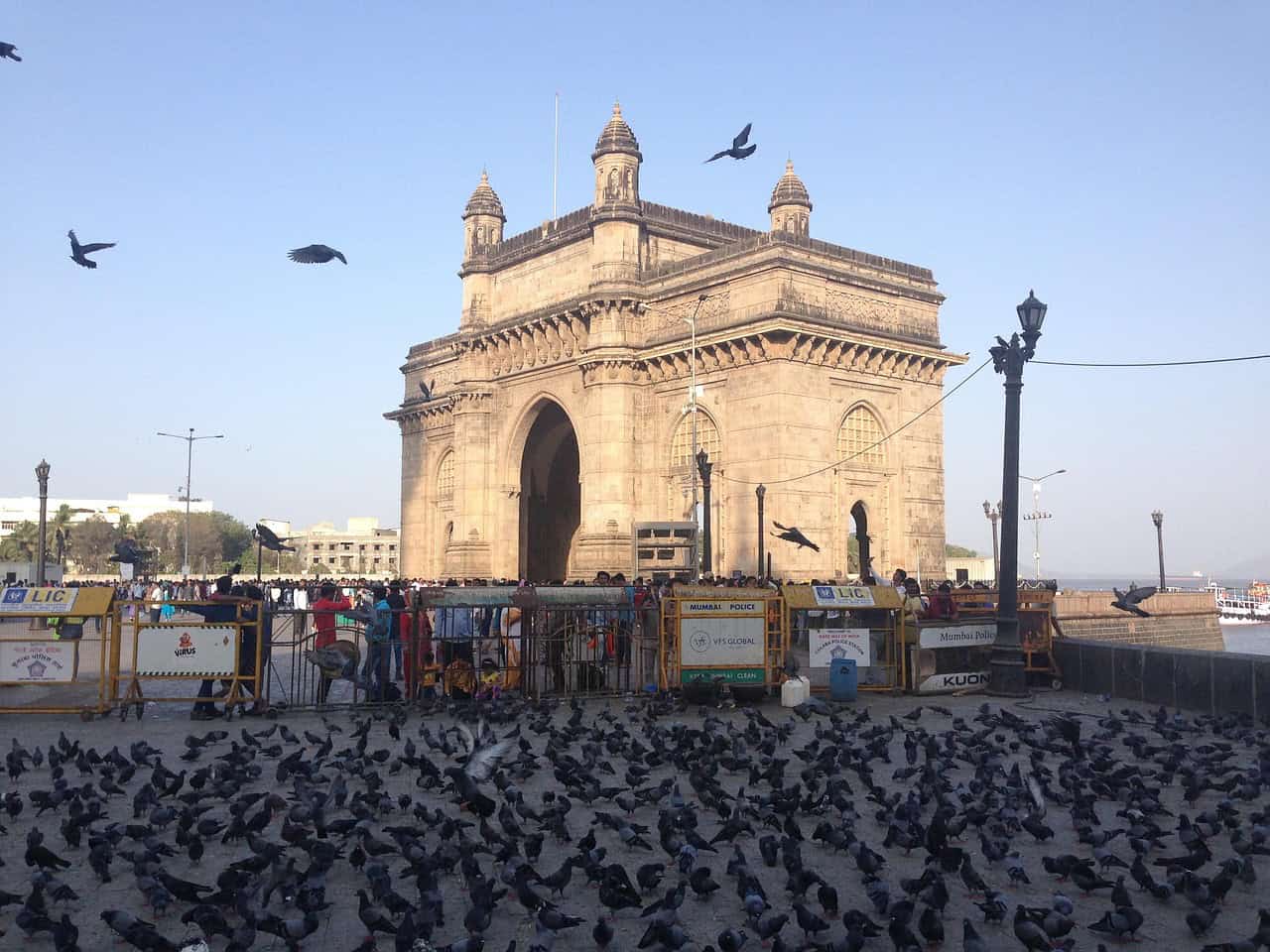
India welcomes over 10 million foreign tourists annually, yet regional contrasts are vast. Mega-cities can exceed 20 million residents, creating dense traffic, noise, and crowd levels that challenge first-time visitors. Air quality indices in some northern cities periodically reach hazardous levels. Infrastructure varies widely between states. Though the cultural diversity and historical depth are extraordinary, some travelers find the sensory intensity exhausting, deciding one immersive visit is enough rather than planning repeated returns.
15. Egypt
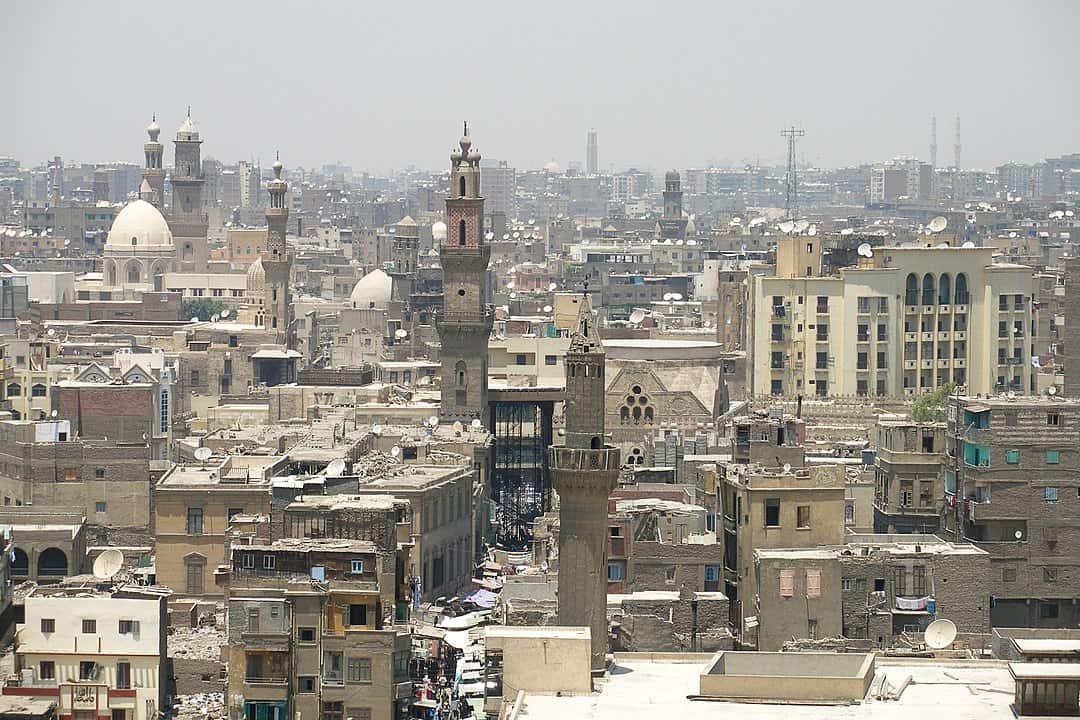
Egypt attracts millions each year to monuments over 4,500 years old, yet visitor experiences vary widely. At major archaeological sites, reports of aggressive selling and unofficial “guides” are common complaints. Tourism contributes over 10% to national GDP, intensifying competition around attractions. While security has strengthened since earlier unrest, perception challenges linger. The pyramids remain unforgettable, but persistent pressure tactics and crowd density at peak seasons can leave travelers reluctant to relive the experience.
16. Morocco
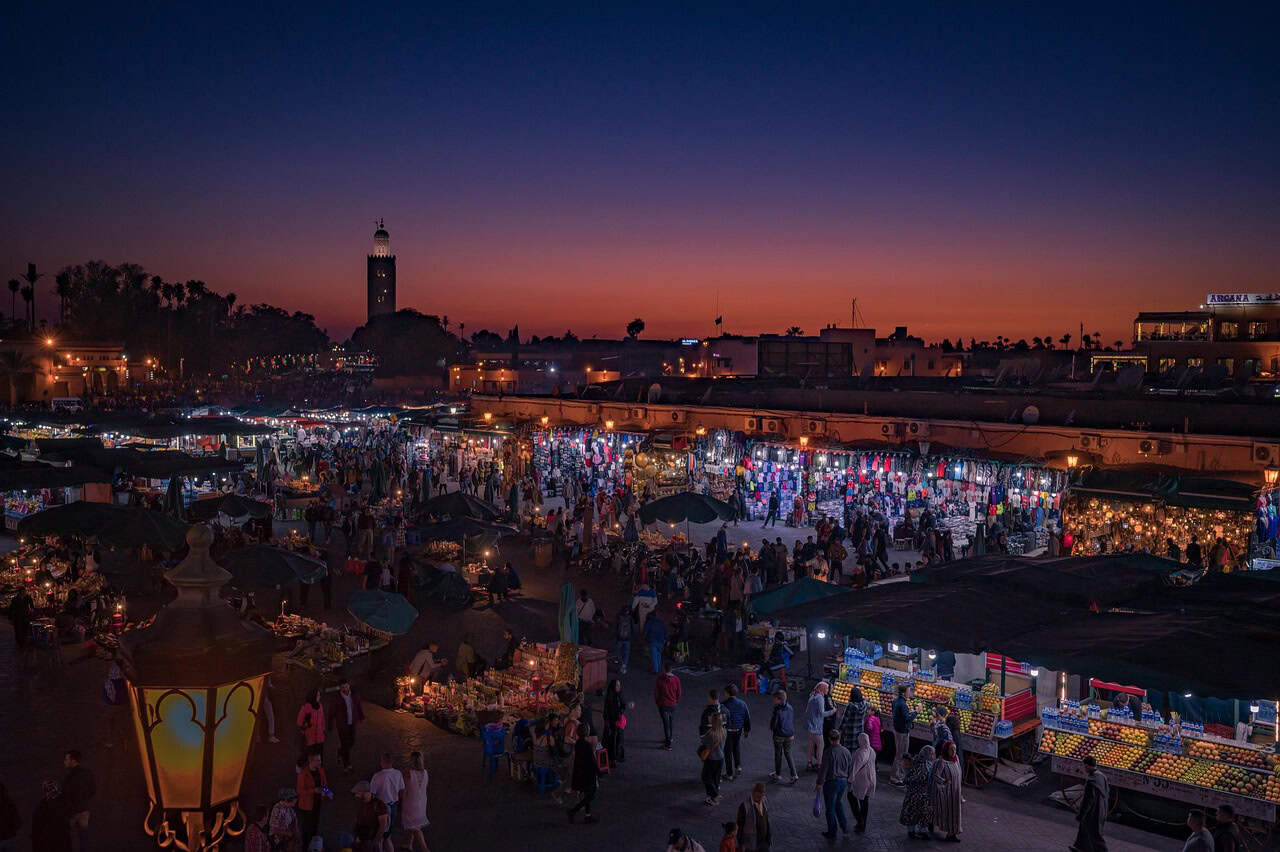
Morocco draws over 13 million visitors annually, yet travel style greatly shapes impressions. In medinas of cities like Marrakech and Fes, bargaining culture is deeply embedded. Some travelers report frequent sales pressure and navigation challenges within labyrinthine streets. Petty scams are regularly cited in travel forums. Infrastructure for tourism is strong overall, but those unprepared for assertive market dynamics sometimes leave feeling drained, making them hesitant to plan a second exploratory visit.
17. Philippines
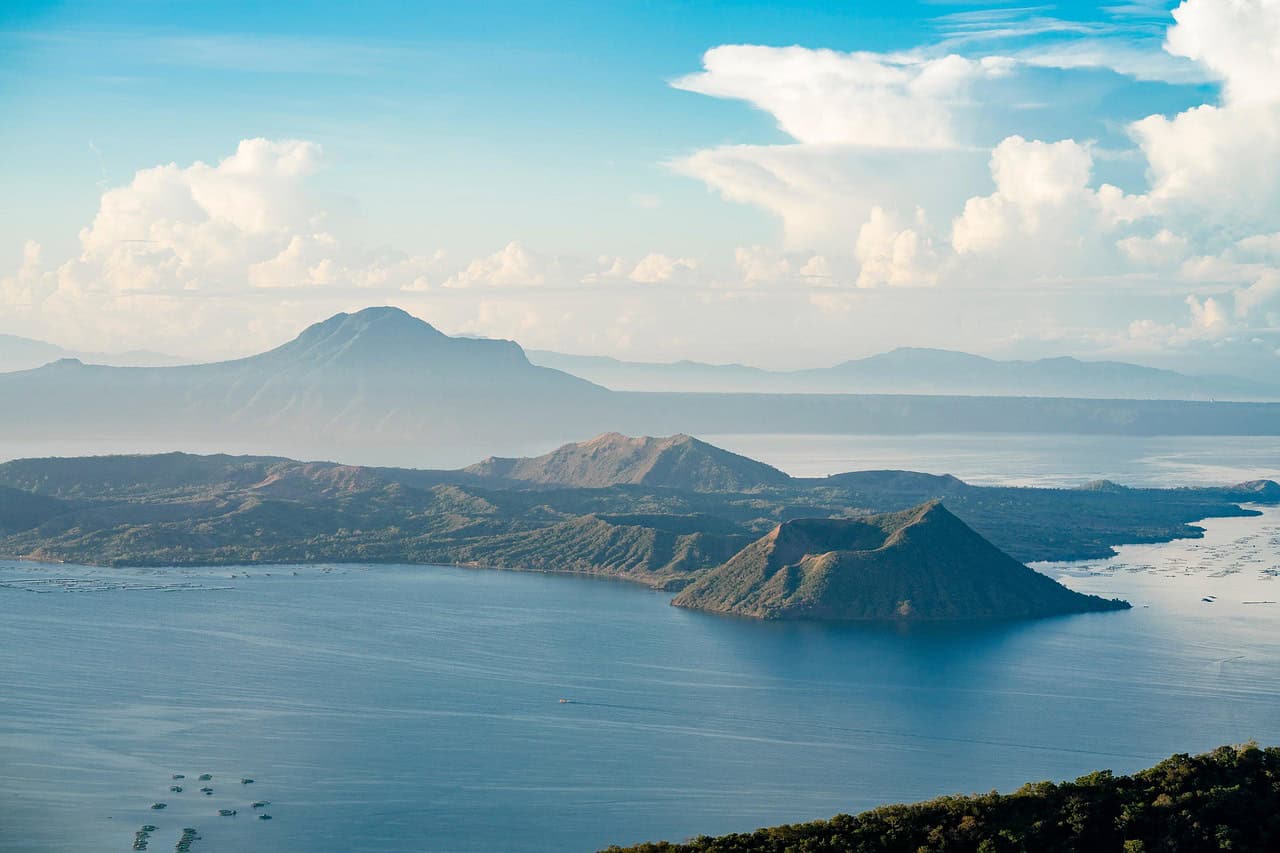
Comprising more than 7,600 islands, the Philippines requires multiple domestic flights or ferries to explore fully. Weather disruptions from an average of 20 tropical storms annually can alter travel plans. Airport congestion and inter-island scheduling delays are common frustrations. While beaches rank among Southeast Asia’s most beautiful, transport coordination often demands patience. For travelers seeking seamless infrastructure, repeated visits may feel logistically tiring despite the country’s remarkable coastal scenery.
18. Brazil
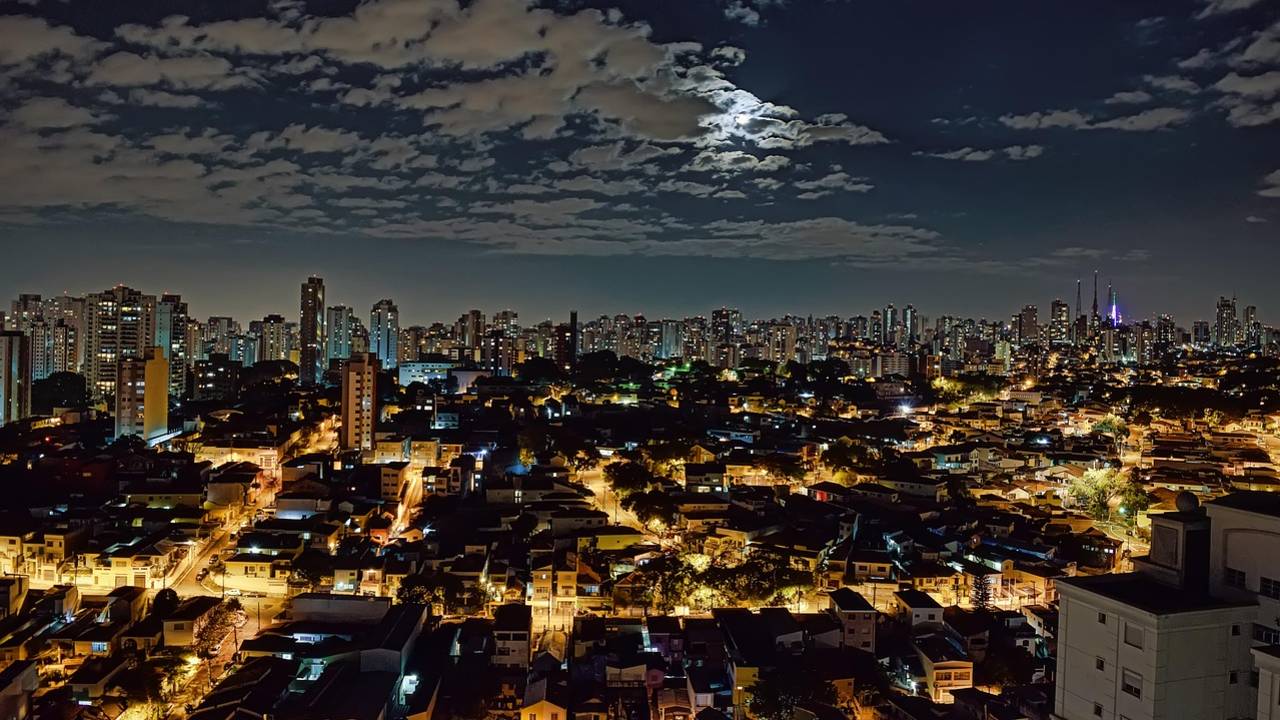
Brazil receives millions of tourists yearly, yet urban crime statistics remain part of travel planning conversations. Certain metropolitan areas report elevated robbery rates compared to global averages. Major events like Carnival draw huge crowds, increasing petty theft risks. Infrastructure varies between regions, and distances between attractions are vast. Although landscapes range from rainforest to coastline, visitors who experience security incidents may find that concern overshadows the country’s vibrant cultural appeal.
19. South Africa
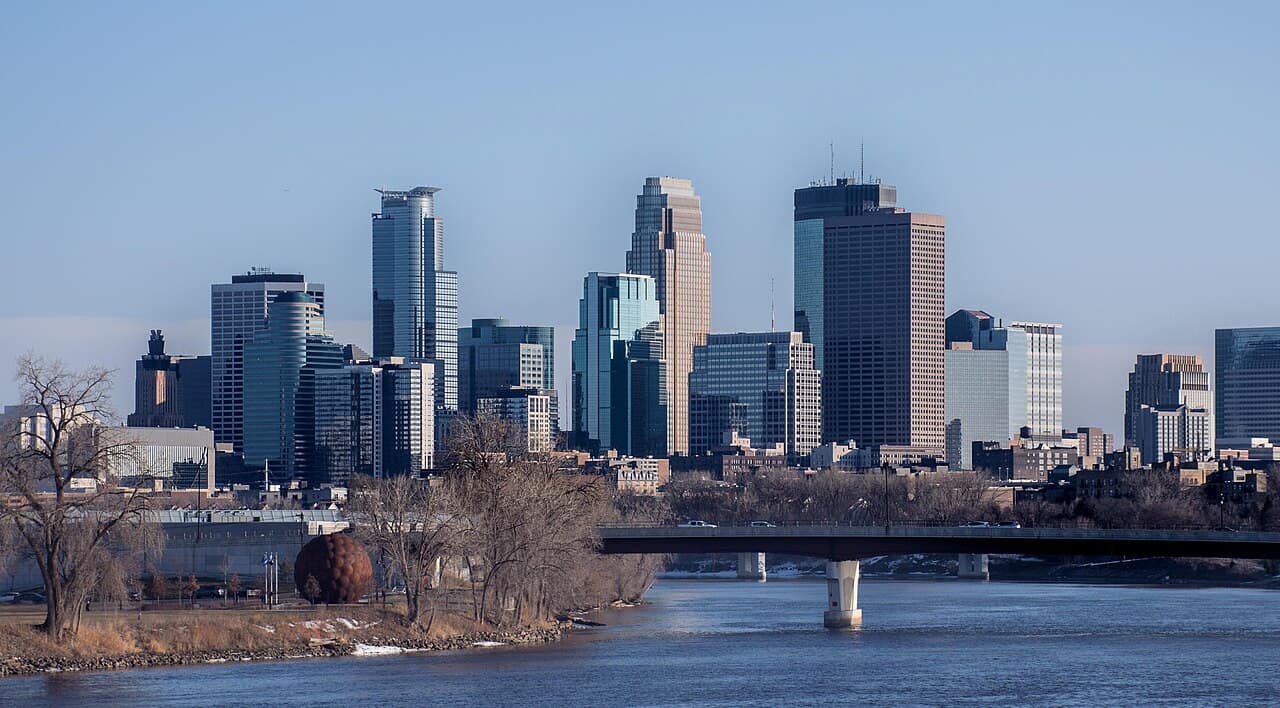
South Africa offers world-class wildlife reserves and scenic routes, yet national crime data frequently highlights high robbery and assault rates in certain urban areas. Tourist districts are generally well protected, but advisories still recommend caution, especially after dark. Economic inequality contributes to localized safety disparities. Visitor numbers exceed 8 million annually, showing continued appeal. Still, travelers who encounter security scares may hesitate before committing to another extended visit.
20. Turkey
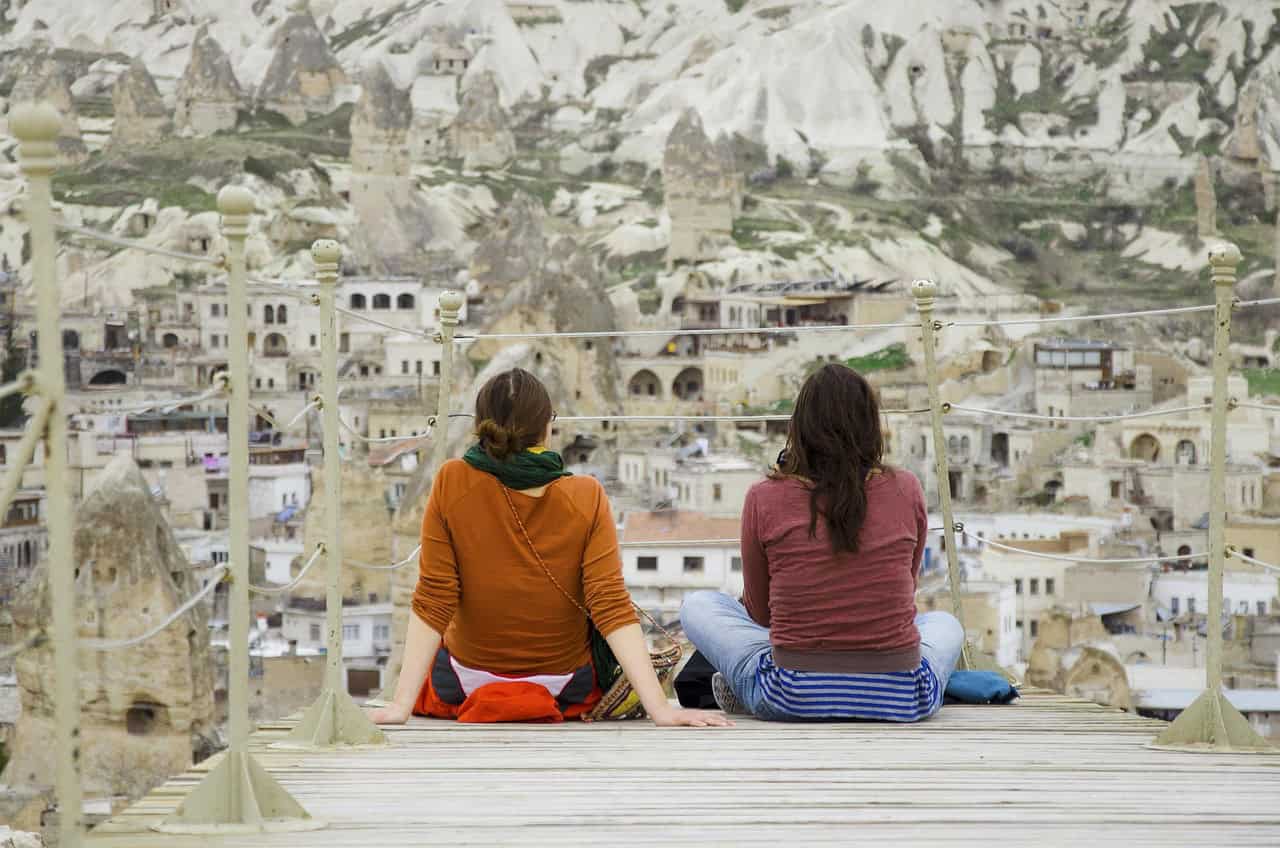
Turkey welcomed over 50 million international visitors in peak years, reflecting strong global appeal. However, political tensions, regional conflicts near certain borders, and periods of currency volatility have influenced traveler perception. While major cities and coastal resorts remain busy and largely stable, sporadic unrest and economic fluctuations occasionally affect planning. The country’s cultural heritage is immense, yet some travelers prefer destinations with fewer geopolitical variables when considering a repeat journey.