We may earn money or products from the companies mentioned in this post. This means if you click on the link and purchase the item, I will receive a small commission at no extra cost to you ... you're just helping re-supply our family's travel fund.
Some cities make sightseeing feel effortless because streets connect, landmarks cluster, and the day keeps offering a clear next step. Great sightseeing is not only monuments. It is museums near parks, viewpoints that arrive at the right hour, and neighborhoods that carry local life between big stops. The cities below are chosen for walkability, strong public spaces, and sights that hold up beyond photos. Each can fill a day, then still feel inviting at night, with an indoor anchor and an outdoor loop that works in heat, rain, or cold. Planning stays simple, transit stays clear, and the best views arrive without a detour or a forced schedule.
Paris, France
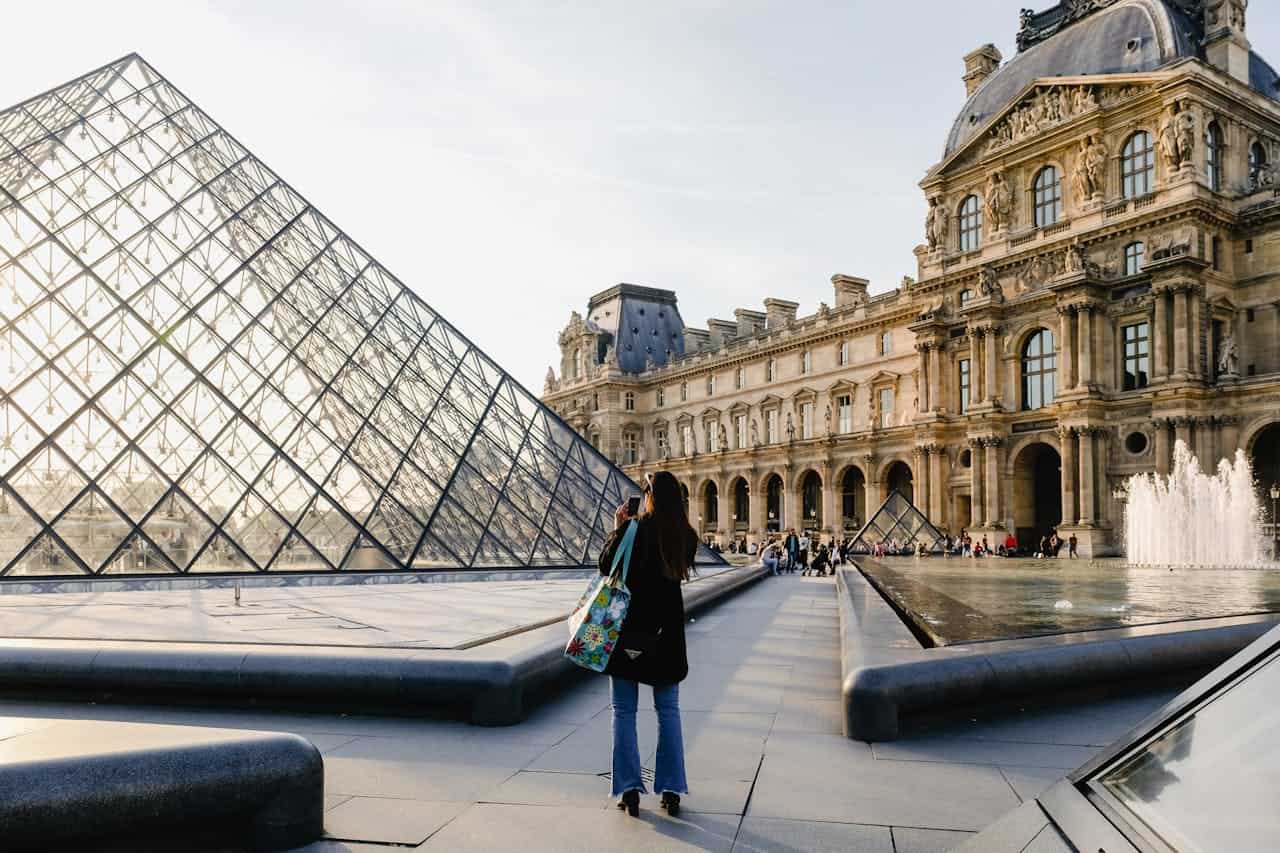
Paris rewards walking because its icons link naturally: the Eiffel Tower, Seine bridges, the Louvre, and a garden pause in the Tuileries. Neighborhoods do equal work, from the Marais’ courtyards and bookshops to Saint-Germain’s cafés and small galleries, so the day never feels like only museums. Musée d’Orsay adds a grand interior, and river paths keep orientation simple even when plans change. At dusk, the quays glow, Bateaux Mouches slide past, and viewpoints near Sacré-Cœur or Montparnasse turn the city into a clean, memorable skyline. Metro hops rescue tired feet, but the best moments arrive between stops, when a corner looks perfect too
Rome, Italy
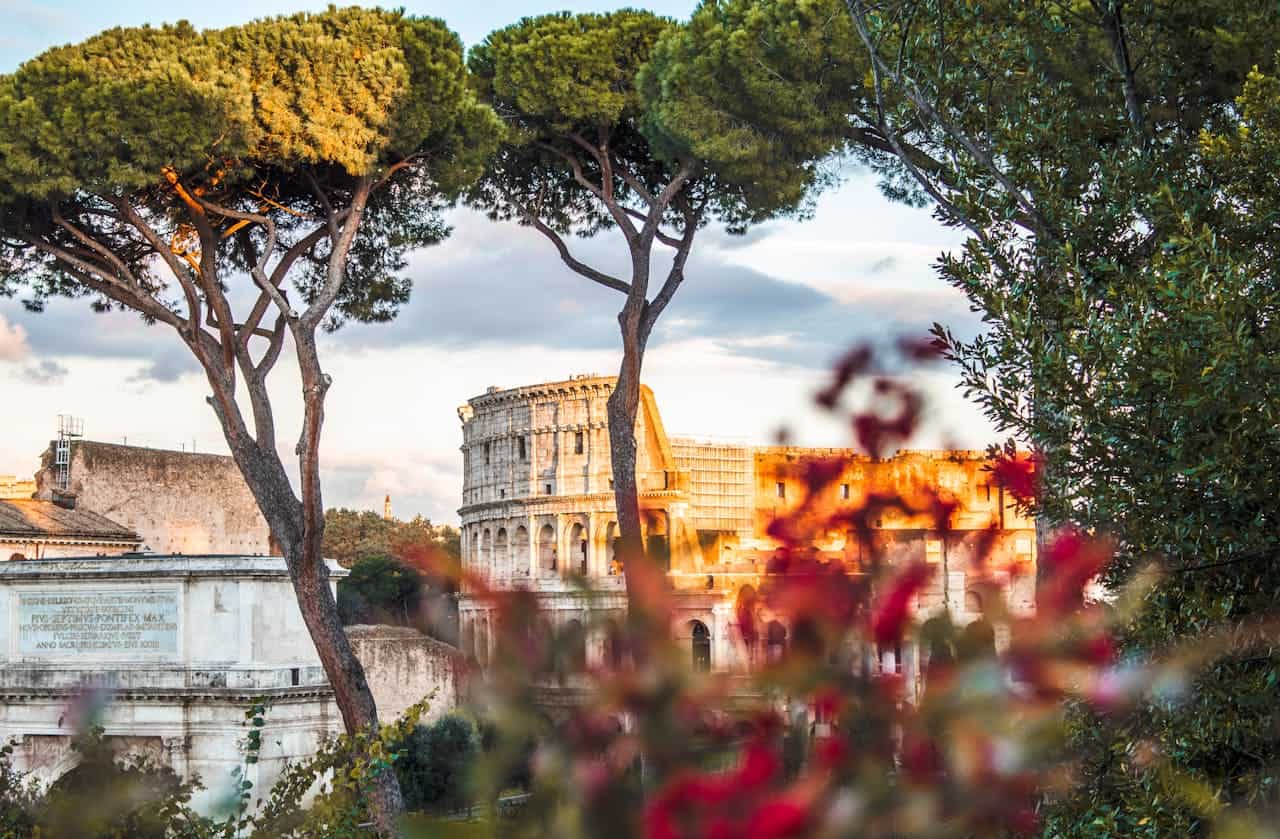
Rome stacks sightseeing in plain view, with the Colosseum, Roman Forum, and Palatine Hill close enough to feel like one continuous story. Between ancient stones, baroque fountains and small churches keep appearing, especially around Piazza Navona and the Trevi area, so walking never feels empty. Vatican Museums and St. Peter’s Basilica add scale, while Trastevere’s lanes bring an evening rhythm of river air and simple trattorias. Timed tickets help, but the city’s best gift is proximity: a perfect dome at the Pantheon, a quiet piazza bench, and then another landmark around the next bend. Detours, like Capitoline views, feel worth it. Each day
London, England
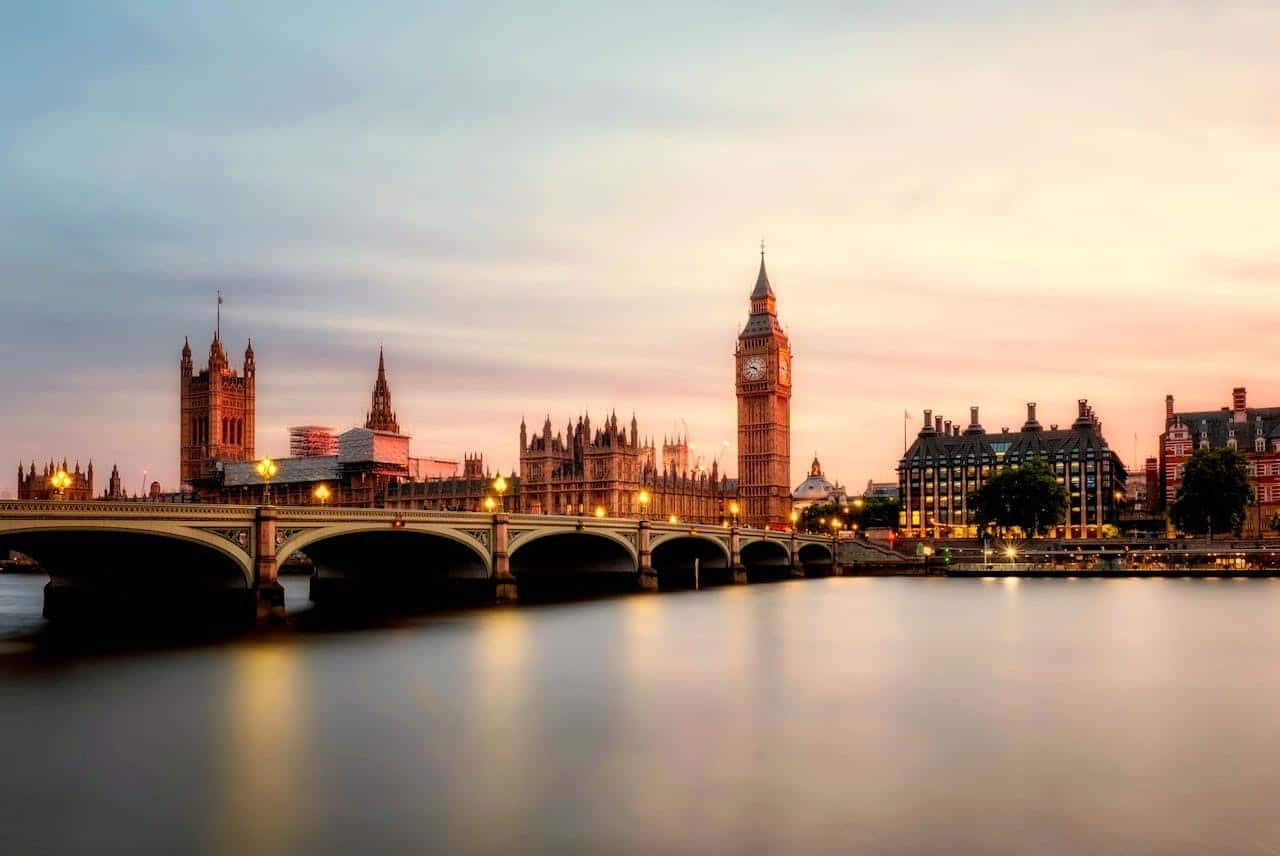
London works for sightseeing because big landmarks connect by river paths, parks, and transit that rarely asks for guesswork. Westminster and the South Bank link Big Ben, bridge views, and Tate Modern, while the British Museum and National Gallery can anchor entire mornings. Food and street life fill the gaps at Borough Market, Covent Garden, and Soho, and green space keeps the pace breathable in Hyde Park and Regent’s Park. A short hop to Greenwich adds maritime history and skyline angles and evening walks along the Thames keep the city lively without feeling frantic. Rain never ruins it, because indoor stops are good and close together too.
New York City, U.S.
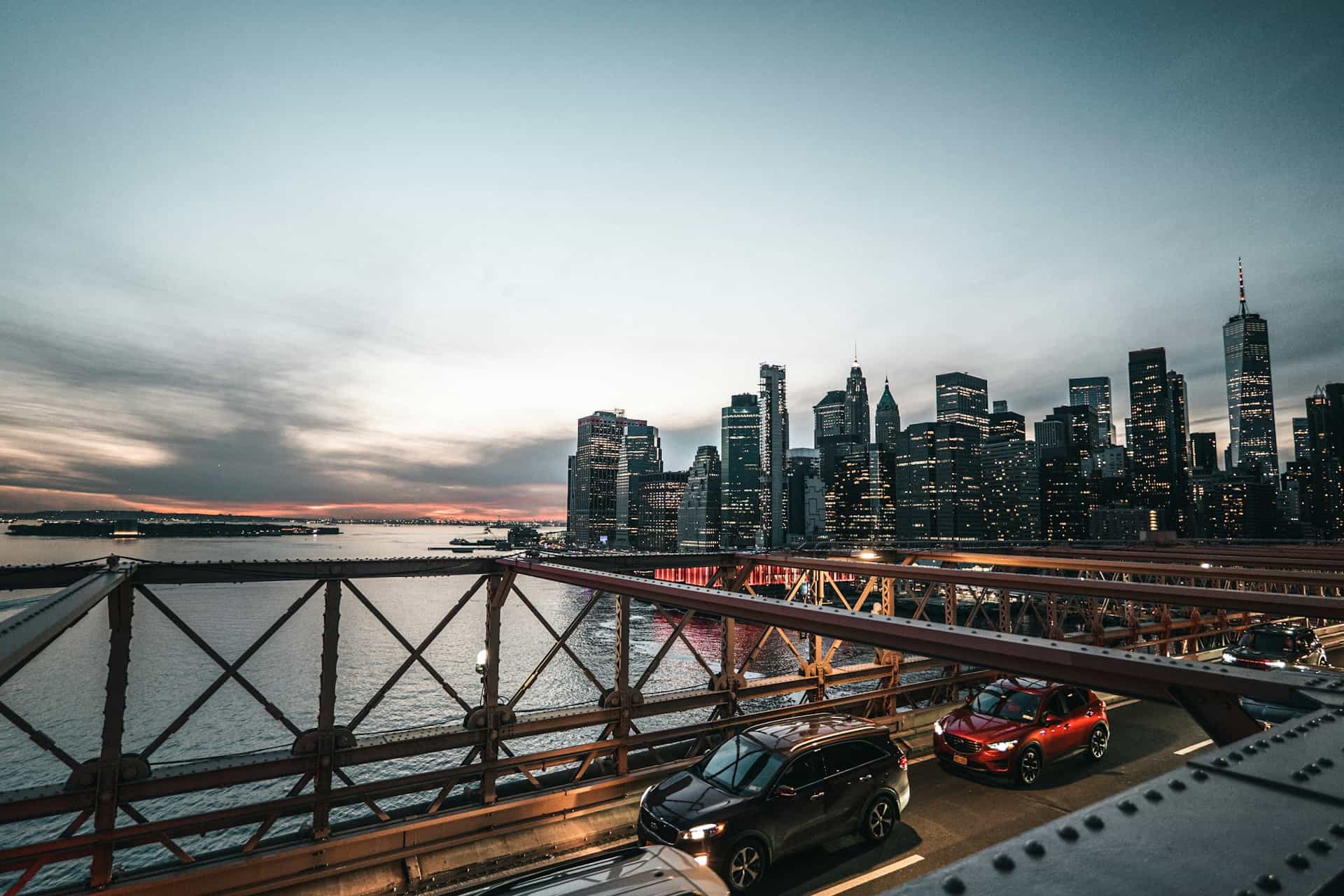
New York City pairs headline sights with neighborhoods that change the mood every few blocks, keeping long days from feeling flat. Central Park breaks up museum time at the Met and MoMA, while skyline viewpoints at Rockefeller Center or the Empire State Building sharpen the scale. Ferries add water views and history, and street-level routes, from Chinatown to the West Village, keep the day grounded in food and detail. At sunset, the Brooklyn Bridge turns the skyline into a moving postcard, and the High Line offers a calmer, elevated walk when feet need a reset. Subway coverage makes it simple to pivot, so a rainy hour can become a museum win.
Tokyo, Japan
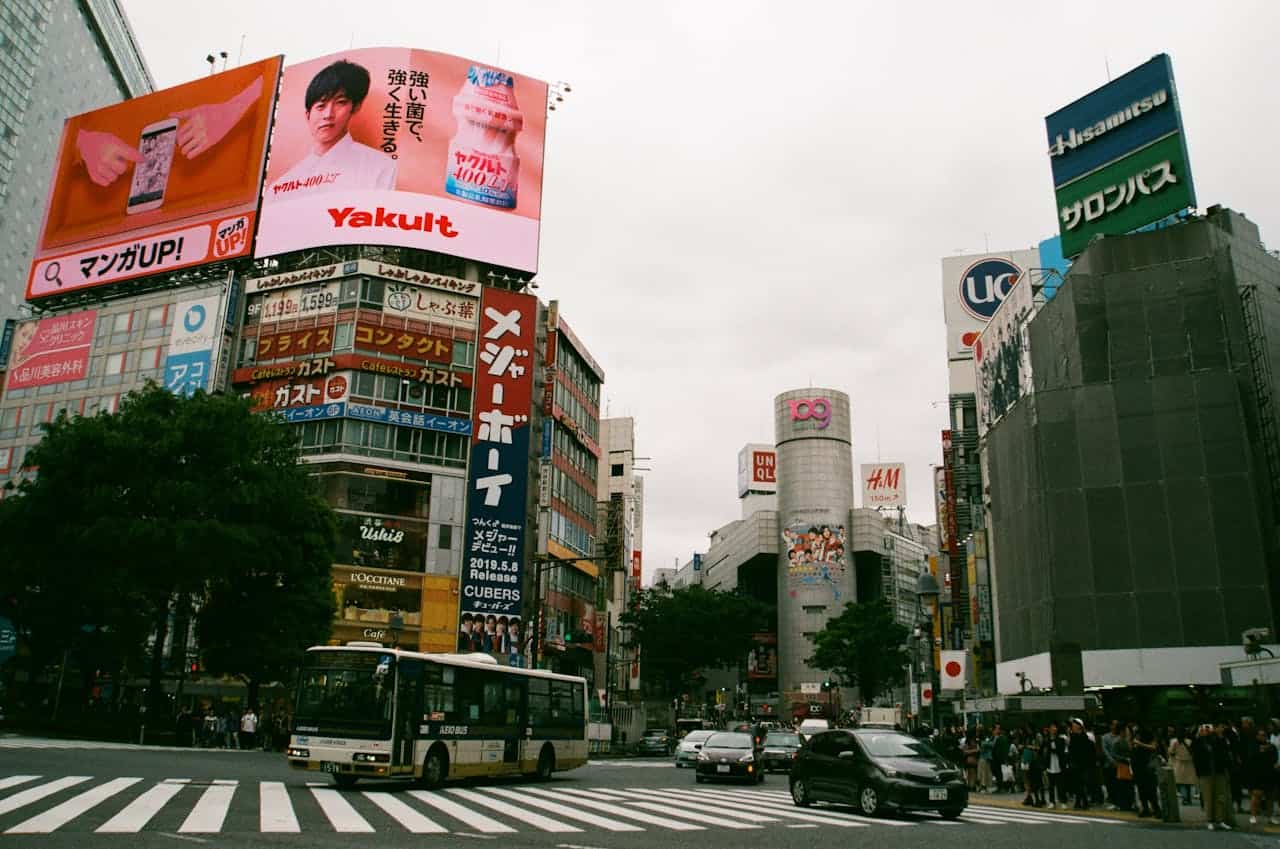
Tokyo delivers sightseeing through sharp contrasts that still flow: shrine calm at Meiji Jingu, street rush in Shibuya, and bright density in Shinjuku. Viewpoints from Tokyo Skytree and city observatories help map the scale, while districts stay distinct, from Asakusa’s older lanes to Ginza’s polished blocks. Ueno museums and gardens add quiet intervals, and shopping streets hide food stalls, ramen counters, and bakery stops that keep energy steady. Transit runs on time, so plans stay flexible, and even a short evening walk in Odaiba or along the Sumida River can feel like a finale. Stations are clear, so pivots stay easy even late at night..
Istanbul, Türkiye
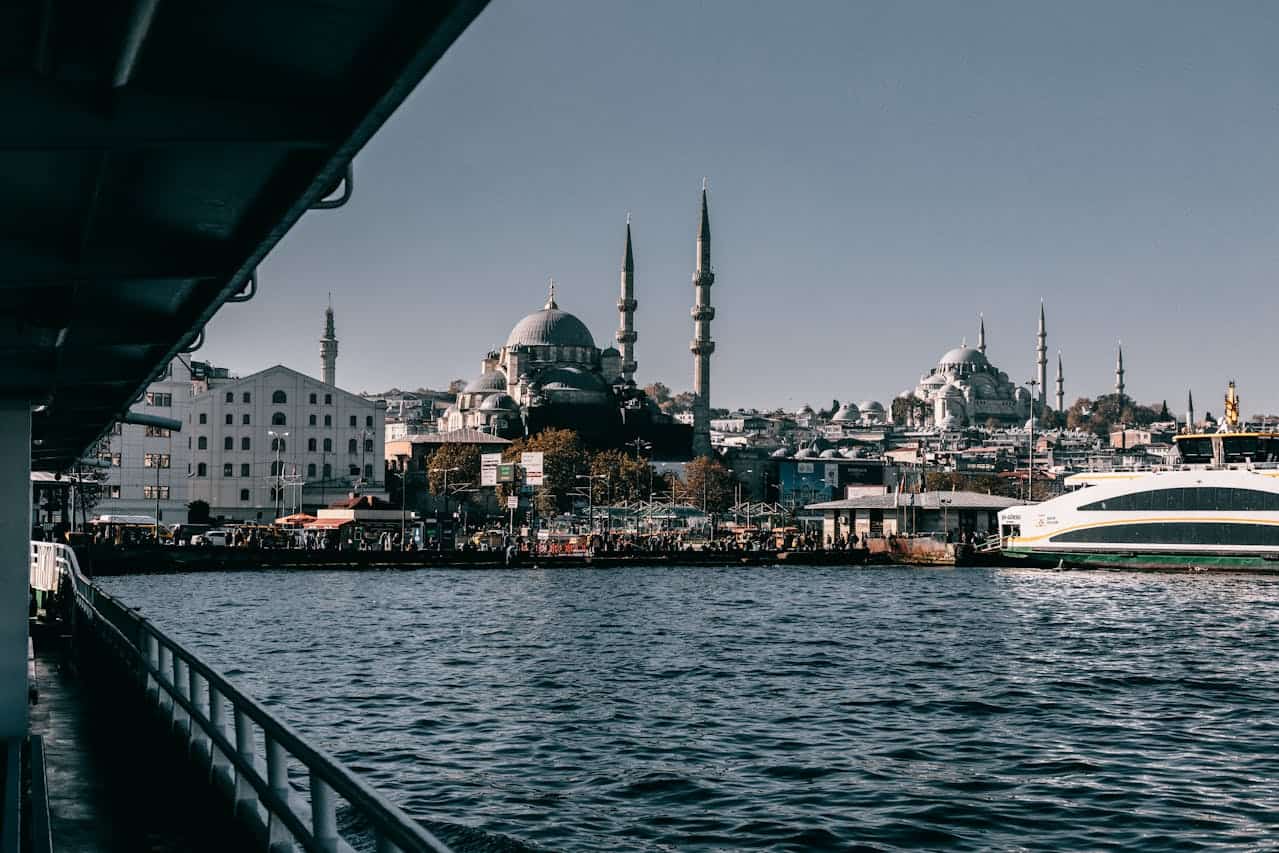
Istanbul’s best sightseeing comes from layered history set beside water, where domes, markets, and ferries share the same day. Hagia Sophia, the Blue Mosque, and Topkapı Palace sit close for a satisfying circuit, then the Grand Bazaar and Spice Bazaar pull the route into craft and color. A Bosphorus ferry resets everything with skyline silhouettes, sea air, and neighborhood views that shift with each shore. Street food stops, from simit to fish sandwiches, keep the pace practical, and evening light on minarets gives the city a steady rhythm that lingers. A climb to Galata Tower or a stroll in Karaköy adds panorama without much planning. today
Bangkok, Thailand
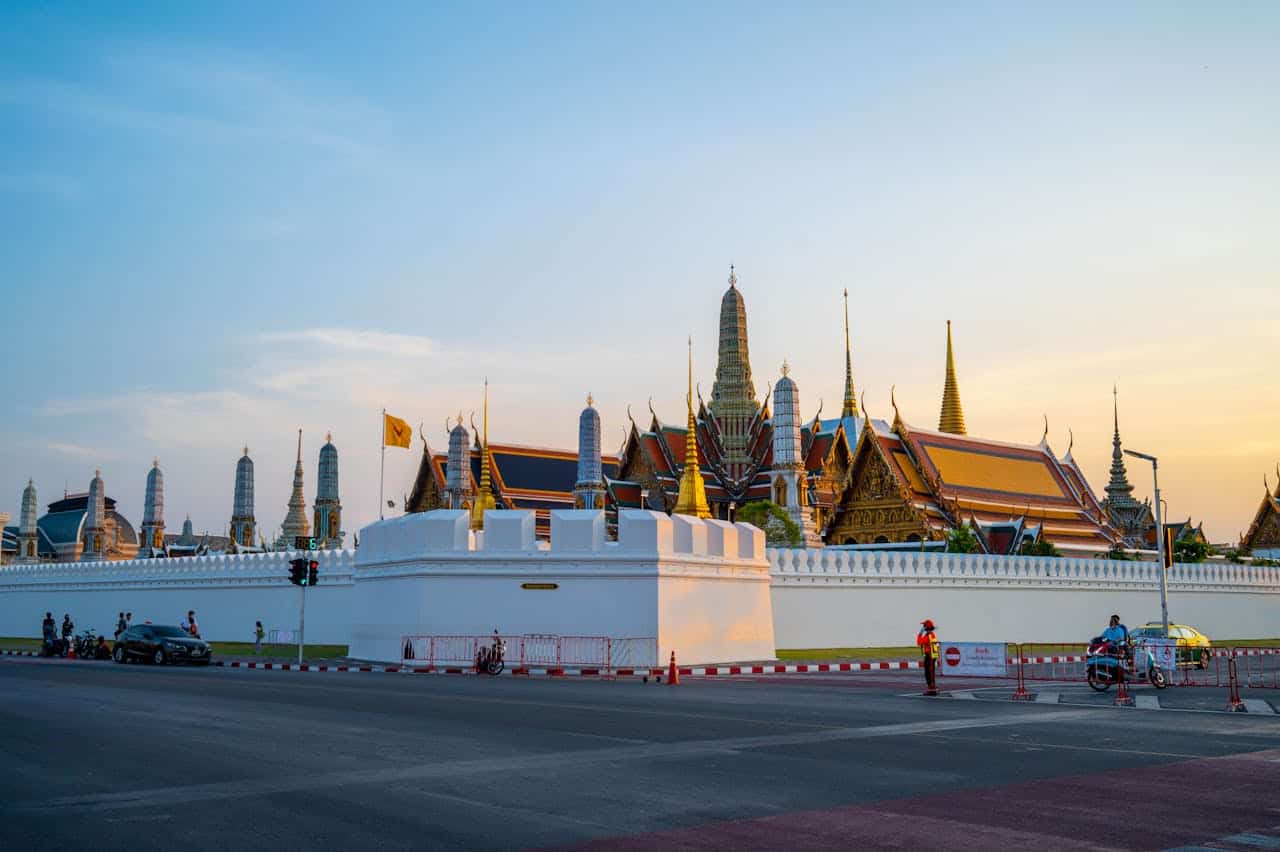
Bangkok balances temple grandeur and street energy, with river routes that turn movement into part of the attraction. The Grand Palace and Wat Pho anchor the classic day, and Wat Arun shifts the skyline across the Chao Phraya at sunset. Ferries and longtail boats connect stops quickly, while markets and food lanes fill gaps with quick, satisfying breaks. Jim Thompson House and leafy pockets like Lumphini Park add calmer chapters, and rooftop views after dark keep the city’s scale in focus without needing a late sprint. Timing matters here, so early temple hours and a midday indoor pause can keep the afternoon comfortable and unhurried. Often.
Barcelona, Spain
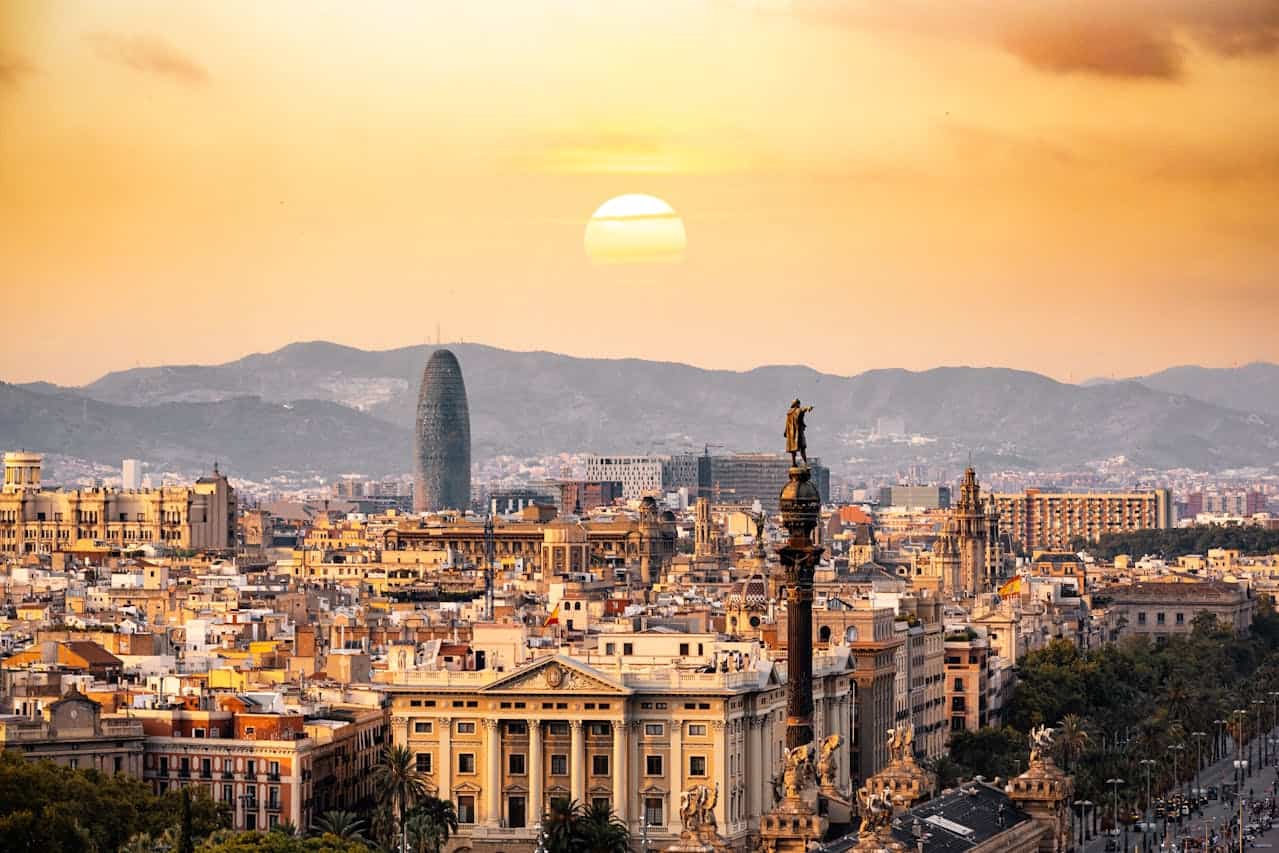
Barcelona is built for sightseeing that stays light on its feet, with architecture, waterfront air, and old streets that connect easily. Gaudí landmarks like Sagrada Família and Park Güell set the tone, then the Gothic Quarter adds shaded lanes and sudden cathedral squares. Passeig de Gràcia turns a simple walk into a design tour, and Montjuïc brings museums, gardens, and wide viewpoints in one climb. Food markets, beach paths, and late promenades keep the day social without forcing speed, and the city’s transit makes quick pivots simple when lines get long. A sunset stop near Magic Fountain or a harbor bench can end the day on a gentle note.
Prague, Czech Republic
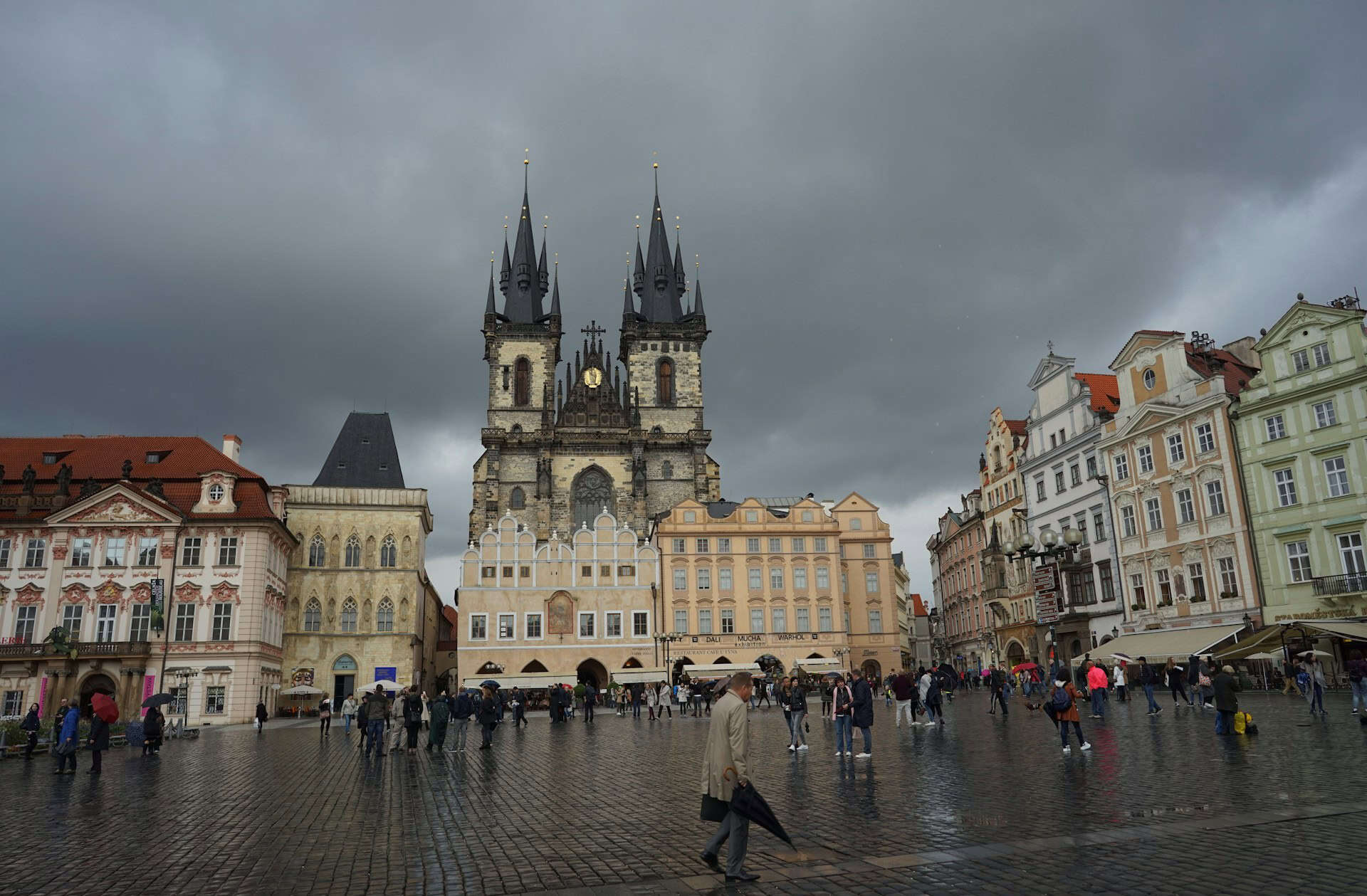
Prague feels designed for sightseeing because bridges and spires guide the day like signposts, and most highlights sit within a compact walk. Charles Bridge leads into Old Town Square and the Astronomical Clock, then the river loop pulls walkers toward cafés, courtyards, and quiet lanes. Prague Castle and St. Vitus Cathedral crown the skyline, and viewpoints at Letná Park widen the frame with little effort. Dusk light warms the stone façades, and music halls, beer gardens, and riverside strolls give the evening a relaxed finish after the crowds thin. Trams help when feet fade, but the best views arrive on foot, one bridge and alley at a time.
Vienna, Austria
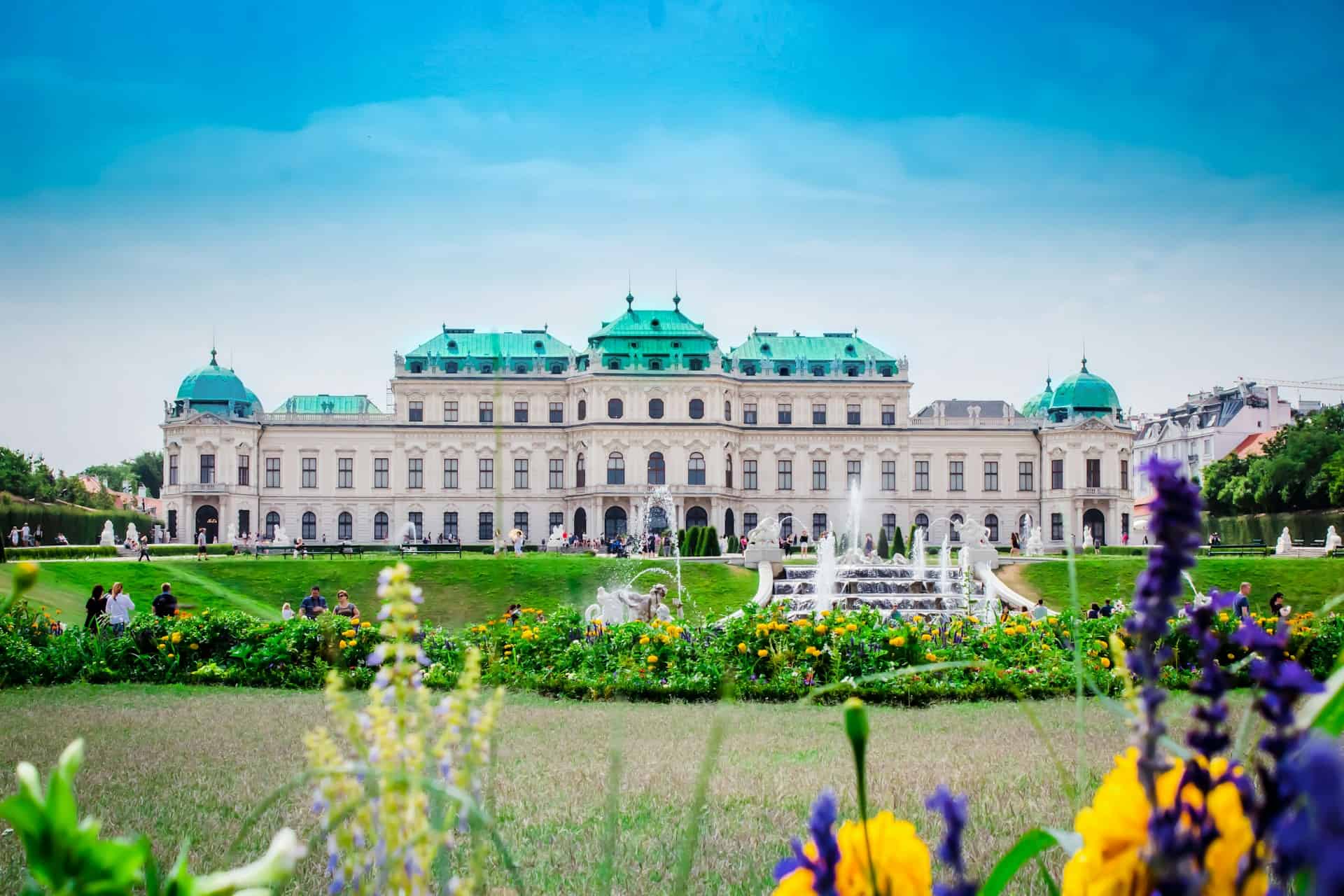
Vienna’s sightseeing has a classical flow that keeps long days organized, with grand buildings and museums arranged along easy routes. The Ringstrasse links architectural showpieces, while Schönbrunn Palace adds gardens and perspective, and the Kunsthistorisches and Albertina anchor art time. Coffeehouses turn breaks into part of the plan, and Naschmarkt adds everyday flavor and people-watching without a detour. In the evening, tram lights trace the ring, façades glow softly, and the city feels calm even when it is busy, which makes pacing feel natural rather than forced. Short walks in the Stadtpark or the Prater add green space and a reset.
Amsterdam, Netherlands
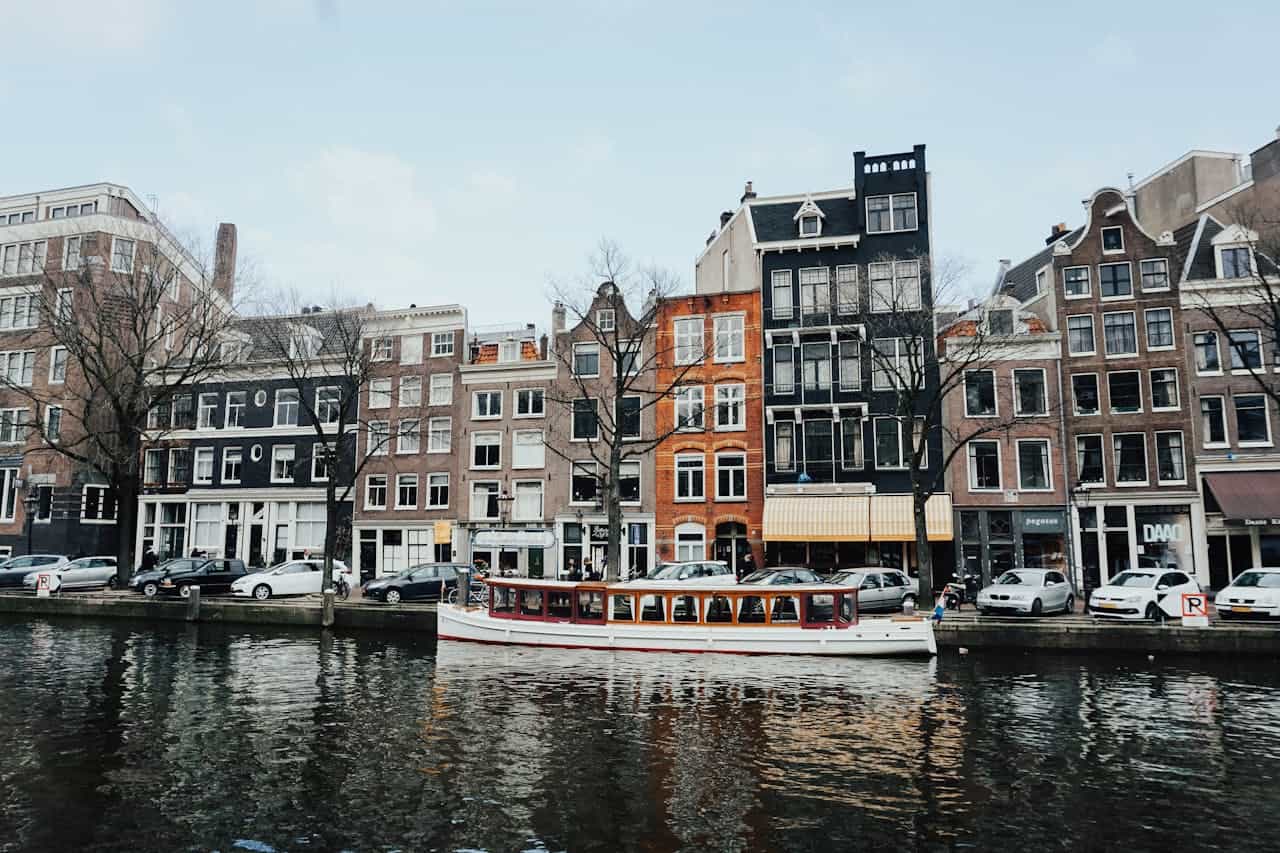
Amsterdam makes sightseeing feel compact and navigable, with canals acting like guide lines that keep orientation simple and pleasant. The Rijksmuseum and Van Gogh Museum anchor art days, while the Anne Frank House adds history that stays close and personal. A canal cruise offers a quick mental map, and the Jordaan supplies quiet lanes, cafés, and small galleries that reward unhurried wandering. Bike paths keep the pace human, ferry hops to the north side add fresh viewpoints, and neighborhood markets in De Pijp or Albert Cuyp add everyday flavor between big stops. Even in rain, museums, brown cafés, and canal views keep the day feeling full.
Dubai, U.A.E.
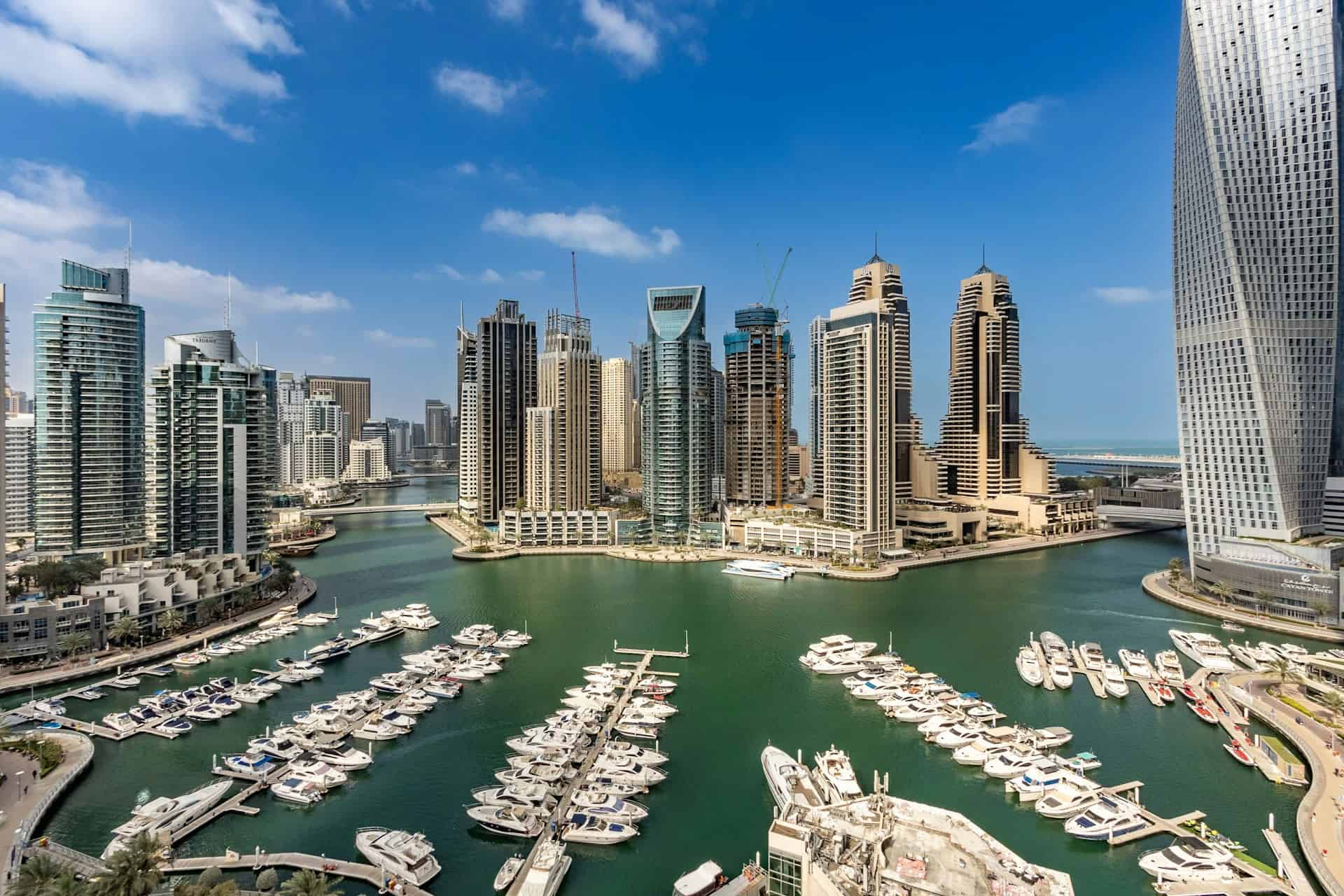
Dubai’s sightseeing is built on scale and contrast, moving from supertall skylines to older quarters without losing momentum. The Burj Khalifa and Dubai Mall form a modern center, while the Marina and Palm Jumeirah deliver waterfront walks, skyline photos, and night views. Across the Creek, souks and abra rides add texture, and areas like Al Seef offer an easy place to linger with food and water nearby. Beach time and desert excursions widen the frame beyond buildings, and air-conditioned museums, mosques, and galleries help balance heat so the day stays comfortable. It works best with early starts, then evenings when the lights come on late
Singapore
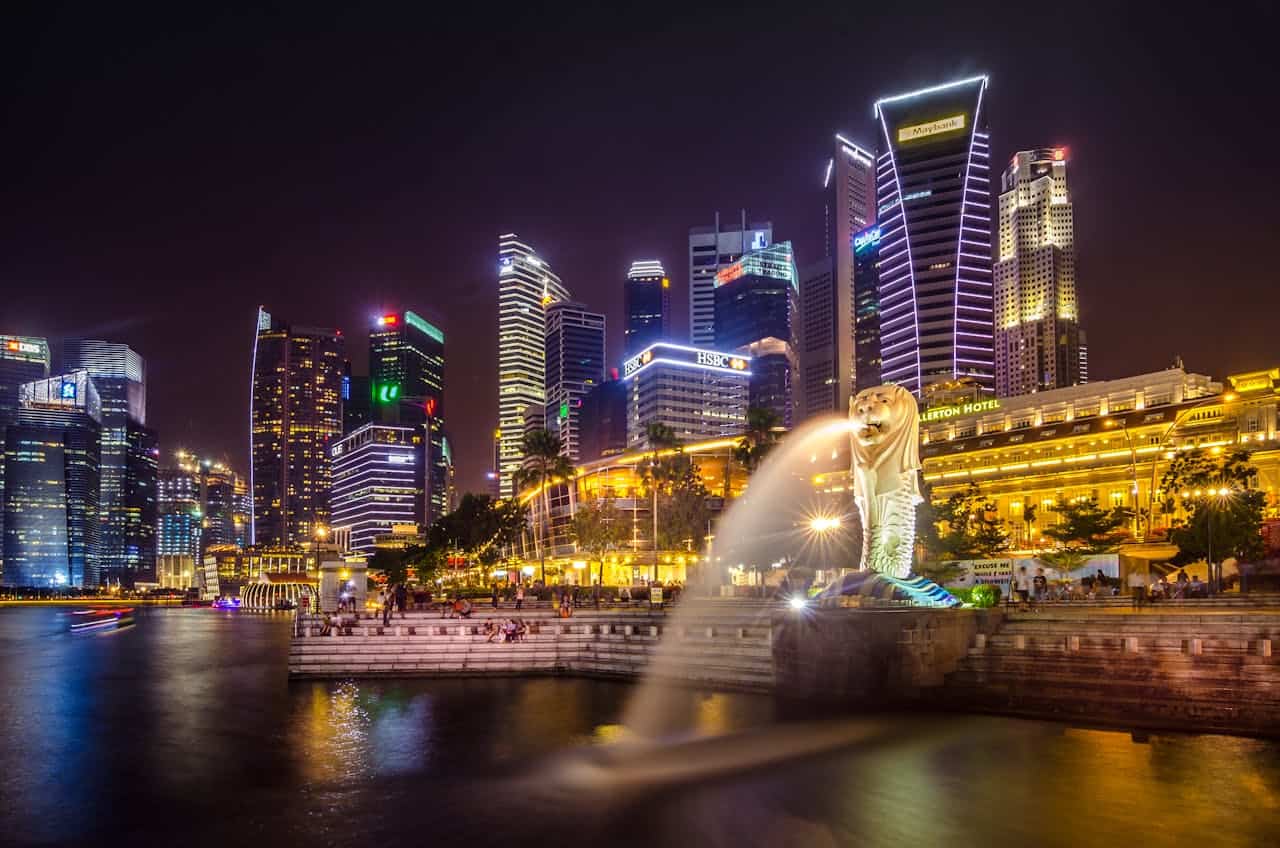
Singapore excels at sightseeing because it is easy to navigate and dense with distinct districts that sit close enough to mix in one day. Marina Bay and Gardens by the Bay create a photogenic core, then Chinatown, Little India, and Kampong Glam shift the mood fast through food, temples, and street color. Hawker centers make meals simple and memorable, and green space is built in at the Botanic Gardens and along waterfront paths. After dark, skyline lights reflect off the bay, and areas like Clarke Quay stay lively without feeling chaotic, so evenings still feel comfortable for walking and lingering. Transit is simple so detours feel easy too.
Hong Kong
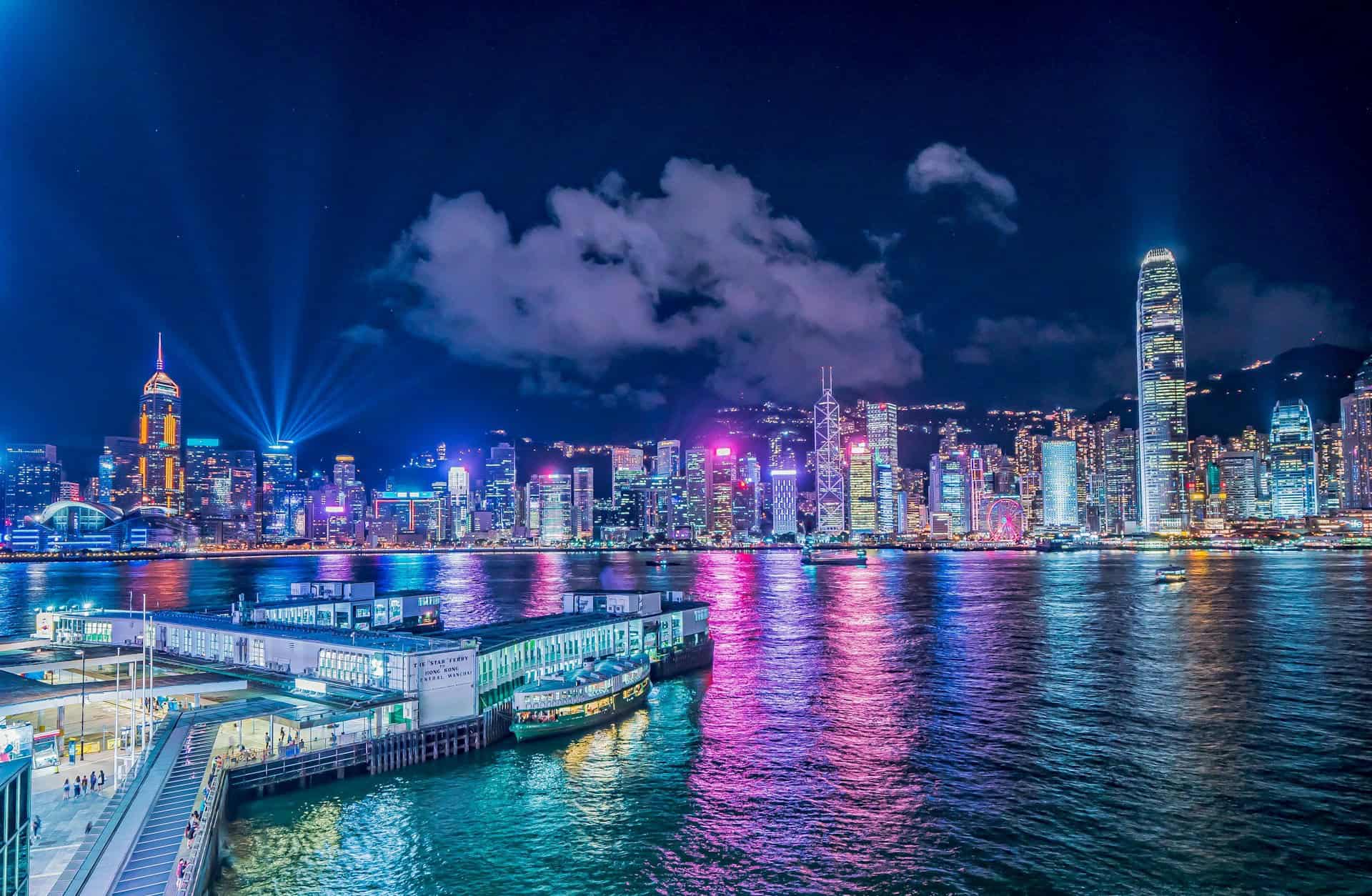
Hong Kong’s sightseeing is defined by vertical views and water, with iconic perspectives that arrive with minimal effort. Victoria Peak sets the headline panorama, and the Star Ferry turns simple transit into a classic harbor scene with breeze and skyline light. Street-level texture arrives fast in markets, temples, and dense neighborhoods, while hikes begin surprisingly close to the towers. Harbor promenades keep the city legible, food stops stay quick and satisfying, and night views from Kowloon or the Peak make the skyline feel cinematic without extra planning. Trams, ferries, and escalators help keep legs fresh through big days in summer
Kyoto, Japan
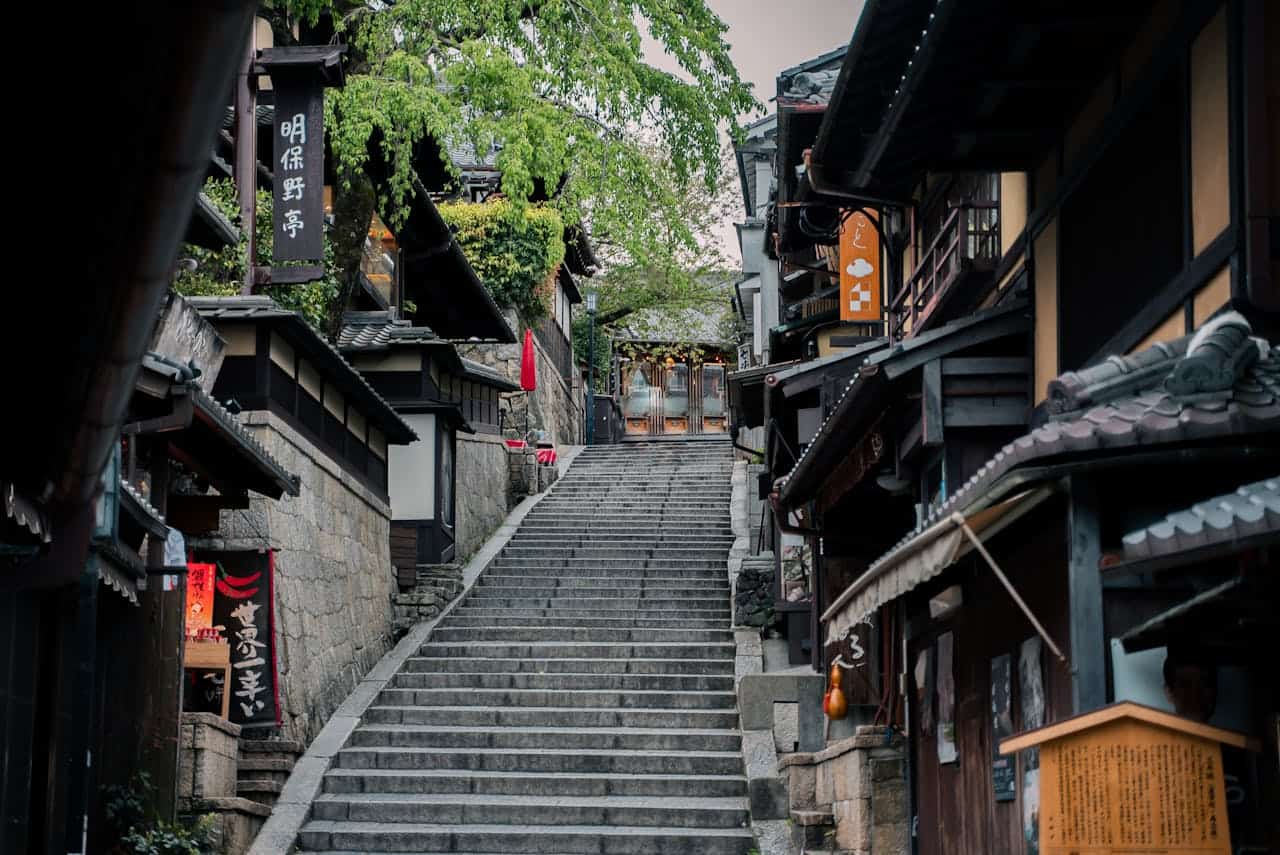
Kyoto rewards a slower sightseeing pace built on temples, gardens, and seasonal detail that makes each neighborhood feel distinct. Fushimi Inari, Kiyomizu-dera, and Arashiyama create strong anchors, then smaller shrines and stone lanes fill the spaces between in Higashiyama and Gion. Nishiki Market keeps the day grounded in everyday tastes, and river walks along the Kamogawa soften the pace when crowds build. Early mornings and lantern-lit evenings show the city at its most intact, and the mix of craft shops, tea houses, and quiet courtyards keeps the mood steady. Buses are clear, and an early temple stop can turn the busiest lanes into calm.
Cairo, Egypt
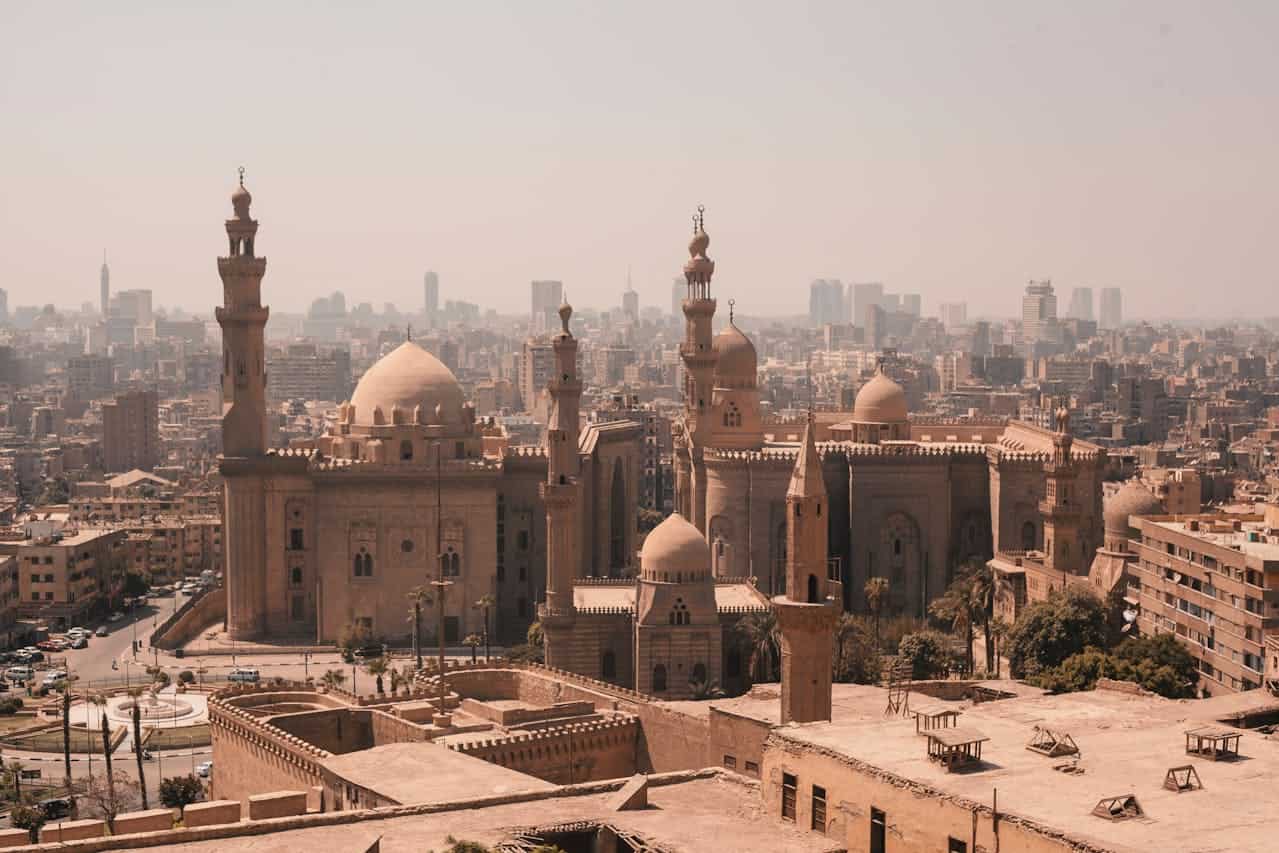
Cairo pairs intense city life with world-famous landmarks, where a single day can hold both ancient scale and everyday bustle. The Pyramids of Giza and the Sphinx deliver a sense of size that photos never fully capture, then historic mosques and Khan el-Khalili add craft, spice, and texture. Museum time deepens context with artifacts that connect names and dates to what stands outside, and neighborhoods along the Nile keep the city feeling lived-in. Traffic can be heavy, so early starts and a felucca ride near dusk help pace the day, offering quieter light and wide views of the city’s edges. A guide can shape the route and reduce delays fast
Cape Town, South Africa
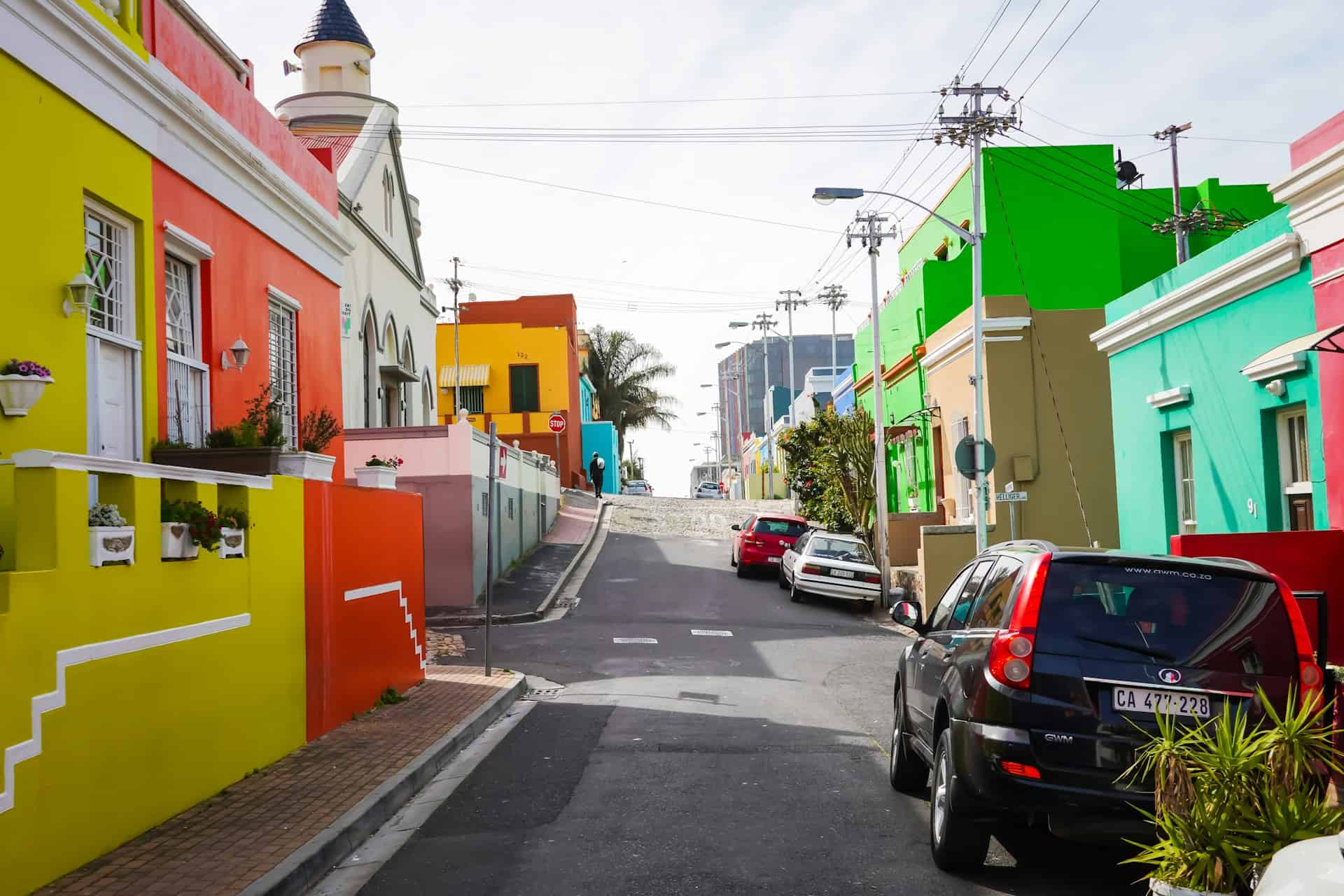
Cape Town’s sightseeing is anchored by natural drama and clean viewpoints, with mountains and ocean shaping nearly every route. Table Mountain defines the skyline, and the cableway or trails make the summit feel earned, while the V&A Waterfront keeps logistics simple. Robben Island adds history that stays with people, and coastal drives toward Cape Point and Chapman’s Peak deliver lookouts that feel unreal. Food markets, beaches, and neighborhoods like Bo-Kaap add color between scenic stops, and evening walks along Sea Point keep the day relaxed, bright, and social. Weather shifts fast, so early starts help capture the best light by the bay.
Rio de Janeiro, Brazil
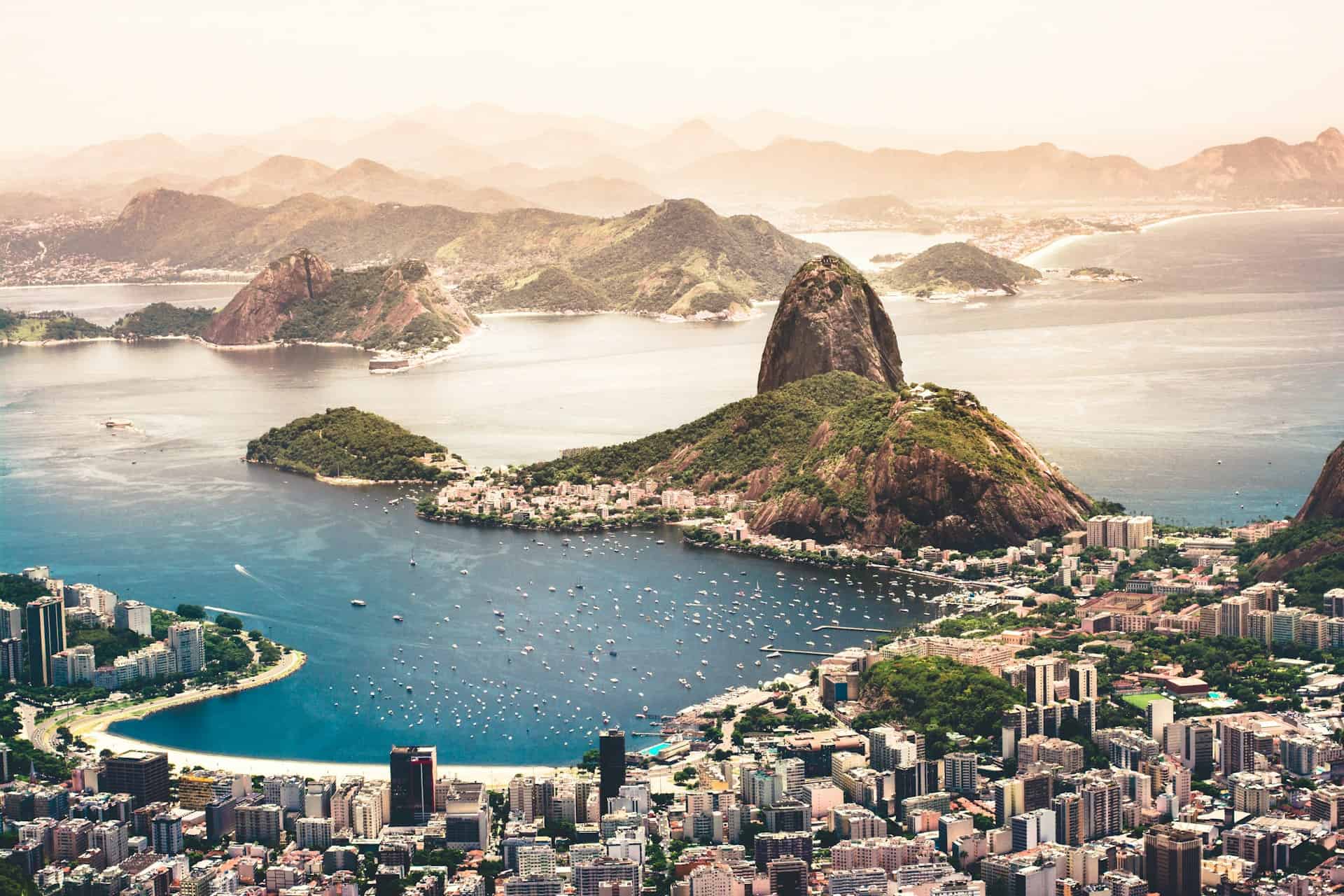
Rio de Janeiro blends landmark viewpoints with beach-city energy, where dramatic geography keeps changing the frame of the day. Christ the Redeemer and Sugarloaf provide classic skyline angles, then Copacabana and Ipanema bring street life, water views, and an easy walking rhythm. Hillside neighborhoods add art and older architecture, and stops like the Selarón Steps bring color beyond the shoreline. Golden-hour light does a lot of work here, and a short cable car ride or lookout can turn an ordinary afternoon into a scene that feels unforgettable without much effort. A guided visit helps with timing and beach promenades keep evenings simple.
Sydney, Australia
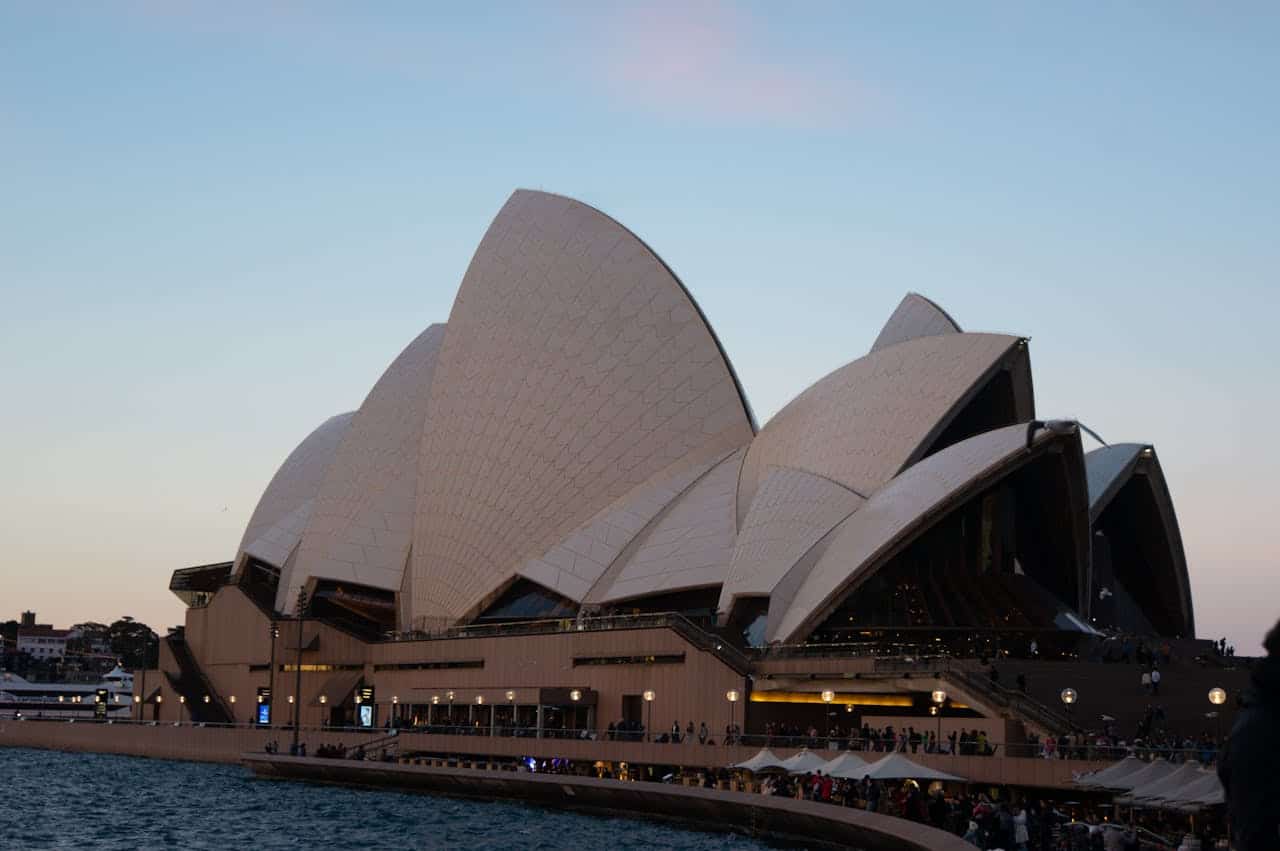
Sydney is made for sightseeing that moves between water and architecture, with harbor views that feel like a constant companion. The Opera House and Harbour Bridge sit in a natural amphitheater, and ferries turn transit into a highlight with shifting perspectives. The Rocks adds historic texture close to the center, while the Royal Botanic Garden offers calm paths that double as viewpoints. Coastal walks like Bondi to Coogee keep the day outdoors, and waterfront dinners make evenings easy, with light on the water doing half the work for photos. A short ferry to Manly adds beach time and a skyline return view, all without changing hotels much
Marrakesh, Morocco
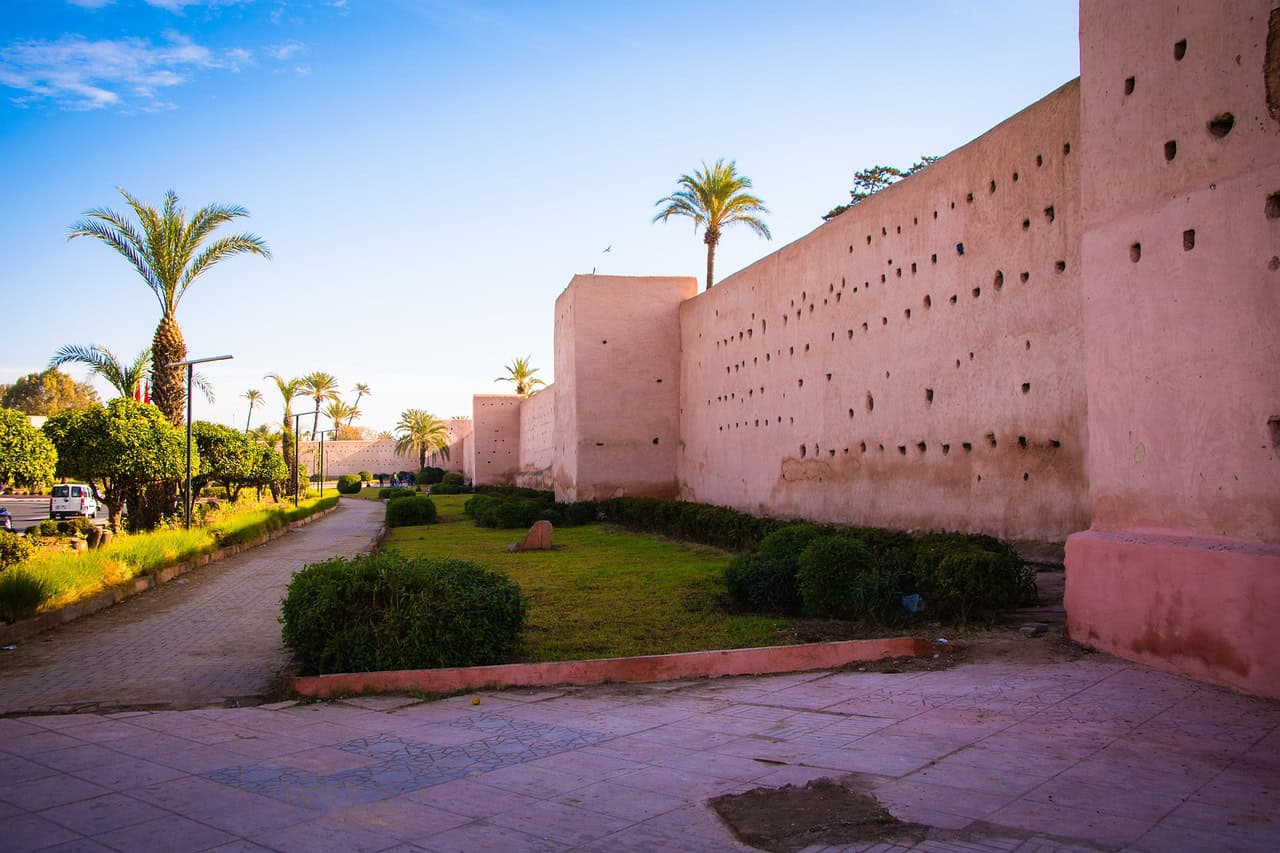
Marrakesh delivers sightseeing through sound, color, and lanes that keep opening into surprises, so the city feels alive at every pace. Jemaa el-Fnaa sets the pulse as evening food stalls appear, then the medina’s souks and palaces pull walkers into craft, pattern, and fragrance. Gardens like Majorelle offer calm contrast when the streets feel dense, and rooftop terraces help reorient the day with minarets and distant mountains. Mint tea breaks the rhythm, lantern light reshapes familiar corners after dark, and a hammam stop can reset energy so the night market hours feel easy. A guide can prevent wrong turns but patience alone works too now