We may earn money or products from the companies mentioned in this post. This means if you click on the link and purchase the item, I will receive a small commission at no extra cost to you ... you're just helping re-supply our family's travel fund.
For travelers who measure trips in heartbeats instead of hotel stars, the world offers landscapes built for adrenaline. From razor-sharp alpine ridges to coral kingdoms beneath warm seas, these destinations combine raw terrain, measurable challenges, and unforgettable scale. Below, each location delivers specific numbers, real-world difficulty, and the kind of detail that helps you plan boldly and safely. Every section follows the same structure so you can compare elevation, distances, seasons, and signature thrills at a glance.
1. Queenstown
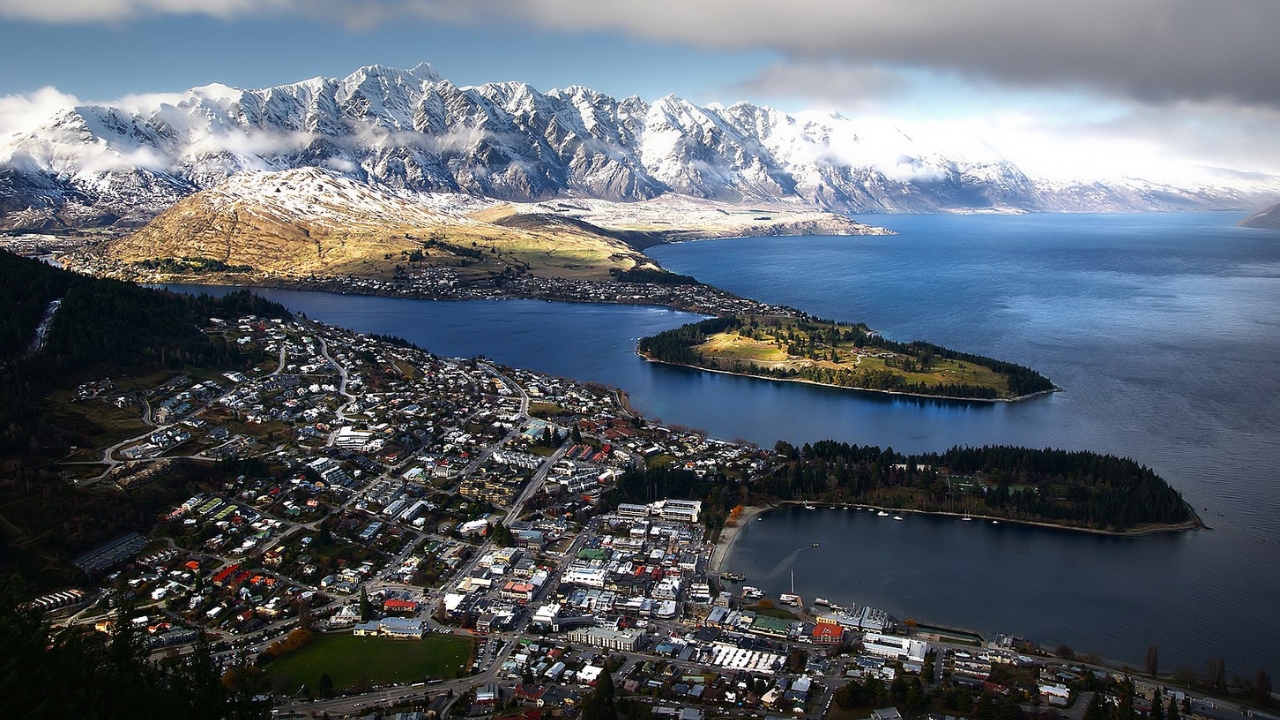
Set beside Lake Wakatipu and framed by the Remarkables, Queenstown earns its title as adventure capital through sheer variety. The original commercial bungee jump drops 141 feet from Kawarau Bridge, while skydives launch from up to 15,000 feet with nearly 60 seconds of freefall. Jet boats skim at 55 mph through narrow canyons only meters wide. Winter brings heli-skiing across thousands of acres of backcountry terrain. Summer hiking trails stretch over 75 miles, including steep alpine routes with 3,000-foot elevation gains in a single push.
2. Interlaken
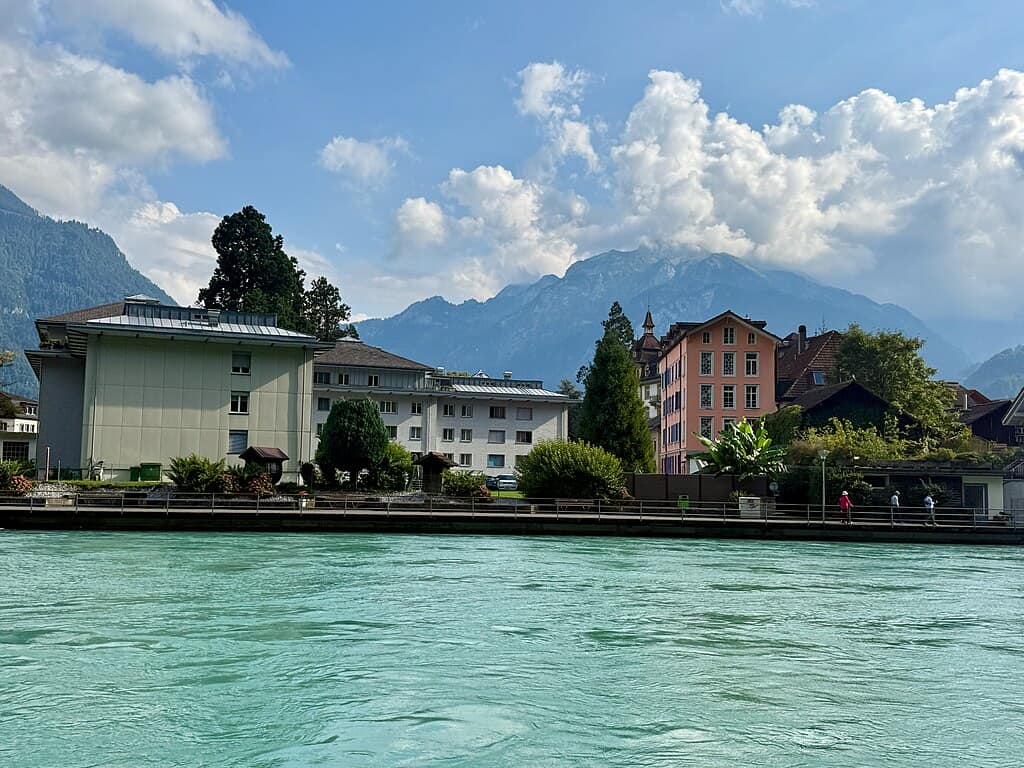
Positioned between Lake Thun and Lake Brienz, Interlaken sits at 1,860 feet yet feels dramatically alpine thanks to peaks rising above 13,000 feet nearby. Paragliders leap from Beatenberg at 4,400 feet, landing softly in open meadows after 10 to 20 minutes of airtime. Canyoning routes descend waterfalls up to 33 feet high, while summer rafters tackle Class III and IV rapids fed by glacial melt. In winter, more than 125 miles of ski terrain surround the region, offering steep gradients exceeding 40 degrees in expert zones.
3. Moab
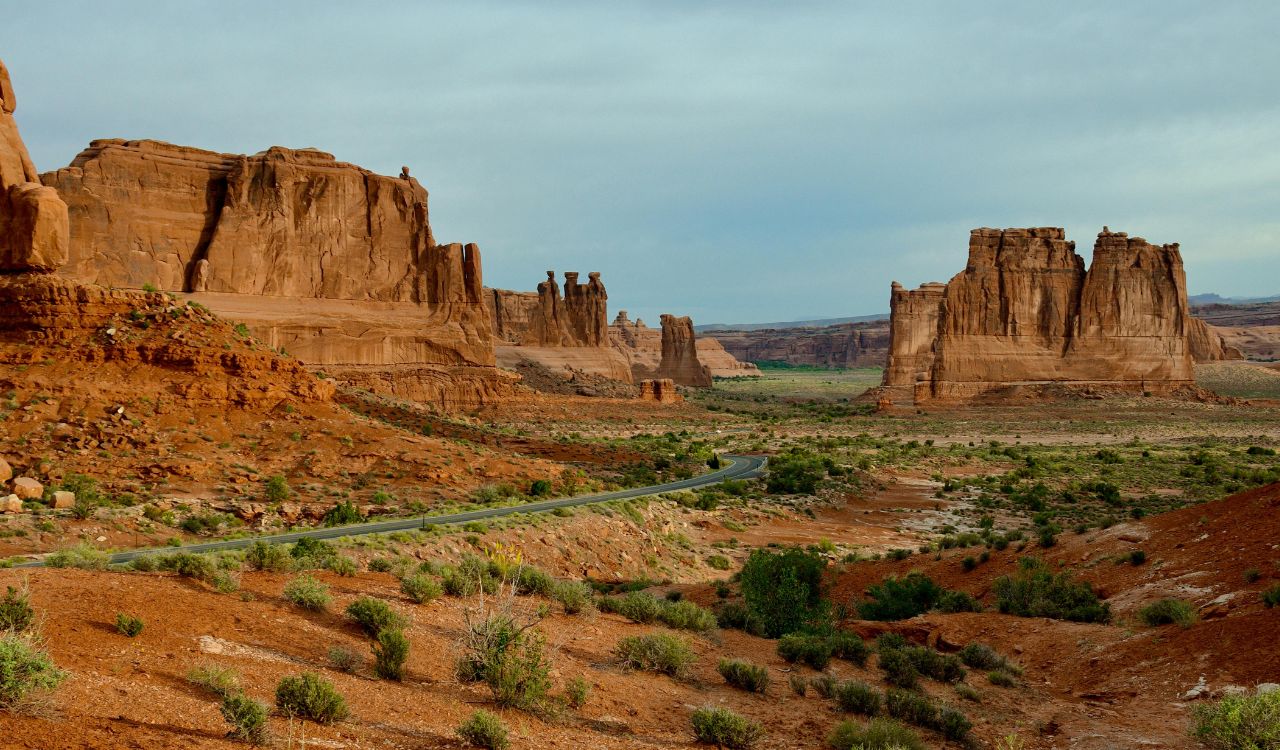
Moab’s desert sits at roughly 4,000 feet above sea level, but the drama rises vertically in towering sandstone fins and arches. The Whole Enchilada mountain bike route spans nearly 26 miles, descending about 7,000 feet from alpine forest to red rock desert. Off-road trails like Hell’s Revenge challenge drivers with steep slickrock climbs approaching 45-degree angles. Rock climbers scale 300-foot sandstone towers, and summer temperatures regularly top 100°F, adding a physical test that demands hydration, timing, and respect for the harsh, exposed terrain.
4. Mount Everest Base Camp
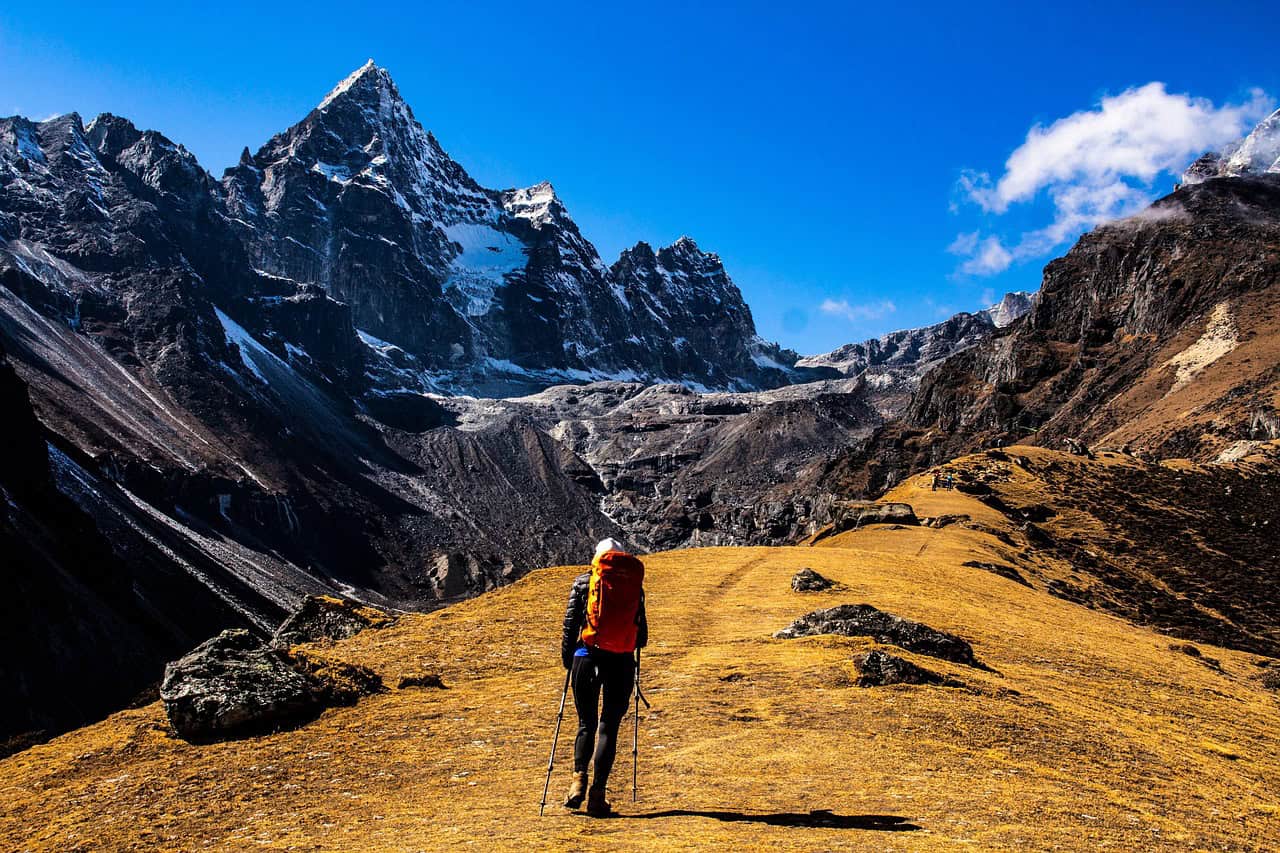
The trek to Everest Base Camp reaches 17,598 feet, covering roughly 80 miles round trip over 12 to 14 days. Hikers gain more than 9,000 feet in elevation, navigating suspension bridges hung 300 feet above rushing rivers. Daily distances average 6 to 8 miles, but altitude makes each step deliberate. Temperatures can drop below 0°F at night during peak season. The payoff comes with sunrise views of 29,032-foot Everest and surrounding Himalayan giants, a rare opportunity to stand in thin air beneath Earth’s highest skyline.
5. Chamonix
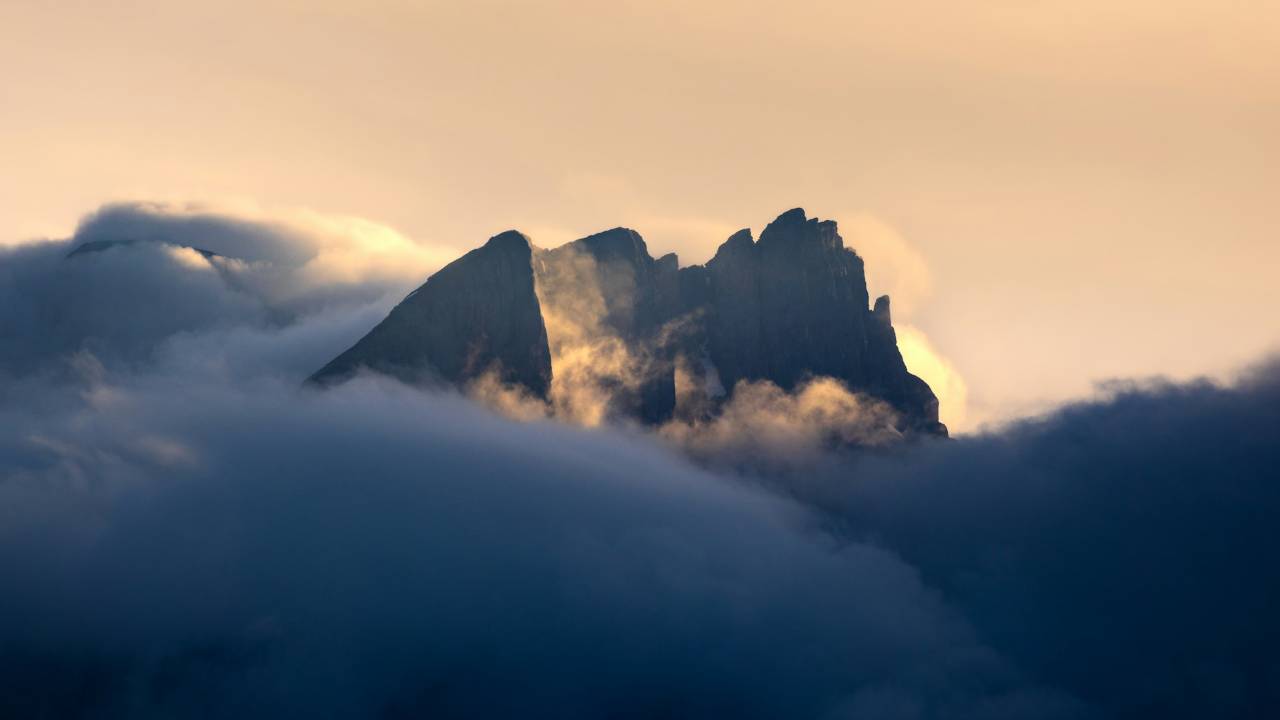
Chamonix rests at 3,396 feet, yet Mont Blanc towers above at 15,774 feet, creating one of Europe’s sharpest elevation contrasts. The Vallée Blanche ski descent stretches about 12 miles across glaciated terrain with crevasses and shifting snow bridges. Experienced climbers attempt Mont Blanc’s summit via routes gaining over 8,000 vertical feet. In summer, trail runners tackle the 106-mile Ultra-Trail du Mont-Blanc circuit, circling three countries. Weather can shift within minutes, demanding precision planning and alpine awareness at every altitude band.
6. Cape Town
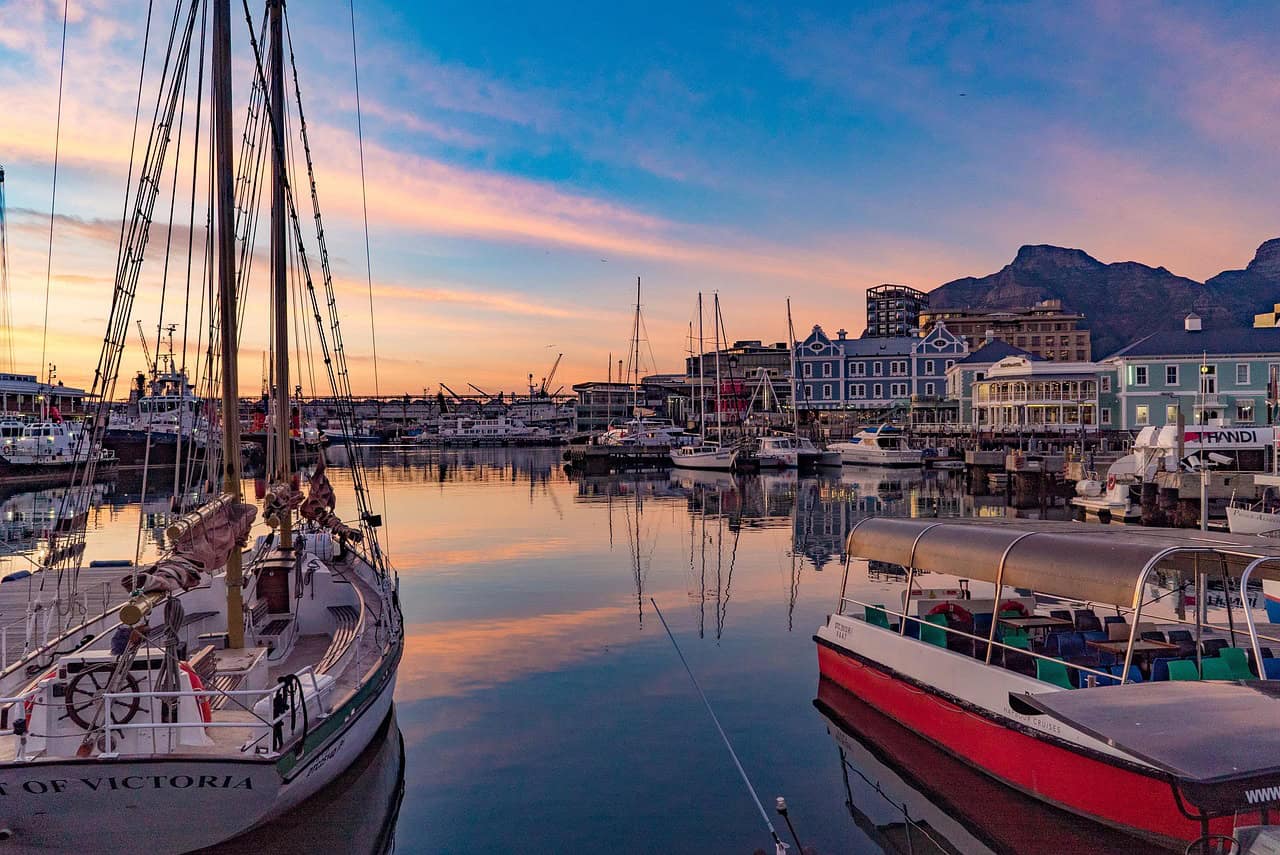
Cape Town pairs ocean swells with a 3,563-foot tabletop mountain rising directly above the city. Shark cage dives operate roughly 6 miles offshore, lowering visitors into 40 to 60 feet of Atlantic water where great whites patrol. Paragliders launch from 2,195-foot Lion’s Head, drifting toward Sea Point in 10-minute descents. Hikers climbing Table Mountain gain over 2,000 feet in about 2 miles via Platteklip Gorge. Strong coastal winds, sometimes exceeding 30 mph, amplify both challenge and spectacle.
7. Torres del Paine National Park
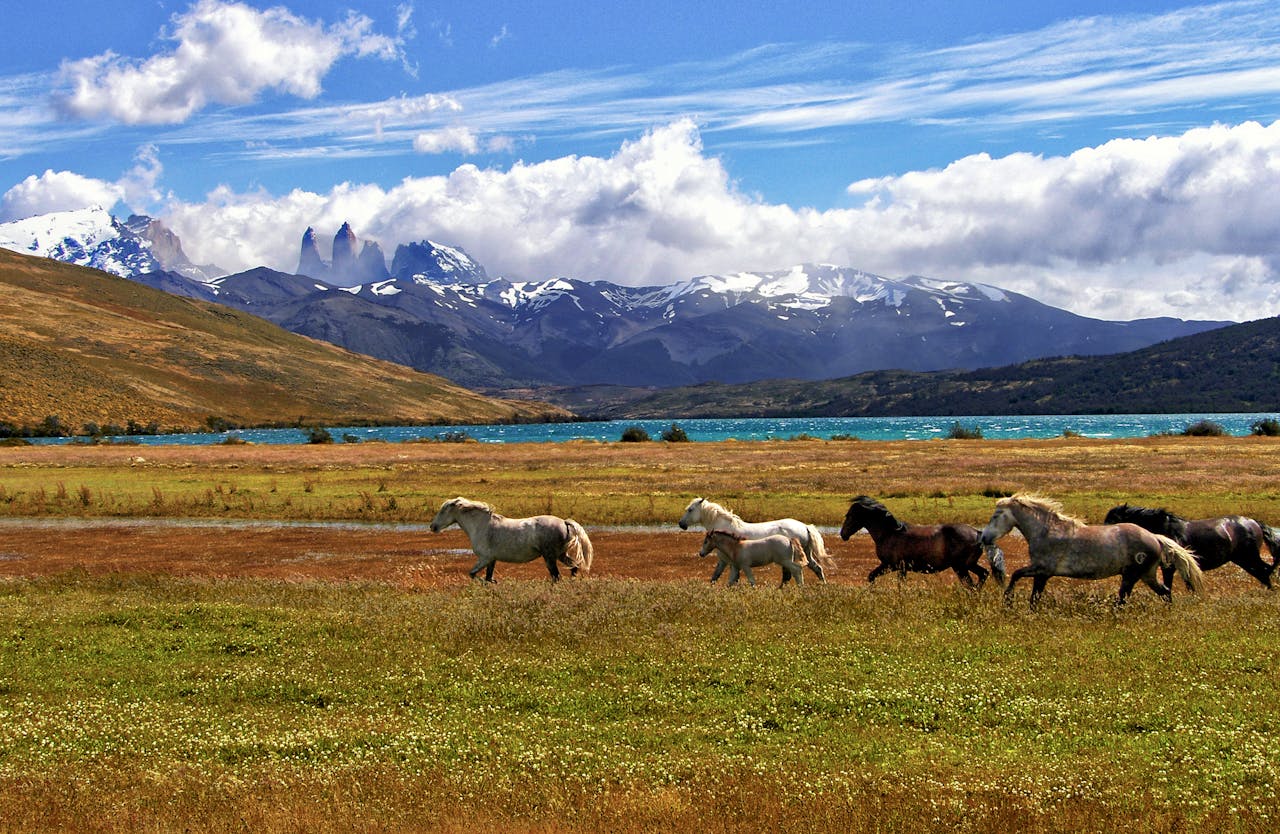
This Patagonian park spans more than 700 square miles of glaciers, lakes, and jagged granite spires rising over 8,000 feet. The famed W Trek covers roughly 50 miles, typically completed in 4 to 5 days with daily hikes of 10 to 12 miles. Winds frequently exceed 50 mph, testing balance on exposed ridgelines. Kayakers paddle past icebergs calved from Grey Glacier, whose face towers nearly 100 feet above the waterline. Weather can shift from sun to sleet within hours, demanding layered gear year-round.
8. Reykjavik

From Reykjavik, adventure begins within 30 miles in nearly every direction. At Silfra fissure, divers descend about 60 feet between tectonic plates with visibility exceeding 300 feet in glacial water hovering near 36°F. Snowmobilers race across Langjökull Glacier at speeds near 45 mph over ice fields spanning 365 square miles. Lava tube caves stretch more than 1 mile underground, revealing volcanic formations shaped over 5,000 years. Winter daylight can shrink to 4 hours, intensifying the sense of isolation and raw Arctic atmosphere.
9. Great Barrier Reef
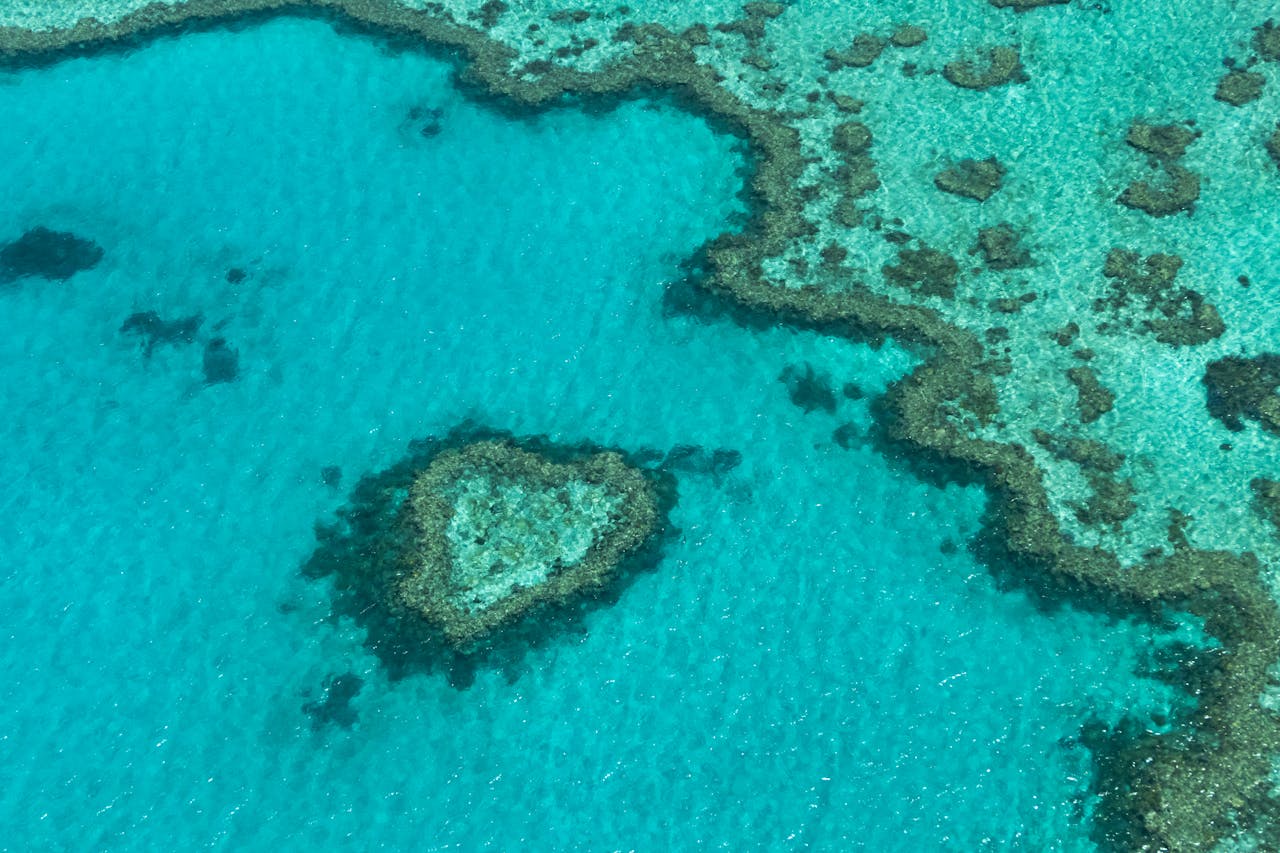
Stretching over 1,400 miles, the Great Barrier Reef is the largest living structure on Earth. Divers commonly descend 60 to 100 feet among more than 400 coral species and 1,500 fish species. Reef sharks patrol drop-offs where visibility often exceeds 80 feet. Liveaboard boats travel 30 to 60 miles offshore to reach outer reef walls with stronger currents and dramatic vertical plunges. Water temperatures range from 72°F to 86°F annually, allowing extended bottom times for trained divers seeking immersive underwater exploration.
10. Banff
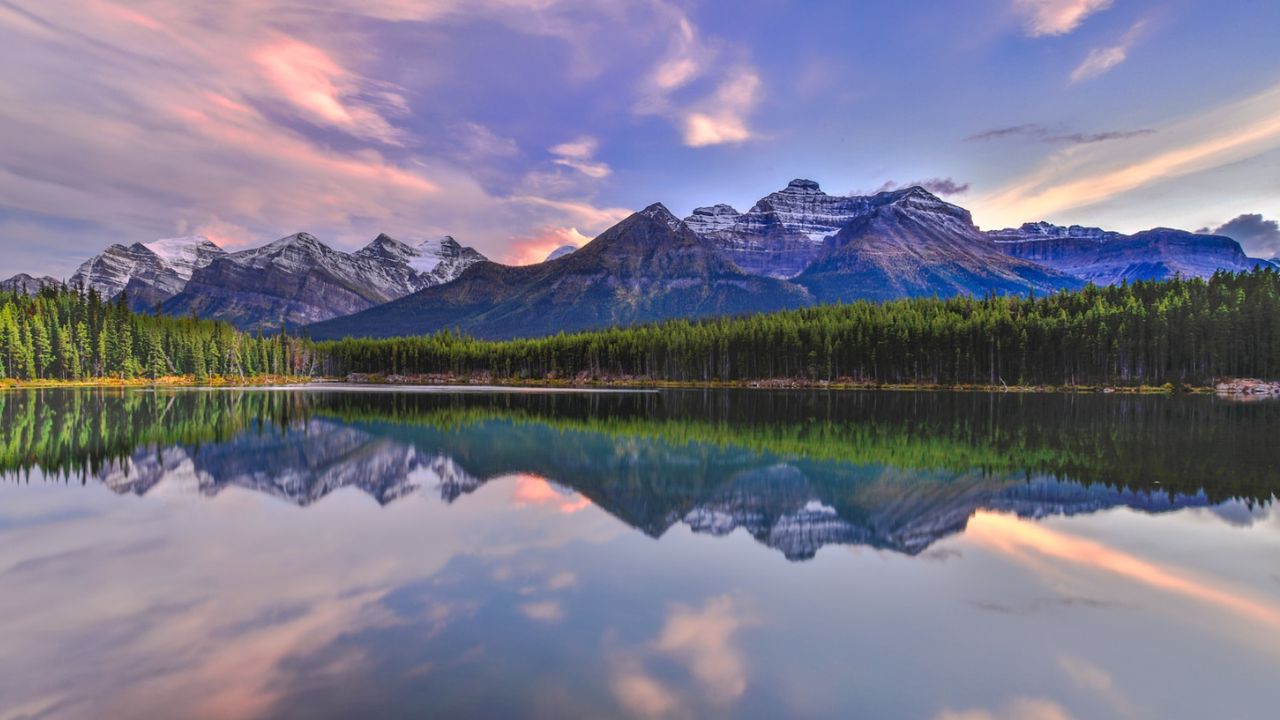
Banff sits at 4,537 feet within the Canadian Rockies, surrounded by peaks exceeding 11,000 feet. Ice climbers scale frozen waterfalls up to 300 feet tall during winter months when temperatures drop below 14°F. Summer whitewater rafting on the Kicking Horse River features Class IV rapids with waves over 6 feet high. Hiking trails extend more than 1,000 miles across the national park, with elevation gains often surpassing 3,500 feet in a single ascent. Wildlife sightings add both wonder and caution to every outing.
11. La Paz
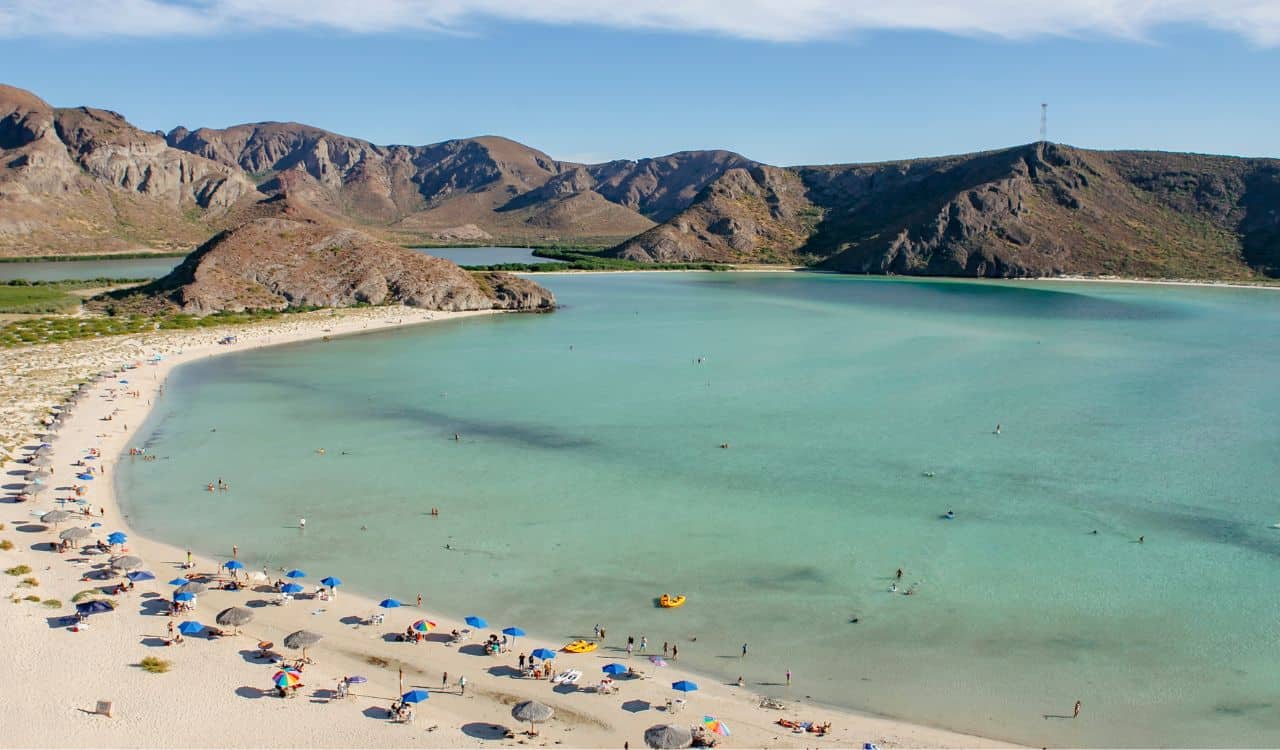
Perched at approximately 11,975 feet, La Paz is one of the world’s highest capitals. The infamous Yungas Road descends about 11,800 feet over 40 miles, narrowing to sections barely 10 feet wide. Mountain bikers navigate cliffs dropping nearly 2,000 feet vertically. Nearby Huayna Potosí rises to 19,974 feet, offering a technical glacier climb with crampons and ice axes. Thin air reduces oxygen levels by roughly 40 percent compared to sea level, making acclimatization essential before any serious ascent.
12. Dubai
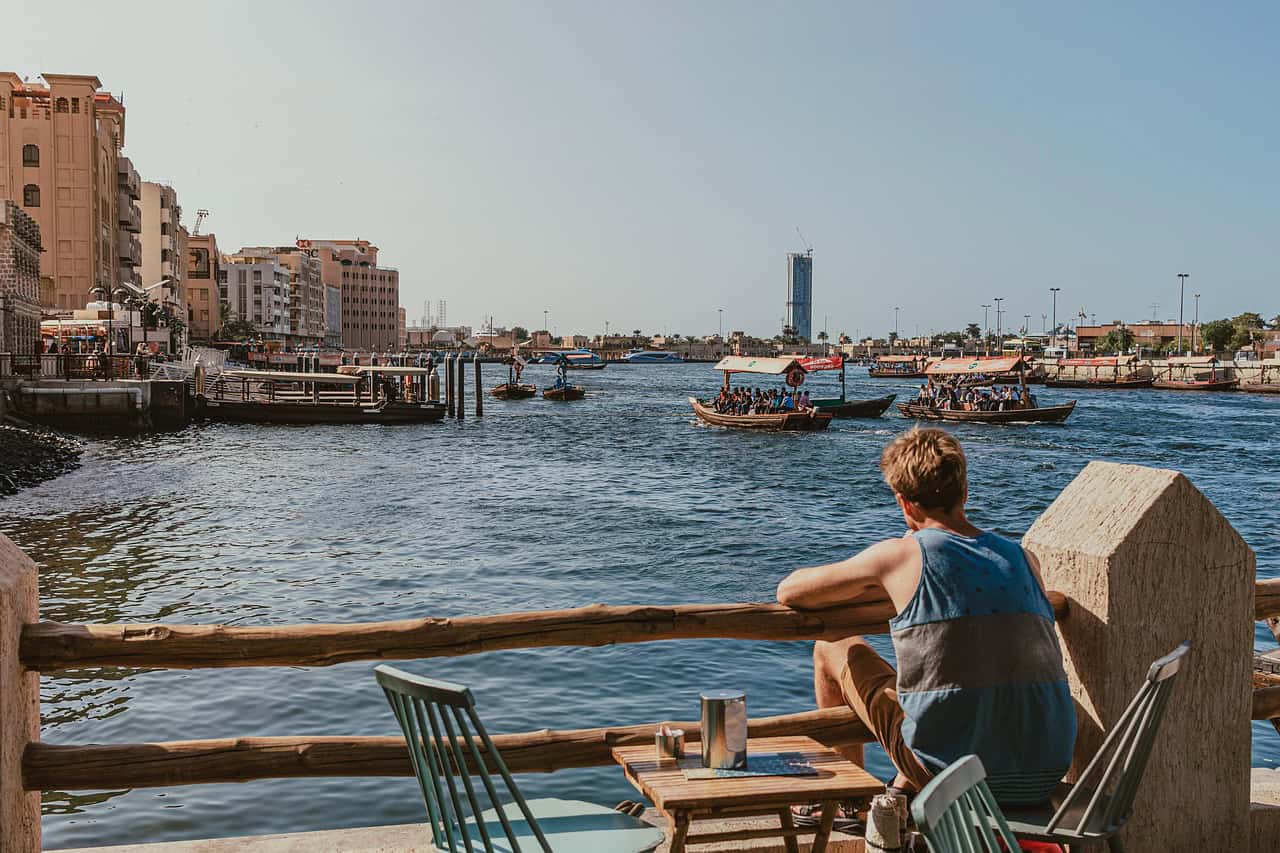
Dubai’s desert lies just 30 minutes from skyscrapers exceeding 2,700 feet in height. Skydivers leap from 13,000 feet above Palm Jumeirah, enjoying nearly 60 seconds of freefall over engineered islands. Dune bashing convoys crest sand ridges up to 300 feet tall, often at speeds surpassing 40 mph. The XLine zipline stretches about 0.6 miles across downtown, reaching speeds near 50 mph. Summer temperatures regularly exceed 105°F, making early morning or evening excursions the safest window for desert adventure.
13. Yosemite National Park
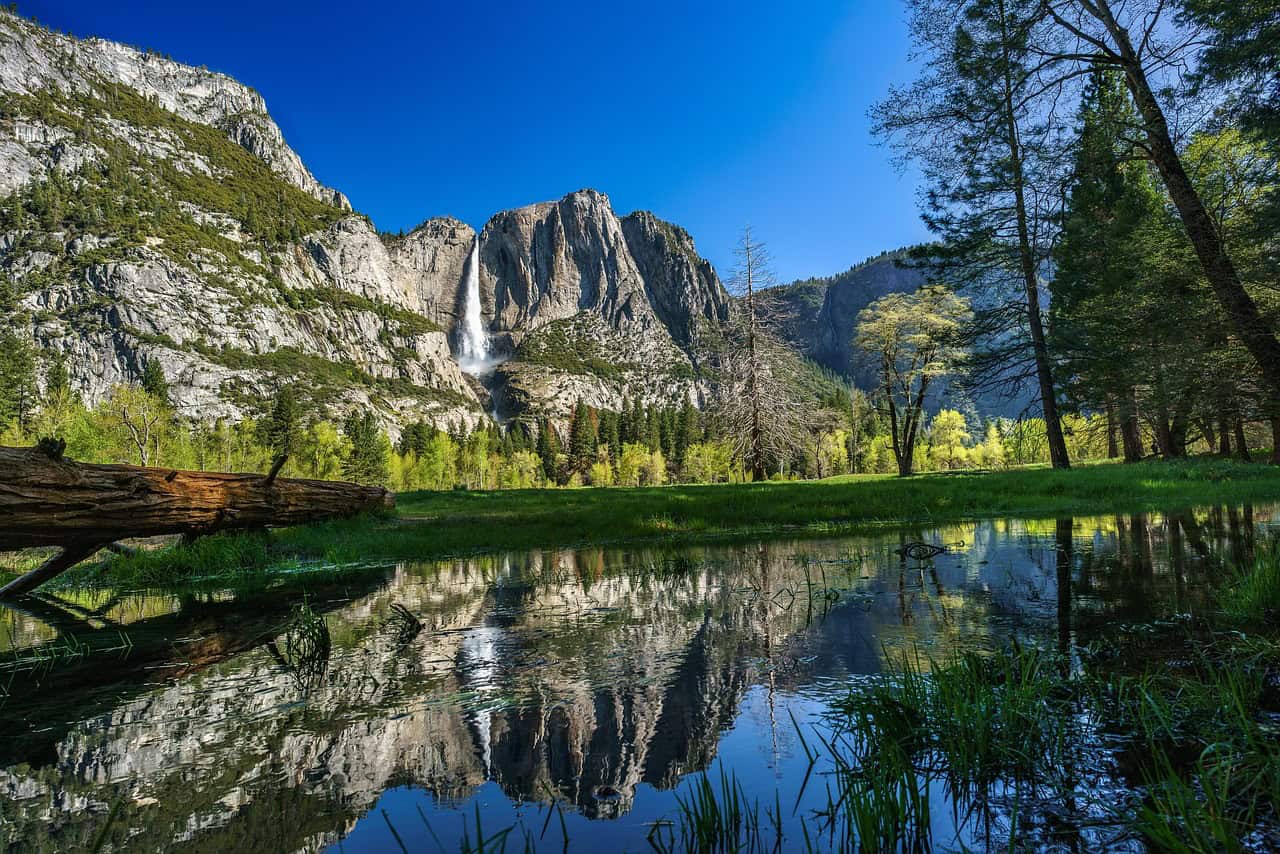
Yosemite covers over 1,160 square miles, anchored by granite monoliths rising thousands of feet above the valley floor. El Capitan towers 3,000 feet vertically, drawing climbers who spend 3 to 5 days ascending multi-pitch routes. Half Dome’s cable route climbs nearly 4,800 feet from trailhead to summit over 14 to 16 miles round trip. Spring waterfalls plunge more than 2,400 feet at Yosemite Falls. Elevations range from 2,000 to over 13,000 feet, offering diverse alpine and valley challenges.
14. Zermatt
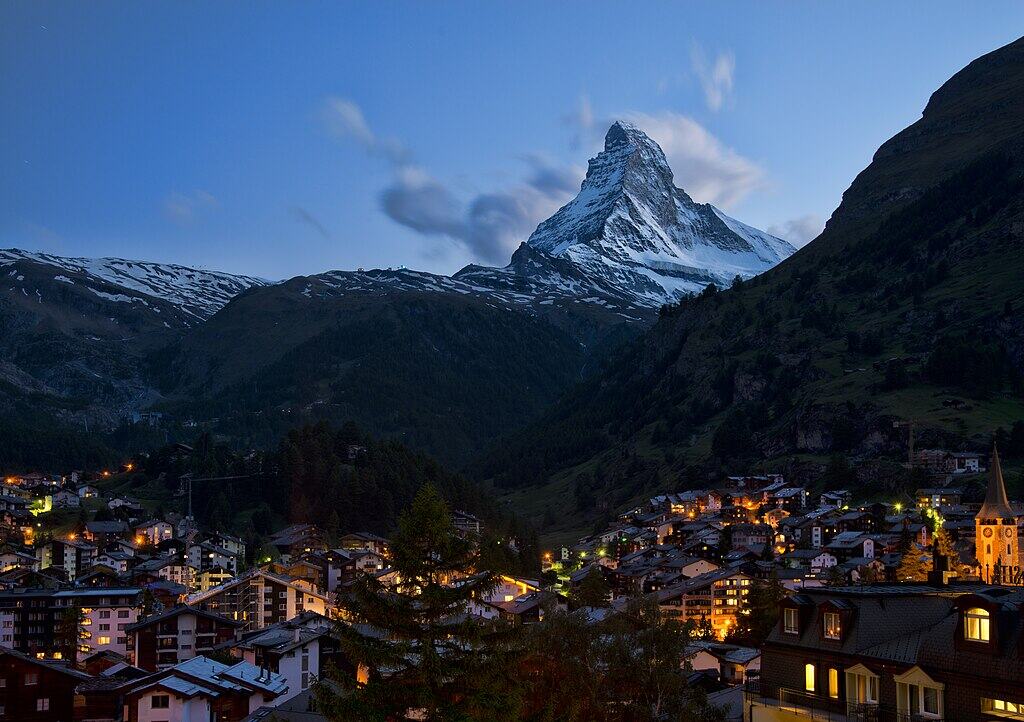
Zermatt lies at 5,276 feet beneath the iconic Matterhorn, which rises to 14,692 feet. The Matterhorn Glacier Paradise cable car reaches 12,740 feet, delivering year-round skiing across more than 220 miles of pistes. Mountaineers tackling the Hörnli Ridge gain roughly 3,900 vertical feet on exposed rock and snow. Summer hiking networks exceed 250 miles, with high-altitude trails crossing suspension bridges and glacial moraines. Rapid weather shifts and thin air demand fitness, steady pacing, and precise alpine preparation.
15. Bali
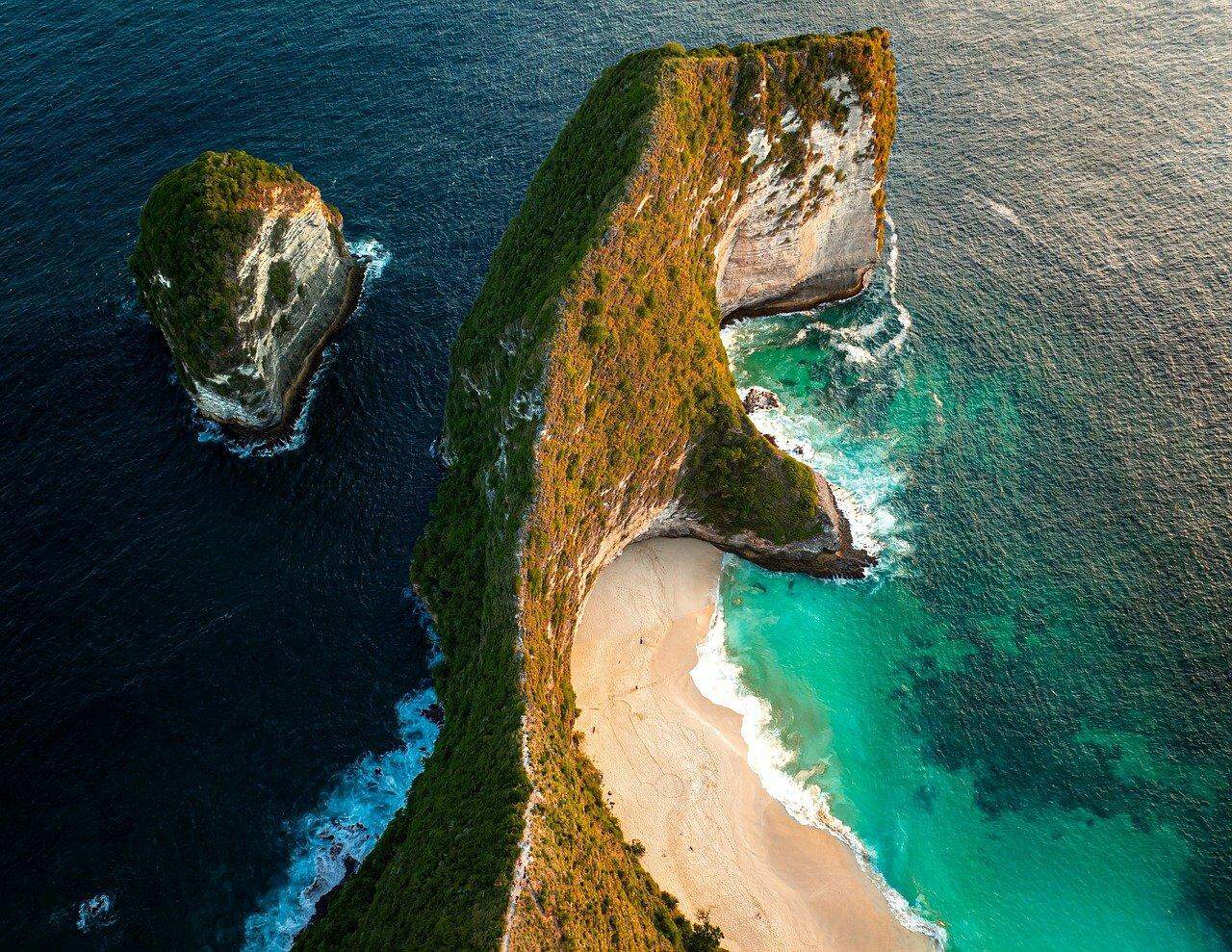
Bali blends tropical humidity with volcanic terrain rising sharply inland. Mount Batur stands at 5,633 feet, with pre-dawn hikes covering about 4 miles round trip and 1,700 feet of elevation gain. Whitewater rafting on the Ayung River runs nearly 7 miles through jungle gorges with Class II and III rapids. Southern surf breaks can produce waves exceeding 10 feet during peak swells. Waterfalls hidden in central highlands require steep descents of 200 to 500 steps, adding intensity to every lush exploration.
16. Huaraz
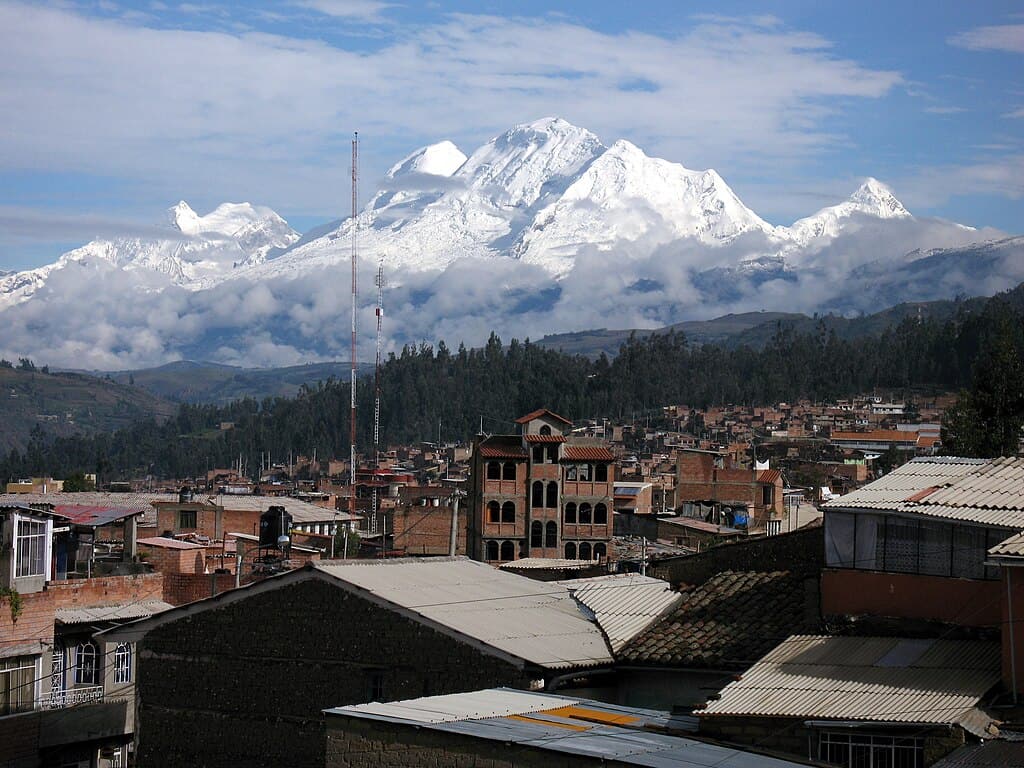
Huaraz sits at 10,013 feet in Peru’s Cordillera Blanca, surrounded by more than 20 peaks above 19,000 feet. The Santa Cruz Trek spans roughly 31 miles over 4 days, crossing Punta Unión Pass at 15,617 feet. Climbers target Alpamayo at 19,511 feet, famed for its near-perfect ice pyramid rising at angles up to 60 degrees. Laguna 69, perched at 15,092 feet, requires a 9-mile round-trip hike with 2,600 feet of gain. Rapid altitude shifts demand acclimatization, hydration, and steady pacing.