We may earn money or products from the companies mentioned in this post. This means if you click on the link and purchase the item, I will receive a small commission at no extra cost to you ... you're just helping re-supply our family's travel fund.
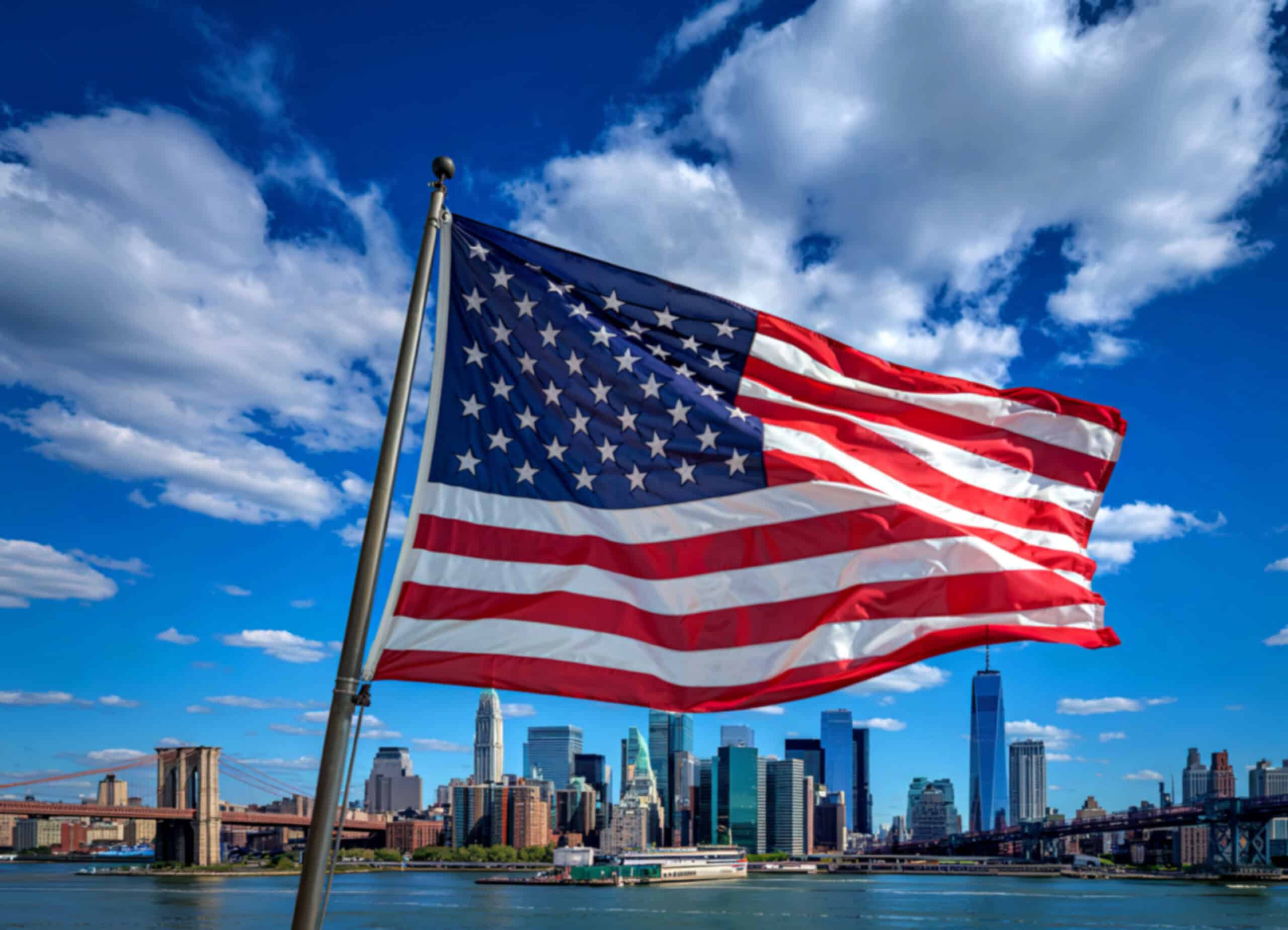
Some American cities become punchlines, reduced to a headline, a stereotype, or a single rough decade. Yet reputations lag behind reality. Neighborhoods evolve, chefs and artists move in, parks get loved back to life, and local pride does the quiet work of rebuilding every day. The places below still carry real challenges, but they also offer strong culture, generous communities, and scenes that reward curiosity. Taken on their own terms, they feel less like warnings and more like stories still being written.
Detroit, Michigan
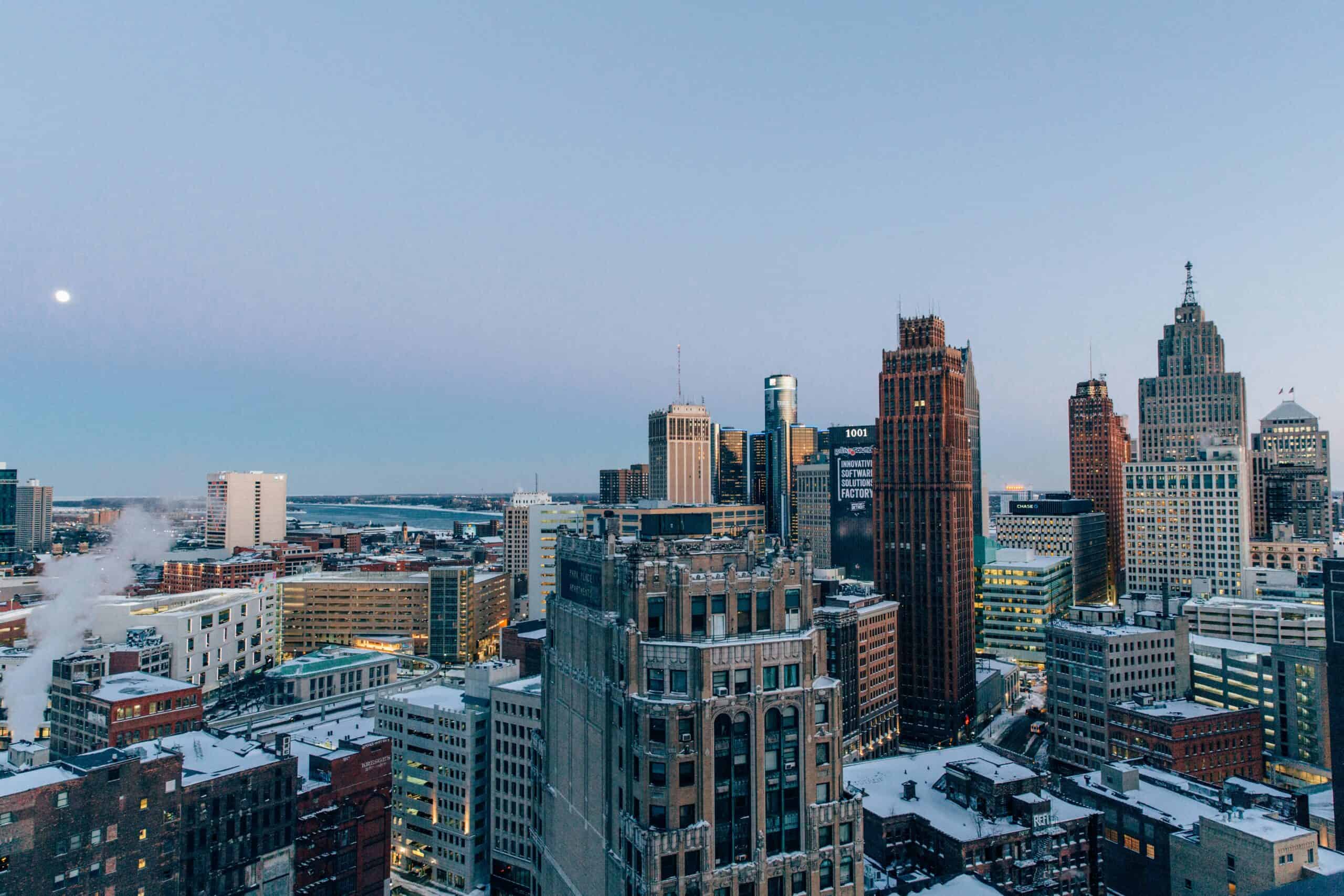
Detroit still gets painted as a city frozen in its hardest years, but the lived reality is more complicated and, lately, more hopeful than the stereotypes allow. Independent restaurants, galleries, and small makers have filled in long-quiet corridors, and new public spaces along the Detroit River pull families out for evening walks, bike rides, and summer festivals that feel proudly local. Motown’s shadow never left, yet the current soundtrack is neighborhood pride, a serious museum scene, and a creative grit that shows up in design shops, corner bakeries, and community projects that keep the comeback grounded, without needing any permission.
Cleveland, Ohio
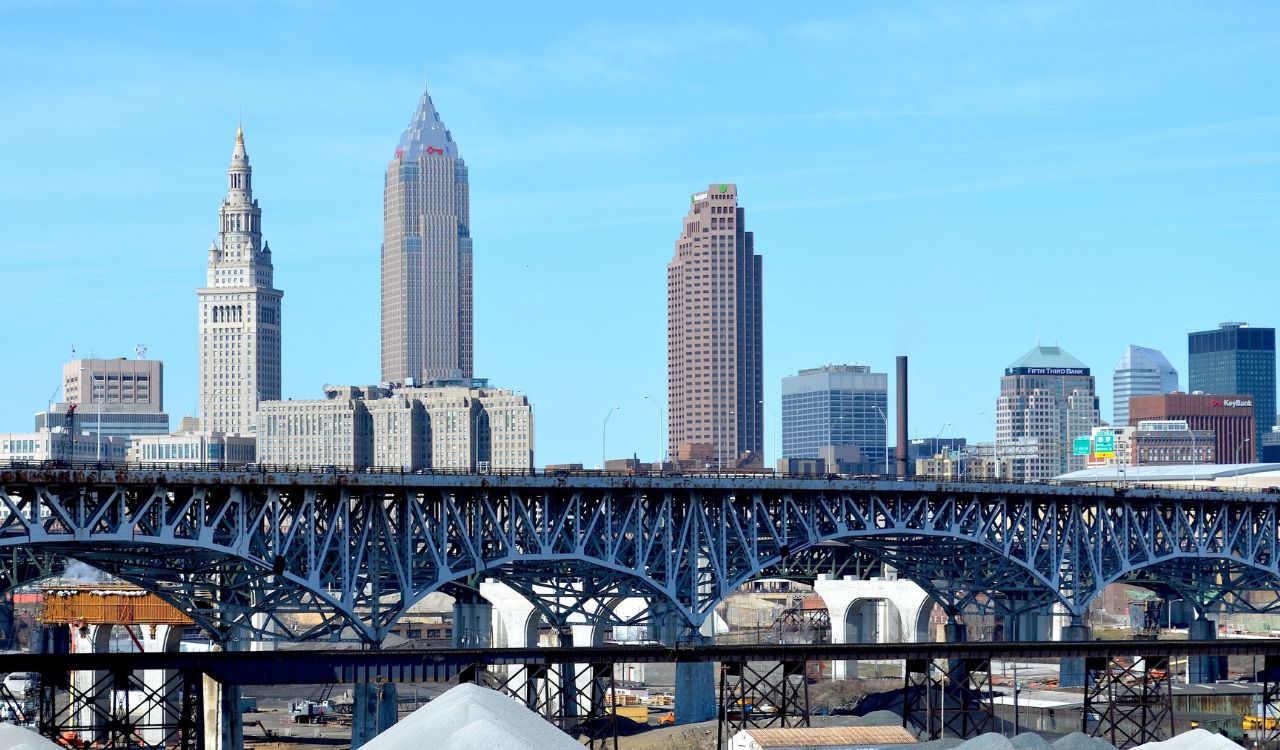
Cleveland is often treated as a punchline, but it has the bones and soul of a serious city that learned how to reinvent itself in public. The Lake Erie shoreline, the Metroparks ring, and neighborhood pockets like old markets and restored warehouses give it daily texture, while chefs, bands, and museums keep nights busy without big-city pretense. There are still rough edges and winter grays, yet the payoff is a friendly, affordable place where culture feels reachable, and the comeback shows up in small details, from coffee counters to murals to packed summer festivals and summer weekends fill with markets, concerts, and ballgames by the lake.
Buffalo, New York
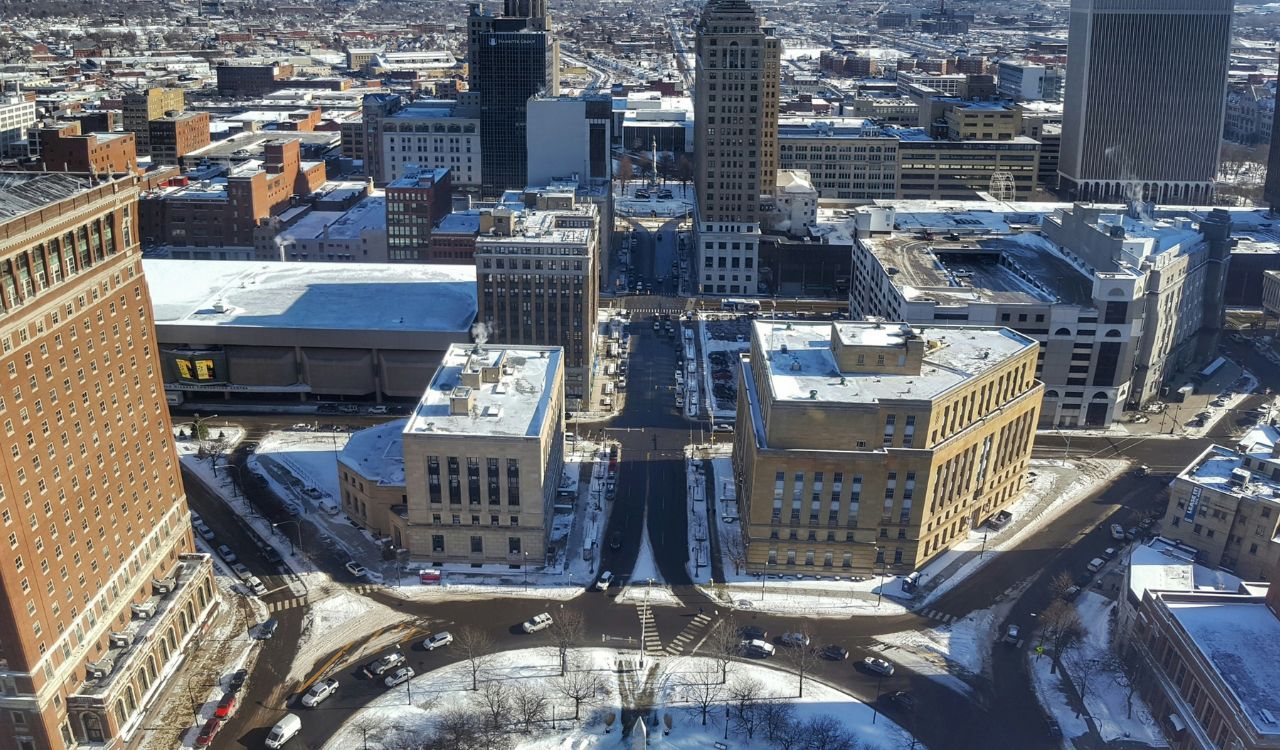
Buffalo gets shrugged off as cold and declining, but the city’s charm is obvious once the waterfront, neighborhoods, and public squares come into view. Historic architecture, old-school taverns, and a strong arts and food scene give it continuity, and the lakefront, parks, and nearby nature add a wide-open horizon that softens the urban grid. Winter is not a small thing, yet it brings its own camaraderie, and the payoff is a city that feels neighborly, affordable, and quietly proud of its comeback energy, with summer street festivals, porch conversations, and a blue-collar warmth that keeps people rooted, and it keeps surprising first-timers.
St. Louis, Missouri
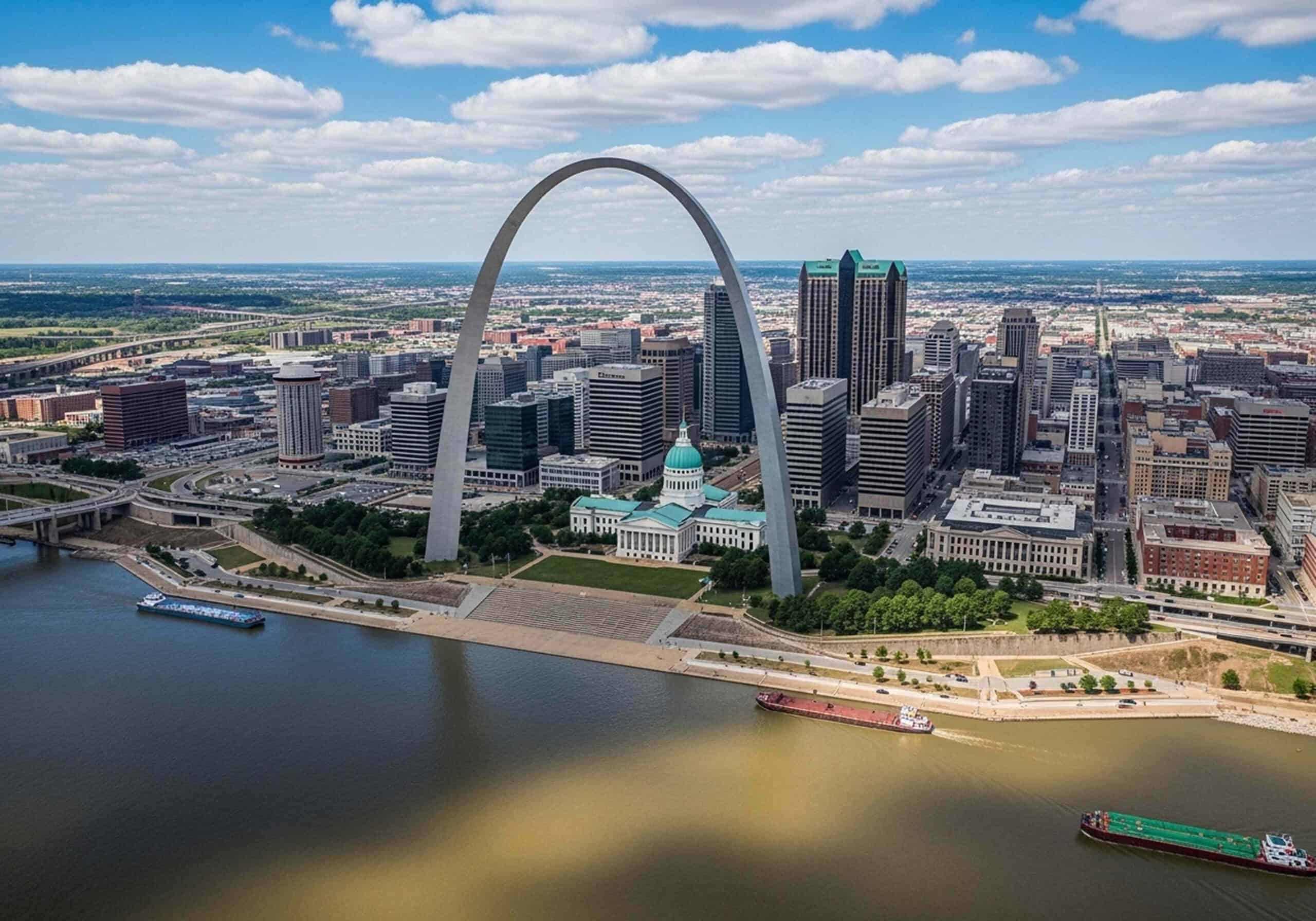
St. Louis gets judged by broad headlines, yet its day-to-day life can feel surprisingly gentle, neighborhood-driven, and rooted in traditions that still hold. Grand brick streets, a serious food culture, and a deep bench of parks and museums create an easy rhythm, and the riverfront skyline, crowned by the Arch, gives the city a clear sense of place. Like many older industrial cities, it carries real challenges, but it also offers beauty in the details: summer baseball nights, blues and jazz from small stages, corner diners, and a civic pride that shows up in how fiercely residents defend their favorite blocks, while welcoming newcomers, too.
Chicago, Illinois
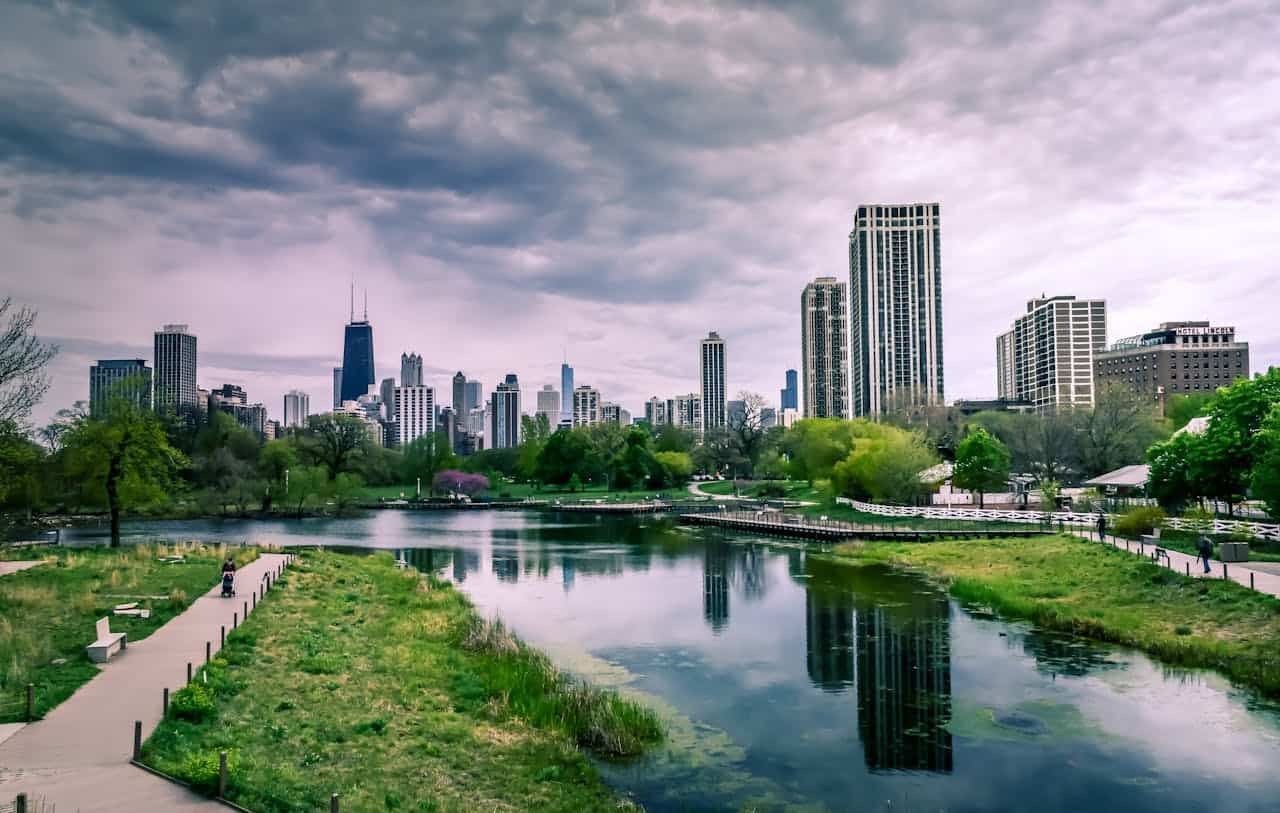
Chicago gets talked about as if it is only its worst weekends, but the city’s everyday life is full of beauty, routine, and civic pride. Lakefront paths, neighborhood parks, and a skyline that still hits like a movie backdrop make it easy to understand why locals stay loyal, and the food and music scenes run deep across every side of town. Yes, some areas carry higher risk, yet painting the whole city with one brush misses its warmth: block festivals, serious museums, and a street-level friendliness that shows up when strangers help each other navigate the train, and the quiet magic of summer nights, when the lake breeze cools sidewalks down.
Philadelphia, Pennsylvania
Philadelphia gets mislabeled as gruff and chaotic, yet that edge often reads as honesty, not hostility, once the tempo makes sense. History sits next to street art, old rowhouses, and a food scene that runs from corner hoagie counters to ambitious tasting menus, all powered by neighborhoods with strong identities and a steady stream of small businesses. The city can be loud and blunt, but it is also deeply civic-minded, with parks, serious museums, and a practical warmth that shows up in the way locals give directions, debate sports, and keep stoops and block parties alive, and it rewards curiosity and feels real, even on a rainy weekday too.
Baltimore, Maryland
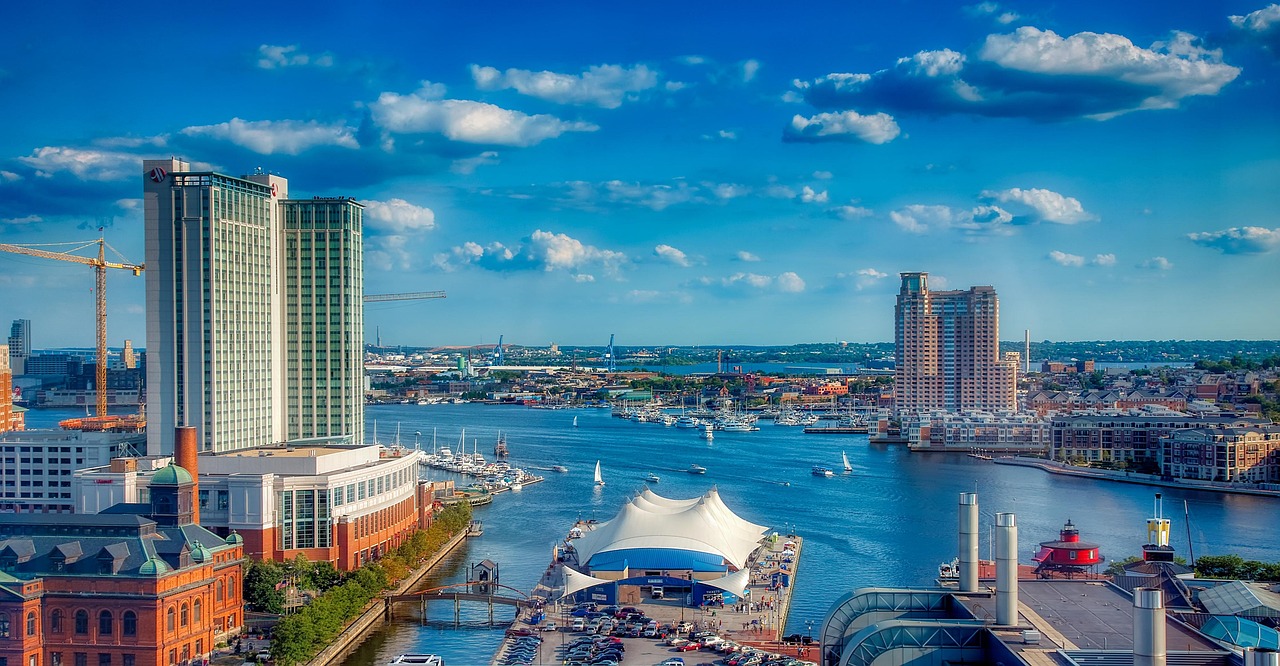
Baltimore’s reputation gets stuck on crime stats and old jokes, while the city’s everyday charm and creative pulse get treated as a footnote. Harbor neighborhoods, rowhouse blocks, and a serious arts scene create a place that feels intimate for its size, with crab houses, corner bars, and stoops that still act like community centers on warm nights. It is a city of sharp contrasts, but the best parts are warm and human: historic markets, waterfront sunsets, tiny music venues, and mural-lined streets where people know the names of their neighbors and that familiarity changes mood after a few hours, especially on fall weekends, by the water too.
Newark, New Jersey
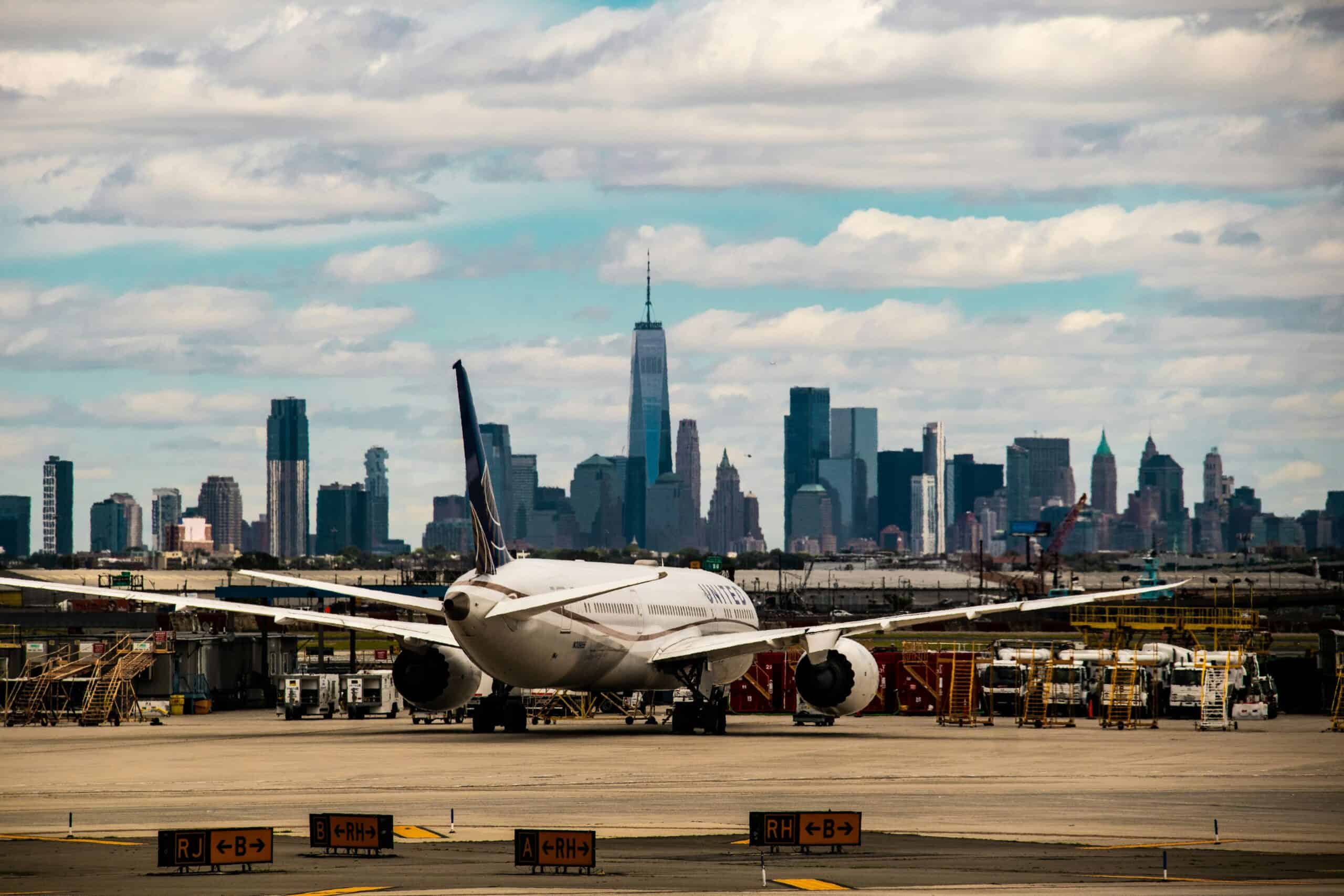
Newark is too often reduced to an airport code and old crime-era narratives, which misses what the city has become for many residents who live, work, and build community there. A dense downtown, strong immigrant food corridors, and a visible arts presence give it real street life, from arena nights to neighborhood galleries, and its rail connections make it a practical hub, rather than a place people merely pass through. It still battles unfair assumptions, but the city’s best energy shows up in family-run restaurants, performance halls, local festivals, and blocks that feel proud, hardworking, and decidedly their own on a busy weekend night.
Atlanta, Georgia
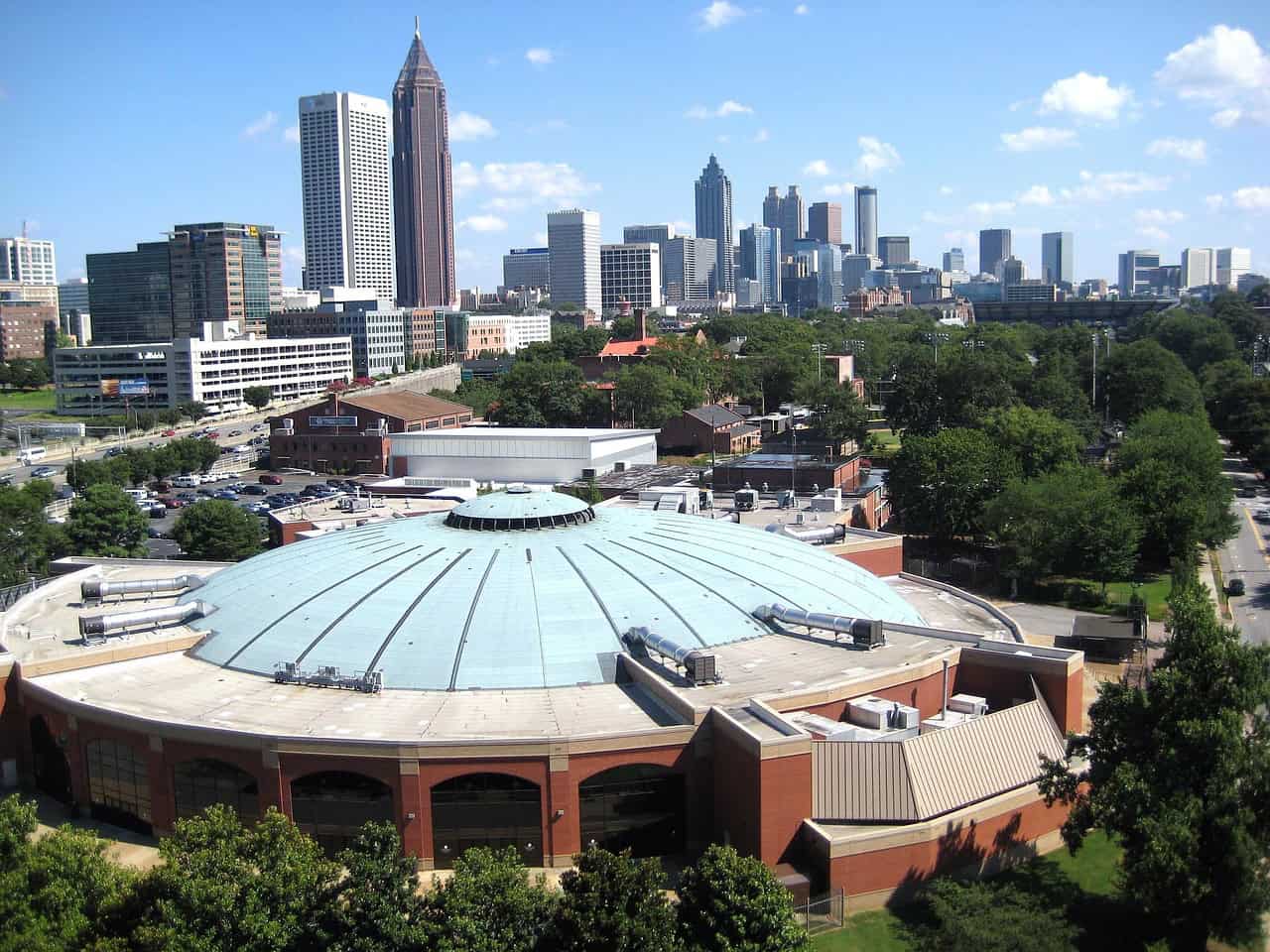
Atlanta gets dismissed as traffic and sprawl, but that shorthand ignores how much culture the city produces, shapes, and exports. A global food scene, major music influence, and leafy in-town neighborhoods give it texture, while trails, parks, and the BeltLine keep adding public space that people actually use for walking, biking, and community events. The city is not always easy to decode on a first visit, yet its warmth shows up fast in local hospitality, civil rights history, ambitious small businesses, and a creative confidence that keeps Atlanta setting the pace for the region and the wider South without pretending it is effortless, ever.
Houston, Texas
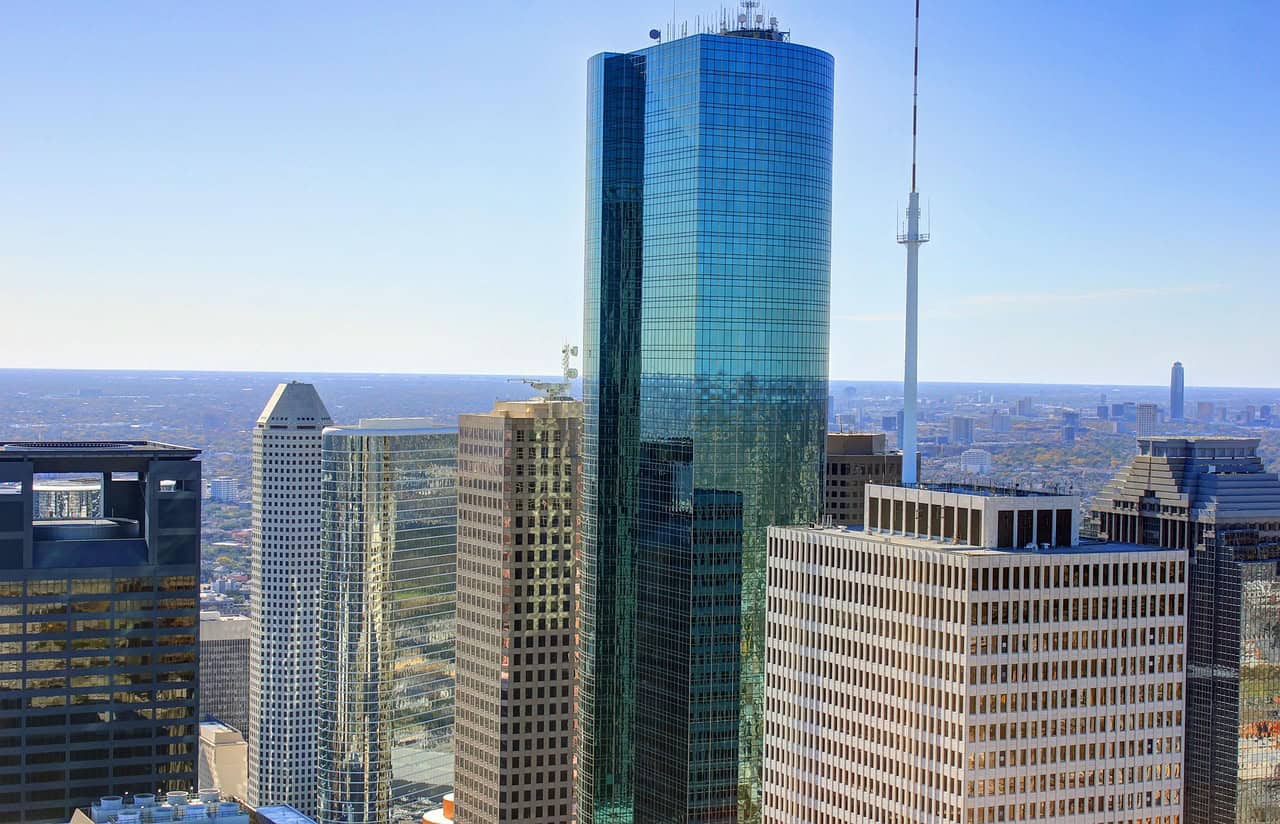
Houston gets dragged for heat and highways, but it is also one of the country’s most interesting food cities and a powerhouse of everyday diversity. Its neighborhoods work like a patchwork of cultures, with strip-mall gems, big museums, and a calendar packed with festivals that reflect how international the city really is. It is not built for postcard walking tours, yet it rewards anyone willing to look past first impressions, because the creativity lives in kitchens, music rooms, and community spaces that feel welcoming, practical, and proudly unpretentious, even when humidity is heavy and the city’s scale looks so daunting from the freeway.
New Orleans, Louisiana
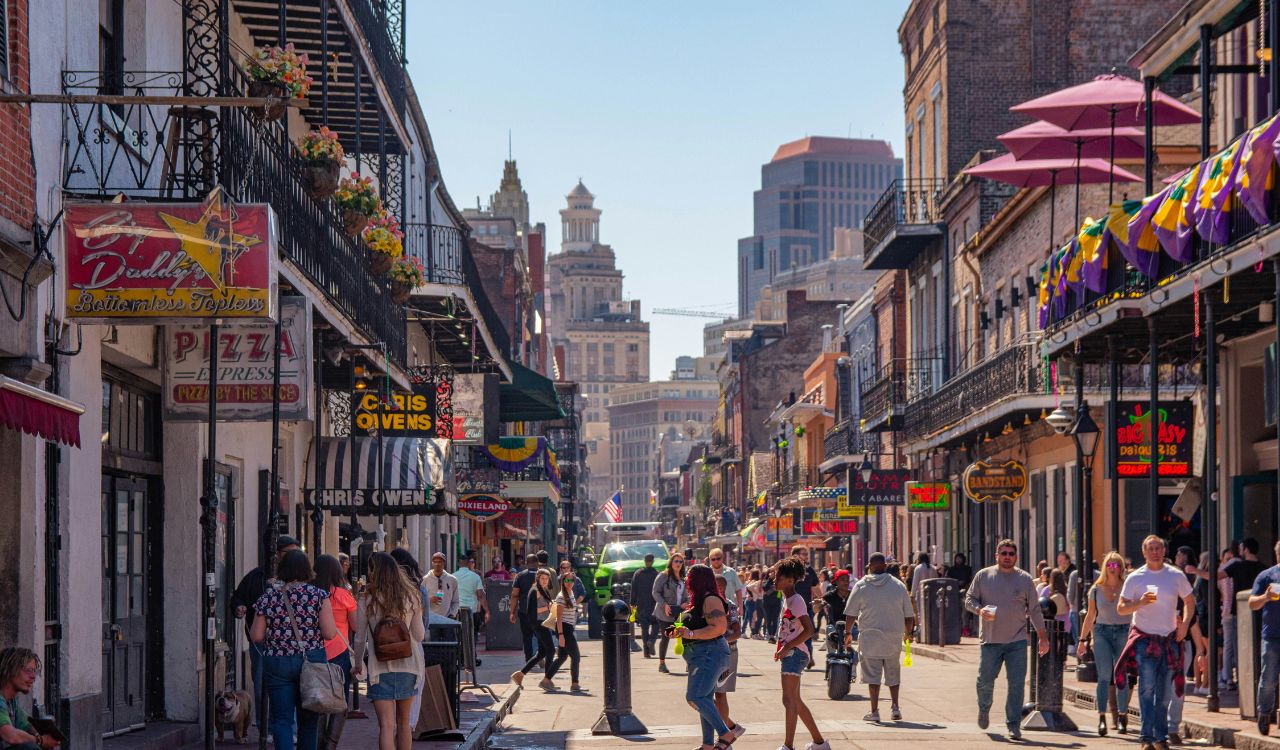
New Orleans gets dismissed as a party city, but reducing it to nightlife misses the depth, memory, and artistry that make the place matter. The music is not a backdrop; it is a living tradition that spills out of clubs, churches, and street corners, and the food is a history lesson on a plate, shaped by Creole, Cajun, and immigrant roots. The city carries real hardship, from storms to inequality, yet its resilience is visible in porch conversations, neighborhood parades, community kitchens, and a generosity of spirit that keeps creativity flowing even when life is complicated and the humidity hangs heavy, and that’s why it feels sacred often.
Miami, Florida
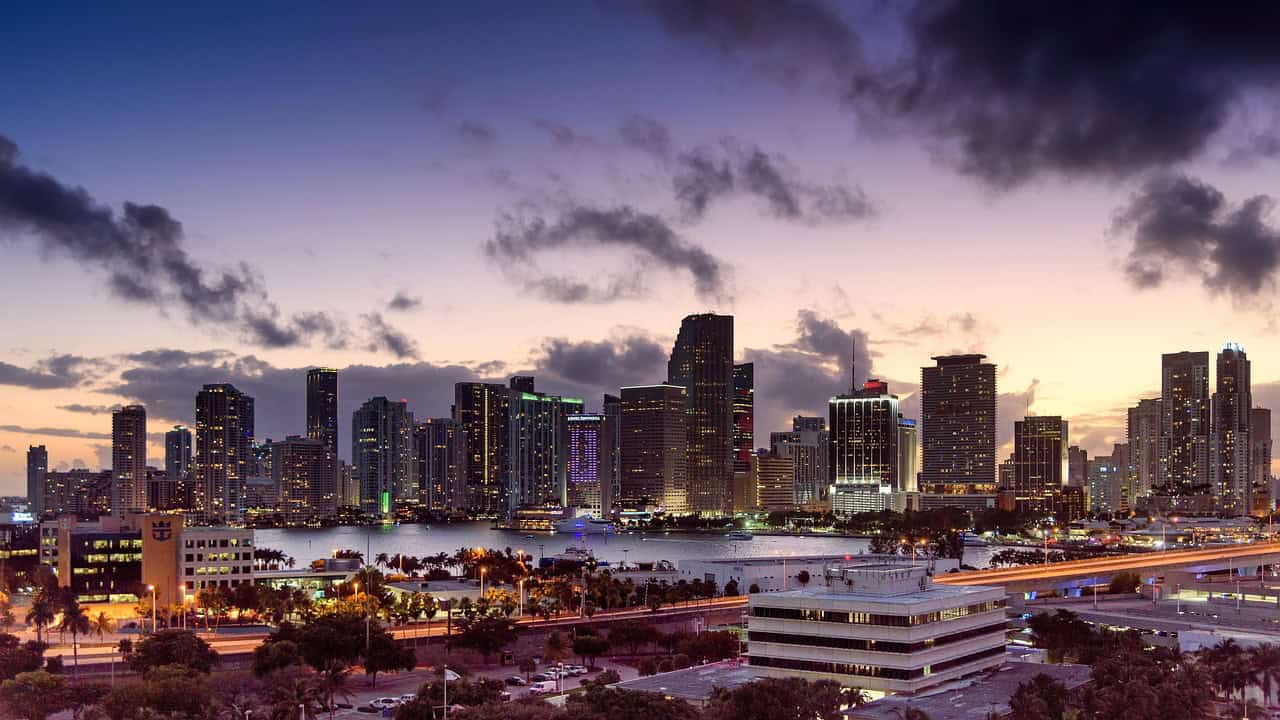
Miami gets mocked as shallow and flashy, yet it is also a bilingual crossroads with serious cultural depth, shaped by migration, reinvention, and ocean light. Art, music, and design sit alongside everyday neighborhood life, and the food tells a story of the Caribbean, Latin America, and the American South meeting in one humid, electric place that runs on small cafés as much as big nightlife. Yes, the prices and posing can be real, but so is the beauty: mangroves, sudden afternoon storms, street domino games, and communities that hold onto tradition while constantly remixing the city into something new, with stubborn joy that lingers for days.
Las Vegas, Nevada
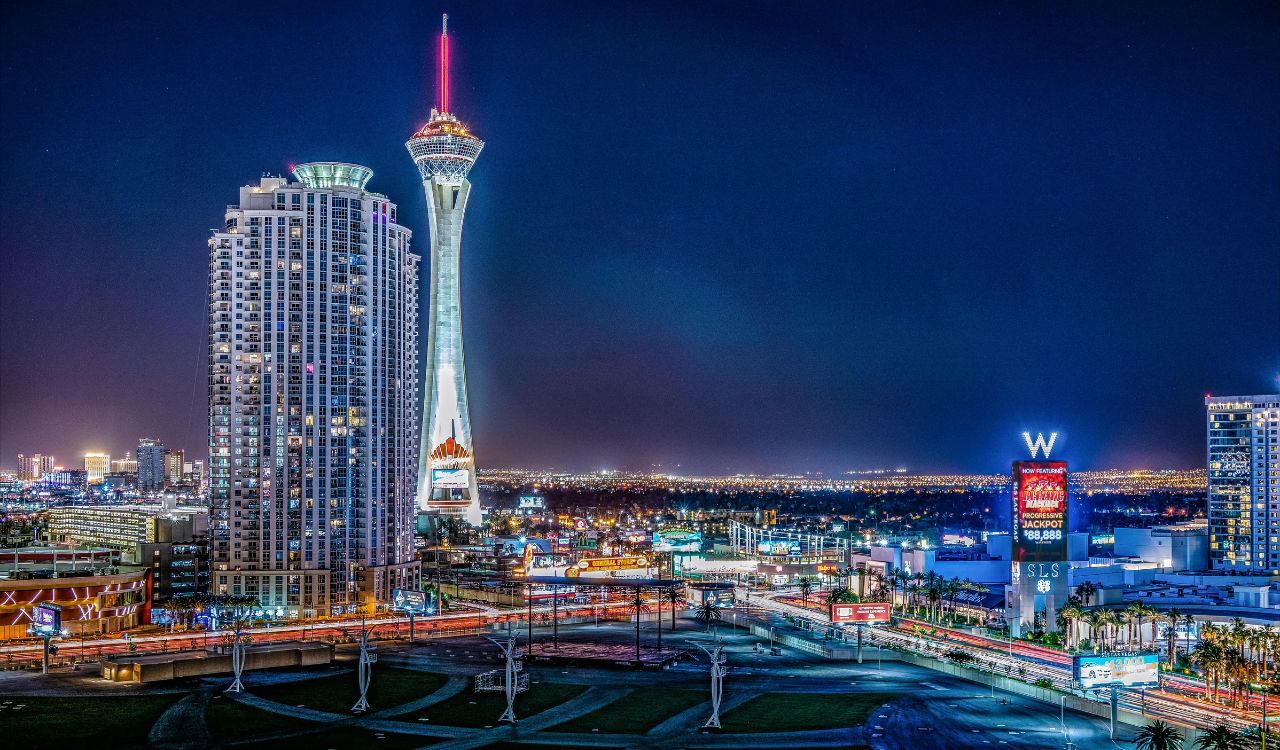
Las Vegas gets written off as a neon joke, but the city is bigger than the Strip, more local than outsiders expect, and more textured than its reputation suggests. Beyond casinos, a serious culinary scene, desert landscapes, and a growing arts district show a place learning to be a home town as much as a destination, with coffee shops, libraries, and parks that do not exist for show. Yes, the spectacle can be exhausting, yet there is underrated calm in sunrise hikes, late-night diners, and neighborhoods where service workers and creatives build a life with humor, grit, and community spirit that feels real once the lights fade for the morning.
Sacramento, California
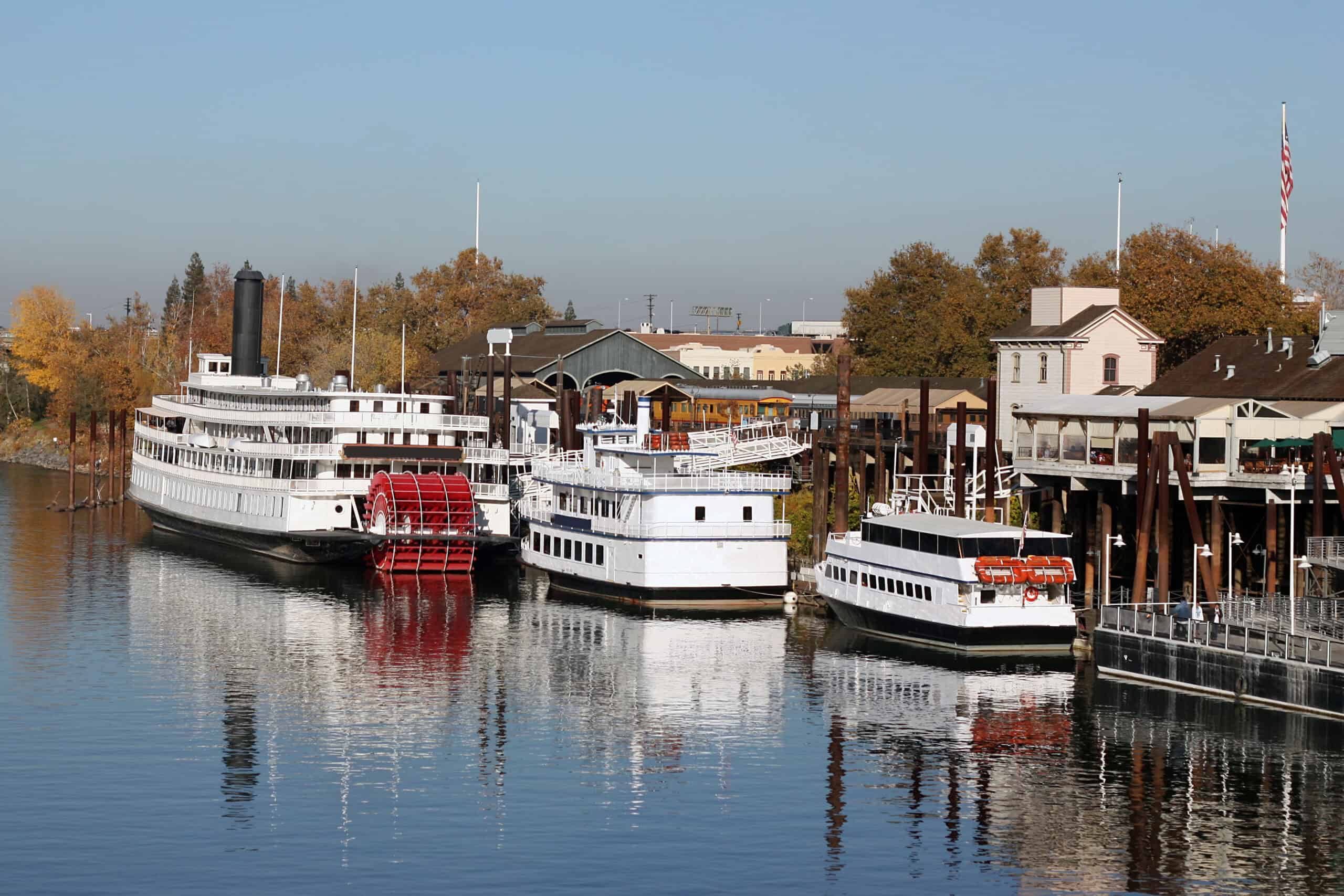
Sacramento gets treated as a bland stop between more famous California cities, but it has its own personality, history, and a quietly excellent quality of life. Tree-lined neighborhoods, river access, and a strong farm-to-table culture make the city feel grounded, and its arts and sports energy show up in pockets that stay refreshingly unpretentious. It may not chase coastal glamour, yet the pace is the point: shaded patios, weekend markets, bike paths along the water, and an easy reach to mountains, lakes, and wine country that turns Sacramento into a practical base with real charm for people who actually live there, in a low-key, lived way.
Oakland, California
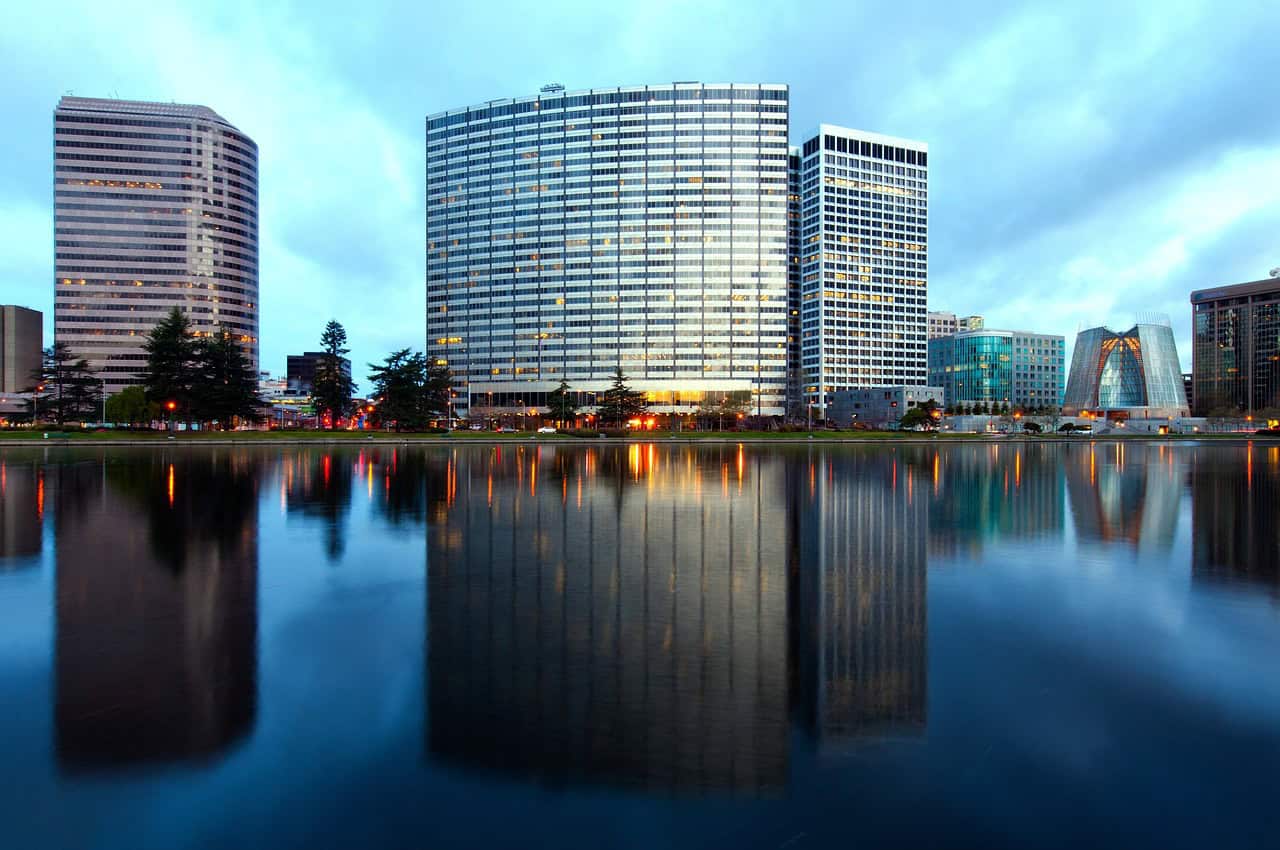
Oakland gets flattened into a single story about crime and gentrification, even though it is one of the Bay Area’s most culturally alive cities too. Its food scene reflects generations of migration, its music and arts communities stay loud and inventive, and places like Lake Merritt, the hills and the waterfront offer calm pockets that soften the city’s intensity. There are real tensions, and caution is wise, but the Oakland that locals love is about neighborhood pride, bookstores and markets, murals, small businesses, and a creative mix that refuses to live in anyone else’s shadow when stories try to drown it out online; up close, it shines.