We may earn money or products from the companies mentioned in this post. This means if you click on the link and purchase the item, I will receive a small commission at no extra cost to you ... you're just helping re-supply our family's travel fund.
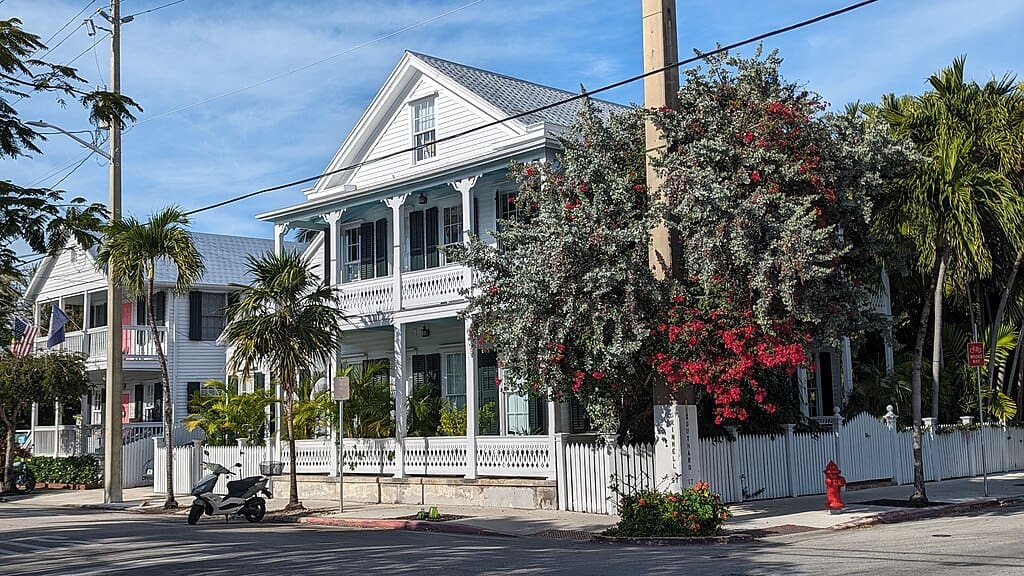
Some of America’s most beautiful small towns hide a frustrating truth behind their postcard scenery: you often spend more time stuck in a car than enjoying the view. Narrow roads, single-access highways, and enormous seasonal crowds create long, slow-moving lines that turn even short distances into patience-testing crawls. This list highlights fifteen towns where the landscapes are unforgettable, but getting around can feel like a four-hour endurance test especially on weekends or holidays.
1. Sedona, Arizona
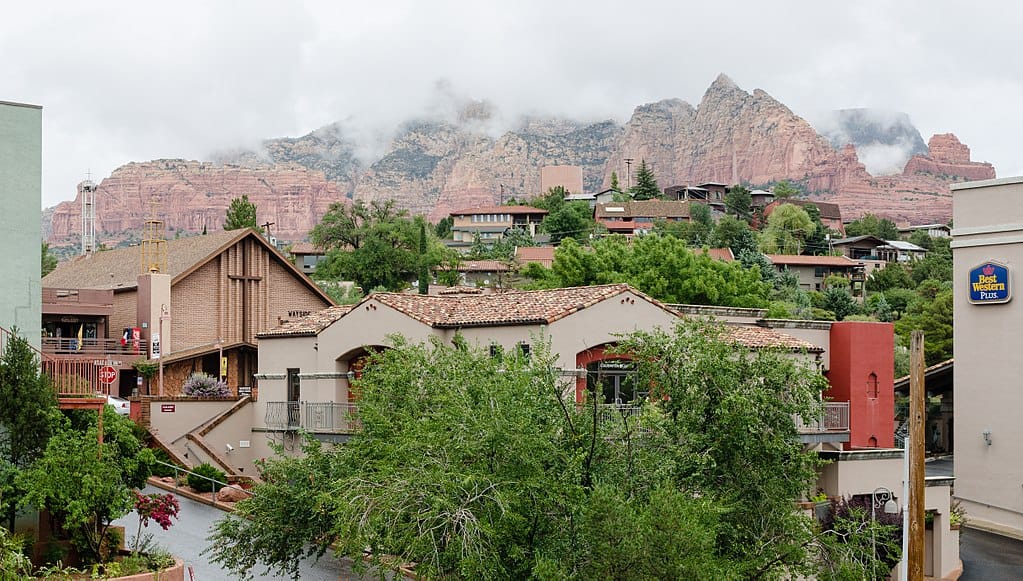
Sedona’s dramatic red-rock cliffs draw more than 3 million visitors yearly, far exceeding what its narrow roads were built to handle. A short 5-mile drive along State Route 89A can stretch past 50 minutes on busy days, especially near popular trailheads where parking fills by sunrise. With more than 200 hiking routes clustered around key intersections, traffic inevitably bottlenecks, turning simple crossings of town into slow, looping crawls that test even patient travelers.
2. Gatlinburg, Tennessee
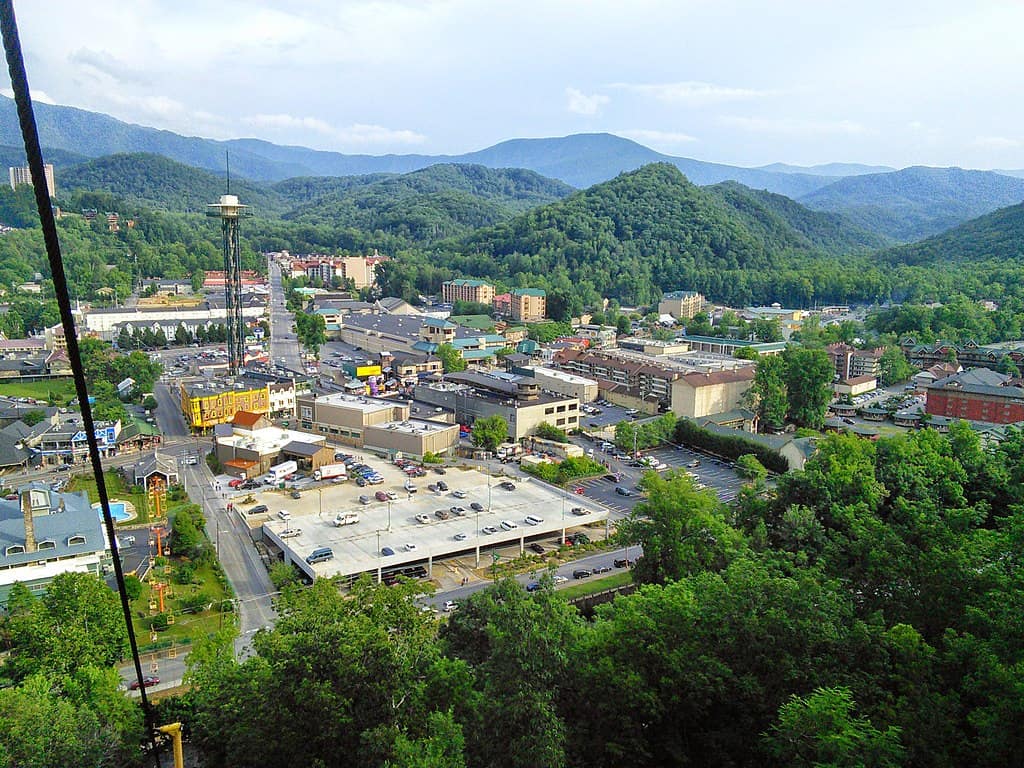
Gatlinburg welcomes over 12 million people annually, all funneled into a narrow valley with one main road running just 1.2 miles through the center. On weekends, the approach from Pigeon Forge can take 90 minutes, with vehicles stacking along the parkway toward Great Smoky Mountains National Park. Seasonal peaks, especially October, turn a normally quick pass into a long, inch-by-inch procession where parking hunts add even more congestion.
3. South Lake Tahoe, California/Nevada

South Lake Tahoe’s striking shoreline draws crowds topping 15 million visits each year, but the two-lane road circling the lake can’t keep up. A 10-mile trip along Highway 50 often takes 70–90 minutes during winter storms or summer afternoons. With only a few access routes, accidents or chain controls instantly gridlock the area, leaving drivers creeping behind long lines of cars headed to beaches, trailheads, or ski resorts.
4. Jackson, Wyoming

Jackson’s stunning access to the Tetons brings more than 4 million visitors through a town of barely 11,000 residents. US-191 acts as a single spine, meaning even small delays ripple outward. A 6-mile drive to the park boundary can balloon to 60 minutes when wildlife slowdowns or construction appear. Traffic circles near the town square clog quickly, and during peak summer weeks, backups stretch for miles on both approaches.
5. Moab, Utah

Moab hosts roughly 3.5 million annual visitors, all funneled through its tight Main Street corridor between two national parks. A straight 3-mile drive across town regularly exceeds 40 minutes in spring and fall. Long lines form at the Arches entrance sometimes 1–2 miles and spill back into town. Dozens of RVs, jeeps, and outfitter vans add bulk, turning Moab’s simple grid layout into a slow-moving river of bumper-to-bumper vehicles.
6. Bar Harbor, Maine
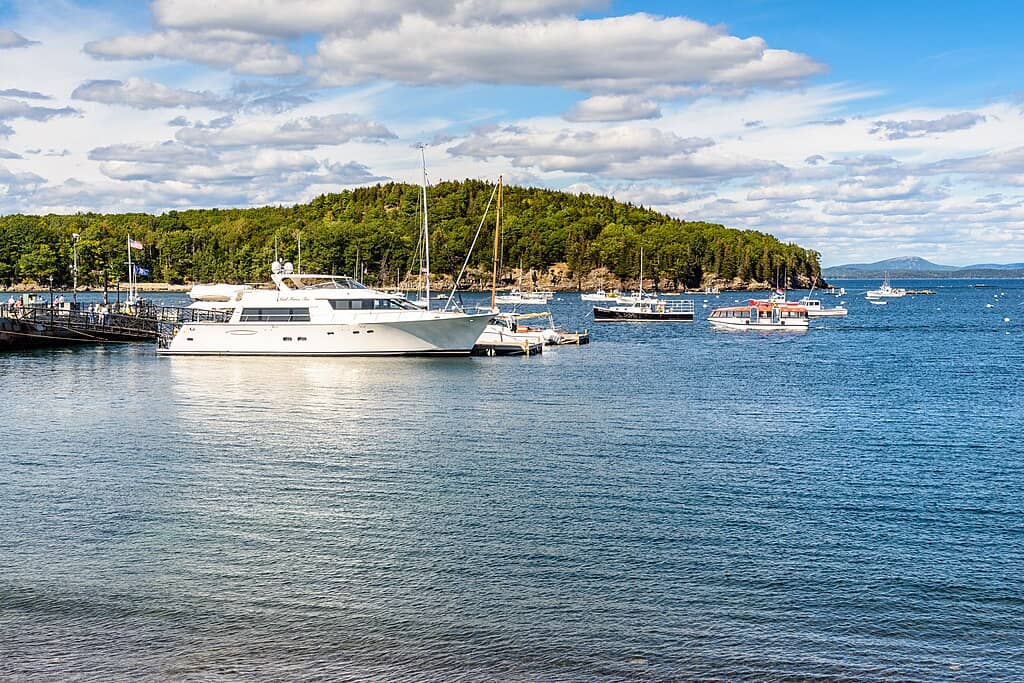
Bar Harbor’s charm and its role as the gateway to Acadia draw more than 4 million guests yearly, yet Mount Desert Island has just one primary access road. A typical 4-mile drive into town may take 45–60 minutes in July, especially when cruise ships drop thousands of passengers at once. Park Loop Road often moves at walking speed, and parking turnarounds force extra gridlock as drivers circle tight waterfront streets.
7. Estes Park, Colorado
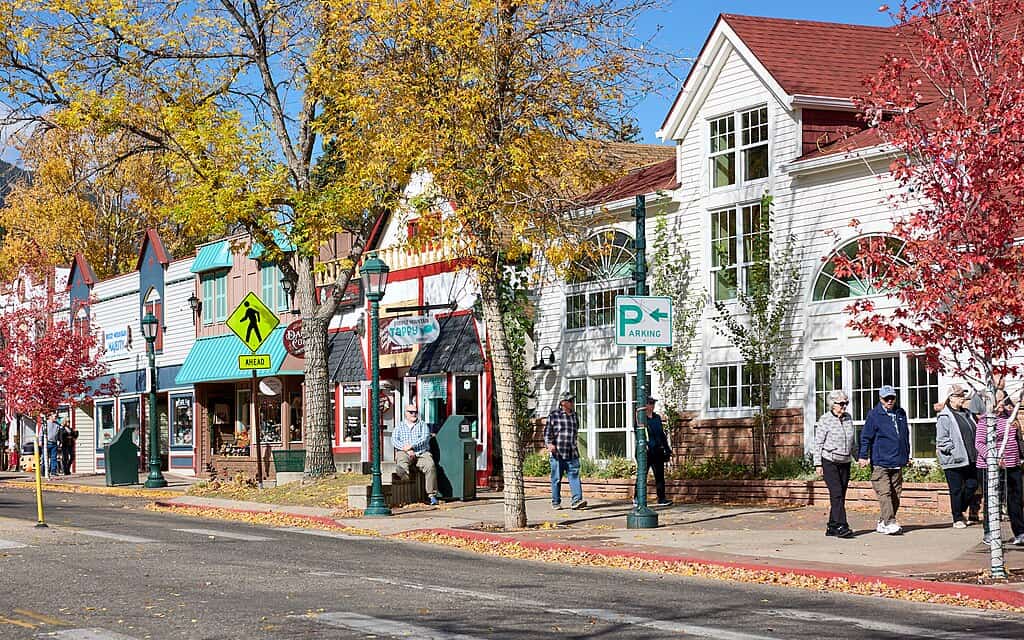
Estes Park receives close to 5 million visitors alongside Rocky Mountain National Park, overwhelming roads originally built for a fraction of that. The 7-mile approach from the Front Range can stall for 60–90 minutes on summer mornings. Entering the park adds more delay as cars queue along US-36. In town, elk crossings regularly halt traffic, turning even short hops between shops into time-consuming waits that catch newcomers off guard.
8. Leavenworth, Washington

Leavenworth attracts over 2 million visitors yearly, especially during its December lighting festival, turning its 1-mile main drag into a solid line of cars. A quick pass through town can stretch past 50 minutes, with Highway 2 backing up for several miles. Snowfall complicates matters, forcing chain requirements that slow vehicles even further. Between tour buses, festival crowds, and narrow lanes, the charming alpine façade comes with heavy congestion.
9. Breckenridge, Colorado
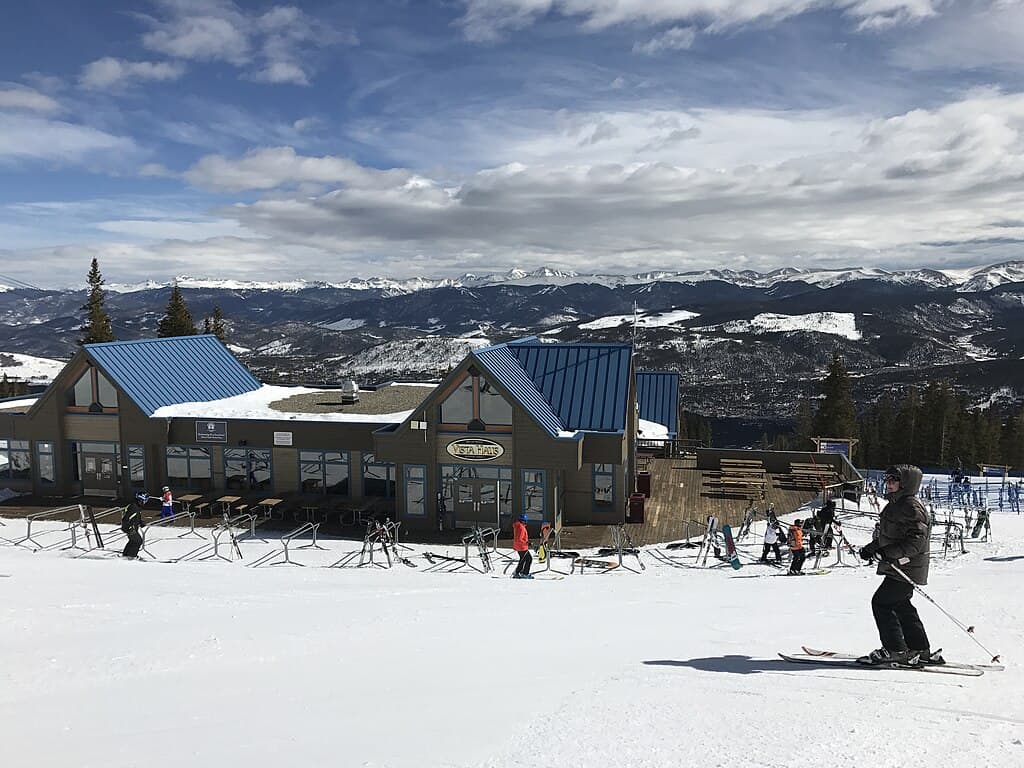
Breckenridge draws more than 1.7 million skier days each winter, and its placement along Highway 9 and I-70 creates notorious backups. A 10-mile stretch from Frisco may take 75 minutes on powder days, with brake lights stretching far across the interstate. In town, a simple 1.5-mile climb toward the resort can turn into a long slog as shuttles, private cars, and delivery trucks all compete for limited uphill space and scarce parking.
10. Helen, Georgia
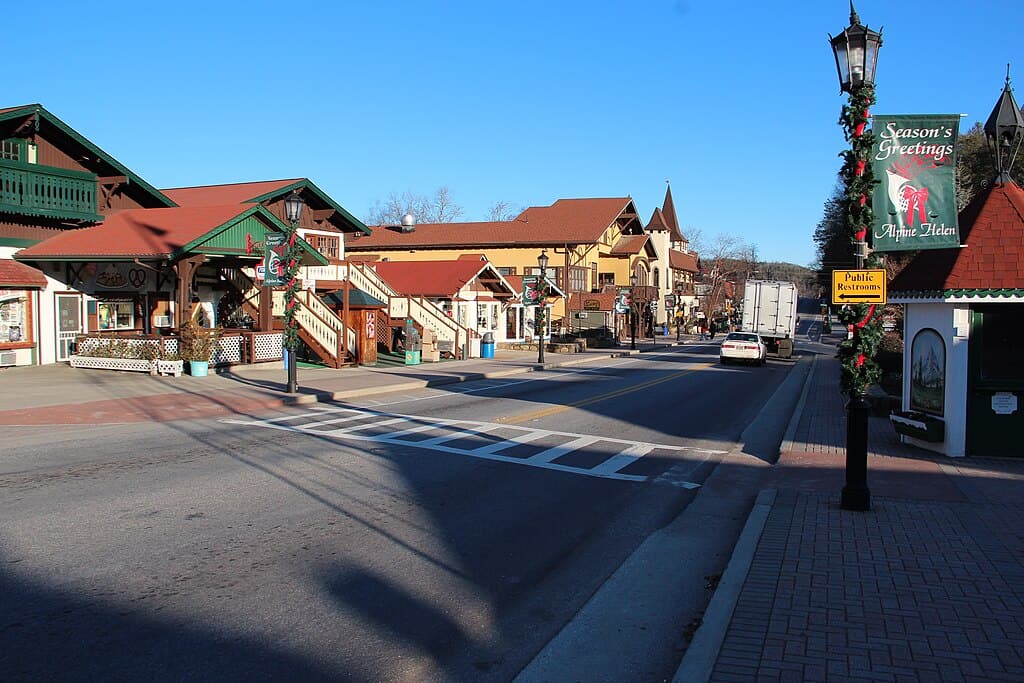
Helen attracts nearly 3 million visitors with its alpine-style buildings and tubing river, yet its core road network remains a single 3-mile corridor. On summer weekends, that short stretch often takes 45–60 minutes to cross. Leaf season in October increases the volume even more, with cars snaking along Highway 75 for miles. Limited parking forces drivers to circle repeatedly, clogging already narrow lanes that struggle with seasonal surges.
11. Park City, Utah

Park City sees over 5 million annual visits, and Old Town’s tight streets are easily overwhelmed. The 5-mile ride from the highway to Main Street can exceed 50 minutes during Sundance or peak winter weekends. Steep grades and limited detours mean even small backups compound quickly. Ski traffic, rideshares, and deliveries cluster near the same choke points, turning a compact historic district into a long, slow uphill procession.
12. Fredericksburg, Texas
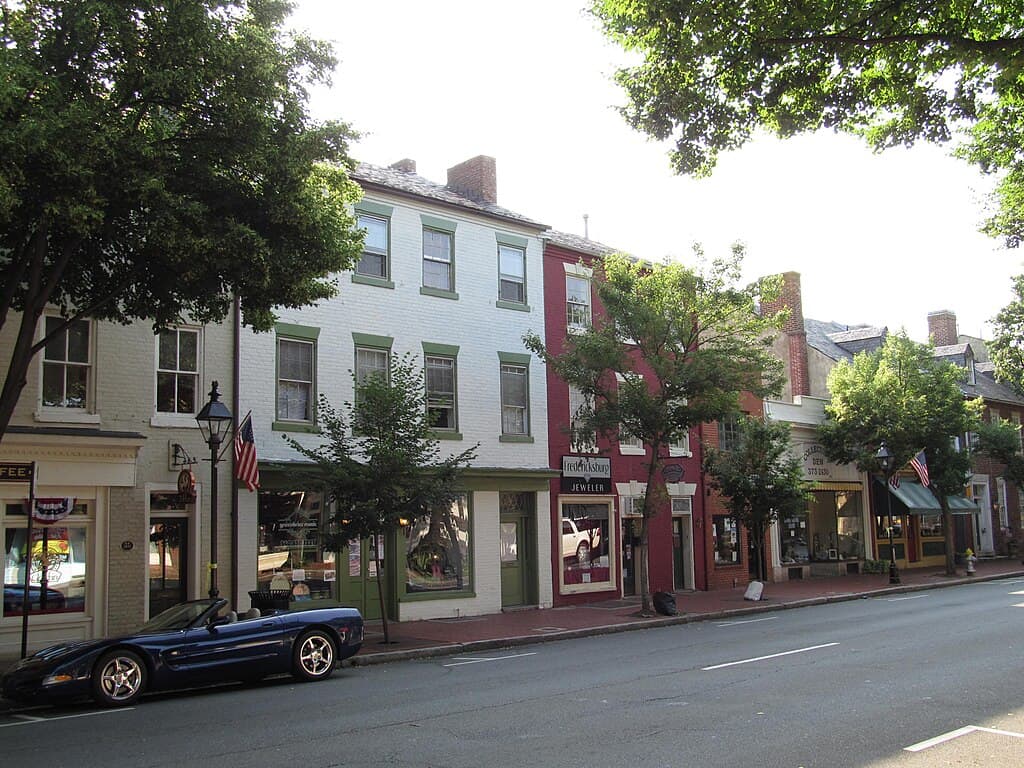
Fredericksburg’s wineries pull more than 1.5 million travelers yearly, funneling them through a 1.8-mile segment of Main Street that often requires 40–55 minutes to navigate on weekends. U.S. 290 backs up for several miles as winery buses and private cars merge into town. Festivals intensify congestion, filling every lot and forcing repeated loops that add pressure to roads never intended for such sustained tourism volumes.
13. Key West, Florida

Key West welcomes over 5 million visitors, but only one road, US-1 connects it to the mainland. The 127-mileOverseas Highway can slow to 25 mph or less for long stretches, turning the final push into hours. Once in town, a 2-mile trip from the entry point to Duval Street may require 40 minutes, with trolleys, scooters, and cruise ship crowds all feeding into the narrow island grid, leaving drivers inching forward.
14. Stowe, Vermont
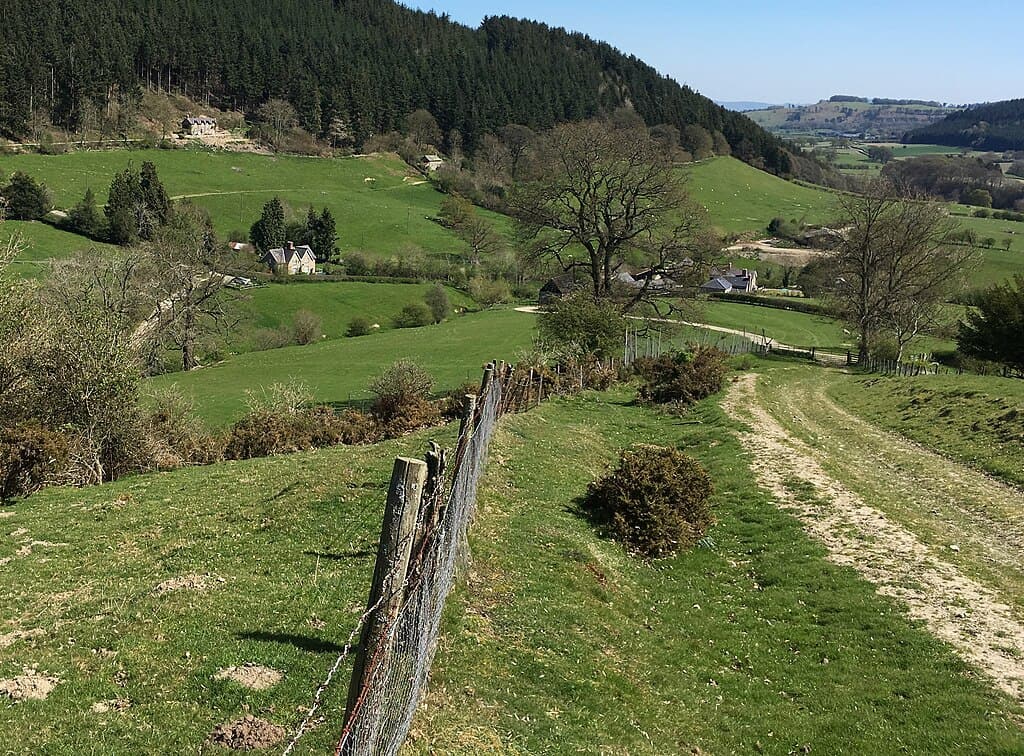
Stowe draws more than 1 million visitors, and its charming Mountain Road becomes the main conduit for nearly everyone. A 6-mile drive to the ski resort frequently exceeds 50 minutes on winter weekends. Fall foliage season compounds the issue, with Route 108 forming multi-mile queues. Limited roadside parking forces repeated turnarounds, adding extra slowdowns as cars try to squeeze into small, already overfilled pull-offs.
15. Taos, New Mexico
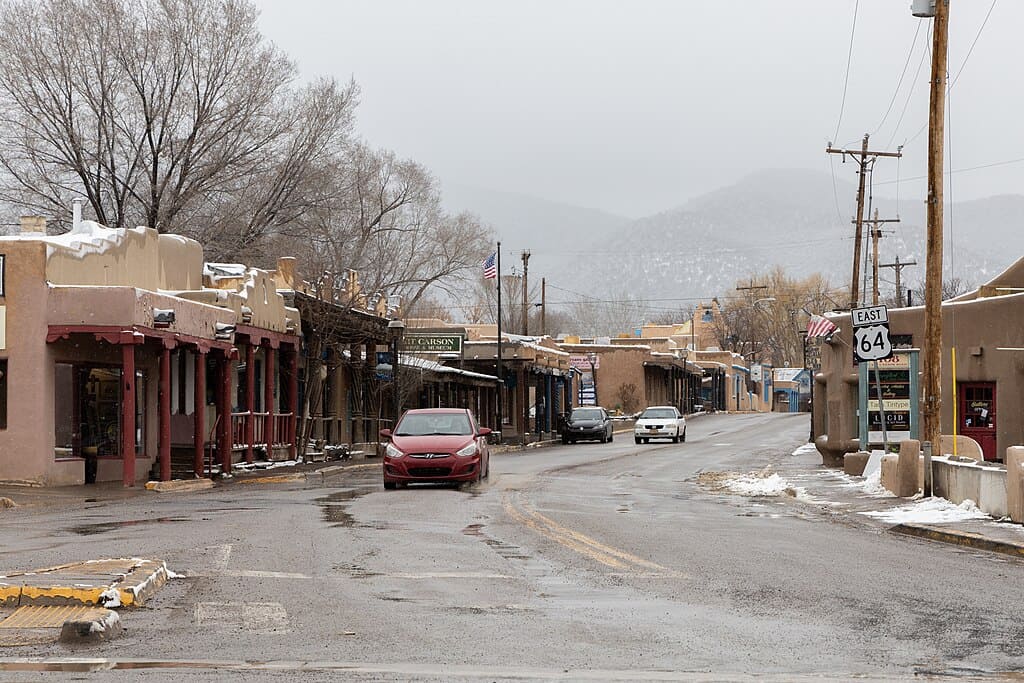
Taos sees around 1.2 million visitors each year, but its approach via the Taos Canyon on NM-68 is a narrow, winding 23-mile stretch that can clog for 90 minutes or more during ski season. In town, the 2-mile loop around the plaza slows under heavy weekend volume as drivers hunt for scarce parking. One minor stall or snow event quickly magnifies delays, turning a short trip into an unexpectedly long wait within the high-desert landscape.