We may earn money or products from the companies mentioned in this post. This means if you click on the link and purchase the item, I will receive a small commission at no extra cost to you ... you're just helping re-supply our family's travel fund.
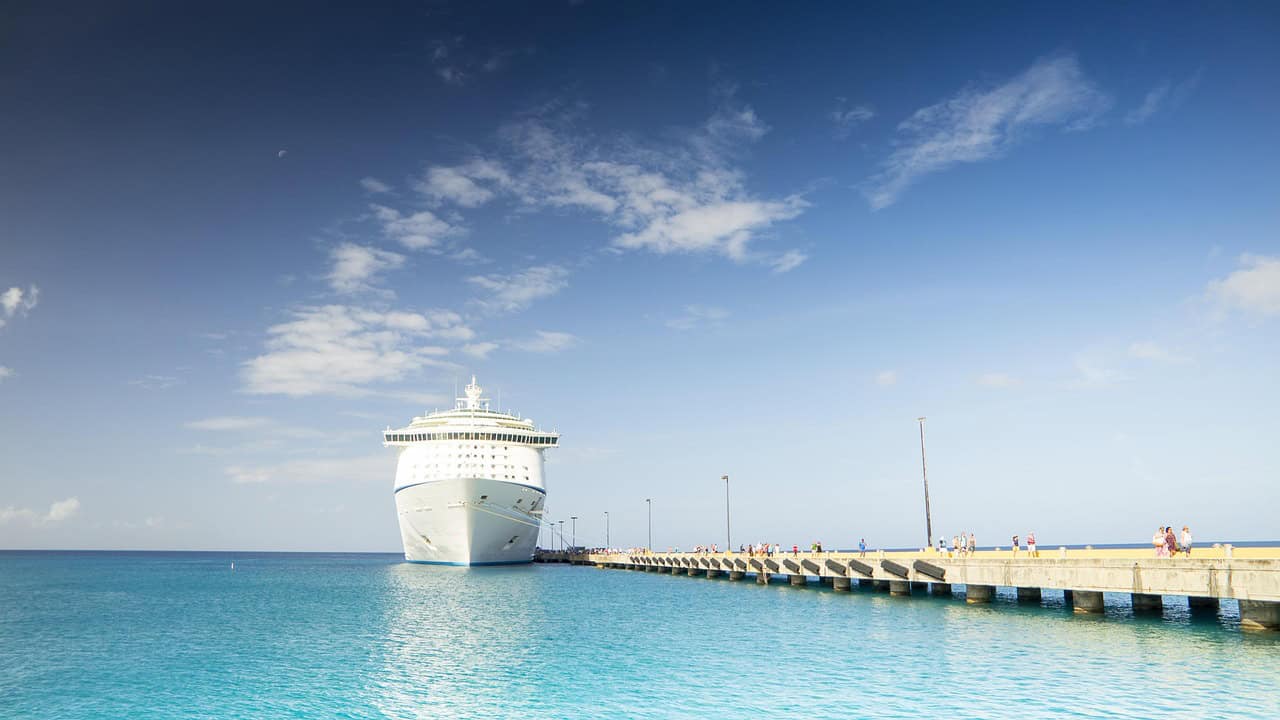
A cruise vacation promises relaxation, indulgence, and effortless travel, but the experience can quickly lose its shine when common mistakes come into play. Cruise ships operate like small, floating cities with strict schedules, safety protocols, and financial systems that many first-time and even repeat passengers underestimate. Knowing what not to do is just as important as knowing what to enjoy. The following list highlights 15 behaviors and habits that seasoned cruisers consistently avoid. Each section explains why the issue matters, what it can cost you in time or money, and how small decisions can significantly impact comfort, safety, and overall enjoyment while at sea.
1. Ignoring the Ship’s Daily Schedule
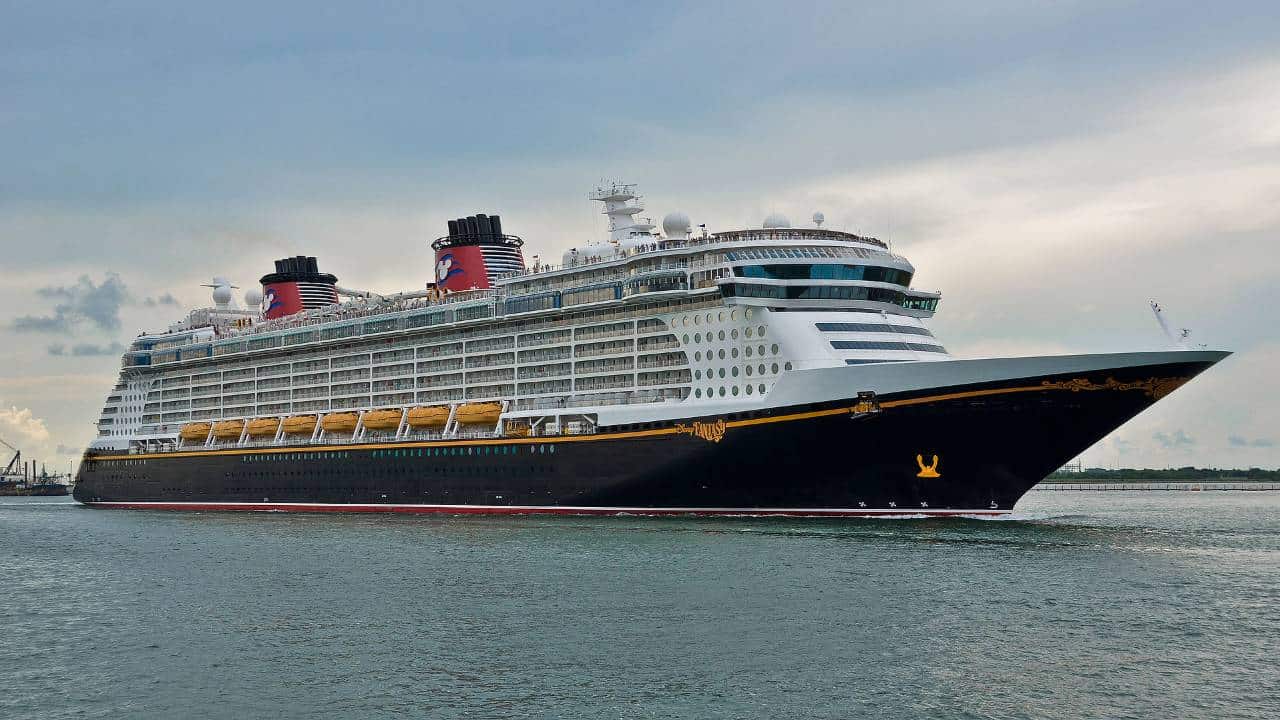
Cruise ships run on precision. Daily schedules outline dining times, port arrivals, show reservations, and onboard activities, often broken into 15–30 minute intervals. Missing these details can mean forfeiting prepaid events worth $40–$120 per person or arriving late to port departures, which typically close gangways 30–45 minutes before sail time. Ships often host over 3,000 passengers, making last-minute flexibility impossible. The daily planner also includes safety updates, weather alerts, and venue capacity limits, which are strictly enforced. Failing to review it even once per day can cost hours of lost experiences and unnecessary stress.
2. Returning Late to the Ship at Port Stops
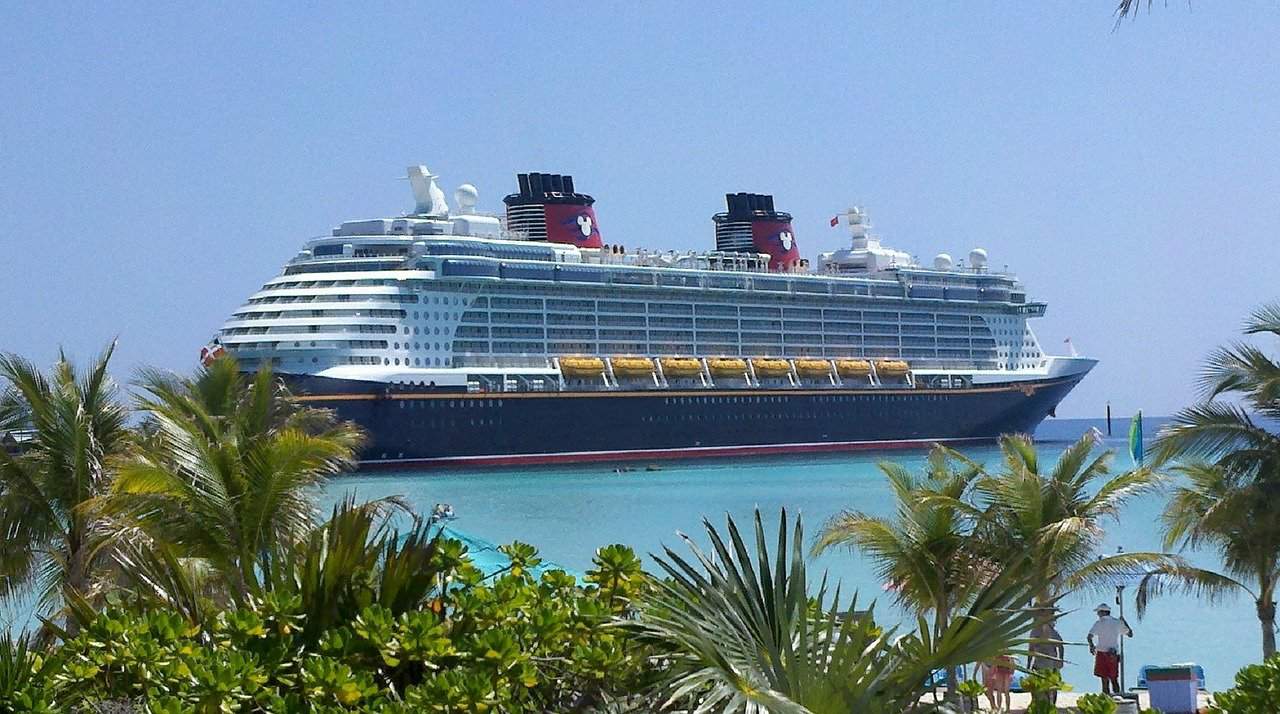
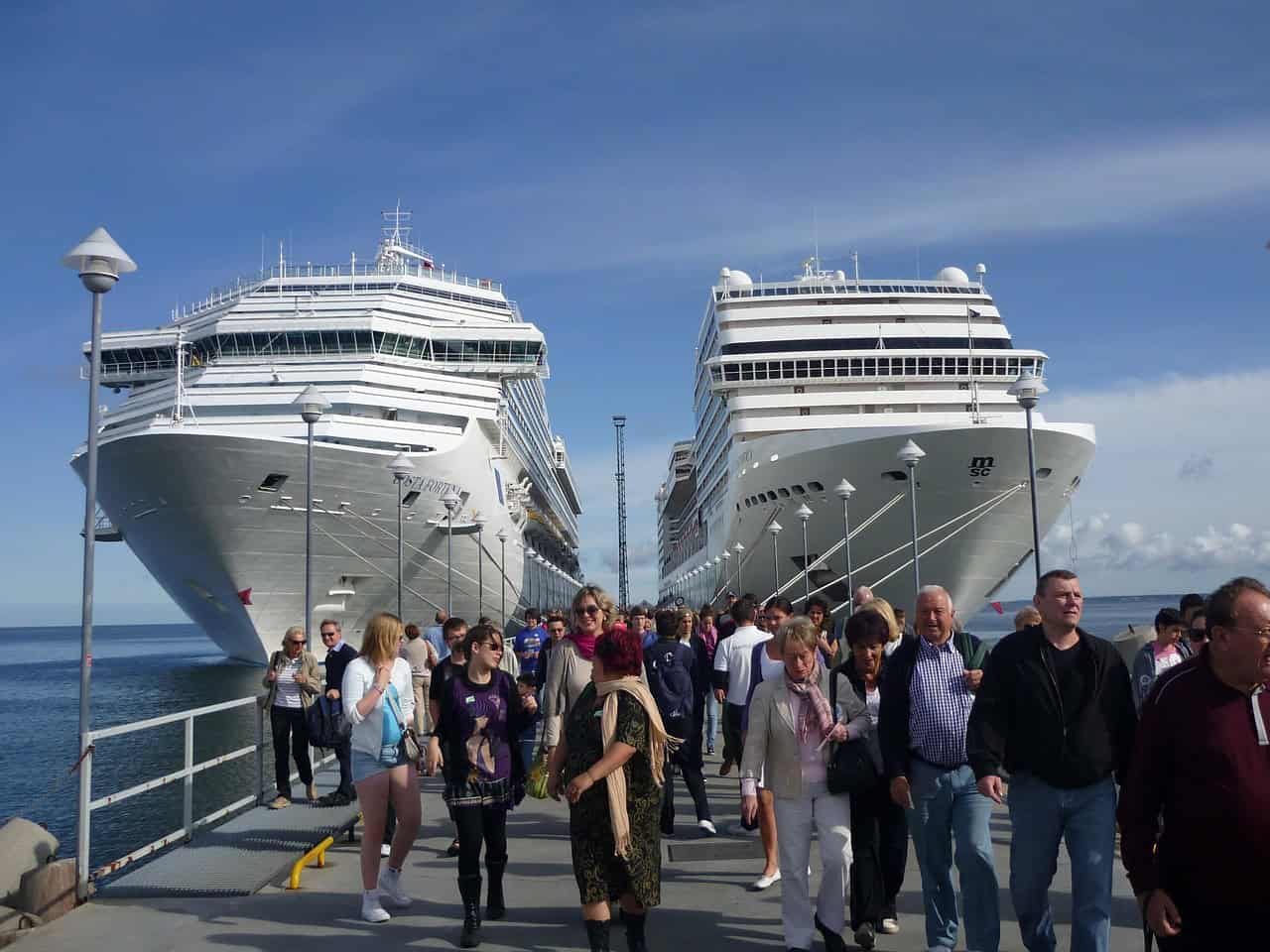
Cruise ships do not wait for late passengers, even if you miss boarding by just 5 minutes. Ports operate on international maritime schedules, and delaying departure can incur port penalties exceeding $5,000 per hour for the cruise line. Passengers left behind must independently arrange travel to the next port, often costing $300–$1,500 in flights, visas, and transport. On average, ships dock for only 6–10 hours per port, with final boarding times set well before departure. Relying on local taxis or unscheduled tours increases risk, especially in unfamiliar cities.
3. Overpacking for a Small Cabin
Most standard cruise cabins measure between 160 and 200 square feet, including the bathroom. Bringing oversized luggage or more than 2 suitcases per person quickly overwhelms limited storage space. Closets are typically under 24 inches deep, and beds often allow clearance for only one medium-sized suitcase underneath. Overpacking also slows embarkation and disembarkation, with luggage delivery sometimes delayed by 3–5 hours. Additionally, airlines servicing cruise ports often charge $35–$75 per extra bag, making excessive packing both inconvenient and expensive.
4. Skipping the Mandatory Muster Drill
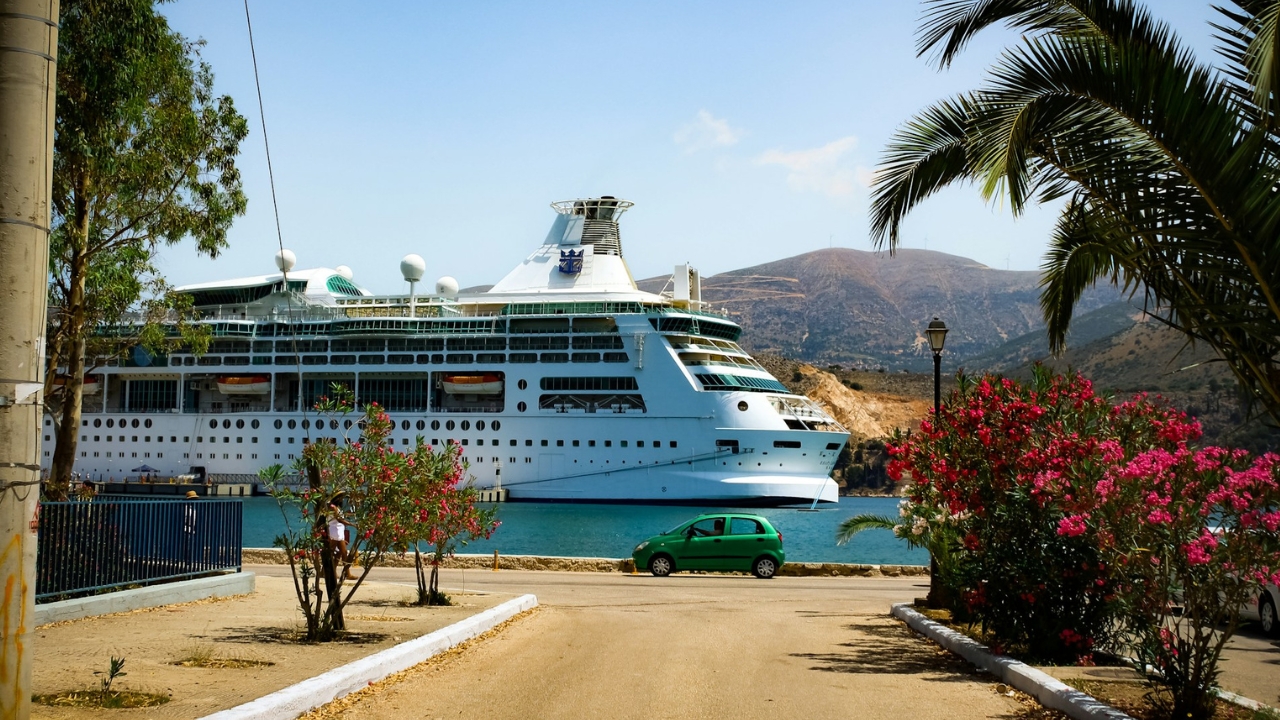
Muster drills are legally required by international maritime law and must be completed by 100% of passengers before departure. These drills typically last 15–20 minutes and explain evacuation routes, life jacket use, and emergency signals. Skipping the drill can result in warnings, fines, or even denial of sailing. In rare emergency situations, response times matter; ships aim to complete full evacuations within 30 minutes. Passengers unfamiliar with procedures significantly slow this process, increasing risk for everyone onboard.
5. Leaving Valuables Unsecured in the Cabin
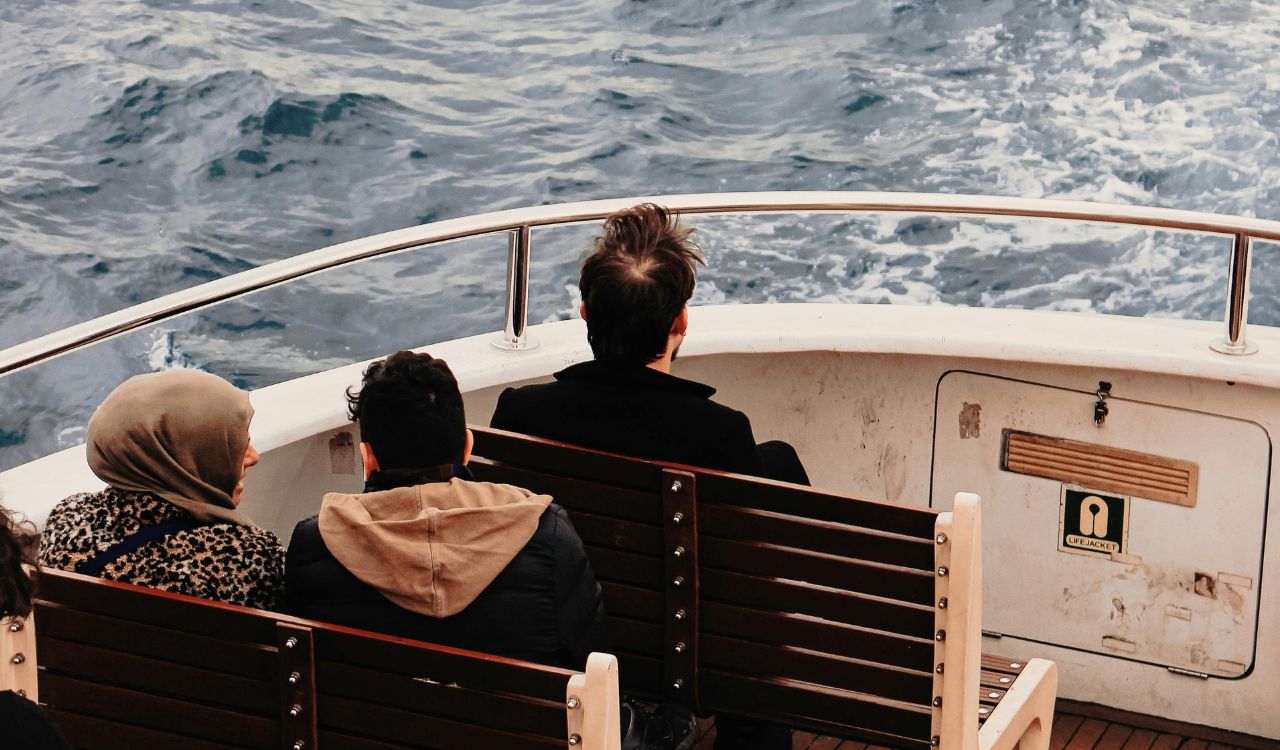
While cruise ships are generally safe, theft does occur, particularly on ships carrying 4,000–6,000 passengers. Items most commonly reported missing include cash, passports, jewelry, and electronics valued between $200 and $2,000. Cabin safes are free and designed to store items up to laptop size. Housekeeping staff access cabins multiple times daily, and doors are often left unlocked unintentionally. Replacing a lost passport abroad can take 2–5 days and cost over $150, potentially cutting the cruise short.
6. Spending Heavily on Day-One Promotions
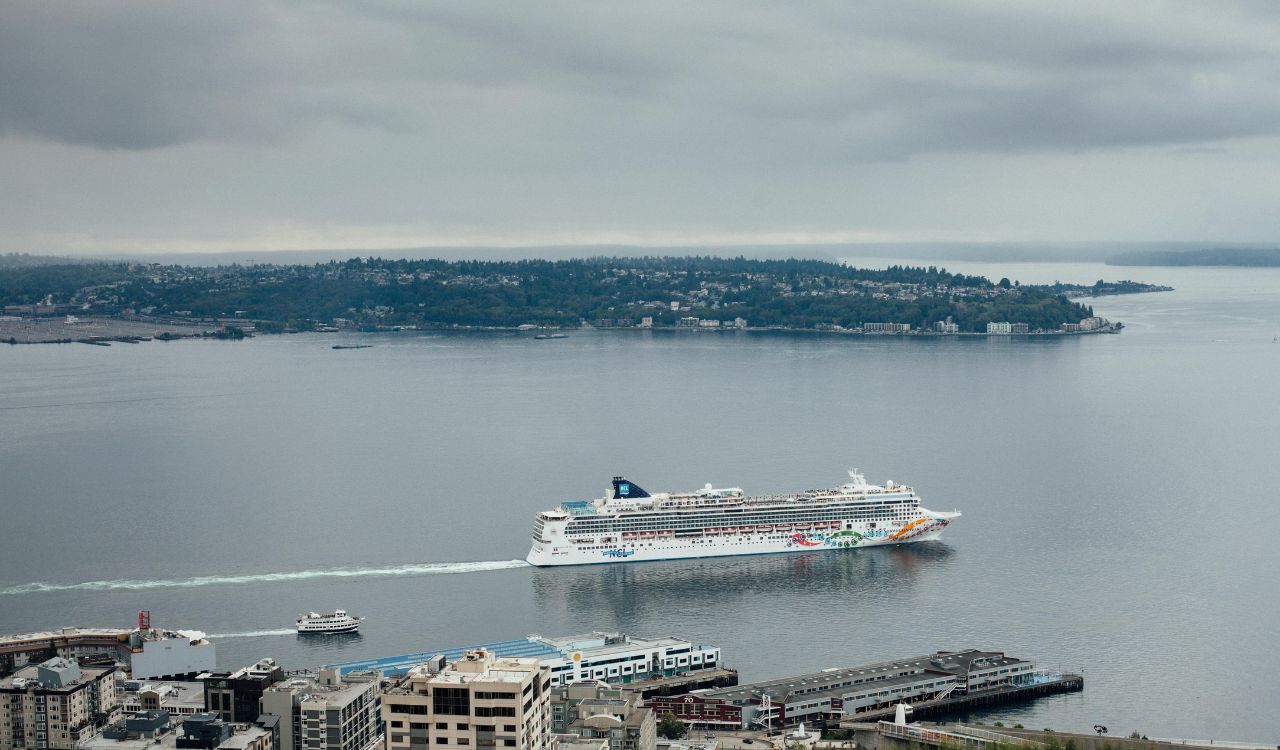
First-day sales often create urgency but rarely offer the best value. Cruise data shows spa services can drop 20–40% by mid-voyage, while specialty dining discounts of up to $25 per couple frequently appear after day two. Shore excursions also fluctuate, with underbooked tours discounted closer to port days. Passengers who commit early often overspend by $200–$400 per sailing. Waiting allows you to assess energy levels, weather, and personal interests before committing to nonrefundable activities.
7. Overindulging Without Proper Hydration

Cruise ships encourage indulgence, but dehydration is one of the most common onboard medical issues. Alcohol consumption increases by an average of 30–50% on cruises, while sun exposure and sea air accelerate fluid loss. Medical centers report headaches, dizziness, and nausea frequently linked to low hydration rather than illness. Passengers are advised to drink at least 2–3 liters of water daily. Medical visits for dehydration can cost $150–$300, often not covered by basic travel insurance.
8. Disregarding Dining and Dress Codes
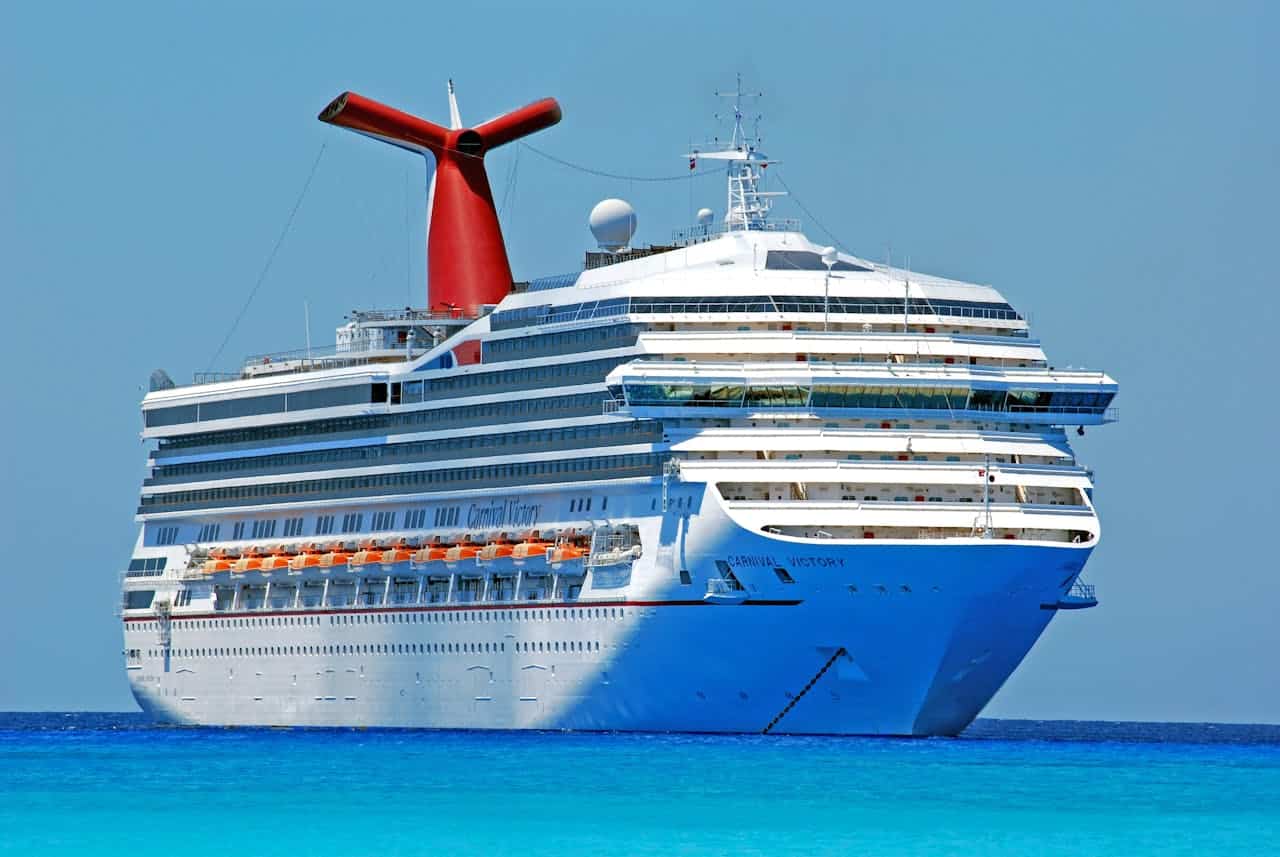
Cruise dining venues follow specific dress guidelines, particularly for main dining rooms and specialty restaurants. On formal nights, which typically occur once or twice on a 7-night cruise, attire standards are enforced. Passengers improperly dressed may be turned away, losing reservations valued at $40–$70 per person. Casual venues also enforce footwear rules for safety. Checking dress codes in advance prevents embarrassment, wasted time, and the need for last-minute onboard purchases, where clothing prices can be 20–60% higher than on land.
9. Treating Crew Members Disrespectfully
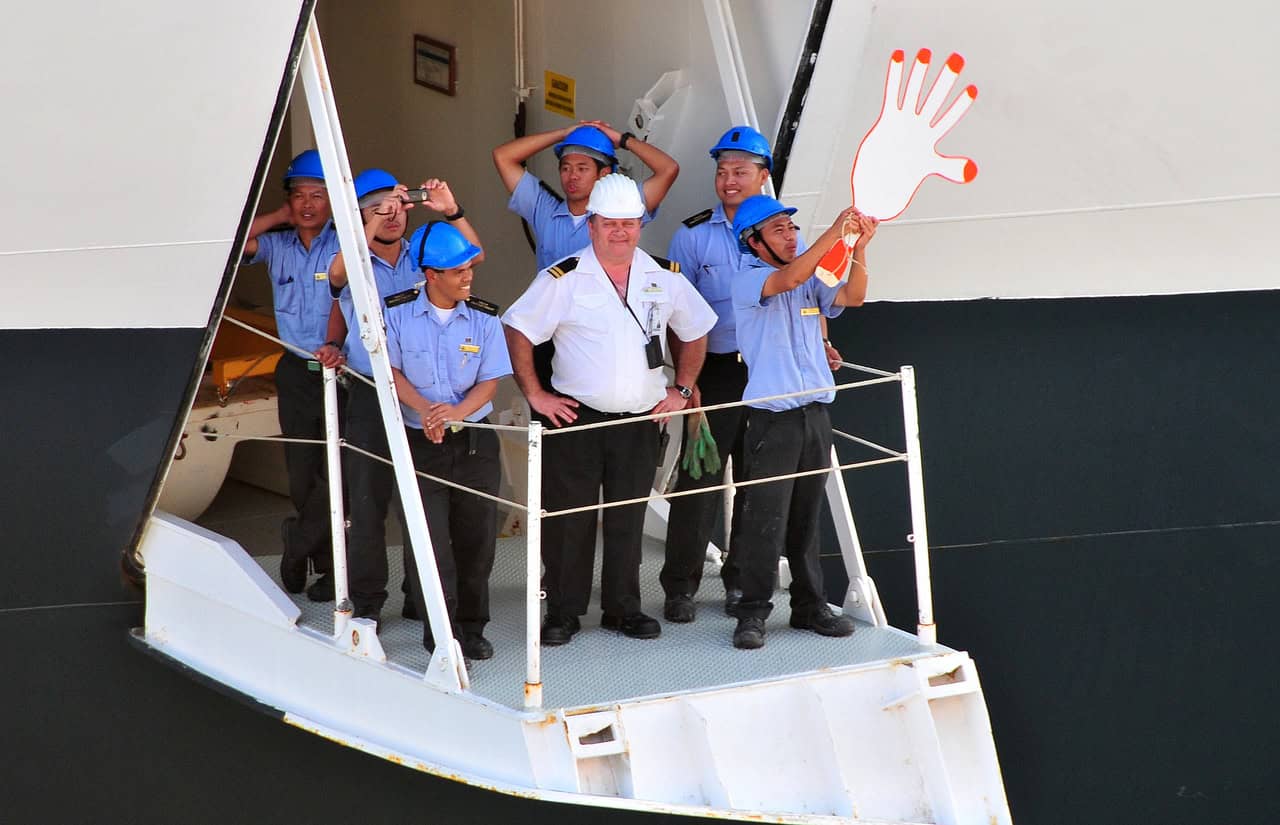
Cruise crew members often work 10–14 hour shifts for contracts lasting 6–9 months without days off. Gratuities, averaging $14–$20 per passenger per day, make up a significant portion of their income. Disrespectful behavior can lead to formal warnings or denial of service in extreme cases. Positive interactions, however, often result in better service, priority assistance, and personal attention. Cruise lines track passenger conduct digitally, and repeated complaints can affect future booking privileges.
10. Relying Solely on Elevators During Peak Hours

Elevators become heavily congested during peak times such as post-show periods or meal hours, often adding 10–15 minutes of waiting per trip. Large ships may carry over 5,000 passengers but operate fewer than 20 guest elevators. Using stairs for 1–3 deck changes can save up to 30 minutes per day. Staircases are clearly marked and air-conditioned, making them a faster and healthier alternative, especially during high-traffic periods.
11. Booking Shore Excursions Without Research
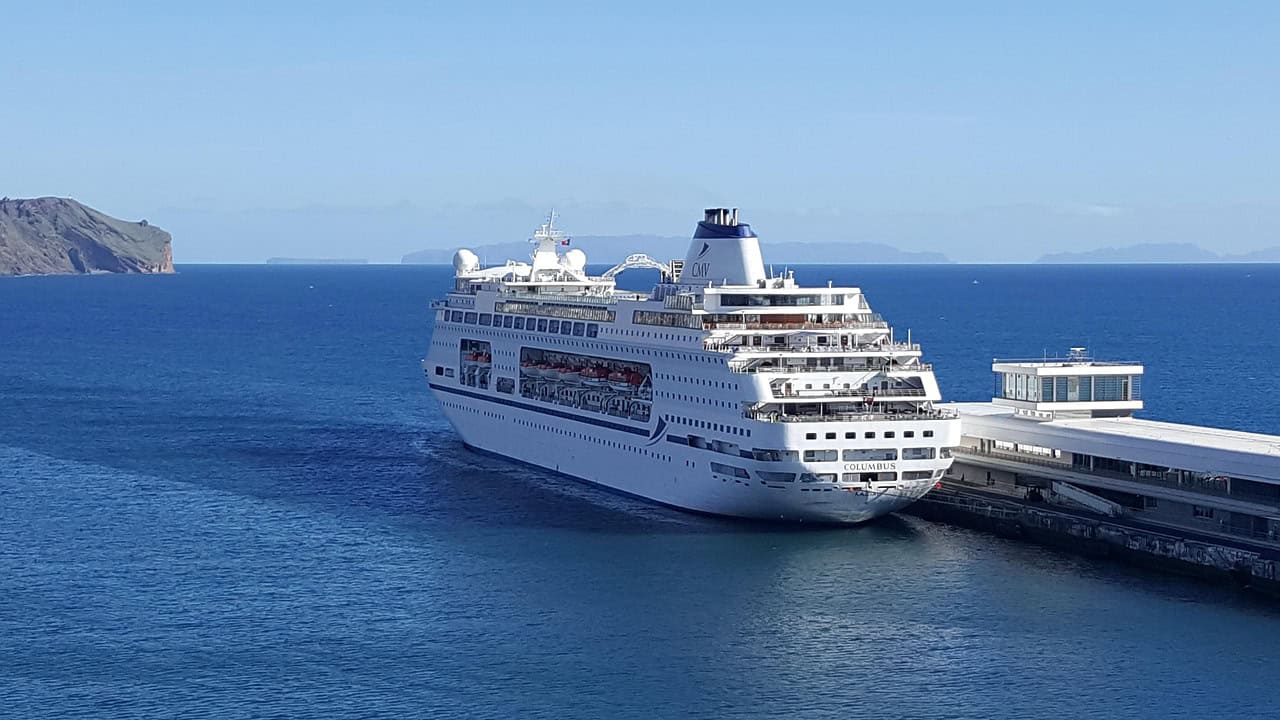
Not all shore excursions suit every traveler. Tours may involve 4–6 hours of walking, long bus rides, or physical exertion exceeding expectations. Poorly chosen excursions account for a high percentage of onboard complaints. Prices range from $50 to over $300 per person, often nonrefundable. Reviewing duration, physical ratings, and reviews helps avoid fatigue and disappointment. Ship-sponsored tours guarantee return to the ship, while independent tours do not, increasing risk if delays occur.
12. Ignoring Seasickness Prevention
Even modern ships can experience motion, especially in open seas. Seasickness affects approximately 25–30% of passengers at least once per cruise. Preventive measures like medication, acupressure bands, or cabin placement midship can reduce symptoms significantly. Waiting until symptoms appear often prolongs recovery, leading to lost days. Onboard remedies cost $5–$20, while medical consultations can exceed $200. Preparation before sailing is far more effective than reactive treatment.
13. Violating Pool, Balcony, or Safety Rules

Safety rules onboard are strictly enforced due to legal and insurance requirements. Running near pools, climbing railings, or throwing items overboard can result in fines up to $500 or removal from the cruise at the next port. Overboard incidents trigger costly search operations averaging $1–2 million per event. Balcony misuse is especially dangerous, with falls accounting for some of the most serious cruise-related injuries. Rules exist to prevent irreversible consequences.
14. Losing Track of Onboard Spending
Cruise ships operate on cashless systems, making it easy to overspend without noticing. Daily incidental expenses; drinks, Wi-Fi, photos, and specialty dining can add $50–$100 per day per person. Many passengers are surprised by final bills exceeding $700–$1,200 on a week-long cruise. Monitoring your onboard account daily helps control costs. Budget-conscious travelers who track spending report saving 20–30% compared to those who do not.
15. Treating the Cruise Only as a Party
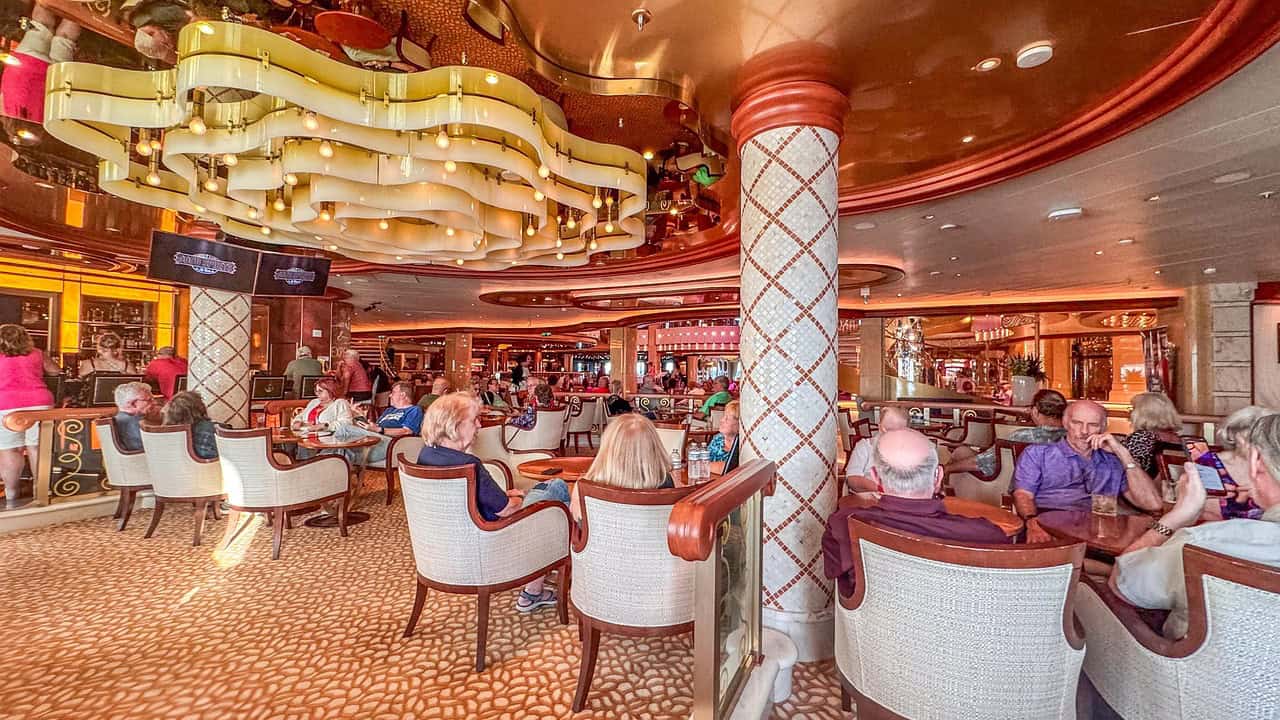
While nightlife is a highlight, cruises also offer enrichment lectures, destination talks, and scenic moments that many passengers overlook. Studies show travelers who balance entertainment with relaxation and learning report 25% higher satisfaction. Activities like sunrise deck walks, cultural presentations, and quiet observation areas enhance the journey. Overemphasizing partying often leads to fatigue, missed ports, and reduced enjoyment. A cruise is a layered experience, not just a floating nightclub.