We may earn money or products from the companies mentioned in this post. This means if you click on the link and purchase the item, I will receive a small commission at no extra cost to you ... you're just helping re-supply our family's travel fund.
Some places seem to pulse with their own rhythm, where weather, wildlife, music, and human ritual meet in ways that sharpen every sense. Aliveness is not only about biodiversity or crowd energy. It is about intensity of presence: reef systems that move like cities, deserts that bloom overnight, markets that run on memory and improvisation, and migration routes older than borders. These 15 places span continents and climates, but each one carries that same feeling: life unfolding at full volume, with no need to perform for anyone.
Great Barrier Reef, Australia
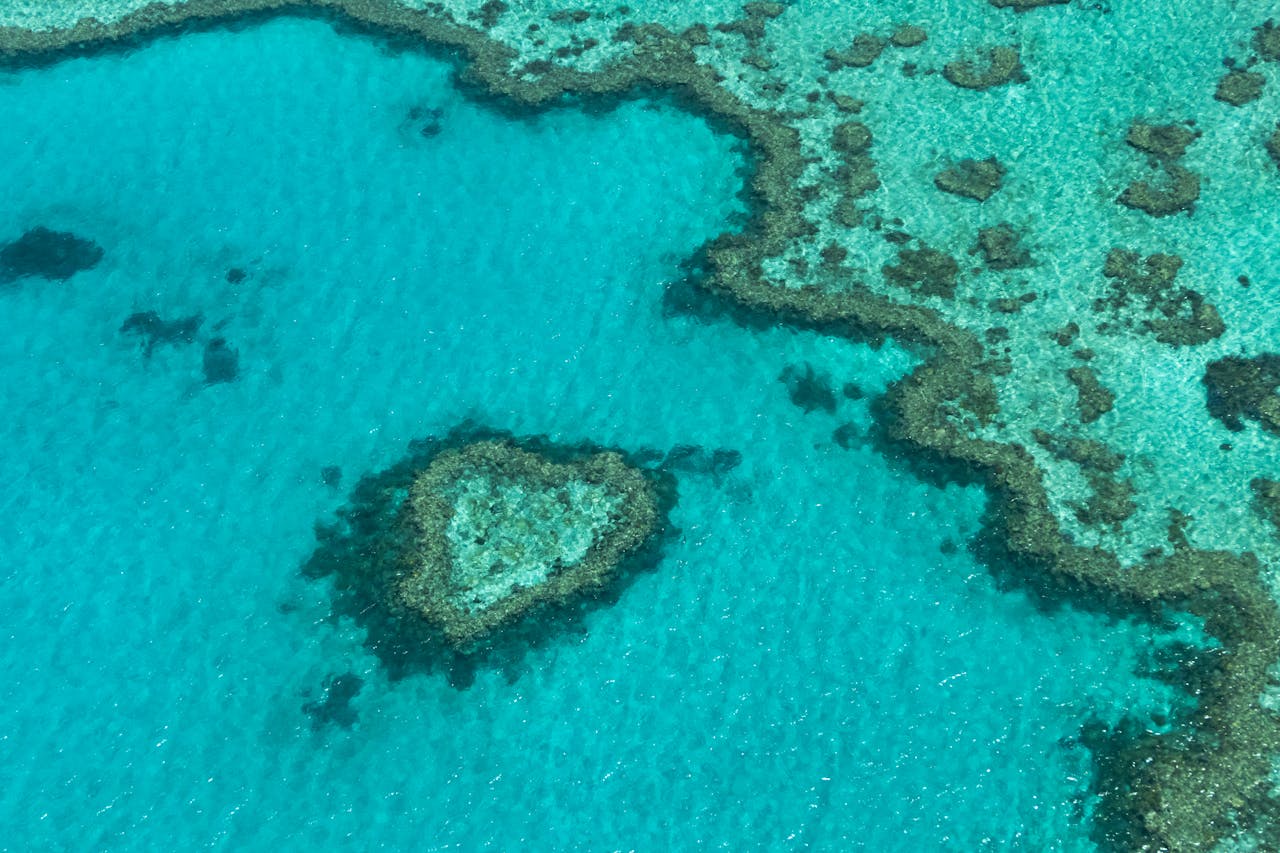
The Great Barrier Reef feels alive at every scale. From above, it reads as giant geometry in turquoise water. Under the surface, it becomes a crowded, kinetic world of coral structures, fish schools, turtles, and shifting light. UNESCO describes it as the world’s largest collection of coral reefs, and that scale is exactly what changes perception. This is not one scenic spot. It is an entire marine civilization stretching beyond the horizon, constantly building, feeding, sheltering, and changing in real time.
Serengeti National Park, Tanzania
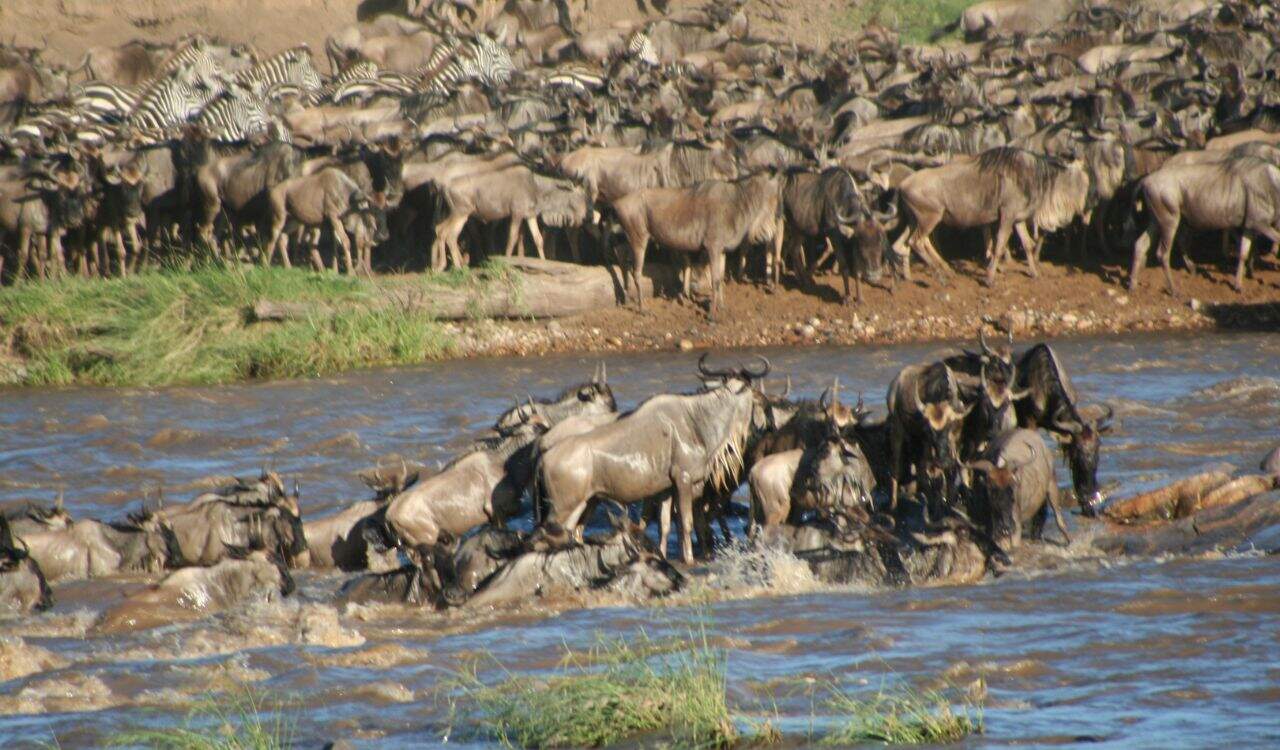
In the Serengeti, movement is the landscape. Herds, predators, and birds turn open grasslands into a living system where timing matters as much as terrain. UNESCO highlights the region’s global importance, and its broader natural heritage material identifies the Serengeti migration as the largest terrestrial mammal migration on Earth. What makes the place unforgettable is not only wildlife density, but continuity: cycles repeating across generations, with rain, grass growth, and instinct holding the whole ecosystem together.
Galápagos Islands, Ecuador
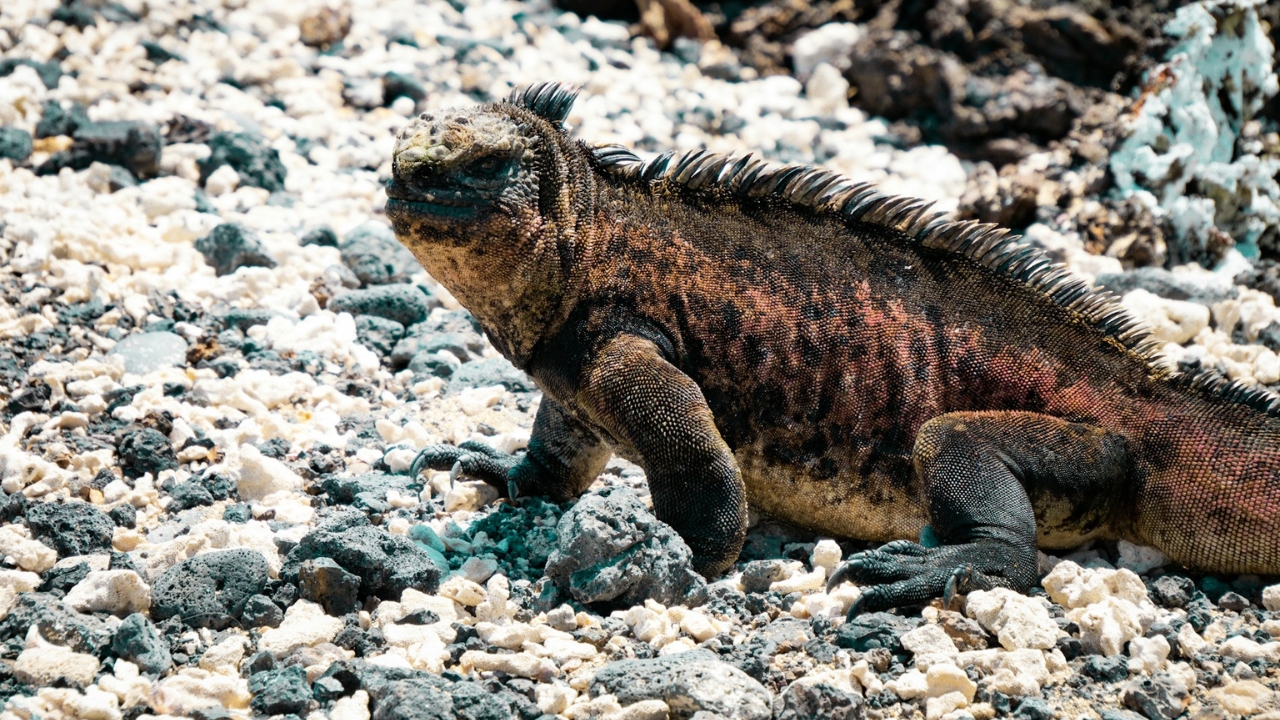
The Galápagos feel alive in a different register: close-range, evolutionary, and strangely intimate. UNESCO calls the islands and marine reserve a living museum and showcase of evolution, and that phrase fits the experience. Species interactions feel visible, not abstract, from marine iguanas on lava to seabirds in constant aerial traffic. Nothing here feels decorative. The islands operate like a field lab still in motion, where adaptation is not history in a textbook, but a present-tense force written into rock, tide, and behavior.
Iguaçu Falls, Brazil And Argentina
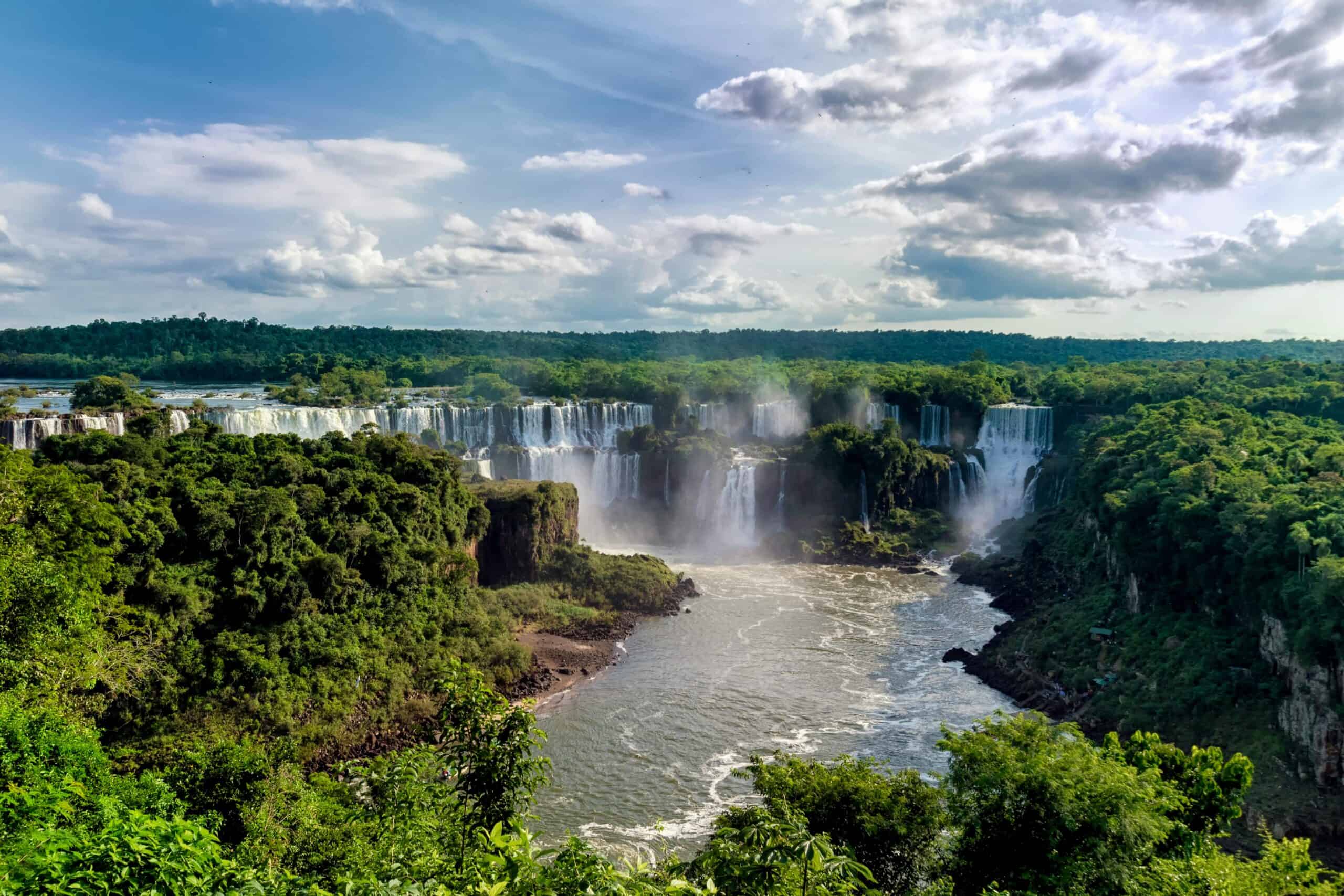
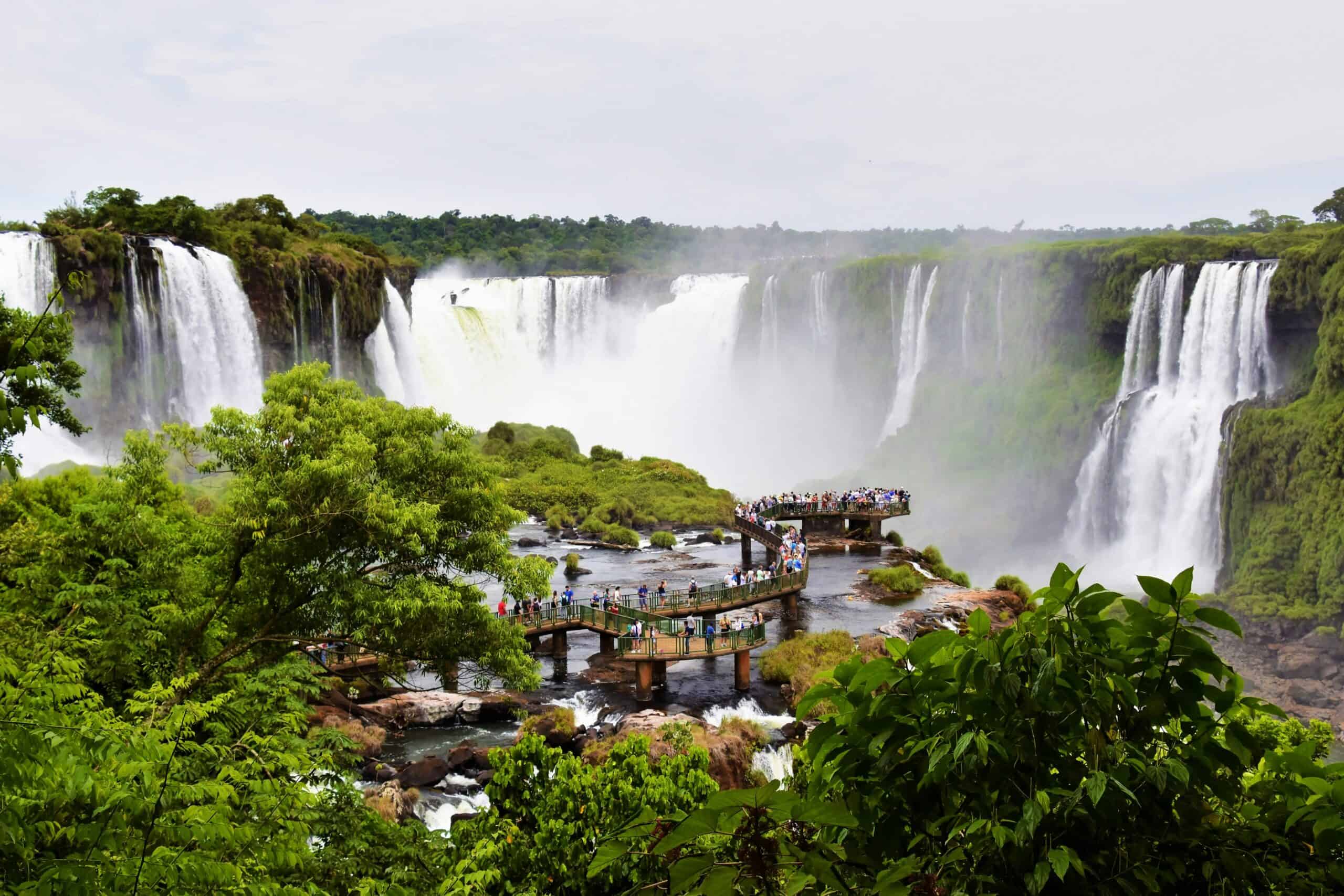
Iguaçu is one of those places where sound arrives before the full view. UNESCO describes the park as among the world’s most visually and acoustically stunning natural sites, and that dual intensity defines it. Water does not simply fall here. It roars, atomizes, and remakes the air into mist and light. The surrounding Atlantic Forest adds dense green pressure around the cascades, so the scene feels less like a viewpoint and more like an active weather event that never really stops.
Okavango Delta, Botswana
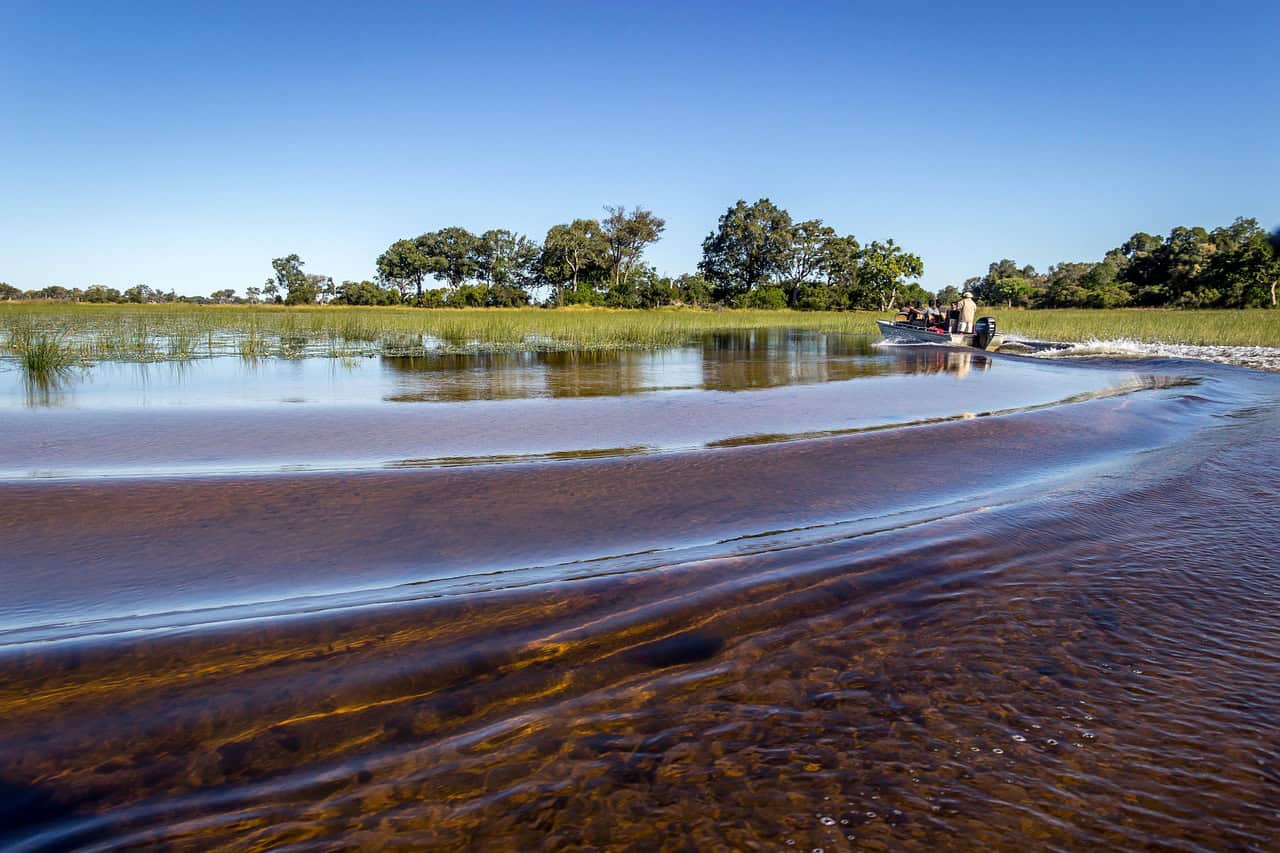
The Okavango Delta feels alive because water moves against expectation. Instead of draining to the sea, seasonal floods spread inland, turning dry land into channels, lagoons, and temporary islands that reshape wildlife movement every year. Hippos carve paths, elephants cross shallows, and birdlife tracks new edges as habitats expand and contract. The energy is subtle but constant, defined by pulse rather than spectacle. It is a rare place where hydrology writes the social calendar for nearly every species present, including people living at its margins.
Amazon Basin, South America
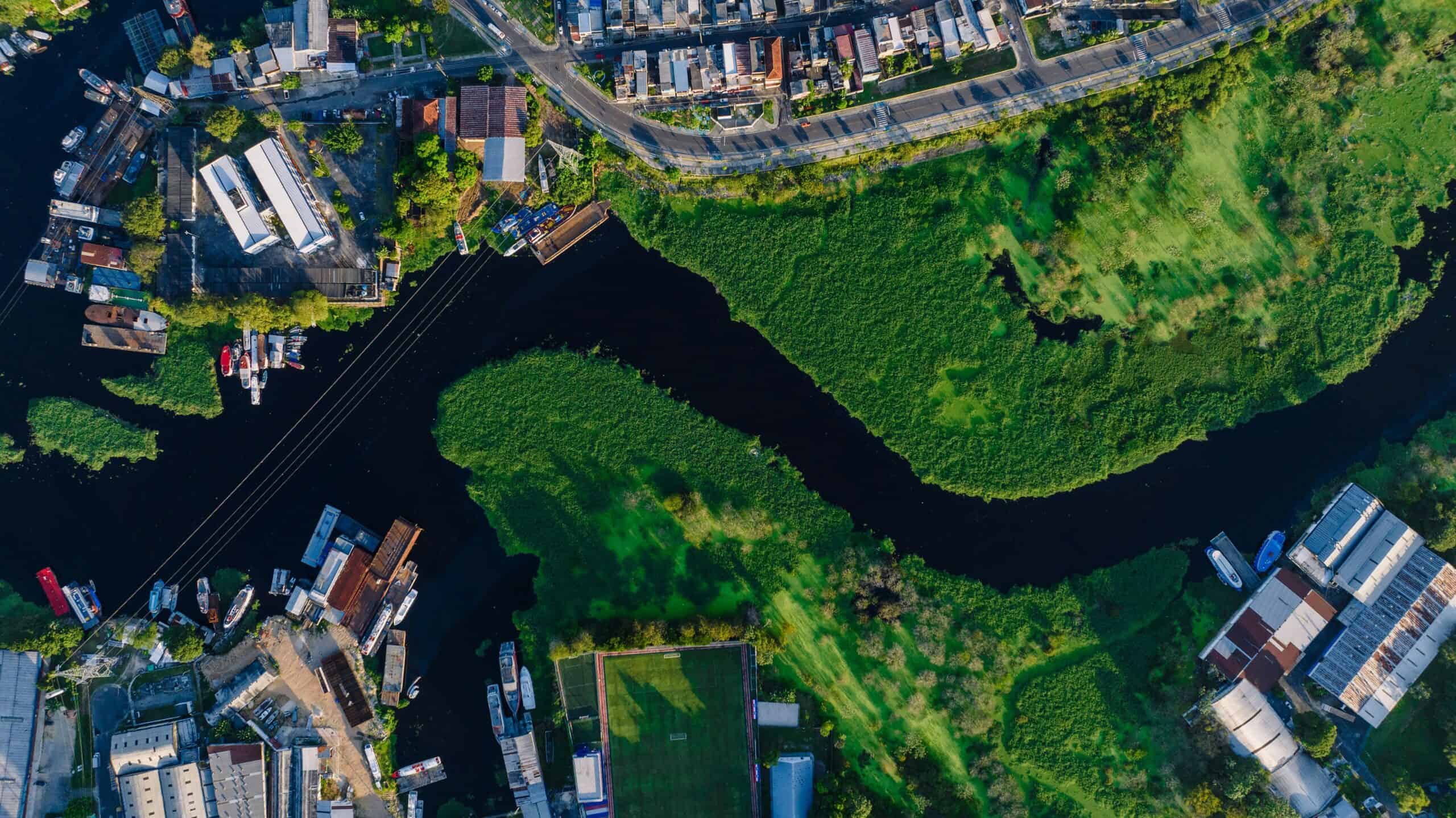
The Amazon does not announce itself with one landmark. Its aliveness is cumulative, layered, and almost overwhelming: insects, amphibians, canopies, floodplains, and weather systems feeding each other across vast distance. Even short stays can feel dense with sound and motion, especially at dawn and dusk when the forest shifts gear. What stands out is scale without emptiness. Every level holds activity, from river surface to emergent trees. It feels like standing inside a process rather than a place, where no silence lasts long and no boundary stays fixed for long either.
Yellowstone National Park, United States
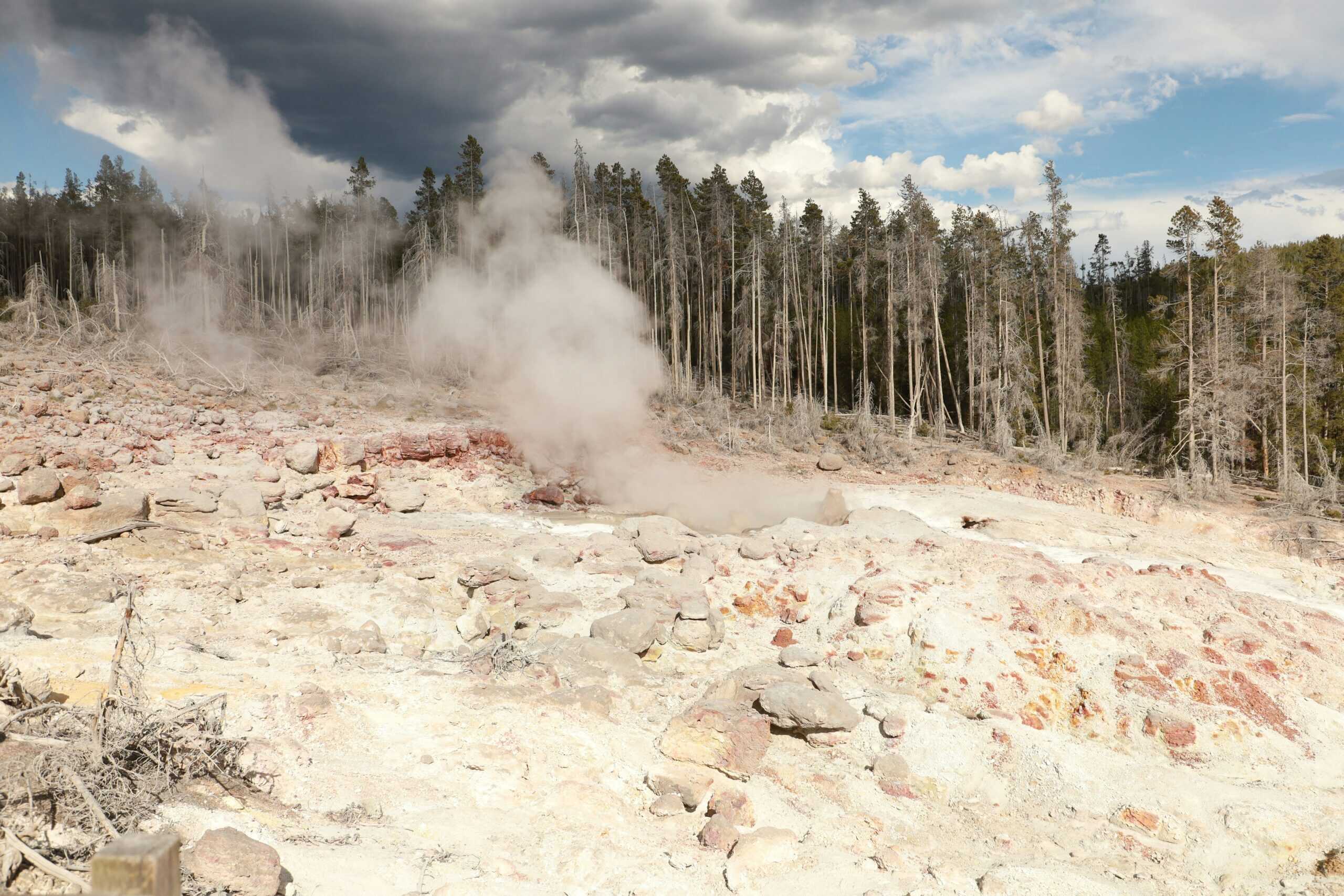
Yellowstone feels alive because geology and biology are both visibly active at once. Geysers vent, hot springs steam in mineral color, and bison move through meadows that can look calm until a storm line crosses the plateau. The park’s rhythm is seasonal but never static, with wolves, elk, bears, and thermal features shaping different forms of attention throughout the day. It is one of the few landscapes where deep time and immediate weather share the same frame, and both feel close enough to touch.
Masai Mara, Kenya
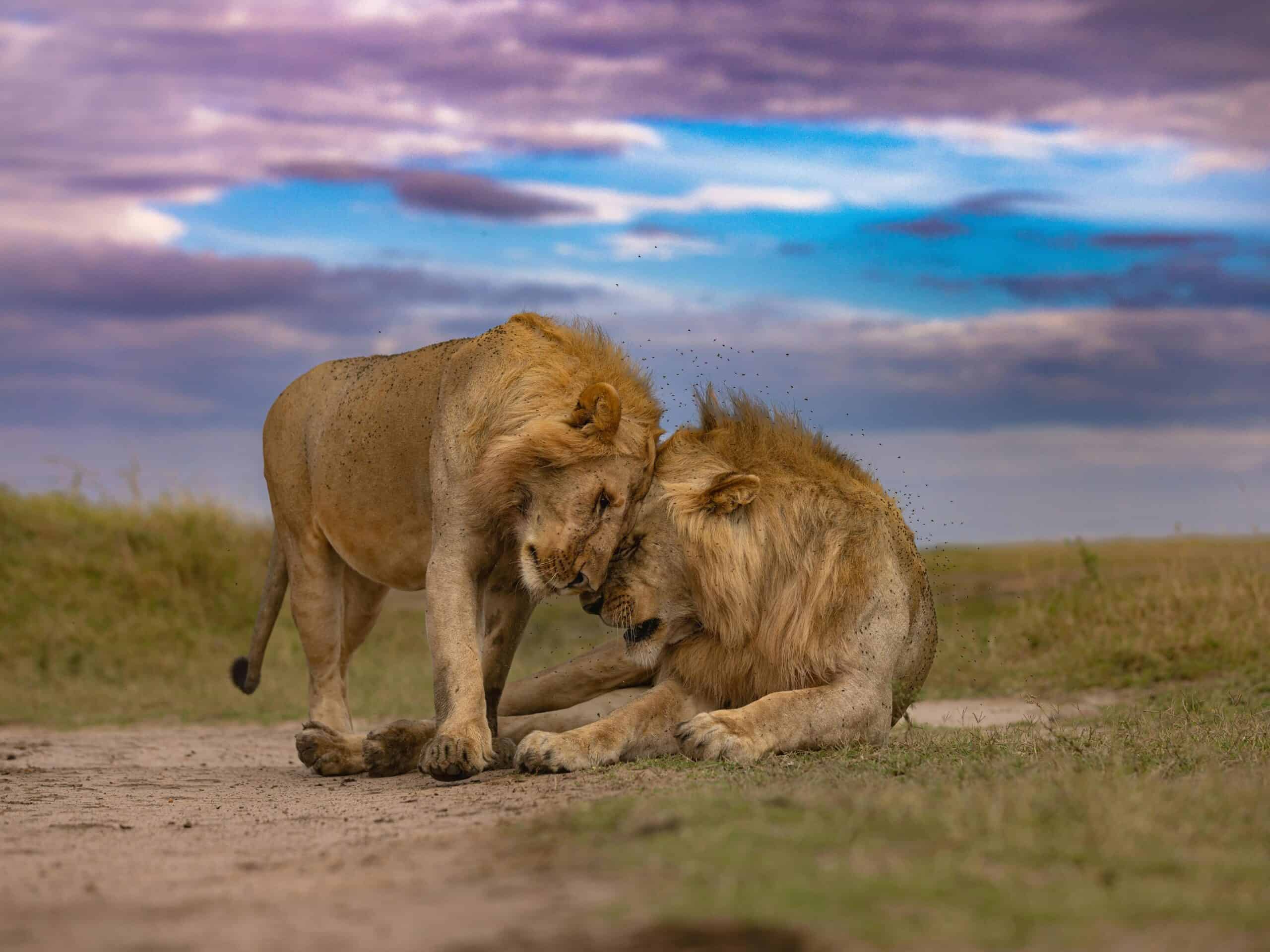
The Masai Mara carries a raw, open intensity where visibility is high and ecological drama is never far from view. Predator-prey dynamics unfold on broad plains, yet the experience is not only about chases. It is also about social complexity: family groups, territorial behavior, and migration spillover that changes with season and rain. Light does heavy storytelling here, from cool morning movement to late-afternoon gold that reveals depth in grass and acacia shadow. The result is a landscape that feels simultaneously spacious and emotionally charged.
Raja Ampat, Indonesia
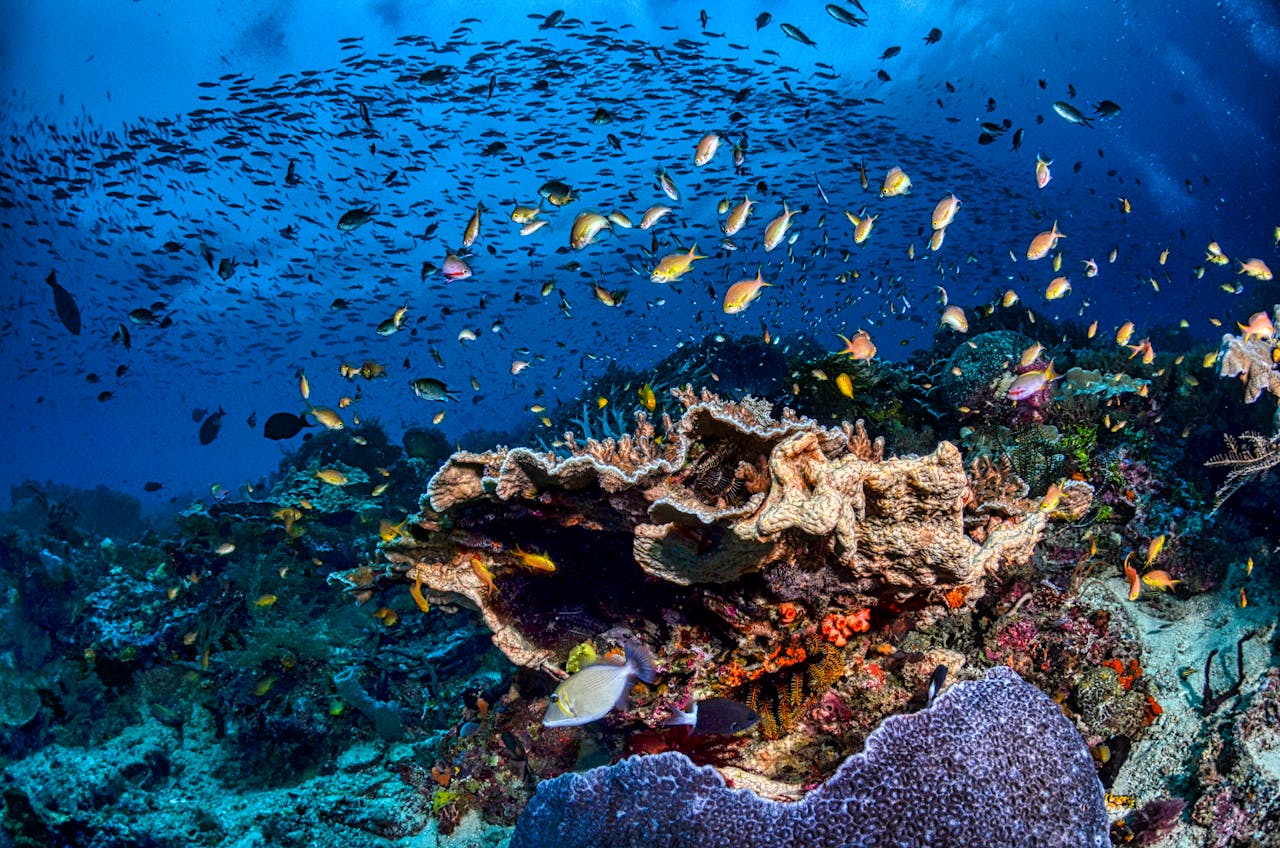
Raja Ampat feels alive in water first. Reefs, seagrass beds, and mangroves interlock in one of the richest marine regions on the planet, creating layered habitats where life appears in every direction. Currents bring nutrients, visibility can shift by the hour, and reef scenes change from calm drift to sudden bursts of fish activity. Even above water, karst islands and narrow channels make the area feel dynamic and unfinished, like geology and ecology are still negotiating terms in full public view.
Iceland’s Volcanic Zones, Iceland
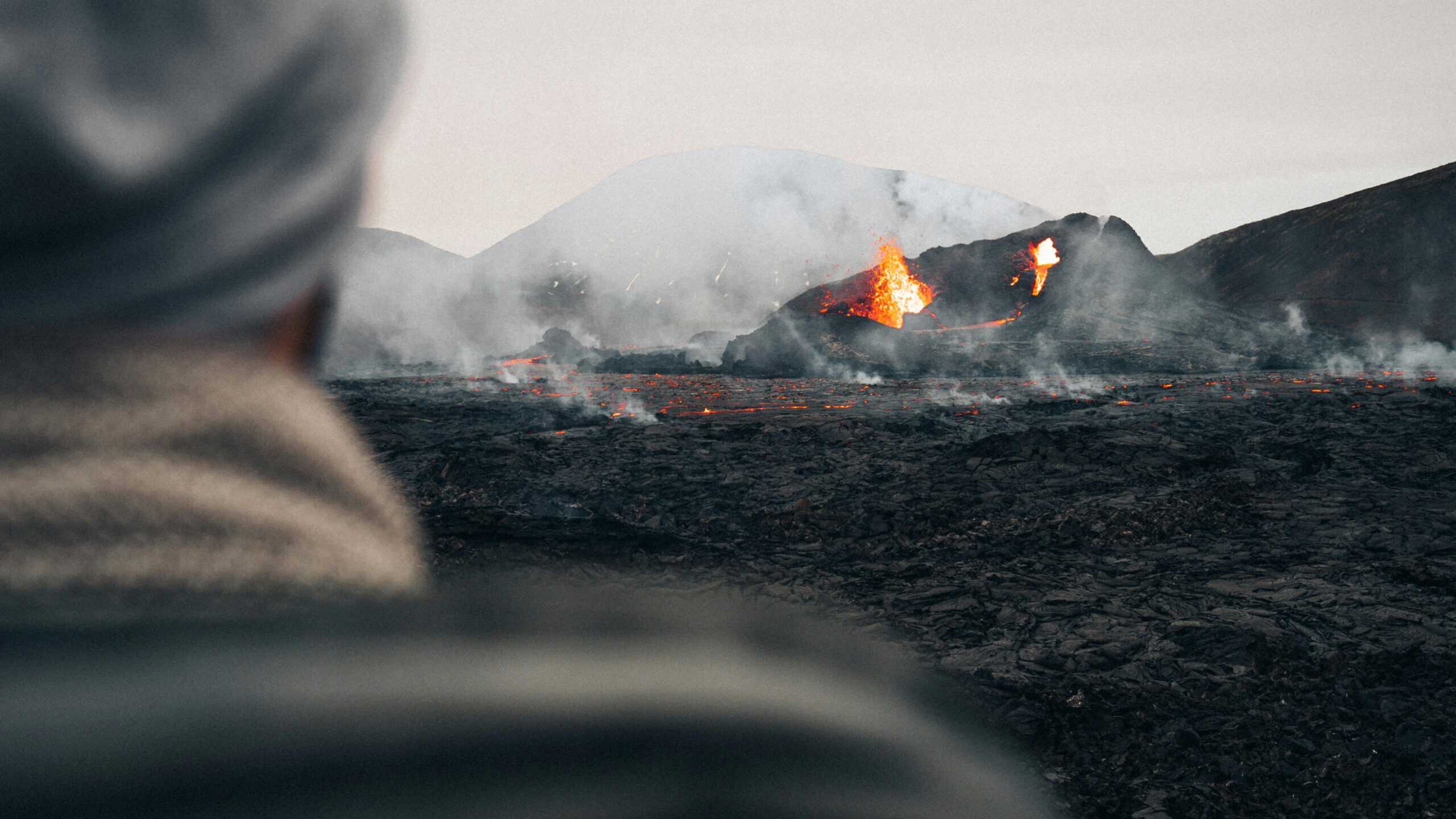
Iceland can feel startlingly alive because the ground itself appears in motion, whether through geothermal steam fields, fresh lava terrain, or glacial rivers cutting fast paths to the sea. Weather can switch tone within minutes, giving each valley a changing emotional register from bright clarity to low cloud and wind. The country’s volcanic systems create a sense of active earth rather than settled scenery, and that intensity carries into everyday life, where hot water, energy systems, and settlement patterns remain closely tied to geological reality.
Tokyo, Japan
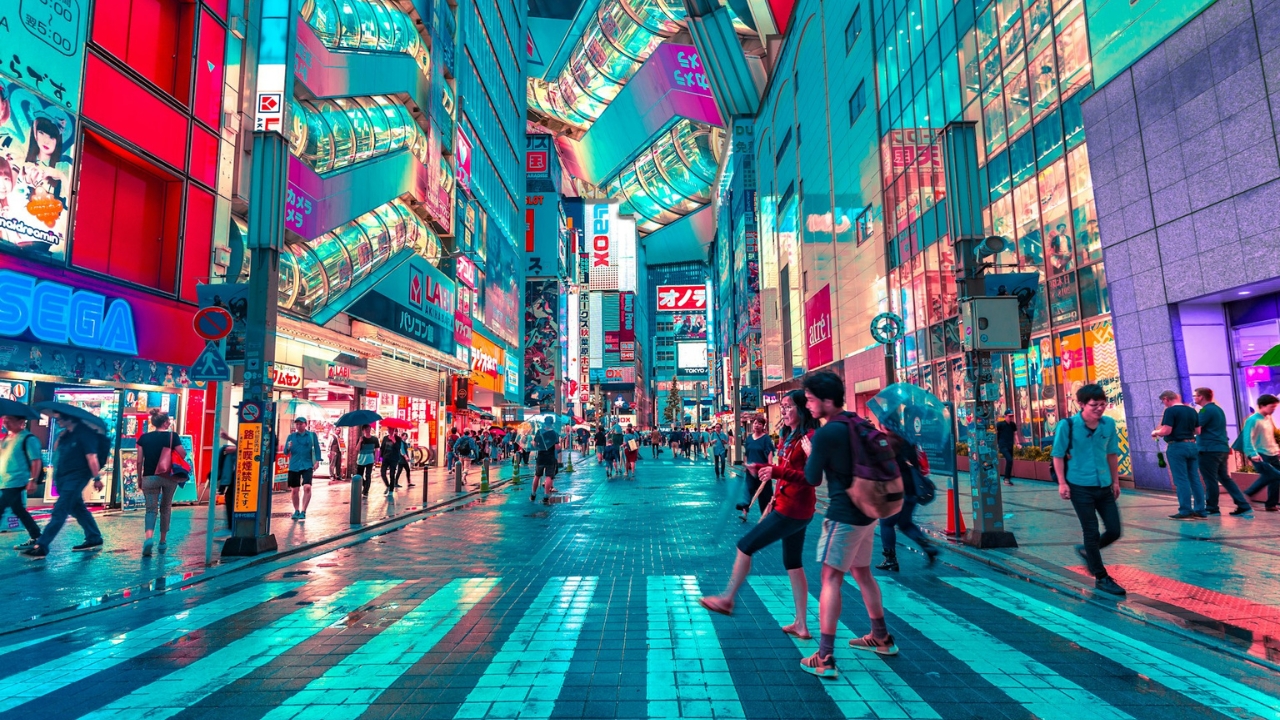
Aliveness in Tokyo is urban and human, built from density, precision, and constant reinvention. Neighborhoods shift character block by block, from temple quiet to neon transit corridors, while food culture, design, and street-level retail create motion long after office hours end. What makes the city feel especially vivid is coordination at scale: trains, signage, service, and social etiquette reducing friction inside immense complexity. It is not chaos dressed as energy. It is high-functioning intensity, where millions of small interactions keep the whole machine emotionally legible.
Marrakech Medina, Morocco
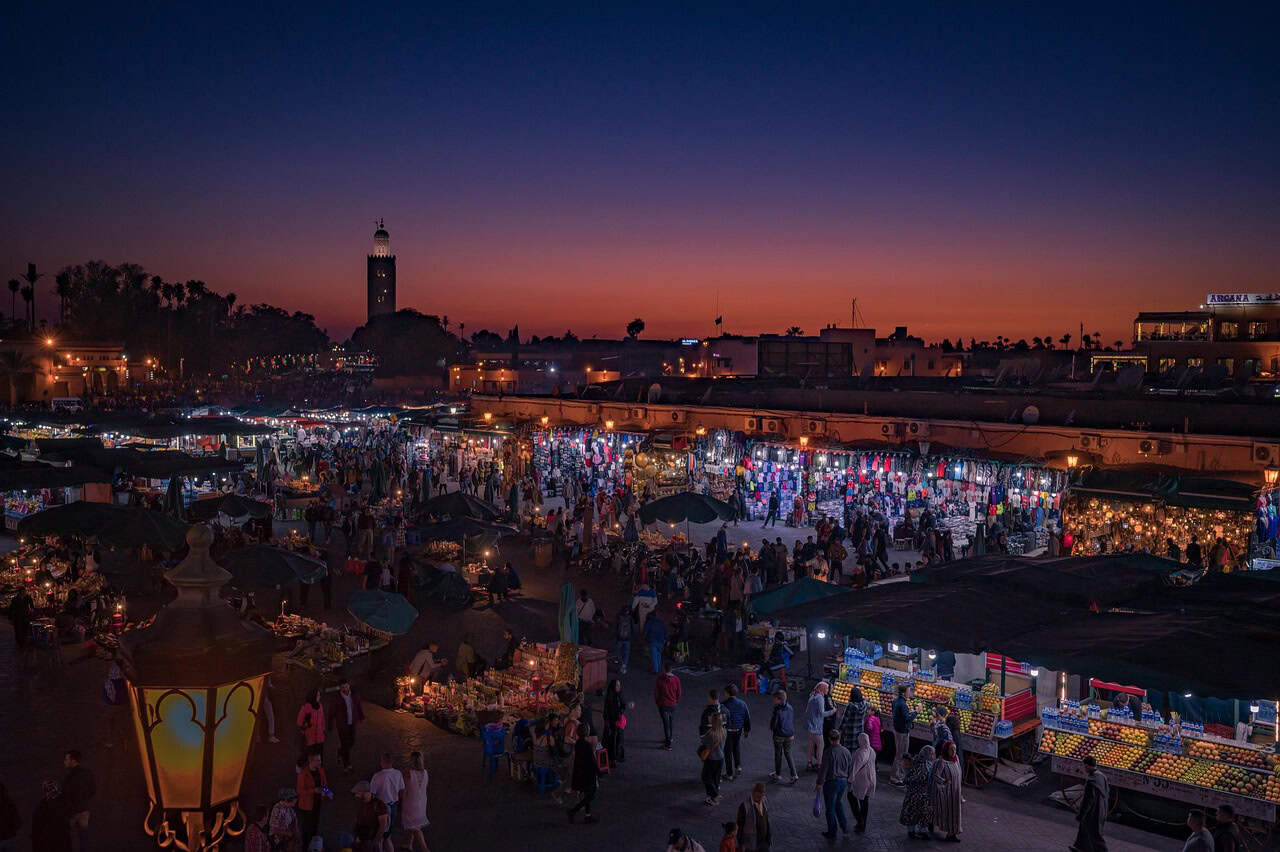
Marrakech’s medina feels alive through texture and sound: metalwork ringing in workshops, spice and citrus in the air, call to prayer folding into market bargaining, and narrow lanes opening unexpectedly into courtyards or squares. The city’s pace is not uniform, which is part of its force. Quiet riads sit minutes from crowded souks, and traditional crafts persist beside modern hospitality economies. The medina does not ask for passive viewing. It asks for attention, and rewards it with layered history that still feels in active use.
Varanasi Ghats, India
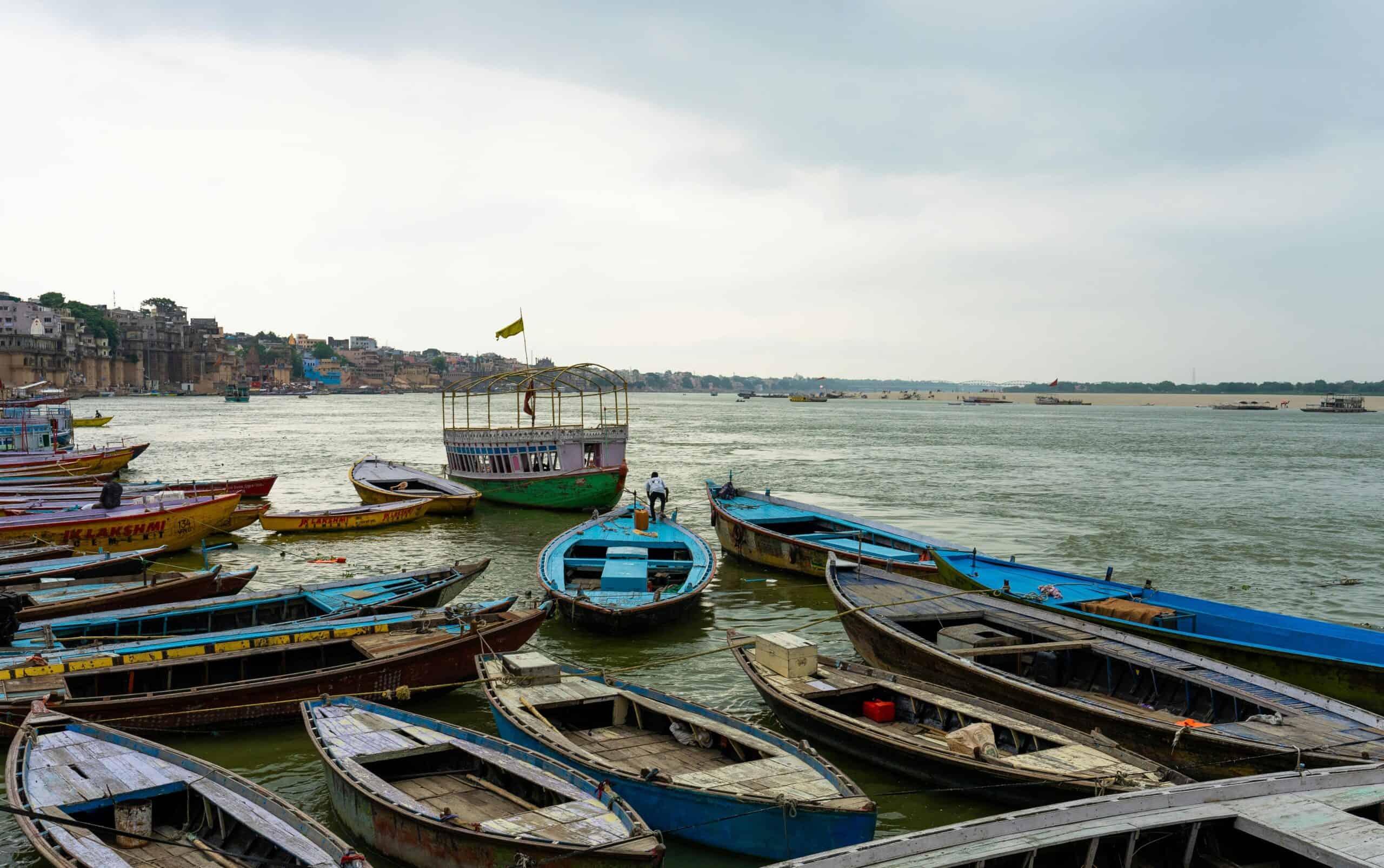
Varanasi feels alive in ritual time. Along the ghats, mornings begin with bathing, prayer, and river movement that ties private acts to public space in continuous sequence. Evenings intensify with lamps, chants, and gathering crowds, but the city’s deeper energy comes from repetition across centuries, not one dramatic event. Life and death are both visible here, held within the same urban rhythm without concealment. That honesty gives Varanasi a rare emotional density, where spirituality, labor, and daily routine are woven into one shared riverfront.
Rio Carnival Streets, Brazil
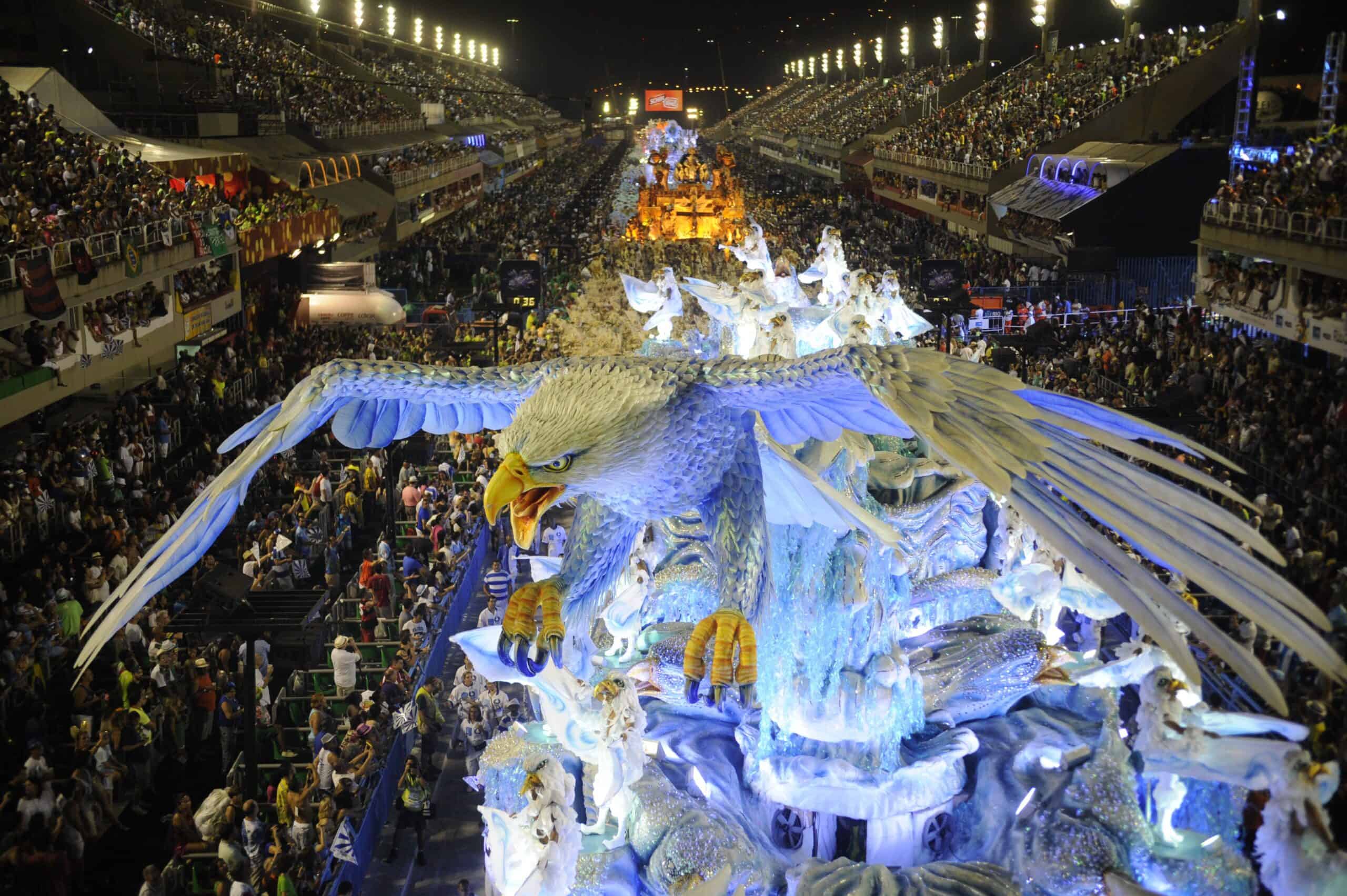
Rio during Carnival feels alive as a full civic performance, with blocos, percussion, dance, costume, and neighborhood identity spilling across the city in layered routes. The scale is enormous, but the emotional center often sits in local street groups where music and participation blur performer-audience boundaries. Rhythm is the architecture, shaping how crowds move, pause, and reconnect. Even outside peak days, Carnival culture influences design, sound, and social memory. In motion, the city feels less like spectatorship and more like collective pulse.
Svalbard Summer, Norway
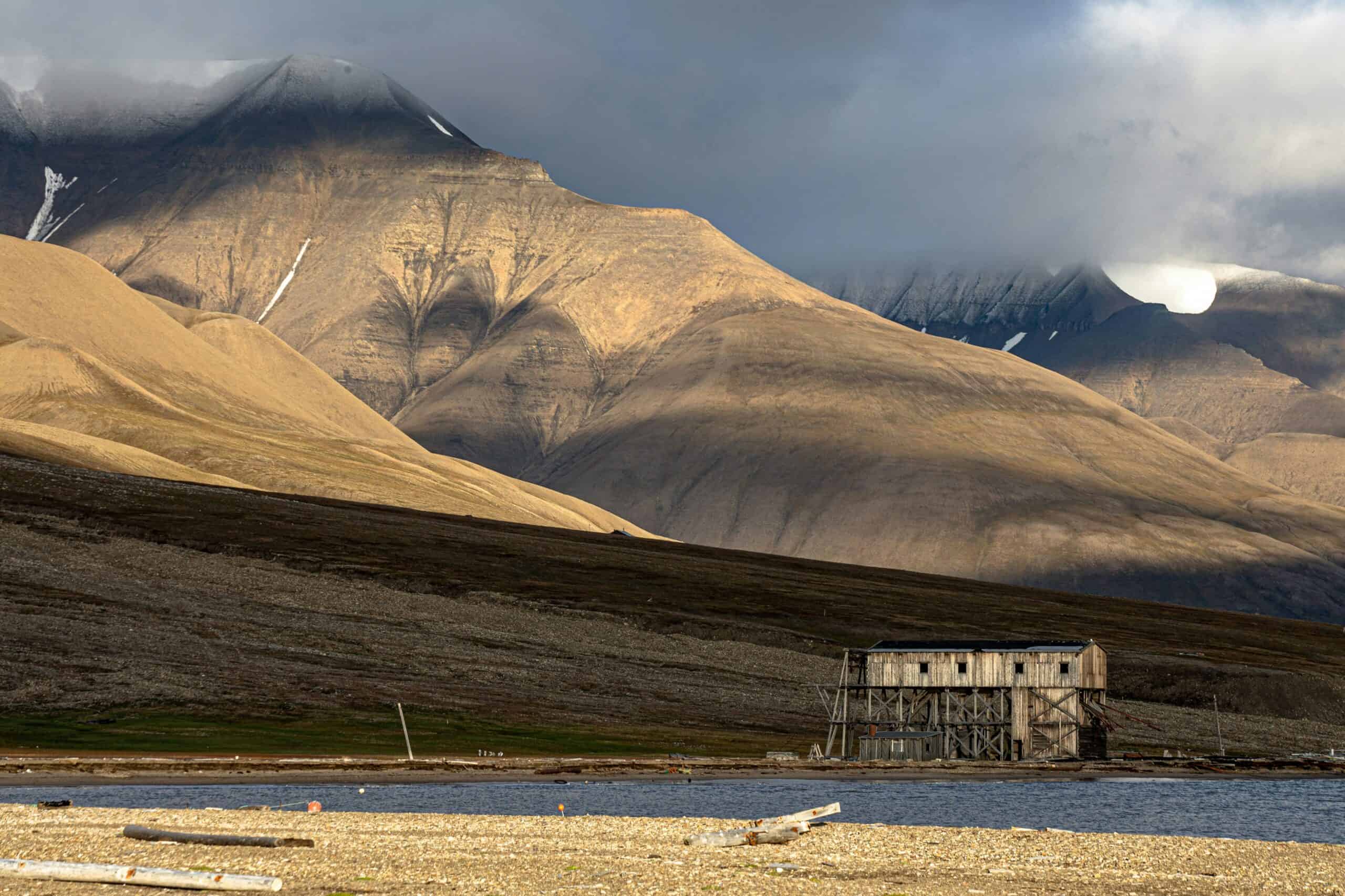
Svalbard in summer feels alive through light and edge conditions. The midnight sun stretches perception, glaciers calve into cold water, seabird cliffs stay active for hours that no longer feel tied to a normal clock, and Arctic species movement becomes easier to witness. The landscape can look austere at first, then reveal constant activity in fjords, tundra, and coastal airspace. Aliveness here is not lush or crowded. It is elemental, sharp, and strangely luminous, proving intensity can come from sparseness as powerfully as from abundance.