We may earn money or products from the companies mentioned in this post. This means if you click on the link and purchase the item, I will receive a small commission at no extra cost to you ... you're just helping re-supply our family's travel fund.
Some cities carry an extra weight that residents feel in commutes, paychecks, health, and the everyday effort it takes to stay afloat. National well-being rankings try to measure that pressure through signals like mental and physical health, income stability, and the strength of community life. In one widely cited 182-city comparison built from 29 indicators, the places clustered at the bottom are rarely defined by one flaw, but by stressors that compound over time. Even so, each one has people who keep building, organizing, and hoping.
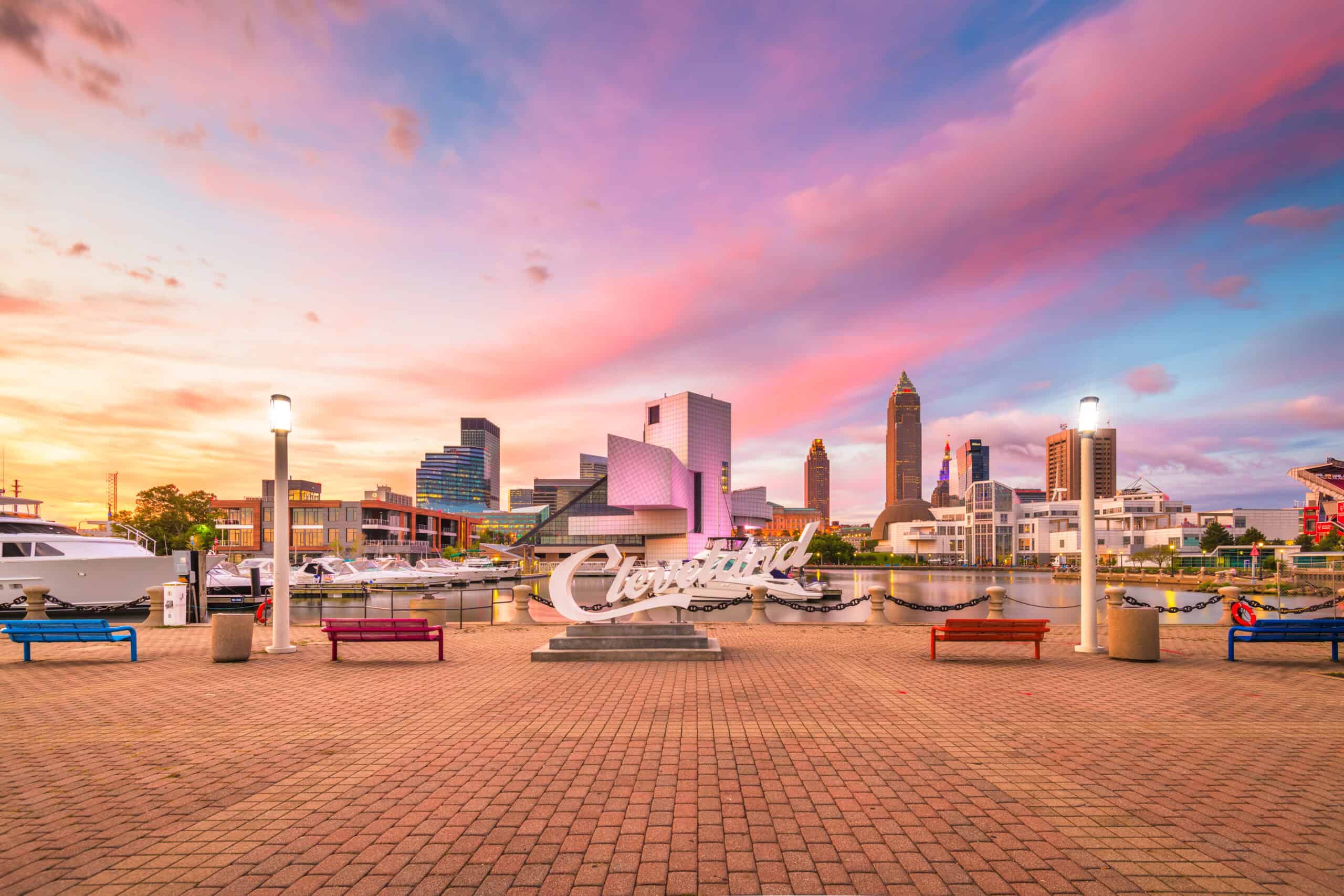
Cleveland, Ohio

In broad city happiness rankings, Cleveland often sits near the bottom, a sign of how heavy life can feel when paychecks run thin, health burdens run high, and trust in local systems wobbles, and small setbacks can snowball quickly. Lake-effect winters stretch long and gray, and aging housing and patchwork transit can turn simple errands into a day of tradeoffs about time, money, and safety. Yet neighborhoods still rally around corner bakeries, summer lake breezes, and fiercely loyal sports nights, and that shared pride gives people reasons to gather and keep going anew.
Detroit, Michigan
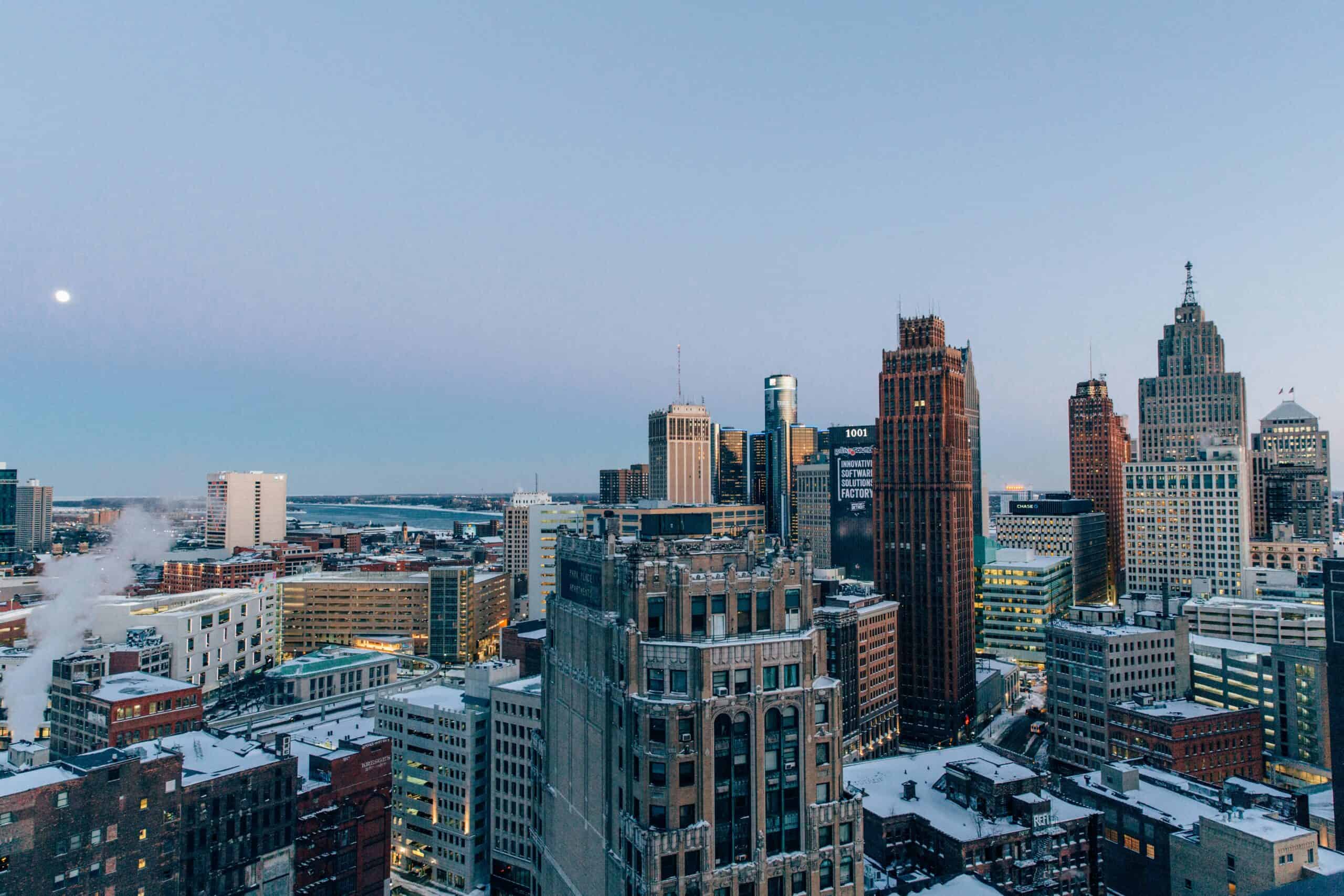
Detroit regularly places near the bottom of major well-being scorecards, reflecting the daily friction that comes with sharp inequality, uneven services, and the long aftereffects of disinvestment. Car dependence is almost mandatory, and costs tied to driving, insurance, and repairs can bite hard, especially when households are already balancing rent, food, and child care. At the same time, the city’s creative engine is unmistakable, from music and murals to small entrepreneurs reopening blocks, and that grit shows up in block clubs and neighbors who keep rebuilding, especially in summer when street fairs and markets pull people back outside.
Memphis, Tennessee
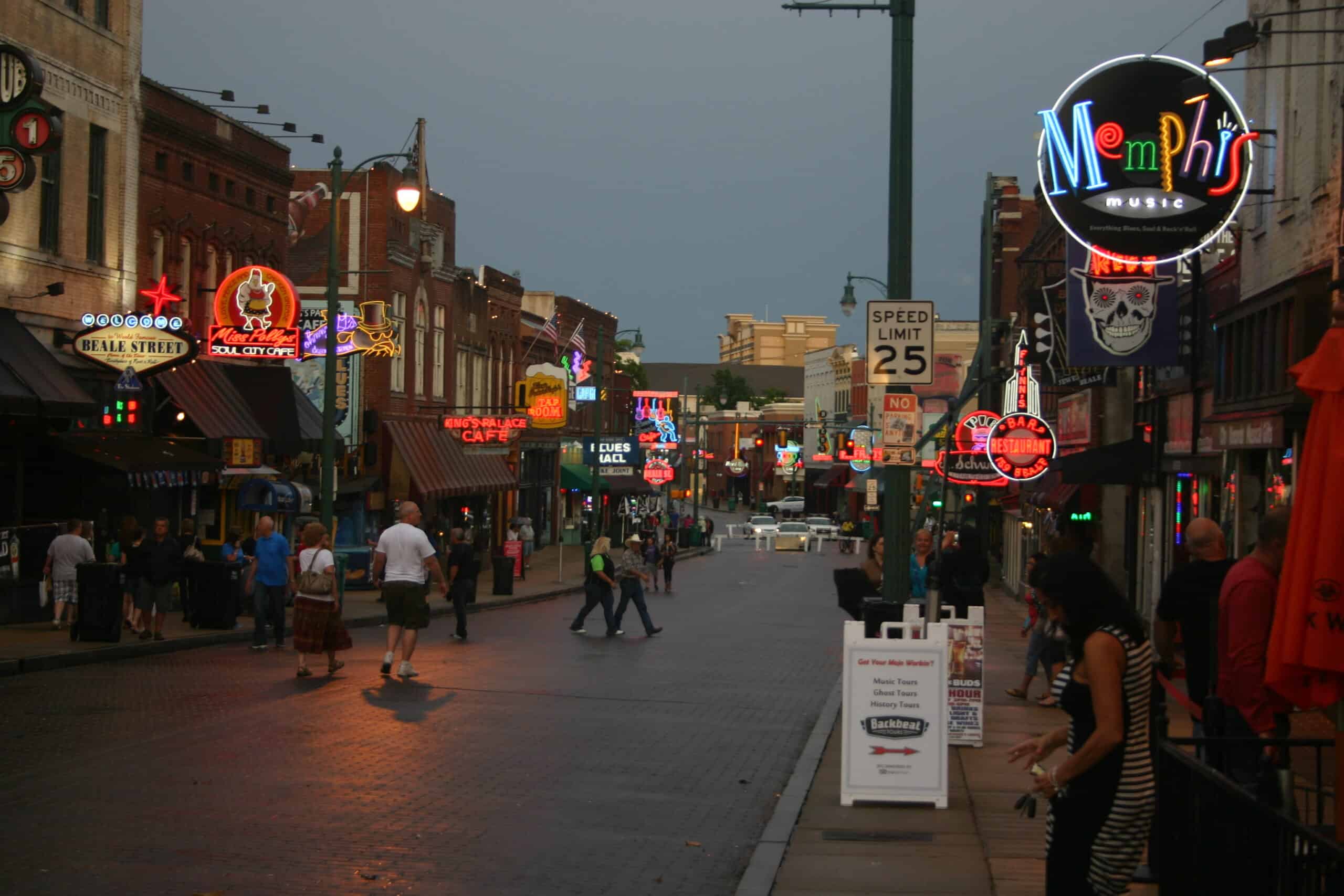
In national happiness rankings, Memphis frequently lands among the lowest, where economic stress and public-safety worries can weigh on mood, routine, and the sense of ease that makes a city feel livable. High summer humidity, long drives between essentials, and strained public resources can add to the tension for residents trying to protect time, money, and peace of mind. Even so, Memphis carries an undeniable pulse through its soul food, riverfront light, and live-music tradition, and community networks often step in fast to keep people connected and supported, especially on warm nights when the riverfront fills with music and conversation.
Fort Smith, Arkansas
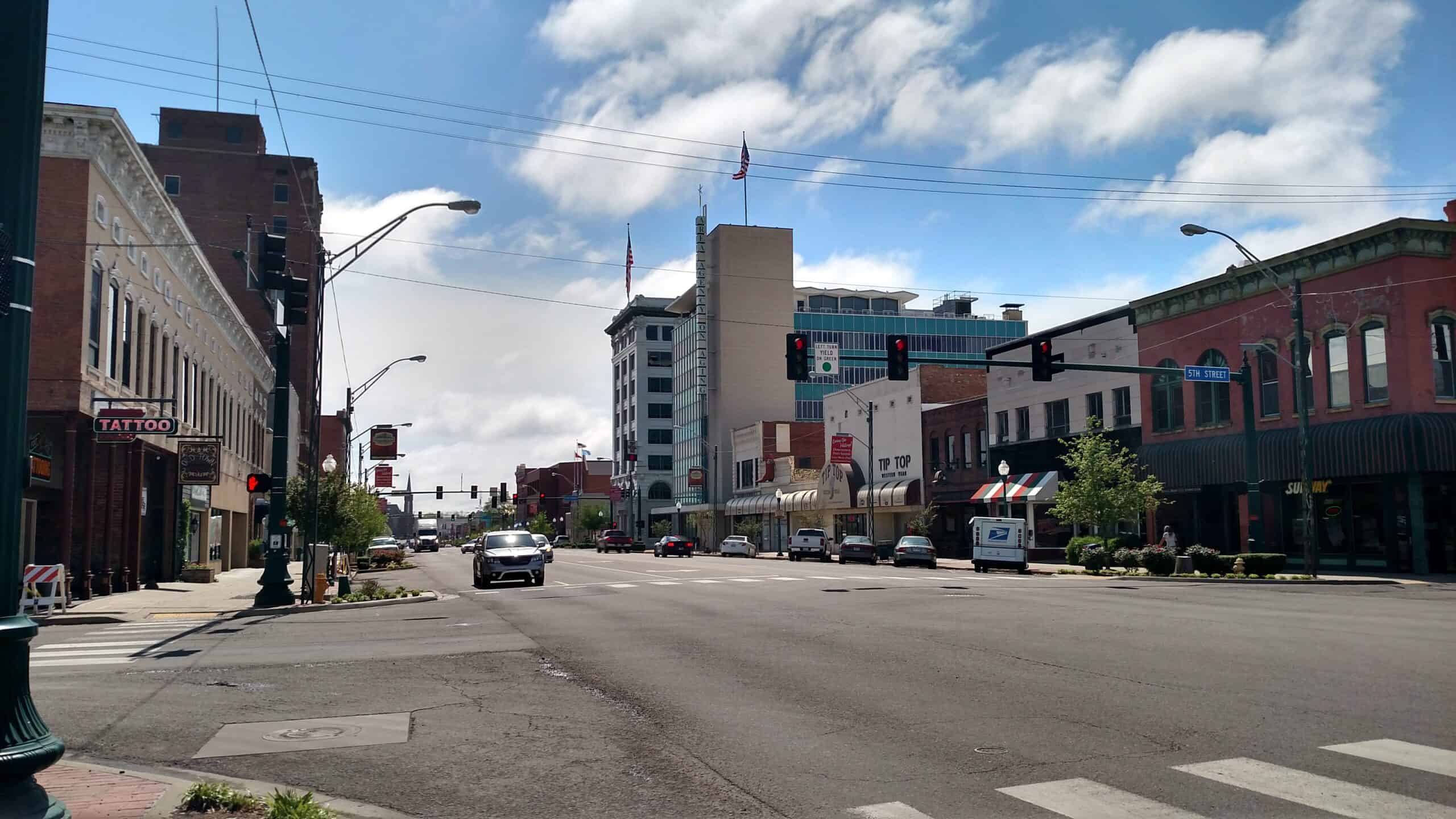
Fort Smith can show up on the tougher end of well-being rankings, often tied to limited job mobility and the strain that comes when pay does not keep pace with rising costs. The spread-out layout can make transportation a hurdle, and hot stretches can push utility bills up, leaving less room for the small extras that brighten a week, like dinners out or a short getaway. Still, the slower pace appeals to many residents, and riverfront trails, local diners, and familiar faces create routines that feel steady, even when progress is slow, especially when community events along the river bring a sense of belonging back into view, when time allows.
Gulfport, Mississippi
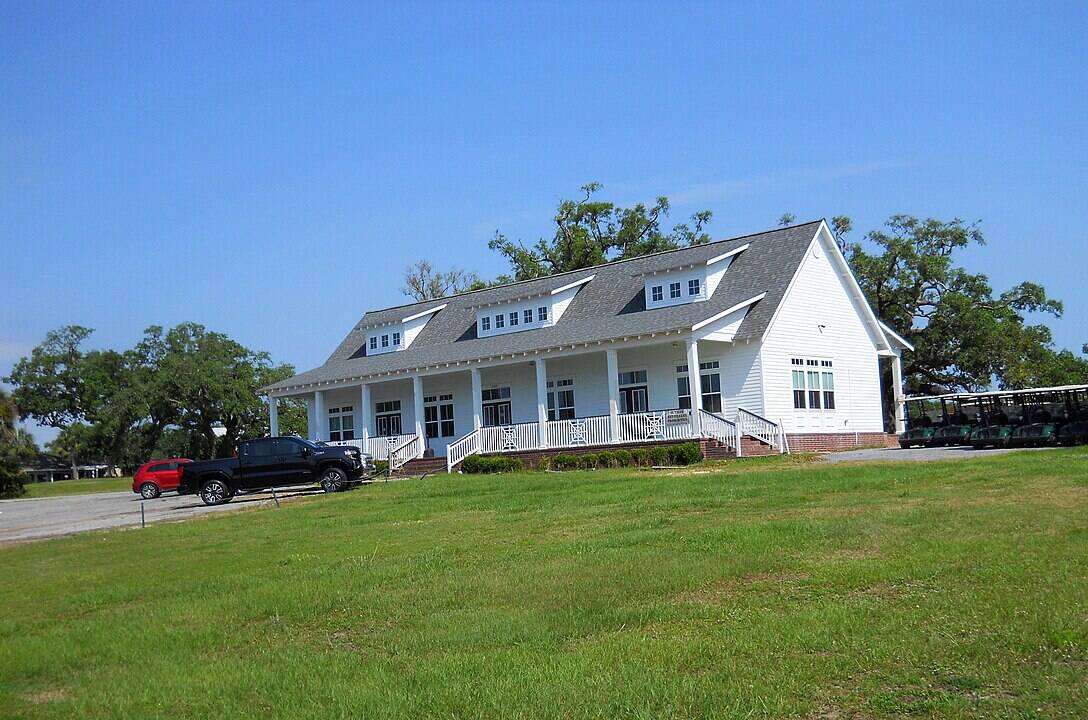
Gulfport sits in a region where quality-of-life challenges can stack up, and it often ranks low in happiness comparisons that track health strain, income security, and community stress. Storm season and flood anxiety linger in the background, and rebuilding costs, insurance worries, and uneven wages can make recovery feel like a repeating loop for some families. Yet the Gulf breeze, seafood counters, and neighbor-to-neighbor help create moments of ease, and resilience shows up in quiet ways that keep the city from feeling only like a struggle, especially when evening air cools and the waterline turns into a shared front porch, when it counts.
Toledo, Ohio

Toledo’s placement near the bottom of some happiness and well-being rankings points to the drag of industrial transition, where stable, high-paying work can be hard to find and harder to replace. When vacancies, long commutes, and tight household budgets collide, the city can feel stuck between past and future, with stress showing up in health, relationships, and daily patience. Still, the park system, riverfront views, and local sports nights offer anchors, and a strong pride in neighborhoods helps people stay rooted and look out for one another, especially during fair-weather months when trails and festivals make the city feel lighter anew.
Birmingham, Alabama
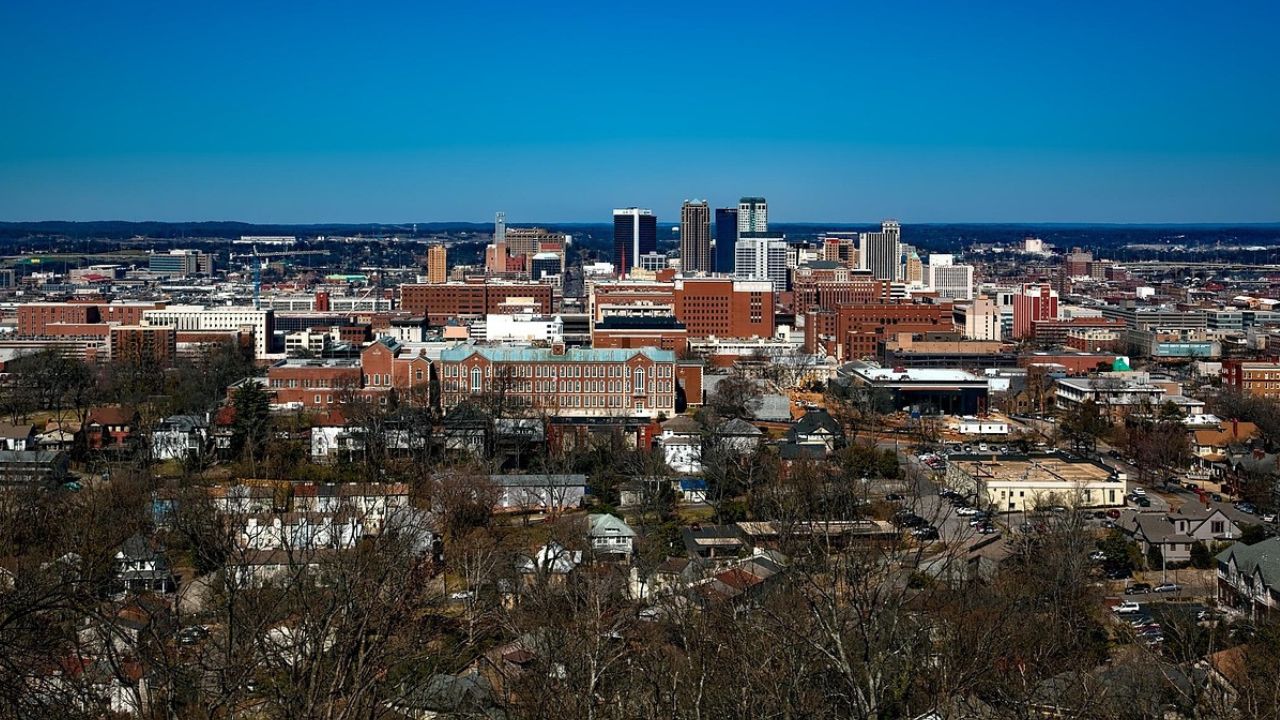
Birmingham often appears in the lowest tier of big-city happiness rankings, reflecting how poverty, health disparities, and neighborhood gaps can shape everyday life. Heat, humidity, and car-first planning can make errands feel exhausting, and persistent safety concerns can shrink the sense of freedom that public spaces are meant to provide. At the same time, Birmingham’s food scene, civil-rights history, and community-led revitalization show real momentum, especially where residents invest in each other and refuse to let the city be reduced to its hardships, mainly in neighborhoods where new parks and small cafes create daily breathing room.
Huntington, West Virginia
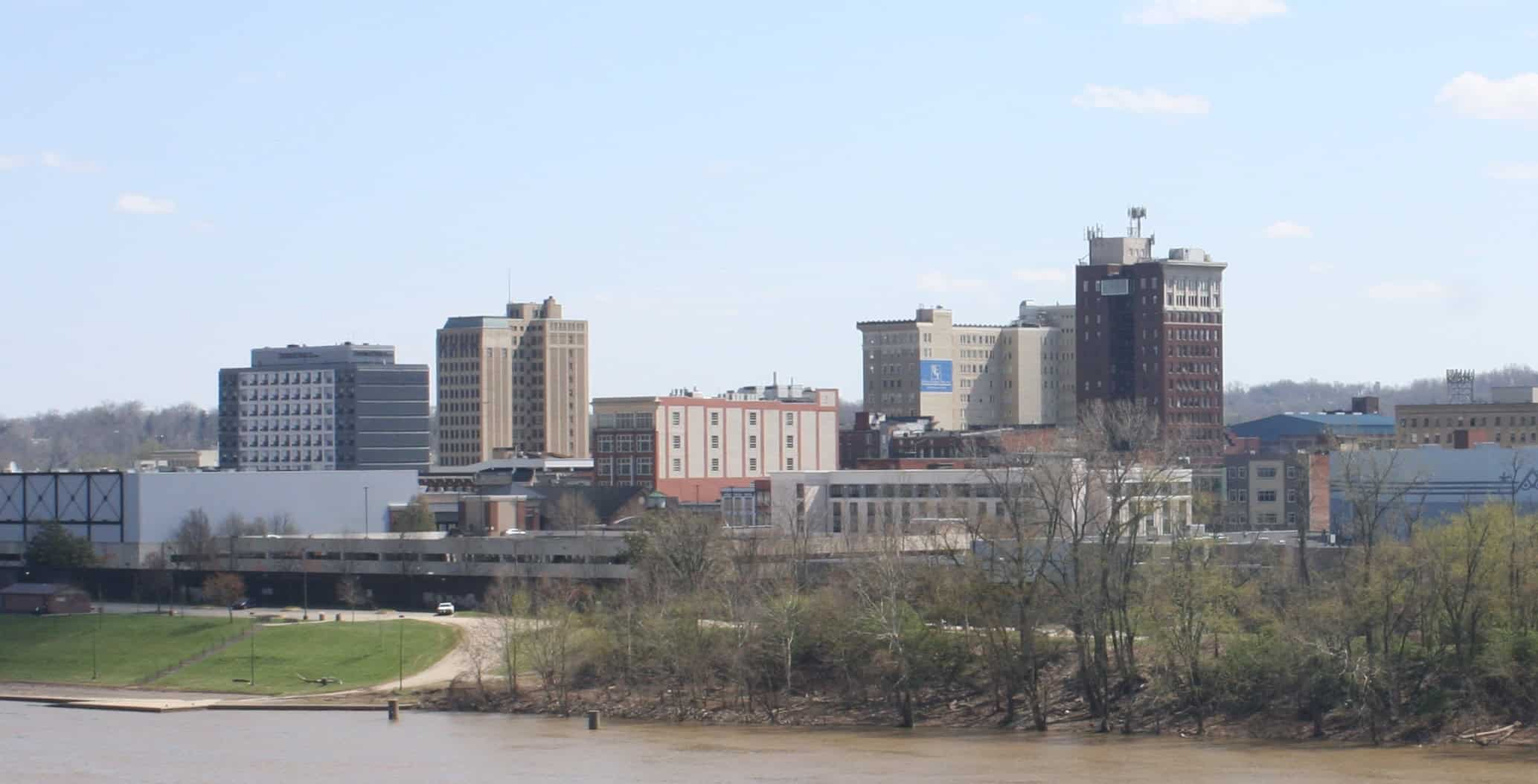
Huntington is frequently listed among the least happy cities in national rankings, a pattern tied to economic hardship and the heavy health challenges that communities in the region have faced. Limited job options, older housing, and a smaller tax base can translate into fewer buffers when something goes wrong, so setbacks land harder and last longer, and progress can feel frustratingly incremental. Even so, the riverfront, college energy, and mutual-aid spirit give the city closeness, where neighbors notice one another, local groups show up, and help can feel personal, often during game days and riverfront weekends that draw people together.
Montgomery, Alabama
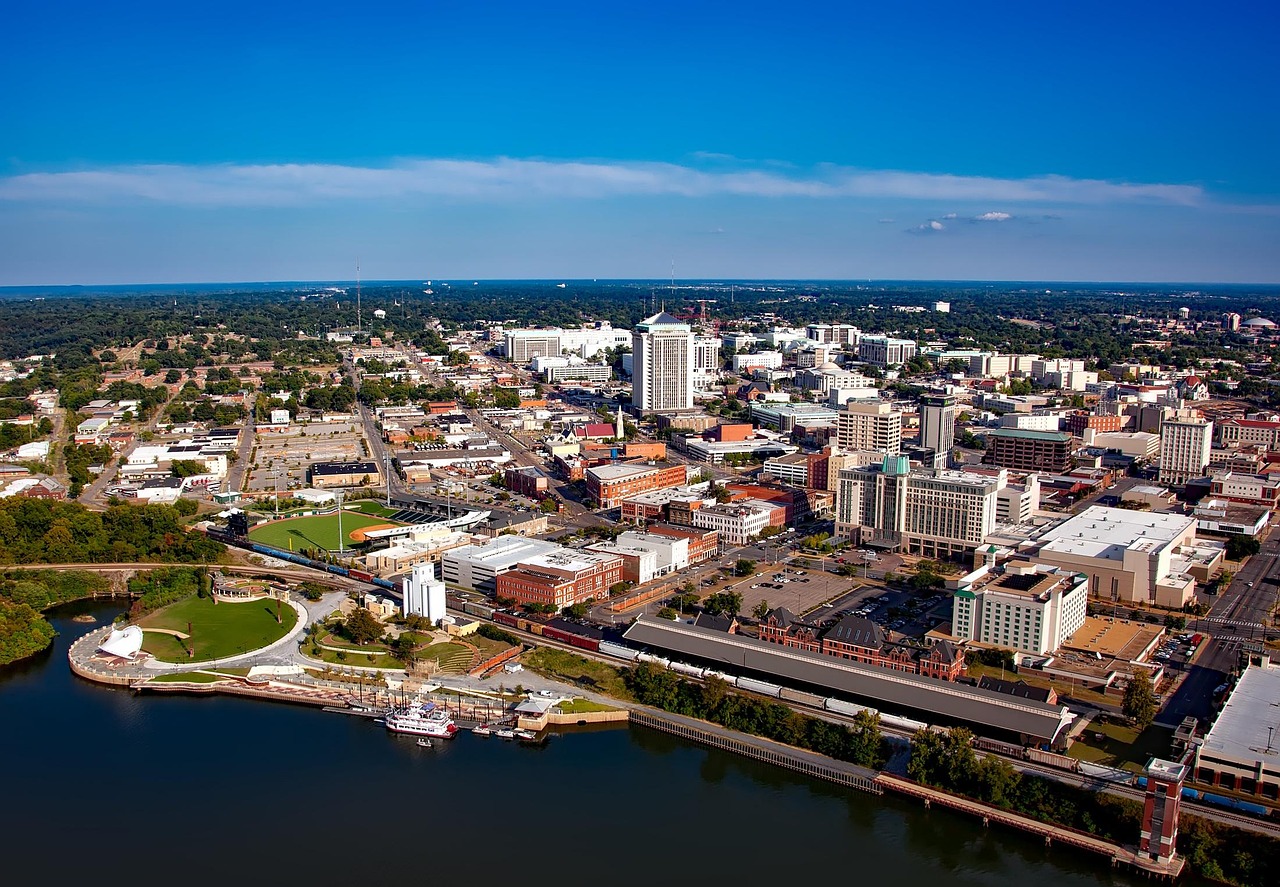
Montgomery tends to rank low in large-city happiness studies, where the mix of low wages, high need, and uneven services can make daily life feel like constant triage. Summer heat amplifies discomfort, and long drives to work, school, or health care drain time and patience, especially for households already juggling multiple jobs, caregiving, or unpredictable schedules. Still, Montgomery’s history is deeply felt, and local arts, churches, and small festivals create spaces where people breathe, connect, and hold on to pride that survives hard seasons, especially in cooler evenings when front-porch talk and music bring relief, when time allows.
Mobile, Alabama
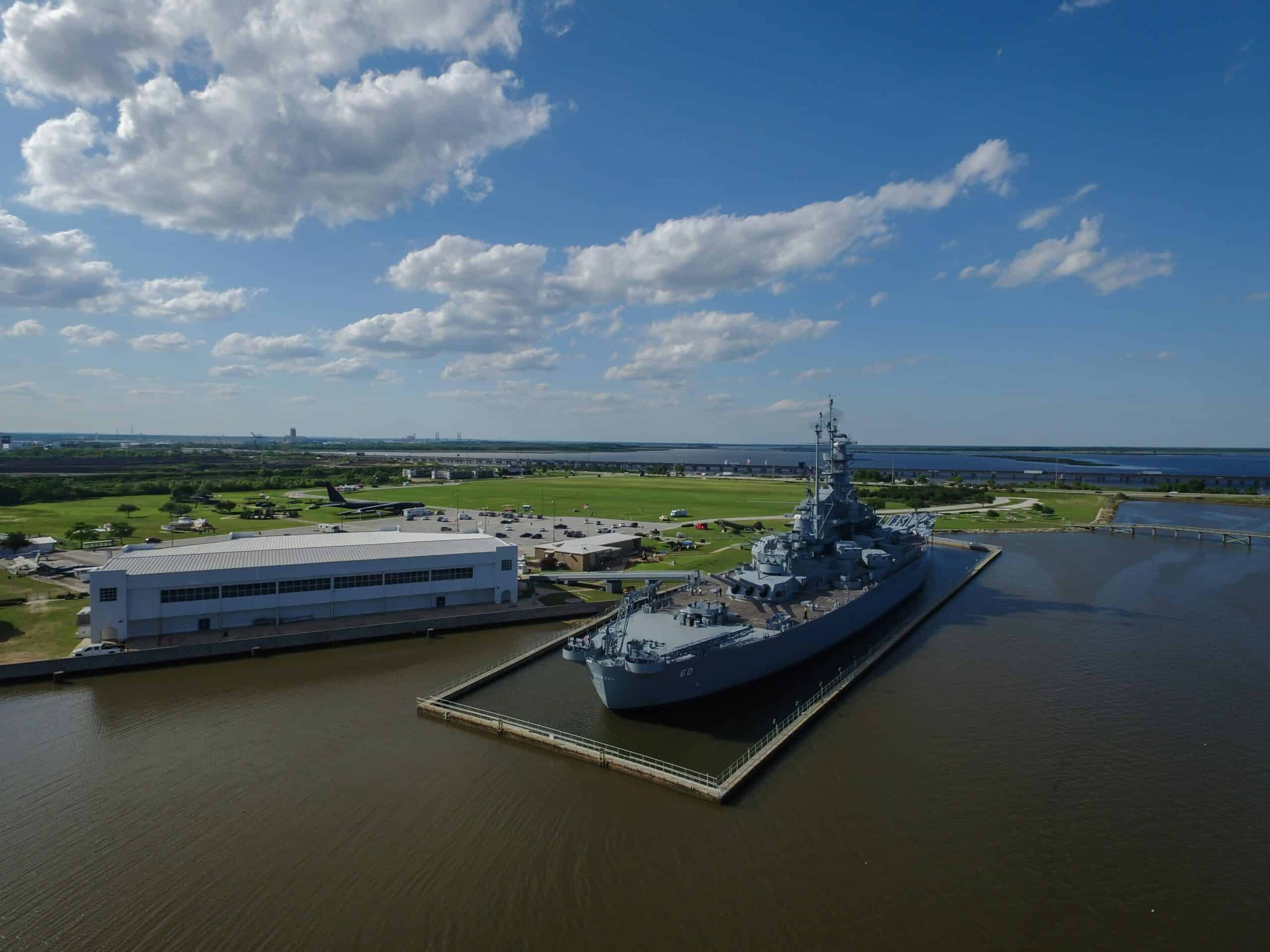
Mobile can land near the bottom of well-being rankings, where coastal risk, income strain, and limited safety nets can make the future feel uncertain for many households. Hurricane preparation is a recurring expense, and sticky heat can push people indoors, shrinking the sense of freedom that summer is supposed to bring and adding to utility costs. Yet the port-city character, seafood traditions, and Mardi Gras culture keep joy in circulation, and community ties often show up quickly when storms, layoffs, or personal setbacks arrive, especially during parades and seafood weekends when the city’s humor and warmth shine through, when it counts.
Jackson, Mississippi
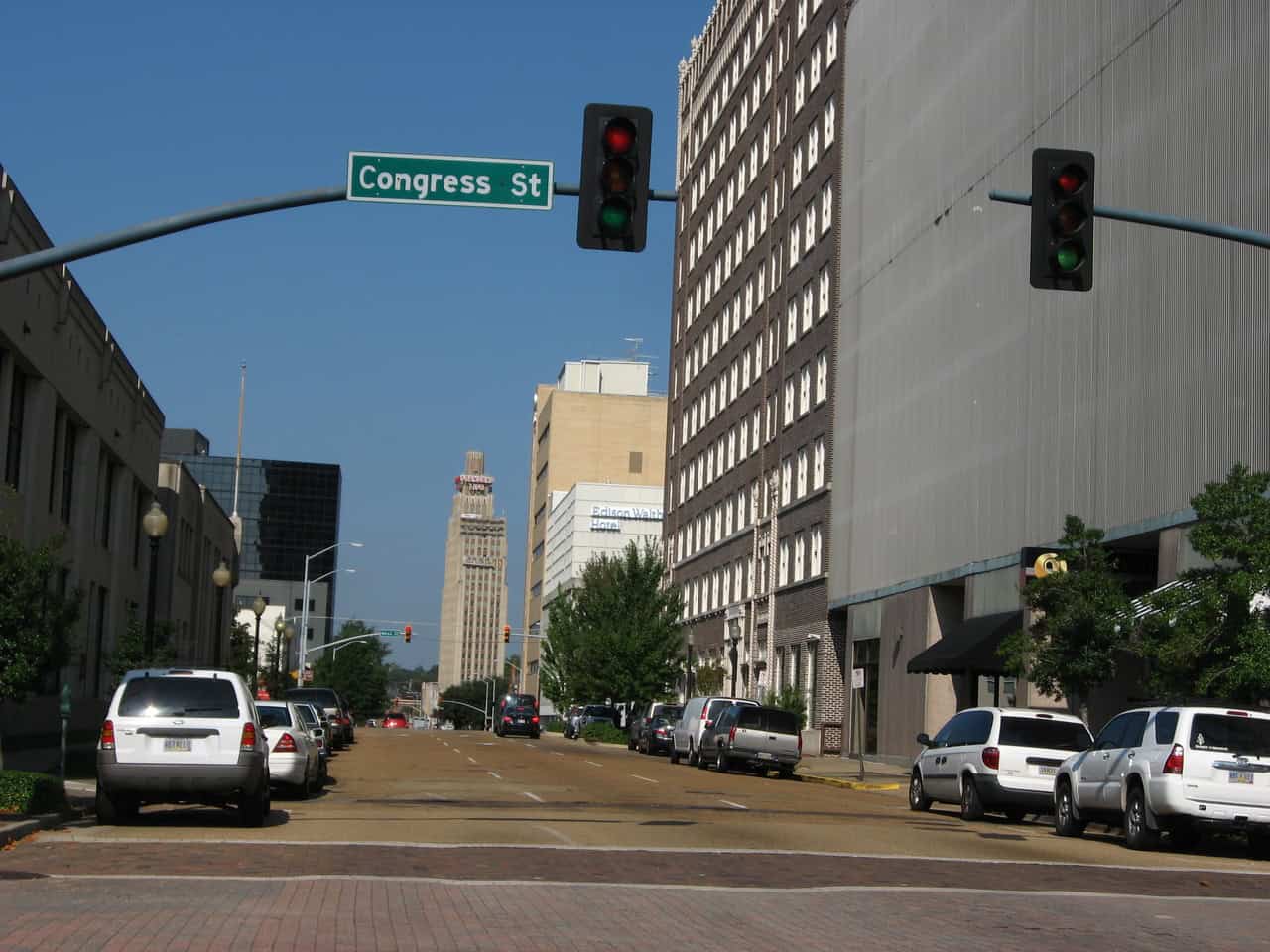
Jackson is often cited among the lowest-scoring cities in broad happiness rankings, reflecting how economic pressure and infrastructure stress can wear people down over time. When basic services feel unreliable, ordinary routines become fragile, and the emotional toll spreads beyond any single block, shaping how residents plan days, manage trust, and conserve energy for what matters most. Even so, Jackson’s cultural backbone remains strong, from gospel and blues to local kitchens and civic organizers, and that pride keeps many people fighting for safer, steadier futures, when shared meals and local shows turn frustration into solidarity anew.
Augusta, Georgia
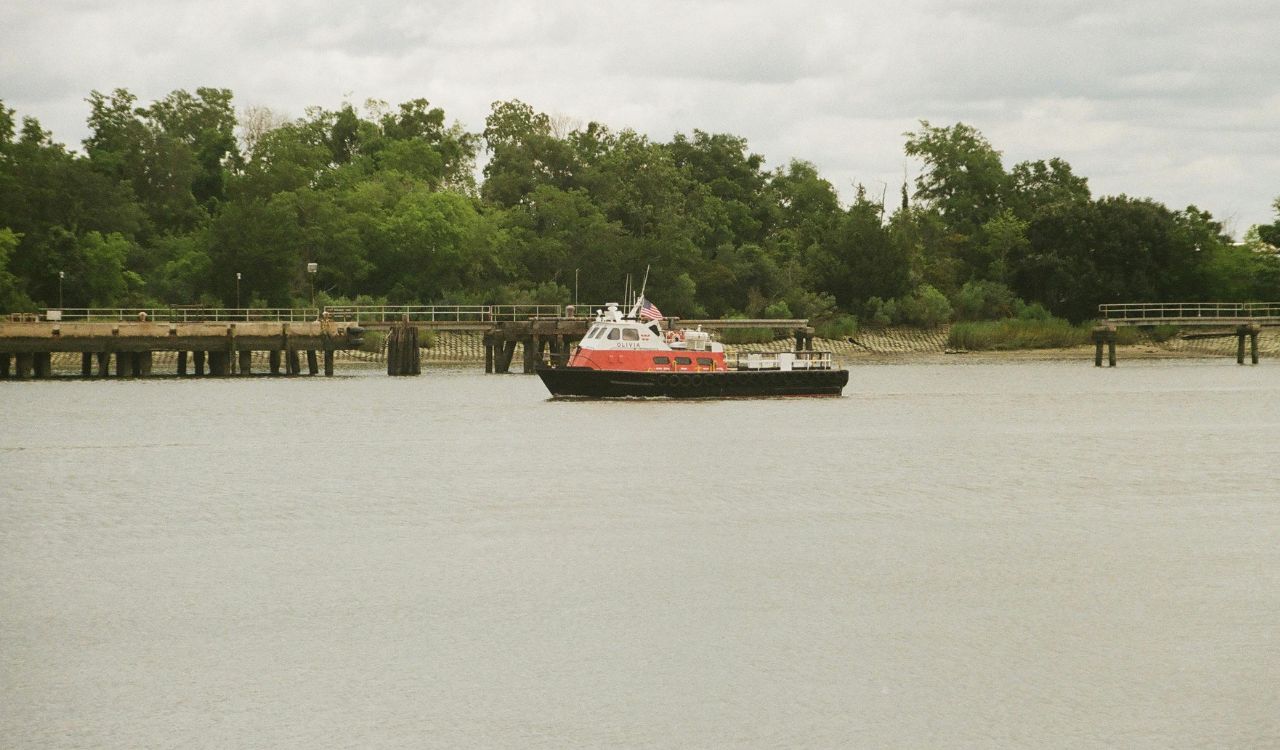
Augusta sometimes falls near the bottom in city well-being rankings, where pockets of deep poverty and limited opportunity can coexist beside bright, tourist-facing moments. Outside marquee events, hot summers, car dependence, and uneven neighborhood investment can make the city feel divided, with some areas thriving while others struggle to catch up year after year. Still, the riverwalk, a growing local food scene, and small creative communities offer relief, and many residents lean on family networks that provide stability when institutions do not, especially in spring evenings when the river air softens the day and patios fill up, quietly.
Brownsville, Texas

Brownsville often ranks low in national happiness comparisons, a reminder that border-region affordability can come with hard tradeoffs in income stability, health access, and extreme heat. Long summers, sudden rain bursts, and work that pays less than it demands can make stress feel constant, even when the city itself is welcoming and culturally rich. Yet the community’s warmth is real, with strong family ties, bilingual daily life, and food traditions that create belonging, turning neighborhoods into support systems when money is tight, especially after sundown when breezes arrive and families linger outside a little longer, when it counts.
Akron, Ohio
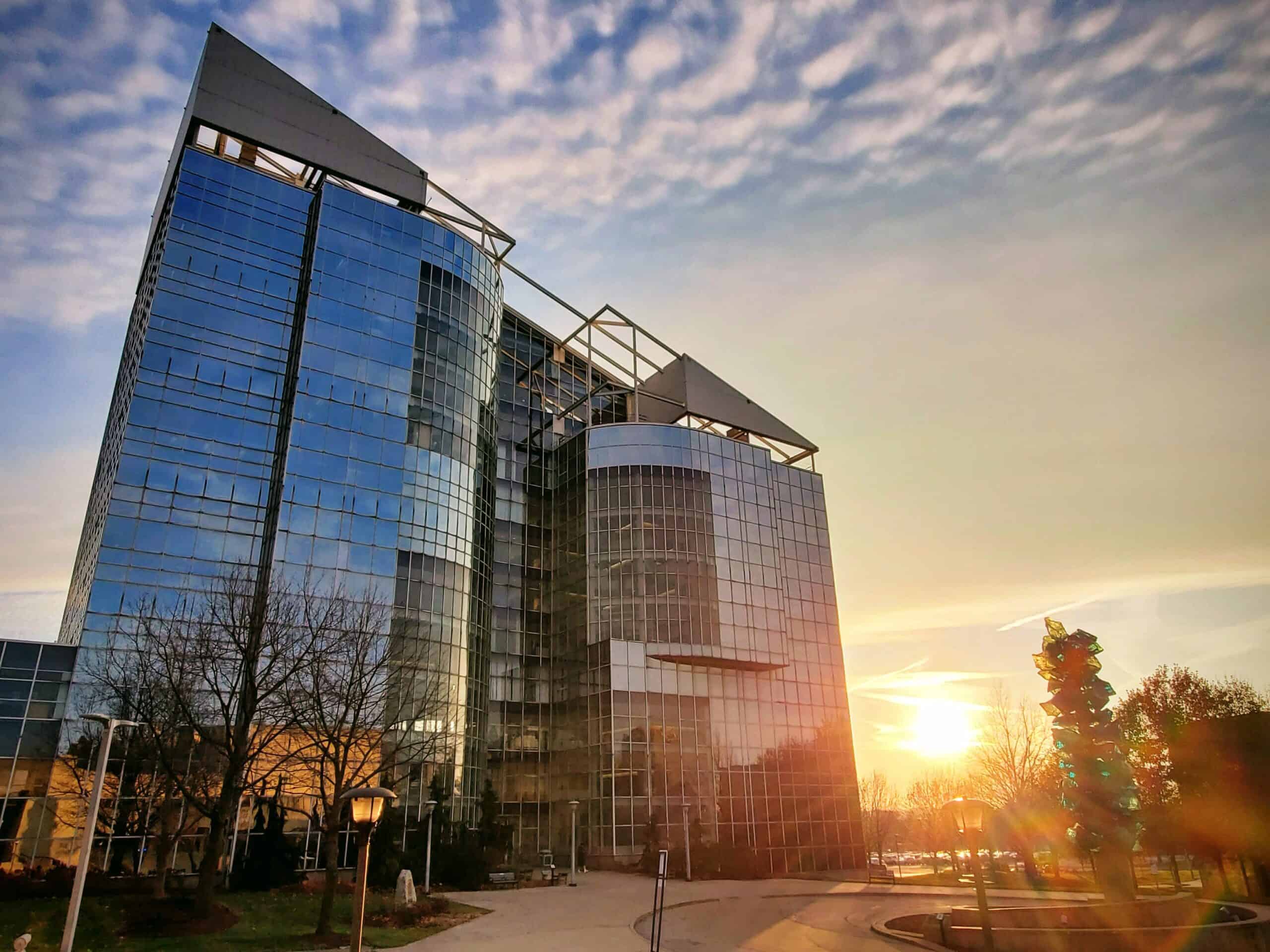
Akron’s appearance near the bottom of happiness rankings reflects the slow grind of post-industrial change, where steady jobs can be scarce and optimism can be fragile. Aging neighborhoods, health strain, and a sense of limited upward mobility can make the city feel smaller than it should, especially for young adults trying to build stability as costs rise and opportunities feel narrow. Even so, parks, arts venues, and stubborn local pride keep sparks alive, and community groups do quiet work that helps families stay rooted, supported, and seen, especially on weekends when nature and local shows give the city a brighter cadence, in real time.
Shreveport, Louisiana
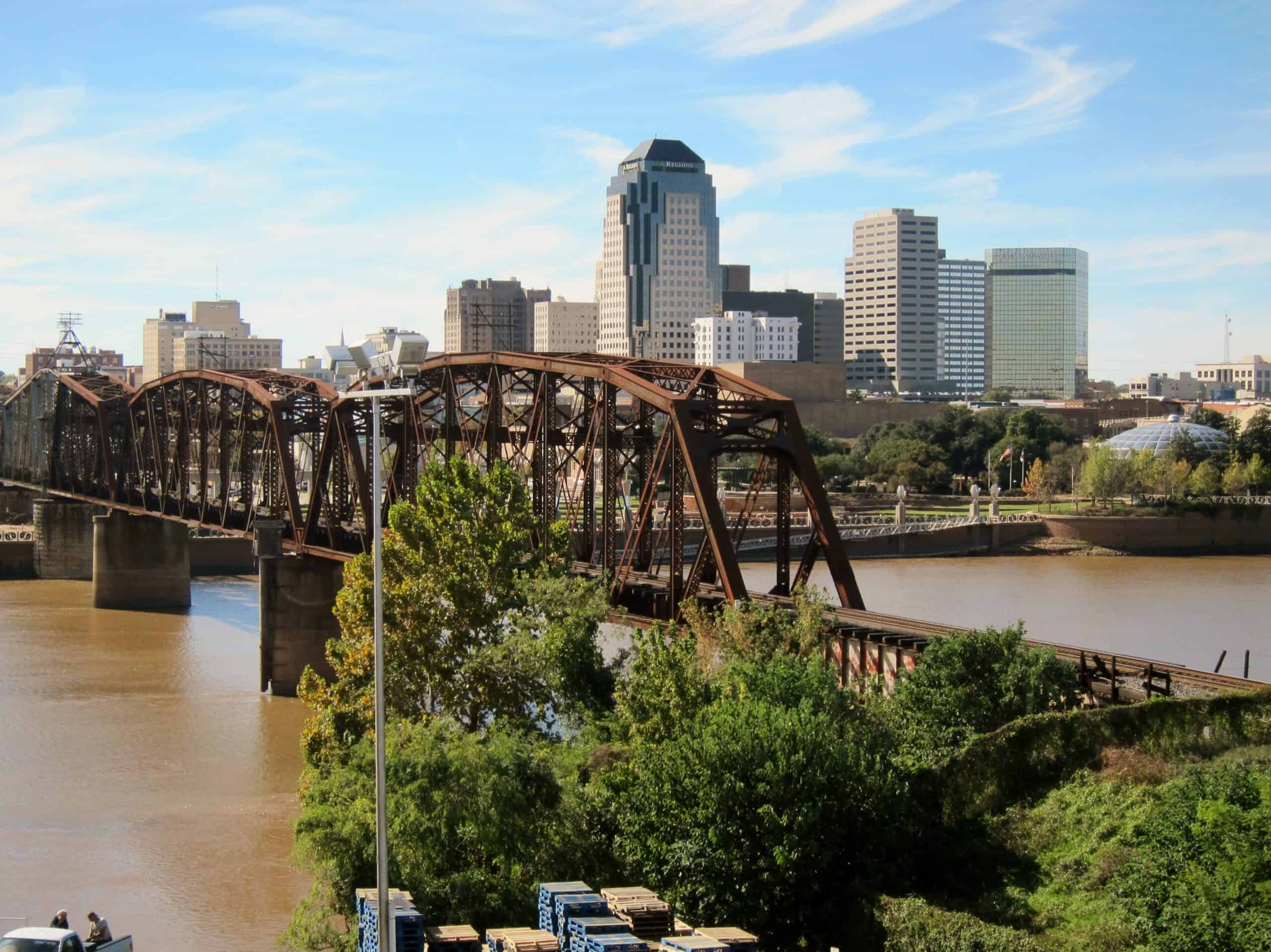
Shreveport tends to place near the bottom of large-city happiness rankings, reflecting how tough it can be when household budgets are tight and neighborhood conditions vary block by block, shaping who feels safe, supported, and hopeful. Heat, storms, and the stress of making things work with limited margin can turn a normal week into a test of endurance, from high bills to hard choices. Still, the city’s music heritage, rich cooking, and strong faith and civic communities create togetherness, and that shared spirit helps people carry the load and keep showing up when live bands and backyard gatherings remind residents they are not alone anew.