We may earn money or products from the companies mentioned in this post. This means if you click on the link and purchase the item, I will receive a small commission at no extra cost to you ... you're just helping re-supply our family's travel fund.

By Feb. 2026, the newest fully comparable city-level Census estimates still run through July 1, 2024, and they show a split story beneath the national rebound. The Census Bureau reported that cities and towns grew on average from 2023 to 2024, but some places moved in the opposite direction and lost residents. Using the annual change table for incorporated places of 20,000 or more, the ranking below isolates city-only entries to show where decline is becoming harder to ignore.Data note: The Census table includes incorporated places such as cities and towns, so towns were excluded here to keep the ranking city-only. Ties are ordered by larger numeric loss.
Greenville, Mississippi

Greenville posted the steepest one-year decline among city-only entries in the Census Bureau’s annual change table for incorporated places above 20,000 residents, slipping from 27,578 people in 2023 to 27,015 in 2024, a loss of 563 residents or 2.0%. The percentage is what makes the shift feel sharp: in a city this size, a few hundred households can quickly influence school enrollment trends, storefront foot traffic, and the budget assumptions city departments carry into the next year. It does not read like a sudden break, but it does look like the kind of erosion that becomes much harder to reverse once it repeats for several annual estimate cycles.
Jackson, Mississippi
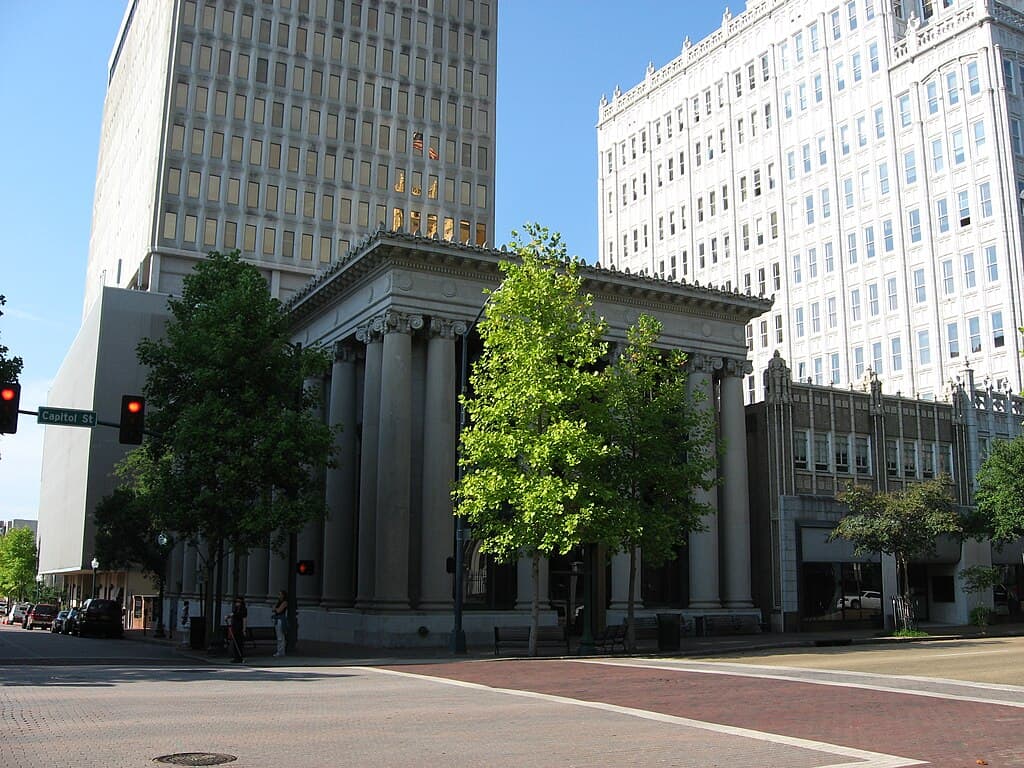
Jackson, Mississippi, registered one of the heaviest setbacks in the group by both percentage and headcount, with the Census estimates moving from 143,485 residents in 2023 down to 141,449 in 2024. That equals a one-year decline of 2,036 residents, or 1.4%, a meaningful change for a state capital where population trends influence tax capacity, housing demand, school systems, and the confidence behind long-term planning decisions. When numbers move this much in a single year, the impact is rarely abstract, because city systems are built around people counts that shape everything from service coverage to infrastructure priorities and neighborhood reinvestment.
Eureka, California

Eureka, California, fell from 25,735 residents in 2023 to 25,412 in 2024 in the latest Census place estimates, a one-year decline of 323 residents, or 1.3%, in a city where even small shifts can change the local picture fast. For a coastal community with a relatively small population base, that loss can register sooner than it would in a large metro, showing up in rental turnover, neighborhood demand, and the daily volume that keeps local businesses steady through the year. The raw number is not huge, but the rate is strong enough to place Eureka near the front of the country’s fastest-shrinking city counts for the latest completed estimate cycle.
West Memphis, Arkansas
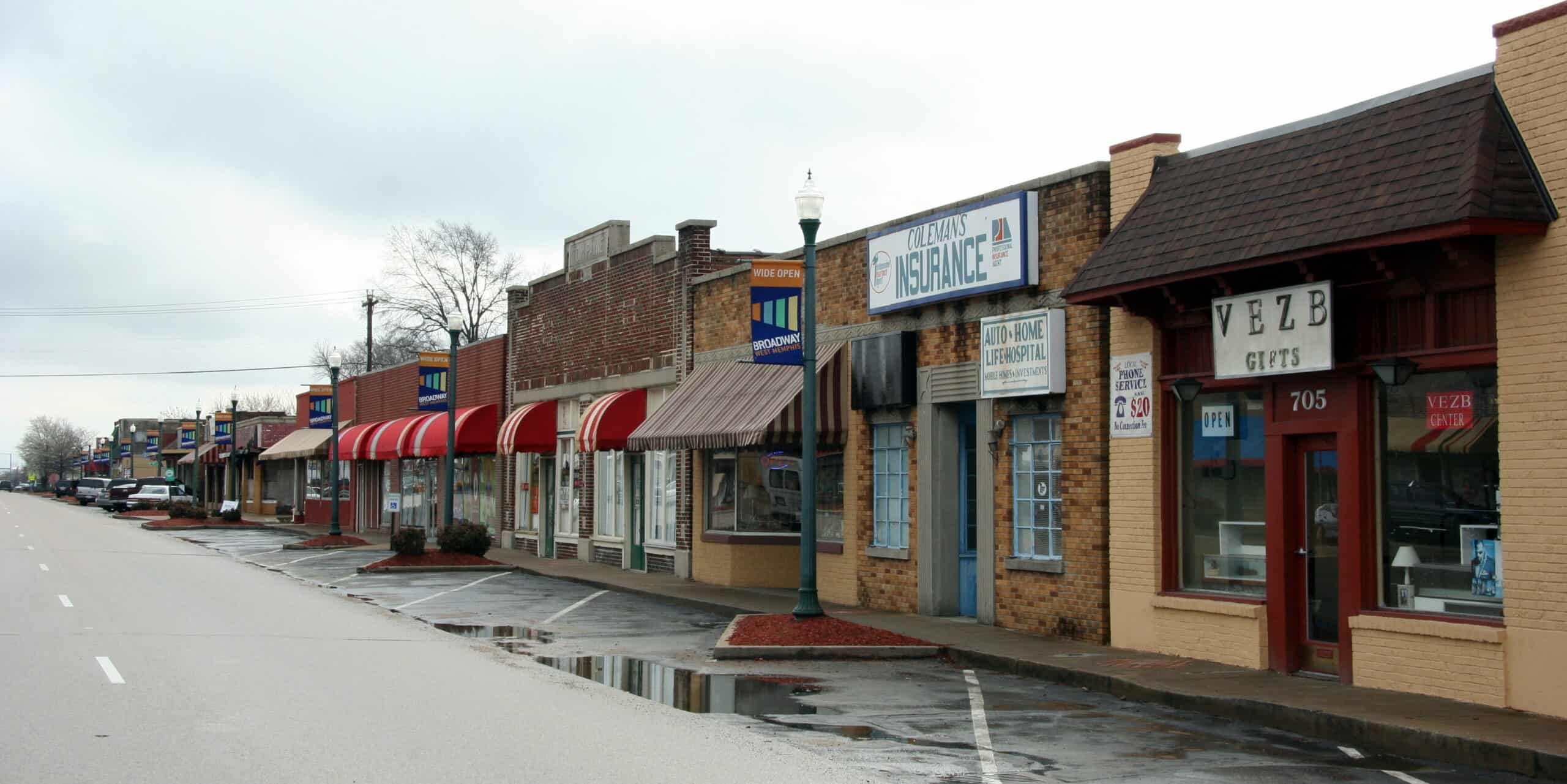
West Memphis, Arkansas, recorded a 1.3% one-year decline in the latest Census estimates, shifting from 23,849 residents in 2023 to 23,538 in 2024, a loss of 311 people in a city where percentage changes carry real weight. Places at this size often feel moves like that through quiet indicators first, including thinner traffic at local shops, slower household formation, softer demand in nearby rentals, and more pressure to stretch staffing and public services. The headcount drop may seem modest beside major-metro headlines, but the percentage places West Memphis among the sharpest city-level declines in the national annual change table.
St. Louis, Missouri

St. Louis, Missouri, remains a major U.S. city, which makes its latest decline especially striking: Census estimates show the population moving from 282,772 in 2023 to 279,695 in 2024 across a single one-year update. That is a loss of 3,077 residents, or 1.1%, and it is the largest numeric decline among the 15 cities highlighted here, even though several smaller cities posted steeper percentage decreases in the same Census ranking. When a city of this scale loses residents, the effect reaches far beyond one neighborhood, shaping transit ridership, redevelopment math, service demand, and the tone of long-range planning across multiple districts.
Newark, California

Newark, California, posted a 1.1% decline in the latest one-year Census estimates, easing from 46,788 residents in 2023 to 46,254 in 2024 and losing 534 residents overall in the process. The raw decline is not dramatic in isolation, but it is large enough to rank Newark among the faster percentage decliners in the country for incorporated cities with populations above 20,000 in the Census place table. In regions that are often discussed in terms of constant expansion, a year like this stands out because local plans are usually written around stable counts or gradual growth, not a measurable backward step in a single year of updated estimates.
Twentynine Palms, California
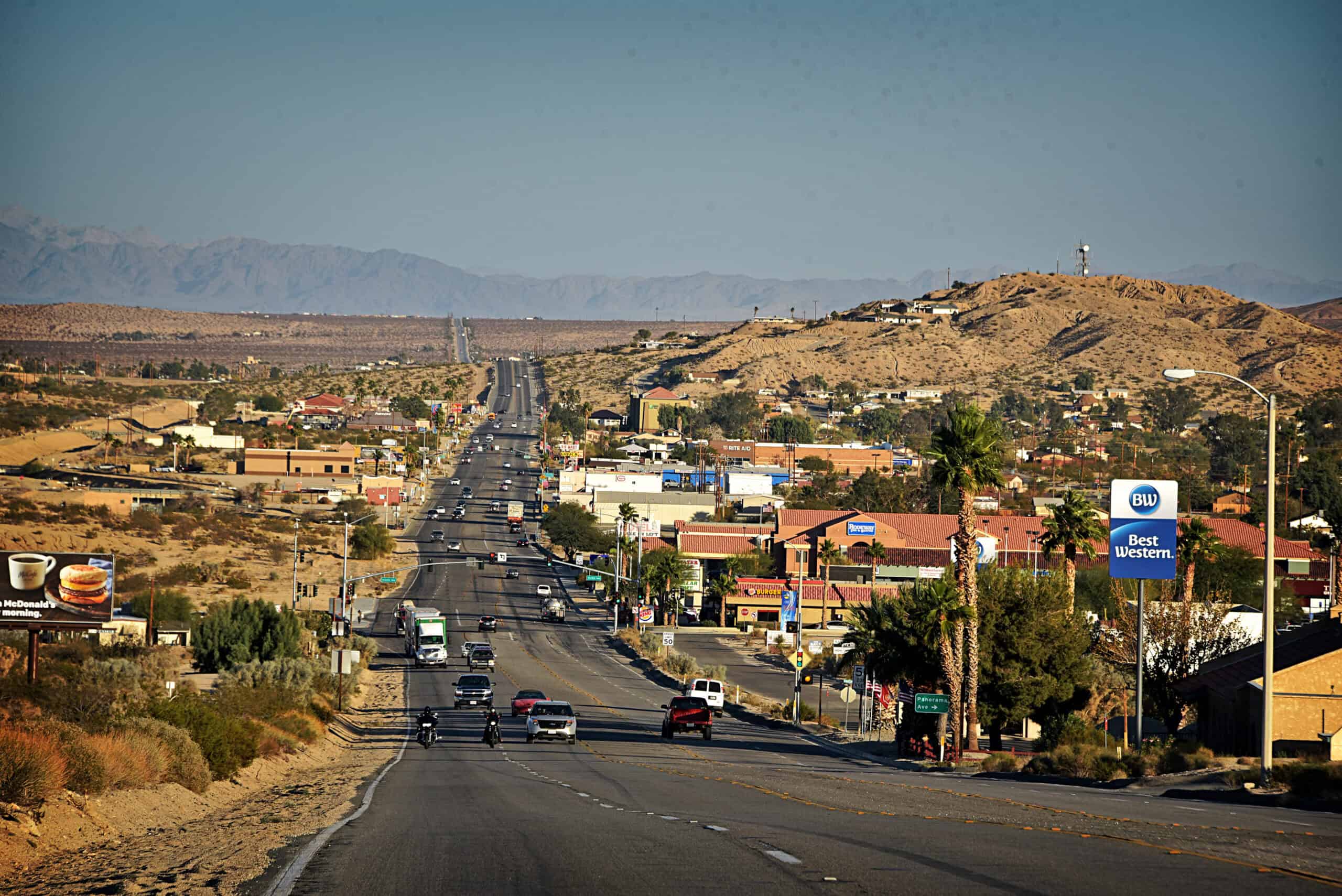
Twentynine Palms, California, declined from 26,861 residents in 2023 to 26,563 in 2024, according to the Census estimates, a one-year drop of 298 residents or 1.1% in a relatively small city footprint with limited room for hidden churn. That rate puts the city in the same percentage tier as much larger places, which is exactly why percentage-based comparisons matter when raw totals can make smaller communities seem less affected than they actually are. In a city this size, even a few hundred people can alter retail patterns, school counts, housing decisions, and the broader sense of momentum across a compact local economy where changes show up quickly.
Alexandria, Louisiana
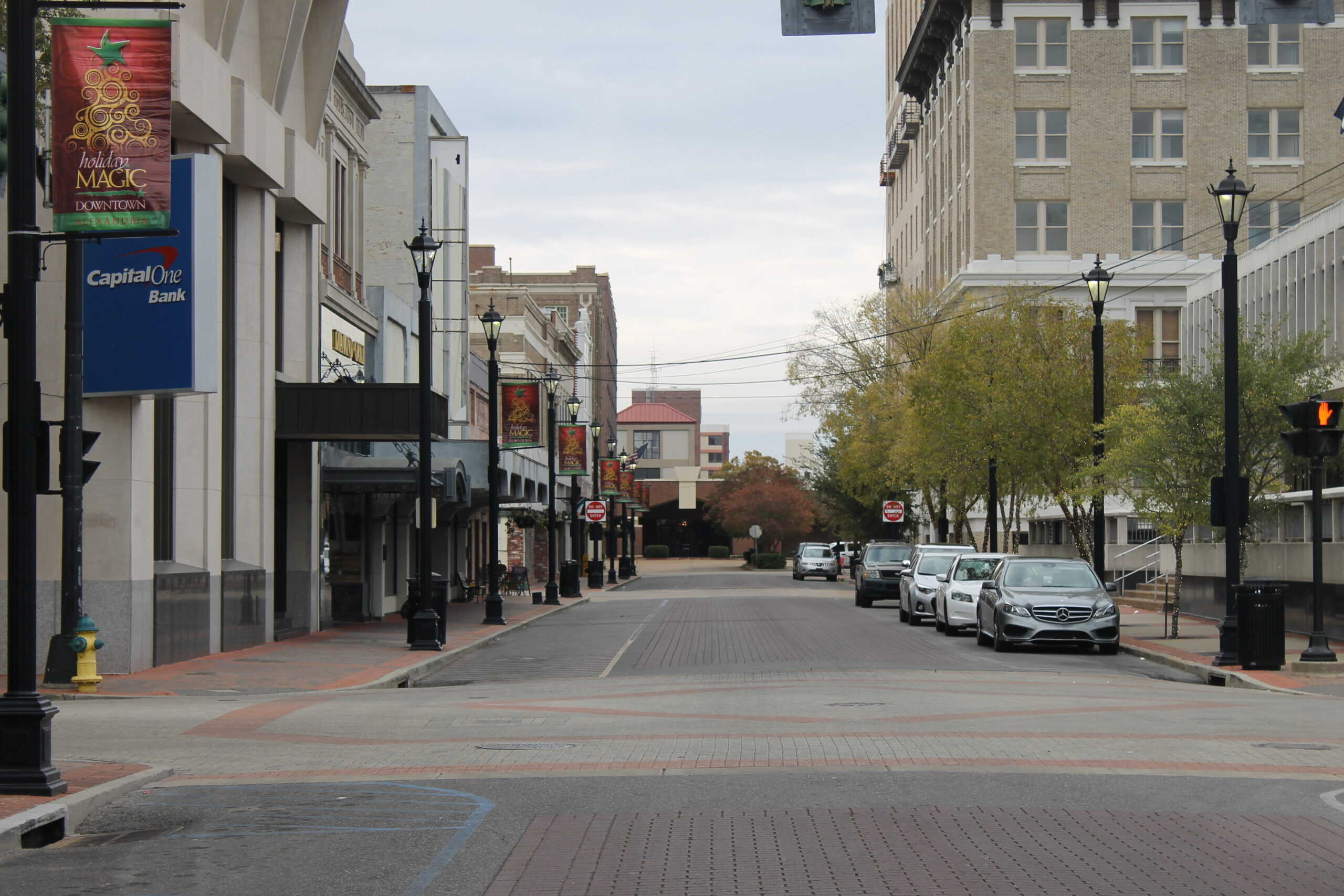
Alexandria, Louisiana, slipped from 43,551 residents in 2023 to 43,133 in 2024 in the Census place estimates, a one-year loss of 418 residents, or 1.0%, placing it in the upper range of annual city declines in the latest national table. A one-percent drop can sound manageable on paper, but midsize cities often feel that shift quickly because payrolls, infrastructure upkeep, and core service costs do not shrink as neatly as the resident count does. Alexandria’s numbers show a quieter form of contraction that may not dominate national headlines, yet still changes the pace, pressure, and priorities of local planning, budgeting, and staffing choices.
Oxford, Mississippi

Oxford, Mississippi, moved from 27,085 residents in 2023 to 26,801 in 2024 in the latest Census estimates, a one-year decline of 284 residents, or 1.0%, enough to place it among the faster city losses in the table. The city’s strong profile and cultural visibility can make any slowdown feel more layered than a simple growth-versus-decline narrative, especially when outside activity and visitor traffic still look busy on the surface. Still, the annual estimate is clear, and it shows how local demographics can soften even in places with a recognizable identity, visible investment, and a steady public image that still feels active to outsiders.
Fairbanks, Alaska
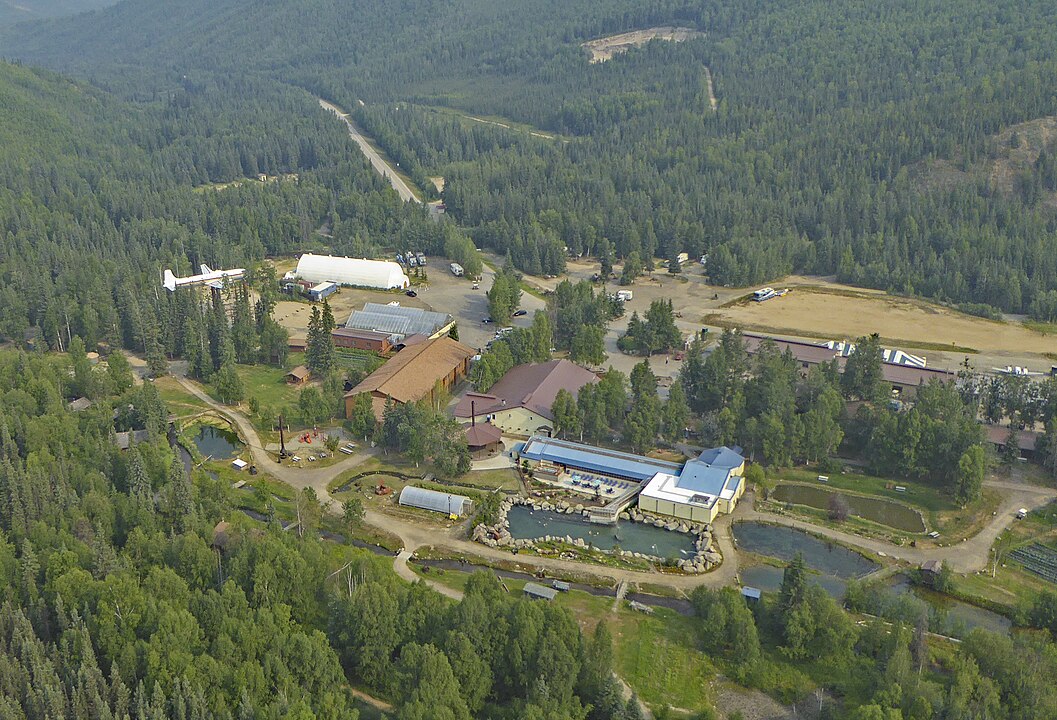
Fairbanks, Alaska, dropped from 32,007 residents in 2023 to 31,732 in 2024, a one-year decline of 275 residents, or 0.9%, in the latest Census city estimates for incorporated places. That percentage is lower than the top entries in this ranking, but it still places Fairbanks among the more notable city-level declines nationwide above the 20,000-resident threshold used in the Census annual change table. In communities where distance and logistics already shape daily life, population drift can carry extra weight because each household supports a thinner network of workers, services, and local businesses spread across a demanding geography.
Monterey, California

Monterey, California, fell from 29,273 residents in 2023 to 29,015 in 2024 in the Census estimates, a one-year decline of 258 residents, or 0.9%, enough to rank among the faster city-level pullbacks nationally. For a city under 30,000, that kind of shift does not require a dramatic exodus to be felt; it can quietly change housing turnover, neighborhood activity, service demand, and the customer base supporting smaller storefronts. Monterey’s appearance in the faster-declining group is a reminder that even well-known coastal places can post measurable population softening within a single estimate cycle, even without dramatic headlines.
Jamestown, New York
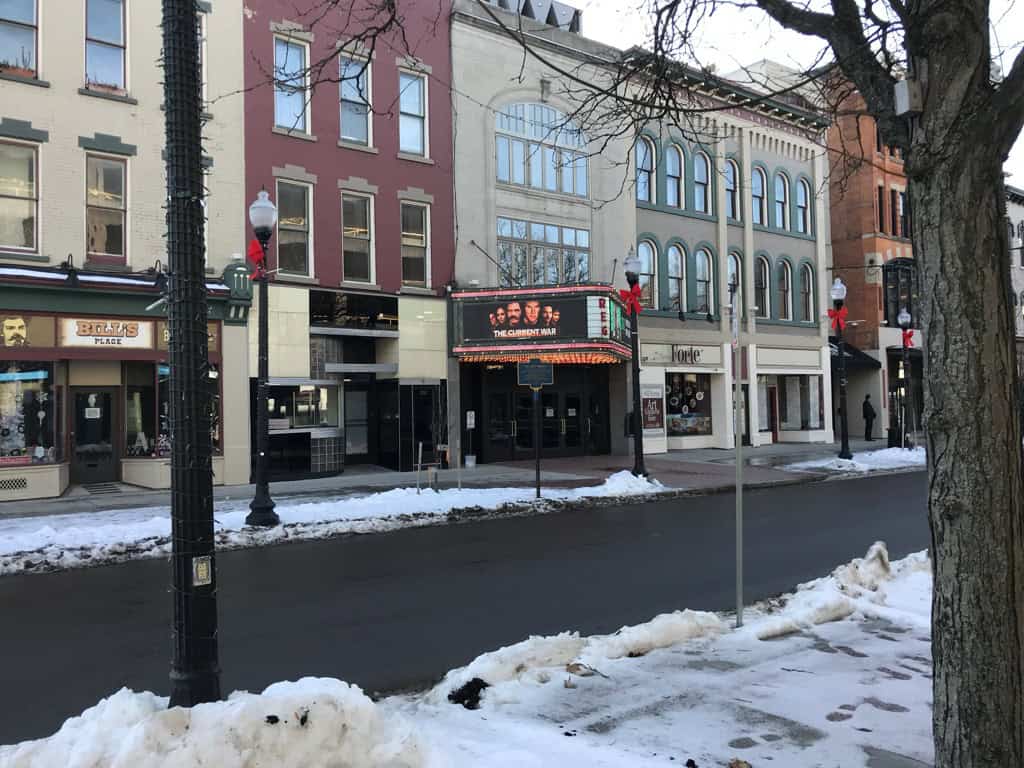
Jamestown, New York, declined from 27,956 residents in 2023 to 27,699 in 2024 in the latest Census estimates, a one-year loss of 257 residents, or 0.9%, within the national ranking of cities above 20,000. That rate keeps the city in the upper band of annual declines among incorporated places, even if the raw headcount change looks smaller than what larger cities absorb without attracting the same attention. For long-established small cities, these movements often appear as a slow tightening of options rather than a sudden break, which is exactly why annual estimates matter to local decision-makers, not just state-level planners.
Columbus, Mississippi

Columbus, Mississippi, slipped from 23,019 residents in 2023 to 22,820 in 2024, a one-year decline of 199 residents, or 0.9%, in the Census place tables for incorporated cities and towns above 20,000 residents. The story is less about a single threshold and more about pace, because repeated annual losses of this size can gradually reshape school planning, employer confidence, housing demand, neighborhood stability, and service delivery. Columbus shows how population change can look incremental on paper while still building into a larger civic challenge when the same direction holds over multiple years and becomes harder to unwind.
Gallup, New Mexico

Gallup, New Mexico, moved from 20,528 residents in 2023 to 20,339 in 2024 in the latest Census estimates, a one-year decline of 189 residents, or 0.9%, and it sits close to the 20,000 threshold used in the ranking. Because the city is near that cutoff, even a sub-200-person drop becomes highly visible in year-to-year comparisons of incorporated places and can shift how local momentum is discussed in public planning conversations. Its placement here also shows how quickly a relatively small change can alter rankings, funding conversations, and the language local leaders use when describing population trends and near-term planning priorities.
Shreveport, Louisiana

Shreveport, Louisiana, rounds out the group with a decline from 178,017 residents in 2023 to 176,578 in 2024, a one-year loss of 1,439 residents, or 0.8%, in the Census place estimates for incorporated communities. The percentage decline is smaller than many cities above it, but the raw drop is still substantial for a regional center that anchors jobs, health care, education, and everyday travel across northwest Louisiana and surrounding parishes. Shreveport’s numbers capture the broader pattern running through these estimates: population loss does not have to look dramatic to become a serious signal for local planning, budgeting, and service coordination.