We may earn money or products from the companies mentioned in this post. This means if you click on the link and purchase the item, I will receive a small commission at no extra cost to you ... you're just helping re-supply our family's travel fund.
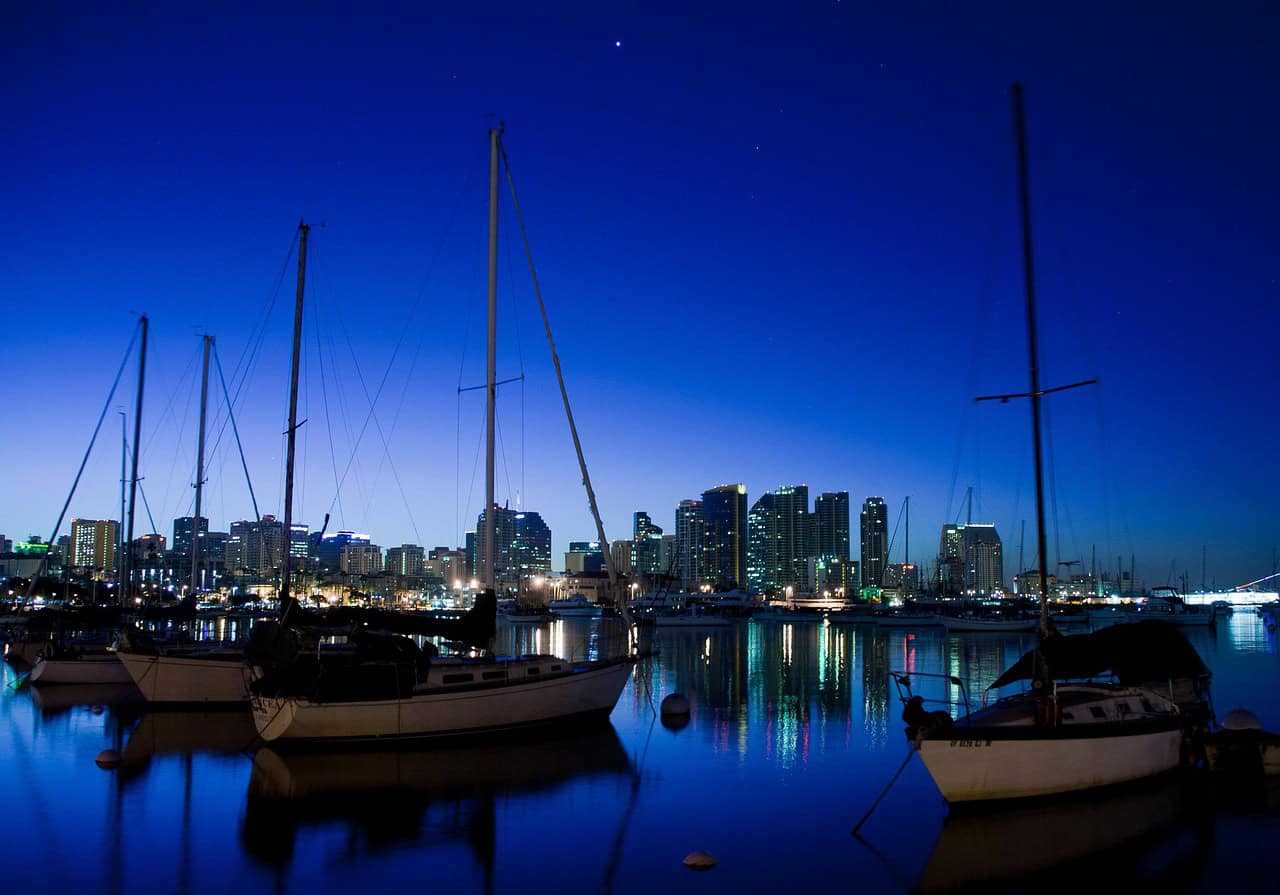
Tourism keeps countless American towns functioning, yet some destinations now feel overwhelmed by the sheer number of visitors arriving each year. In places with cultural significance, fragile ecosystems, or limited infrastructure, residents often find themselves competing with tourists for space, resources, and everyday calm. These 14 locations have become daily battlegrounds where overcrowding, rising costs, and environmental strain create ongoing friction between the people who live there and those who simply pass through.
1. Honolulu, Hawaii
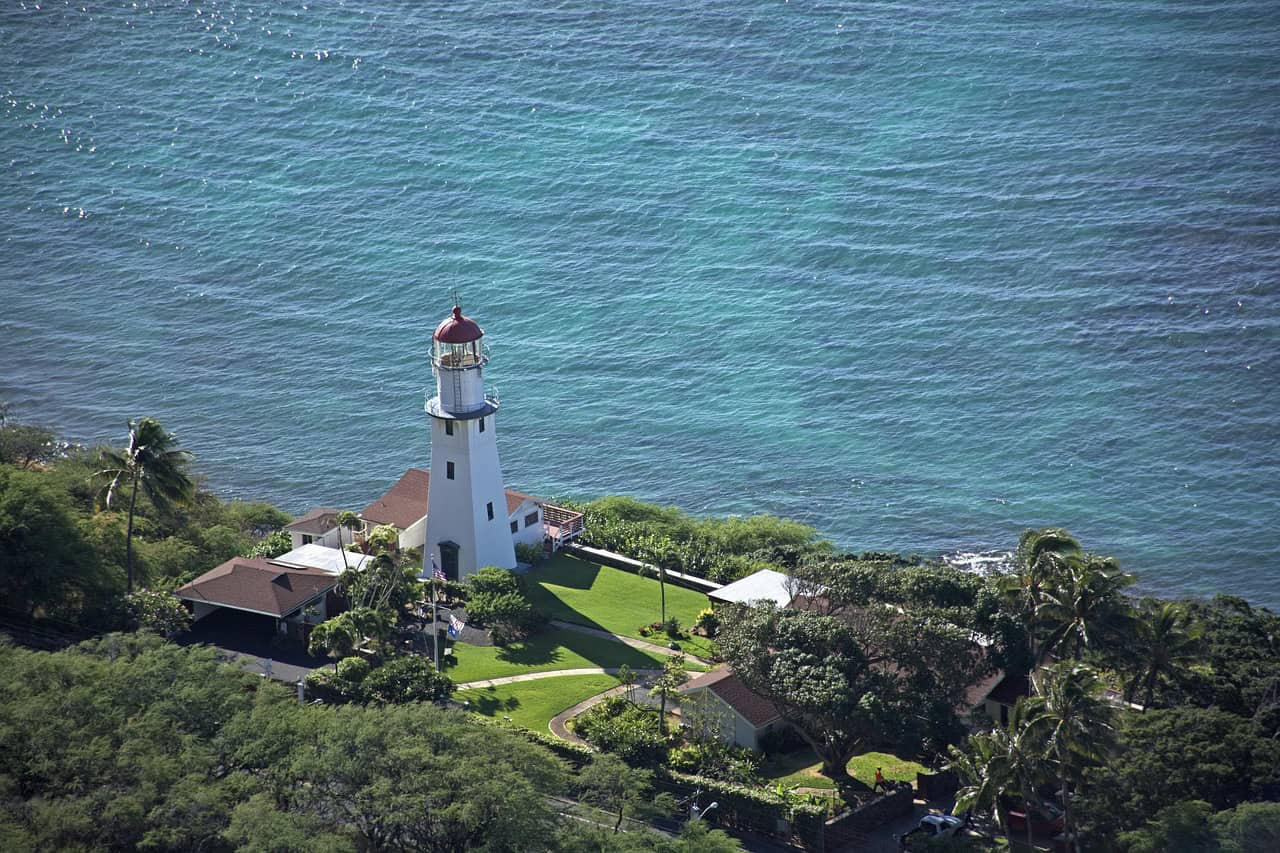
Honolulu receives more than 4.6 million tourists annually, placing immense pressure on neighborhoods already dealing with some of the highest housing costs in the U.S. Daily conflicts arise when visitors pack beaches, clog narrow roadways, or trespass into sacred sites without understanding cultural protocols. Residents report that heavy traffic adds 20–40 minutes to routine commutes, while short-term rentals have reduced long-term housing by thousands of units, intensifying local frustration.
2. Maui, Hawaii
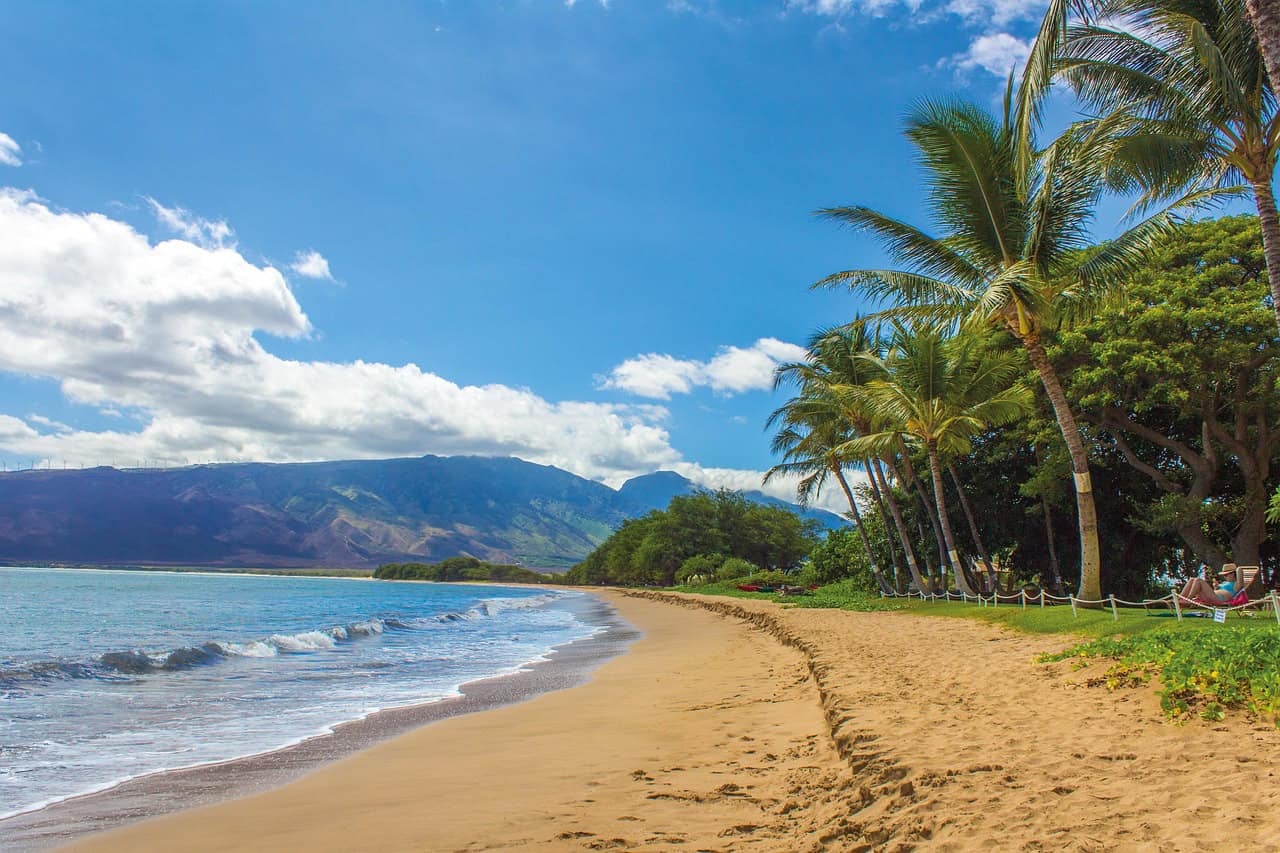
Maui welcomes about 2.9 million visitors each year, a number that far exceeds the island’s natural capacity, especially after recent wildfire damage. Locals frequently clash with tourists during water shortages, where overall demand rises by nearly 20% in peak months. Many residents express frustration over visitors entering restricted disaster zones or blocking narrow rural roads. With hotel occupancy often above 75%, the strain on water, roads, and cultural spaces creates constant friction.
3. Sedona, Arizona
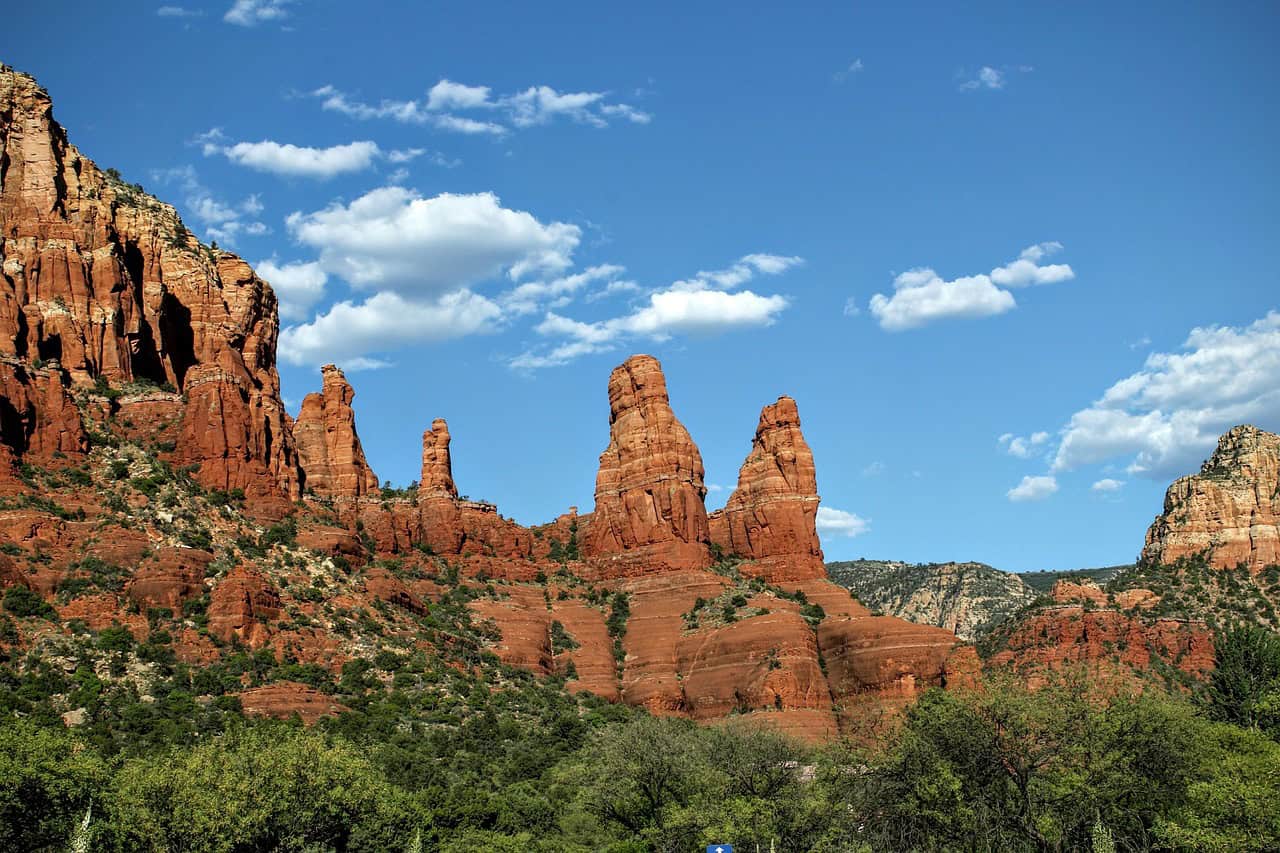
Sedona draws over 3 million tourists annually, a volume that overwhelms its population of roughly 10,000 residents. Locals routinely voice concerns about off-road vehicles, which have increased by nearly 60% in the last decade, generating disruptive dust and noise. Trailheads regularly exceed their parking capacity by mid-morning, forcing visitors into residential zones. The sacred red-rock environment is also impacted by more than 250,000 yearly off-trail incursions, adding to community frustration.
4. Moab, Utah
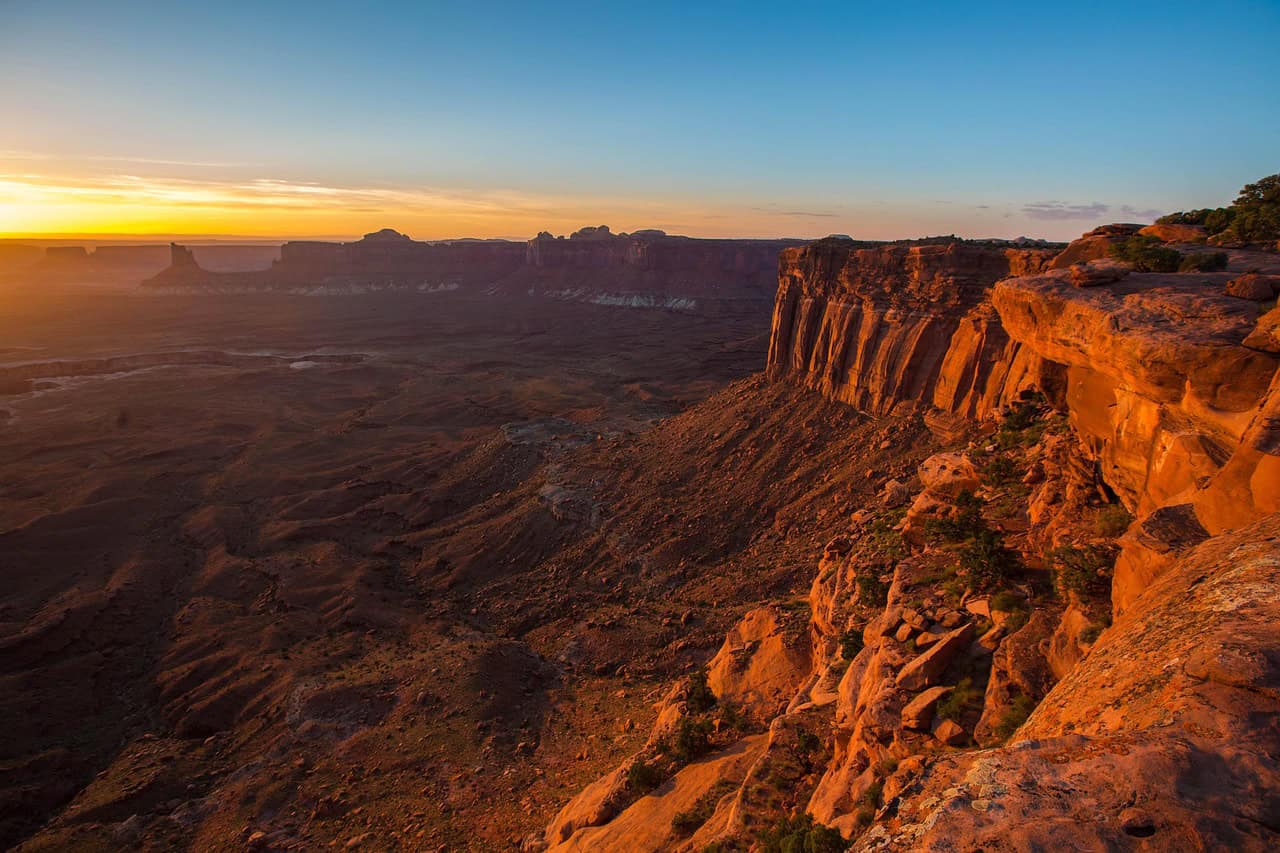
Moab’s tourism boom brings more than 5 million visitors to surrounding national parks, straining a town of just 5,500 people. Off-highway vehicle traffic has surged by 35% in recent years, creating daily noise complaints and dust issues. Housing prices have climbed nearly 40% due to short-term rentals, pushing many workers out of town. Emergency services report sharp increases in rescue calls, often more than 300 per year caused by unprepared or careless visitors.
5. Asheville, North Carolina
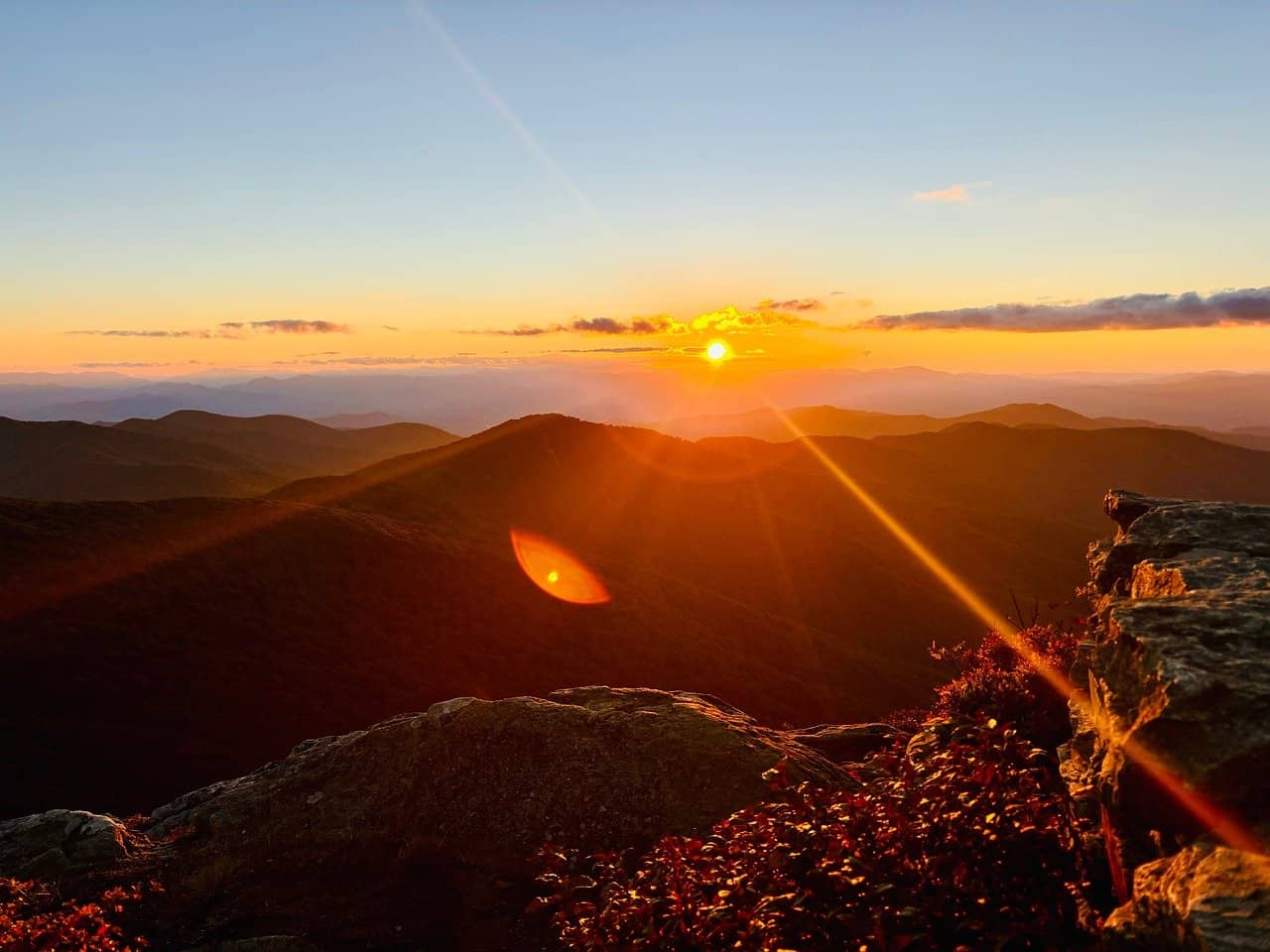
Asheville attracts roughly 11 million visitors a year, a staggering figure for a city of only 95,000 residents. Locals often struggle with downtown congestion, where pedestrian counts can spike fourfold on weekends. The rise of more than 2,500 short-term rentals has contributed to steep housing inflation, while popular breweries experience hour-long waits that frustrate residents. Many worry that tourism-driven development is eroding the city’s distinctive arts and mountain-town identity.
6. Key West, Florida
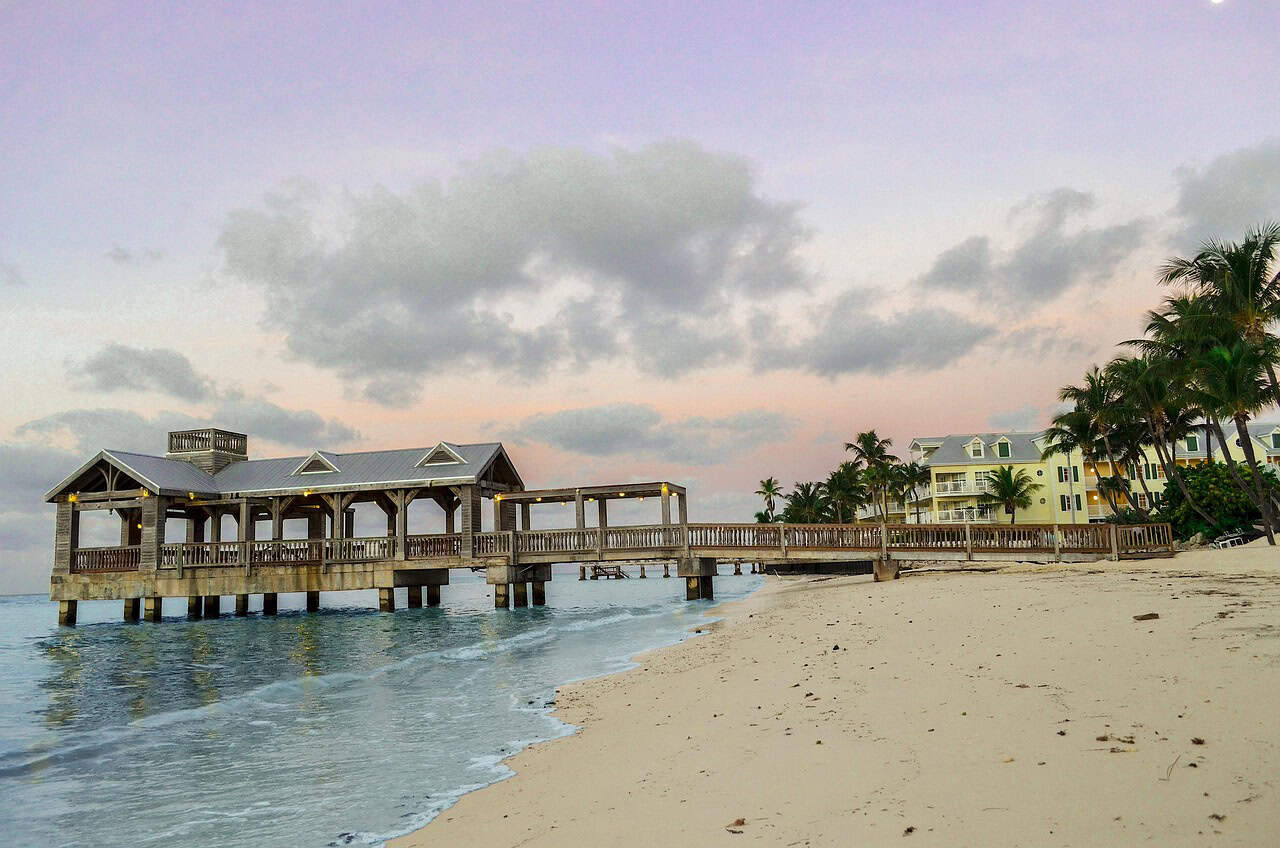
Key West hosts over 1 million cruise passengers annually, leading to sudden surges of 5,000–8,000 people entering the island within hours. Residents frequently protest the impact on coral reefs, which have declined more than 40% in recent decades due in part to marine disruption. Narrow streets become gridlocked as visitor numbers swell far beyond the city’s 26,000 residents. Waste output spikes by 20% on heavy cruise days, fueling ongoing tension between locals and tourism operators.
7. New Orleans, Louisiana (French Quarter)
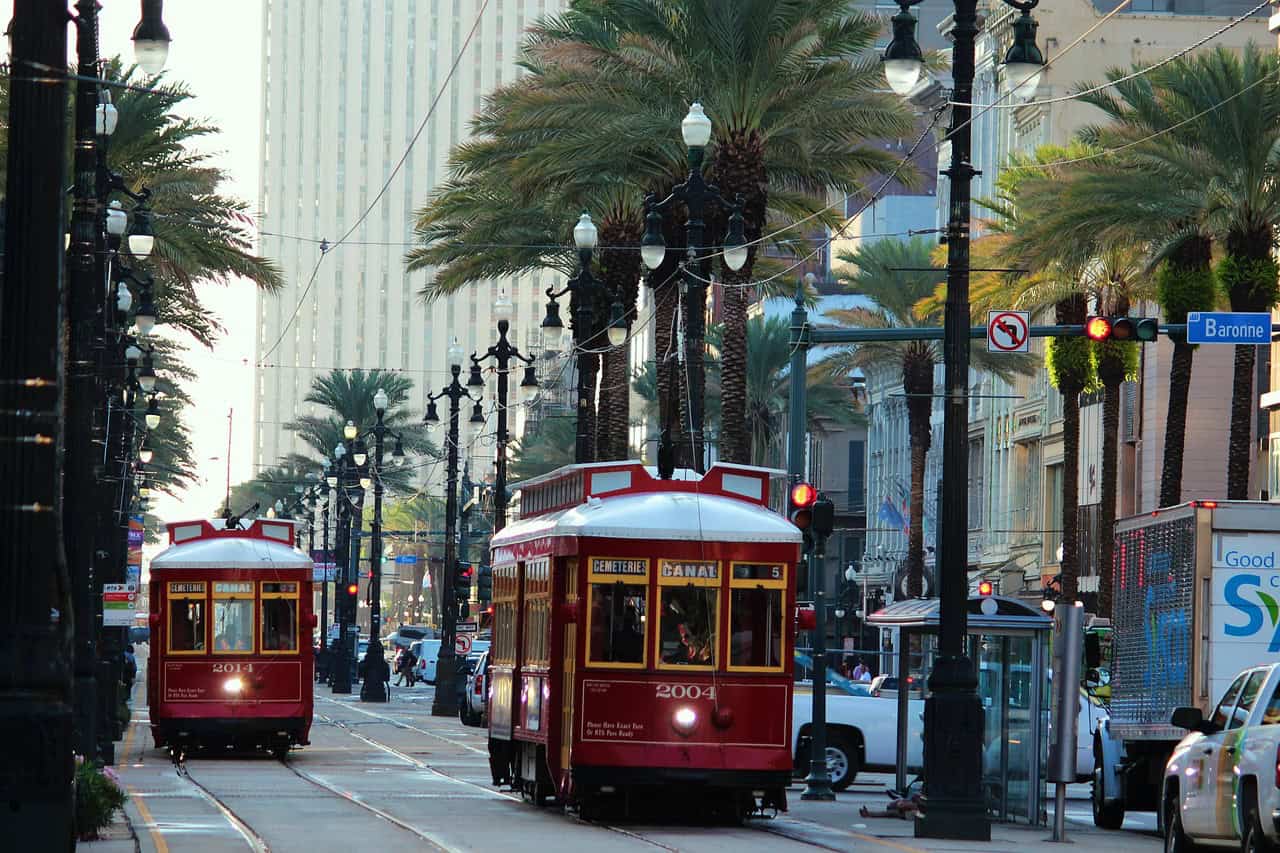
The French Quarter absorbs more than 10 million tourists each year, overwhelming a neighborhood meant for far fewer people. Weekend crowds can increase noise levels by 15–20 decibels, rivaling major entertainment districts. Short-term rentals, now numbering over 4,000, have displaced long-time residents and raised rents substantially. Locals routinely complain about overflowing trash bins, late-night disruptions, and visitors who ignore historical preservation rules meant to protect fragile architecture.
8. Jackson Hole, Wyoming

Jackson Hole’s gateway position to Grand Teton and Yellowstone brings around 4 million park visitors nearby each year. With a local workforce struggling against housing prices that have jumped 50% over a decade, tensions rise during peak seasons when grocery lines triple and road delays exceed 45 minutes. Wildlife-related traffic jams, sometimes caused by tourists stopping for photos, create safety hazards. The imbalance between tourism demand and resident needs shapes daily friction in the valley.
9. Lake Tahoe (California & Nevada)
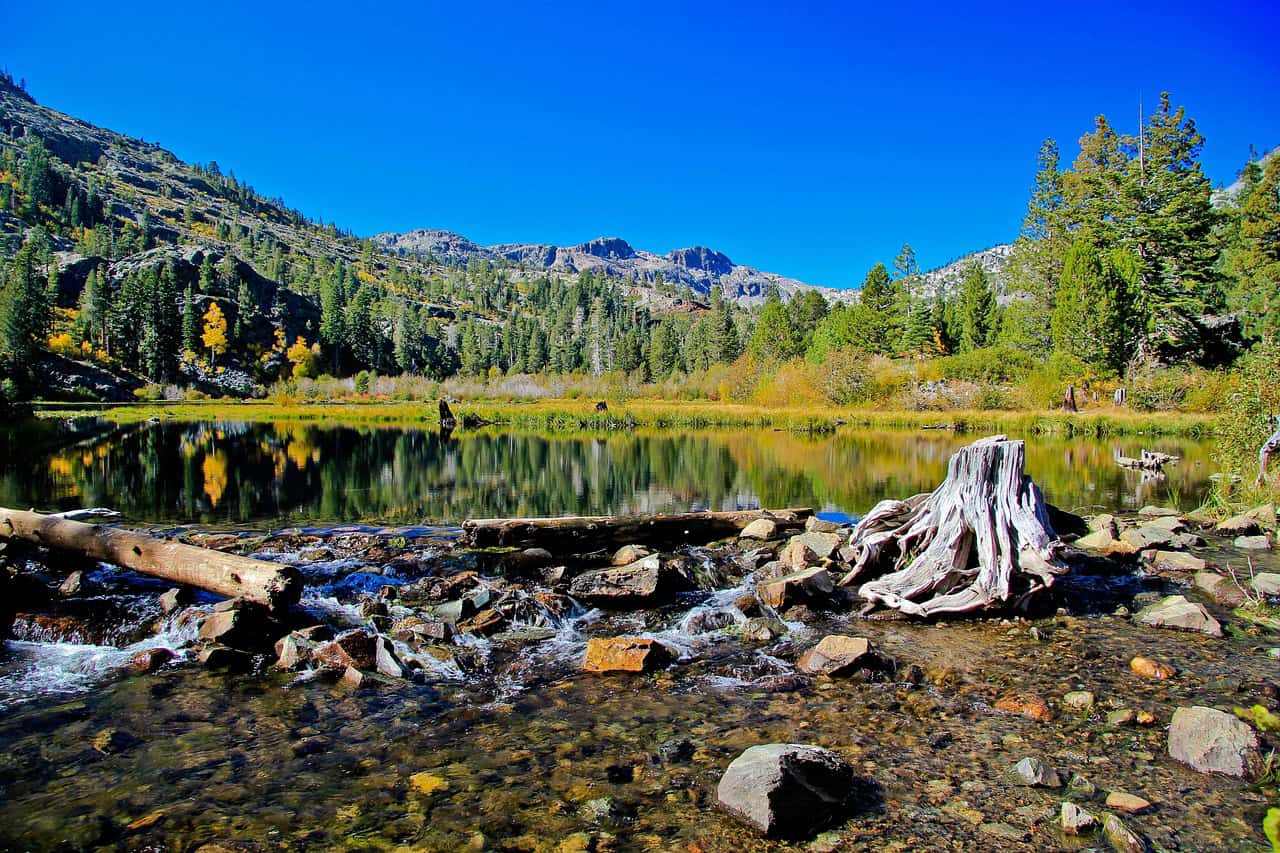
Lake Tahoe draws more than 15 million visitors annually, far exceeding its 70,000 full-time residents. Holiday weekends can generate 3–4 hour traffic jams on one-lane mountain roads. Litter volume rises by 150% in summer, overwhelming cleanup crews. Housing shortages have intensified as over 20% of homes transition into vacation rentals. Locals routinely express frustration over illegal beach parking, overcrowded trail systems, and noise from tourism-driven nightlife.
10. Santa Monica, California
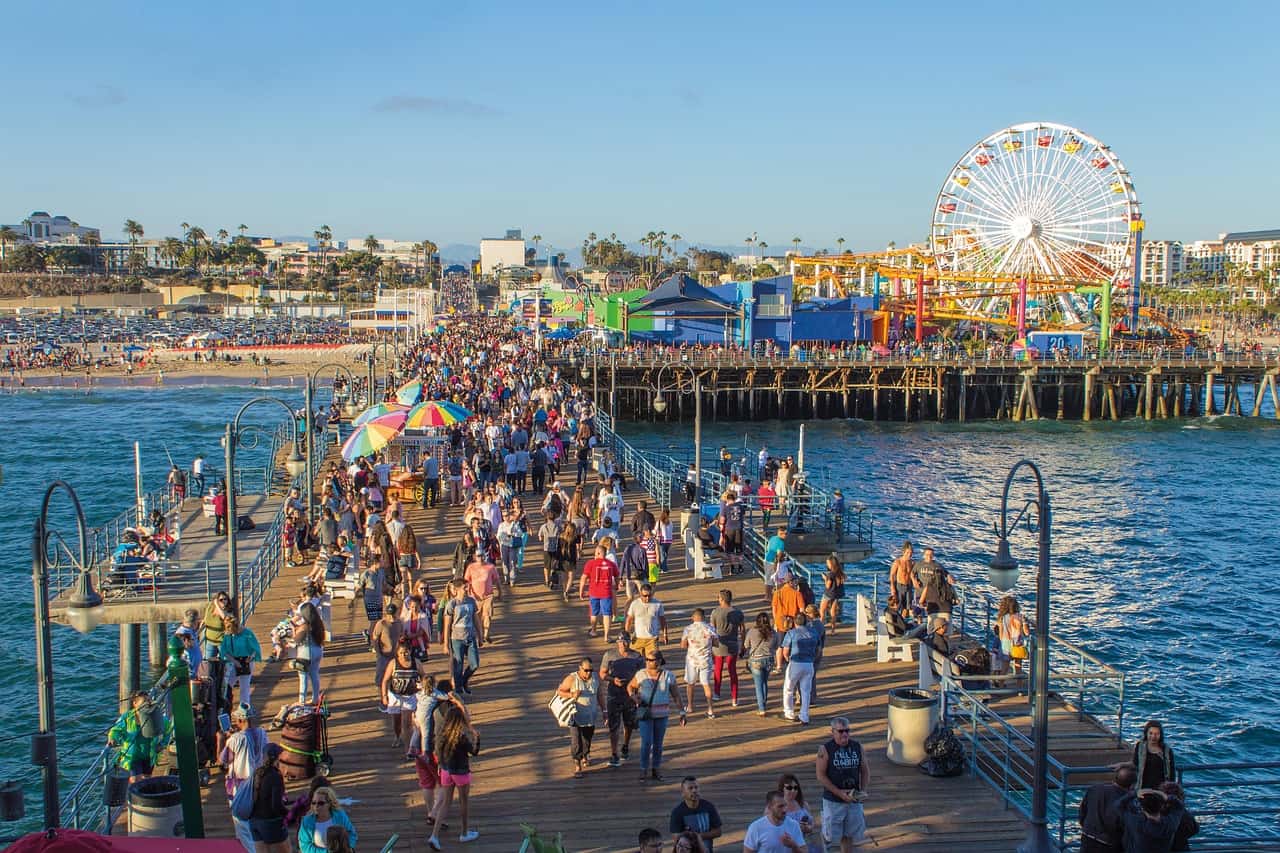
Santa Monica receives nearly 8 million visitors per year, pushing its infrastructure far beyond daily capacity. The famed pier area regularly exceeds 50,000 people on peak weekends. Residents complain about rising noise levels, congested parking, and constant beach overcrowding. More than 2,000 short-term rentals have reduced long-term housing options, driving prices sharply upward. Local officials say tourism-related waste increases by 30% each summer, heightening tension across beachfront communities.
11. Gatlinburg & Pigeon Forge, Tennessee
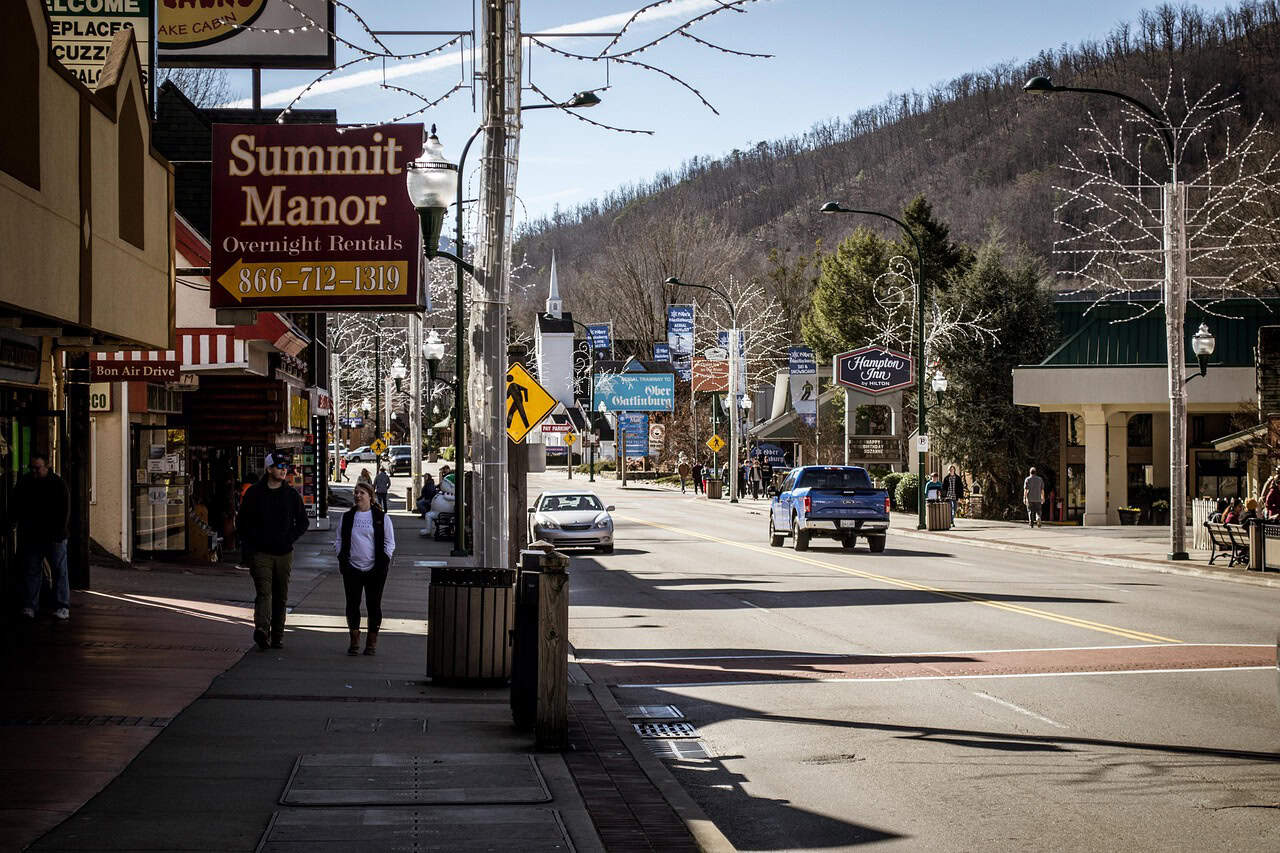
These towns funnel over 12 million visitors into the Great Smoky Mountains region annually, causing traffic delays that can last 2–3 hours during foliage season. Local emergency crews respond to more than 1,000 annual rescue calls, many tied to inexperienced hikers. Residents often struggle with noise from amusement attractions and bumper-to-bumper congestion along narrow mountain roads. The rise of 15,000+ nightly rentals has transformed once-quiet neighborhoods into tourism corridors.
12. San Diego, California (La Jolla & Mission Beach)

La Jolla’s sea lion cove attracts more than 3 million visitors yearly, causing conflicts over wildlife protection as tourists get dangerously close to animals. Mission Beach experiences similar strain, with summer populations swelling by 40,000 additional people daily. Residents face parking shortages, excessive nighttime noise, and short-term rentals now numbering over 1,500. Local officials cite seasonal waste spikes of more than 25%, fueling ongoing resident frustration.
13. Big Sur, California
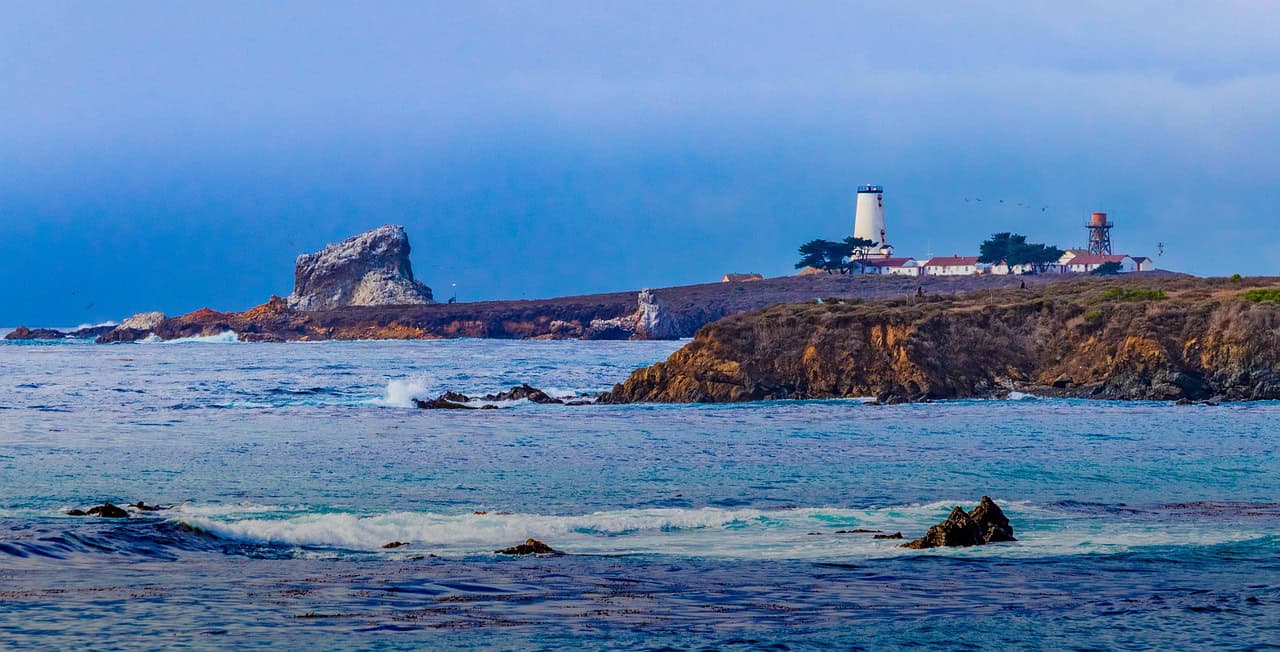
Big Sur’s rugged coastline sees upwards of 5 million drive-through visitors, despite its limited facilities. Single-lane Highway 1 often experiences hour-long backups due to illegal parking and roadside photo stops. Locals deal with wildfire risks caused by careless tourists, who are responsible for several major blazes over the past decade. Trail erosion has increased by 30%, and trespassing on private land is reported nearly 200 times a year, creating constant tension.
14. Charleston, South Carolina
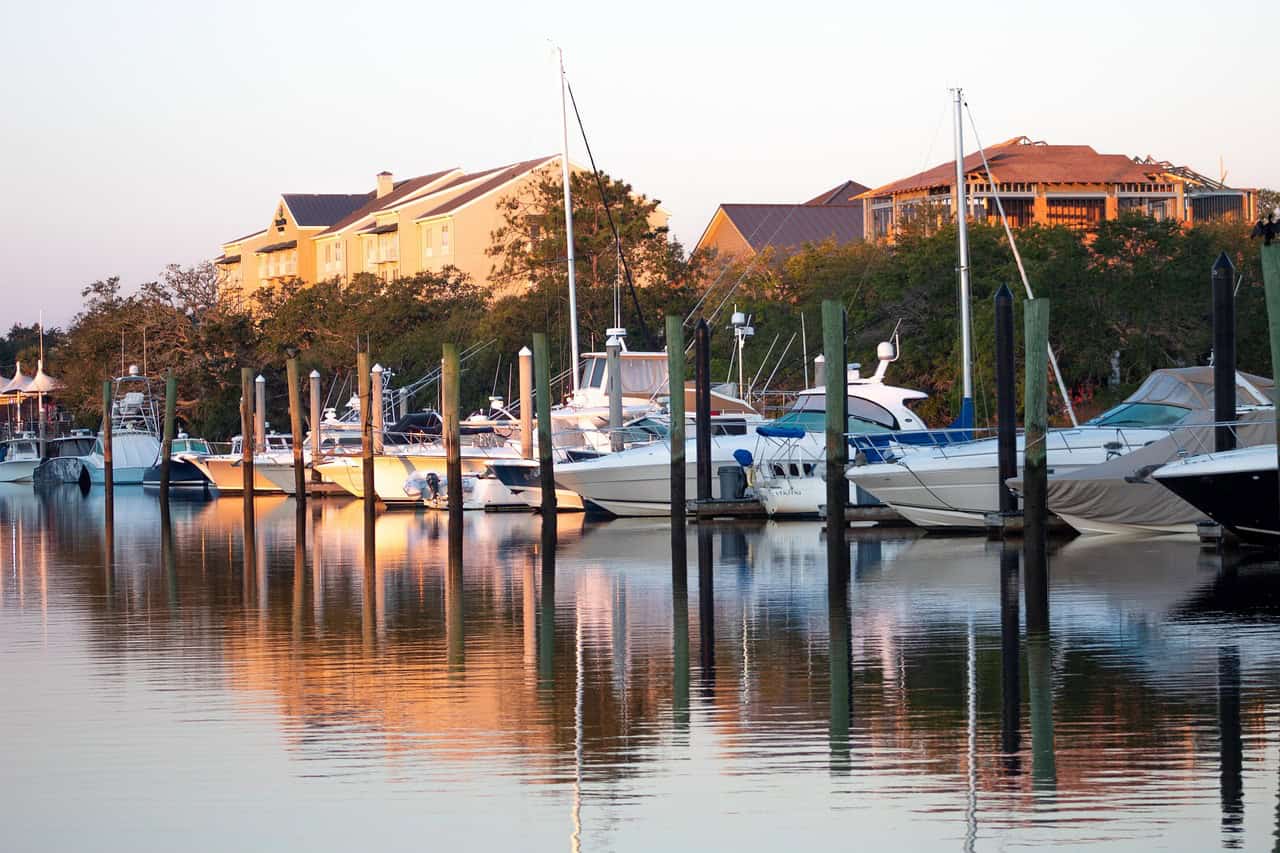
Charleston welcomes around 7 million tourists annually, placing heavy pressure on historic residential neighborhoods. Streets built centuries ago struggle with modern congestion, where foot traffic can quadruple during peak cruise dockings. More than 3,500 short-term rentals have driven housing prices upward by nearly 35%. Residents often cite excessive noise, crowded sidewalks, and commercialization as daily challenges that erode the city’s traditional charm and sense of community.