We may earn money or products from the companies mentioned in this post. This means if you click on the link and purchase the item, I will receive a small commission at no extra cost to you ... you're just helping re-supply our family's travel fund.
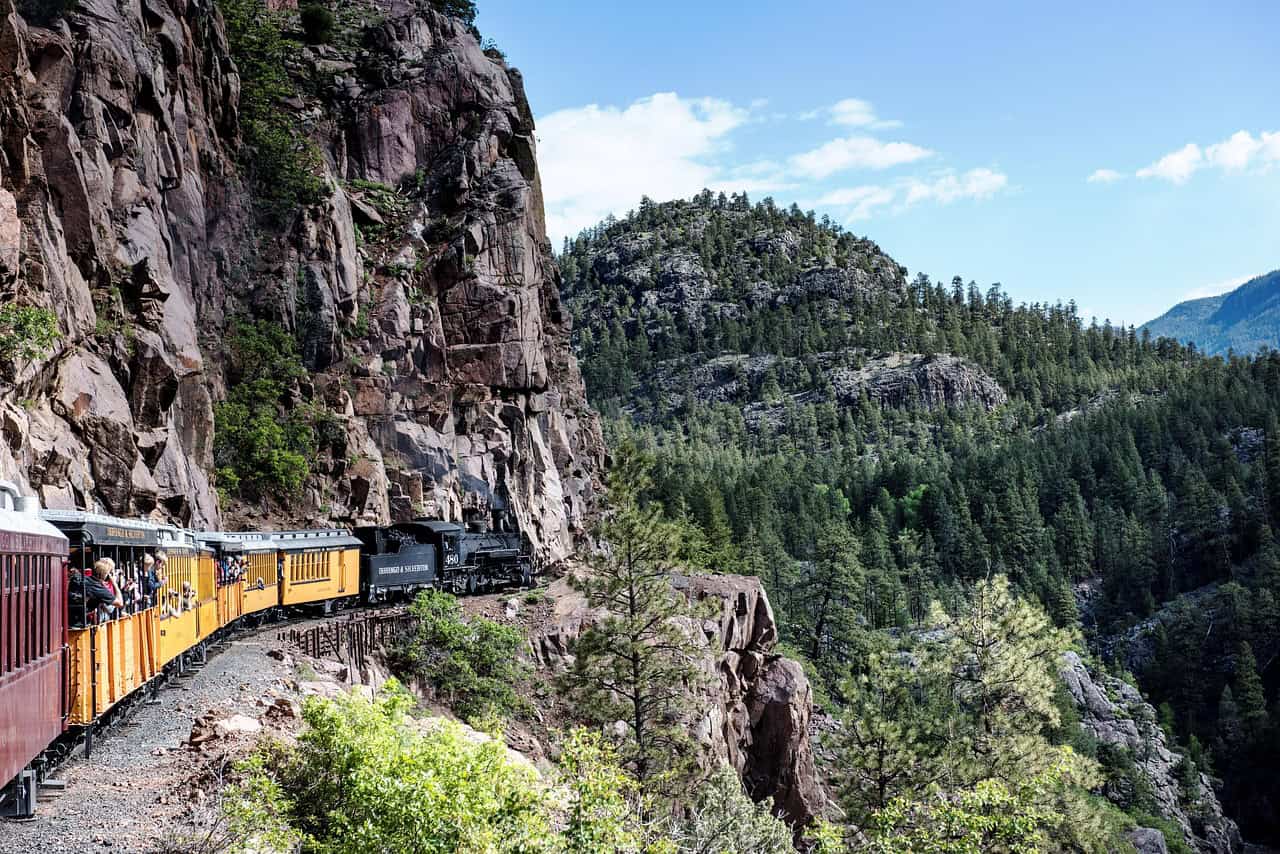
The United States is not a single experience but a collection of extremes; vast landscapes, intense cities, deep history, and bold cultural rituals. From deserts that stretch for hundreds of miles to cities that never slow down, the country rewards travelers who seek depth rather than surface highlights. This list focuses on once-in-a-lifetime experiences that reveal America’s scale, spirit, and contradictions. Each moment below combines emotional impact with practical context, helping you understand not just what to do, but why it matters.
1. Drive a Classic American Road Trip
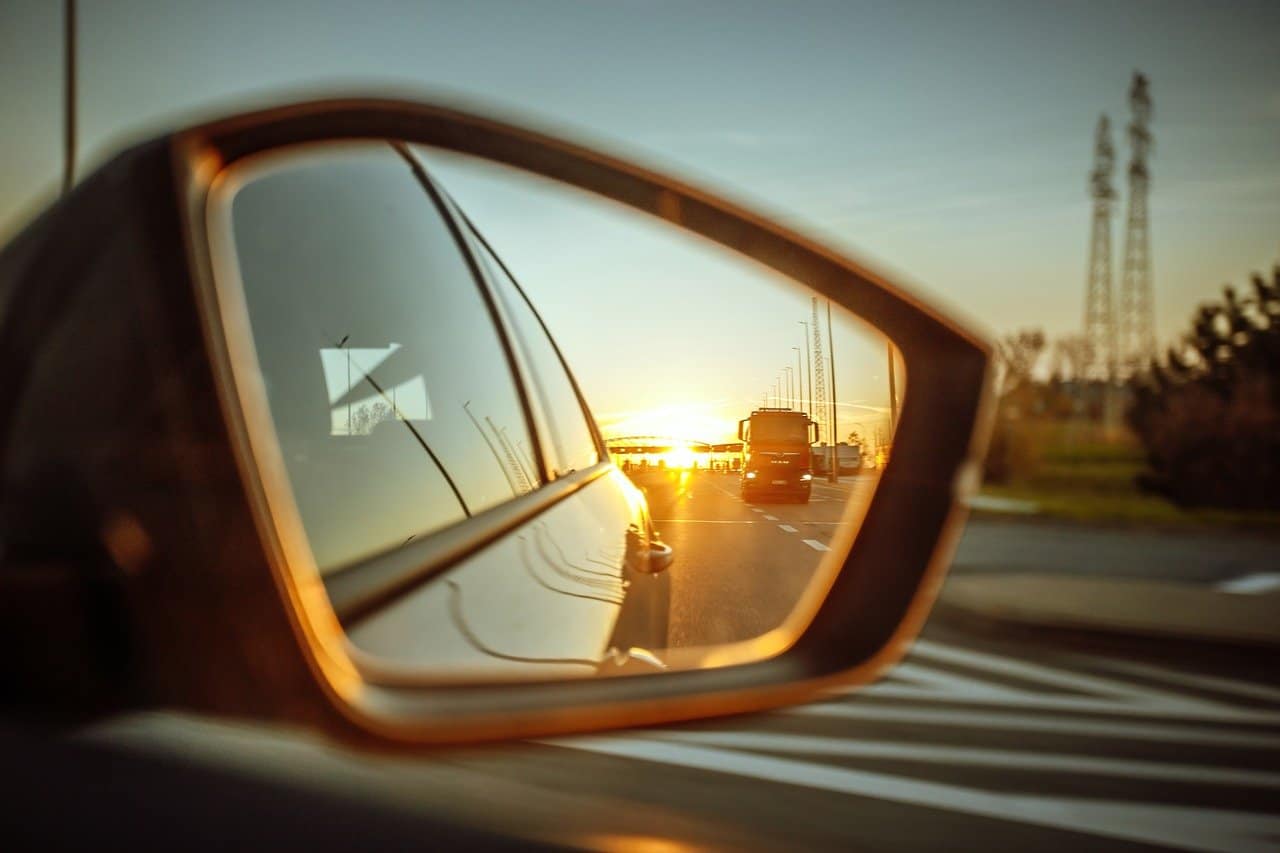
Driving across the U.S. captures the country’s obsession with freedom and distance. Routes like Route 66 stretch nearly 3,940 km, cutting through eight states and dozens of small towns. Gas stations, diners, and motels form a rhythm that feels uniquely American. You’ll cross deserts, farmland, and cities within days, experiencing dramatic shifts in accent, food, and scenery. Unlike train or air travel, driving reveals scale, states alone can take 10–12 hours to cross. This journey isn’t about speed but immersion, offering a rare sense of continuity across a vast nation built for wheels and wanderers.
2. Watch Sunrise at the Grand Canyon
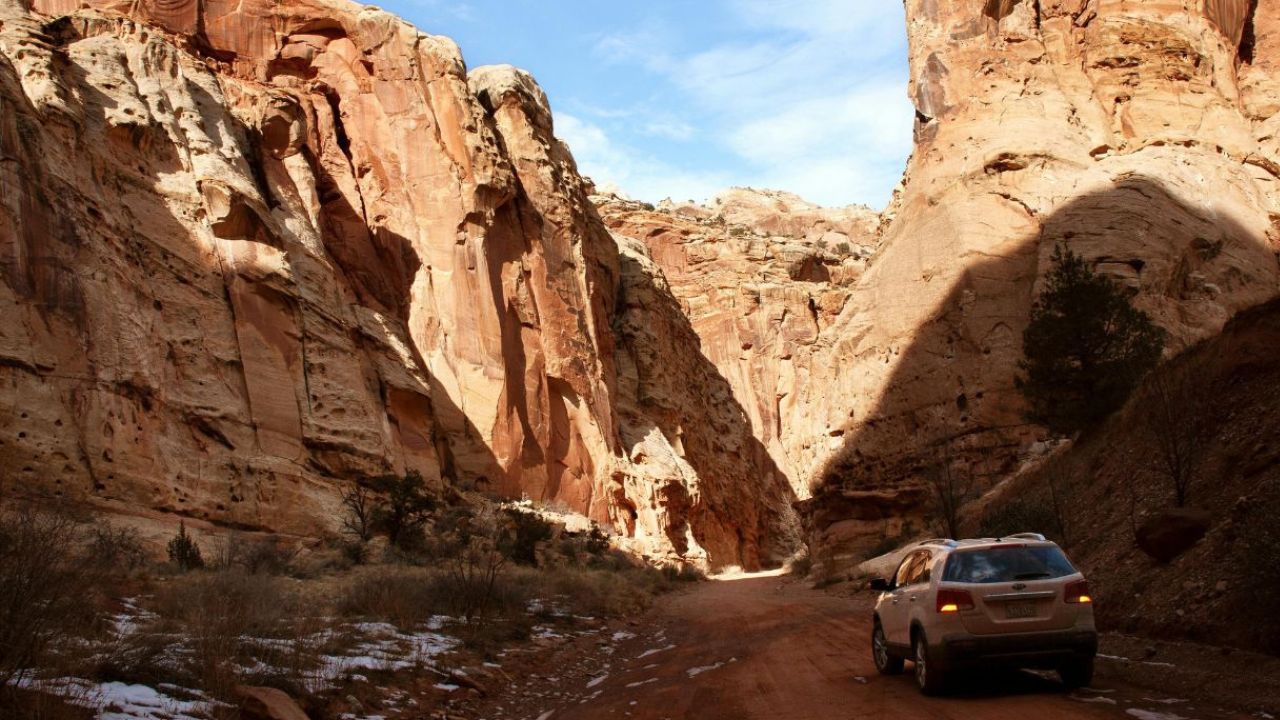
Seeing the Grand Canyon at sunrise is a quiet, grounding experience that contrasts sharply with its immense size. The canyon is 446 km long, over 29 km wide, and more than 1.8 km deep, yet the early morning hours feel intimate and still. As sunlight moves across layered rock formed over 2 billion years, colors shift minute by minute. More than 5 million visitors arrive annually, but few witness this calm moment. Temperatures can vary by 20°C between rim and base, reminding you of nature’s scale and unpredictability in one unforgettable setting.
3. Absorb New York City in Motion
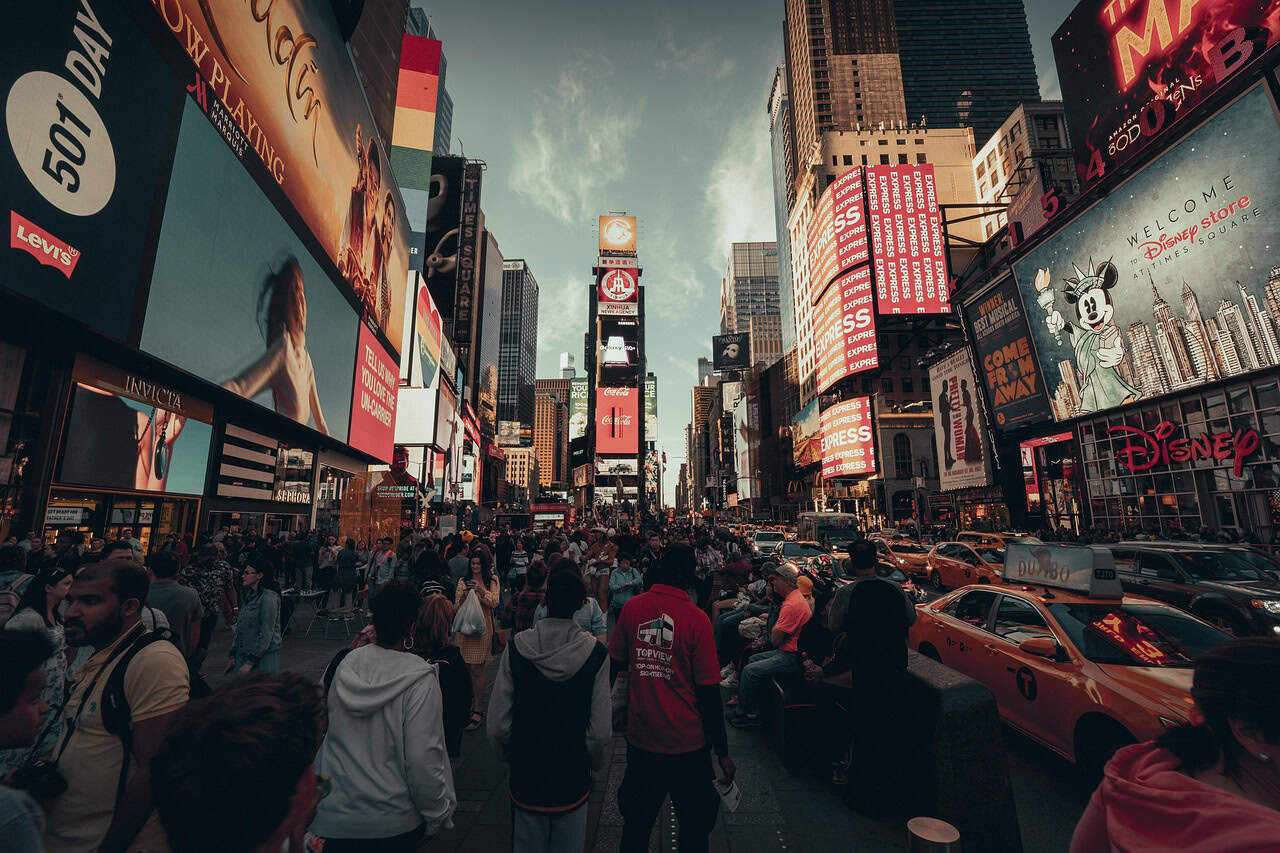
New York City compresses the world into 783 km², hosting over 8.3 million residents and hundreds of cultures. Walking Manhattan in a single day can mean 20,000 steps, passing Broadway theaters, historic neighborhoods, and food from nearly every country. The subway alone runs 24 hours, carrying over 3 million riders daily. NYC doesn’t slow down for visitors, you adapt or get swept along. Its energy lies in contrasts: silence in Central Park versus chaos in Times Square. Experiencing the city fully means surrendering to its pace and letting it overwhelm you.
4. Attend a Major American Sports Game
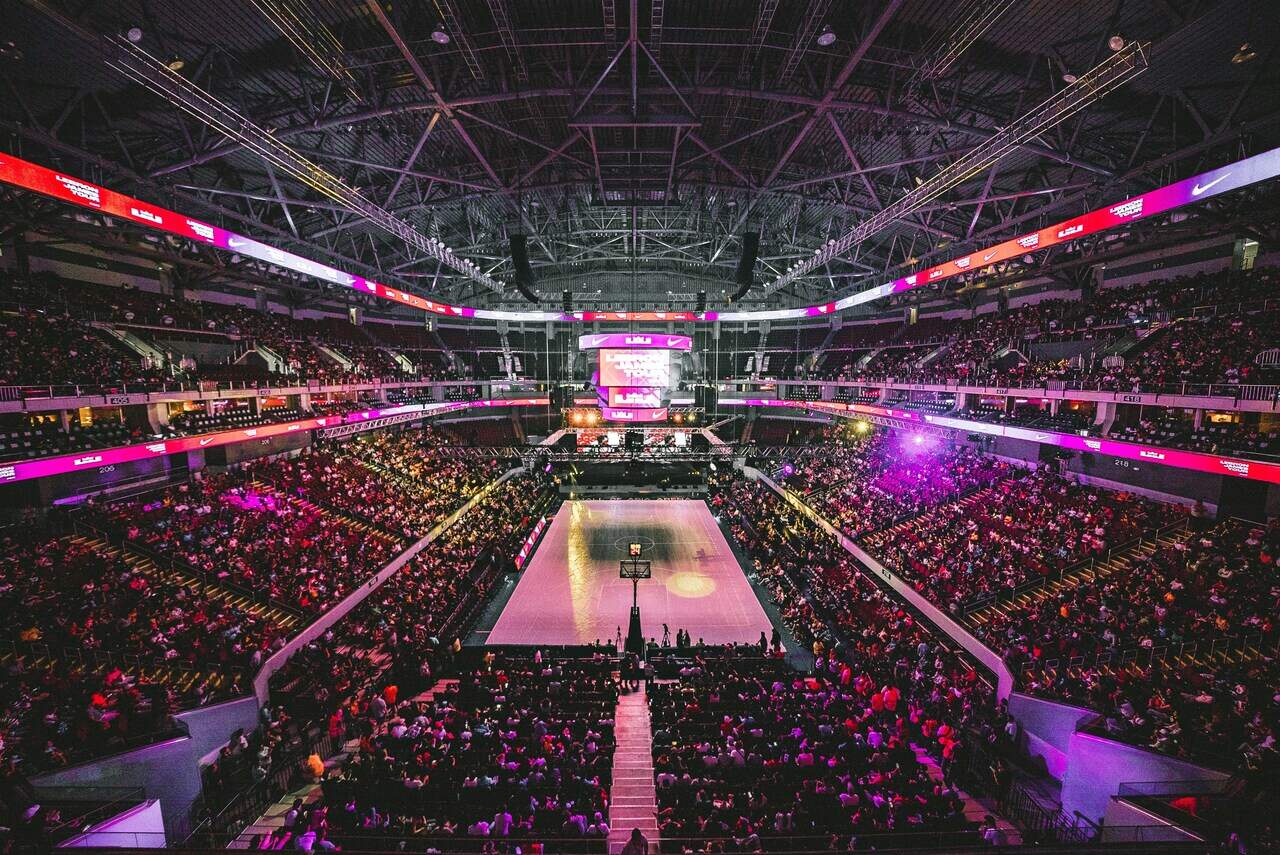
American sports events are cultural rituals, not just competitions. NFL stadiums regularly host crowds exceeding 70,000, while the Super Bowl draws over 100 million TV viewers. Tailgating begins hours before kickoff, with fans cooking, chanting, and socializing in massive parking lots. Even NBA or MLB games, with seasons spanning 82 and 162 games, create strong local identity. The spectacle includes giant screens, national anthems, and choreographed breaks. You don’t need to know the rules, participation matters more than understanding, making it a uniquely communal experience.
5. Explore a National Park in Depth
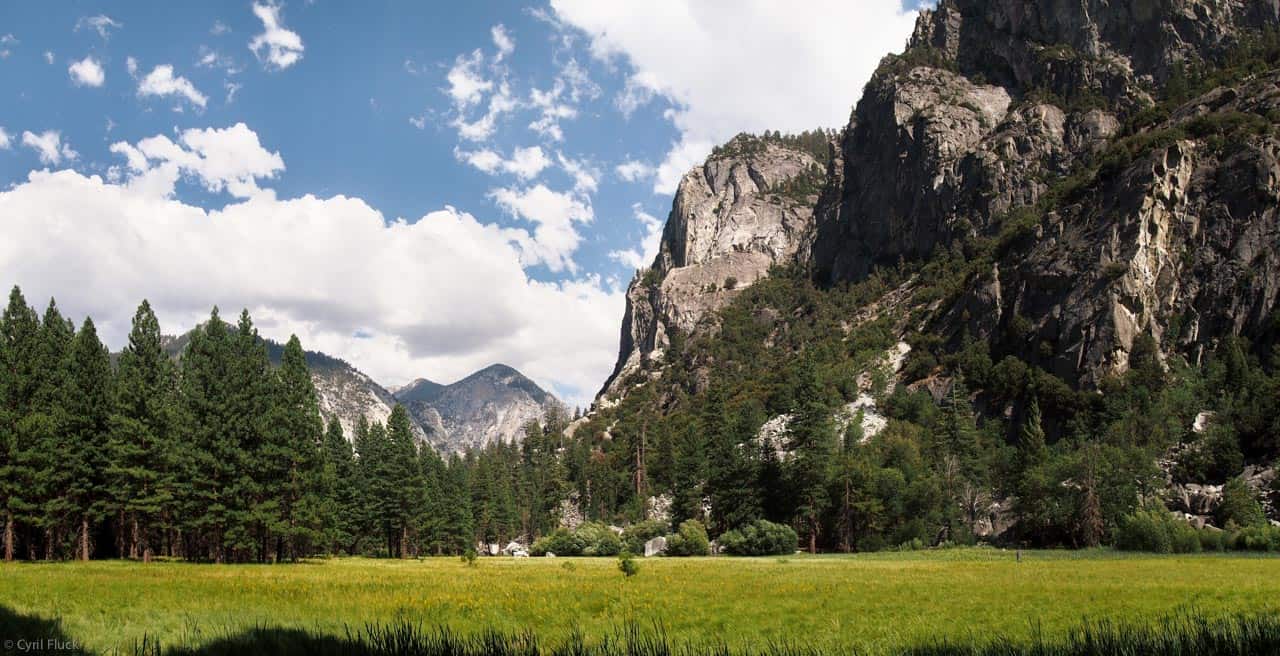
The U.S. protects over 63 national parks, covering more than 340,000 km² combined. Parks like Yellowstone or Yosemite demand time, quick visits miss wildlife patterns, weather changes, and night skies. Yellowstone alone spans 8,983 km² and sits atop a supervolcano. Many parks offer trails exceeding 30 km, while dark-sky zones reveal thousands of stars invisible in cities. Annual visitors exceed 325 million, yet solitude is possible with early starts. Spending days rather than hours reveals how deeply Americans value preserved wilderness amid modern development.
6. Celebrate the Fourth of July Locally
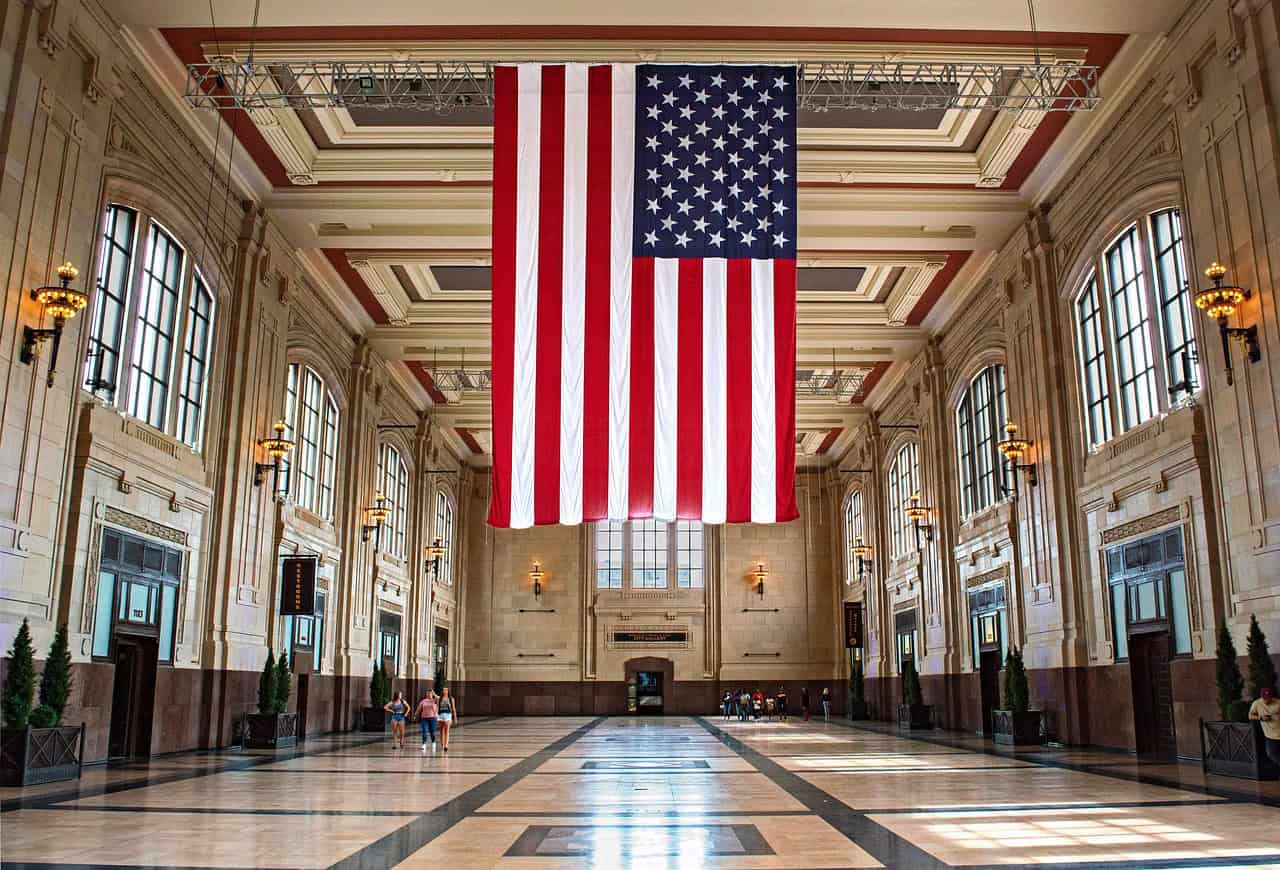
Independence Day on July 4 is one of the most revealing moments to observe American identity. Fireworks displays occur in nearly every town, with major cities launching shows using over 20,000 shells. Backyard barbecues, parades, and public readings of founding texts blend celebration with tradition. Hot dogs alone see consumption spike by 150 million on this day. Whether in a small town or Washington, D.C., the atmosphere feels personal rather than staged, offering insight into how patriotism is lived rather than performed.
7. Experience New Orleans Through Music
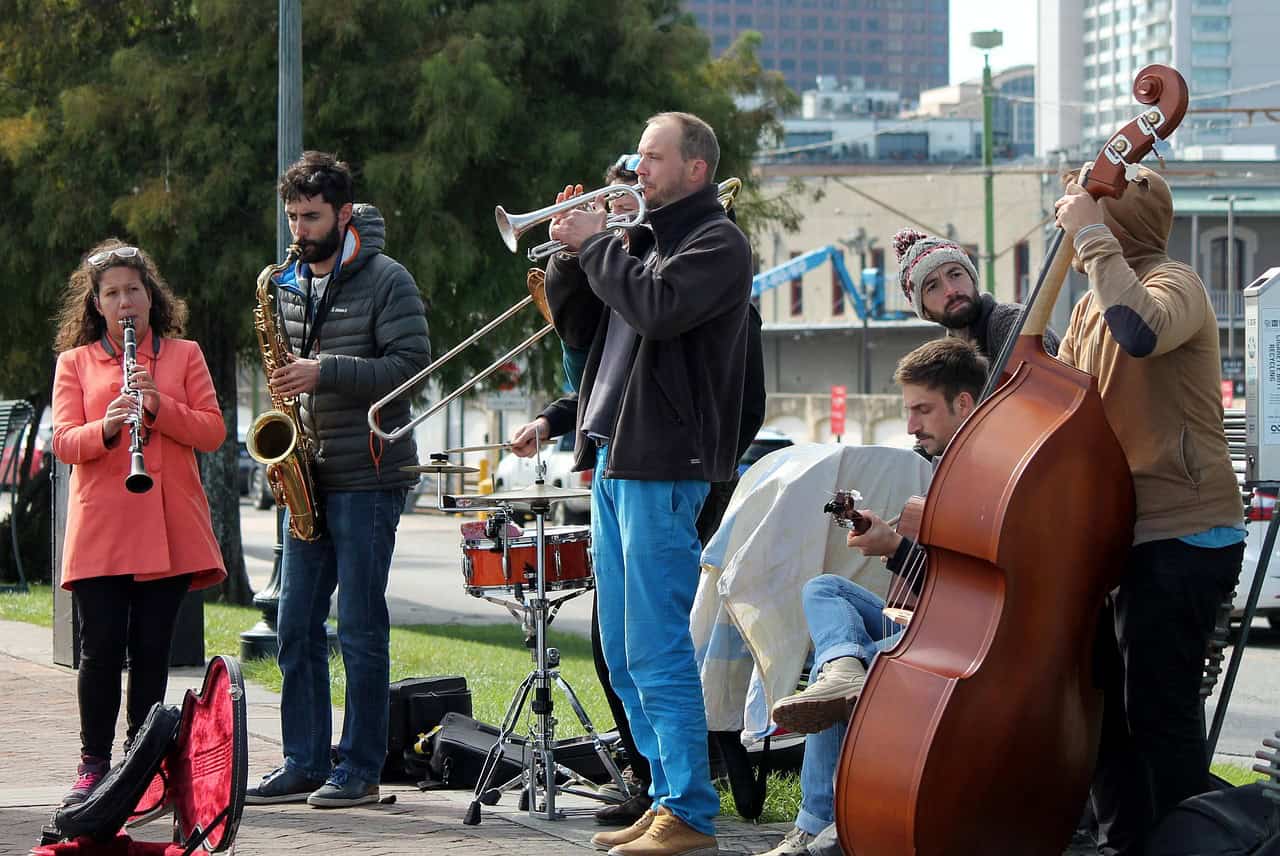
New Orleans operates on rhythm, history, and sound. Known as the birthplace of jazz, the city hosts over 130 live music venues and stages festivals drawing 1 million+ visitors annually. French Quarter streets pulse with brass bands, while clubs host late-night improvisations. The city sits below sea level, shaped by resilience as much as culture. Music here isn’t background, it’s communication. Combined with Creole cuisine and layered history, New Orleans offers an emotional experience where sound becomes the language of survival and celebration.
8. See Live Music in Nashville or Austin
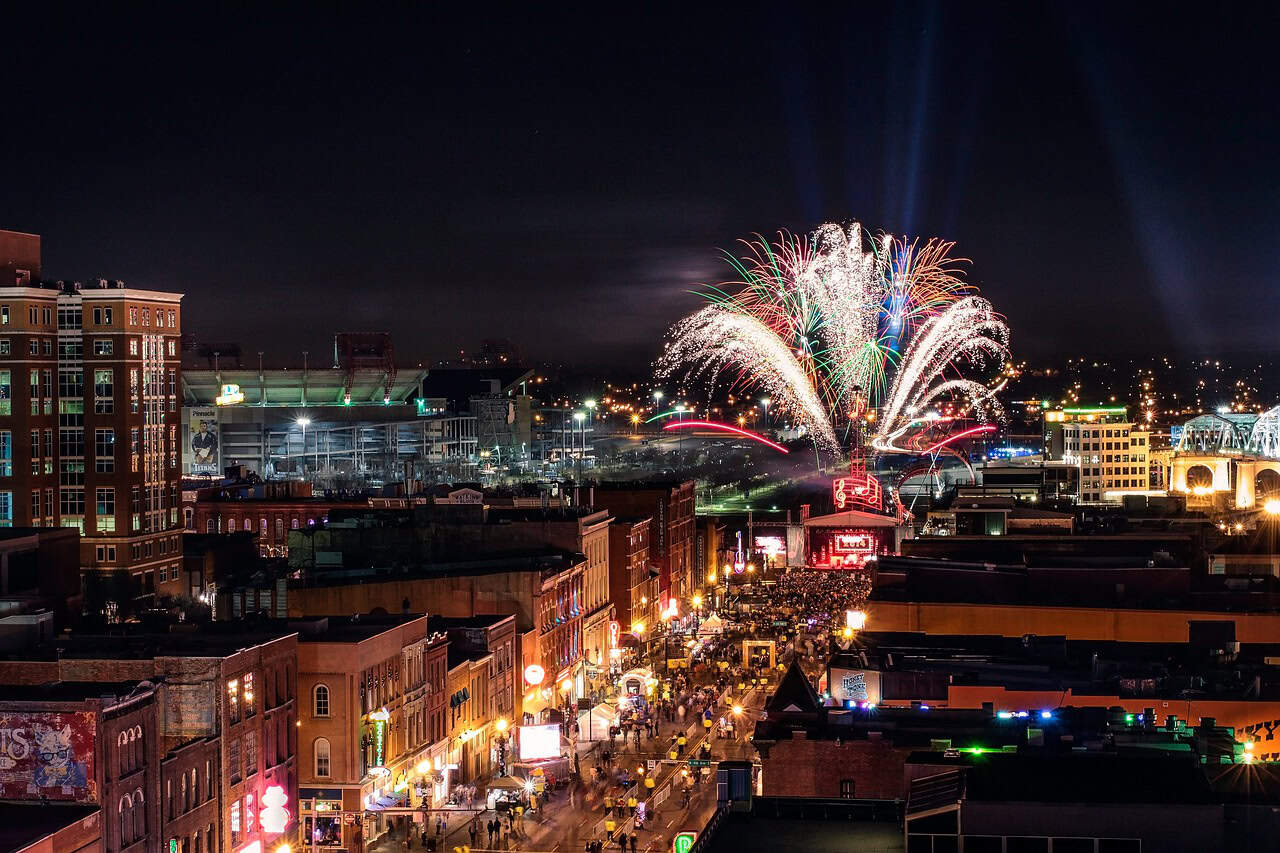
Nashville and Austin define America’s live-music obsession. Nashville hosts over 180 venues, while Austin brands itself the “Live Music Capital of the World,” with 250+ stages. On any night, you can hear emerging artists alongside legends. Festivals like SXSW attract more than 300,000 attendees annually. The intimacy matters; small rooms, close audiences, minimal separation. These cities prove music isn’t just an industry but a community activity, where storytelling, sound, and shared emotion shape local identity.
9. Visit Hollywood and a Working Studio
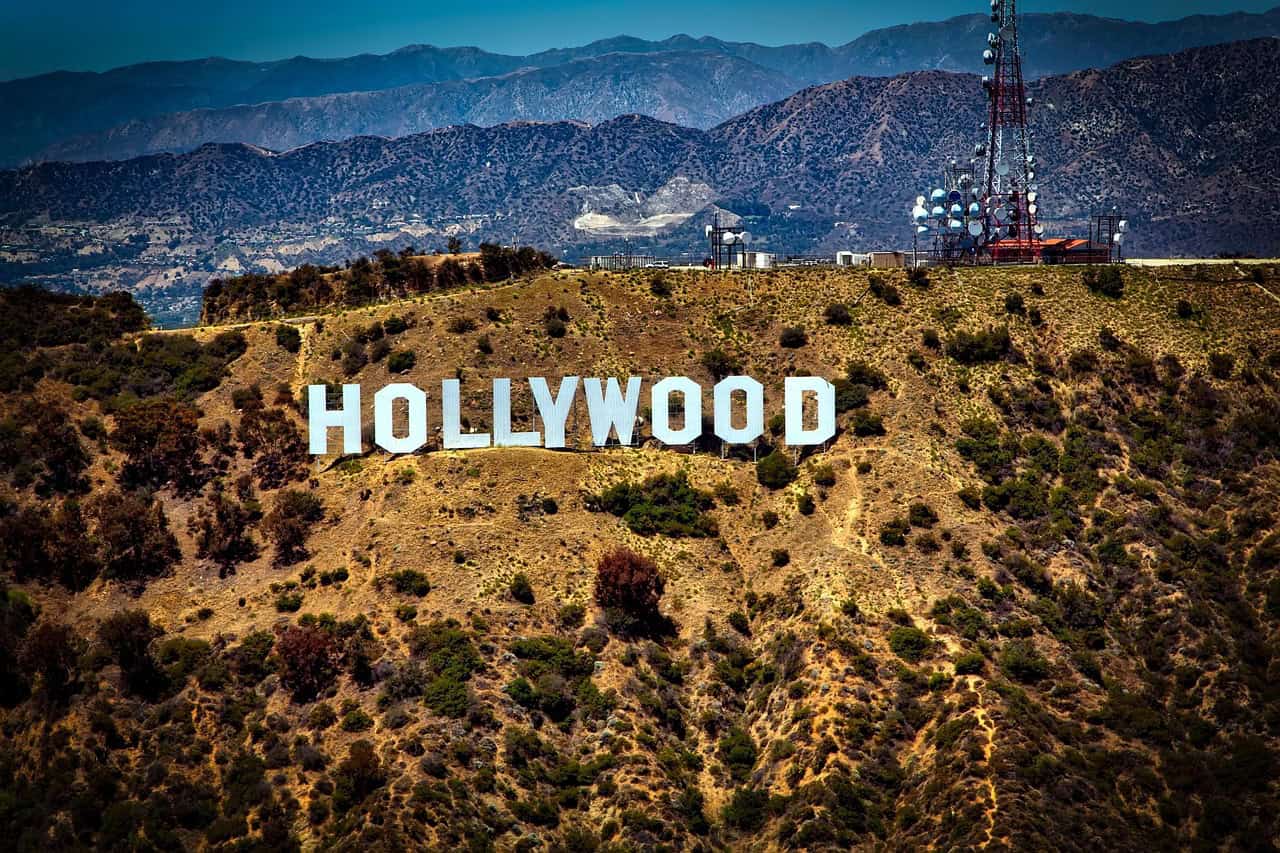
Hollywood represents America’s global cultural export machine. Los Angeles County supports over 680,000 entertainment jobs, and studio tours reveal how films costing $100 million+ are constructed. Walking past soundstages and backlots shows how familiar worlds are built artificially. The Hollywood Sign itself stands 14 meters tall, overlooking a city fueled by ambition. Beyond glamour, you see labor, logistics, and scale. This experience reframes movies from fantasy to industry, offering insight into how storytelling becomes a global business.
10. Experience Las Vegas Beyond Gambling
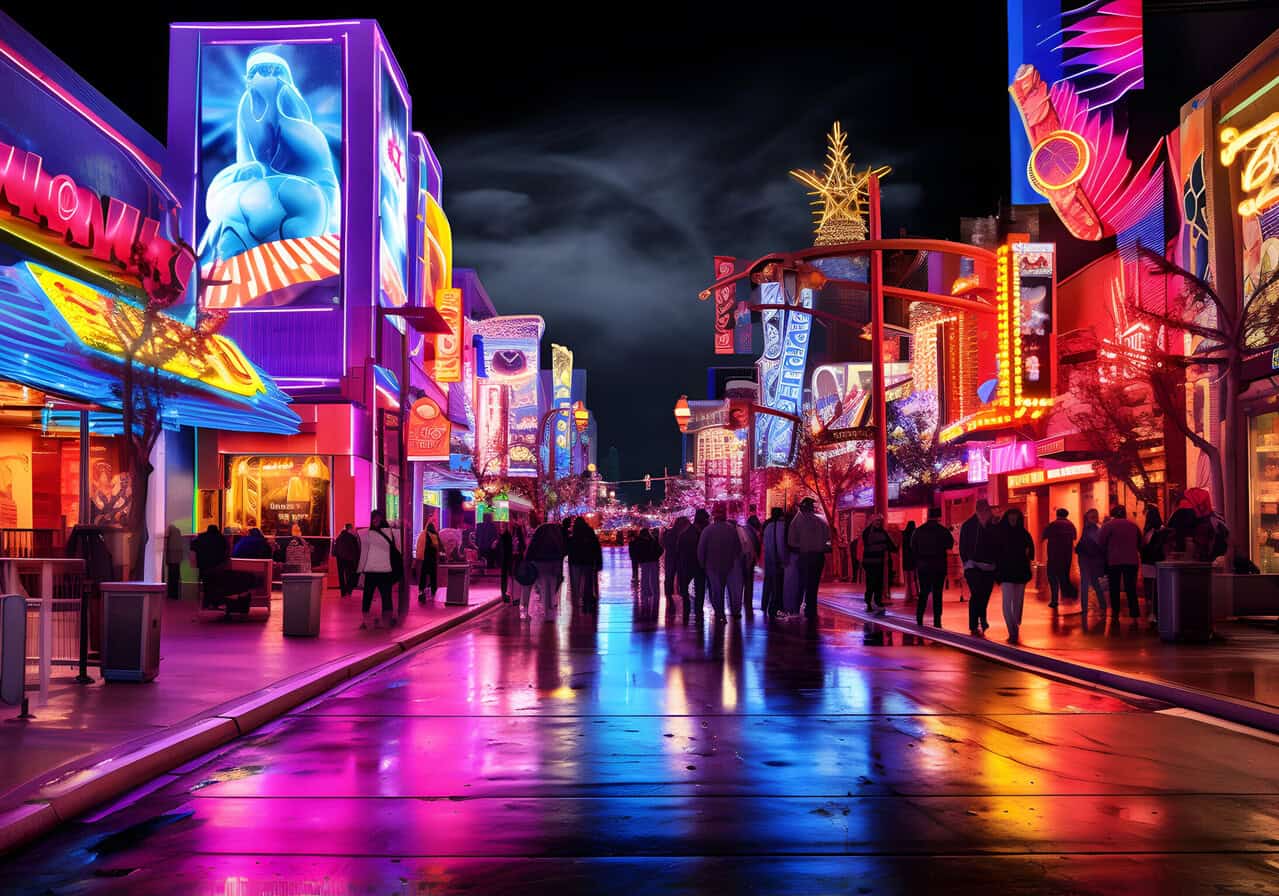
Las Vegas hosts more than 40 million visitors yearly, yet gambling is only part of its appeal. The Strip stretches 6.8 km, lined with themed resorts costing billions to build. Beyond casinos, Vegas offers world-class residencies, desert landscapes, and engineering feats like Hoover Dam, completed in 1936. The city consumes massive resources, using over 150 million gallons of water daily, highlighting contrasts between excess and environment. Exploring beyond slot machines reveals Vegas as a study in reinvention, spectacle, and survival in the desert.
11. Eat Across America’s Regional Cuisines
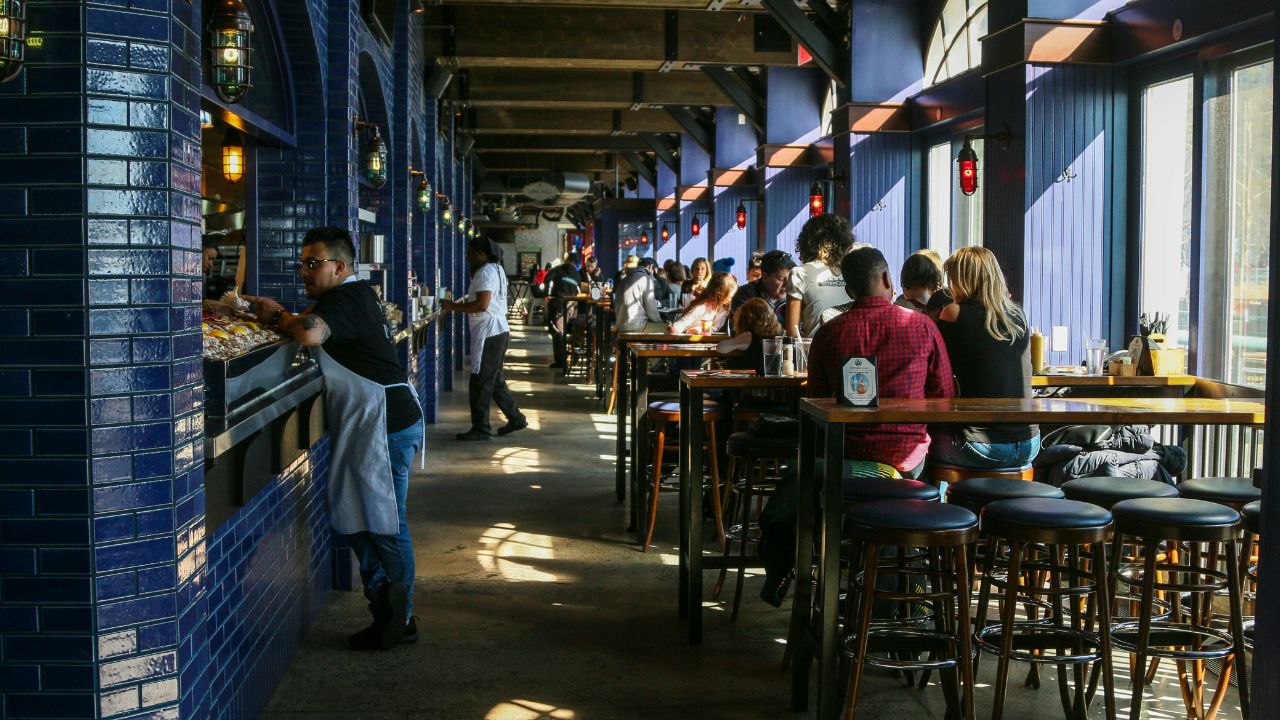
American food changes every few hundred kilometers. Texas barbecue cooks meat for 12–16 hours, while New York pizza slices feed millions daily. The U.S. has over 1 million restaurants, reflecting migration and regional identity. Maine’s lobster industry alone generates over $1 billion annually, while Southern cooking traces roots back centuries. Eating regionally isn’t indulgence—it’s education. Each dish explains climate, history, and people, making food one of the most direct ways to understand the country’s diversity.
12. Take a Long-Distance Scenic Train Ride
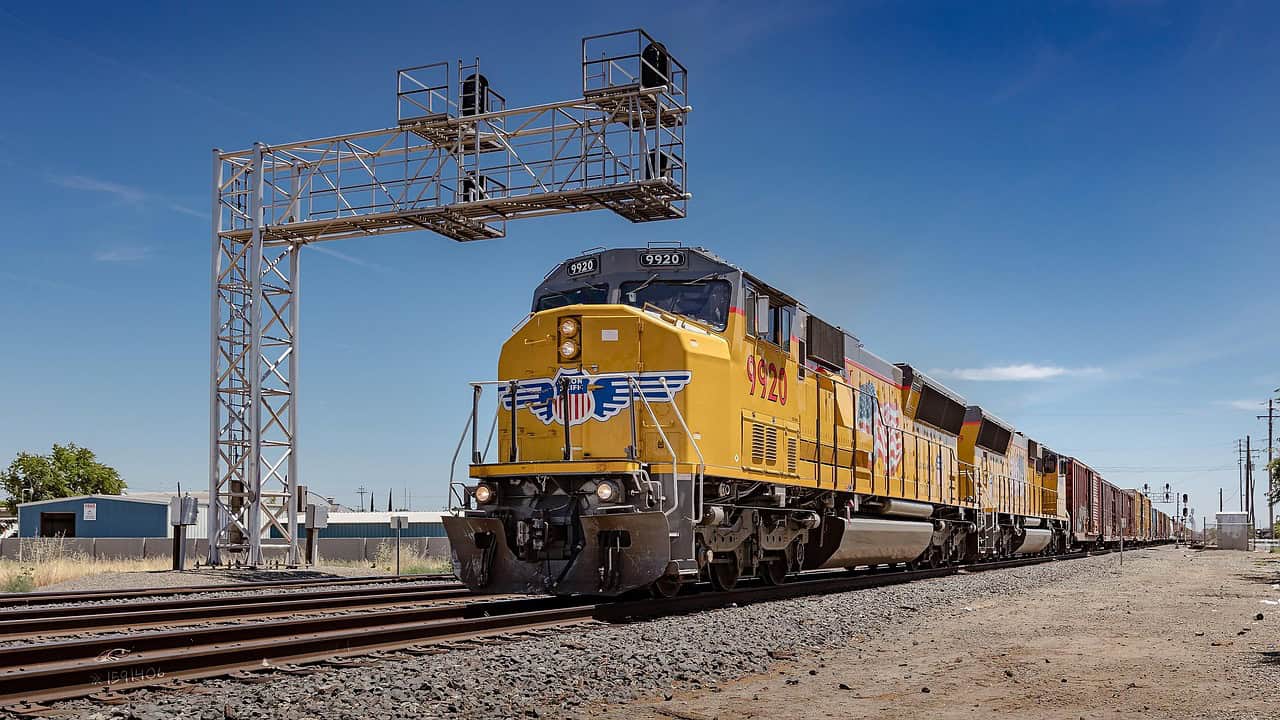
Amtrak operates over 34,000 km of track, connecting cities through landscapes often missed by highways. Routes like the California Zephyr span 4,000 km, crossing mountains, plains, and deserts in days. Trains move slower, averaging 80 km/h, encouraging observation and reflection. You see small towns, rivers, and farmland unfold naturally. Unlike flying, train travel emphasizes continuity, revealing how geography shapes settlement. It’s a quieter way to understand scale, patience, and the spaces between famous destinations.
13. Attend a Major Cultural Festival
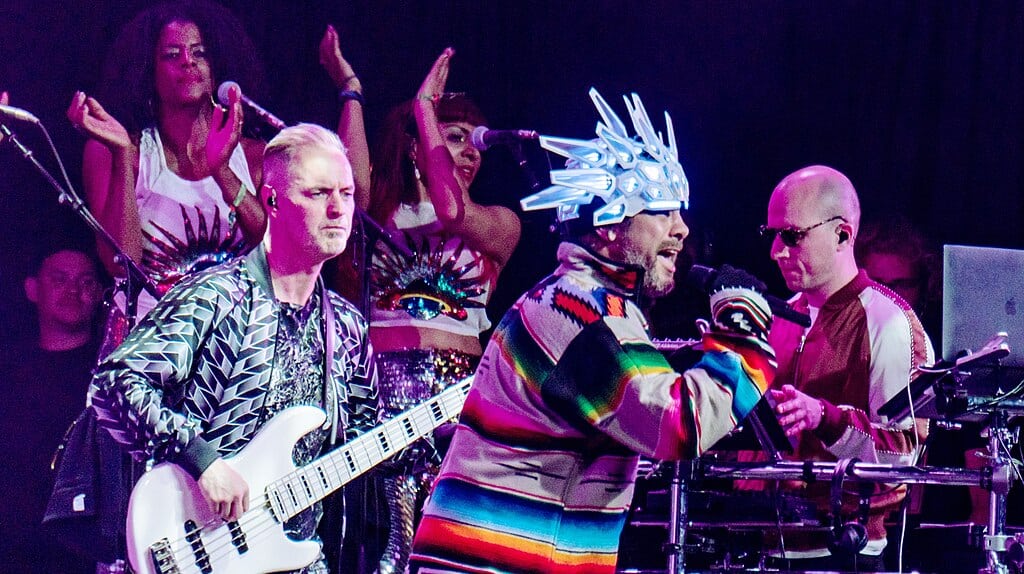
American festivals reflect creativity at scale. Events like Mardi Gras, Coachella, or the Albuquerque Balloon Fiesta draw between 250,000 and 1 million attendees each year. These gatherings temporarily transform cities through music, art, or ritual. Logistics alone involve thousands of staff and months of planning. Beyond entertainment, festivals create shared identity and economic impact, often generating hundreds of millions of dollars locally. Participating offers insight into how Americans celebrate expression, community, and controlled chaos.
14. Visit a Site That Changed History

Historical landmarks give emotional weight to America’s story. Places like Gettysburg, Ellis Island, or the Civil Rights Museum receive millions of visitors annually seeking context. Gettysburg alone saw 51,000 casualties in just three days in 1863. Standing in these spaces shifts history from abstract to personal. These sites don’t simplify the past—they complicate it. Visiting them adds depth to travel, grounding modern America in struggles that shaped its laws, freedoms, and ongoing debates.