We may earn money or products from the companies mentioned in this post. This means if you click on the link and purchase the item, I will receive a small commission at no extra cost to you ... you're just helping re-supply our family's travel fund.

Some states still carry the reputation of easy opportunity, familiar neighborhoods, and long-term stability, but the latest migration data tells a more complicated story than old assumptions suggest. The pattern showing up most clearly is domestic outflow, with residents moving to other states even when international arrivals or natural increase soften the top-line numbers. Across the country, housing costs, insurance pressure, aging demographics, and uneven local opportunity are quietly changing where families decide they can stay for the long term.
California Is Losing Residents Even With Strong Job Hubs

California posted the largest domestic outflow in the latest Census estimates, with 229,077 more people moving to other states than arriving from them between July 2024 and July 2025. The state still added residents through births and international migration, but the cost burden remains intense: FRED shows a 2024 overall price parity of 110.7 and a rent parity of 154.3, the highest rent level in the nation. Treasury’s insurance findings add another layer, with rising premiums and higher nonrenewal rates in climate-risk areas putting extra pressure on households already stretched by housing costs.
New York Keeps Drawing Talent but Losing Households

New York recorded a domestic migration loss of 137,586 in the latest Census cycle, one of the biggest outflows in the country. It stayed near flat overall because international migration and natural increase offset much of that movement, but the household budget equation remains unforgiving: FRED shows New York’s 2024 price parity at 107.9 overall, with rent parity near 122.2. The state still pulls students, workers, and capital, yet many families leave when housing, taxes, and commuting costs crowd out the reason they came, and for many households the move is less emotional than arithmetic.
Illinois Shows a Familiar Pattern of Outflow and Backfill

Illinois lost 40,017 residents on net to other states in the latest Census estimates, continuing a pattern that has shaped the state’s reputation for years. The picture is more nuanced than a simple decline, because international migration and natural increase still pushed total population higher in 2025, cushioning the domestic losses. Illinois is not among the very highest-cost states in BEA’s 2024 ranking, but many households still move for cheaper housing, more space, or different labor markets when a move feels easier than staying put, a churn that quietly reshapes suburbs, schools, and tax bases.
New Jersey Feels the Squeeze of High Costs and Tight Housing

New Jersey saw a domestic migration loss of 37,428 in the latest Census estimates, even as overall population rose with strong international migration. The pressure point is easy to spot in the price data: FRED shows a 2024 overall price parity of 108.8 and rent parity above 134.2, placing New Jersey among the costliest states in the country. The state remains economically powerful and deeply connected to major job centers, but many middle-income households keep reaching the same conclusion, that the math works better just across a state line, so the draw remains strong even as the cushion feels thinner each year.
Massachusetts Gains People Overall but Still Exports Residents

Massachusetts lost 33,340 residents on net to other states in 2025, according to the latest Census estimates, while total population still grew. That split reflects a state with elite universities, hospitals, and research jobs that continues to attract people from abroad, but struggles to hold on to everyone already there. FRED’s 2024 data place Massachusetts at 105.8 on overall price parity, with rent parity around 128.1, so many departures look less like a rejection of opportunity and more like an affordability reset after years of housing strain, creating a retention problem inside a strong economy.
Louisiana Faces a Hard Mix of Storm Risk and Slow Recovery
Louisiana recorded a domestic migration loss of 14,387 in the latest Census year, and overall population growth remained modest. BEA and FRED show Louisiana’s prices below the national average, which makes the story less about raw cost levels and more about disruption, insurance, and recovery fatigue after repeated weather shocks. Treasury found homeowners premiums rising faster than inflation and nonrenewal rates much higher in high-risk ZIP codes, a pattern that helps explain why some families leave even when everyday prices look manageable on paper, and stability becomes harder to rebuild after each disruption.
Maryland Is Losing Residents While Costs Stay Elevated

Maryland posted a domestic migration loss of 12,127 in the latest Census estimates, even though the state still gained population overall. It remains tied to one of the country’s strongest job corridors, but household finances are pressured by high regional costs, especially near major metro hubs. FRED lists Maryland’s 2024 overall price parity at 105.0, with rent parity near 121.1, which helps explain why some families keep their careers in the Washington-Baltimore orbit while relocating to states where housing and insurance consume less income, making the move about budget room more than weaker ambition.
Colorado’s Growth Story Now Includes More Departures

Colorado lost 12,100 residents on net to other states in the latest Census cycle, a notable shift for a state long associated with steady in-migration. The state still grew overall because natural increase and international migration stayed positive, but the affordability reset is now part of life in many Front Range communities. FRED’s 2024 figures show Colorado above the national level overall at 103.1 and far higher on rent parity at 127.4, so households that arrived during the boom years are increasingly willing to leave for cheaper markets, so the lifestyle appeal remains strong even as the entry cost has changed.
Hawaii’s Beauty Comes With a Cost Many Families Cannot Absorb

Hawaii recorded a domestic migration loss of 8,876 in the latest Census year and also posted an overall population decline. The islands remain desirable, but the financial and geographic realities are hard for households balancing housing, childcare, food, and transportation at once. BEA and FRED show Hawaii at about 110.0 on overall price parity in 2024, near the top nationally, and Treasury’s insurance findings add a broader warning that climate-related risk can raise costs and uncertainty in places already operating at a premium, leaving many residents to feel that paradise now comes with a sharper monthly bill.
Connecticut Has Stabilized but Domestic Outflow Has Not Disappeared

Connecticut lost 5,945 residents on net to other states in the latest Census estimates, though overall population still increased because international migration was strong. That combination captures a state that remains economically connected and stable, while some long-time residents continue to leave for cheaper housing or lower taxes elsewhere. FRED’s 2024 numbers place Connecticut at 103.6 overall, with rent parity just above 117.0, which is not extreme by Northeast standards but still high enough to push budget-conscious households to make a move, which leaves the state steadier than before but not fully settled.
Alaska Keeps Residents Through Identity but Loses Some to Distance

Alaska posted a domestic migration loss of 4,525 in the latest Census cycle, even though natural increase and international migration kept the state slightly positive overall. The challenge is the compound effect of distance, shipping, and limited choices in some labor and housing markets, and the pressure is often strongest on young working households. FRED’s 2024 data show Alaska above the national price level at 102.4 overall, with goods prices notably elevated, which helps explain why some residents eventually trade place-based loyalty for easier day-to-day living, and the easiest exits often come first.
Pennsylvania’s Aging Trend Adds to Its Domestic Outflow

Pennsylvania recorded a domestic migration loss of 2,936 in the latest Census year, and it also posted a natural decrease, meaning deaths exceeded births. International migration was strong enough to keep total population growing, but the demographic balance is doing more of the work than domestic retention. FRED shows Pennsylvania close to the national price level overall, so the story is less about extreme cost and more about an older age profile, slower household formation in some regions, and families leaving for faster-growing labor markets, creating a slower, quieter kind of population strain.
New Mexico Is Losing Residents in a Small but Persistent Way
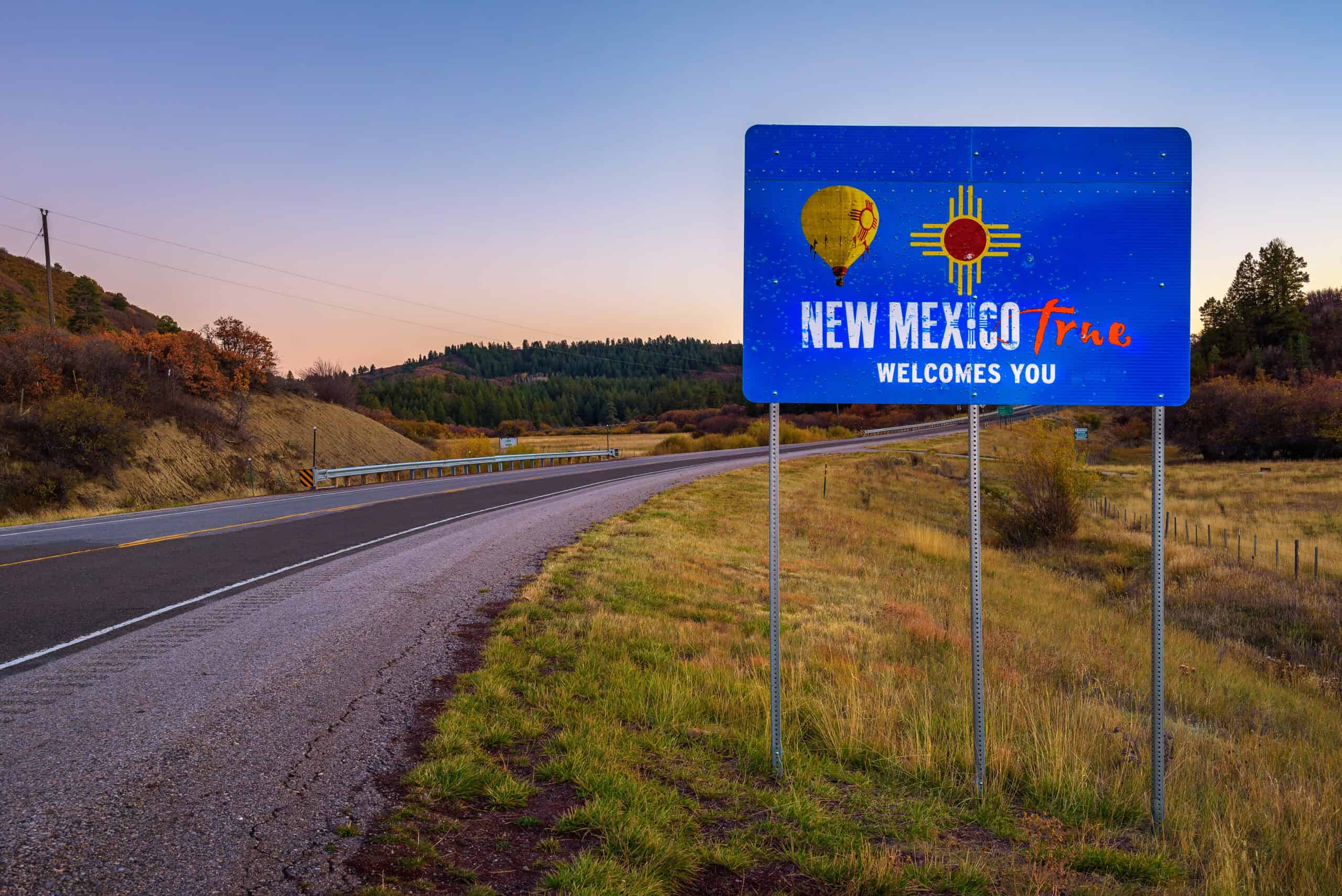
New Mexico posted a domestic migration loss of 2,267 in the latest Census estimates and also showed a slight natural decrease, which left the state with a small overall decline. The numbers are modest compared with larger states, but they matter because even small outflows can reshape schools, labor supply, and local business demand in smaller communities. FRED shows New Mexico below the national price level in 2024, so the challenge looks less like pure cost pressure and more like uneven opportunity, health access gaps, and limited population momentum in some areas, and even small losses can compound over time.
Rhode Island Feels Every Move Because the State Is So Small

Rhode Island recorded a domestic migration loss of 1,551 in the latest Census year, and it also posted a slight natural decrease. The state still grew overall because international migration more than offset those losses, but small-state math makes each shift feel bigger in neighborhoods, schools, and hiring pipelines. FRED’s 2024 data place Rhode Island at 102.3 overall, with rent parity around 105.6, which helps explain why even a relatively small number of departures can signal a deeper affordability and retention problem for local communities, and in a compact state even small trends show up quickly.