We may earn money or products from the companies mentioned in this post. This means if you click on the link and purchase the item, I will receive a small commission at no extra cost to you ... you're just helping re-supply our family's travel fund.
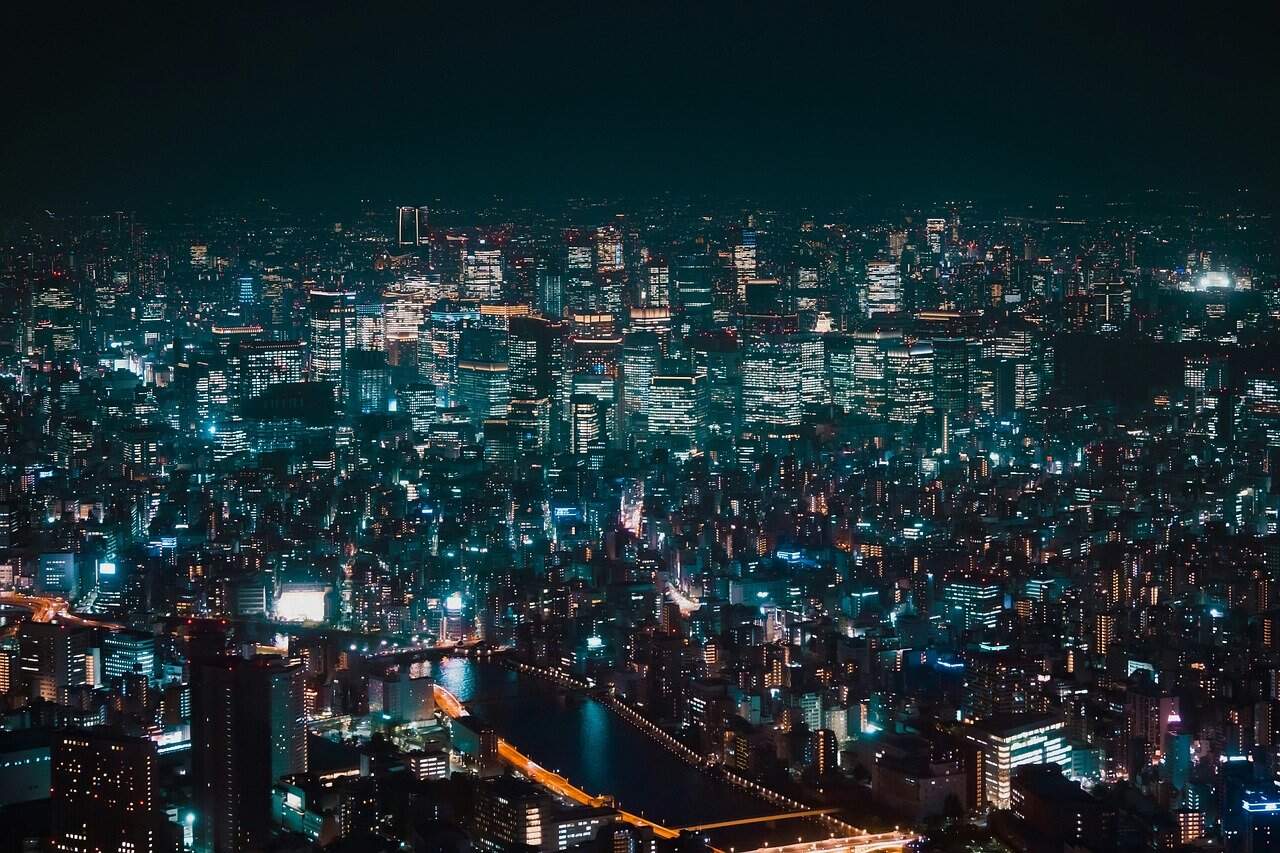
Social media has turned entire nations into backdrop-ready stages. What once felt like personal discoveries are now globally shared photo hotspots. This season, several countries are experiencing record-breaking visitor numbers, inflated prices, and limited availability at major landmarks. If you’re planning a trip, here are fourteen visually stunning countries where peak-season crowds may overshadow the magic. Each section includes practical numbers and real conditions to expect.
1. Italy
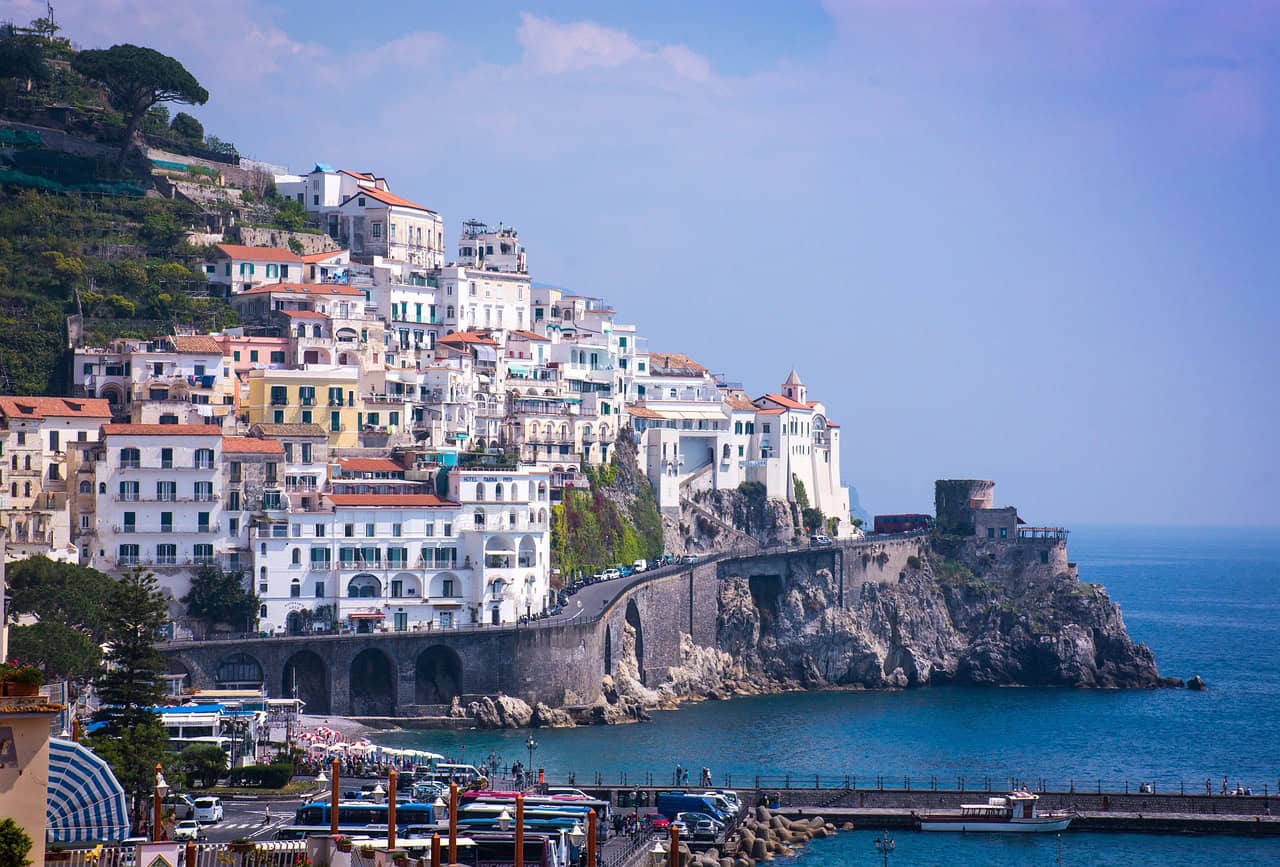
Italy welcomed over 57 million international visitors last year, and summer brings the heaviest surge. In Venice alone, daily tourist numbers often exceed 80,000, far outnumbering residents. Lines at the Colosseum in Rome can stretch beyond 2 hours by mid-morning, while Amalfi Coast hotels report occupancy rates above 95% from June to August.
Restaurant reservations in Florence regularly book out 3 to 5 days ahead during peak weeks. Train tickets between Rome, Milan, and coastal towns sell quickly, especially on weekends. Expect higher city taxes, timed museum entries, and packed piazzas from sunrise to late evening.
2. France
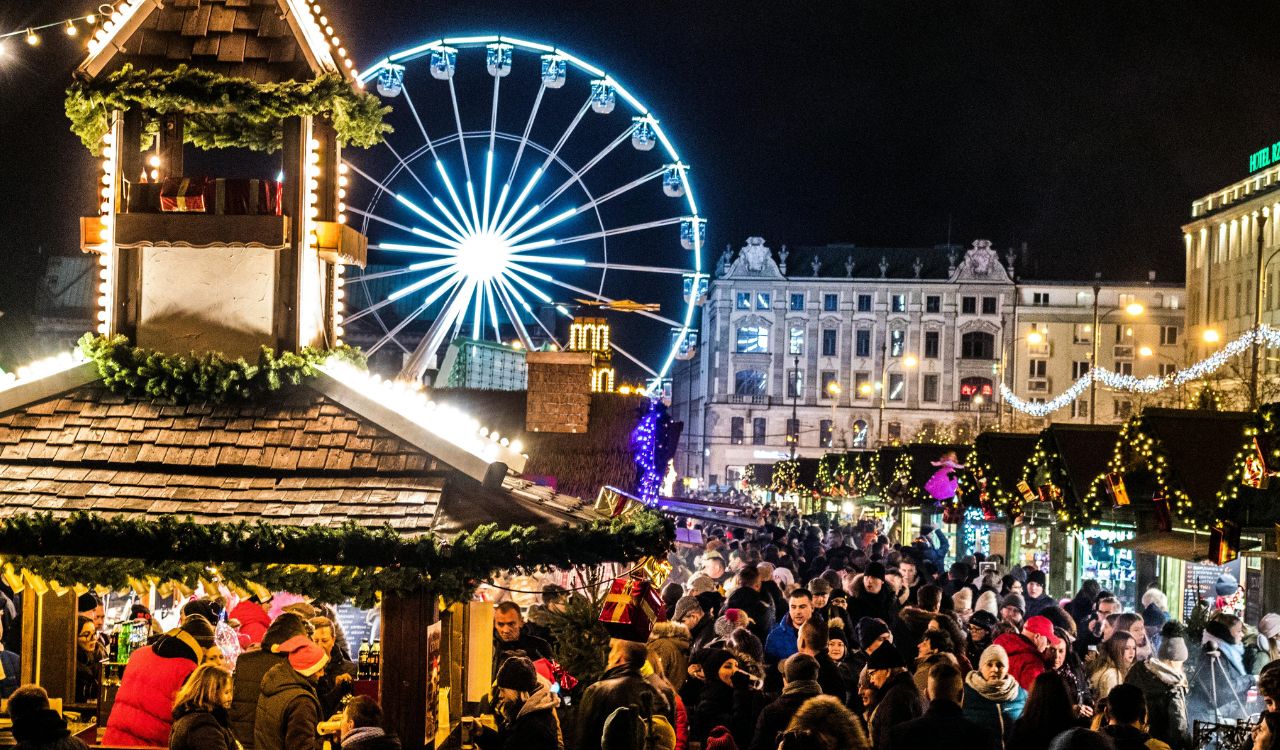
France remains the world’s most visited country, crossing 90 million visitors annually. During summer, Paris alone sees nearly 30 million travelers per year, with peak daily foot traffic around the Eiffel Tower exceeding 25,000 people. Provence’s lavender season lasts barely 4 to 6 weeks, concentrating visitors into a short window.
Hotel prices in central Paris rise by 40% to 60% between May and August. Louvre entry slots often sell out 48 hours in advance. Even smaller Riviera towns operate at nearly full capacity, with beach clubs charging premium seasonal rates and advance deposits.
3. Japan
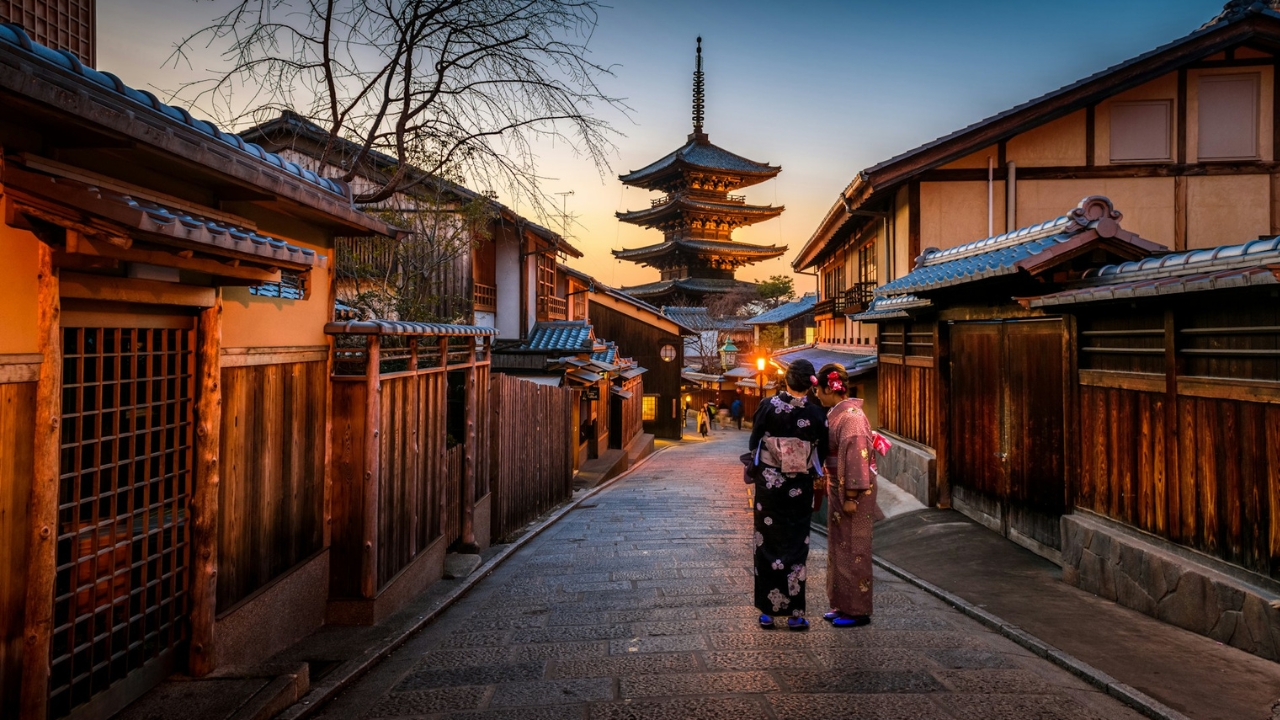
Japan recorded over 25 million tourists recently, with projections climbing sharply. Cherry blossom season lasts just 10 to 14 days in most regions, compressing millions into a brief period. Kyoto’s historic districts can see pedestrian counts exceeding 50,000 daily during peak bloom.
Bullet train tickets between Tokyo and Osaka frequently sell out on weekends. Popular temples introduce timed entry, and hotel occupancy in major cities surpasses 90% during March and April. Expect crowded platforms, limited luggage storage, and long waits for traditional tea house reservations.
4. Greece
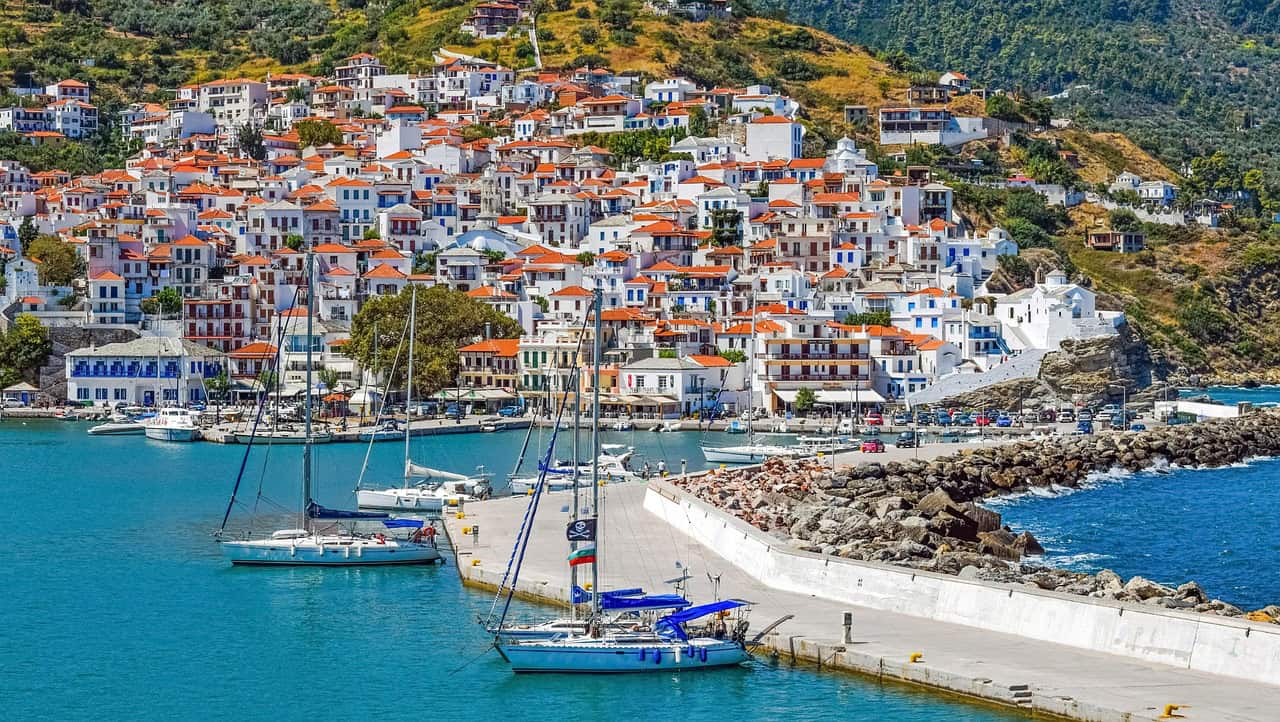
Greece hosts more than 30 million visitors annually, nearly triple its population. Santorini alone can receive 10,000 cruise passengers in a single day. Sunset viewpoints in Oia begin filling 2 to 3 hours before dusk in peak season.
Island ferry tickets regularly sell out 48 hours ahead, particularly in July and August. Mykonos beach clubs charge entrance fees ranging from €30 to €100 during peak weekends. Accommodation prices can double compared to shoulder months, and narrow streets quickly become congested by mid-afternoon.
5. Thailand
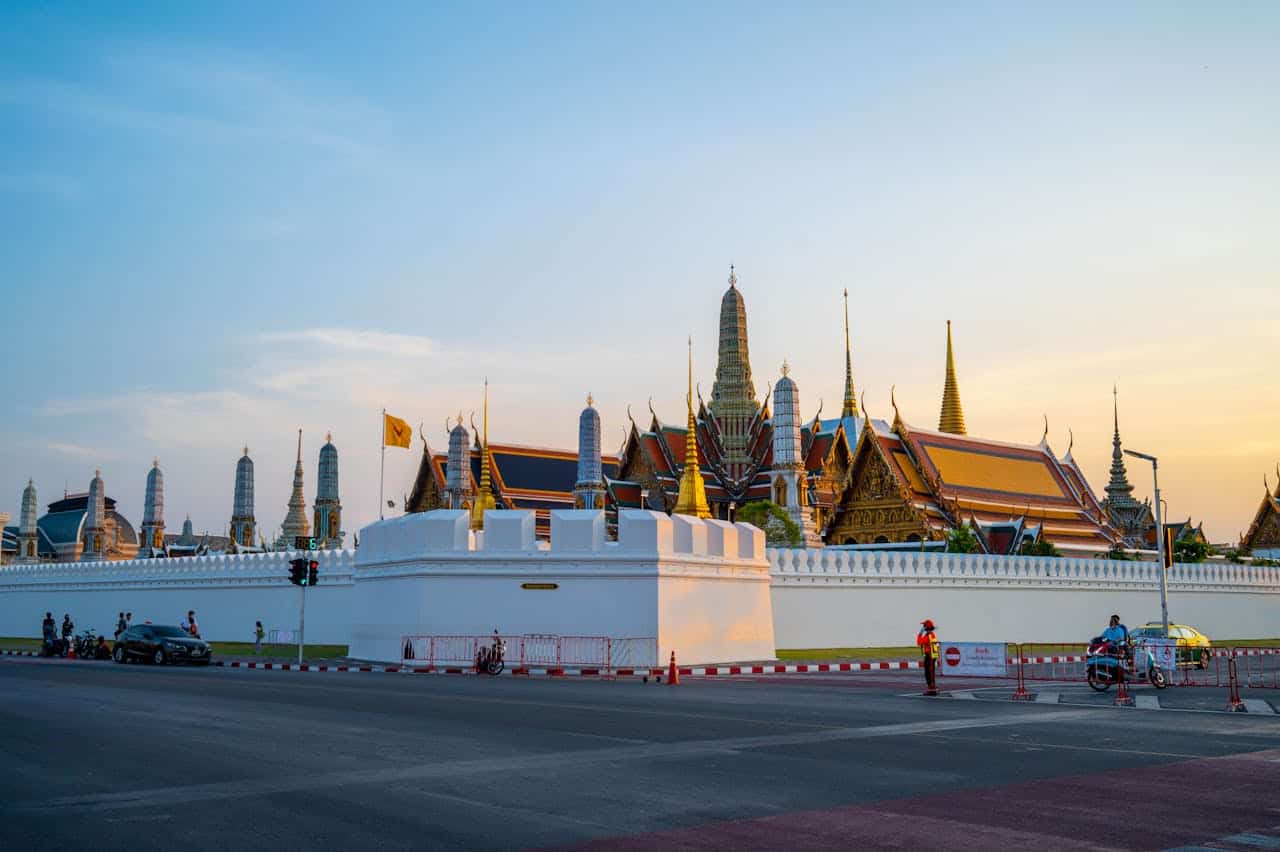
Thailand attracts roughly 40 million tourists in strong travel years. Phuket records occupancy rates above 85% between December and March, its prime dry season. Boat tours to the Phi Phi Islands can include up to 30 vessels anchored simultaneously in popular bays.
National park entry fees often increase for foreign visitors, and early morning departures are common to avoid congestion. Bangkok’s floating markets can see 10,000 visitors per weekend day. Expect heavy traffic, extended transfer times, and crowded night markets during high season.
6. Spain
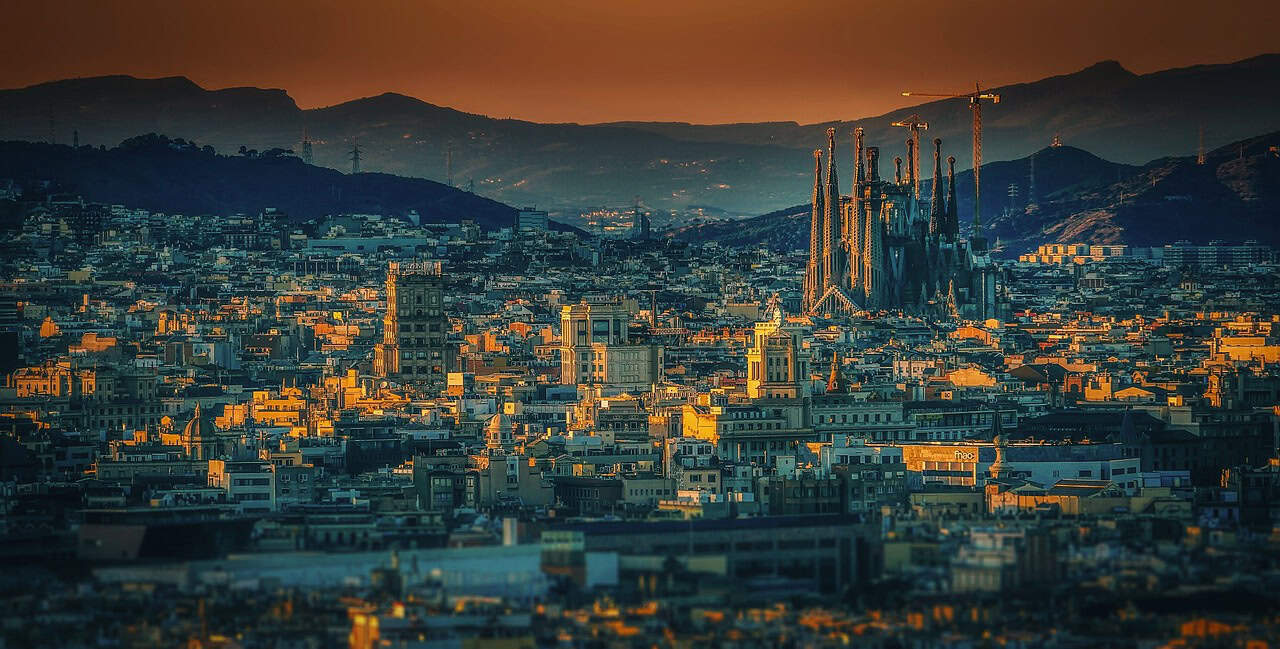
Spain surpassed 85 million visitors in a recent year, with Barcelona receiving over 12 million tourists annually. Entry tickets to the Sagrada Família frequently sell out 3 to 4 days ahead during summer. La Rambla can feel shoulder-to-shoulder by late morning.
Seville’s festival season pushes hotel occupancy close to 98%, while Ibiza beach venues operate at maximum capacity nightly. Domestic flights and high-speed trains book rapidly during July holidays. Expect higher dining costs, reservation-only flamenco shows, and packed Mediterranean beaches.
7. Iceland

Iceland, with a population under 400,000, welcomes more than 2 million tourists annually. During peak summer months, visitor numbers can exceed 10 times the local population. Popular waterfalls like Skógafoss see parking lots full before 9 a.m.
Car rentals increase by 30% to 50% from June through August. Hotel capacity outside Reykjavík remains limited, often requiring booking 2 to 4 months ahead. Guided glacier hikes and Northern Lights tours sell out quickly, especially when cruise ships dock simultaneously.
8. Turkey
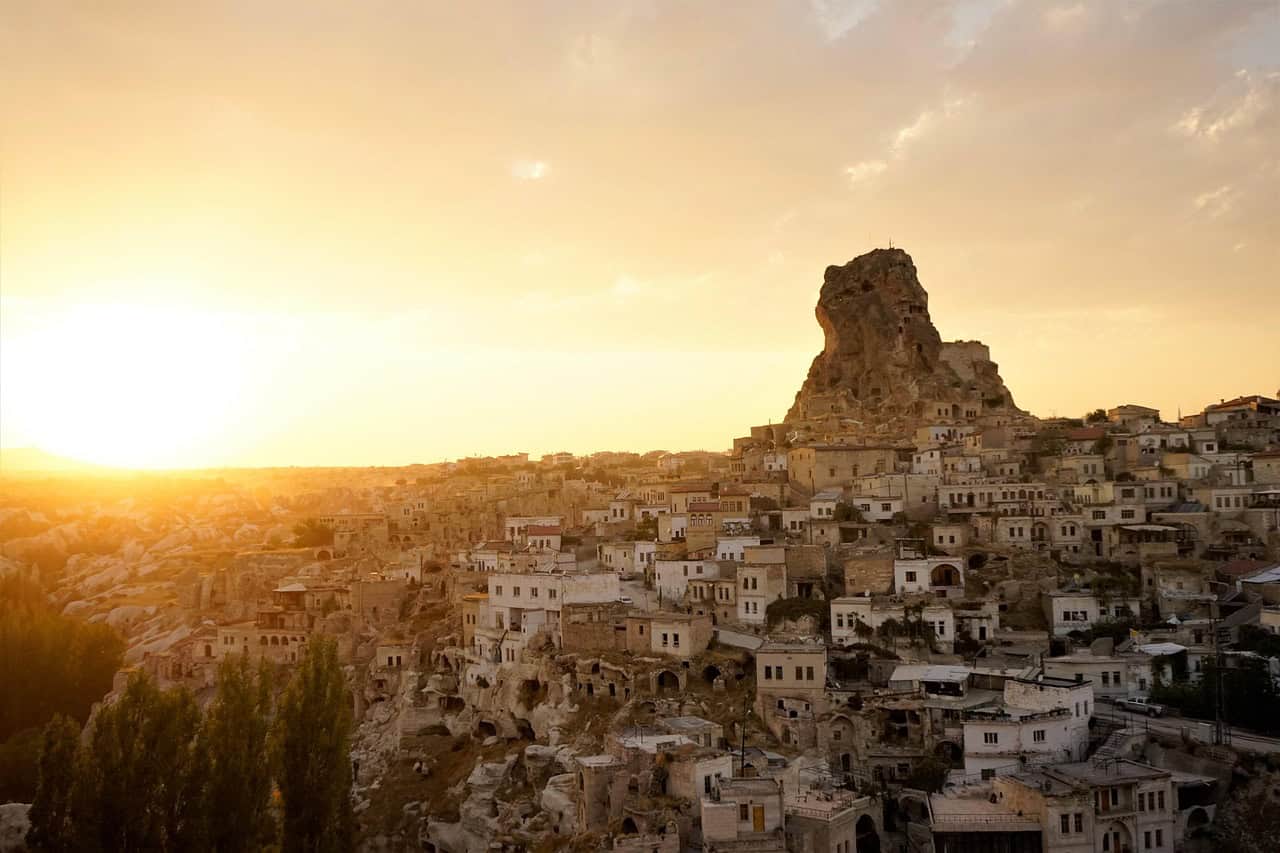
Turkey draws over 45 million visitors yearly. Cappadocia’s balloon rides host around 150 to 200 balloons in the sky on peak mornings, with seats booked weeks in advance. Istanbul’s Hagia Sophia can see daily foot traffic above 20,000 visitors.
Coastal resorts in Antalya report occupancy near 90% during summer. Domestic flights between Istanbul and beach destinations often fill rapidly. Expect extended security lines at major attractions, heavy bazaar traffic, and increased pricing for guided historical tours.
9. Portugal
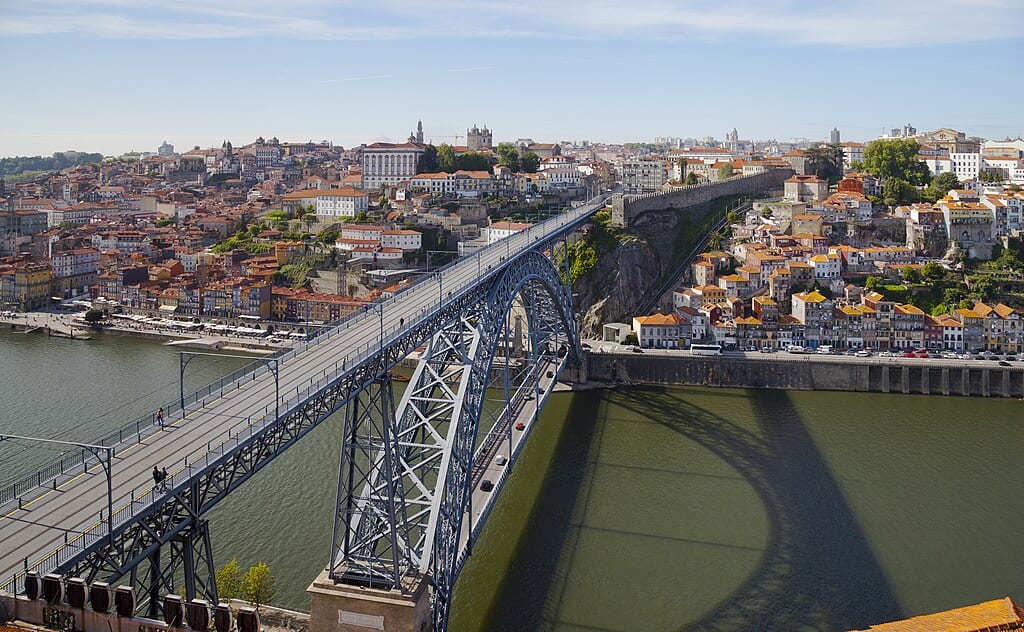
Portugal welcomed more than 26 million tourists recently, with Lisbon accounting for a large share. The famous Tram 28 line can have wait times exceeding 1 hour in peak months. Algarve coastal towns report hotel occupancy above 92% in July and August.
Cliffside viewpoints fill before sunset, especially in Lagos and Albufeira. Car rental prices can rise by 35% compared to spring months. Popular seafood restaurants along the coast often require same-day reservations during peak weeks.
10. Indonesia
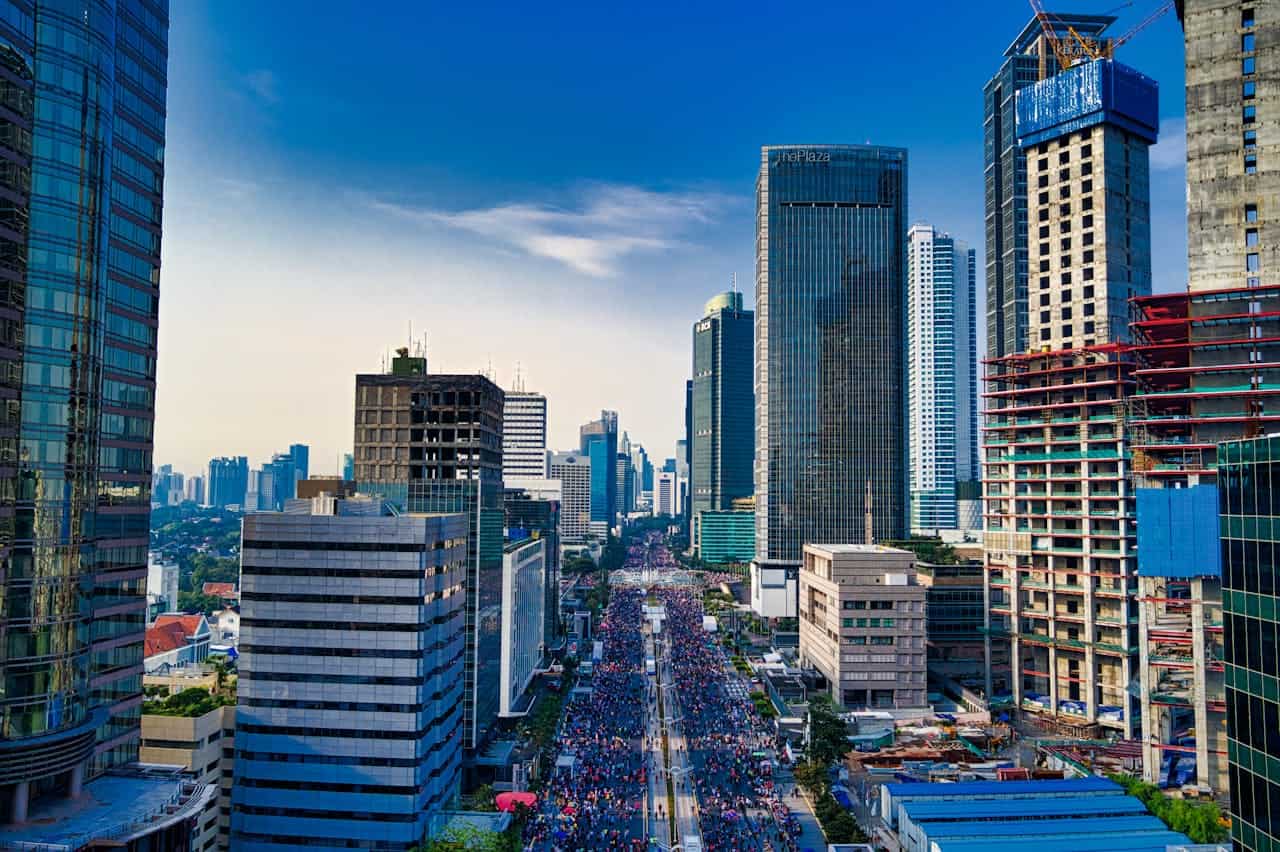
Indonesia sees more than 16 million international visitors annually, with Bali hosting the majority. Ubud’s rice terrace pathways experience steady foot traffic throughout the day, especially between 10 a.m. and 4 p.m.
Beach clubs in Canggu and Seminyak often operate on minimum spend policies ranging from $25 to $100 per person. Domestic flights between Jakarta and Denpasar frequently sell out during holidays. Waterfall and temple entrances introduce timed slots to manage daily visitor caps.
11. Netherlands
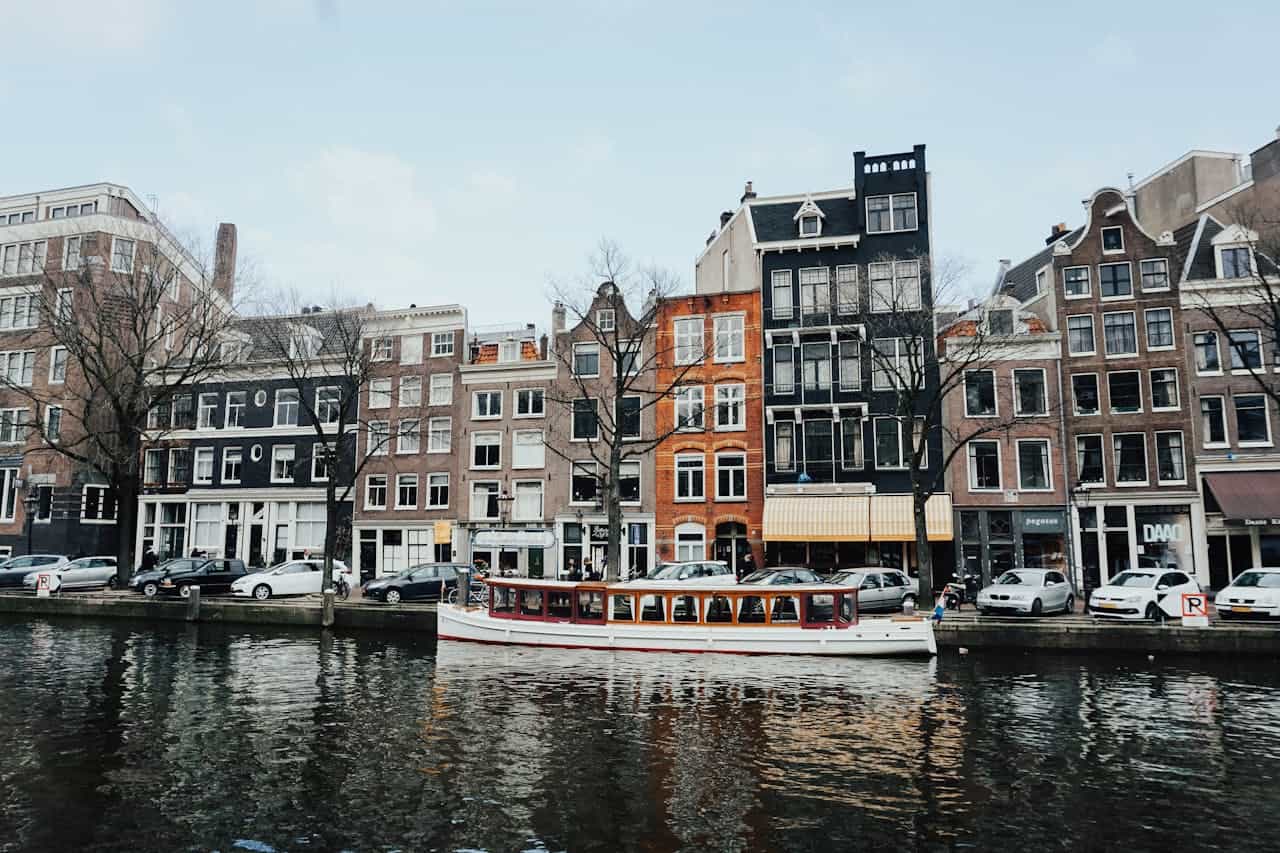
The Netherlands welcomes over 20 million visitors annually. Amsterdam alone receives about 18 million tourists each year, dwarfing its population of under 900,000. During the tulip season, Keukenhof can attract more than 25,000 visitors per day.
Canal cruises sell out quickly between April and July. Bicycle congestion increases noticeably in central districts, and museum tickets for the Anne Frank House typically require booking several weeks in advance. Accommodation prices spike sharply on holiday weekends.
12. Mexico
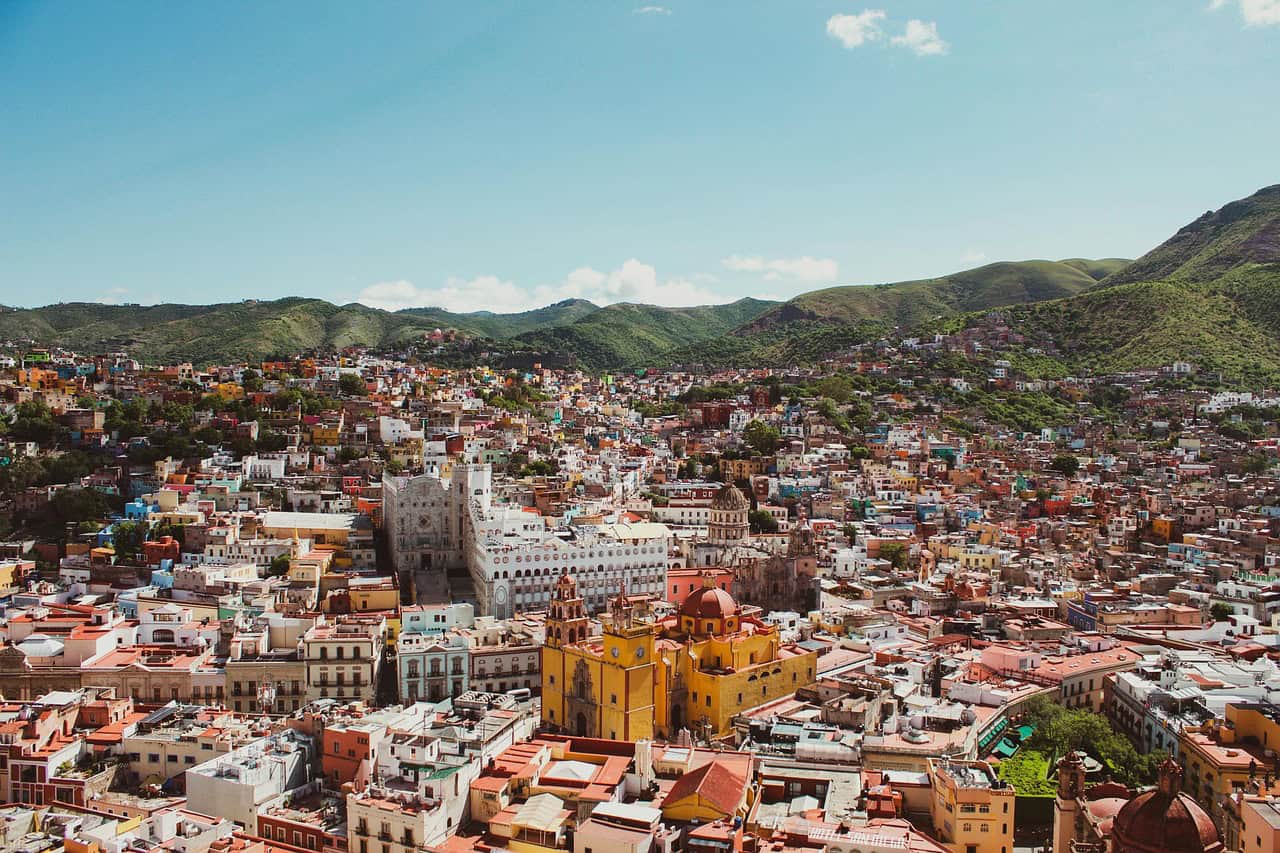
Mexico surpassed 40 million international visitors in recent travel years. Cancún hotel zones often report occupancy above 85% during winter high season. Spring break weeks can double beach attendance compared to quieter months.
Archaeological sites like Chichén Itzá may receive over 8,000 visitors daily during holidays. All-inclusive resorts operate at near capacity, and airport transfer times increase significantly. Expect higher tour prices and crowded cenotes during festive periods.
13. United Arab Emirates
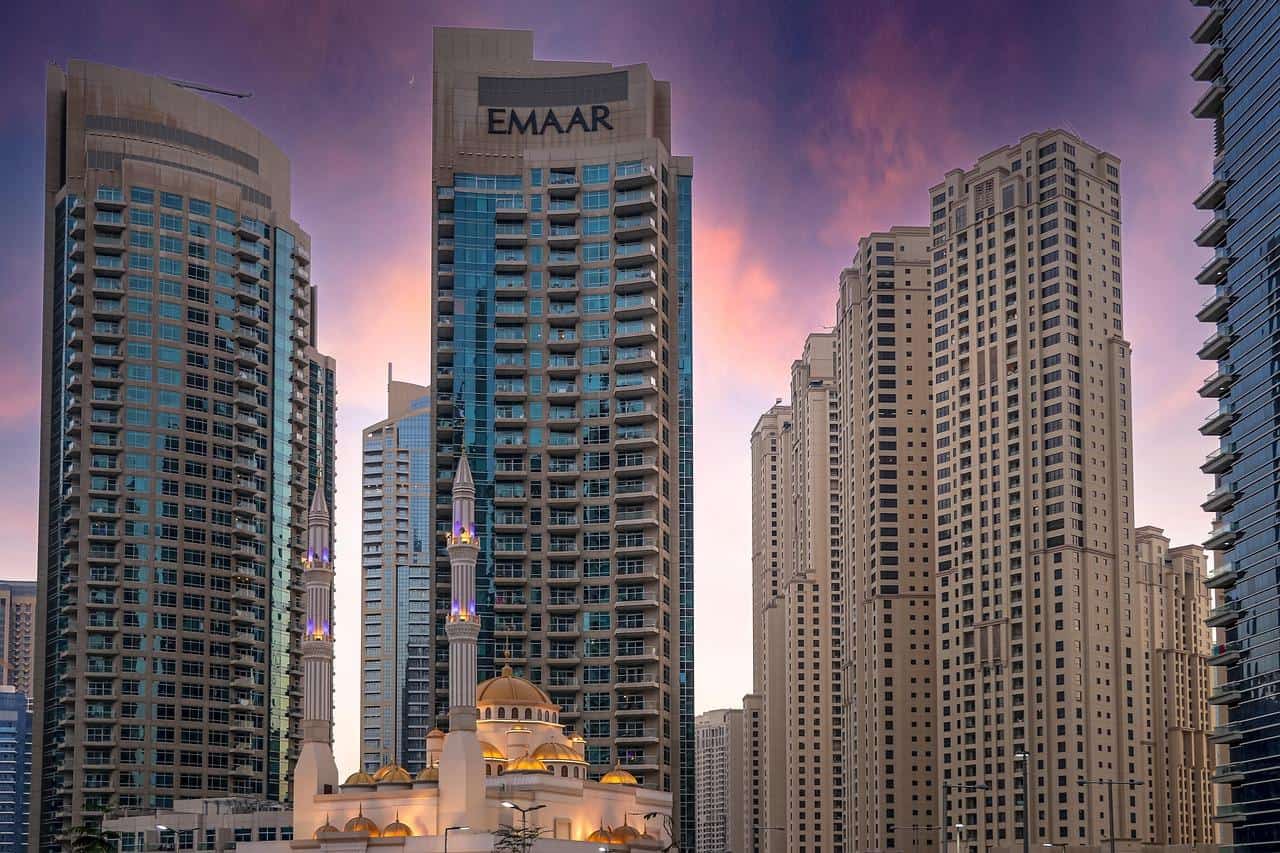
The UAE records more than 20 million visitors annually, with Dubai alone attracting over 14 million. Observation decks at the Burj Khalifa can host thousands daily, with sunset tickets selling out 3 to 5 days ahead.
Hotel occupancy between November and March often exceeds 90%. Desert safari tours run in convoy-style groups during peak evenings. Major malls and indoor attractions remain consistently busy, particularly during global shopping festivals and winter holidays.
14. United States
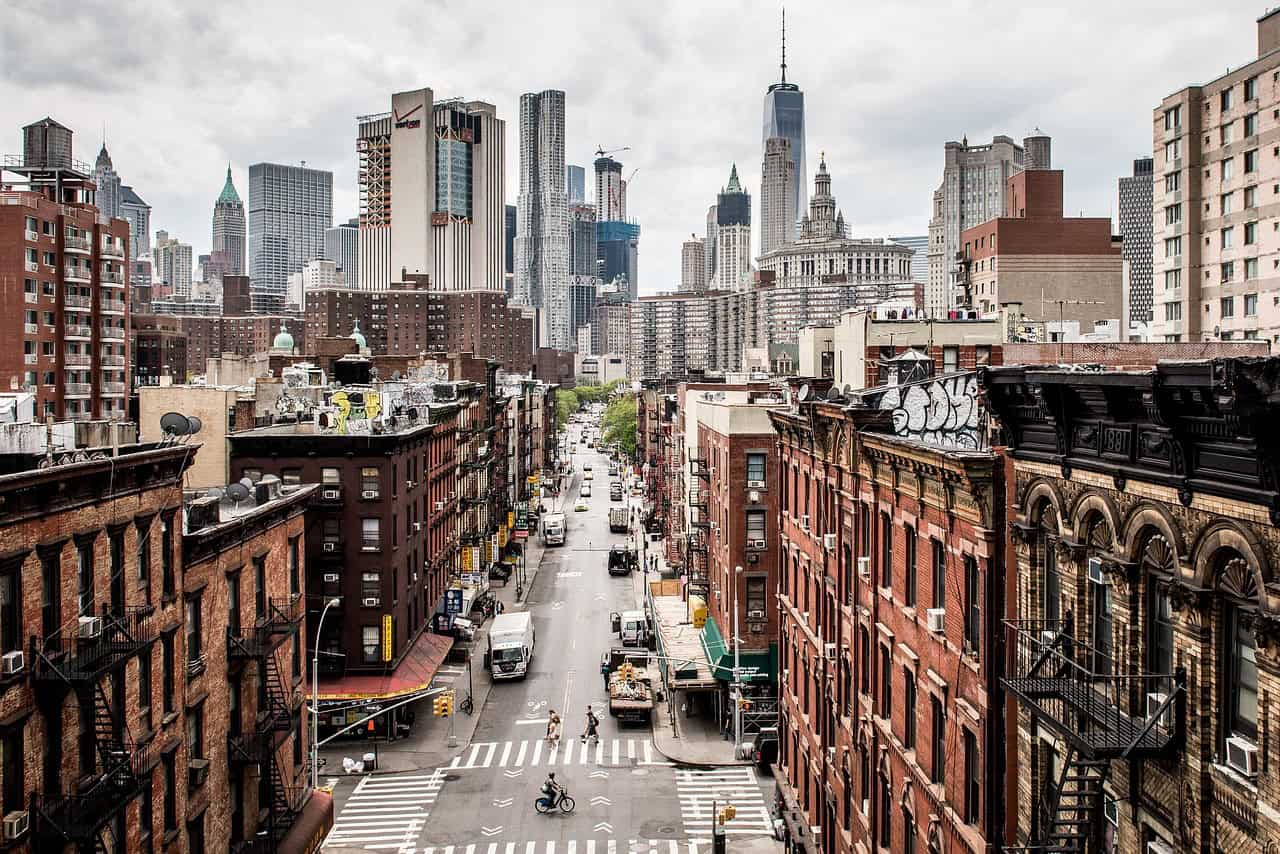
The United States welcomes nearly 80 million international visitors annually, alongside massive domestic travel. Yosemite National Park has introduced vehicle reservation systems after exceeding 3.5 million annual visitors.
New York City sees over 60 million visitors per year, with Times Square handling up to 330,000 people daily. National parks, theme parks, and major city attractions often require timed entry bookings weeks ahead. Expect premium seasonal pricing and limited last-minute availability.