We may earn money or products from the companies mentioned in this post. This means if you click on the link and purchase the item, I will receive a small commission at no extra cost to you ... you're just helping re-supply our family's travel fund.
Crowded heritage sites have always balanced preservation with personal photography. The tools changed faster than the rules, and gear designed to extend angles or stabilize shots created new kinds of disruption in spaces built for slower, quieter movement. In 2025 and early 2026, several destinations tightened restrictions after near-misses, scuffed surfaces, and complaints about blocked corridors. These policies rarely target photography itself. They target impact, congestion, and the way one paused pose can ripple through a whole room, especially when the room is centuries old.
The Alhambra, Spain
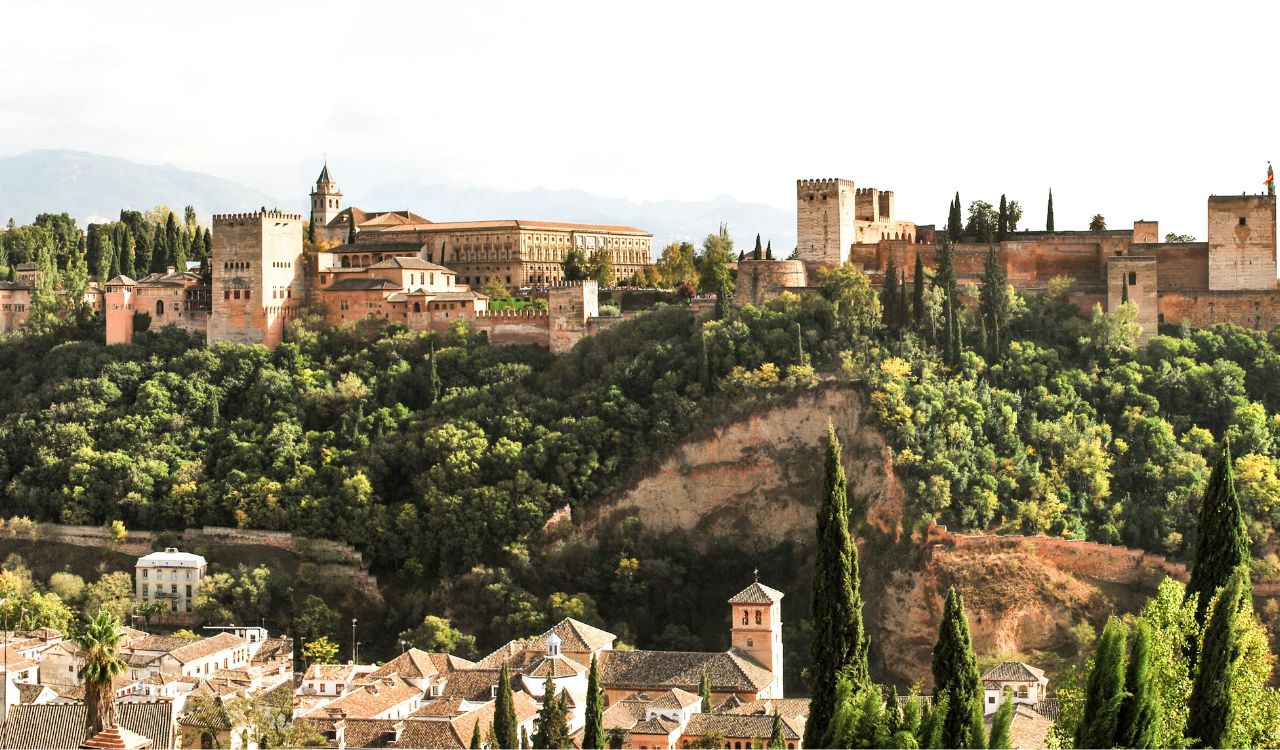
The Alhambra tightened controls on selfie sticks and tripods in busy courtyards after staff logged repeated bumps against carved stone railings and delicate edges. The bigger issue was flow. Narrow passages and archways were never designed for modern stop-and-frame behavior, so extended devices turned quick photos into bottlenecks. Handheld shots remain welcome, but guards now push steady movement through chokepoints, and the best photos tend to come from wider plazas where lingering does not block others.
The Acropolis, Greece
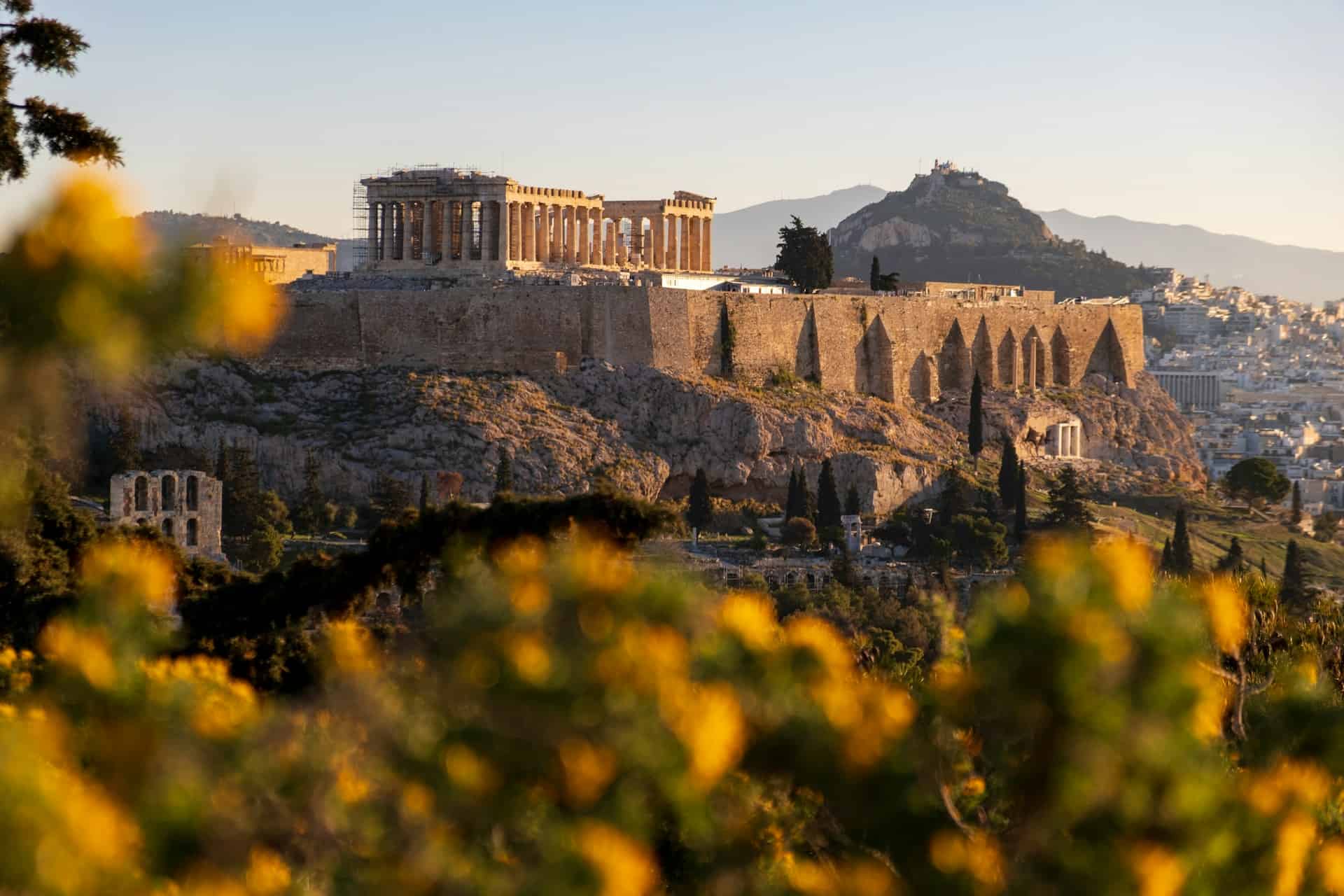
At the Acropolis, officials removed tripods and selfie sticks from key walkways after reports of accidental strikes near marble elements awaiting conservation. The hilltop paths are tight, winds can shift balance, and even a small delay can stack crowds fast in summer heat. Photography still happens constantly, but it is nudged toward designated viewpoints that spread people out. The message is simple: capture the skyline and columns, but do it without equipment that turns a narrow lane into a tripod forest.
Monticello, Virginia
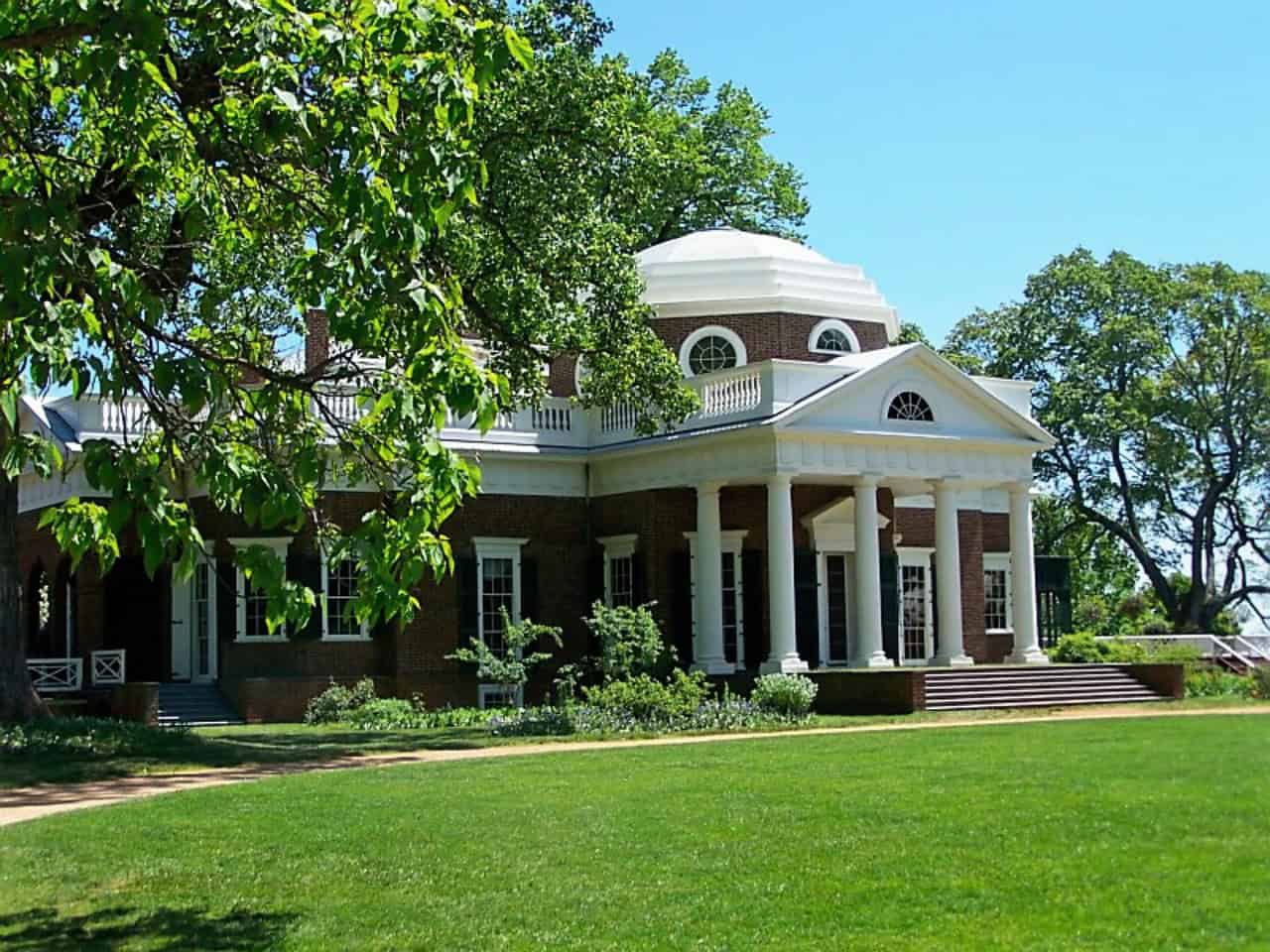
Monticello’s house tour limits selfie sticks and tripods because the interior is tight, the flooring is historic, and artifacts sit close to the visitor route. Guides saw guests pivoting with extended gear, which increases the chance of a bump in rooms where nothing is replaceable. Outdoor grounds still allow casual photos, and the estate remains photogenic from every angle. Inside the house, the emphasis is on moving room to room smoothly, keeping devices close, and treating the space like a museum, not a studio set.
The Tower of London, England
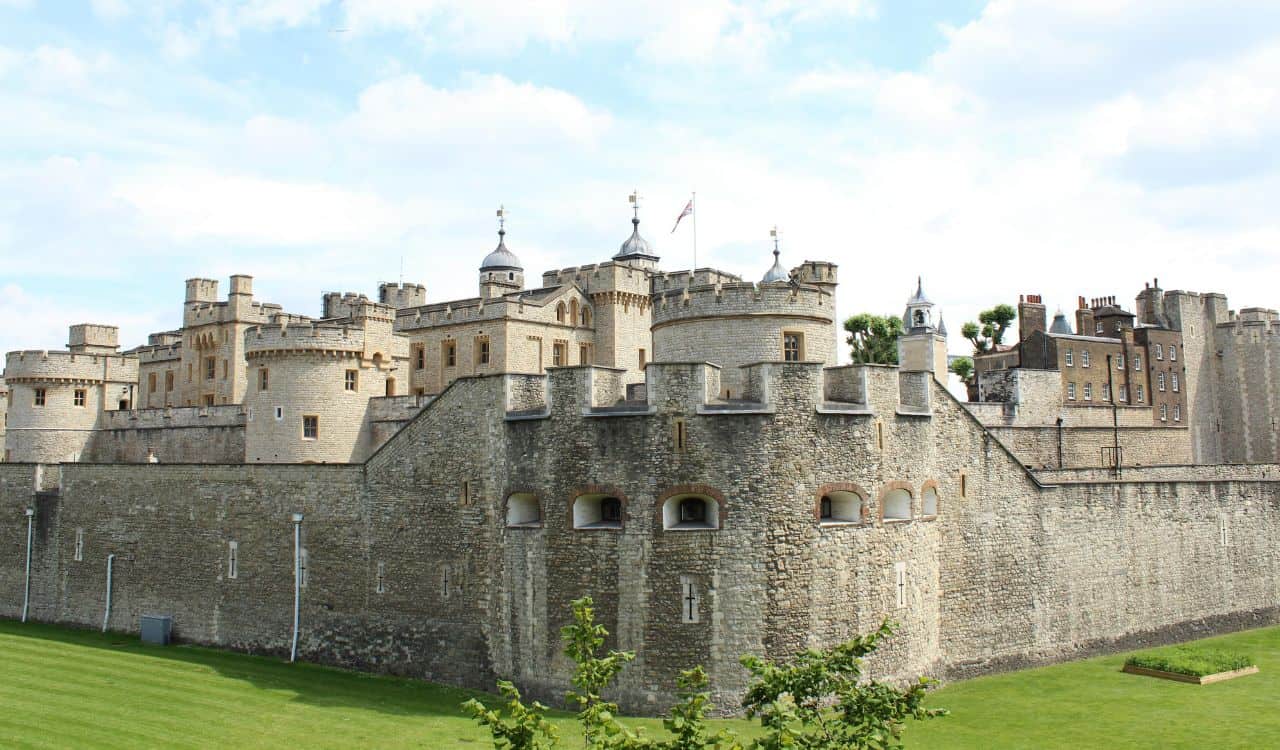
The Tower of London restricted sticks and tripods in key areas after congestion near the Crown Jewels began spilling into circulation routes and brushing up against emergency access points. The buildings can handle crowds, but the stop-and-pose rhythm slowed queues to a crawl and made staff manage constant micro-conflicts. Visitors can still shoot from the moving line, but equipment that encourages blocking, turning, or backing up no longer fits the system. It is less about banning photos and more about keeping a historic complex from seizing up.
Chichen Itza, Mexico
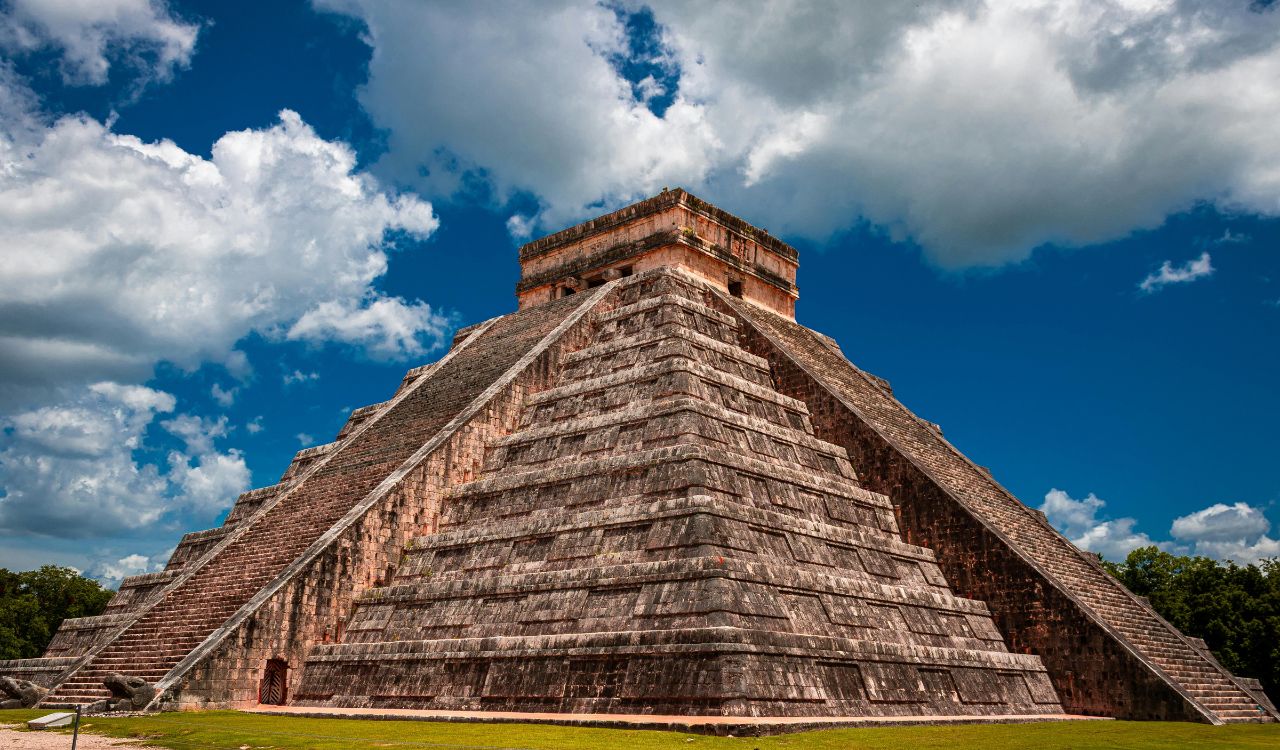
At Chichen Itza, rules around temples and bases became stricter as rangers dealt with repeated contact on limestone edges and visitors stepping backward toward drops for wider shots. Tripods and selfie poles add leverage, and that leverage becomes risk when the ground is uneven and crowds press close. Handheld photography remains common, but the site’s direction is clear: protect vulnerable surfaces, reduce accidental strikes, and keep people from drifting into unsafe positions while chasing a perfect frame.
Himeji Castle, Japan
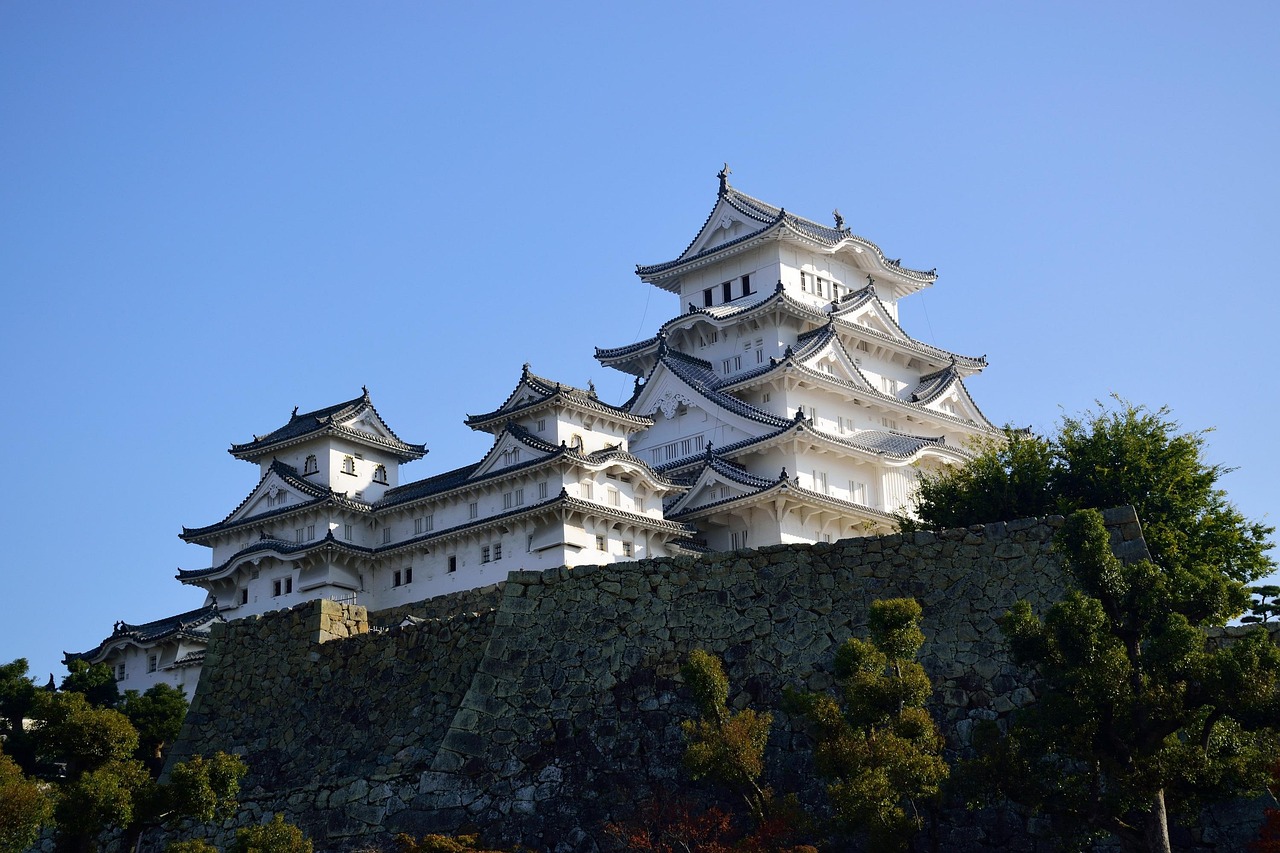
Himeji Castle moved to limit devices like tripods and extended poles in corridors where centuries of foot traffic have polished wood to a smooth, delicate sheen. Staff documented scraping, small dents, and the kind of minor damage that becomes meaningful when multiplied by thousands of visitors a day. The castle still offers stunning views from terrace windows and open vantage points, and handheld shots are easy. What changed is the tolerance for equipment that drags, swings, or needs space to set up in narrow lanes meant for steady walking.
Edinburgh Castle, Scotland
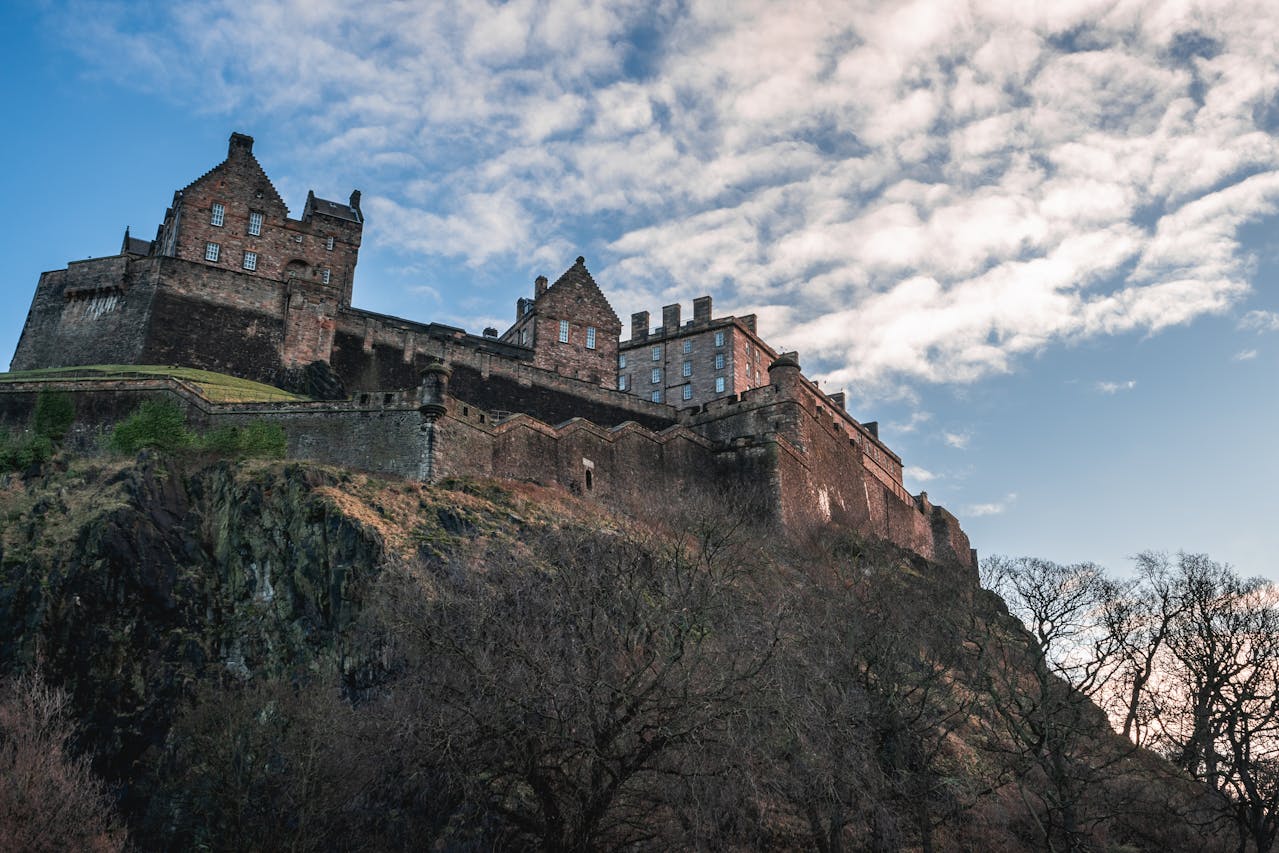
Edinburgh Castle restricted tripods and selfie sticks in popular overlooks where rails attract crowds and space is shared by tour groups, families, and people trying to take in the view for more than two seconds. Staff saw visitors lining the best edges with bulky gear, blocking sightlines and creating a quiet tension that builds fast when the wind is strong and time is tight. Handheld photos remain the norm, but the policy pushes a simple fairness rule: no gear that claims the railing like private property.
Statue of Liberty Pedestal, New York
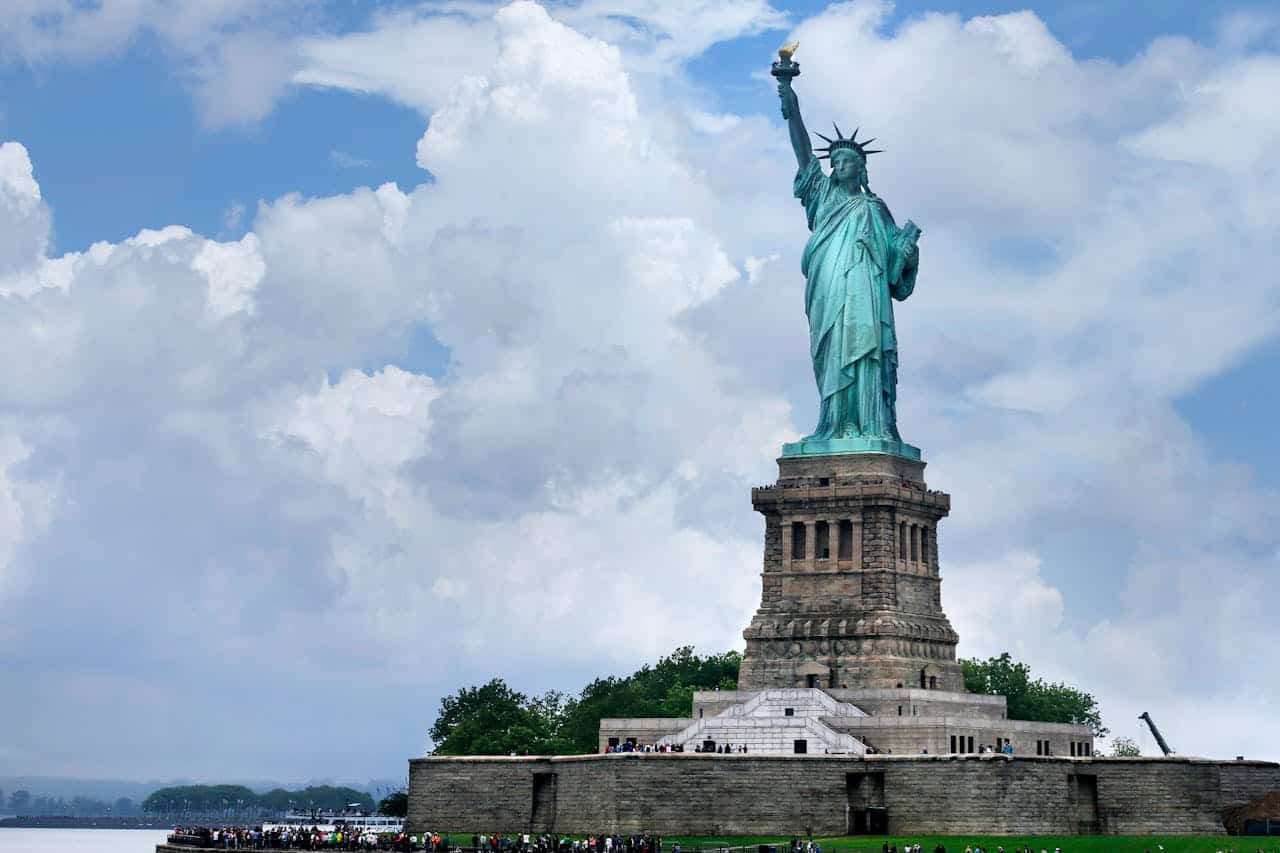
At the Statue of Liberty pedestal level, sticks and tripods were removed from sections shaped by security controls, tight stairways, and narrow lanes near screening points. Officers reported devices swinging near rails and metal detectors, turning small movements into hazards in crowded, low-margin spaces. Photography is still encouraged, but it is meant to stay compact and predictable. The pedestal is a classic example of a place where the experience depends on flow, and where even polite visitors can create risk when their equipment extends into someone else’s path.
Angkor Wat, Cambodia
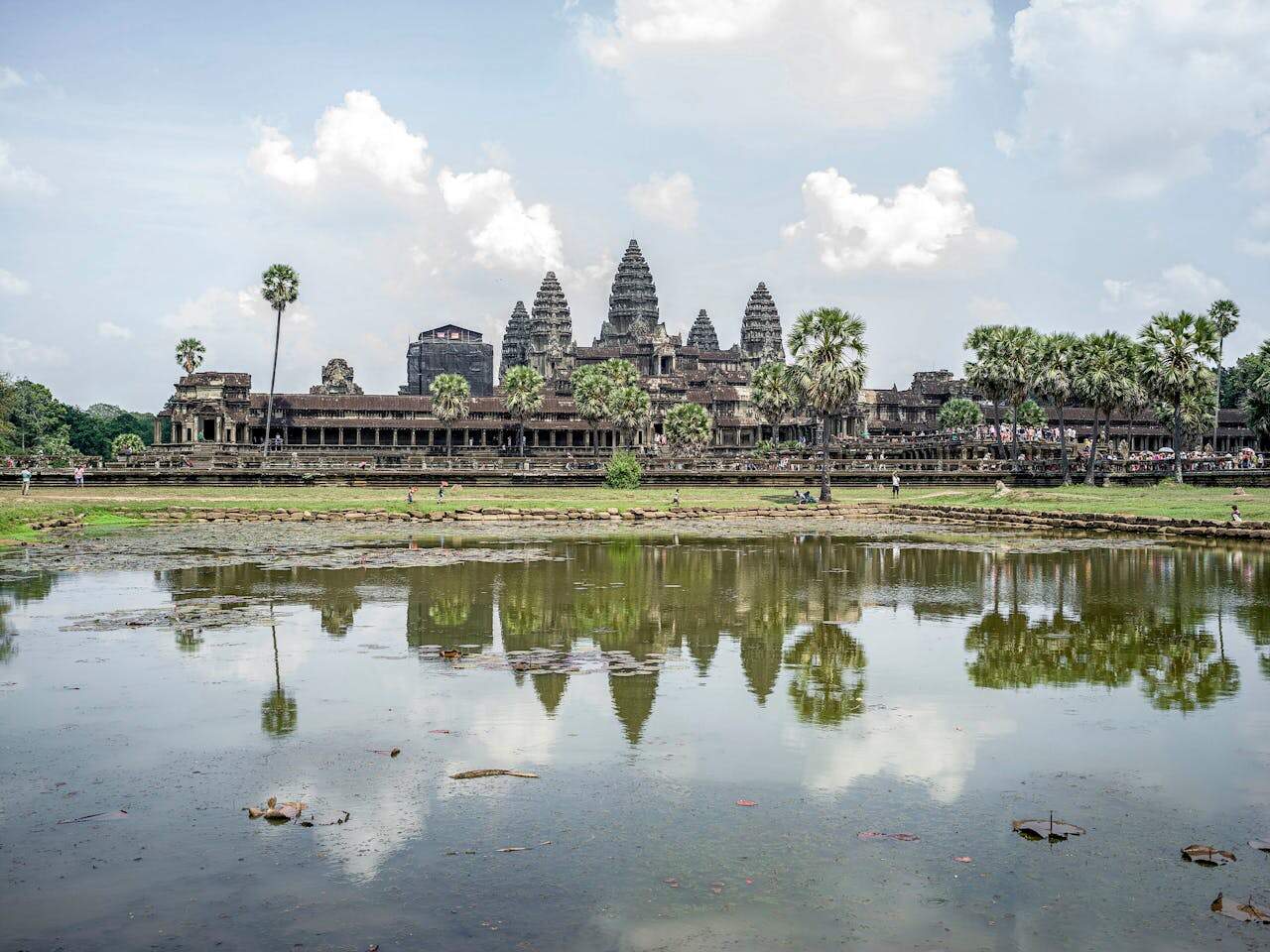
At Angkor Wat, tripod use became a flashpoint at dawn viewing areas where limited platform space meets heavy demand and fragile stone. Guides pushed for tighter controls after crowd friction grew and equipment pressed into sandstone that already fights erosion, moisture, and heat. The site still welcomes respectful photography, and sunrise remains a ritual. The difference is how it is managed: less hardware, fewer blocked corners, and a stronger expectation that visitors capture the scene without building a personal filming footprint in a shared sacred landscape.
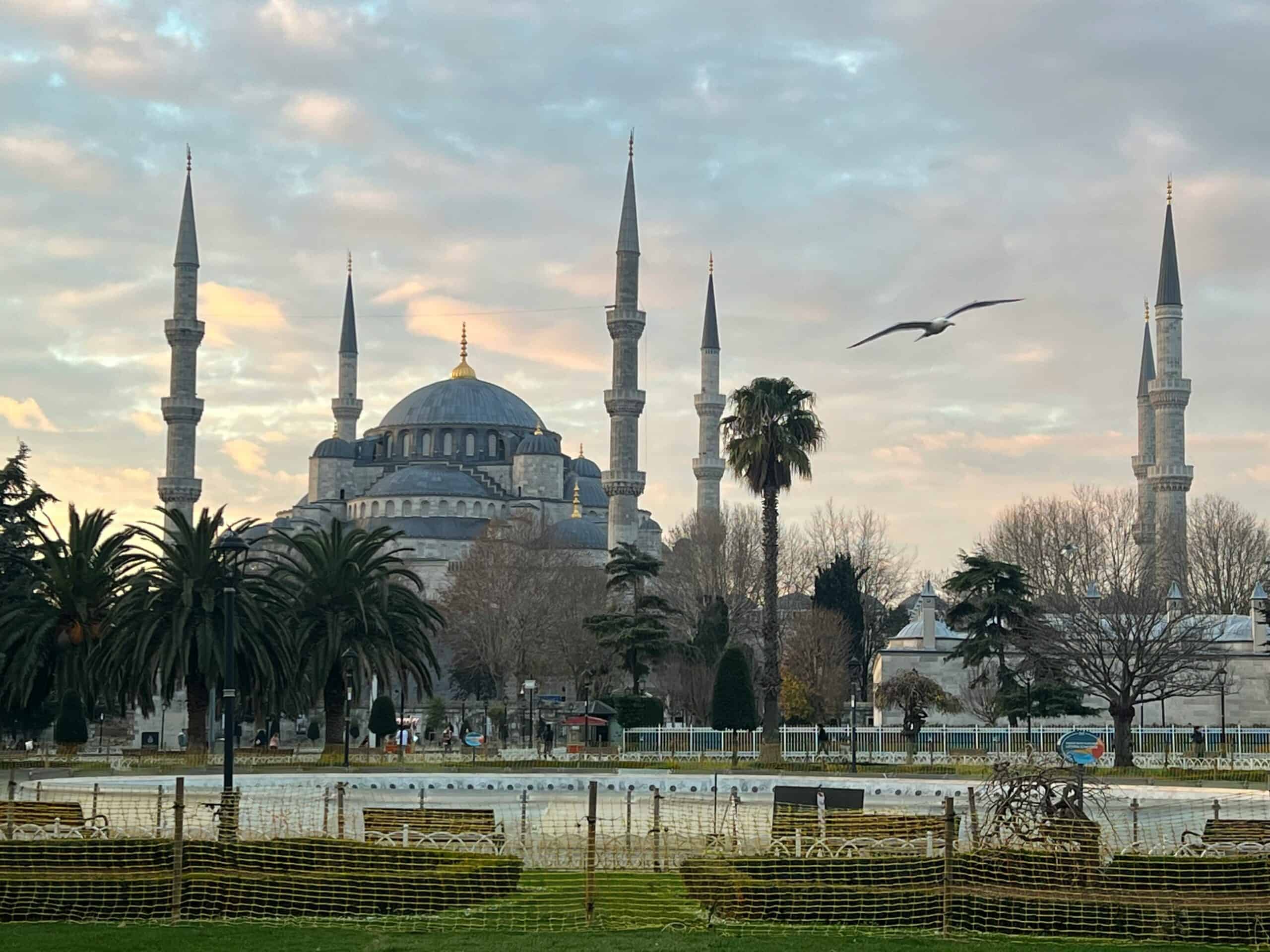
The Blue Mosque, Istanbul
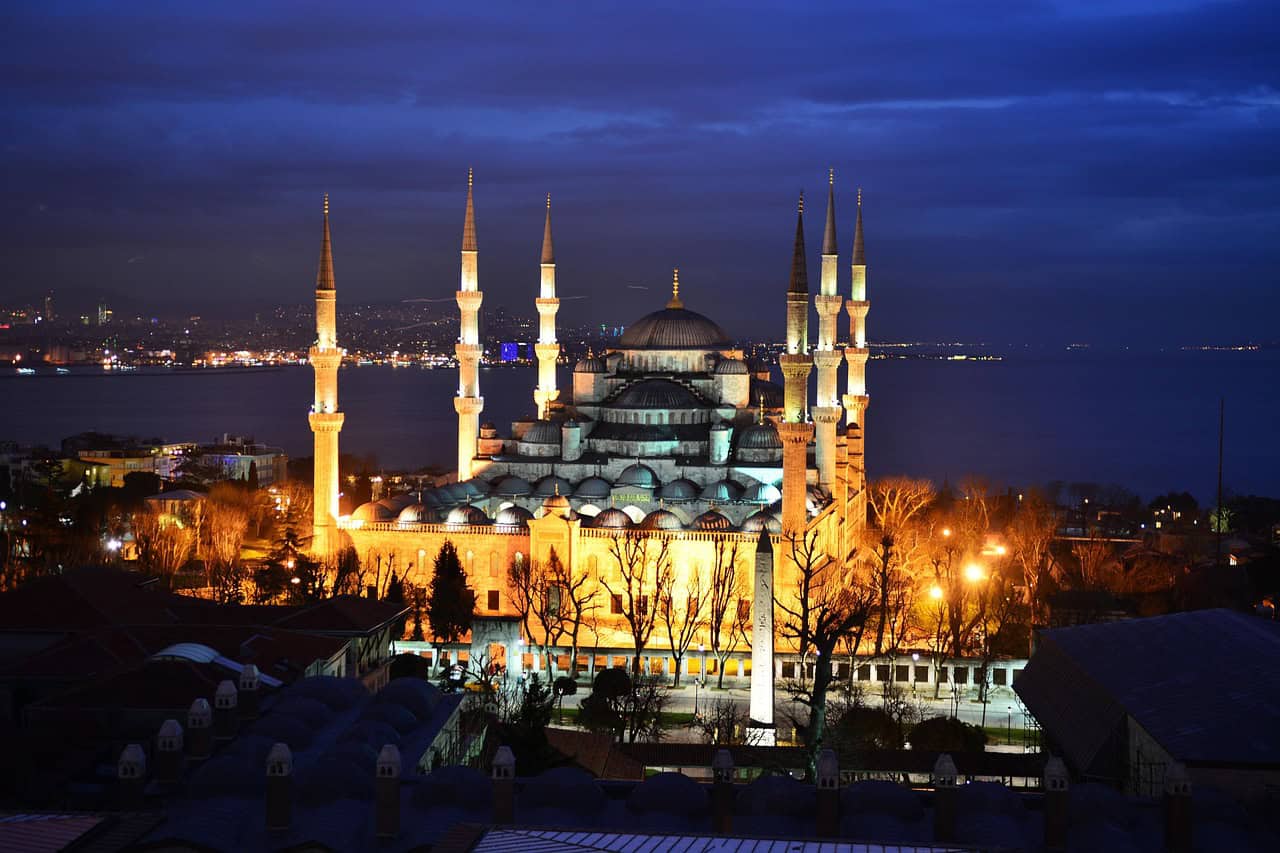
Inside Istanbul’s Blue Mosque, custodians scaled back selfie sticks and tripods after collisions with low-hanging chandeliers and close interior elements, especially in areas where foot traffic includes both visitors and worshippers. Extended devices do not just risk contact. They also disrupt the quiet rhythm that makes the space feel reverent rather than touristic. Photos are still allowed, but the approach is more restrained: phones and cameras kept close, movement kept steady, and no protruding gear that turns a sacred interior into a crowded obstacle course.
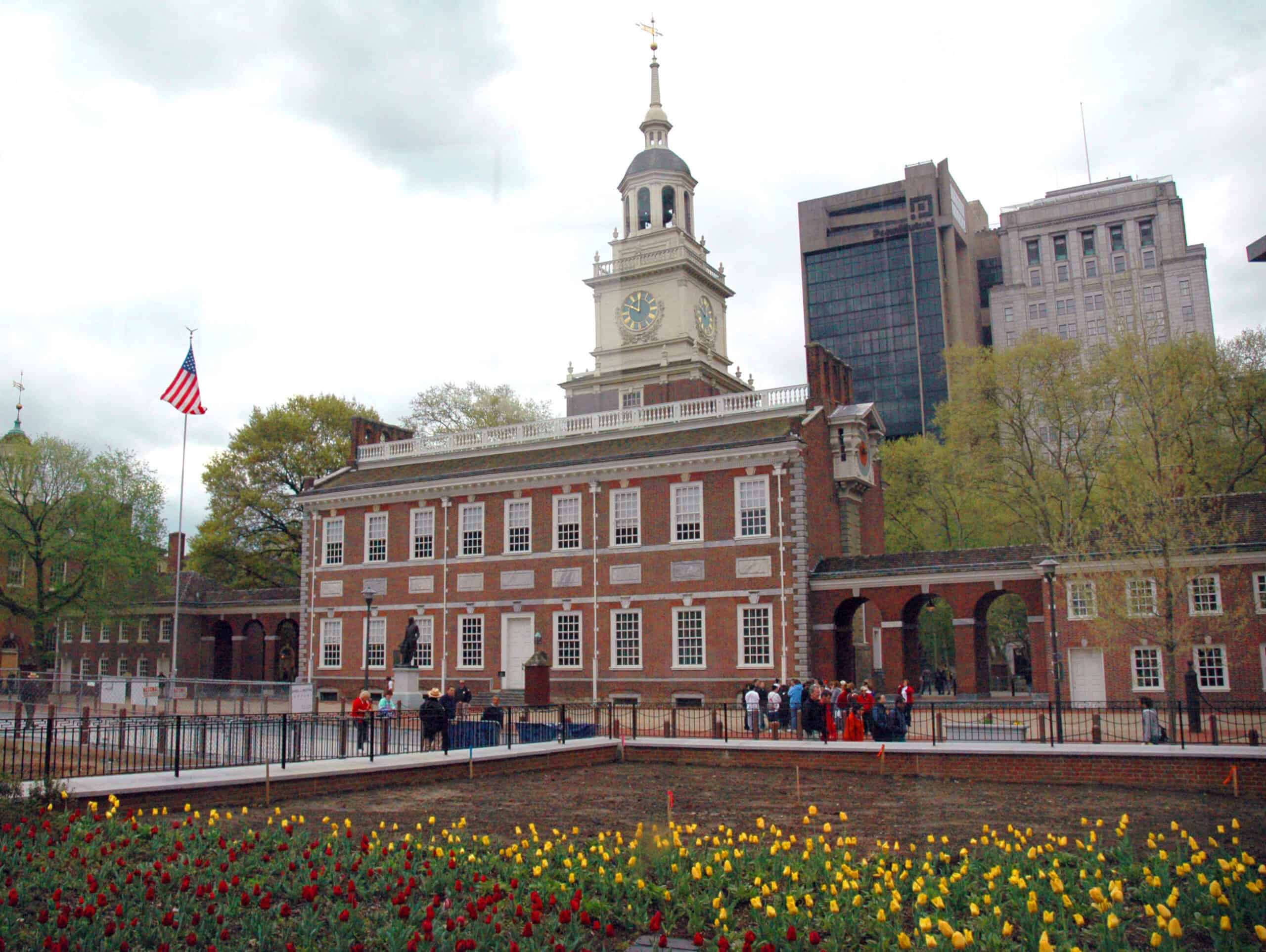
Independence Hall, Philadelphia
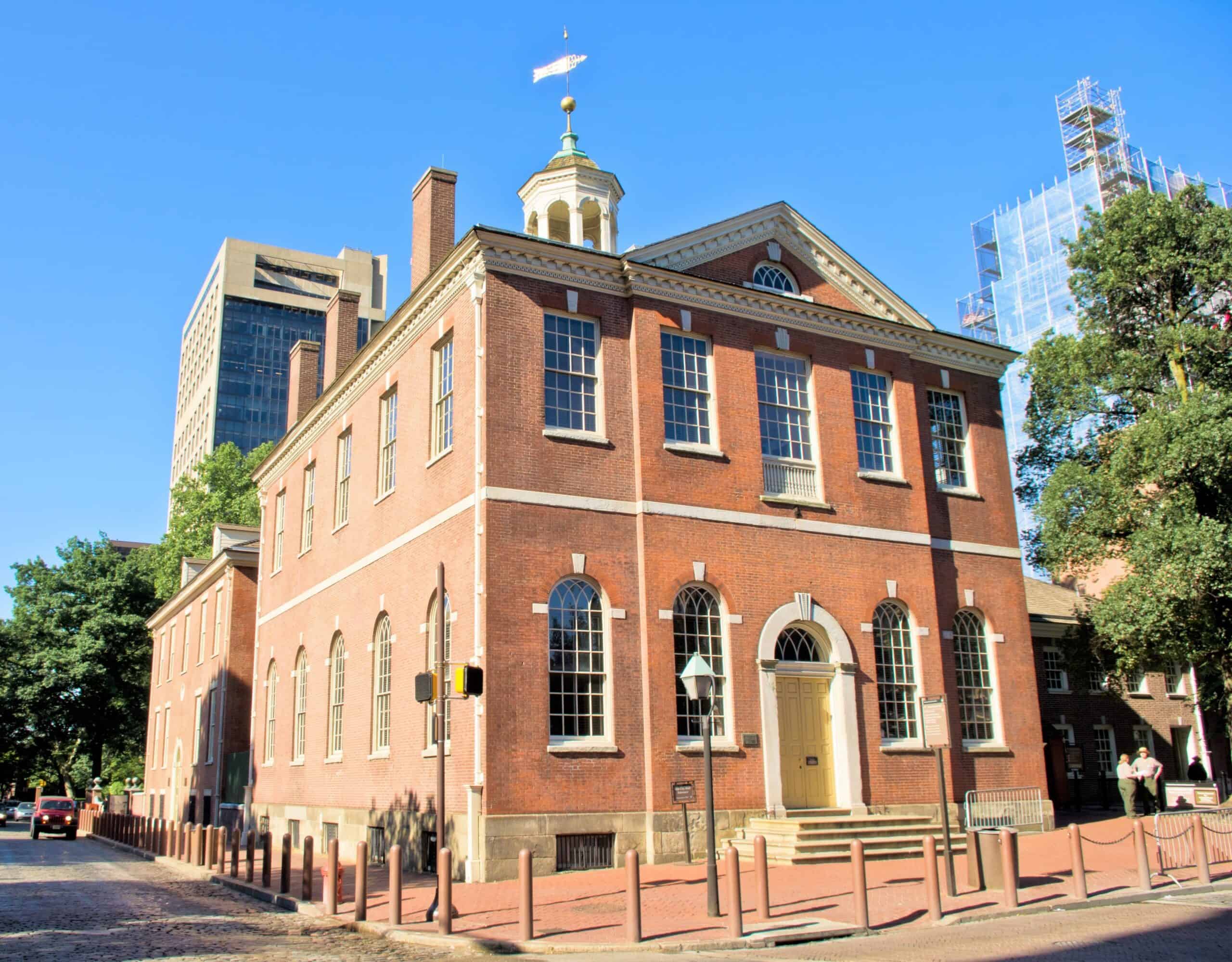
Independence Hall limited tripods and selfie sticks to protect restored woodwork and maintain the pace of timed-entry rooms where guides manage tight narration windows. Rangers observed visitors rotating with extended devices to capture wide shots, which slowed doorways and pulled attention away from the tour’s flow. The policy keeps the experience calmer and fairer. Handheld photos still capture the room, but the rule draws a line at equipment that demands space, interrupts movement, or turns a short historic stop into a personal photoshoot at everyone else’s expense.
Versailles Hall of Mirrors, France
Versailles tightened controls on extended devices in the Hall of Mirrors after repeated impacts and scuffing risks to reflective surfaces and nearby elements, amplified by the room’s constant crowd pressure. People instinctively stop for a wide shot, and that pause multiplies into logjams in a space built for forward motion, not stationary staging. Photography is still everywhere, but the emphasis shifts to quick, eye-level captures that do not require backing up, swinging arms, or setting a tripod in a room where inches matter and reflections magnify every movement.
The Colosseum, Italy
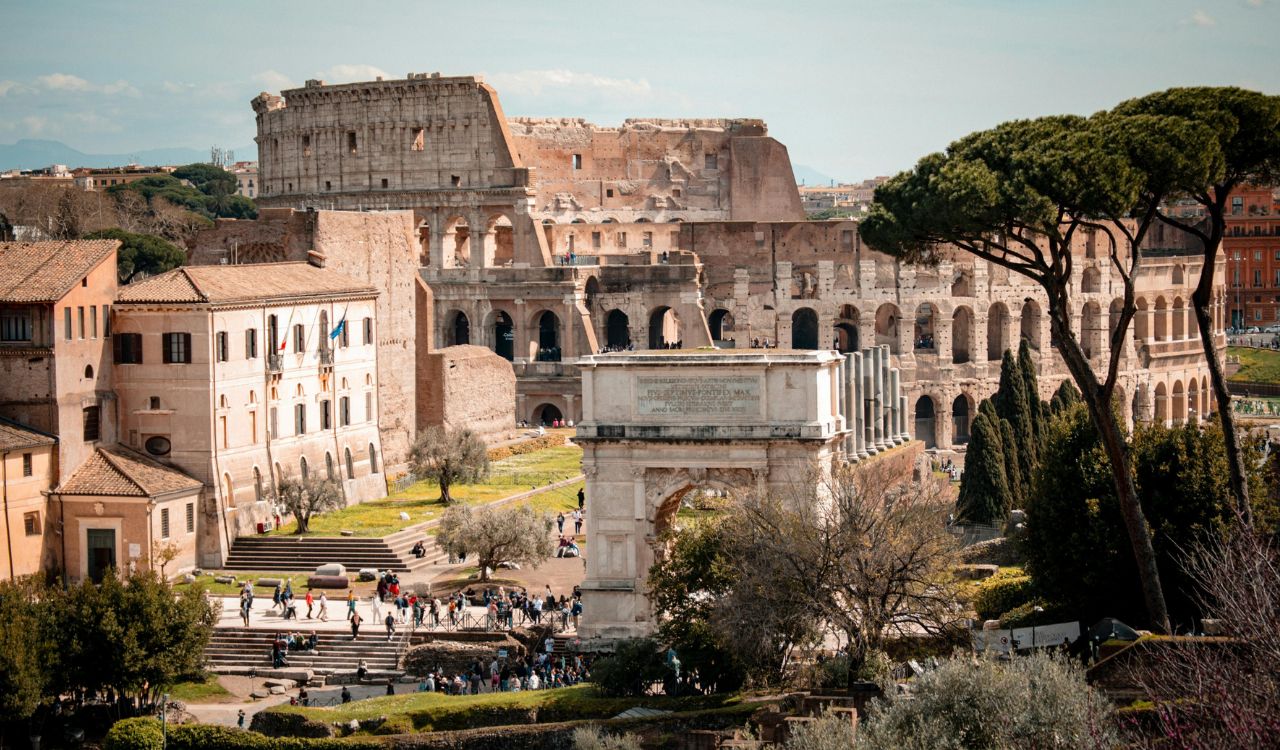
The Colosseum restricted tripods and selfie poles along upper corridors after stewards logged complaints about blocked railings, unstable crowd behavior, and accidental contact with ancient surfaces. The edges are uneven, the drop feels real, and visitors leaning back for a wider angle can create fall risk in seconds. Handheld photos still work beautifully, especially when the light cuts across the arena floor. The policy is a practical trade: keep railings clear, keep circulation steady, and reduce the chance that one person’s perfect shot becomes another person’s emergency.
Machu Picchu, Peru
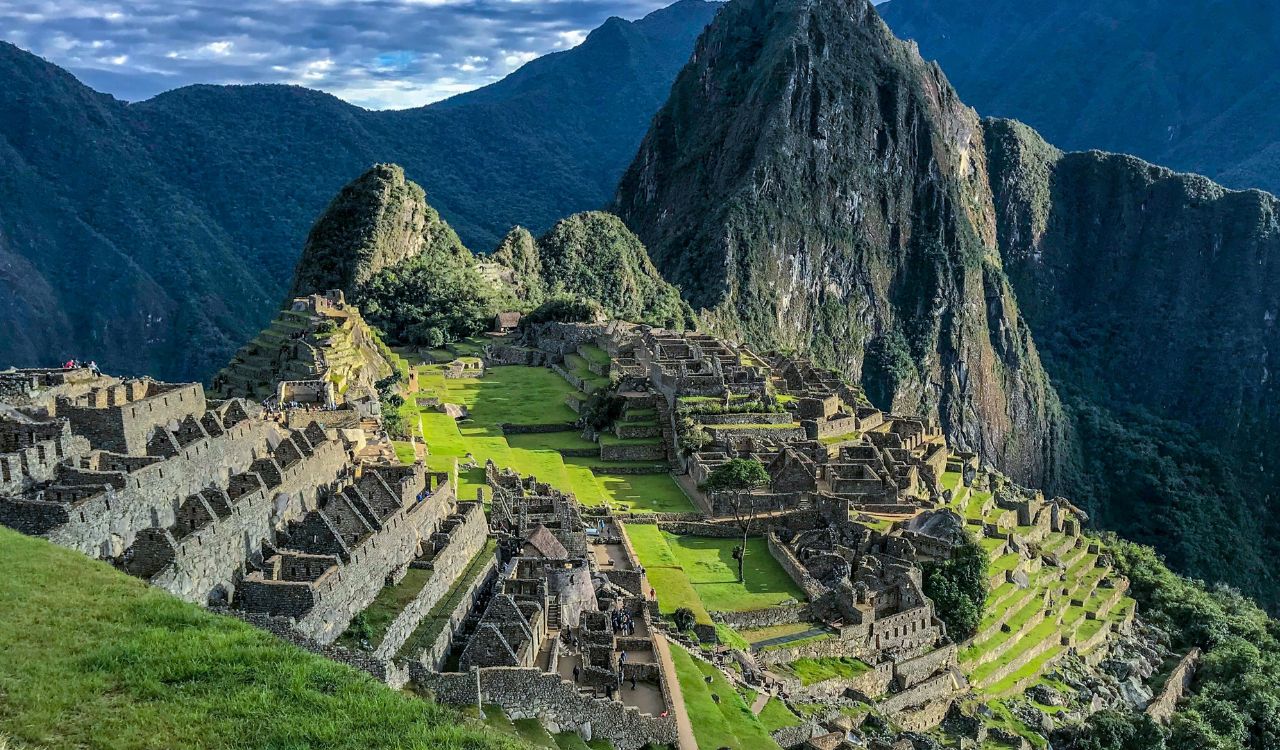
Machu Picchu strengthened photography rules to protect terraces and paths that remain vulnerable to erosion, especially in wet seasons when soil is softer and footing is less forgiving. Tripods can leave depressions, and selfie sticks encourage backing toward ledges in a high-altitude setting where balance and attention already run thin. Rangers now guide visitors toward stable paths and controlled viewpoints that protect both people and stonework. Photos still happen constantly, but the site is steering away from equipment that increases pressure on fragile ground and invites risky positioning.