We may earn money or products from the companies mentioned in this post. This means if you click on the link and purchase the item, I will receive a small commission at no extra cost to you ... you're just helping re-supply our family's travel fund.
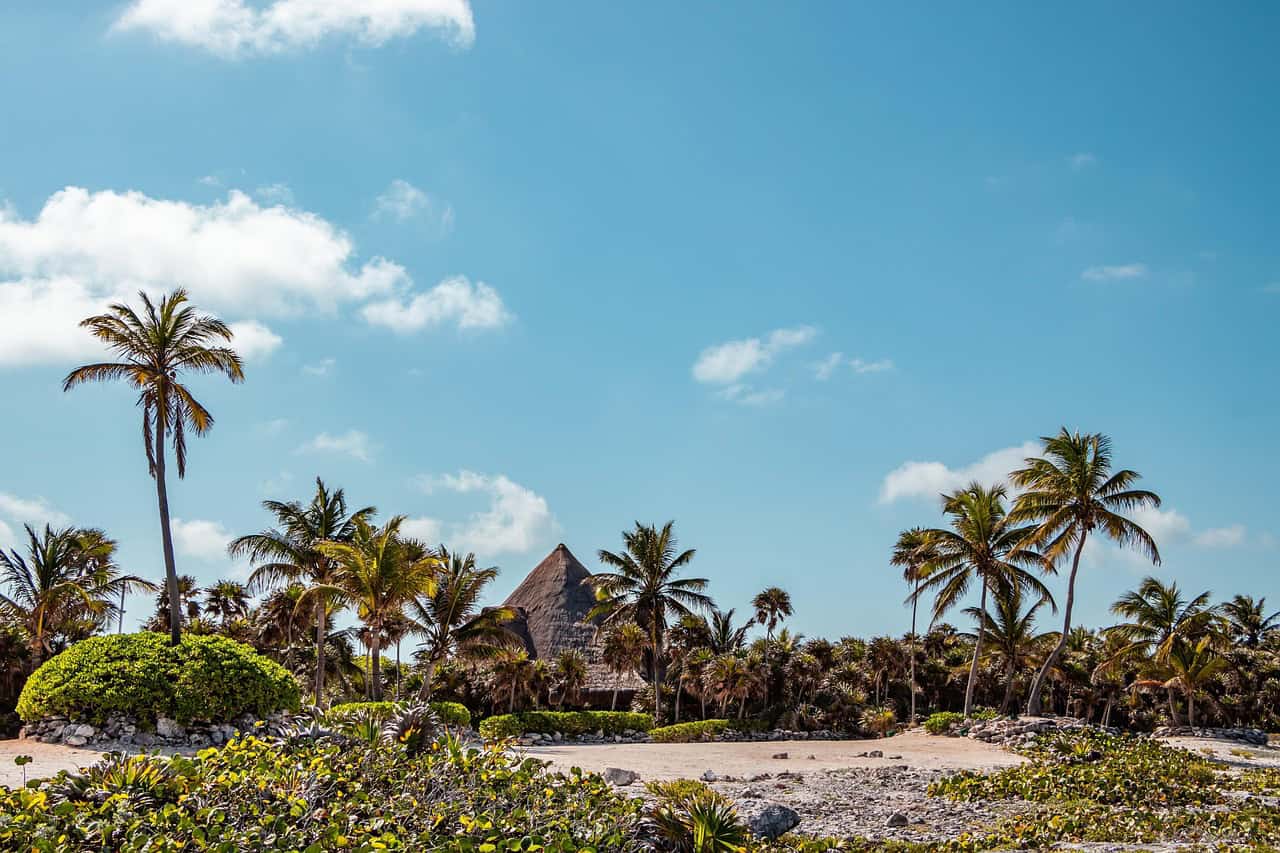
Some destinations once thrived as beloved vacation escapes, drawing thousands of visitors annually with their unique charm and natural beauty. Over time, however, many of these places suffered from environmental damage, overcrowding, political turmoil, or irreversible structural decline. The closures that followed were not simply protective measures but essential steps to prevent total loss. Below are fourteen once-famous hotspots, each now closed to the public and carrying a story shaped by numbers, history, and caution.
1. Maya Bay, Thailand
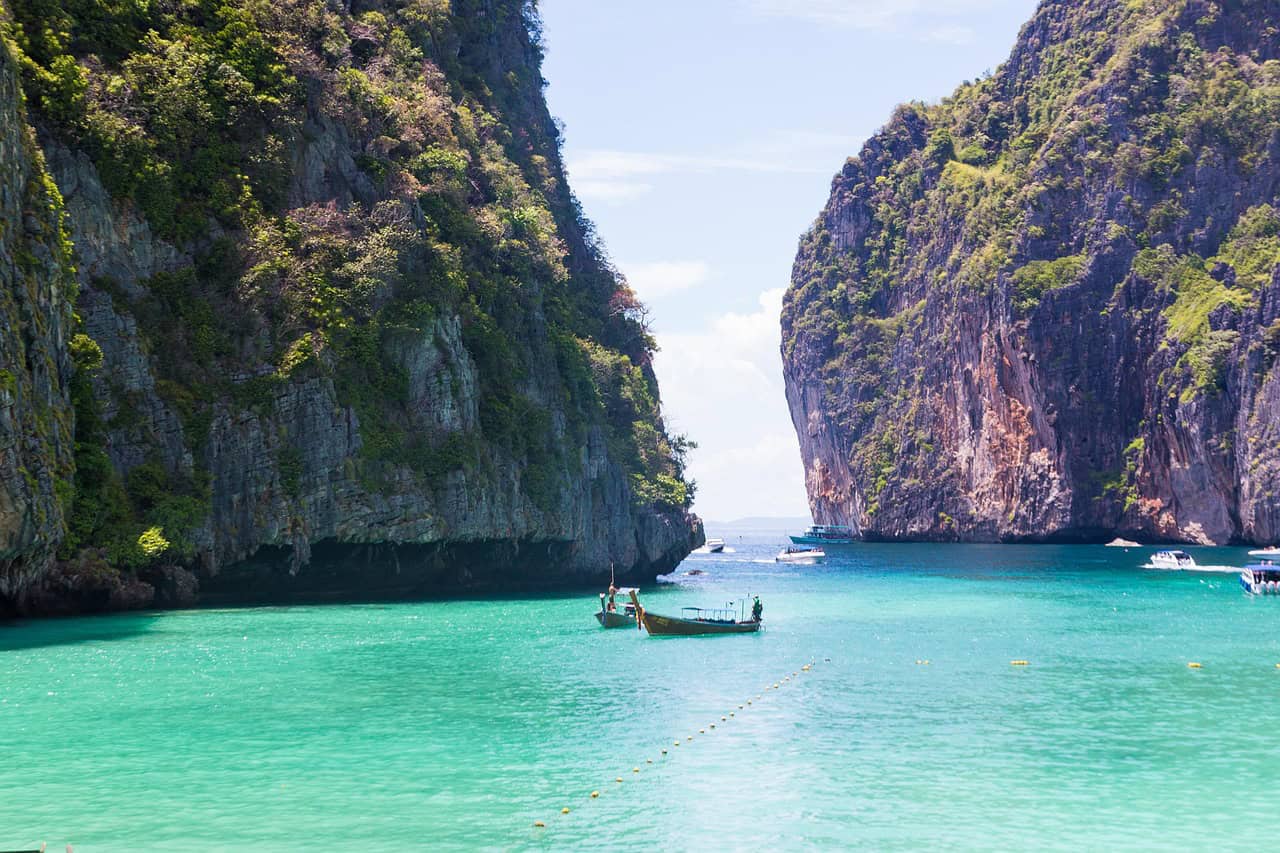
Once attracting up to 5,000 tourists per day, Maya Bay became a symbol of overtourism after the surge that followed its appearance in a 2000 film. Years of pressure destroyed nearly 80% of its coral, prompting Thai authorities to close the bay in 2018. Although limited access was reintroduced in 2022, the original unrestricted beach remains closed. Years of restoration, including planting 10,000 coral fragments, continue to guide its recovery, emphasizing the fragile balance between natural beauty and mass tourism impact.
2. Hashima Island, Japan
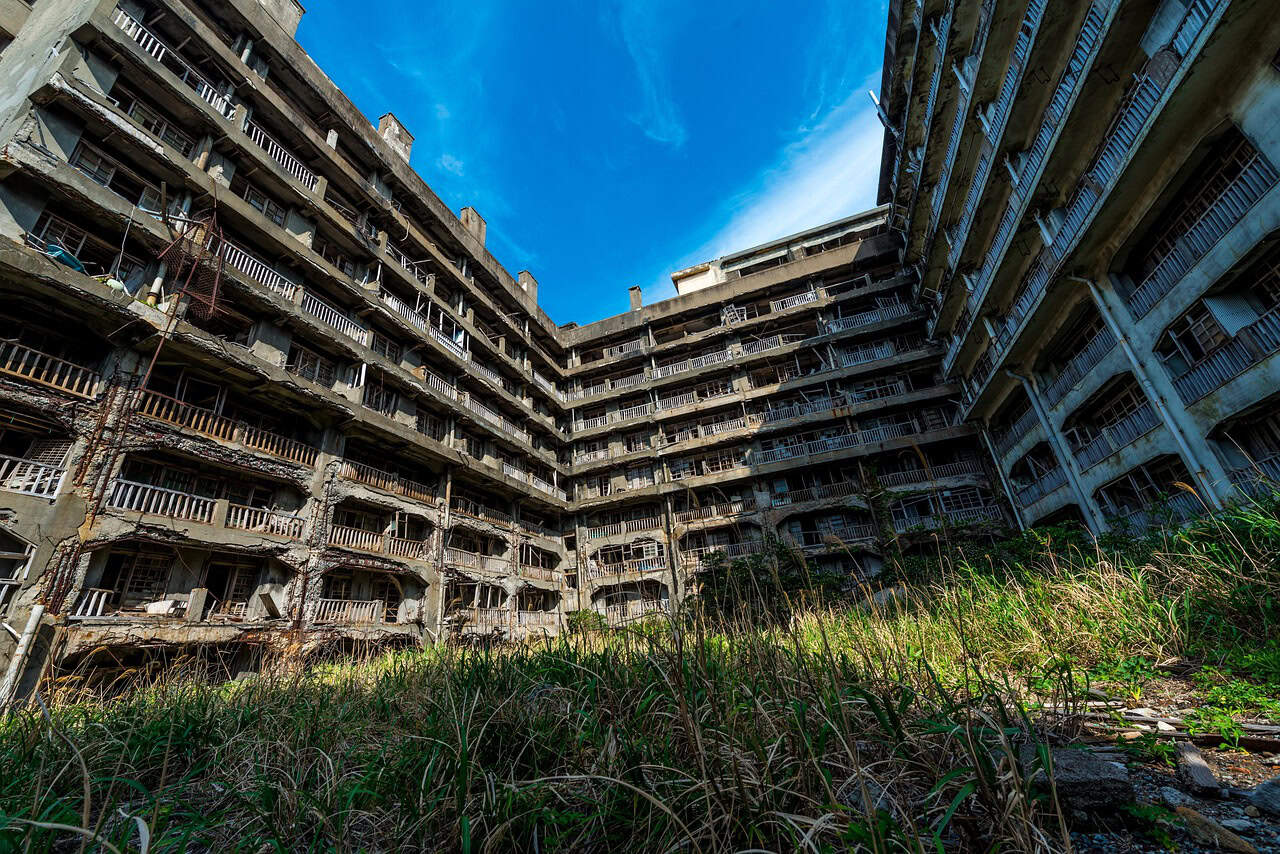
Hashima Island once housed 5,259 residents in 1959, making it among the world’s most densely populated places. After the coal mine closed in 1974, the island decayed rapidly, drawing urban explorers until authorities restricted access. Structural surveys revealed that over 60% of remaining buildings risk collapse, leading Japan to keep major sections permanently closed. Despite its listing as a UNESCO site, only a small guided route is open while around 75% of the island remains too unstable for public entry.
3. Boracay’s Restricted Zones, Philippines
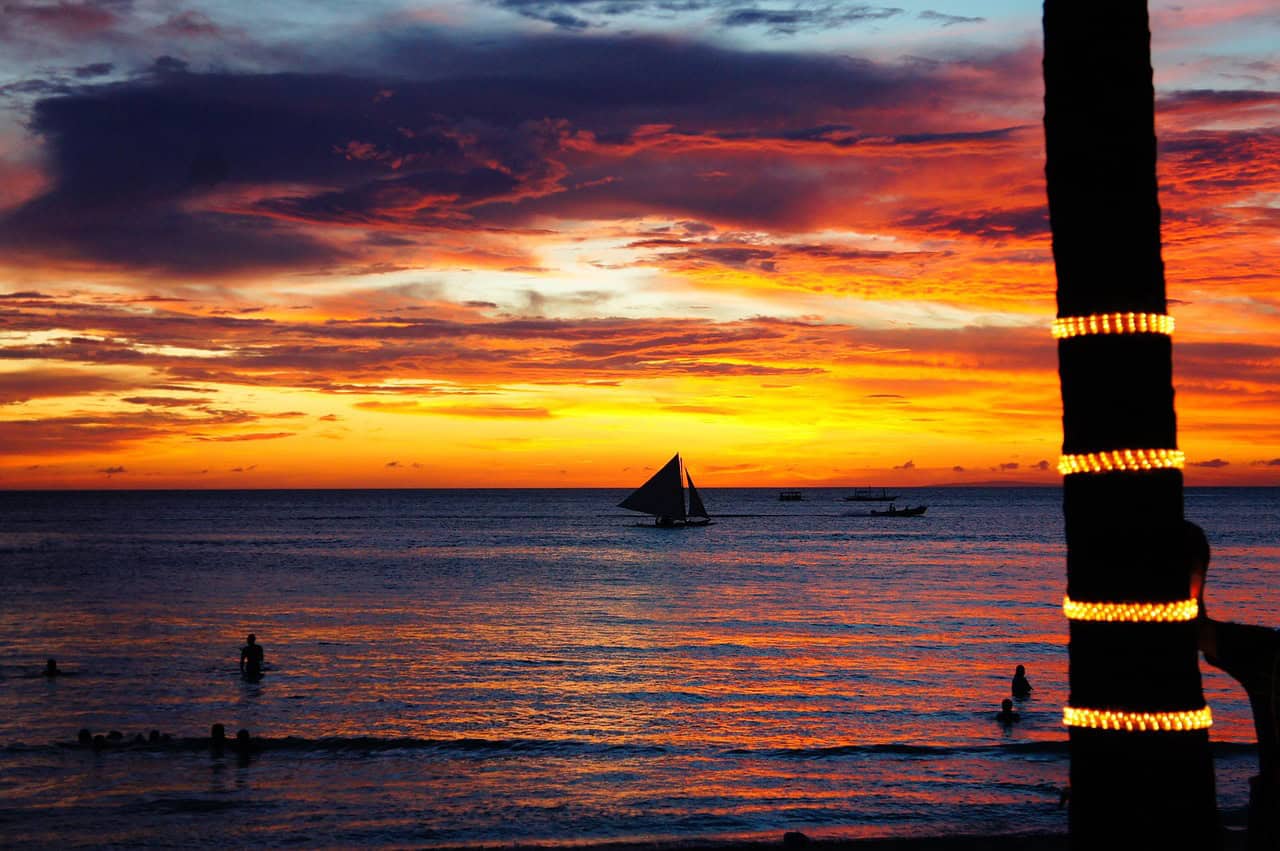
Before its 2018 shutdown, Boracay welcomed nearly 2.1 million visitors yearly, overwhelming sewage systems and causing unsafe coliform levels in the water. The island’s infrastructure, designed for only 30,000 people, struggled to support double that number during peak seasons. After a six-month closure, authorities reopened limited sections but kept large original hotspots off-limits to protect the 600 hectares of fragile coastal ecosystem. Strict visitor caps now ensure the damage caused by years of overcrowding is not repeated.
4. Cocos Island, Costa Rica
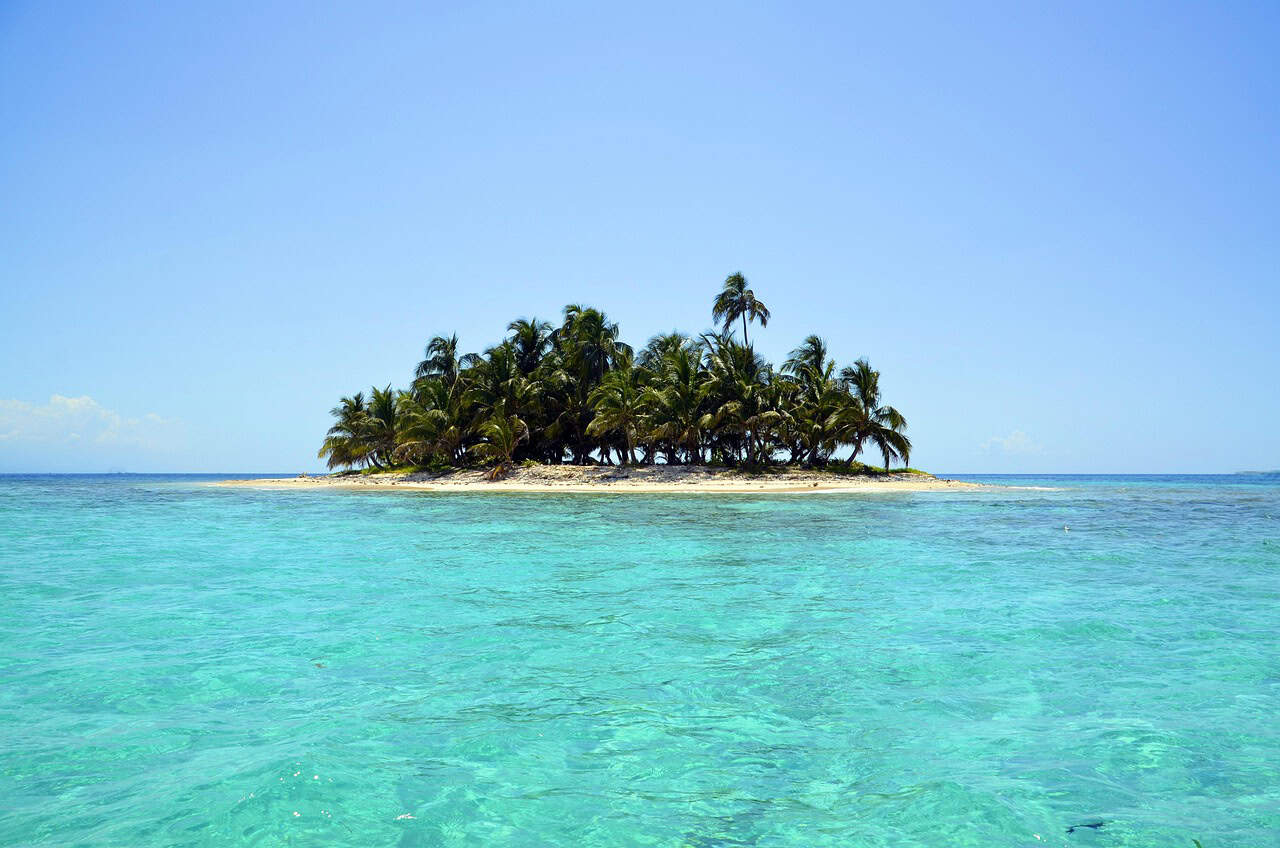
Located 340 miles offshore, Cocos Island once attracted divers seeking its hammerhead-rich waters. But rising illegal fishing incidents, which surged by 42% over a decade, threatened its rare species. The Costa Rican government responded by closing the island to all non-research visitors, protecting its 200+ endemic species. Only a small number of scientific teams, usually fewer than 50 individuals per year, receive permits. The closure protects an ecosystem so delicate that even small tourism footprints cause measurable disruption.
5. Niihau, Hawaii
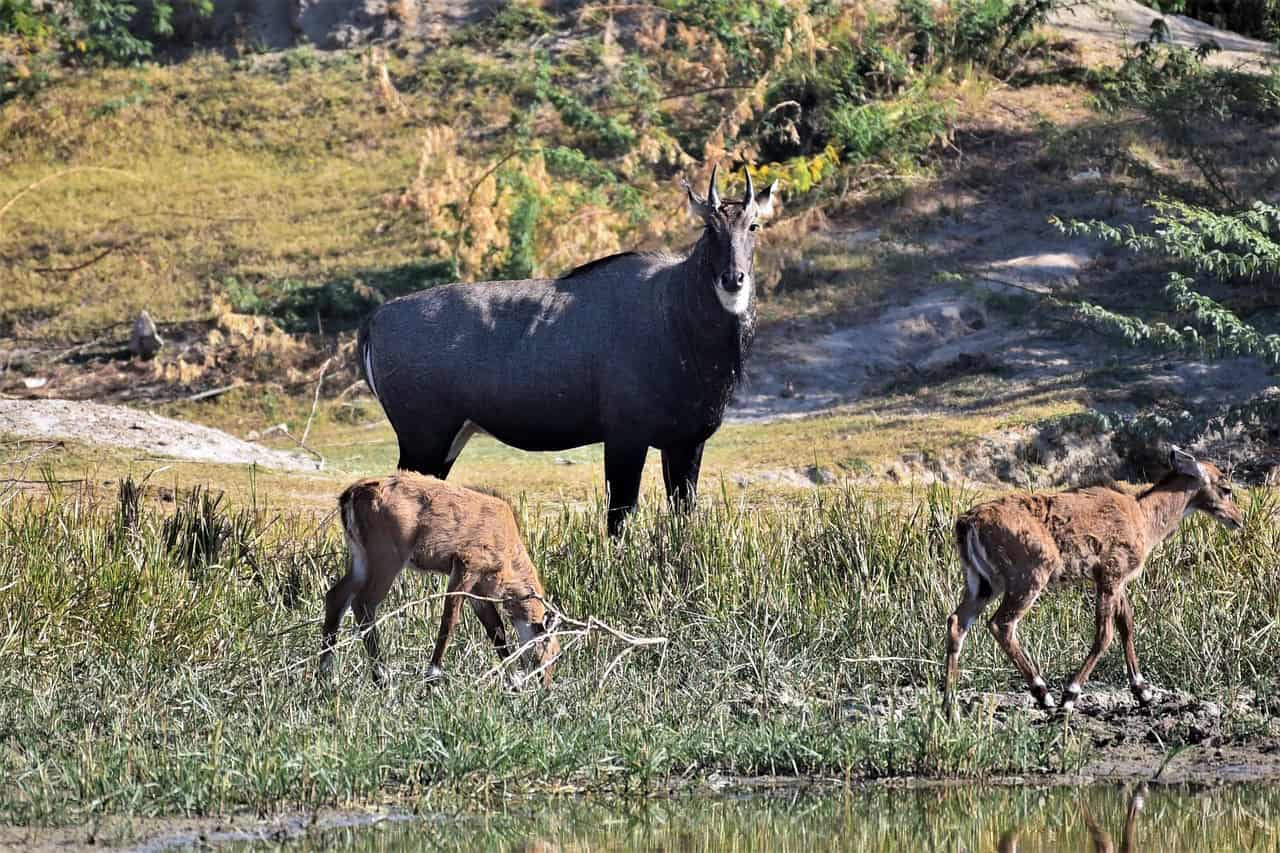
Niihau, often called the “Forbidden Island,” spans 70 square miles and once offered tightly controlled cultural tours capped at around 200 visitors annually. Eventually, the owners halted all public access to protect its 170 permanent residents and maintain traditional Hawaiian practices. With no paved roads and limited infrastructure, the island avoids modern disruption entirely. Today, only invited guests, government officials, and emergency personnel may enter, preserving one of Hawaii’s most culturally intact environments.
6. Poveglia Island, Italy
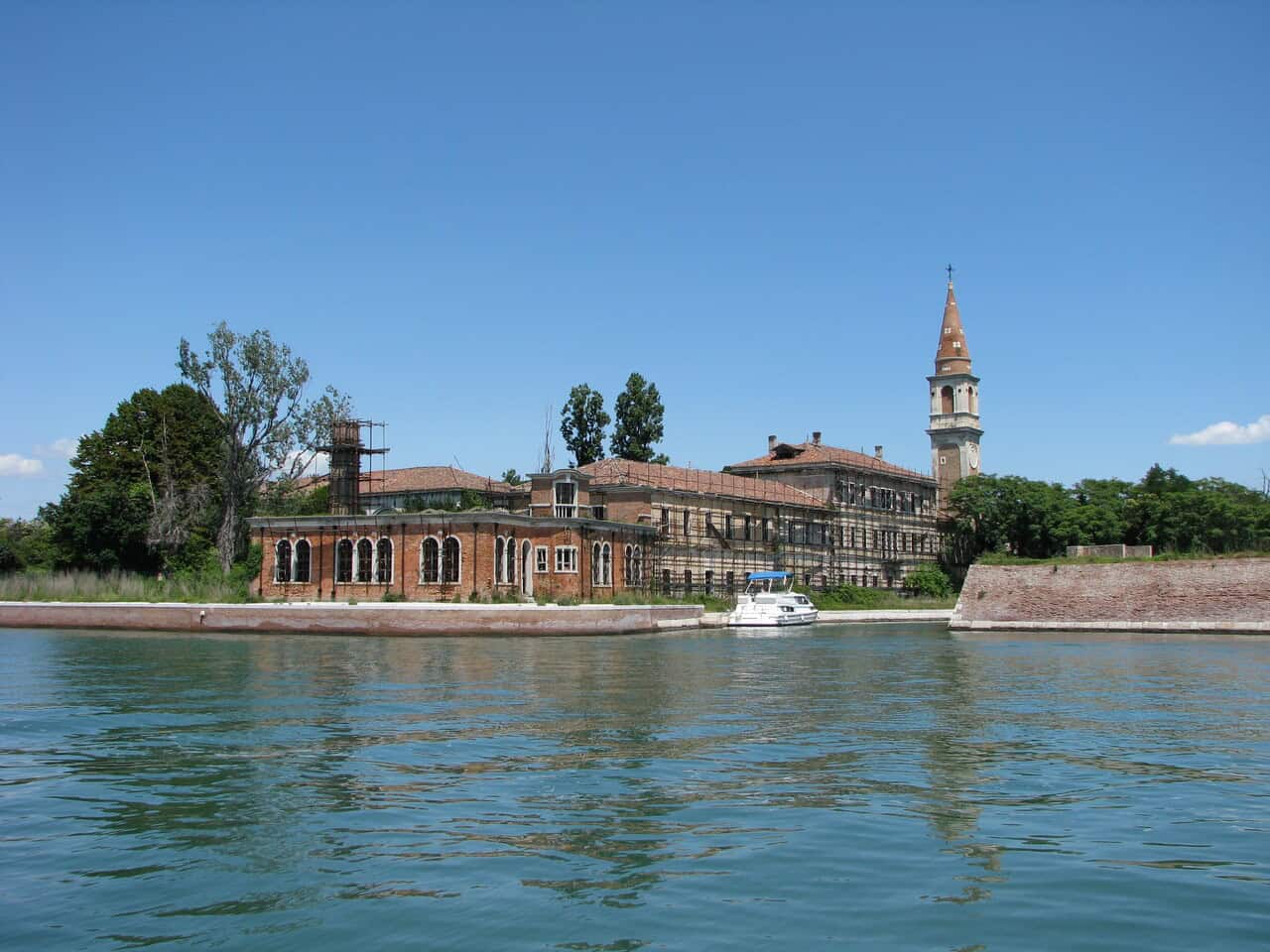
Poveglia’s haunting past, including plague quarantines that affected 160,000 people, once attracted thrill-seeking tourists despite safety warnings. Over time, the abandoned buildings deteriorated so severely that Italy deemed the island structurally unsafe. Reports showed over 70% of structures at risk of collapse, leading to a full closure. Although proposals emerged to redevelop the site, none succeeded, leaving Poveglia permanently sealed from public access. Its eerie history and fragile remains continue to fuel fascination from afar.
7. Mount St. Helens Red Zone, USA
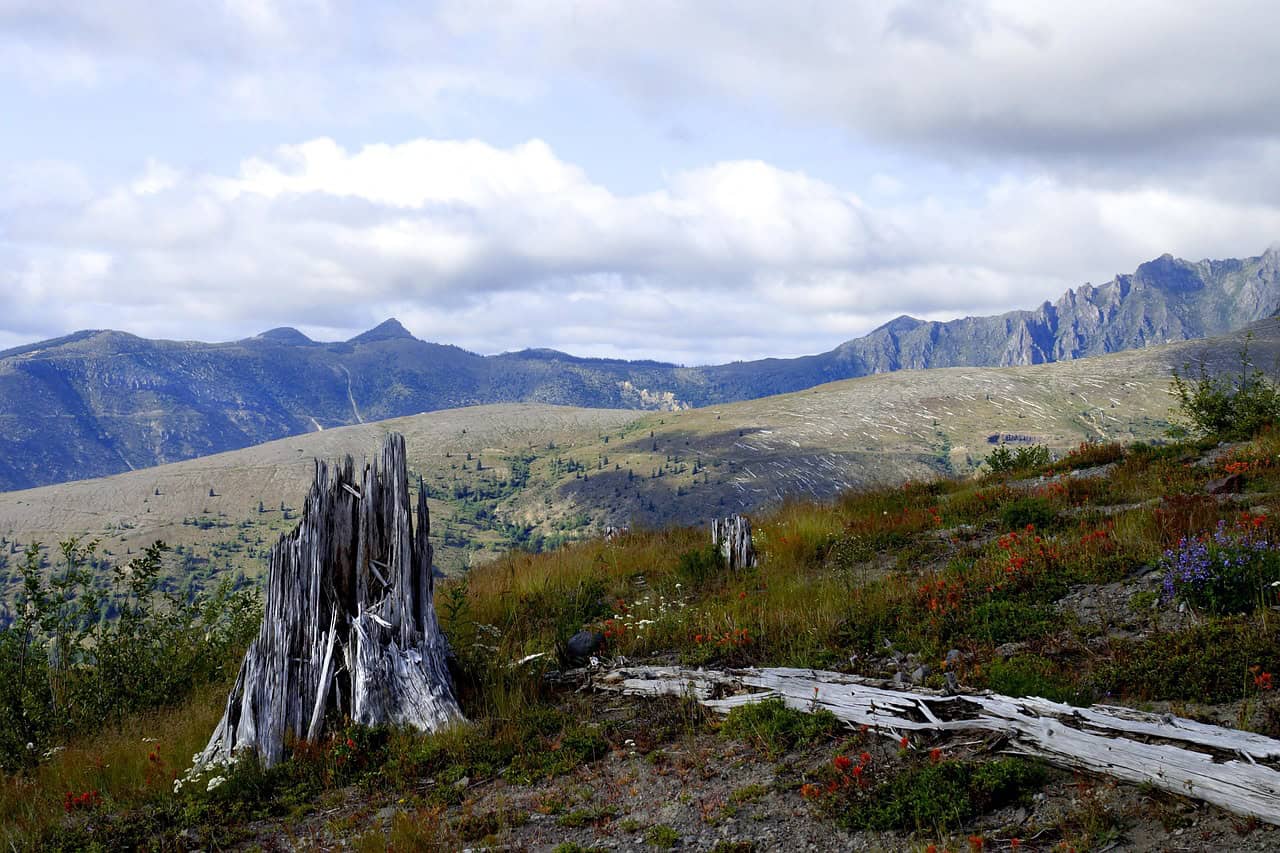
Before the 1980 eruption, the forests around Mount St. Helens hosted more than 500,000 annual visitors for hiking, camping, and scenic climbing. After the eruption released 520 million tons of ash, authorities designated a “Red Zone” covering roughly 200 square miles. This area remains permanently closed due to unstable terrain, ongoing seismic shifts, and ecological regeneration studies. Scientists track over 10,000 microquakes annually, making the region an active laboratory where public access remains too dangerous.
8. Bikini Atoll, Marshall Islands
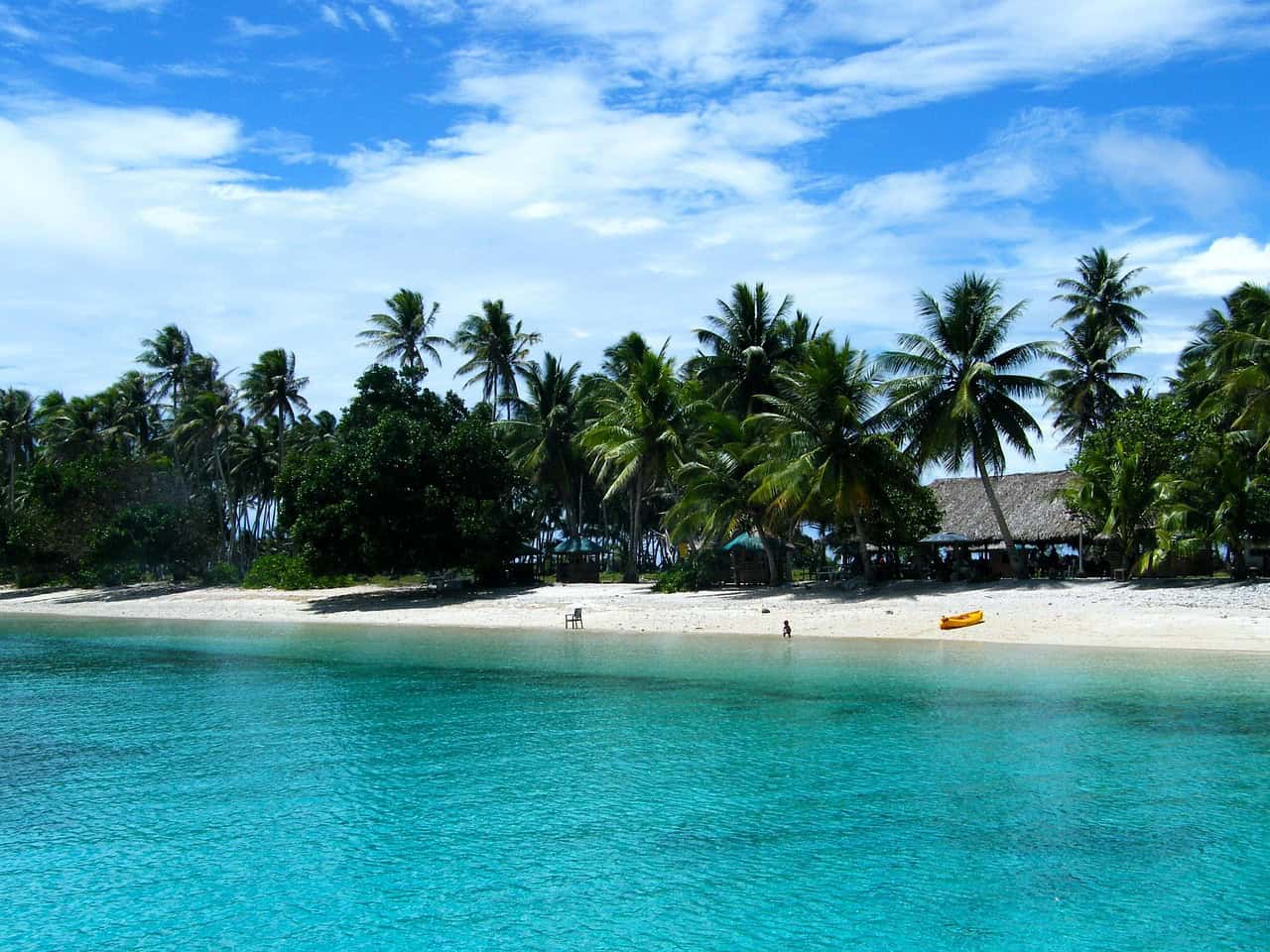
Once a serene island chain, Bikini Atoll underwent 23 nuclear tests between 1946 and 1958, releasing radiation equivalent to 7,000 Hiroshima bombs. While vegetation has returned, lingering contamination keeps it closed to casual tourism. Occasional scientific surveys measure elevated cesium levels, and relocation attempts for displaced families have repeatedly failed. Fewer than 200 specialized divers have been granted controlled access over two decades, highlighting how the atoll remains both beautiful and hazardous.
9. Lascaux Cave, France
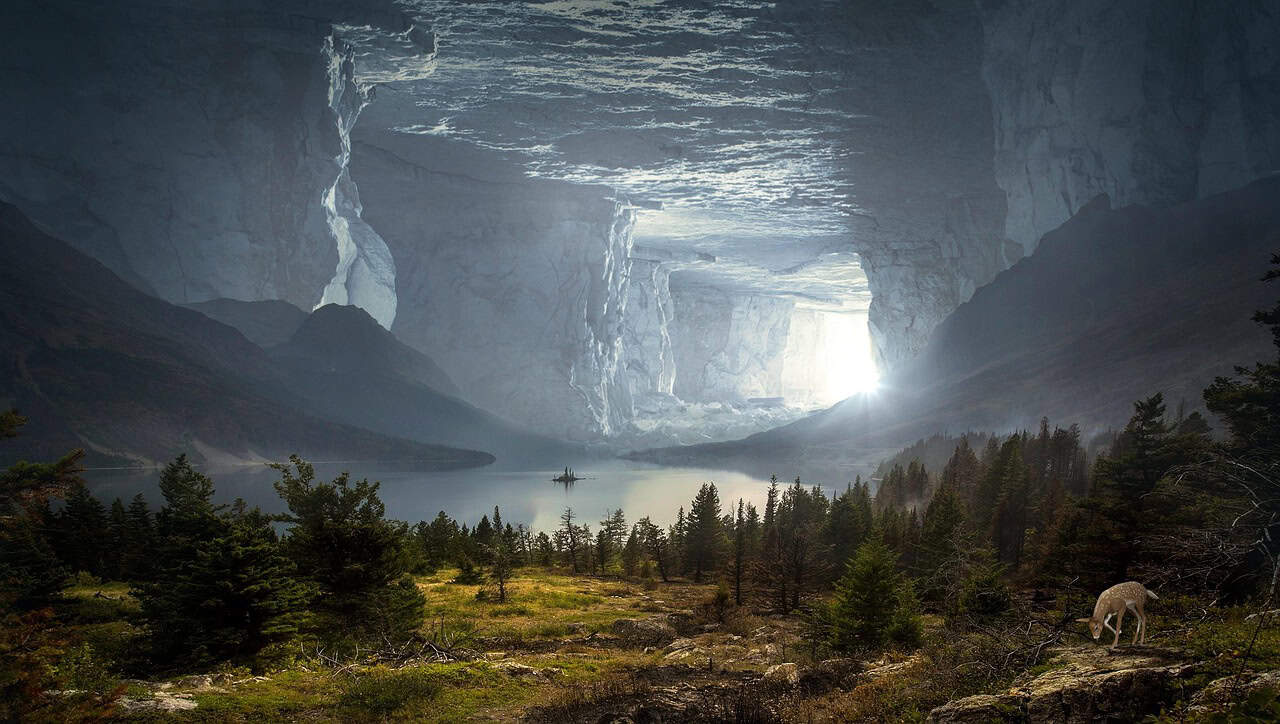
Discovered in 1940, Lascaux Cave once welcomed around 1,200 visitors daily, but that influx introduced microbes, heat, and carbon dioxide that rapidly damaged its 17,000-year-old paintings. By 1963, the original cave was closed, and preservation efforts now monitor humidity fluctuations measured in fractions of a percent. Scientists battle fungal outbreaks that once spread across 50% of surfaces. Visitors now explore replicas instead, ensuring the fragile prehistoric art survives without further human impact.
10. Havasupai Restricted Canyon Routes, USA
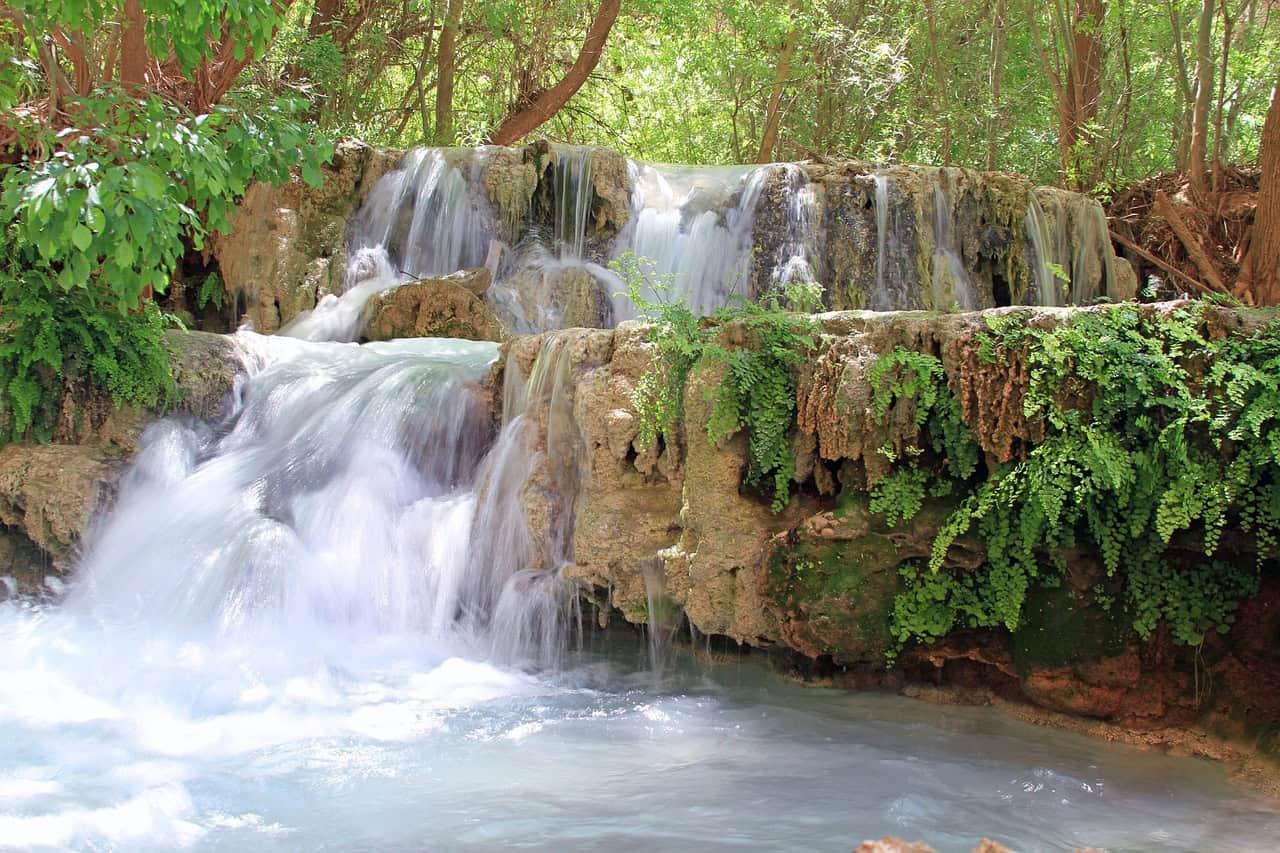
The Havasupai region once allowed hikers to roam freely across more than 30 miles of canyon trails. Repeated flash floods and erosion damaged pathways, and tribal authorities closed several historic routes to protect their land and limit environmental strain. Visitor numbers, previously exceeding 25,000 per year, are now strictly controlled. Certain areas that lost 40% of trail stability after storms remain off-limits permanently. The closures preserve cultural sites and ensure safer, more sustainable travel.
11. Vaadhoo’s Bioluminescent Zones, Maldives
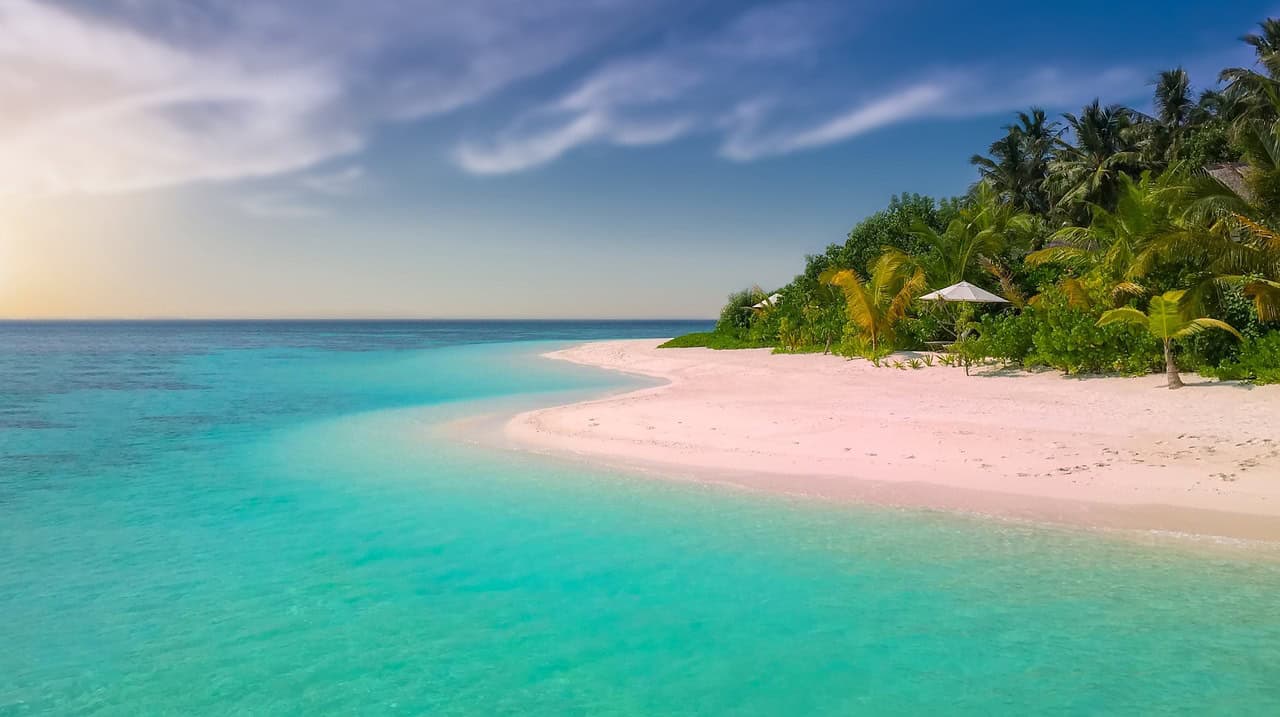
Vaadhoo’s iconic “Sea of Stars” beaches once drew over 300 visitors nightly, concentrated in fragile bioluminescent areas. Continuous foot traffic disrupted plankton activity, reducing glow intensity by nearly 35% over five years. To prevent further decline, authorities fenced off several beaches spanning 1.8 miles of coastline. Researchers found that even minor disturbances altered glowing patterns measurable within 24 hours, prompting a permanent closure of key zones to restore natural cycles undisturbed.
12. Three Kings Islands, New Zealand
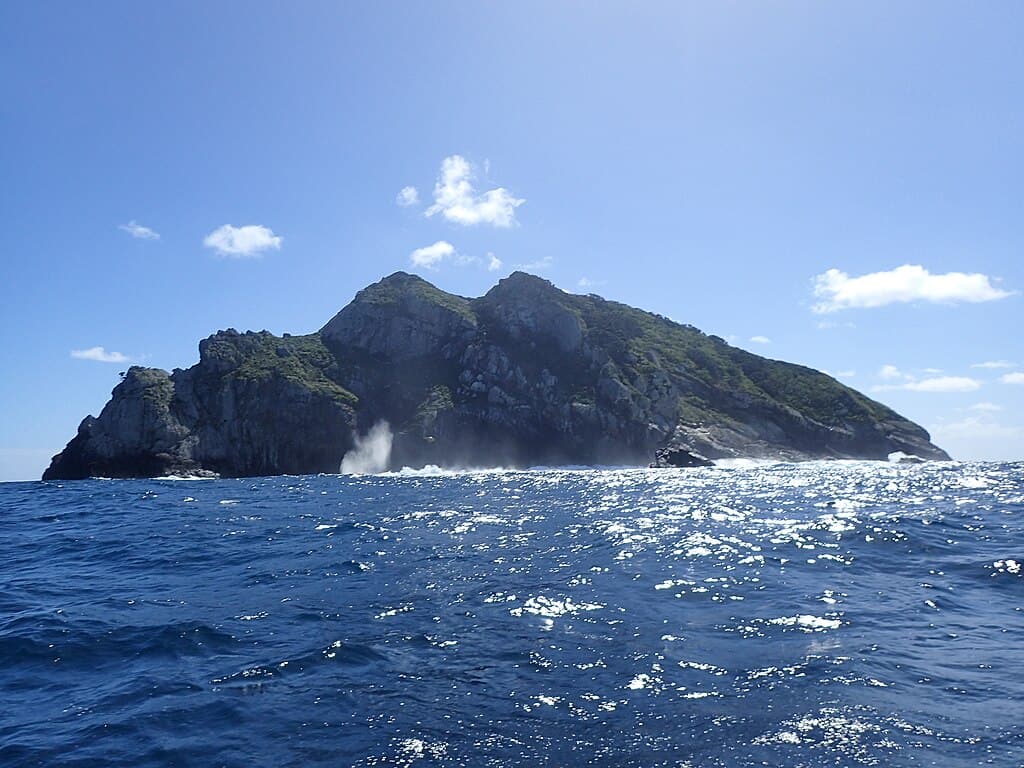
The Three Kings Islands host more than 50 endemic plant species and various endangered birds, making them one of New Zealand’s most sensitive ecosystems. Once accessible through limited nature tours, the islands closed after studies showed nesting success for certain birds dropped by 18% due to human presence. The government now allows only scientists with permits, typically fewer than 20 per year, to access the islands. The closure safeguards a habitat so delicate that small disruptions cause lasting ecological effects.
13. Henderson Island, UK Territory
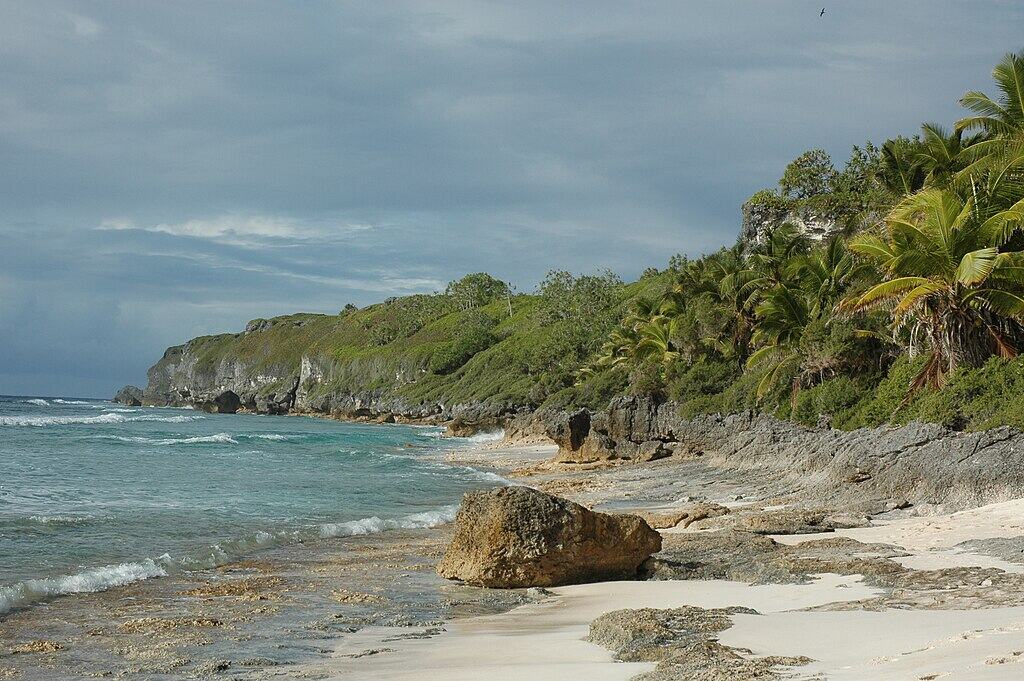
Henderson Island became known for its remote beauty, but studies in 2017 found 38 million pieces of plastic washed ashore, giving it one of the world’s highest densities of debris. Tourism increased the disturbance, threatening the island’s unique bird species. Authorities closed public access, preserving its 14 square miles of fragile habitat. With waste accumulating at 3,500 items per day, even small visitor numbers risked accelerating the crisis, prompting a conservation-focused shutdown.
14. River Kwai Jungle Rail Sections, Thailand
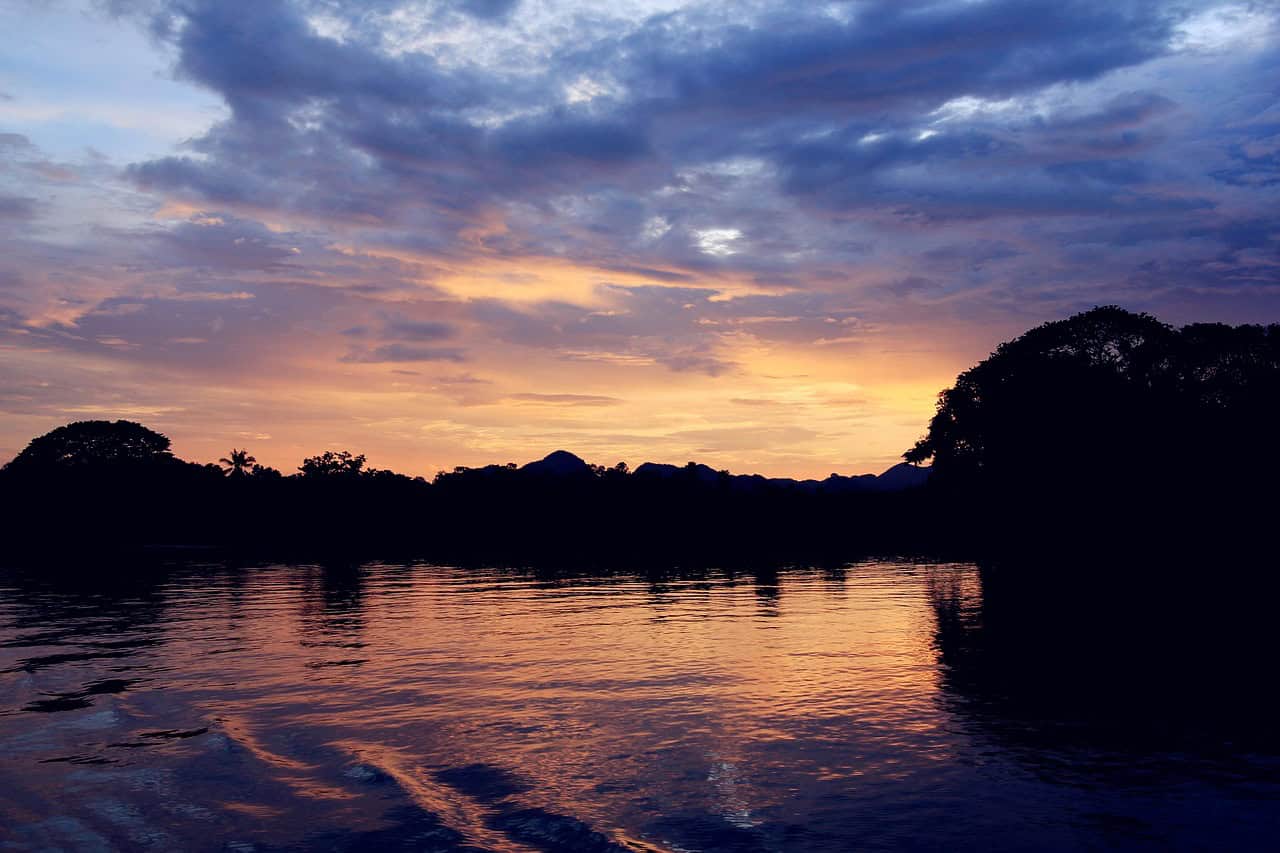
Historic rail segments once popular among adventurers became too dangerous as landslides increased by 30% over a decade, undermining structural supports. Portions of the old Death Railway, stretching nearly 258 miles originally, now have large sections permanently closed. Decay accelerated as timber bridges aged beyond 80 years, making collapse risks too high for public access. Remaining walkable areas are strictly monitored, preserving the rail’s history while preventing accidents linked to unstable jungle terrain.