We may earn money or products from the companies mentioned in this post. This means if you click on the link and purchase the item, I will receive a small commission at no extra cost to you ... you're just helping re-supply our family's travel fund.
Across the United States, fringe folklore has matured into a kind of rural tourism economy. Small towns that once treated UFO sightings and forest legends as campfire talk now sell guided tours, themed museums, and seasonal festivals. Visitors arrive with curiosity rather than certainty, drawn by the promise of unanswered questions and places that feel unpolished and sincere. In 2026, these communities understand that mystery carries emotional weight. The stories keep people coming back, even when the sightings stop and only wonder remains.
Roswell, New Mexico
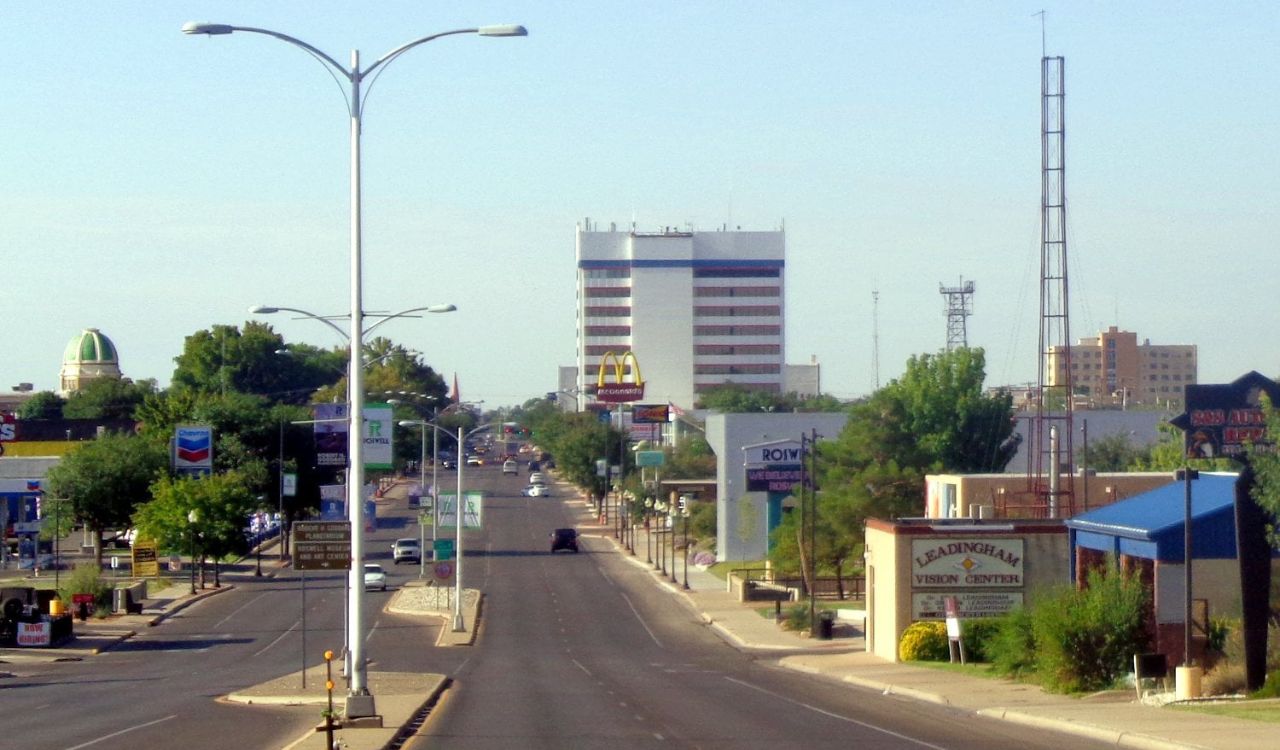
Roswell’s 1947 incident turned a rancher’s debris field into a cultural brand that still sells curiosity with surprising staying power. The International UFO Museum blends clippings, timelines, and playful displays, and it walks a careful line between archive and kitsch so skeptics and believers can share the same hallway without a fight. Summer conventions, night markets, and themed storefronts keep downtown busy, and even everyday diners slip alien jokes into menus, treating the story as local heritage that pays the bills.
Point Pleasant, West Virginia
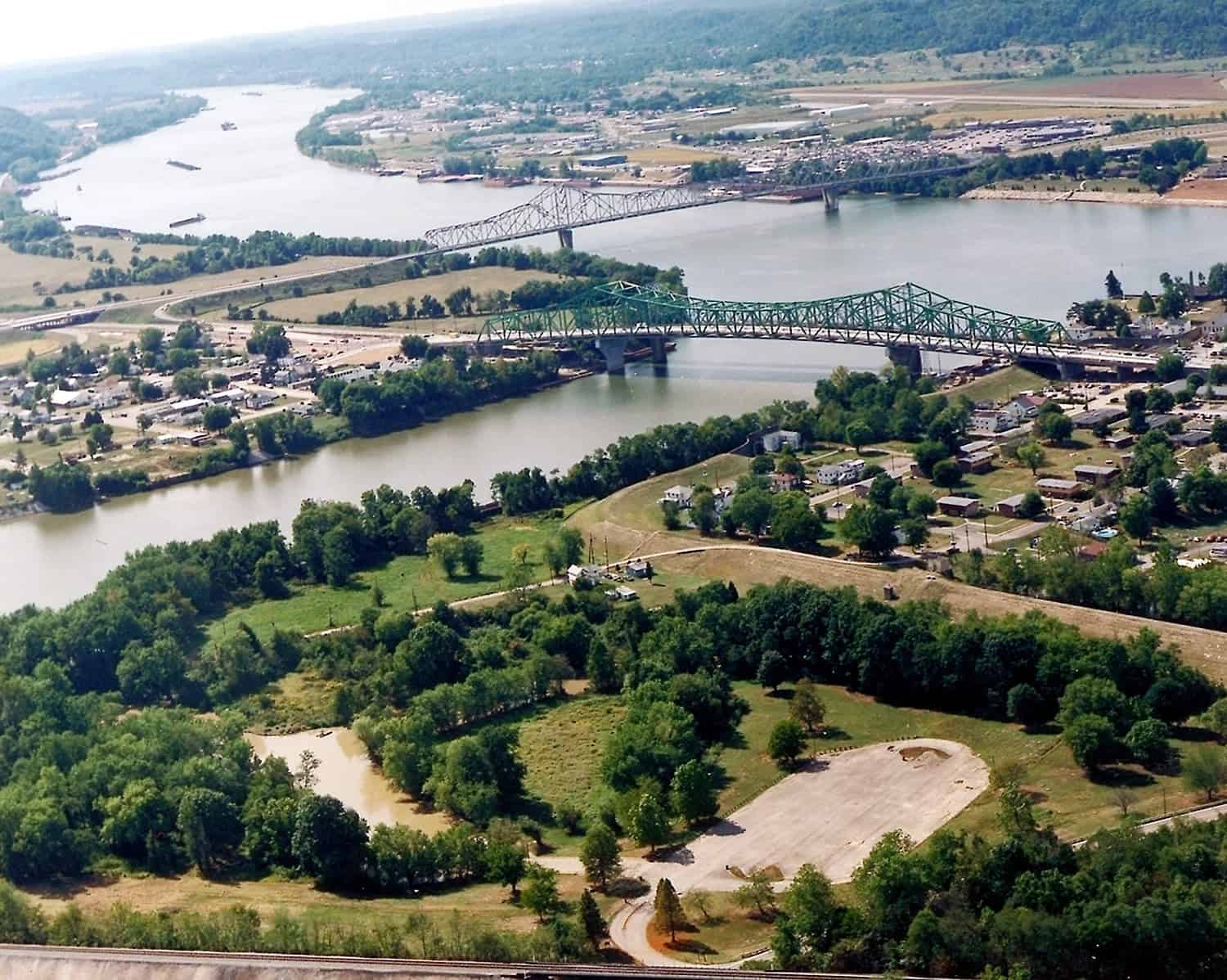
Point Pleasant keeps the Mothman legend close to the river, anchored by a statue that turns late-night sightings into a daytime photo stop and a small-town symbol. The museum and annual festival frame the 1960s reports as regional history with a strange edge, mixing newspaper lore, bridge tragedy memory, and community pride, plus just enough camp to keep it fun. Nearby, the old TNT area draws wanderers who walk the gravel roads, scan the tree line, and trade theories in hushed voices, then drift back to cafés with the sense that mystery can live beside normal life.
Willow Creek, California
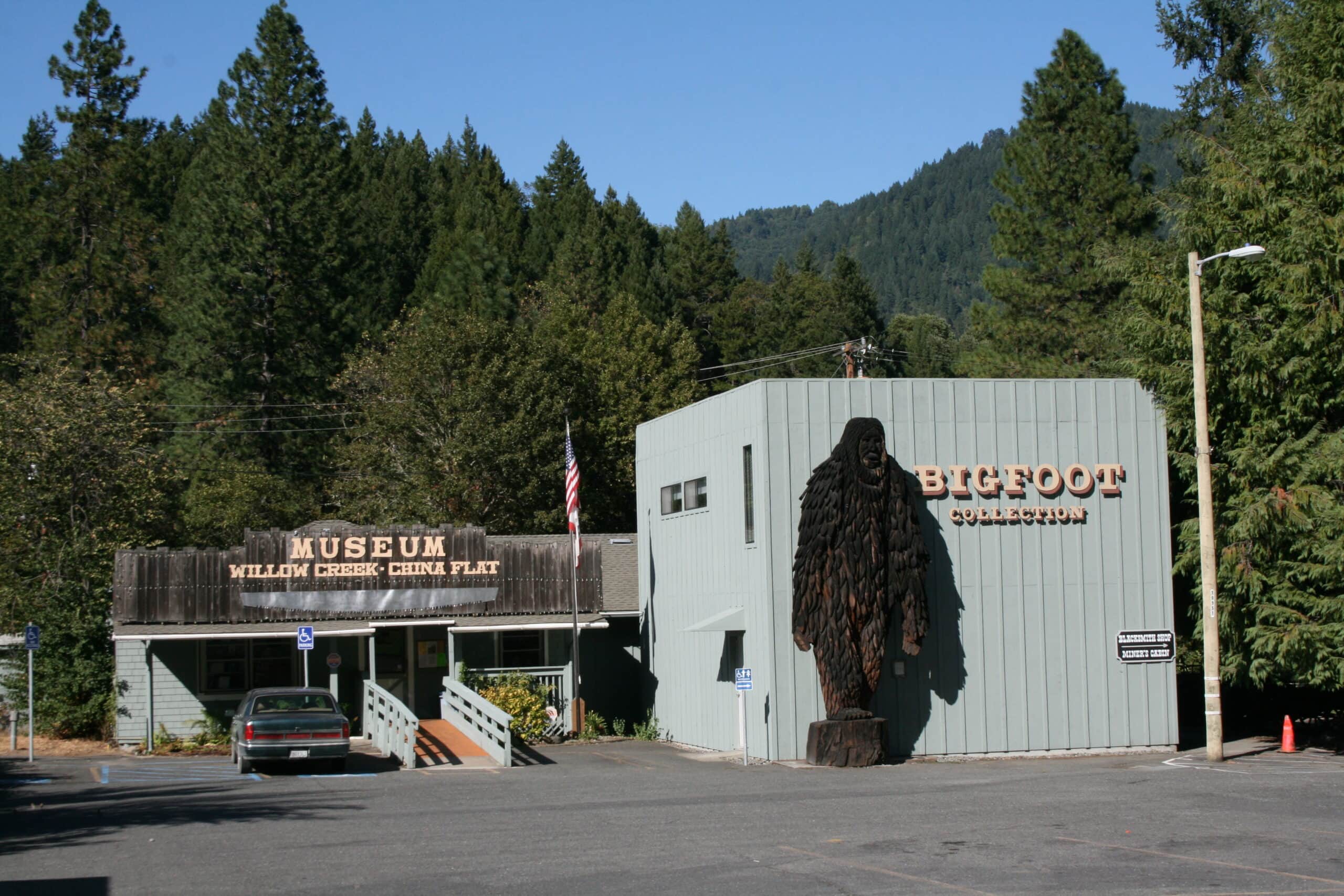
Willow Creek leans into Bigfoot without pretending to settle the argument, which is why the mood stays welcoming instead of combative. The Patterson-Gimlin film from 1967 still hangs over nearby forestland, and the museum displays casts, maps, and interviews that make room for doubt while keeping the curiosity alive. Summer hikers scan river bends and ridge trails with quiet optimism, and the town’s signs, souvenirs, and café chatter turn that optimism into a steady seasonal economy that feels earned, not manufactured.
Kecksburg, Pennsylvania
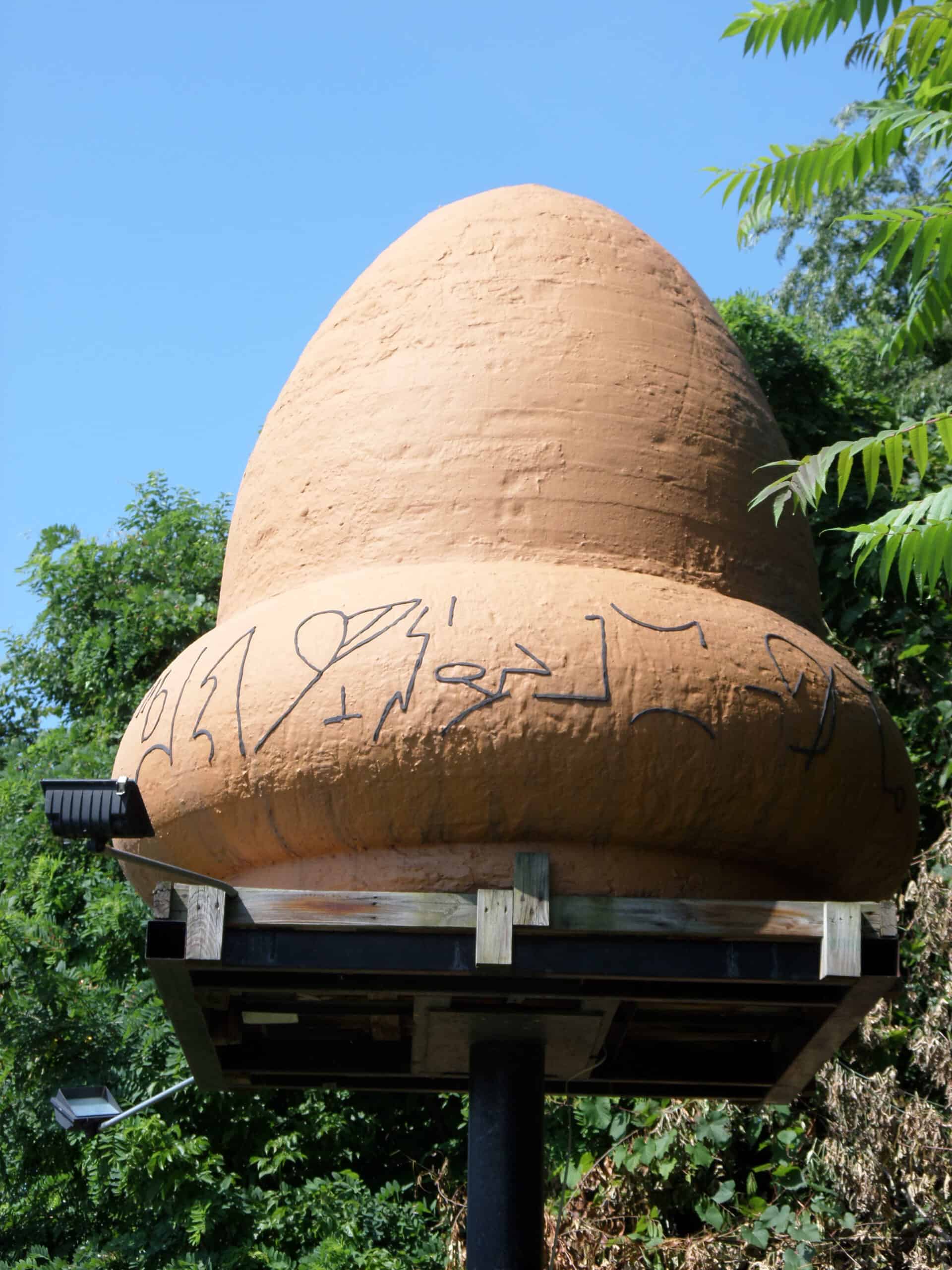
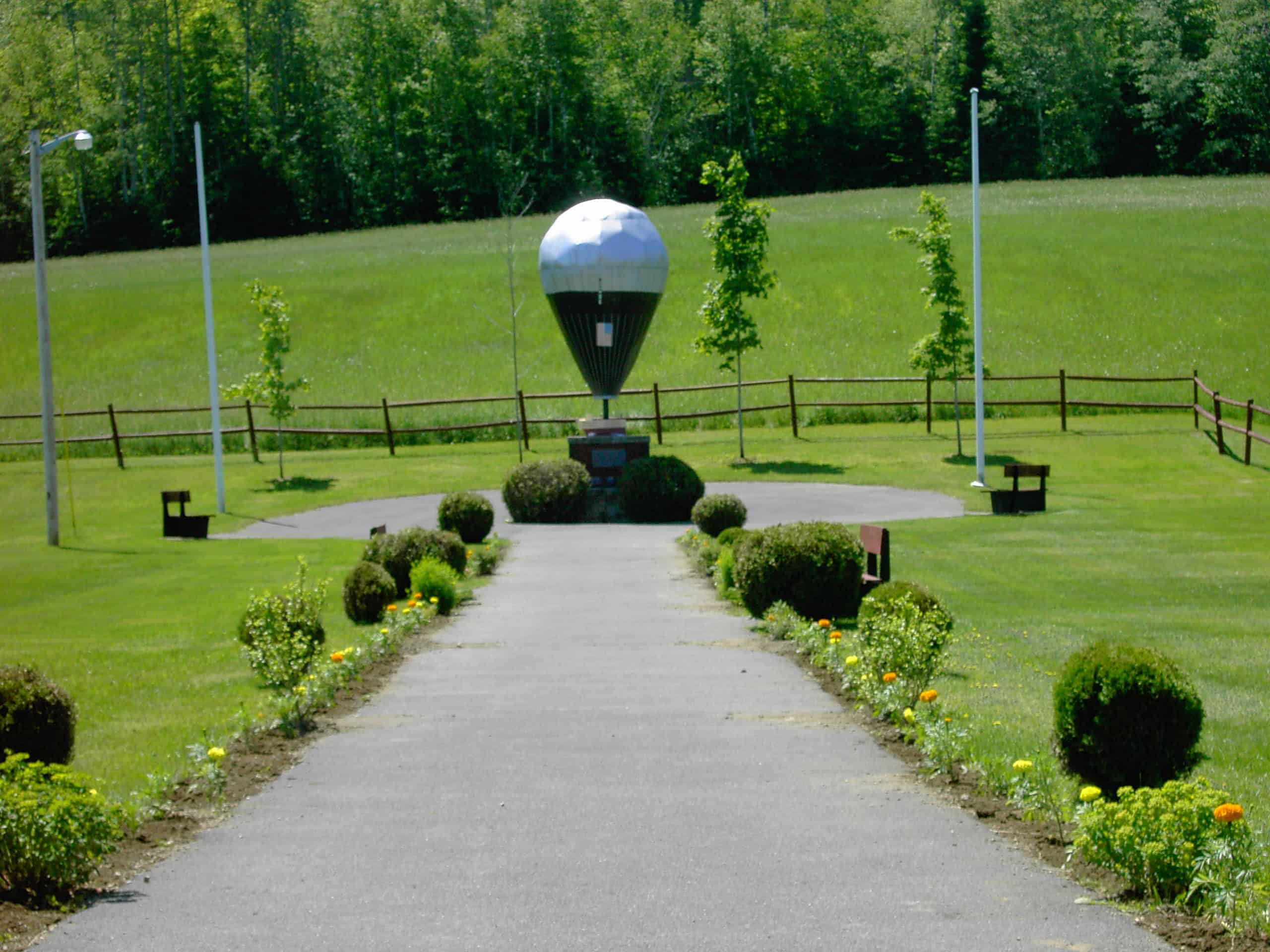
Kecksburg’s 1965 crash tale endures through an acorn-shaped craft replica beside the volunteer fire station, a landmark that feels half memorial, half wink to anyone passing through. The annual festival keeps the mood neighborly, mixing food stands, local vendors, and casual talks that let residents retell the story on their own terms, with plenty of laughter and very little posturing. What lingers is the community texture: a rural place where folklore is shared like a recipe, and boundaries are enforced with simple, polite certainty.
McMinnville, Oregon
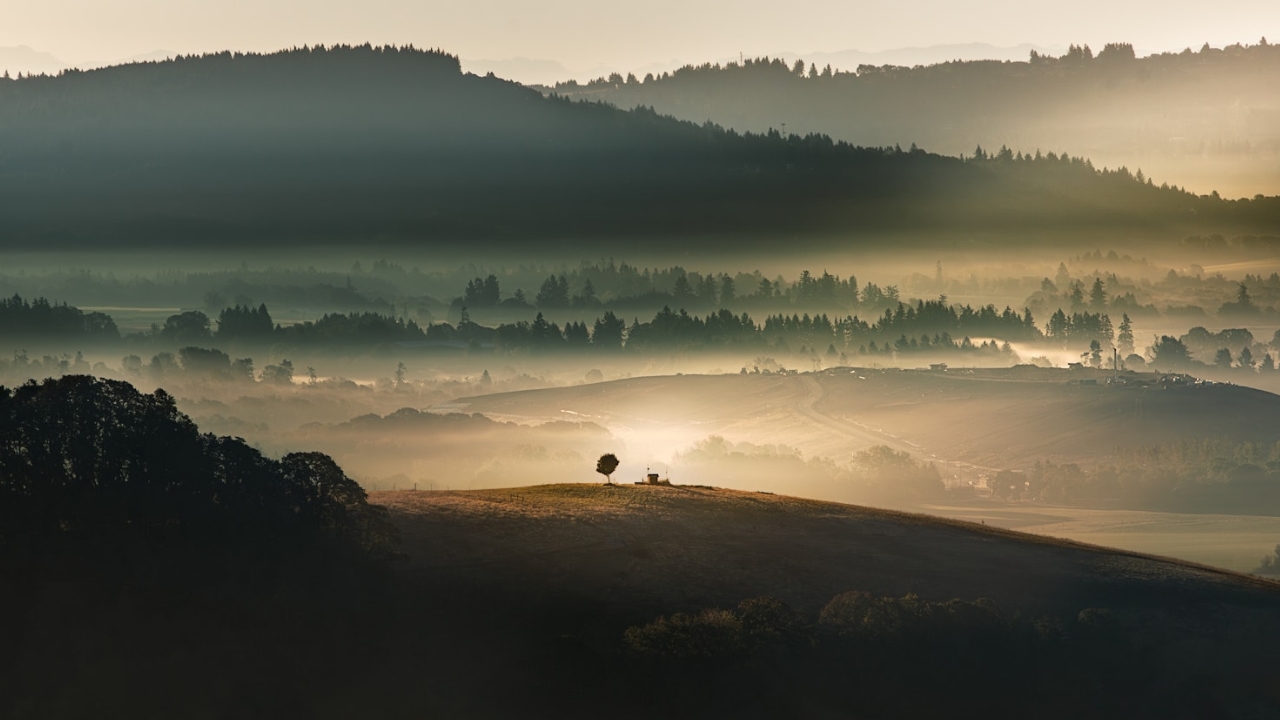
McMinnville’s UFO identity traces back to a 1950 farmhouse photograph that still sparks debate in both serious and playful circles, which gives the town a rare story that ages well. The UFO Festival in May turns downtown into a parade of costumes, speaker panels, and storefront decor, and the programming ranges from earnest history to gleeful satire without losing its small-town friendliness. Wine country sits right alongside the extraterrestrial theme, so the weekend feels balanced: part lecture hall, part tasting room, and part hometown party.
Sedona, Arizona
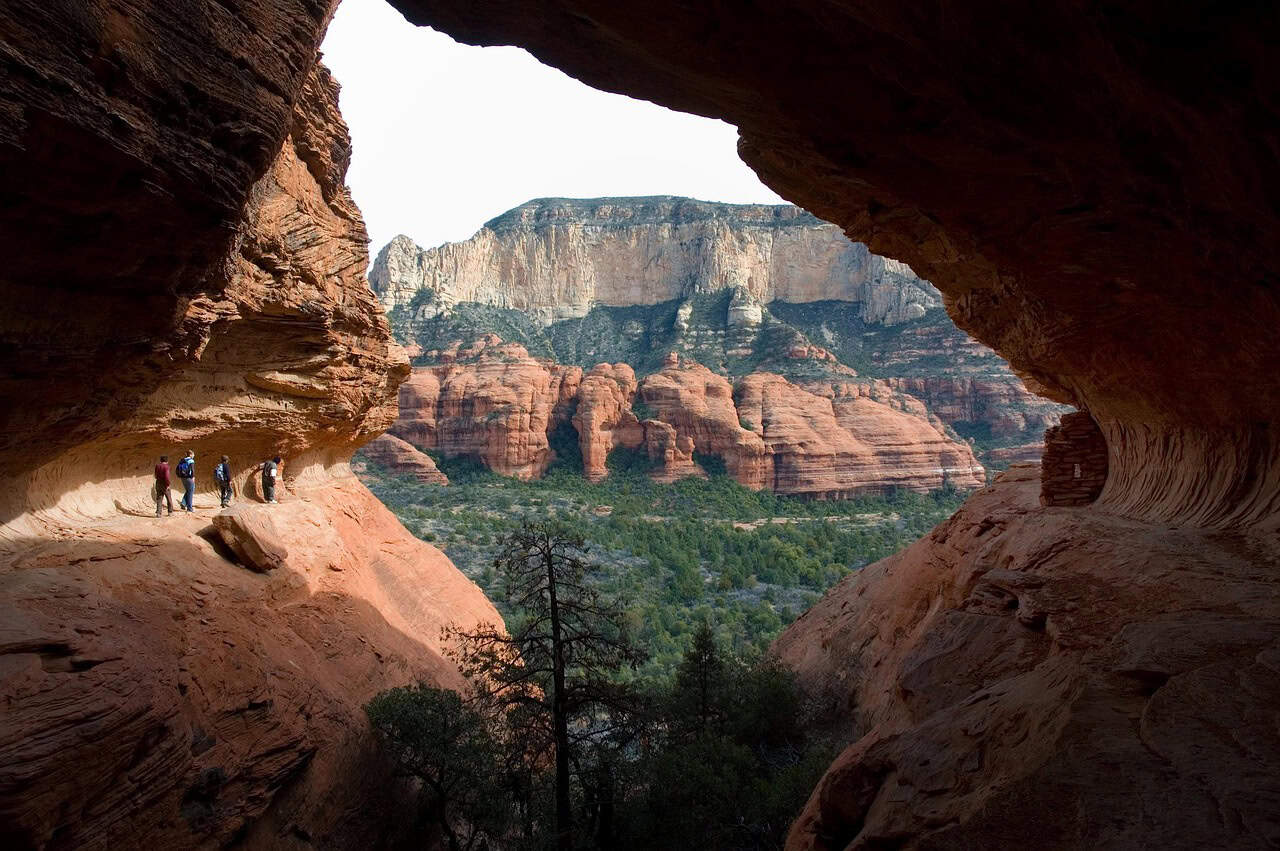
Sedona’s UFO talk blends with red-rock drama and its reputation for vortex energy, creating a narrative that feels more spiritual than conspiratorial and fits the landscape’s theatrical mood. Stargazing tours pair dark skies with night-vision gear, laser pointers, and patient guides, offering a structured way to look up without promising a reveal or selling panic. The tourism loop runs on atmosphere: glowing cliffs at dusk, silent pullouts, and a shared willingness to treat the sky as an open question rather than a problem to solve.
Fouke, Arkansas
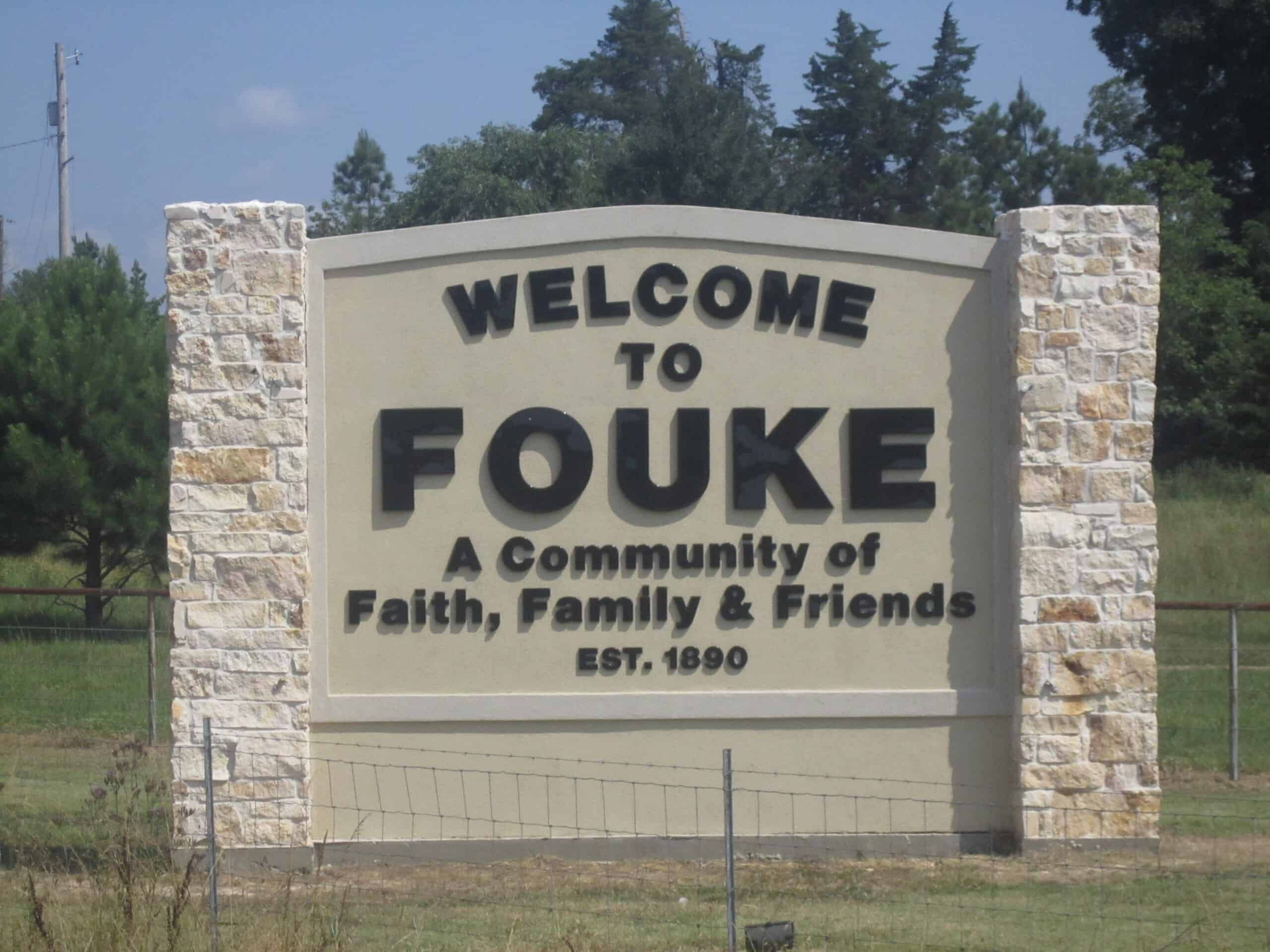
Fouke’s swamp creature, the Fouke Monster, gained national attention in the 1970s, and the town has kept the legend gentle, self-aware, and strangely endearing ever since. Memorabilia and local storytelling lean into eerie calls, muddy footprints, and backroad sightings without turning the place into a carnival, so the vibe stays closer to community lore than spectacle. Wetlands and tree lines do most of the work, making folklore feel plausible, while residents keep the tone friendly and rooted in regional pride.
Area 51 Region, Nevada
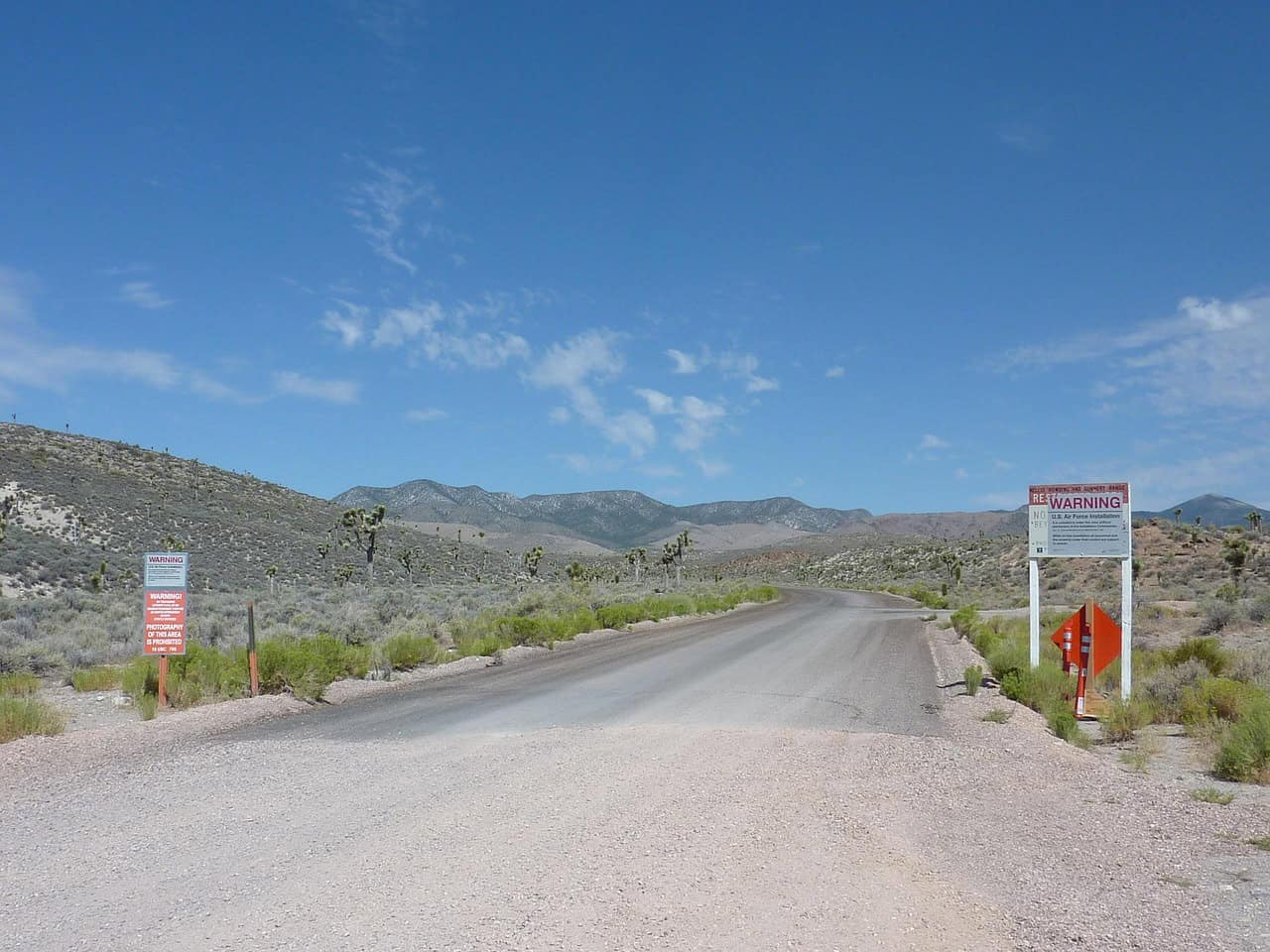
Communities near the Nevada Test and Training Range trade on a simple tension: a restricted perimeter that invites imagination, framed by miles of open desert and warning signs. Along State Route 375, diners and motels adopt alien names, murals, and neon, giving road-trippers a narrative even when the fence line stays distant and the rules stay firm. The mystery is practical as well as theatrical, shaped by military secrecy, empty horizons, and late-night skywatching, and the best moments often arrive at dusk when the highway quiets.
Jefferson, Texas
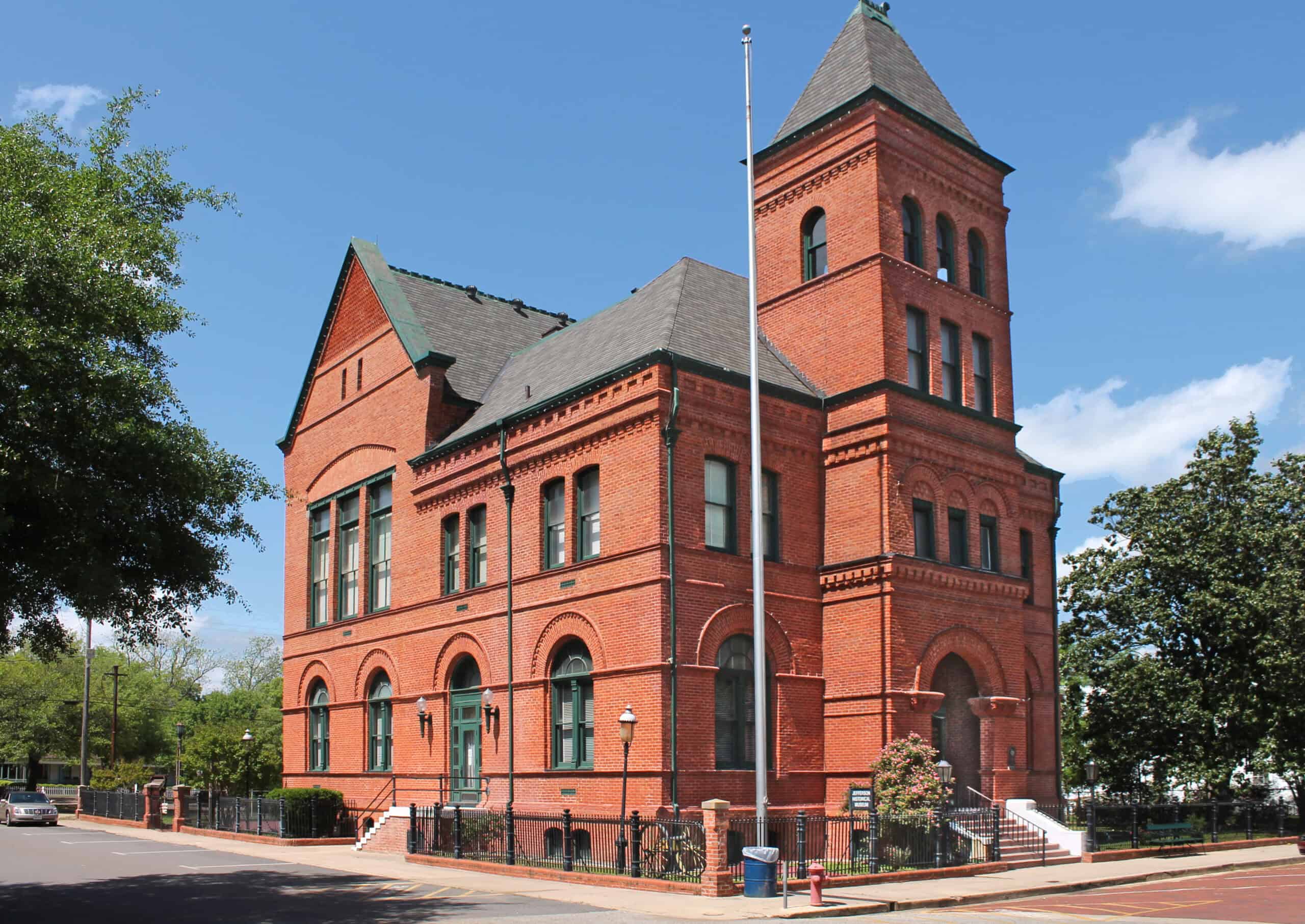
Jefferson folds Bigfoot lore into a weekend-retreat rhythm, with conferences that mix amateur research, campfire storytelling, and a hint of showmanship without tipping into parody. East Texas pine forests and heavy air create a believable backdrop, even for visitors who treat the legend as entertainment and the talks as theater. Antique shops, river outings, and historic streets soften the speculative edge, so the town feels less like a proving ground and more like a cozy stop where strange stories are welcomed, then set down gently.
Elkins, West Virginia
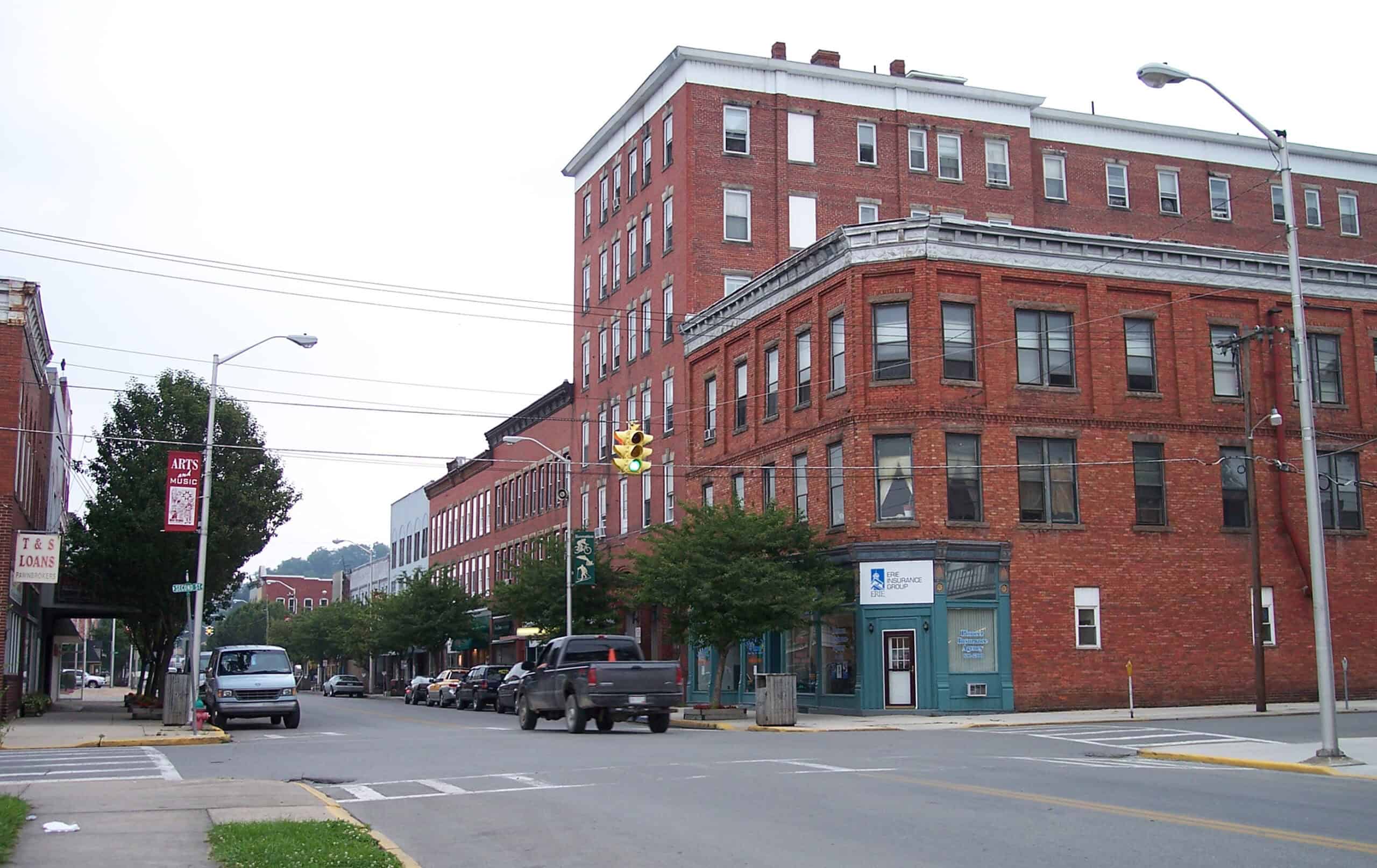
Elkins hosts Bigfoot events that feel part outdoor club, part small-town festival, set against the Monongahela National Forest’s deep ridges, rail-town history, and long, shadowy roads. Talks, vendors, and guided night walks bring a playful, semi-academic tone, with debate, field-recording swaps, and quick lessons on tracks, calls, and local ecology instead of pressure to believe. Restaurants and inns appreciate the seasonal bump, and the real pull is the mix of mountain air and shared storytelling, where a shaky photo, a muddy print, or a distant howl becomes the weekend’s social currency.
Crestline, California
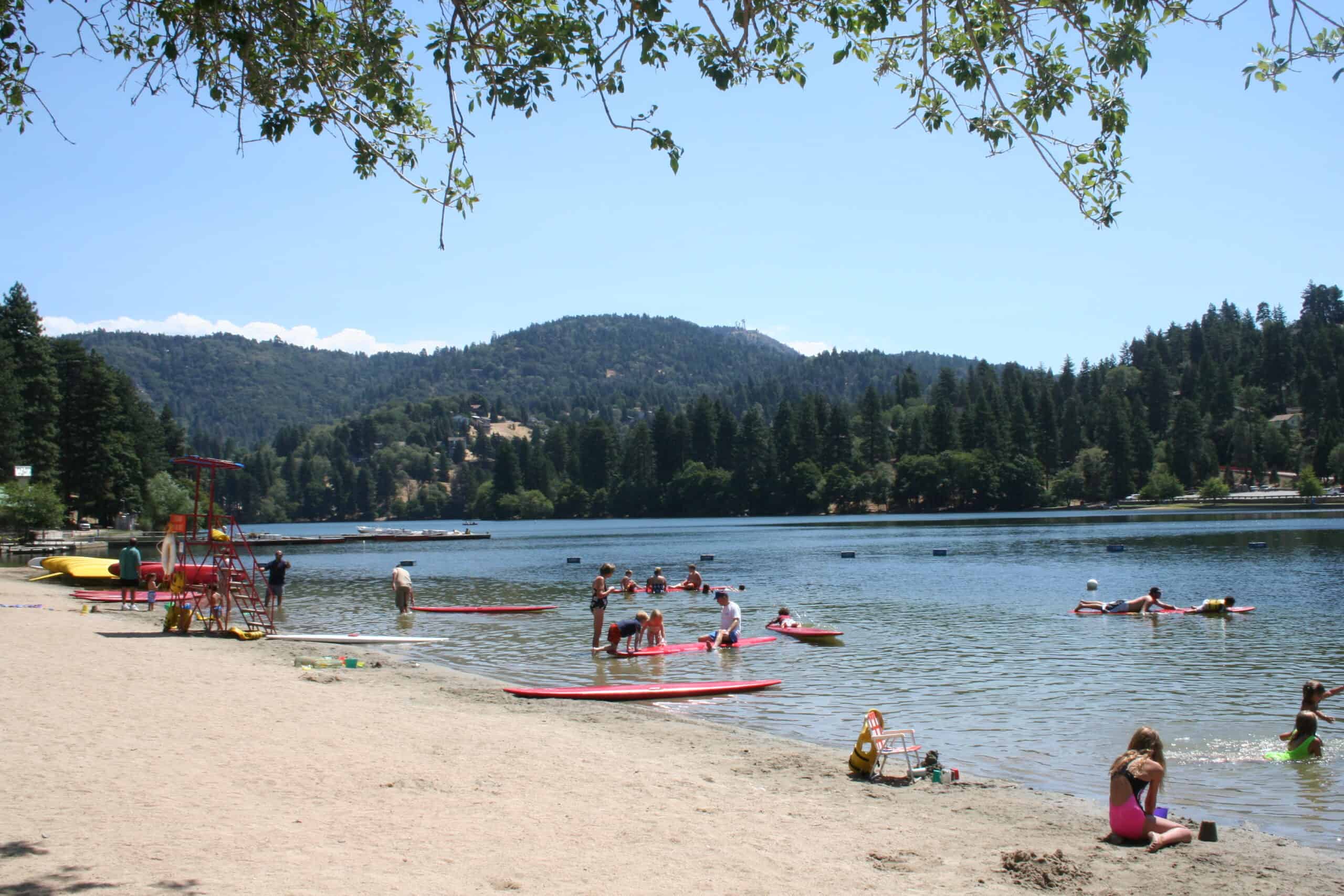
Around Crestline, Bigfoot reports surface in scattered bursts, and the mountain geography does the selling more than any headline ever could. Short trails, ridgelines, and dense forest make it easy to feel immersed without a long wilderness commitment, and the lake-town setting keeps the trip relaxed. Cafés and pop-up exhibits collect anecdotes, stickers, and hand-drawn maps that keep the legend circulating in low-key ways. The charm is the scale: close enough for a day trip, quiet enough for imagination, and casual enough to stay fun even when nothing happens.
Presque Isle, Maine
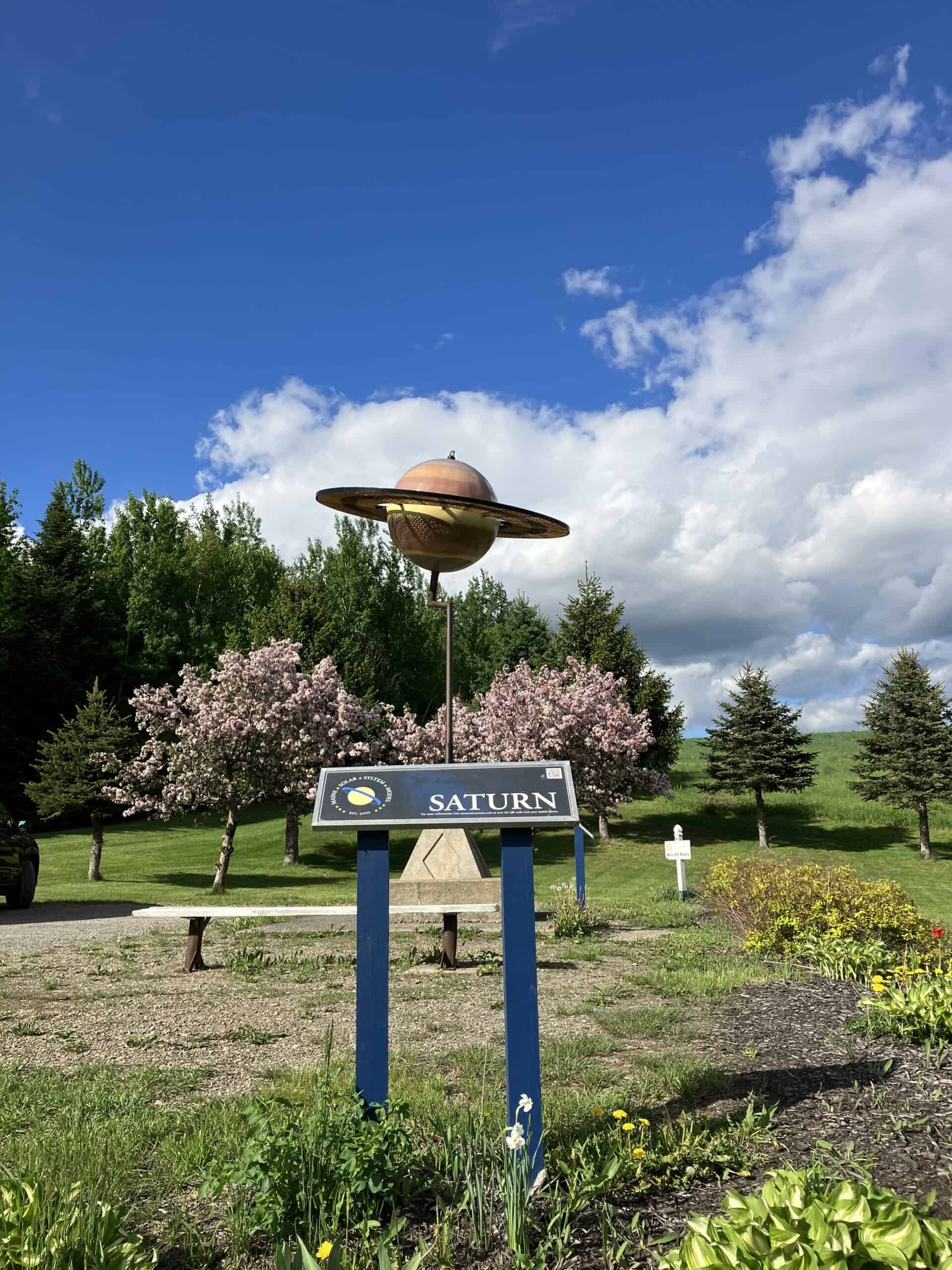
Presque Isle’s UFO lore fits the landscape: northern flight paths, long winter darkness, and open space that invites the mind to wander when the sky stays clear and cold. Small meetups and skywatch nights give speculation a calm, community feel, more like stargazing than spectacle, and the conversations often drift from astronomy to local history. The uncrowded horizon matters here, with quiet roads and big skies that make unusual lights feel possible without demanding an explanation, and the slower pace keeps the mystery from turning into a sales pitch.
Flatwoods, West Virginia
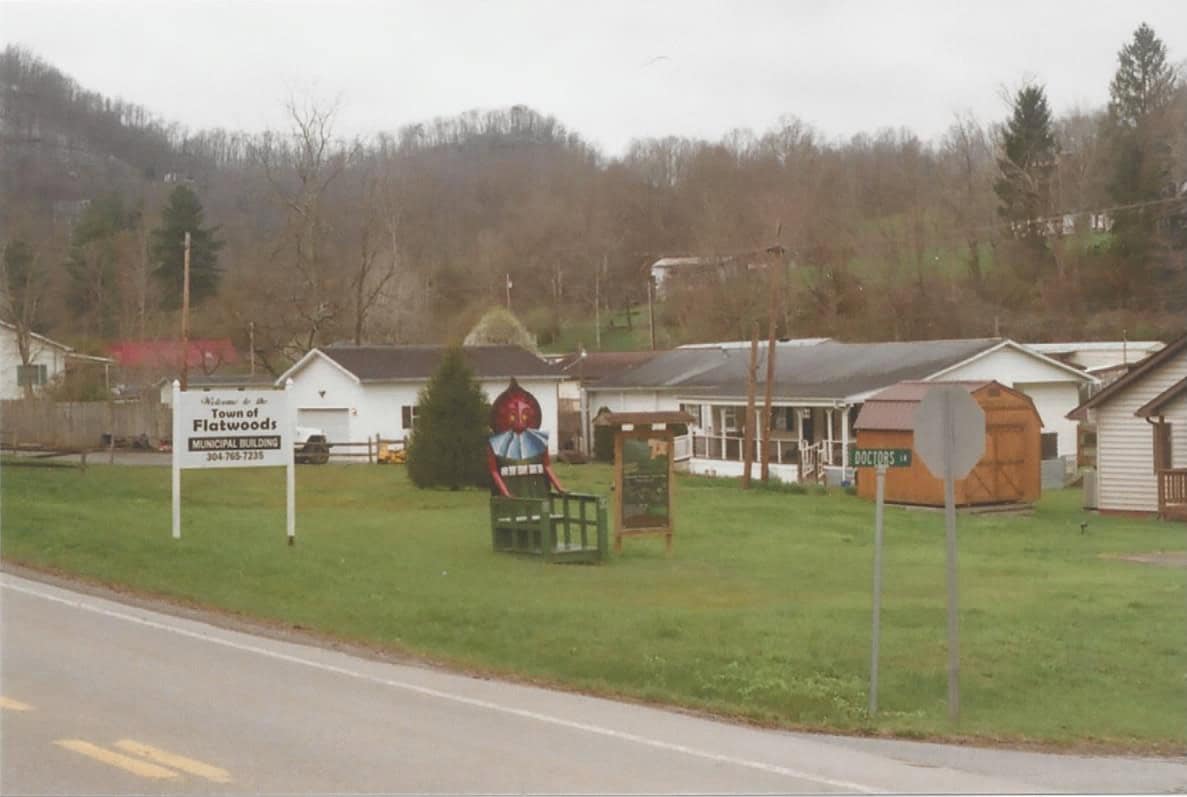
Flatwoods keeps the Flatwoods Monster story from 1952 alive as Appalachian pop history, first told by local youth and polished over decades of retelling and roadside curiosity. A modest museum and themed touches around town keep the legend visible without overproducing it, so it still feels like something discovered rather than staged. Visitors come for the details: the original descriptions, the wooded setting, and the way a small community can preserve one strange night through craft, conversation, and stubborn local pride.
Hopkinsville, Kentucky
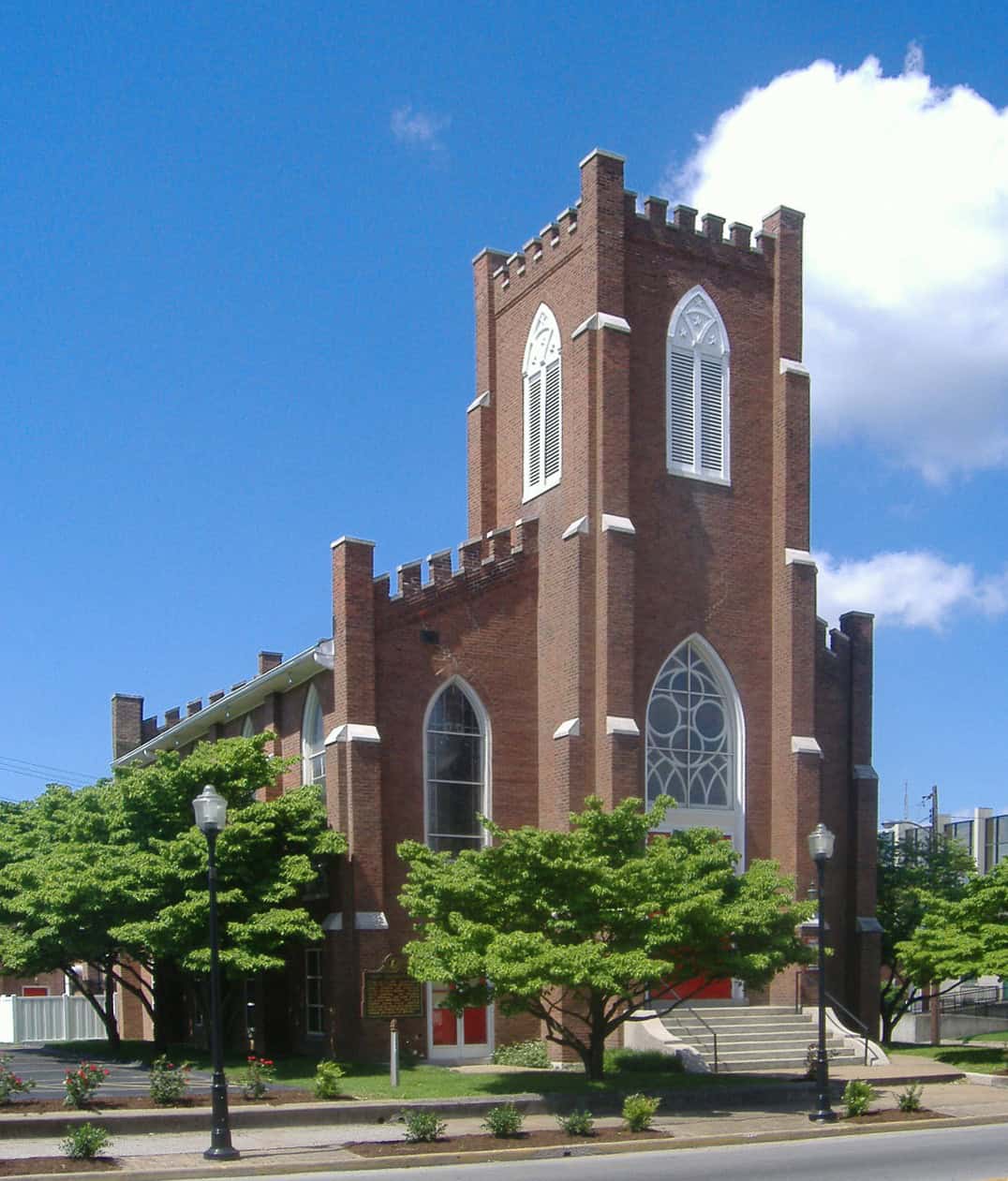
Hopkinsville carries the Kelly-Hopkinsville encounter of 1955 as a story of bewilderment more than certainty, centered on a rural family’s report of small creatures near a farmhouse and the long hours that followed. Events revisit the case through scientific, cultural, and comedic lenses, letting multiple interpretations sit side by side without turning witnesses into props. Southern hospitality keeps the mood warm, and the tale’s power comes from its human scale: one night of fear, confusion, and laughter that became regional legend.