We may earn money or products from the companies mentioned in this post. This means if you click on the link and purchase the item, I will receive a small commission at no extra cost to you ... you're just helping re-supply our family's travel fund.
Travel feels different in places where visitors are not merely tolerated but genuinely appreciated. Some nations have woven hospitality into daily life, blending cultural pride with economic reliance on tourism. In these destinations, travelers notice small gestures: strangers offering directions, café owners sharing stories, and communities investing in clean streets and safe transport. Below are the first 10 countries where tourism is embraced warmly, supported by real numbers and grounded in lived experience rather than slogans.
1. Thailand
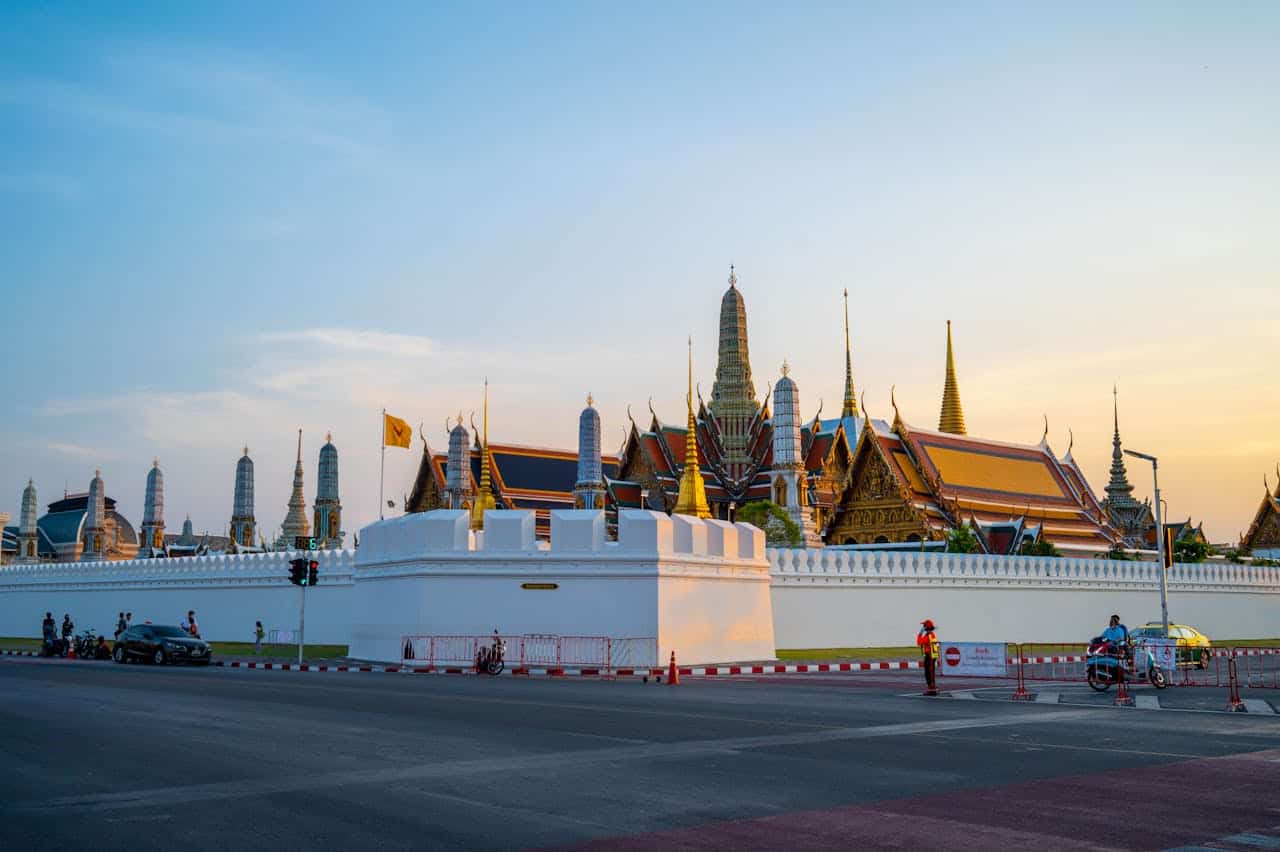
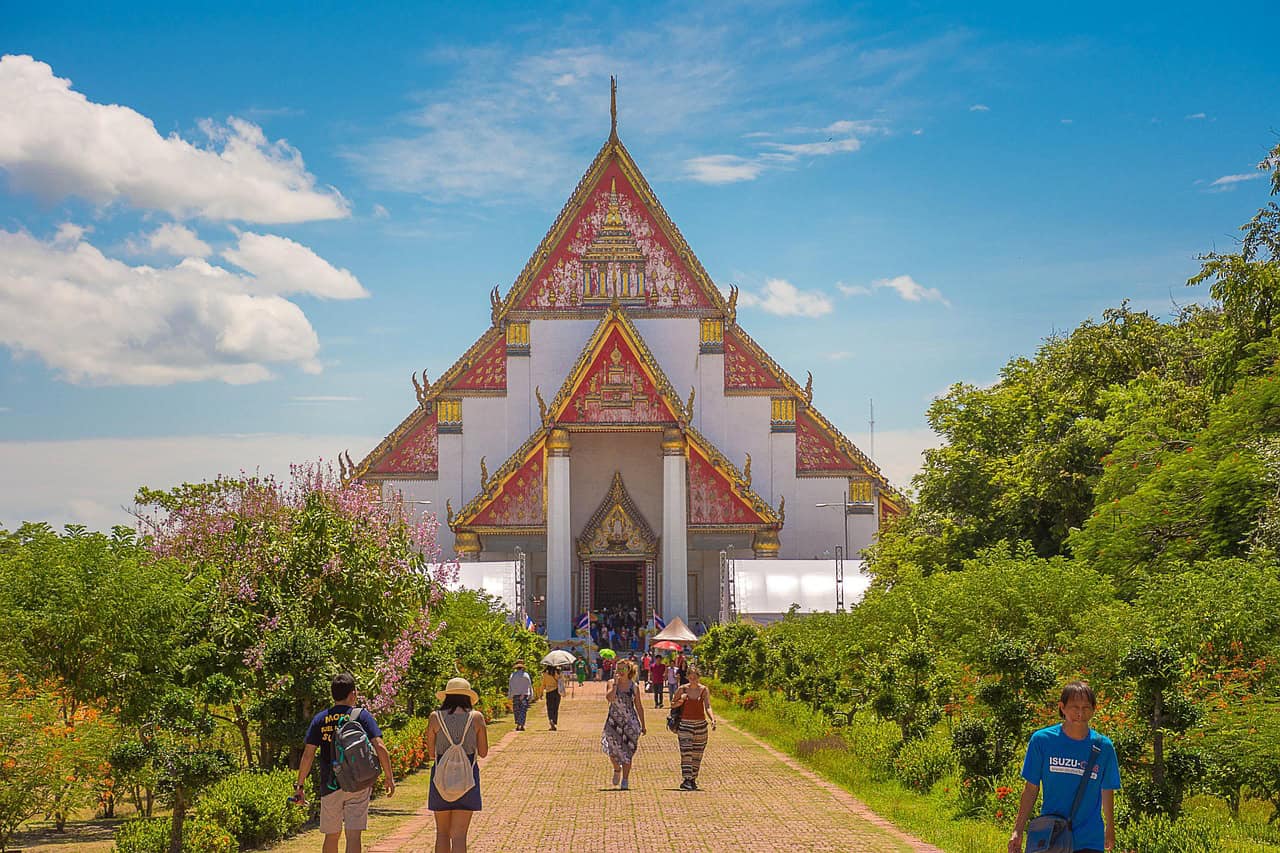
Thailand earned its “Land of Smiles” nickname long before mass tourism arrived, yet it now welcomes over 28 million visitors annually. Tourism contributes roughly 20 percent of national GDP, which explains the visible infrastructure designed for travelers. English signage appears in major hubs like Bangkok and Chiang Mai, and domestic flights connect more than 30 airports efficiently.
Beyond statistics, warmth defines the experience. Street vendors patiently explain dishes, hotel staff greet guests with the wai gesture, and island communities from Phuket to Krabi depend directly on repeat travelers. Even in busy markets, visitors are rarely made to feel like outsiders. Respect local customs, and the hospitality feels naturally reciprocal rather than rehearsed.
2. Japan

Japan combines precision with genuine courtesy. In 2019, the country recorded nearly 32 million international arrivals, supported by one of the world’s most punctual rail systems, where average Shinkansen delays remain under one minute annually. Cities such as Tokyo and Kyoto provide multilingual transit maps and spotless public spaces.
Hospitality, or omotenashi, is practiced quietly. Locals often walk tourists to the correct platform rather than simply giving directions. Convenience stores operate 24 hours, and crime rates remain among the lowest globally. Even small-town ryokans maintain meticulous service standards, proving that attentiveness here is cultural, not commercial.
3. Portugal
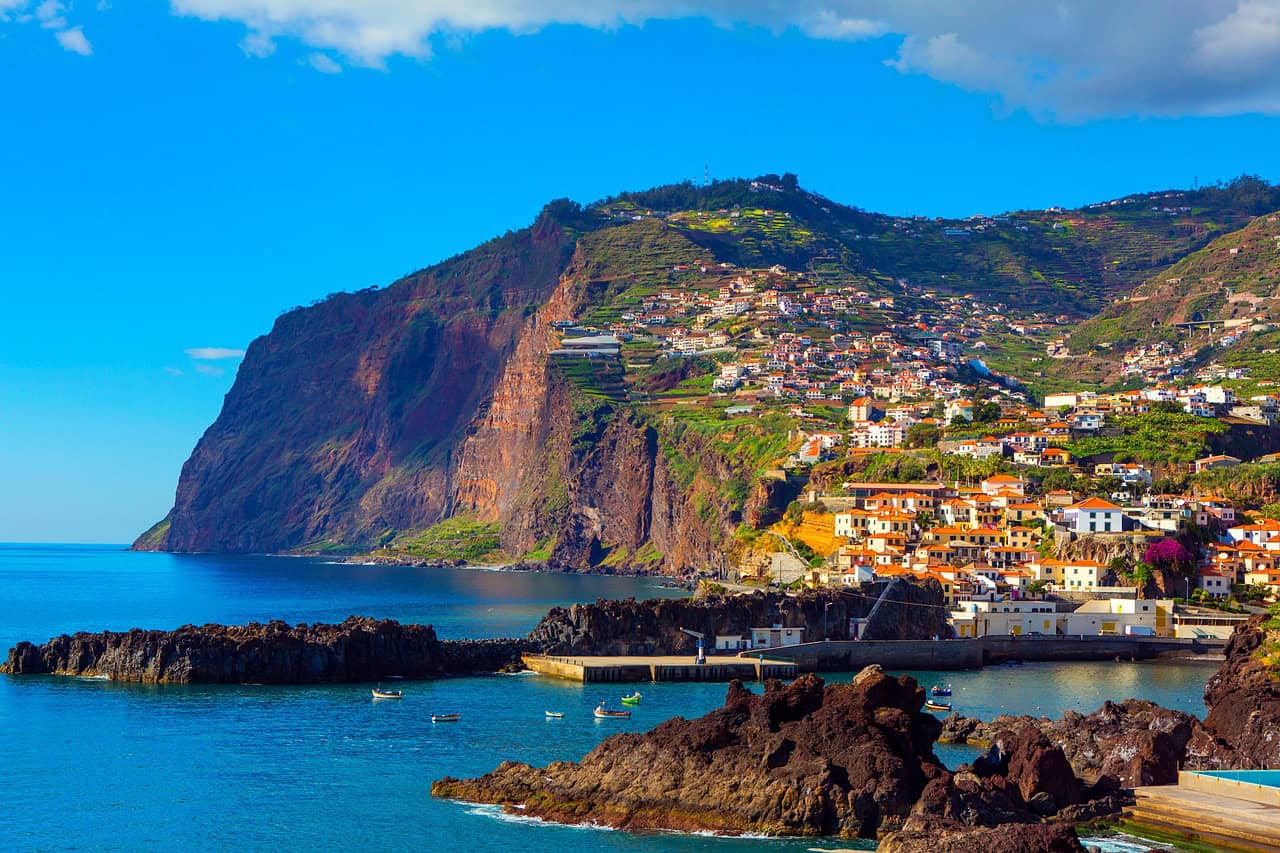
Portugal consistently ranks among Europe’s friendliest destinations, welcoming over 18 million tourists annually. Tourism accounts for roughly 15 percent of GDP, supporting well-maintained historic districts in Lisbon and Porto. English proficiency is high, particularly among younger residents, easing communication for global visitors.
What sets Portugal apart is its relaxed, conversational style. Café owners linger to recommend local pastries, and tram conductors often help confused passengers without impatience. Coastal towns in the Algarve balance growth with sustainability initiatives. Visitors frequently note that interactions feel unforced, as though guests are welcomed into everyday life rather than staged tourism scenes.
4. Ireland

Ireland attracts nearly 11 million visitors each year, impressive for a country of just over 5 million residents. Tourism supports about 260,000 jobs nationwide, especially in cities like Dublin and along the Wild Atlantic Way. English-speaking ease immediately lowers barriers for international guests.
Yet numbers tell only part of the story. Pub culture encourages conversation between strangers, and locals often offer travel tips without prompting. Bed-and-breakfast hosts typically share regional history over breakfast. Even in rural counties, travelers are treated less like customers and more like temporary neighbors, reinforcing Ireland’s reputation for effortless friendliness.
5. Mexico
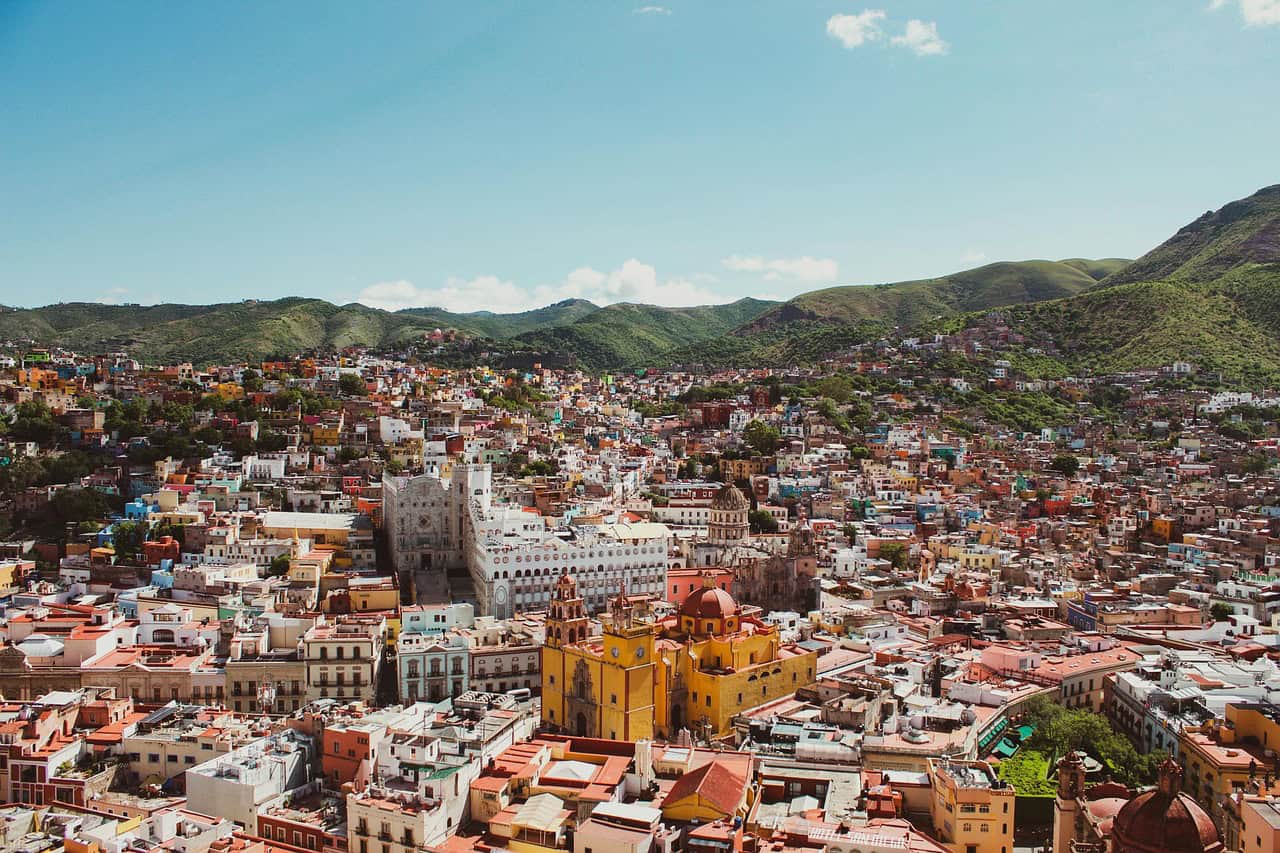
Mexico receives over 40 million international tourists annually, placing it among the world’s top destinations. Tourism contributes close to 8 percent of GDP, particularly in hubs such as Cancún and Mexico City. Major airports connect more than 100 global routes, and resort regions maintain strong visitor services.
Hospitality here is deeply cultural. Family-run hotels greet guests personally, and restaurant owners proudly explain regional dishes. In smaller towns, artisans often describe their craft traditions with visible pride. While bustling markets can feel energetic, genuine warmth surfaces quickly when visitors engage respectfully and show curiosity about local heritage.
6. Indonesia
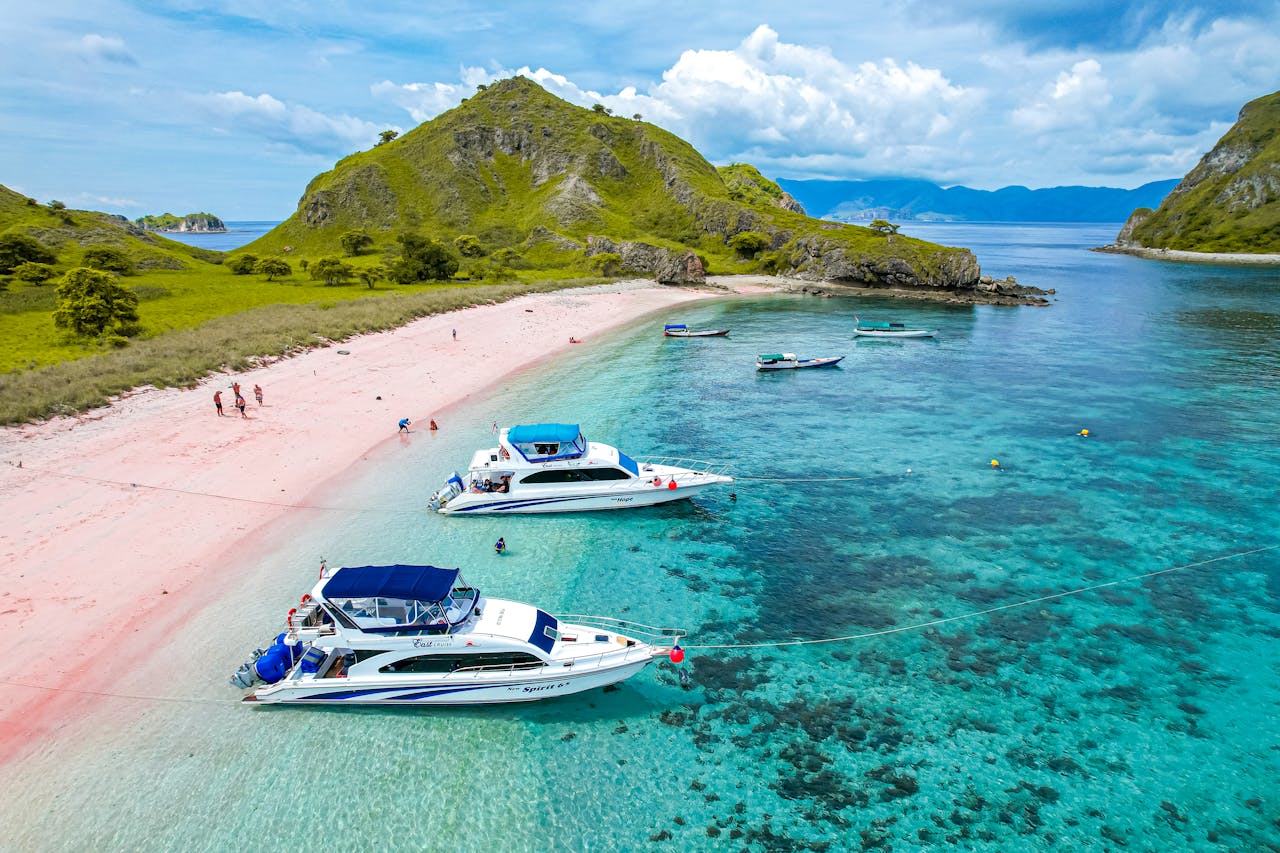
Indonesia spans over 17,000 islands and welcomes roughly 16 million foreign visitors annually. Tourism significantly supports regions like Bali, where hospitality training programs are widespread. International airports in Jakarta and Denpasar link the country to more than 50 nations directly.
What travelers remember most is the warmth. Balinese families decorate homes for ceremonies yet pause to greet strangers with sincere smiles. Hotel staff often address guests by name, and drivers patiently explain temple etiquette. Even outside resort areas, curiosity about foreign cultures creates friendly exchanges that feel spontaneous rather than scripted.
7. New Zealand
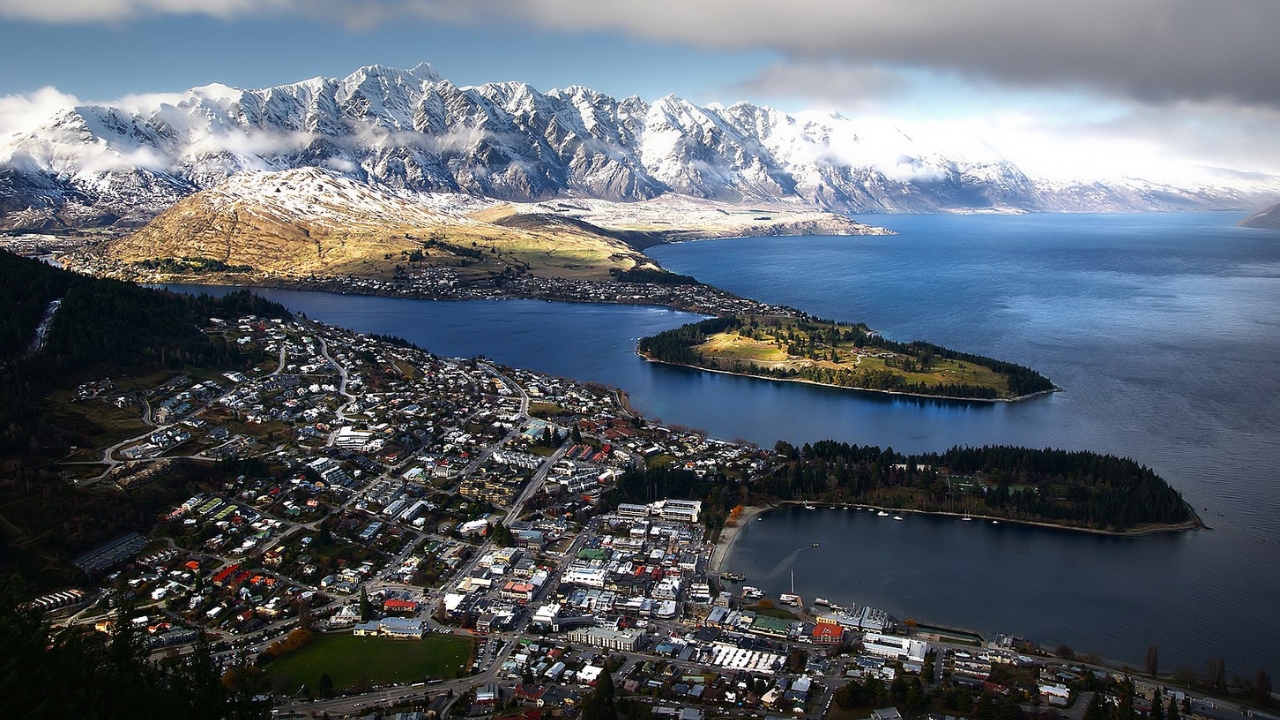
New Zealand hosts about 3.8 million international visitors yearly, a substantial figure for a population under 5 million. Tourism contributes nearly 6 percent to GDP and supports thousands of regional jobs, especially in adventure centers like Queenstown. Infrastructure emphasizes safety, with clearly marked hiking trails and visitor centers nationwide.
Kiwis are known for relaxed openness. Locals frequently share hiking advice or weather updates without being asked. Environmental campaigns encourage travelers to respect nature, reinforcing a shared responsibility. The result is a welcoming atmosphere where visitors feel included in preserving landscapes rather than simply consuming them.
8. Greece
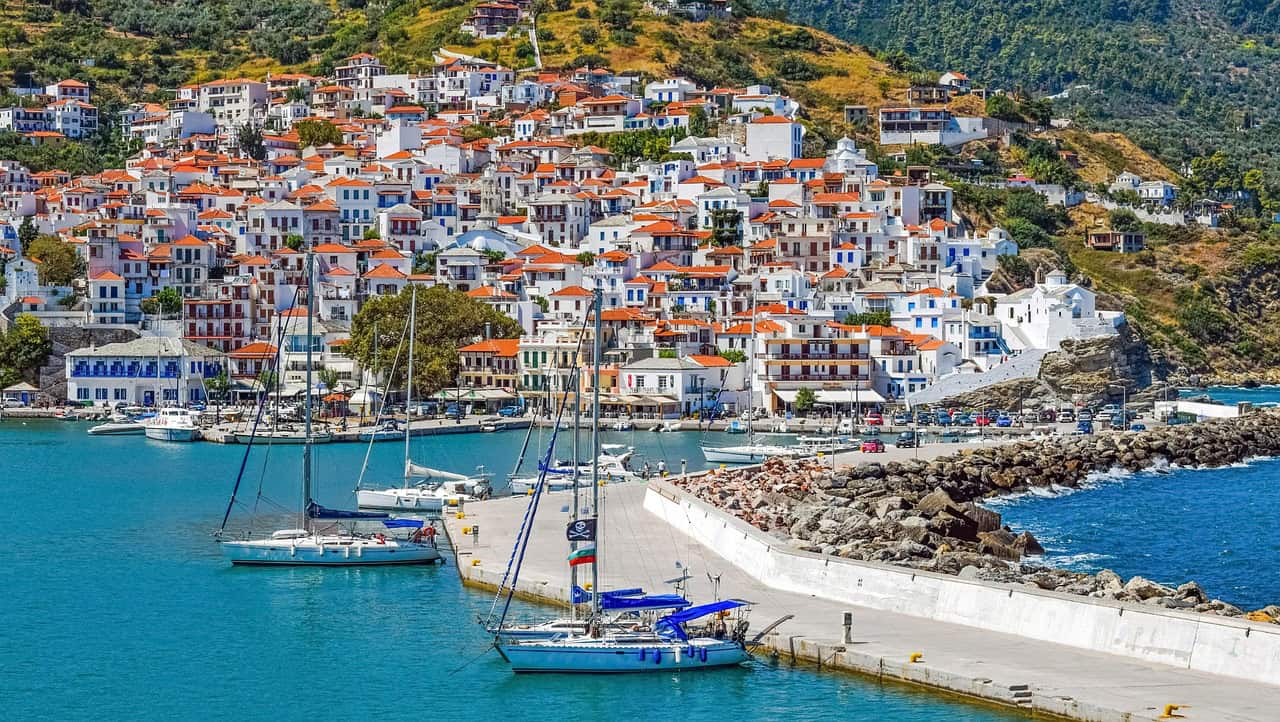
Greece welcomes more than 30 million visitors annually, far exceeding its population of about 10 million. Tourism accounts for nearly 20 percent of GDP, sustaining livelihoods from Athens to small island villages. Ferries connect over 200 inhabited islands, making exploration accessible.
Hospitality stems from philoxenia, meaning love of strangers. Tavern owners often offer complimentary desserts, and hotel hosts share island tips beyond guidebook basics. Even during peak summer crowds, personal interactions remain warm. Visitors who greet locals politely often receive heartfelt smiles and stories in return.
9. Vietnam

Vietnam has seen rapid tourism growth, hosting around 12 million international travelers annually. Cities like Hanoi and Ho Chi Minh City feature expanding metro systems and modern airports handling millions each year. Tourism contributes approximately 9 percent to GDP.
Despite modernization, warmth remains personal. Street food vendors often guide newcomers through unfamiliar dishes, and younger residents eagerly practice English. Even when language gaps exist, smiles bridge the divide. Visitors frequently describe the hospitality as energetic and sincere, reflecting pride in sharing culture with outsiders.
10. Canada

Canada receives over 22 million international visitors annually and ranks consistently high in global safety indexes. Tourism supports about 1.8 million jobs nationwide, especially in cities such as Vancouver and Montreal. Multicultural communities make newcomers feel quickly at ease.
Politeness is more than a stereotype. Locals routinely apologize for minor inconveniences and patiently assist lost travelers. National parks maintain well-marked trails and visitor centers staffed with knowledgeable guides. Combined with low crime rates and inclusive social norms, Canada offers a welcoming atmosphere grounded in everyday civility.
11. Georgia
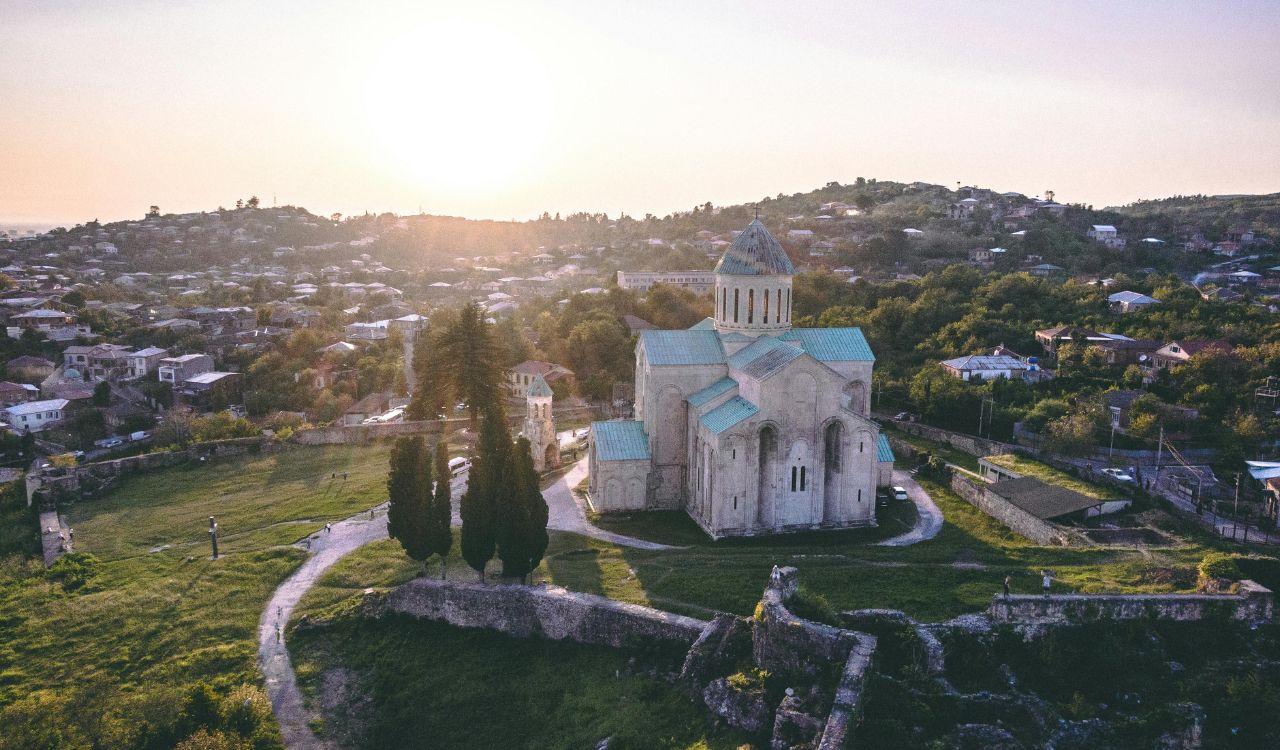
Georgia welcomes over 7 million international visitors annually, remarkable for a nation of roughly 3.7 million people. Tourism contributes close to 8 percent of GDP, with Tbilisi serving as the primary gateway. Visa-free or simplified entry policies apply to travelers from more than 90 countries, encouraging steady growth in arrivals.
Hospitality here is intensely personal. Guests are often invited to traditional supras, where long toasts celebrate friendship and shared stories. Family-run guesthouses provide homemade wine and home-cooked meals. Even taxi drivers proudly describe regional history, reflecting a national desire to present culture warmly rather than commercially.
12. Philippines
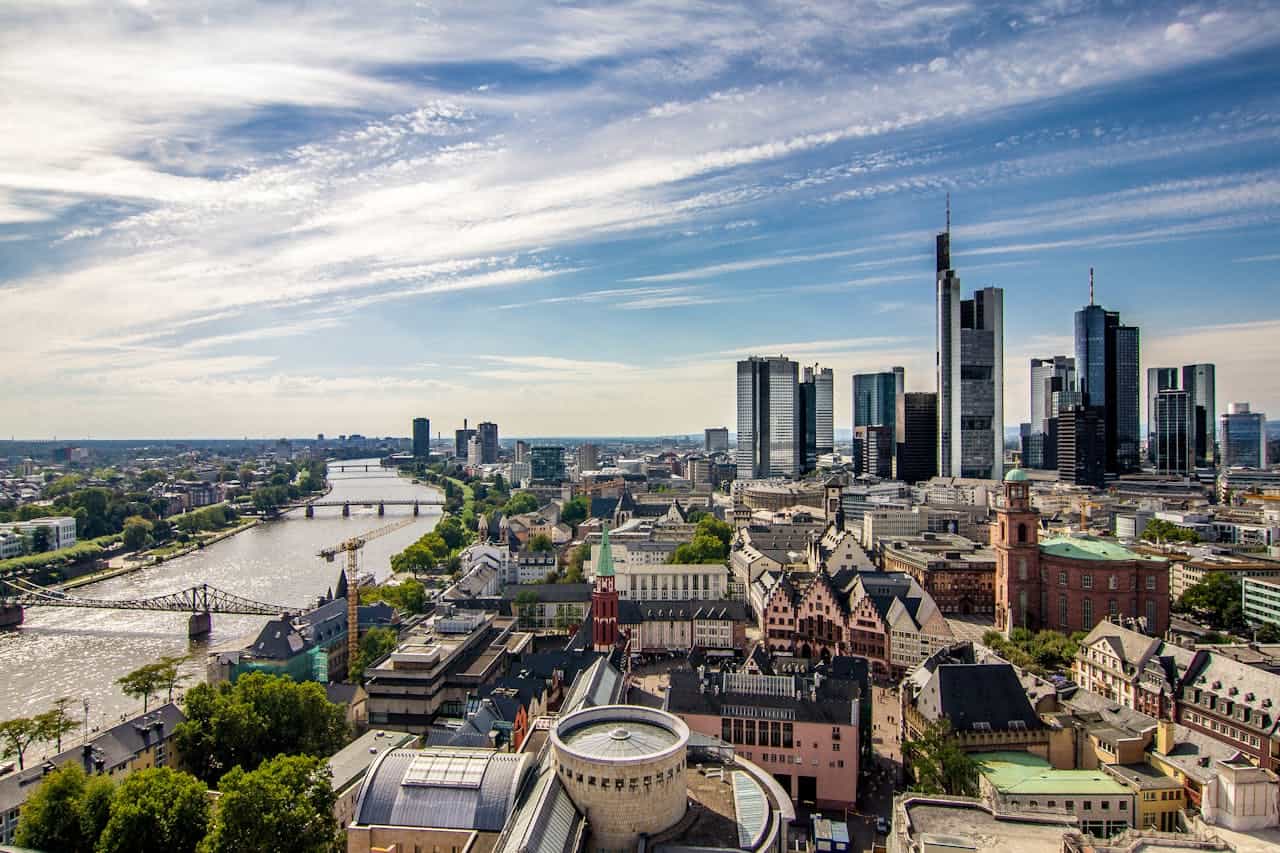
The Philippines records over 5 million international arrivals annually, with tourism contributing nearly 13 percent to GDP when indirect impacts are included. Major hubs like Cebu and Manila connect to dozens of international routes, while more than 7,600 islands offer diverse experiences. English proficiency ranks among the highest in Asia.
What stands out is natural friendliness. Locals often greet strangers with easy smiles and willingly help with directions or recommendations. Community festivals openly welcome visitors, and family-owned resorts treat guests like returning relatives. Even in remote islands, hospitality feels instinctive rather than staged for tourism.
13. Morocco
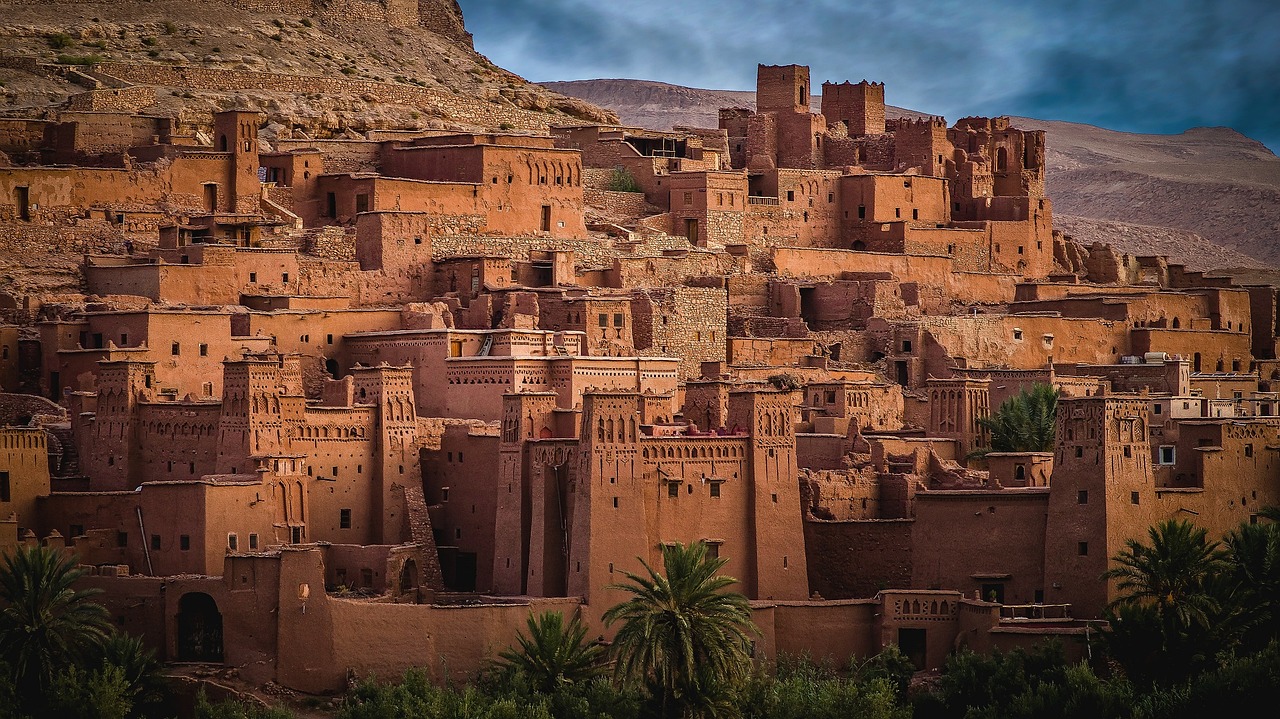
Morocco attracts over 14 million visitors annually, with tourism contributing around 7 percent of GDP. Cities such as Marrakesh and Fes maintain restored riads and organized medinas designed to accommodate global travelers. International airports link the country to more than 50 destinations worldwide.
While markets can feel lively, warmth appears quickly through conversation. Shopkeepers often offer mint tea before discussing prices, turning transactions into exchanges. Guides proudly explain architectural heritage and local customs. Visitors who approach interactions respectfully frequently discover generosity that goes far beyond business.
14. Iceland

Iceland hosts roughly 2 million international visitors each year, significant for a population under 400,000. Tourism contributes close to 8 percent of GDP, supporting infrastructure around Reykjavík and the famous Ring Road. Nearly 90 percent of residents speak English fluently, easing communication for most travelers.
Despite dramatic landscapes and small communities, locals are approachable and direct. Guesthouse owners share weather updates and safety tips candidly, while tour operators emphasize environmental care. The culture values honesty and practicality, creating a welcoming environment where visitors feel informed, respected, and included in preserving fragile natural beauty.