We may earn money or products from the companies mentioned in this post. This means if you click on the link and purchase the item, I will receive a small commission at no extra cost to you ... you're just helping re-supply our family's travel fund.
thesohailmart/123rf
Across the United States, old rail depots, river docks, and factory corridors still tell the same story in different accents. Many cities were built for an era when steel, shipping, milling, and mass production looked permanent, and local leaders planned as if the momentum would never break. When those systems changed, populations fell, tax bases shrank, and confidence fractured block by block. What remains is not a simple tale of decline, but a human one about places that once sat at the center of American ambition and then had to survive the aftershock for generations after the boom.
Detroit, Michigan

Detroit was built for industrial scale, and for decades it defined it. Britannica describes the city as the world’s automobile capital in the 20th century, and the Census table shows how high the boom ran, with 1,849,568 residents in 1950 and 1,027,974 by 1990. The same concentration that made Detroit powerful also made it fragile when auto production restructured, jobs moved, and suburban growth accelerated, leaving a population shock that reshaped neighborhoods, schools, and local confidence for generations.
St. Louis, Missouri

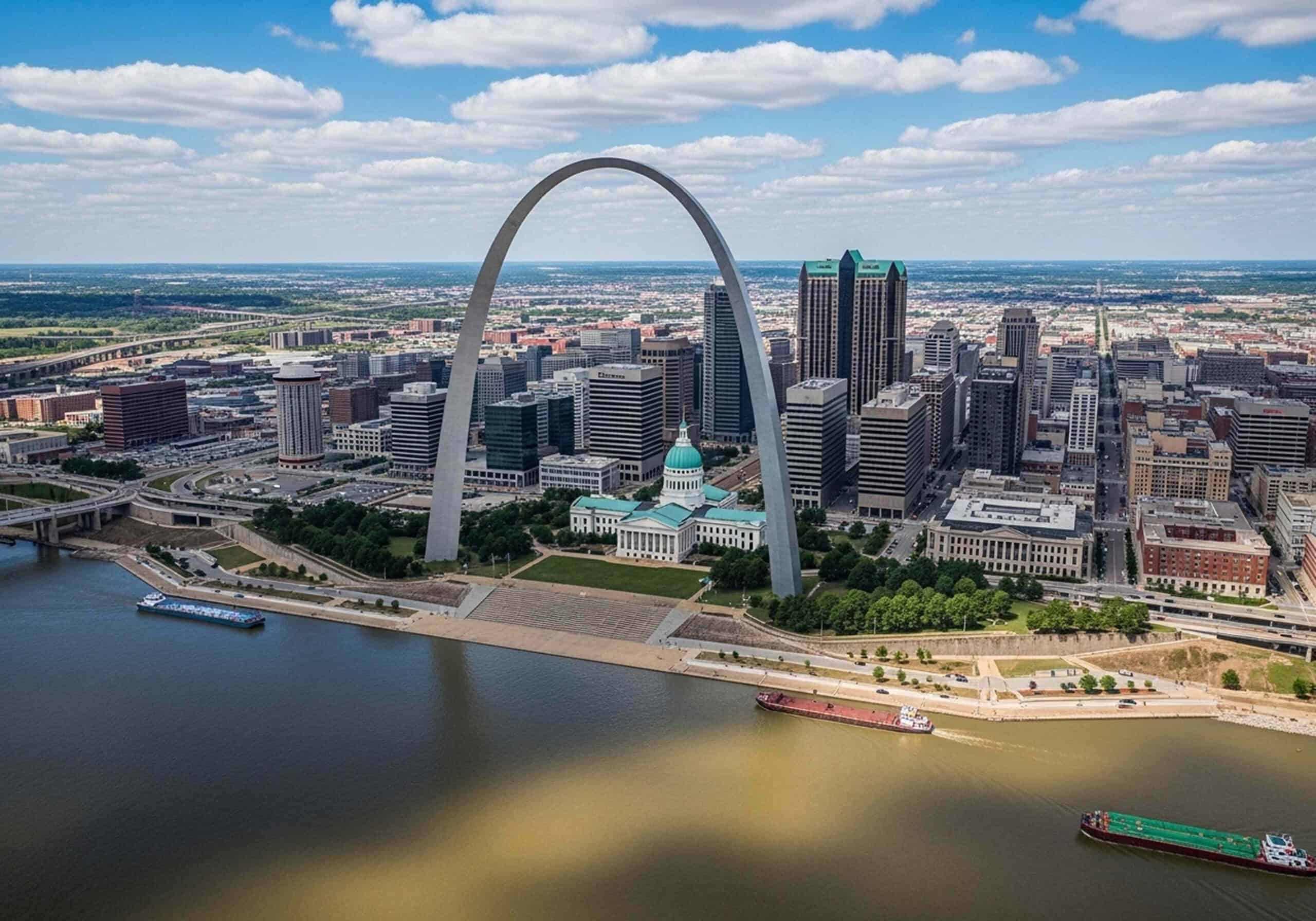
St. Louis held one of the strongest positions in the country, near the meeting of the Mississippi and Missouri rivers. Britannica notes it became a major transportation hub in the steamboat era and after railroads arrived, while also pointing out that the city’s boundaries have remained unchanged since 1876. That detail helps explain the Census decline from 856,796 residents in 1950 to 396,685 by 1990, as regional growth continued while the city proper carried the visual weight of a much larger past.
Cleveland, Ohio
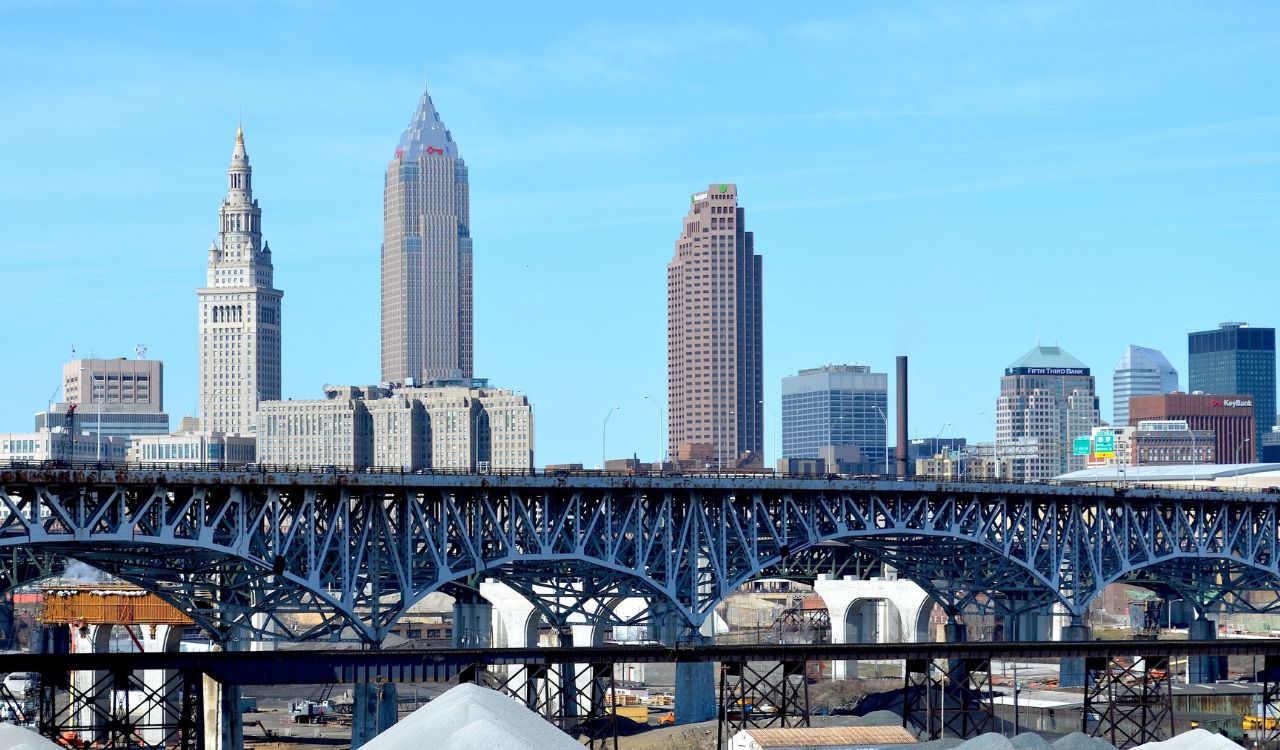
Cleveland rose with water, rail, and industry, and Britannica ties its expansion to the Erie Canal and the railroad era. Its student summary notes the city reached more than 900,000 residents in 1950 before suburban migration drained much of the middle class, and the Census table tracks the drop from 914,808 in 1950 to 505,616 by 1990. Cleveland remained a major Great Lakes city with strong research, medical, and cultural institutions, but the change was structural enough to alter how the city invested and planned.
Baltimore, Maryland
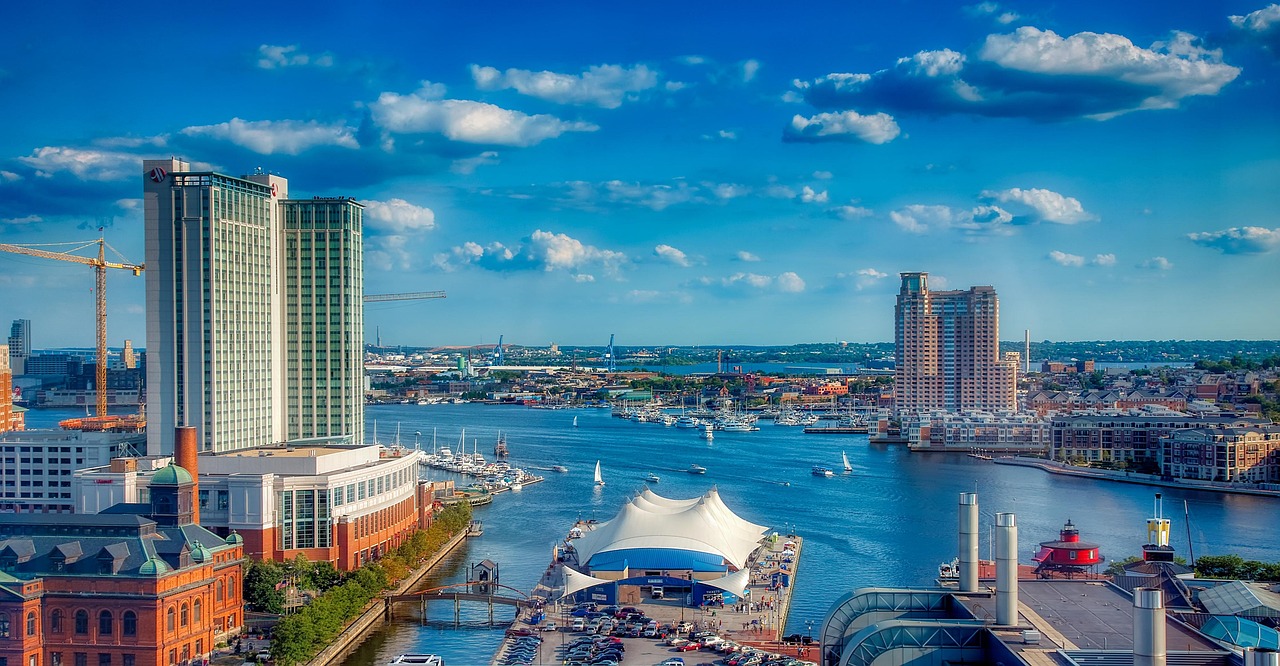
Baltimore had the harbor, rail links, and industrial waterfront to stay dominant for generations. Britannica’s summary notes that the nation’s first railroad began operating there in 1827, and its student entry still describes Baltimore as a leading port and industrial center. The Census table shows a long contraction from 949,708 residents in 1950 to 736,014 by 1990, and that slower decline helped create a city where major institutions and deep disinvestment often sit only a few blocks apart.
Buffalo, New York
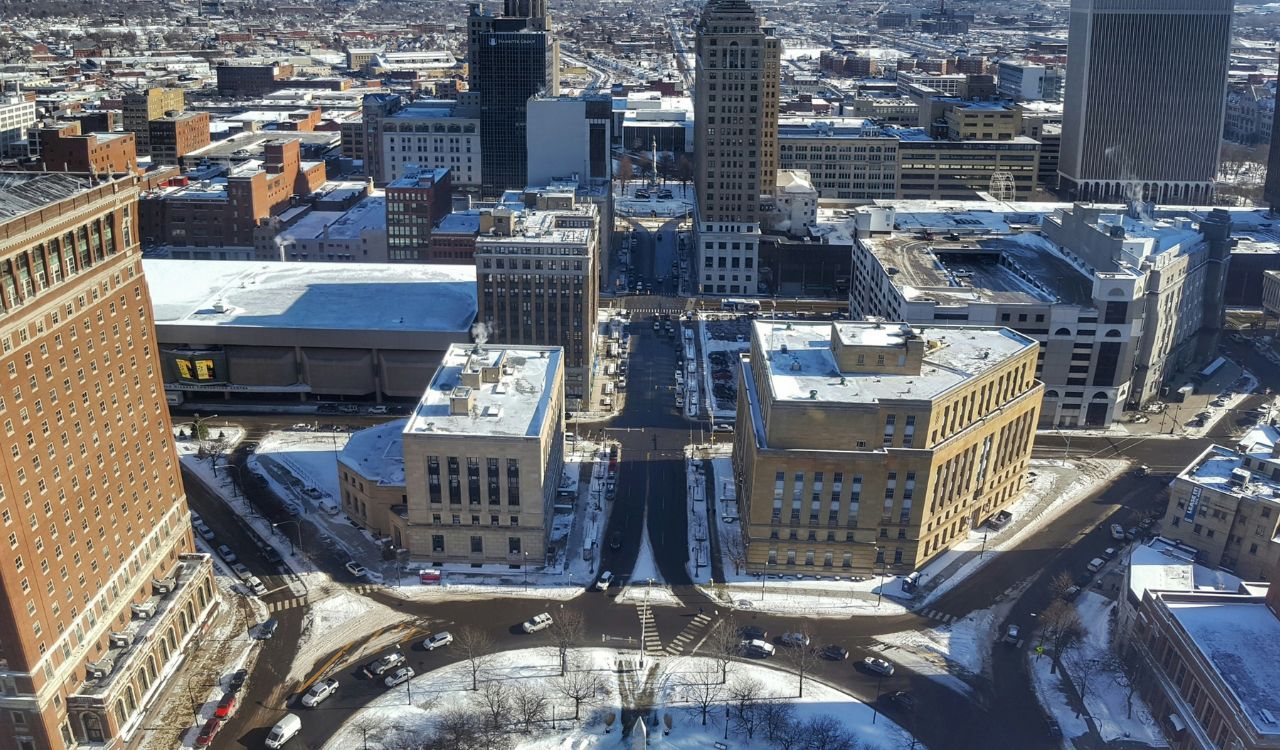
Buffalo once looked like a guaranteed success story because geography did so much of the work. Britannica says the city became the western terminus of the Erie Canal, which fueled an economic boom and helped make Buffalo a major inland port tied to Great Lakes traffic and canal trade. As transportation systems changed, those old advantages lost some force, and the Census table shows the demographic shift clearly, with Buffalo falling from 580,132 residents in 1950 to 328,123 by 1990 despite its grand civic scale.
Pittsburgh, Pennsylvania
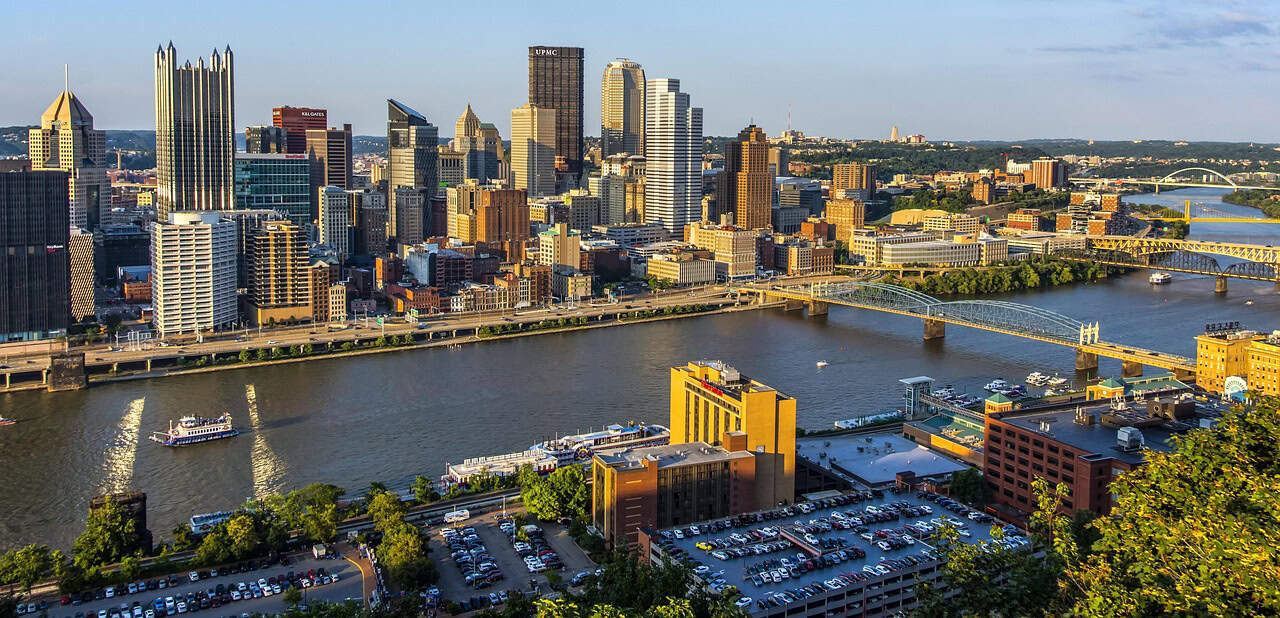
Pittsburgh’s rise was so tied to steel that the city and the industry often felt like the same story. Britannica’s student entry describes it as the hub of U.S. steel and a major manufacturing center, then explains how the collapse of steel in the 1980s pushed a reinvention toward research, technology, and culture. Even with that pivot, the Census table shows the cost of the break, with population falling from 676,806 in 1950 to 369,879 by 1990 after a period that scattered workers and changed the region’s identity.
Newark, New Jersey
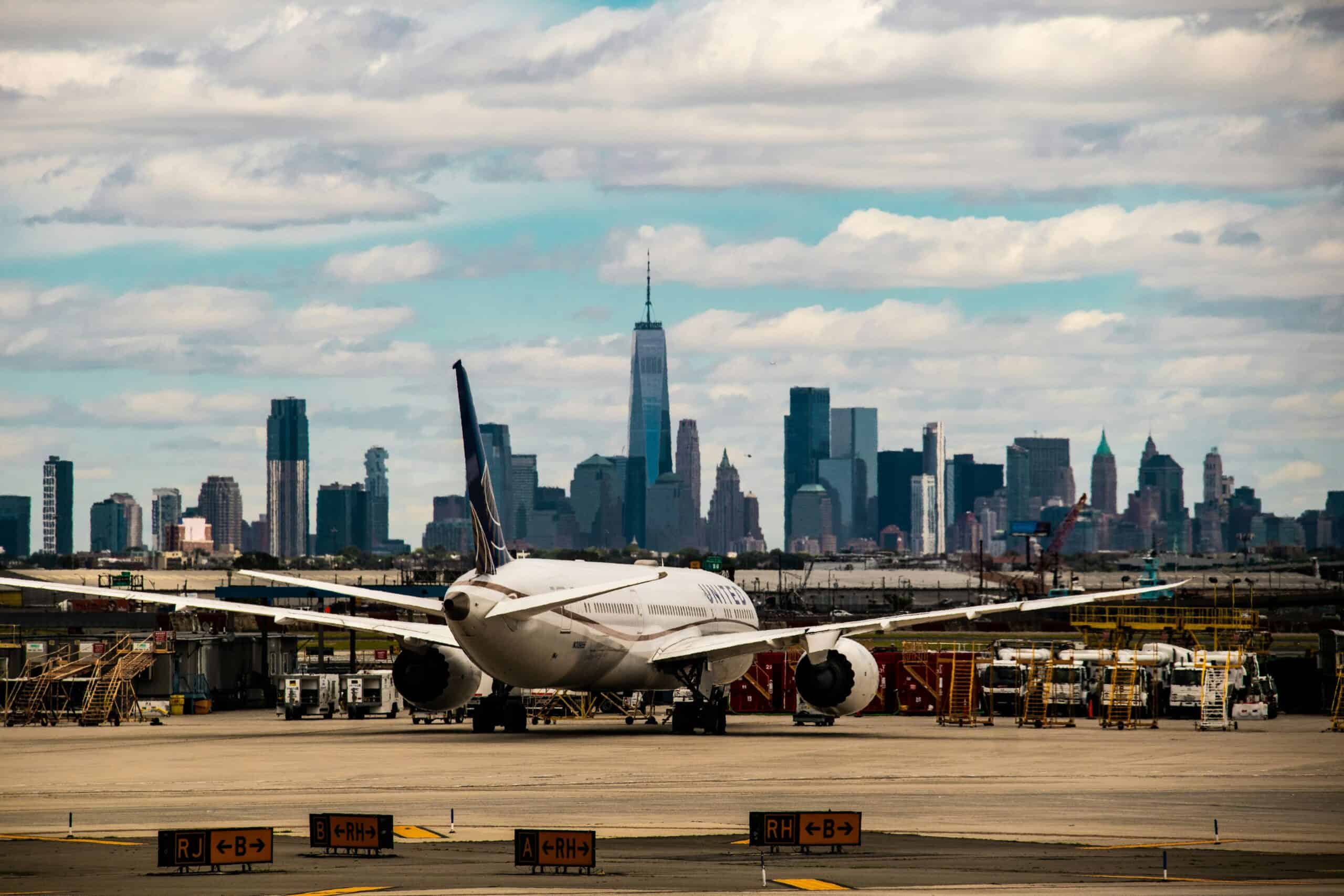
Newark had history, industry, and location on its side long before the modern metro era. Britannica notes it was founded in 1666, became New Jersey’s largest city, and developed a highly diversified manufacturing base, while also flagging the major civil disturbances of 1967. The Census table shows a decline already in motion, from a peak of 442,337 in 1930 to 275,221 by 1990, and Newark’s closeness to New York only sharpened the pressure to rebuild under uneven conditions.
Milwaukee, Wisconsin
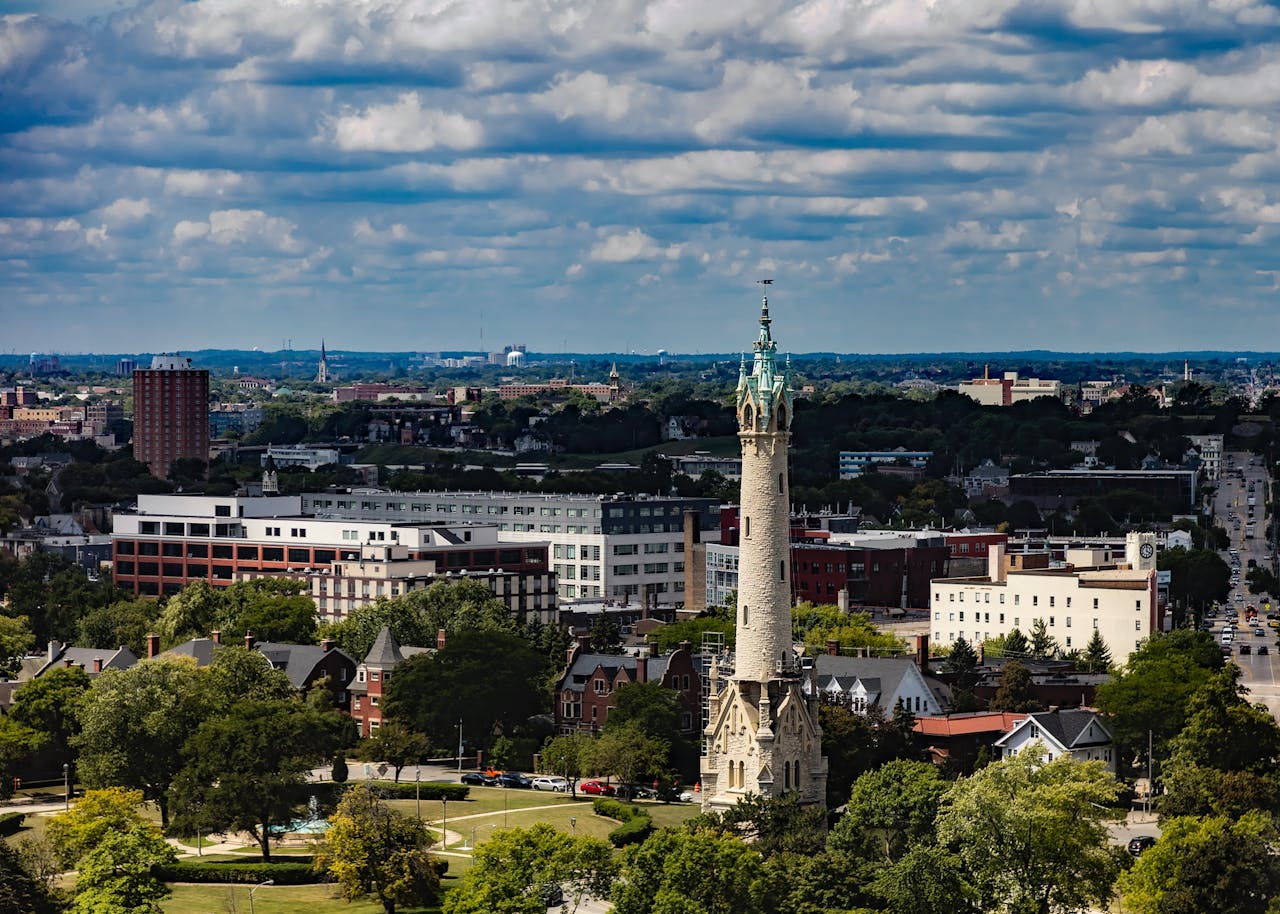
Milwaukee grew where three rivers meet Lake Michigan, and Britannica still describes it as Wisconsin’s largest city and a major lake port. Britannica’s summary also highlights Milwaukee as a center of German immigration, a reminder of how migration, industry, and civic life once reinforced one another at full strength. The decline here was less severe than in some Rust Belt peers, but the Census table still shows a drop from 741,324 residents in 1960 to 628,088 by 1990, which was enough to strain jobs, housing stability, and neighborhood investment.
Birmingham, Alabama
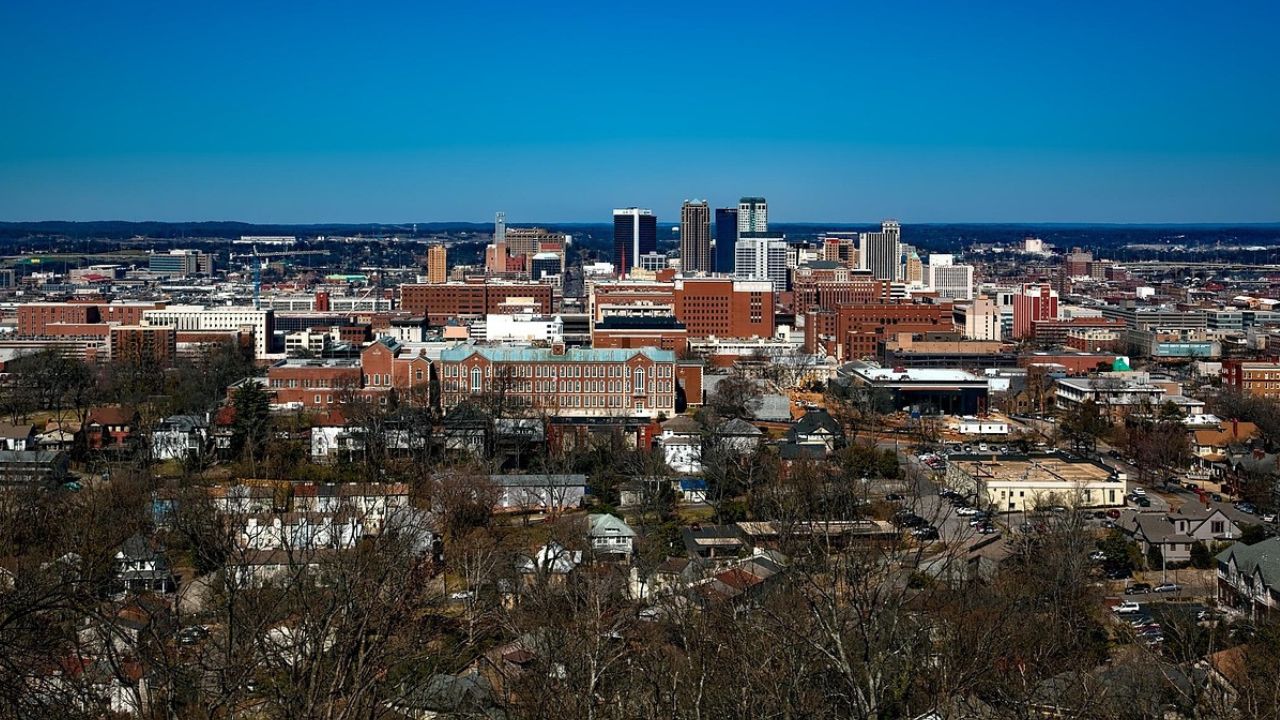
Birmingham was planned for industrial growth and achieved it fast. Britannica says it was founded in 1871 by a land company backed by railroad officials and became the South’s iron and steel center, and its student entry notes the city grew so quickly it earned the nickname Magic City. The Census table shows the later reversal from 340,887 residents in 1960 to 265,968 by 1990, a reminder that even cities built on momentum can struggle when the industries behind that momentum lose force.
Rochester, New York
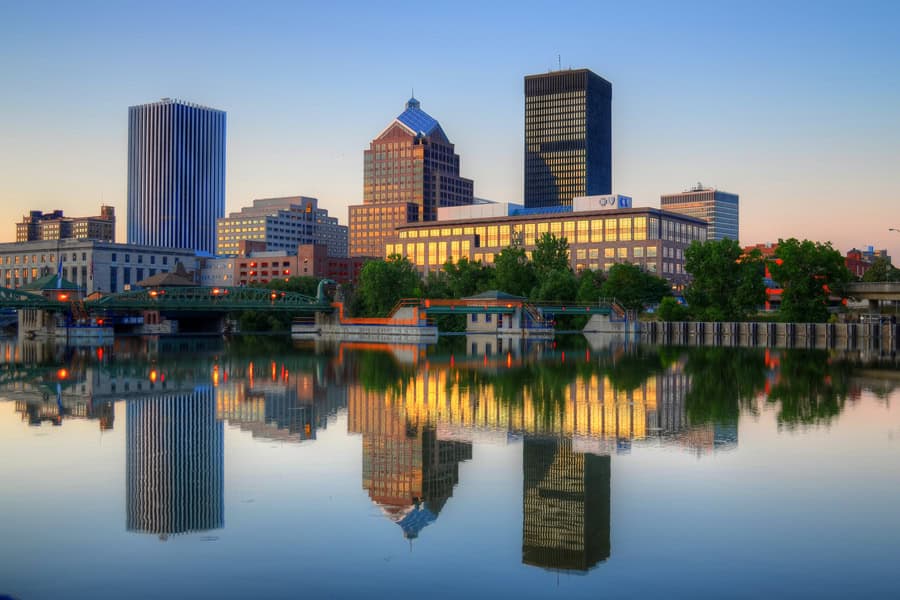
Rochester had the kind of geography that usually produces long industrial strength. Britannica describes it as an industrial city and St. Lawrence Seaway port on the Genesee River at Lake Ontario, and its student entry emphasizes the Genesee’s falls, which created strong hydroelectric power. Those assets built real prosperity, but the Census table still shows Rochester declining from 332,488 residents in 1950 to 231,636 by 1990, which underlines how natural advantages alone cannot carry a city through changing economic eras.
Akron, Ohio
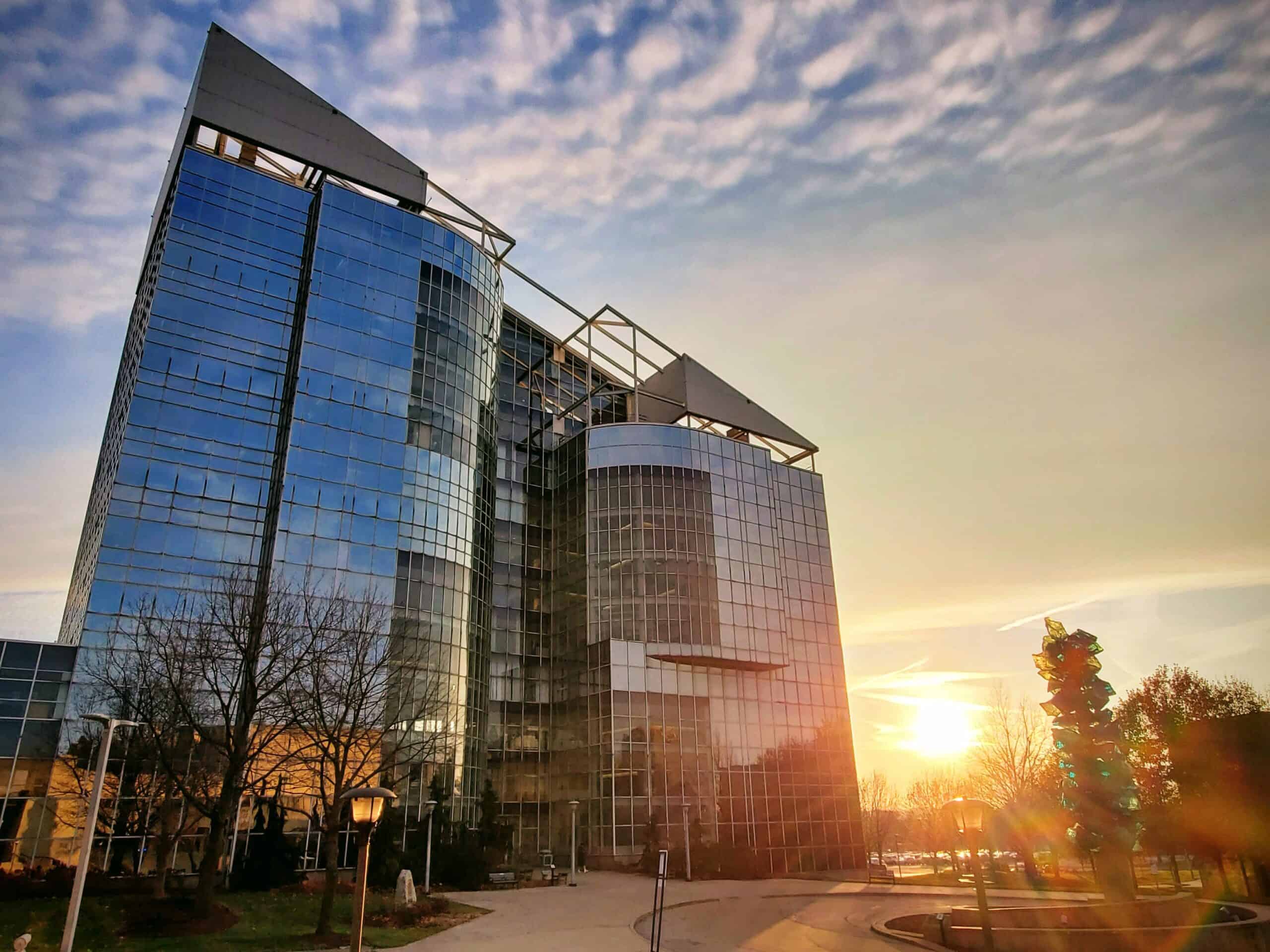
Akron’s rise came from timing and infrastructure as much as location. Britannica’s summary ties its growth to canal construction, railroads, and Benjamin Franklin Goodrich moving a rubber factory there in 1871, which helped lock in Akron’s industrial identity for generations. That legacy brought jobs and national importance, but the Census table shows the later slide from 290,351 residents in 1960 to 223,019 by 1990, reflecting how hard it is to replace a specialized manufacturing economy once it begins to thin out.
Dayton, Ohio
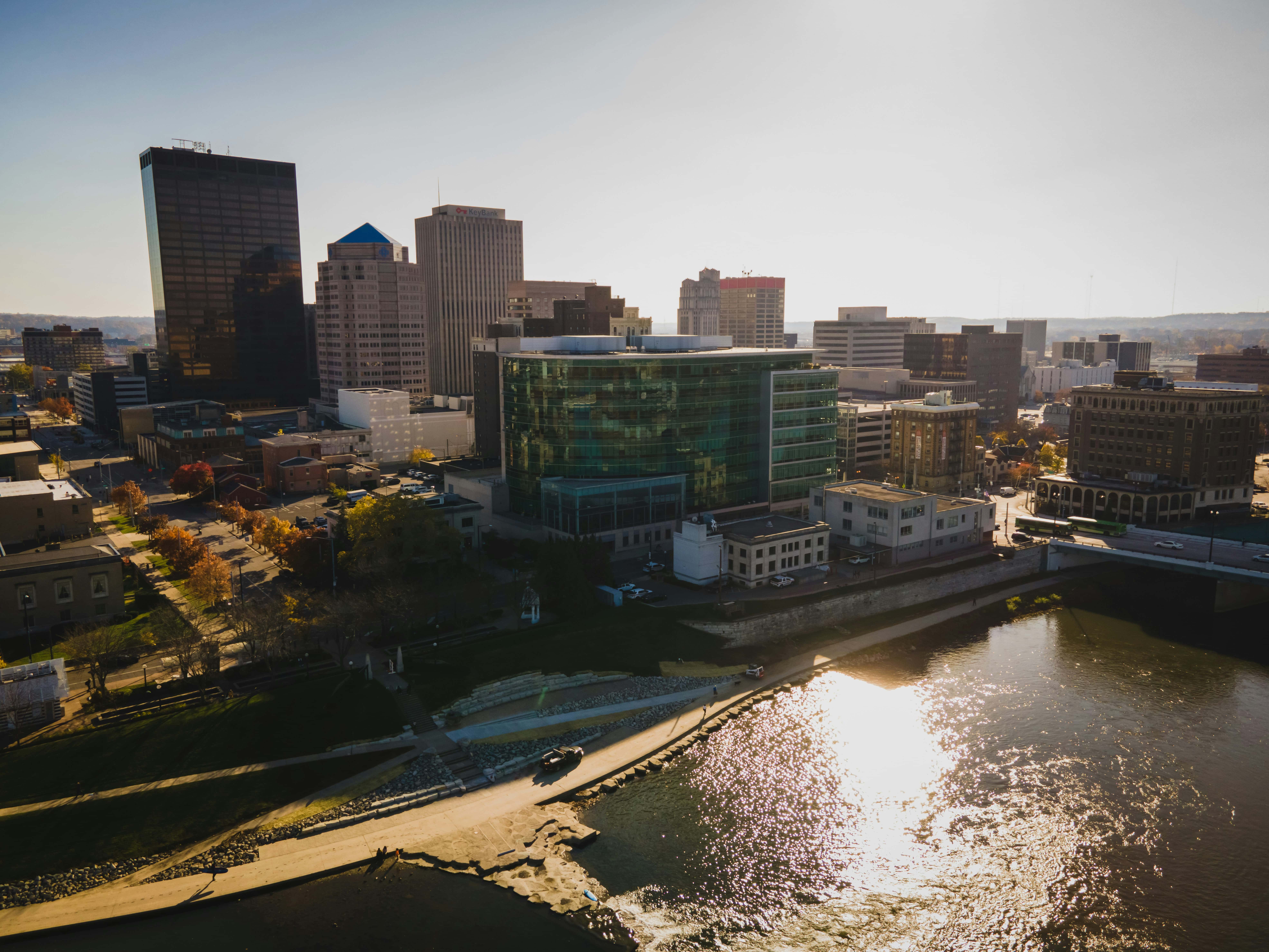
Dayton was once a model of inland growth built on transport and production. Britannica says it developed first as a river port, then expanded after the Miami and Erie Canal opened in 1829 and rail service arrived in 1851, and it also notes the city’s connection to Wilbur and Orville Wright. Even with that inventive legacy, the Census table shows Dayton falling from 262,332 residents in 1960 to 182,044 by 1990, proving innovation history does not automatically protect a city from long shifts in jobs and households.
Flint, Michigan
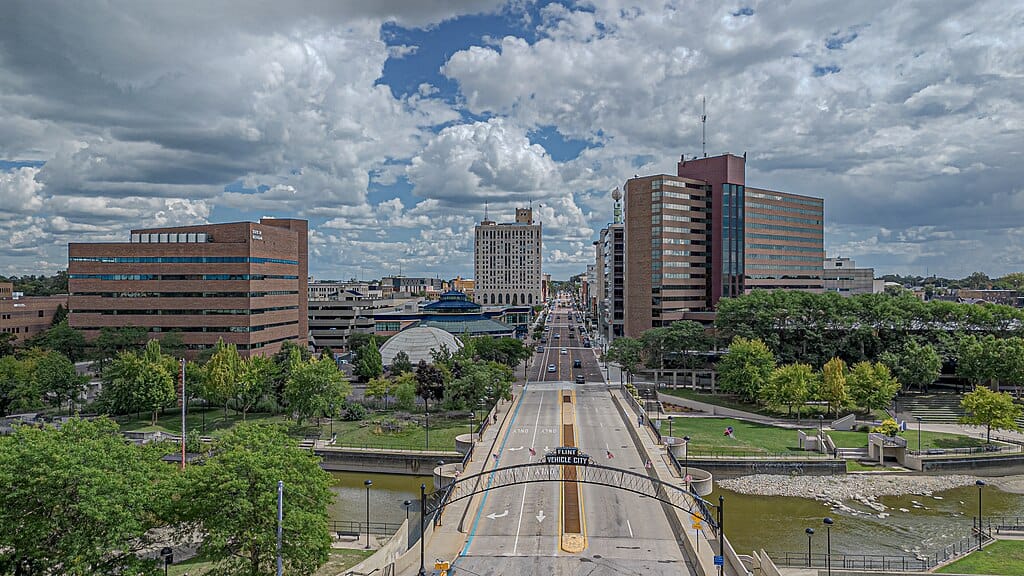
Flint’s 20th-century identity was deeply tied to cars, and Britannica’s student entry describes it as an important center of the automobile industry. The Census table shows the scale of its rise and decline, with Flint peaking at 196,940 residents in 1960 and falling to 140,761 by 1990. Flint’s later hardships became even more painful when the water crisis hit, and Britannica describes that episode as a human-made public health disaster involving dangerous lead exposure and deaths linked to Legionnaires’ disease.
Youngstown, Ohio
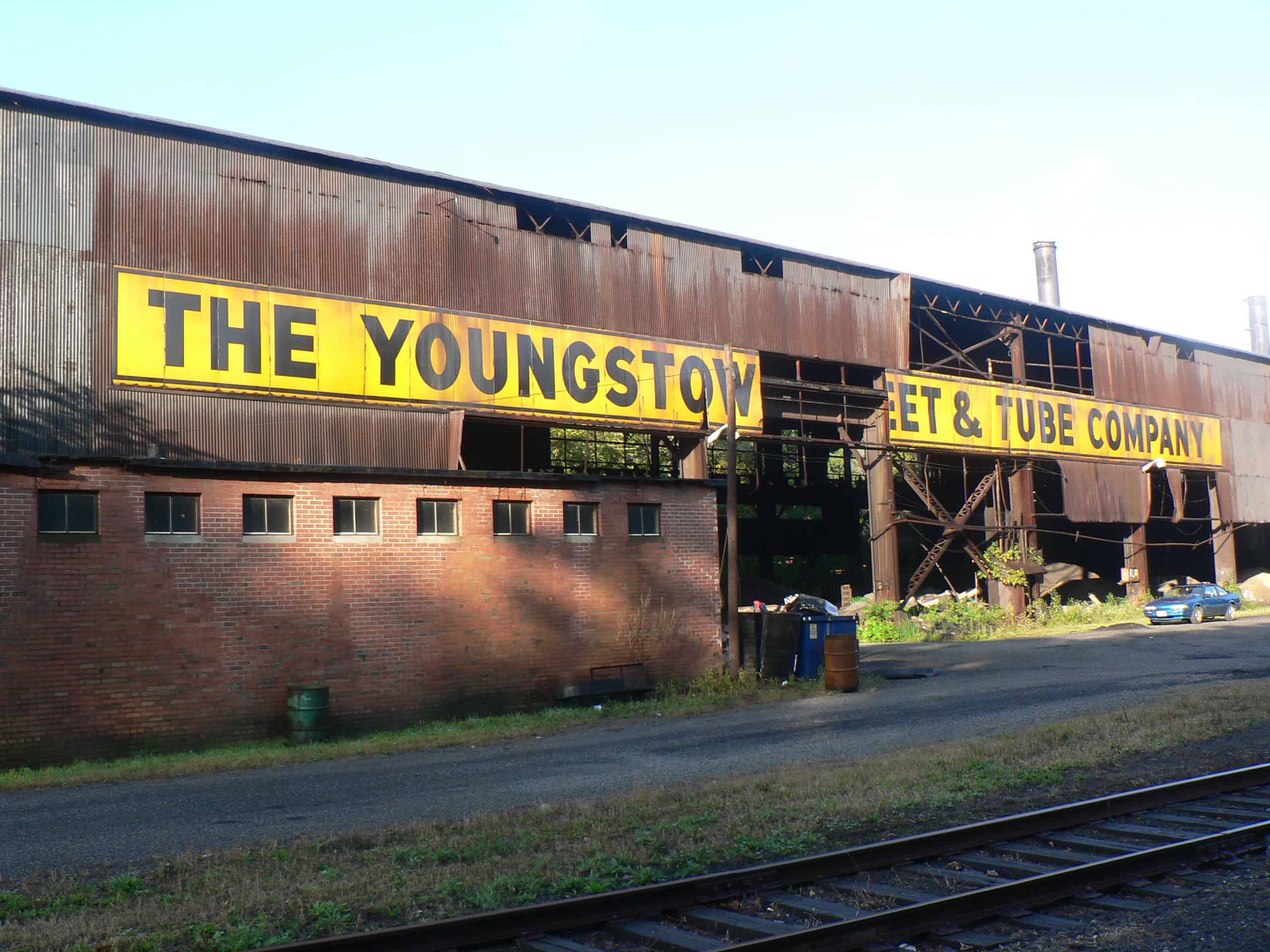
Youngstown’s fortunes were tied to steel, and Britannica still describes it as the heart of a steel-industrial complex in northeastern Ohio. That role brought wages, identity, and regional influence, but it also left the city exposed when the steel sector contracted and plants closed. The Census table captures the depth of the break, with Youngstown dropping from 170,002 residents in 1930 to 95,732 by 1990, which makes clear that this was not a brief slowdown but a full structural reset.