We may earn money or products from the companies mentioned in this post. This means if you click on the link and purchase the item, I will receive a small commission at no extra cost to you ... you're just helping re-supply our family's travel fund.
Some destinations keep their prestige long after the real experience has changed. The name still sounds iconic, the photos still sell a dream, and the stop still appears on every first-time itinerary. But on the ground, many of these places now come with crowded walkways, layered fees, confusing ticketing, and a payoff that feels shorter than expected. That gap between reputation and reality is why more travelers are rethinking where the day should go and what is actually worth the money.
Times Square, New York
rossella porta/Unsplash
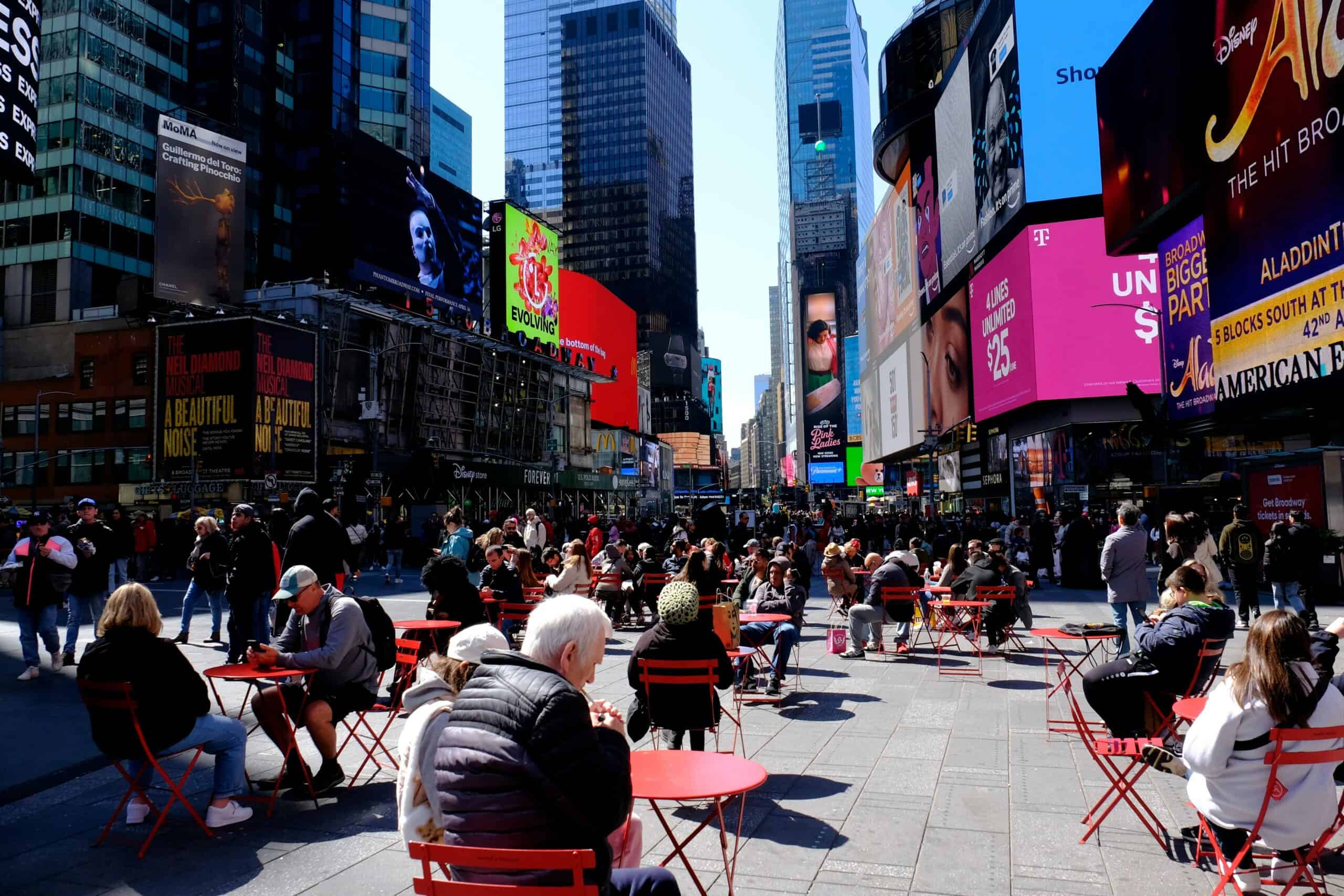
Times Square still delivers spectacle, but many travelers leave feeling they paid Manhattan prices for a very short burst of excitement. The district hosts free public events and can absolutely be enjoyed on foot, yet the area’s heavy pedestrian volume often turns the visit into slow-moving crowds, inflated food costs, and a quick photo stop instead of a real outing. It usually works better as a short window between Broadway plans, Midtown stops, or a late-night walk, rather than the main event for an entire day.
Hollywood Walk Of Fame, California
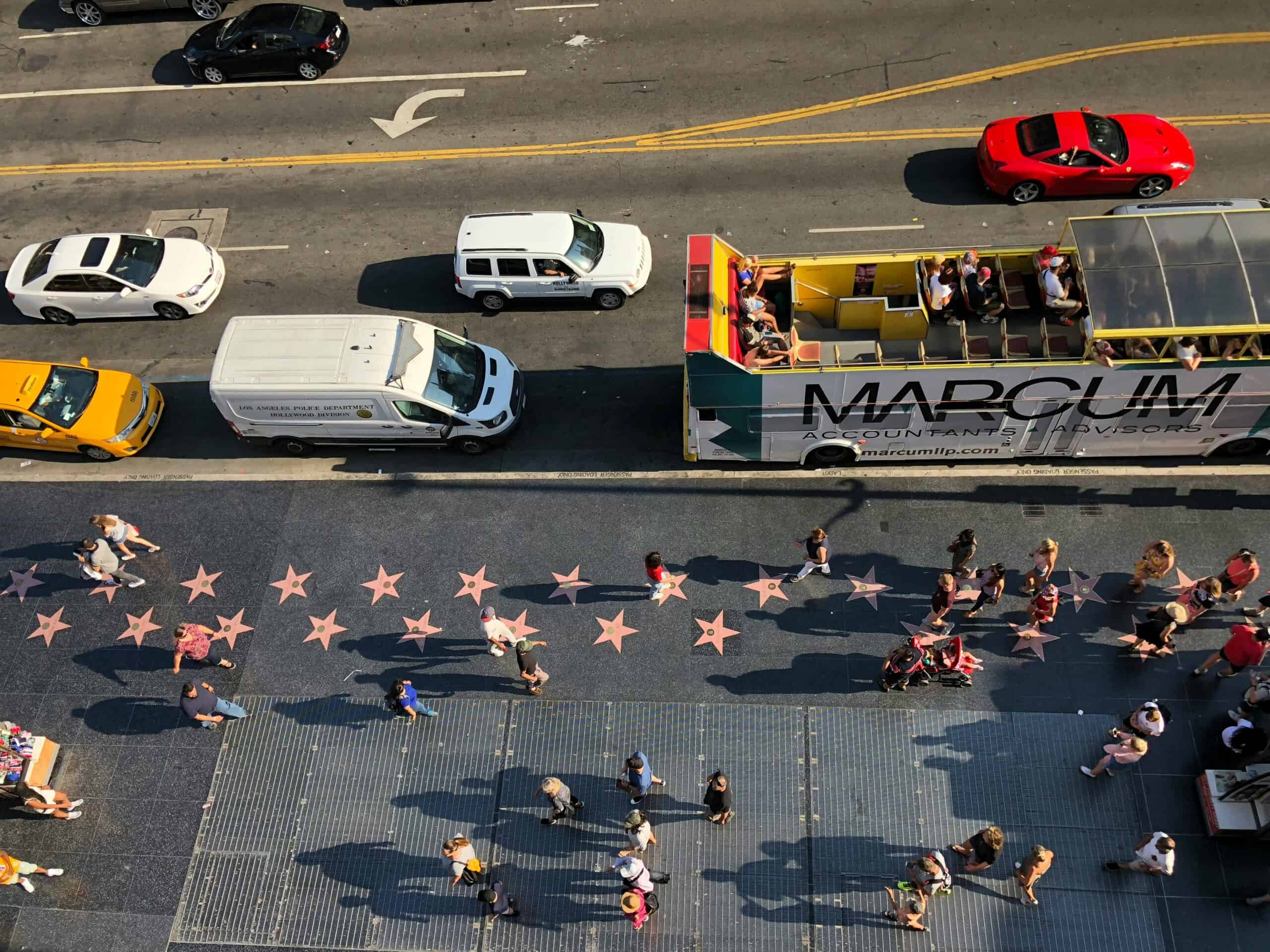
The Hollywood Walk of Fame is one of the most recognizable stops in Los Angeles, but it can feel thinner in person than it does in polished travel clips. The official site describes it as the world’s most famous sidewalk and puts much of the buzz around scheduled star ceremonies, so the energy depends heavily on timing and nearby plans, not just arriving at Hollywood Boulevard. Without a ceremony, theater stop, or museum visit built in, many people end up weaving through traffic and souvenir shops, then leaving faster than expected.
Plymouth Rock, Massachusetts
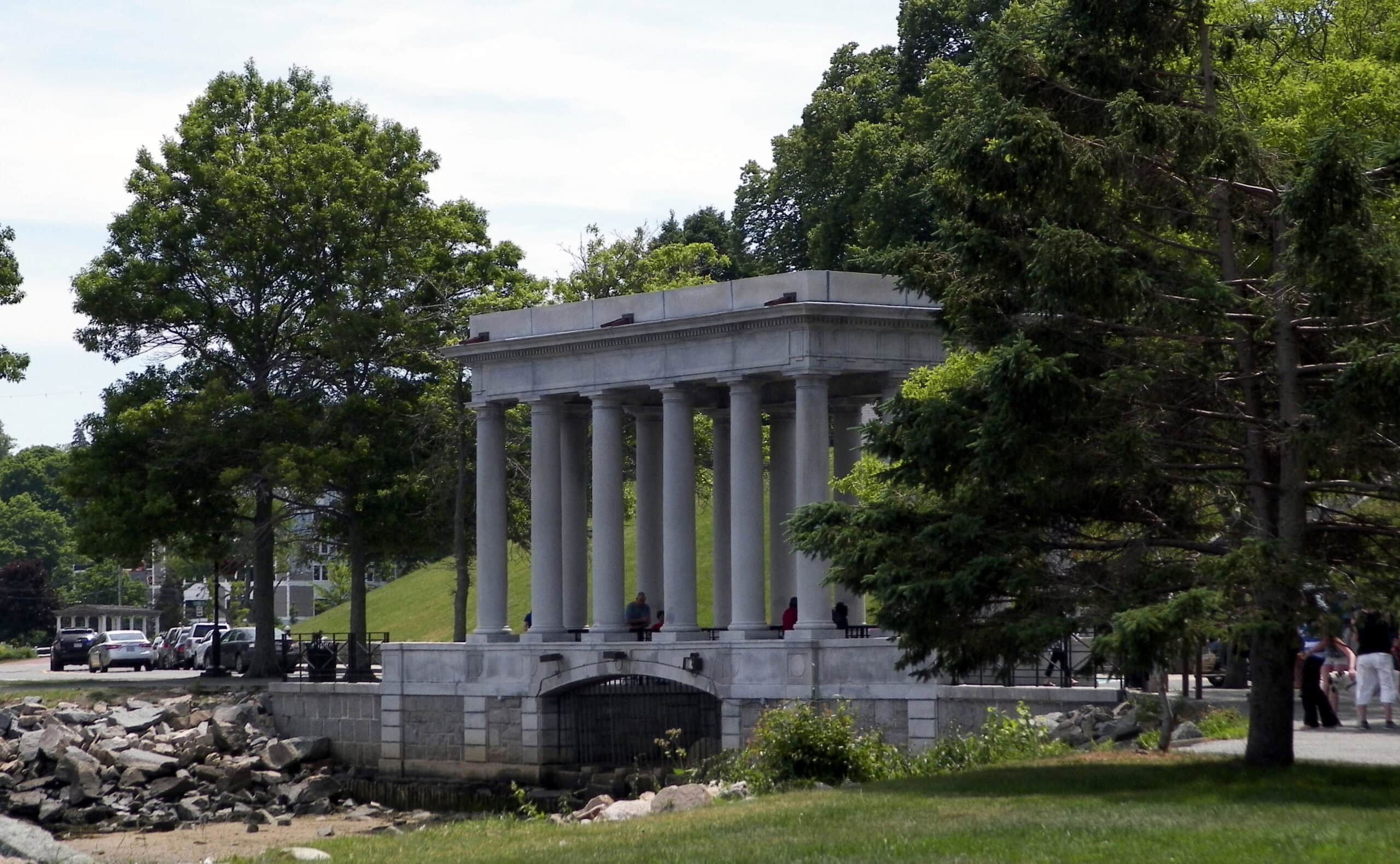
Plymouth Rock carries major symbolic weight in American history, but the actual viewing experience is brief and often smaller than families expect. See Plymouth notes that no historical evidence confirms the boulder as the Pilgrims’ actual stepping stone, even though it later became the accepted symbol, which can change the emotional payoff for visitors expecting a definitive artifact. The harbor setting and nearby museums still give the area depth, but the stop feels strongest when folded into a broader history day, not treated as the centerpiece on its own.
Four Corners Monument, Arizona-New Mexico-Colorado-Utah
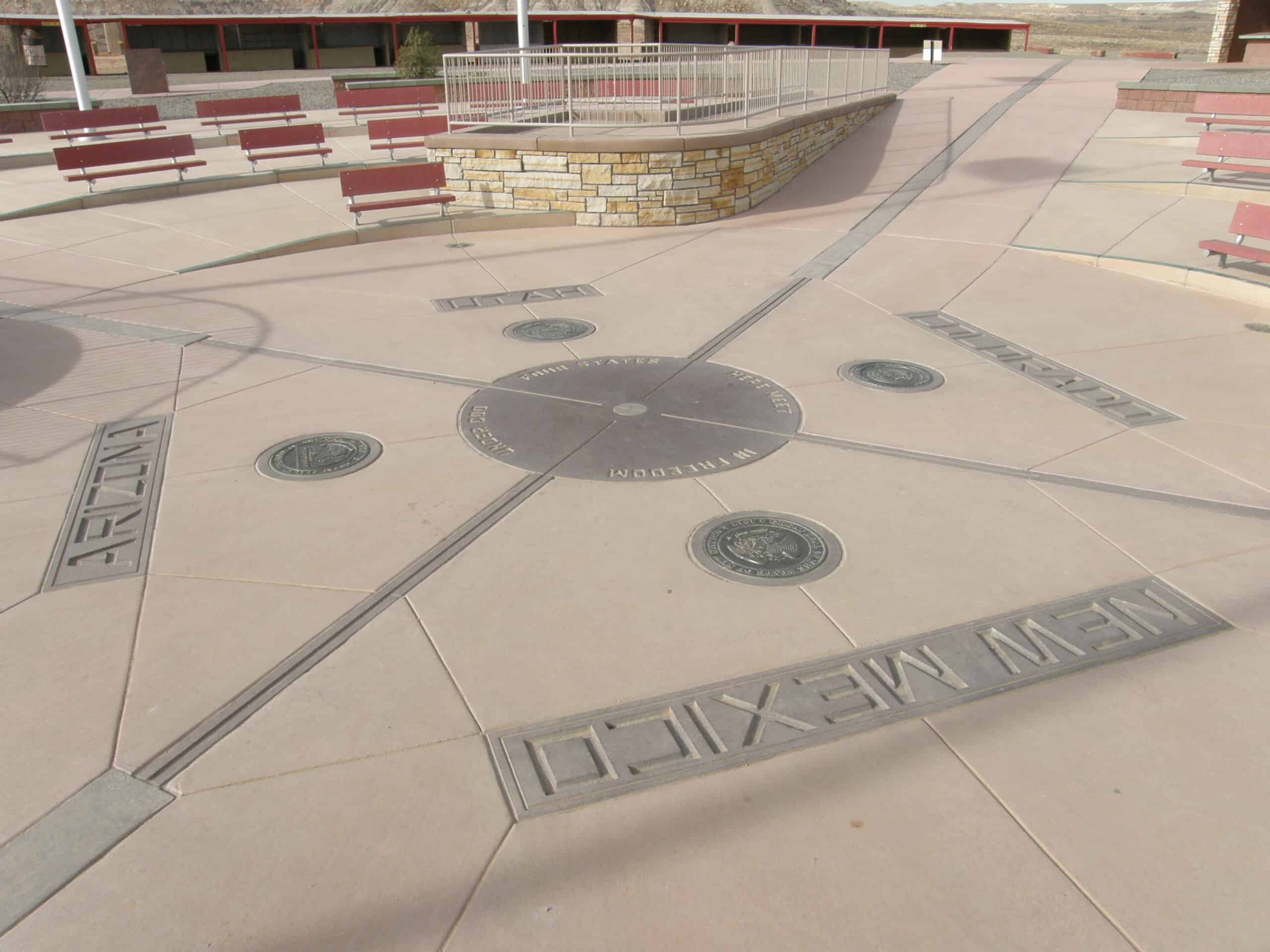
Four Corners Monument offers a genuinely unusual photo and a real geographic novelty, but the visit is usually shorter than the drive required to reach it. Navajo Nation Parks emphasizes the monument setting, operating hours, and vendor area, and the destination functions more like a quick cultural roadside stop than a place built for long exploration. Navajo Nation Parks has also posted fee-update notices for Four Corners, so the stop tends to feel best when expectations stay simple and it is paired with a larger regional road trip.
Mount Rushmore, South Dakota
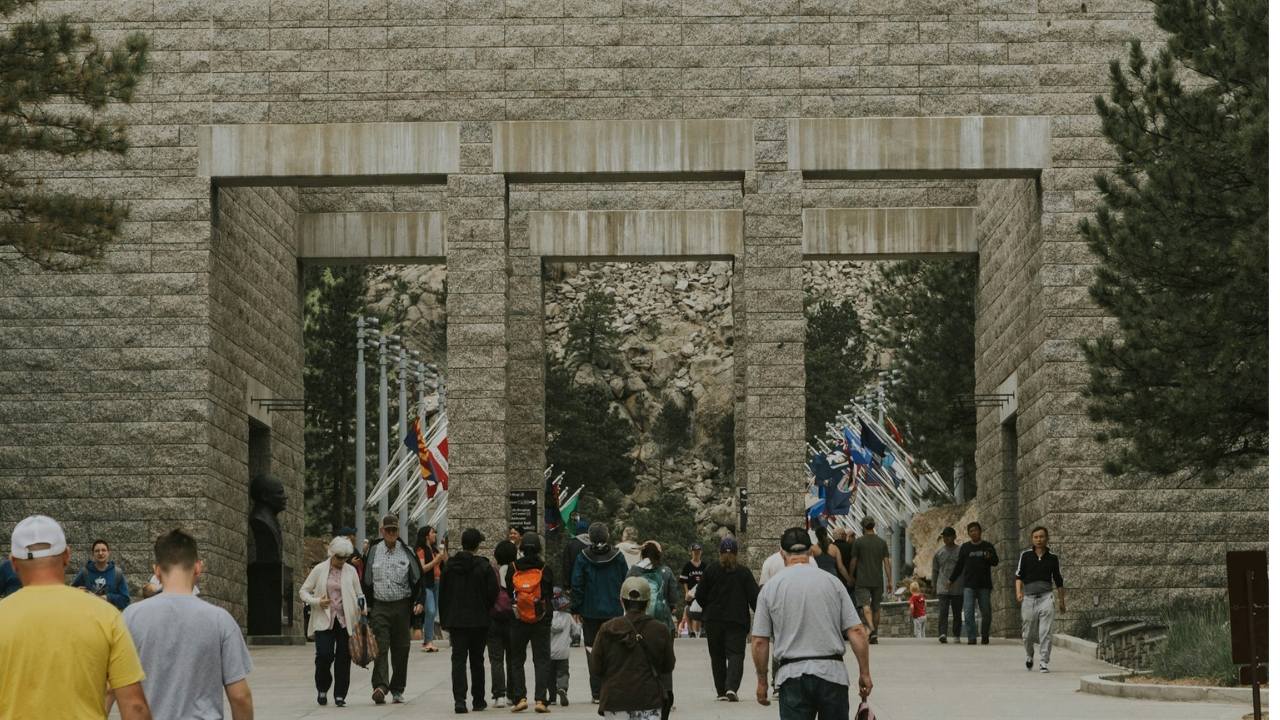
Mount Rushmore is visually powerful, and the first look still lands, but the common regret is treating it like an all-day attraction by itself. The National Park Service notes there is no entrance fee for the memorial, yet parking fees still apply, and many visitors finish the main overlook quickly unless they intentionally add the museum, walking trail, or evening lighting program. On a Black Hills route it works beautifully, but on its own it can feel brief, especially during peak-season traffic windows and crowded midday stops.
Navy Pier, Illinois
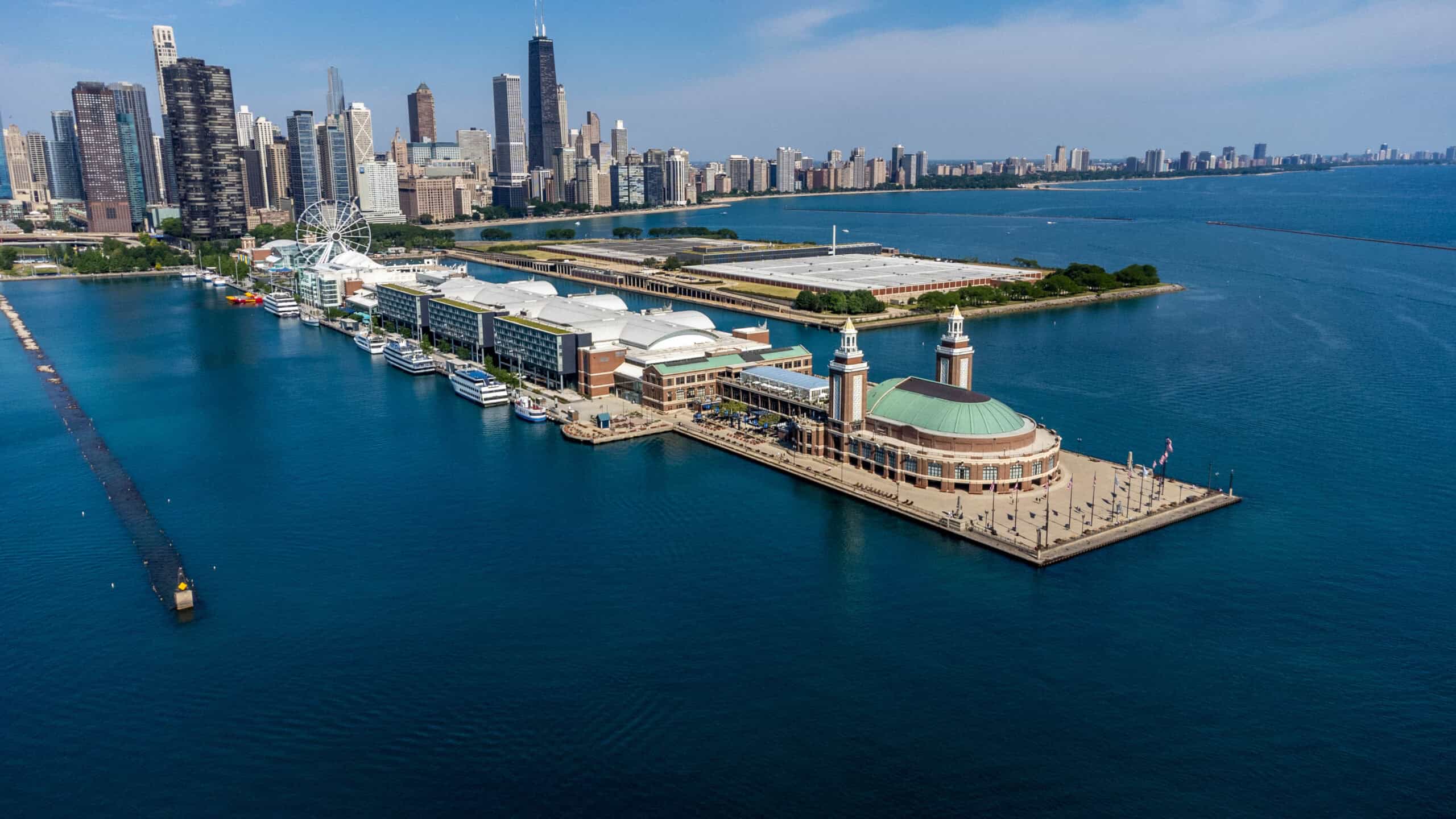
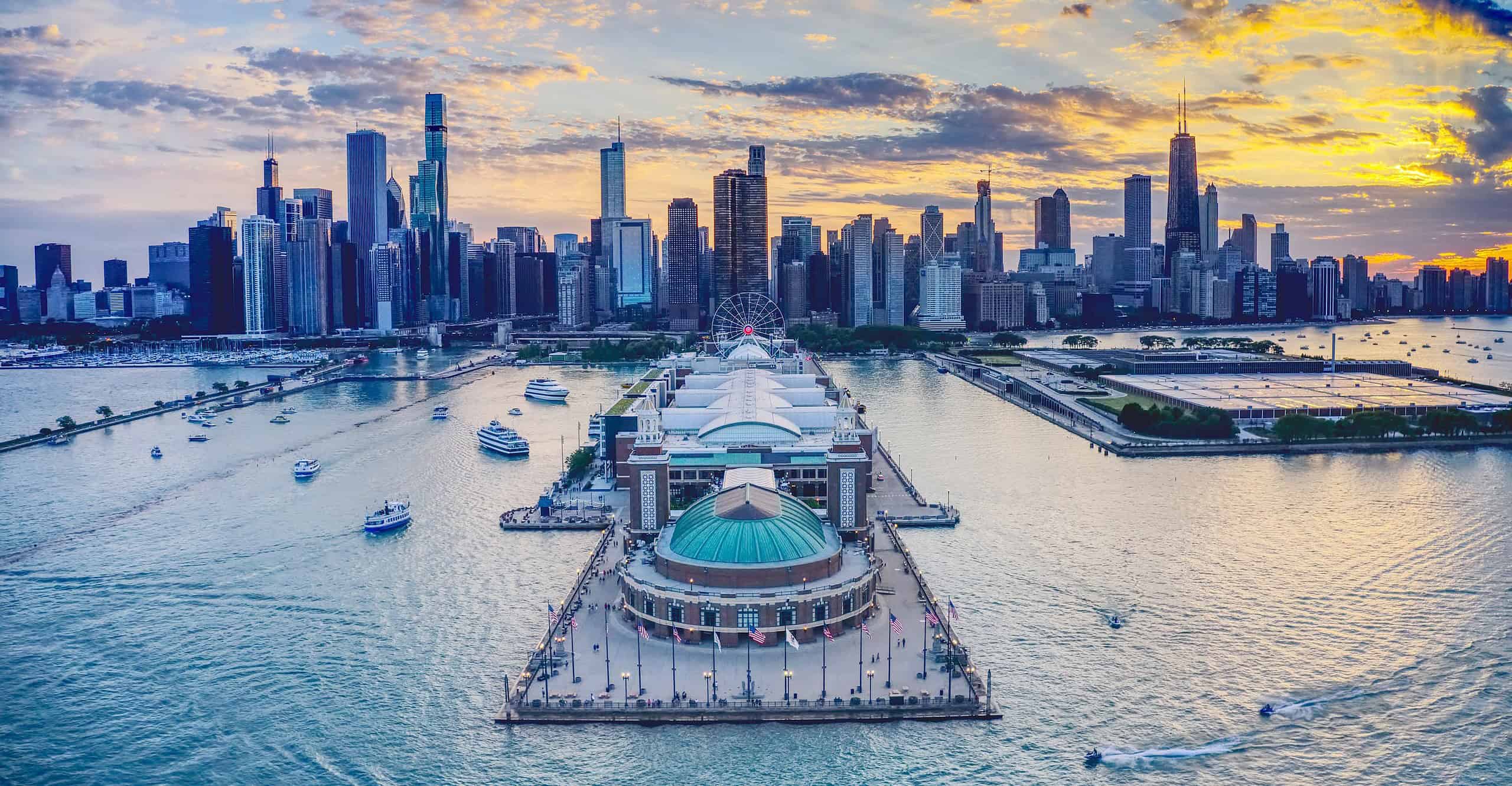
Navy Pier can be a pleasant Chicago stop, but it often disappoints when it is sold as a must-do attraction instead of a flexible lakefront hub. The pier is free to enter, but official parking rates rise quickly, and many visible rides, exhibits, and ticketed experiences inside cost extra, which can make a casual visit feel expensive very fast. It usually feels better when paired with a cruise, nearby neighborhoods, or a specific event, because the value drops quickly when parking, snacks, and one ride become the whole plan.
Statue Of Liberty Ferry Area, New York
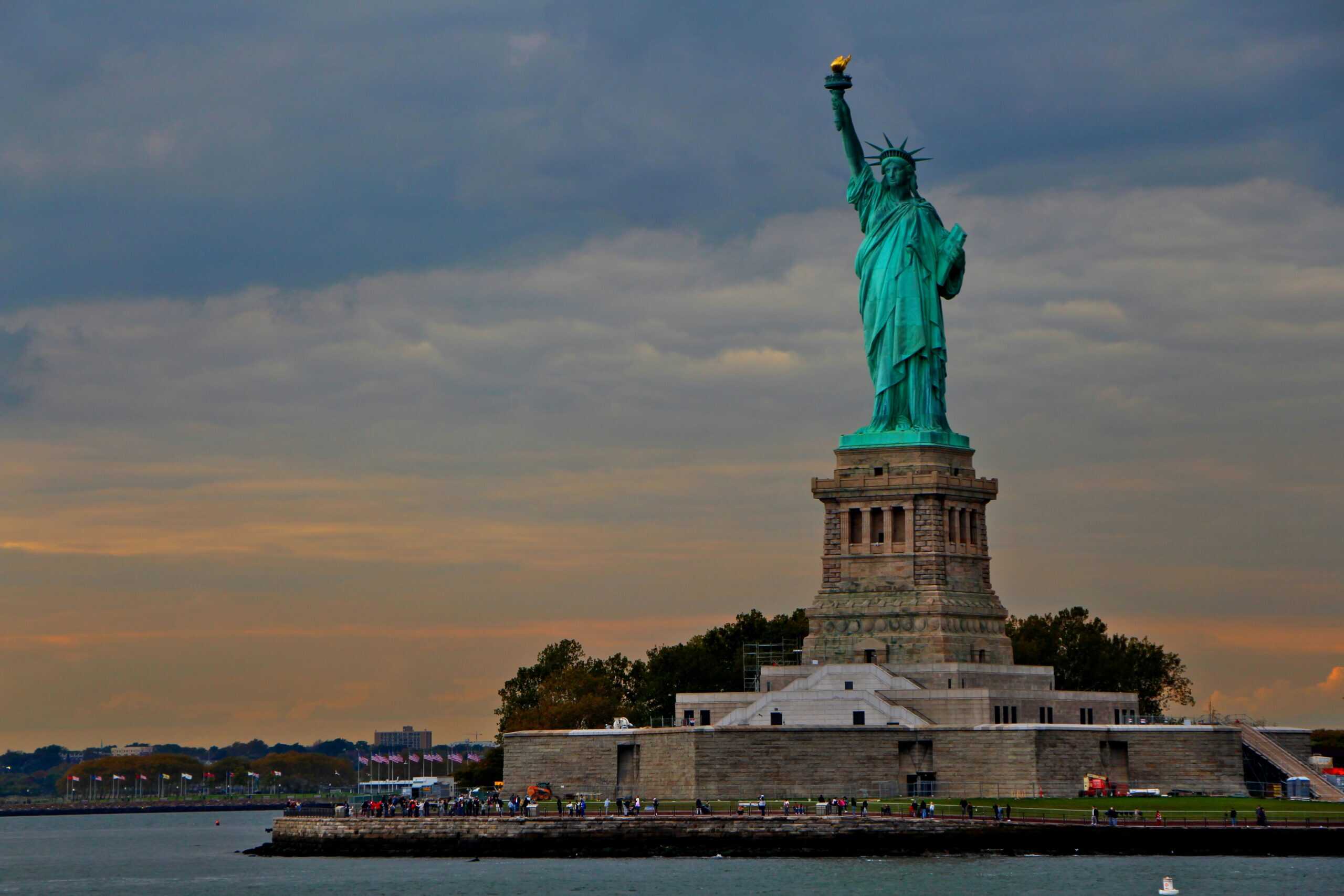
The Statue of Liberty remains a classic New York experience, but the biggest money mistakes often happen before the ferry even leaves the dock. The National Park Service states that the museums do not charge an entrance fee, yet ferry transportation is required, and both NPS and the official operator stress using Statue City Cruises, with crown access requiring advance reservations and no same-day crown tickets. Visitors who arrive without a plan can lose time, overpay, or miss the access level they expected, especially during busy travel periods.
Empire State Building Observatory, New York
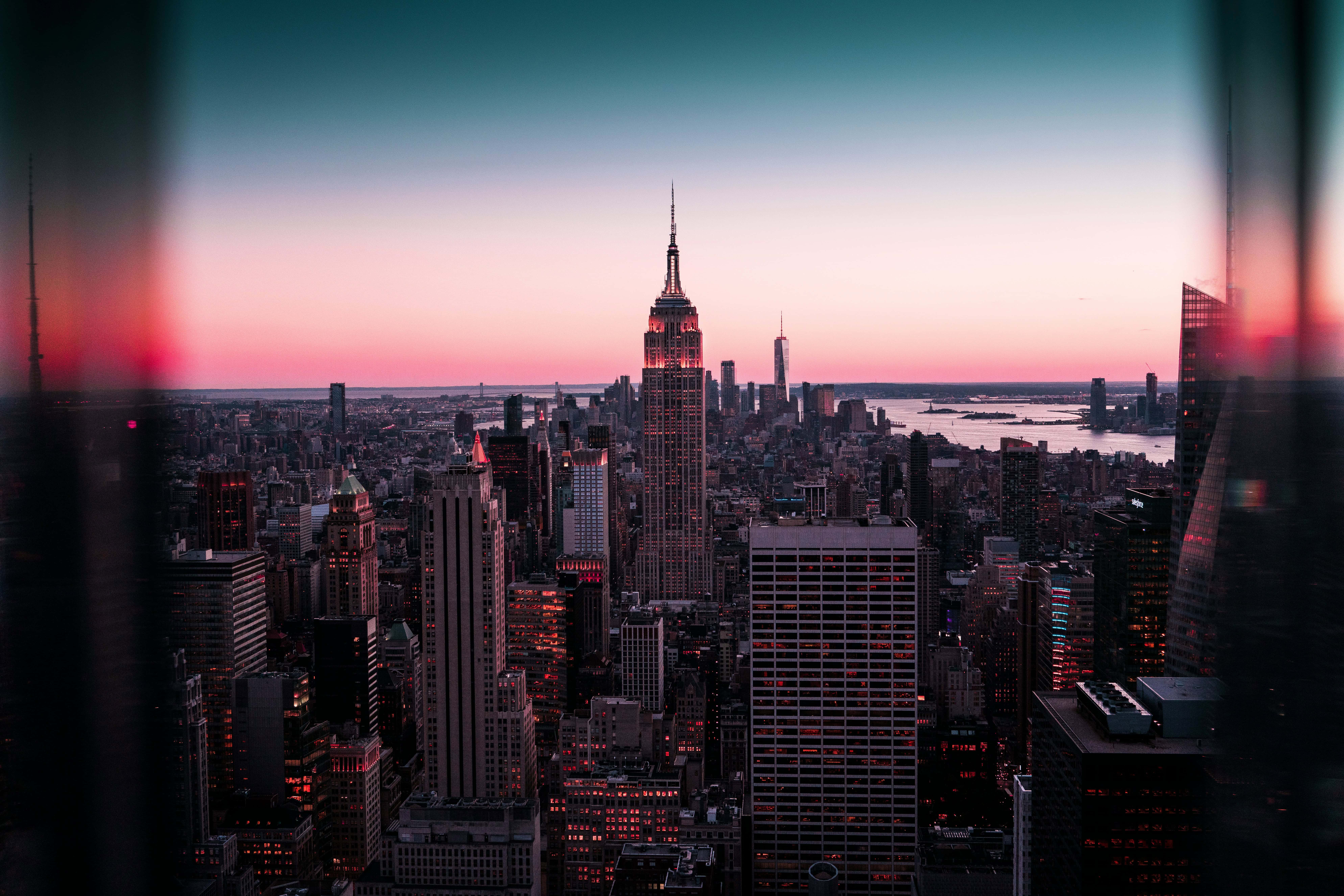
The Empire State Building observatory is iconic, but the pricing ladder catches many travelers off guard when they try to visit on impulse. Official ticket pages show the 86th-floor deck starting at $44 for adults and note a booking charge per transaction, while upgraded experiences climb quickly and can reshape a trip budget in minutes. The skyline view is still memorable, yet the value tends to feel much stronger when the visit is timed well and compared against other city viewpoints before spending.
Skydeck Chicago, Illinois
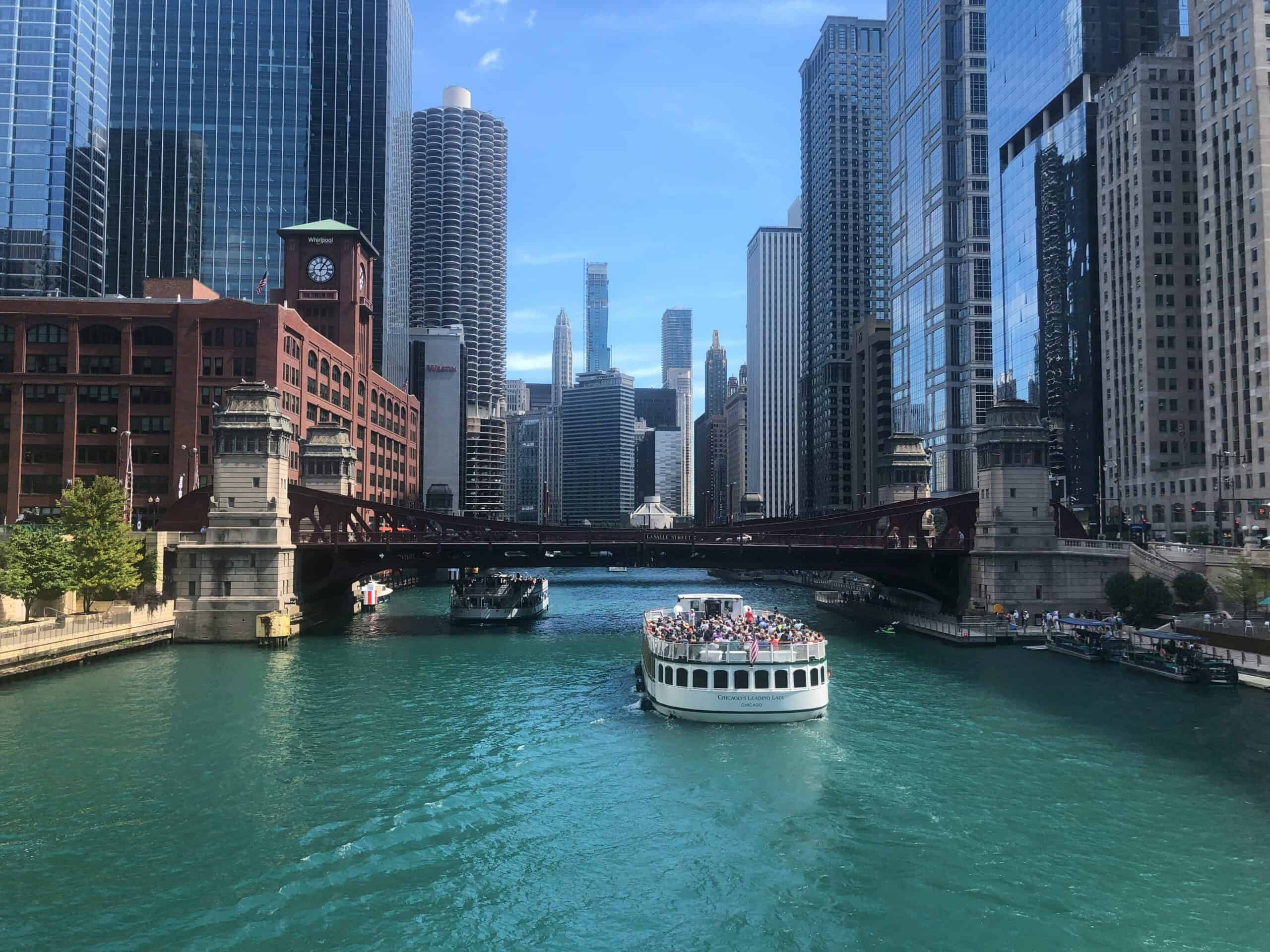
Skydeck Chicago earns its fame from The Ledge, but that same photo-driven appeal can make the experience feel rushed on a crowded day. Official pricing starts at $32 for adult general admission, with expedited entry priced higher, and much of the visit can hinge on how long the line is for a brief turn on the glass boxes. When crowd levels are manageable it feels thrilling, but on packed days many people feel they paid mostly for a quick picture, long indoor waiting, and a tightly paced queue system.
Space Needle, Washington
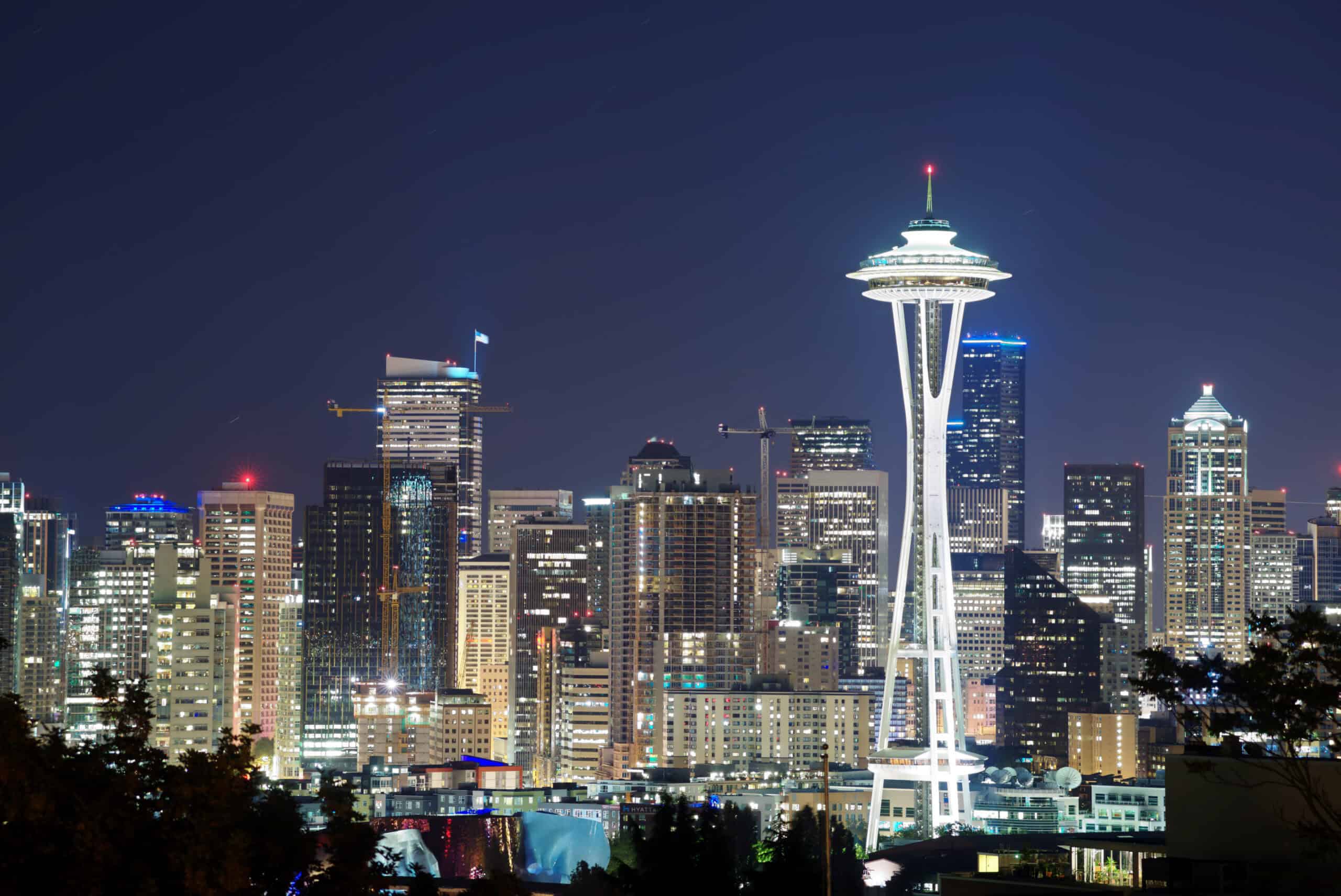
Seattle’s Space Needle absolutely looks the part, but the ticket price pushes expectations higher than the visit sometimes has time to satisfy. The official site lists general admission at $49, with combo and pass options costing more, so the stop can feel pricey when treated as a stand-alone outing instead of part of a broader Seattle Center plan. The views and design are still strong, but the experience feels more balanced when paired with nearby museums, gardens, or a full afternoon in the surrounding district.
Gateway Arch Tram Ride, Missouri
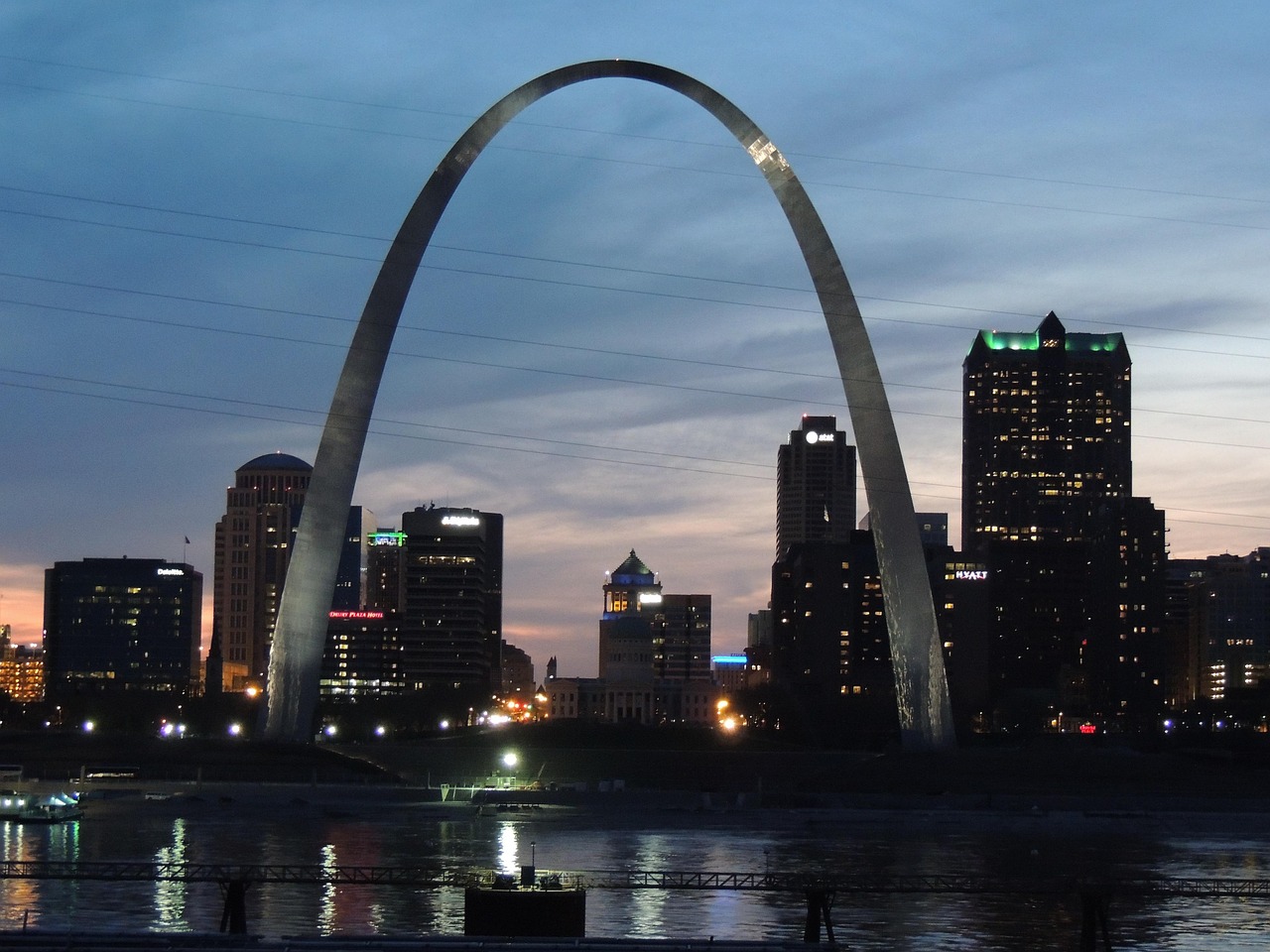
The Gateway Arch remains a striking monument, but the tram ride to the top can feel surprisingly brief compared with the build-up around it. Official ticket information notes that time at the top is limited to under 10 minutes, even on bundled packages, which is a detail many people only learn after they have already paid. The stop improves a lot when it is paired with the museum or riverfront, but on its own it can feel like a quick up-and-down experience with very little lingering time.
Grand Canyon West Skywalk, Arizona
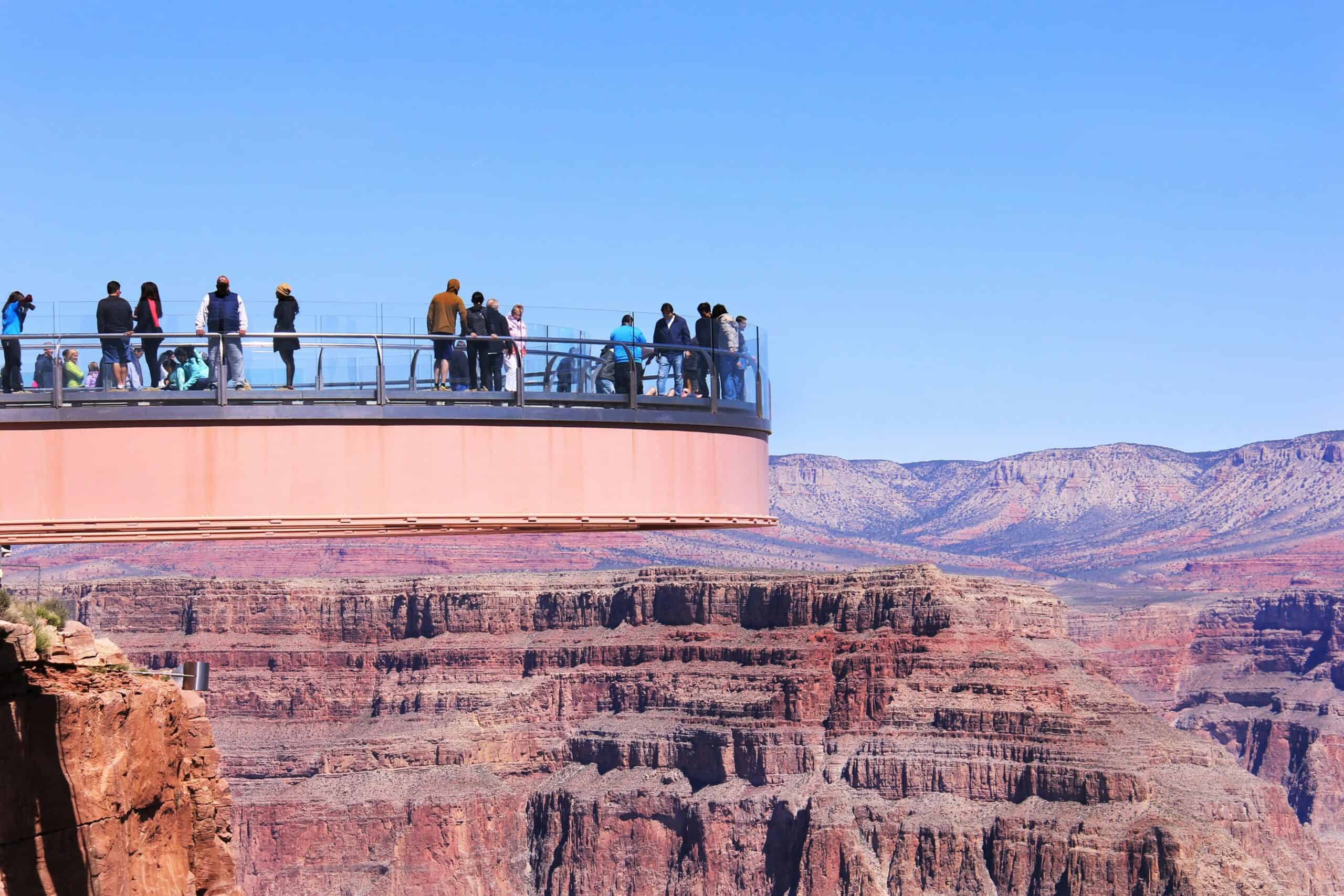
Grand Canyon West’s Skywalk is dramatic and memorable, but the pricing and rules make it feel more packaged than many travelers expect. The official West Rim site promotes an All-Access Pass at $99 plus fees and notes that the attraction is on the Hualapai Reservation, not in Grand Canyon National Park, which surprises many first-time visitors. Add the locker use and item restrictions on the glass bridge, and the stop can feel tightly managed unless the full West Rim day, shuttle stops, and viewpoints are part of the plan.
Alcatraz Island, California
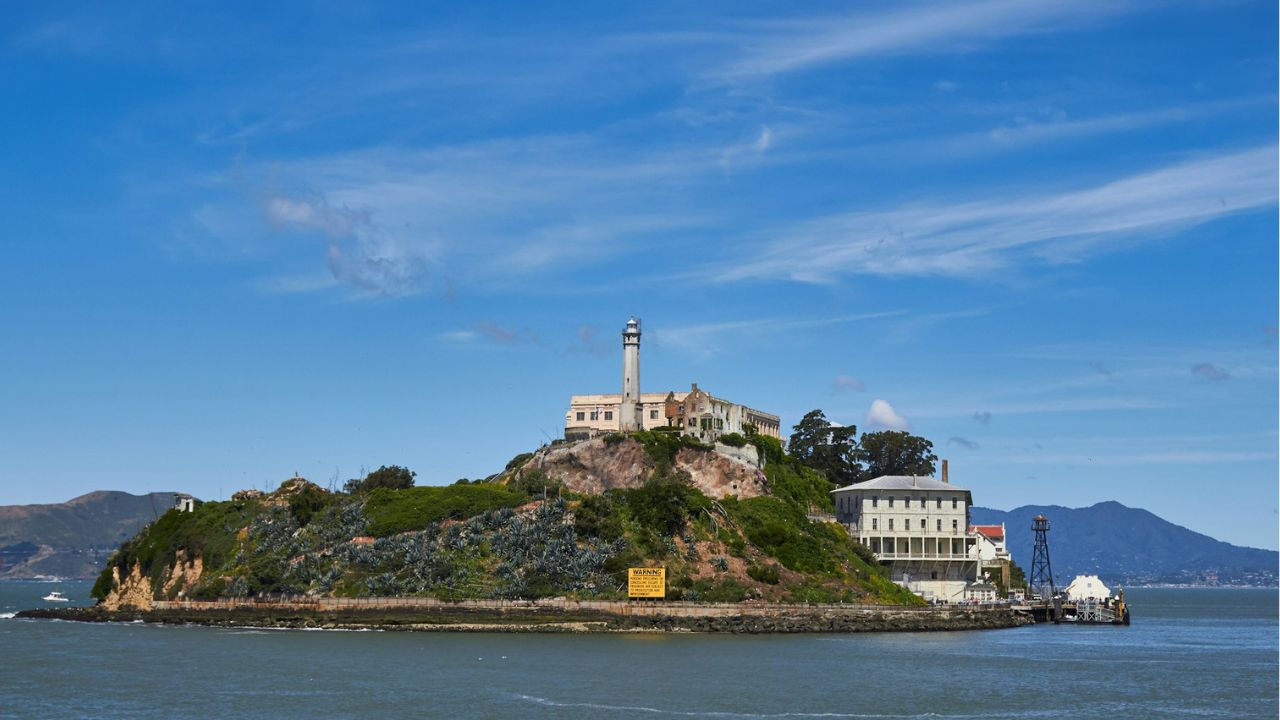
Alcatraz is one of the strongest historic visits in San Francisco, but poor planning is what turns it into a frustrating and expensive day. The National Park Service says ferry tickets are required and strongly recommends advance reservations through Alcatraz City Cruises, and the official operator’s pages regularly flag sold-out dates, which leaves little room for last-minute decisions. When travelers wait too long, they often scramble for alternate cruises or rebuild the day around whatever is left, and that is where the regret starts.