We may earn money or products from the companies mentioned in this post. This means if you click on the link and purchase the item, I will receive a small commission at no extra cost to you ... you're just helping re-supply our family's travel fund.
Not every city in America pulses with nonstop nightlife or endless cultural festivals. Some places are calmer, slower, and built more around routine than spectacle. “Boring” is subjective, yet certain cities repeatedly earn that label due to limited late-night scenes, smaller entertainment districts, or quieter population trends. Below is a balanced, data-grounded look at 13 U.S. cities frequently described this way. Each profile blends population figures, climate realities, economic structure, and lifestyle rhythm to offer a fuller picture beyond the stereotype.
1. Jacksonville, Florida
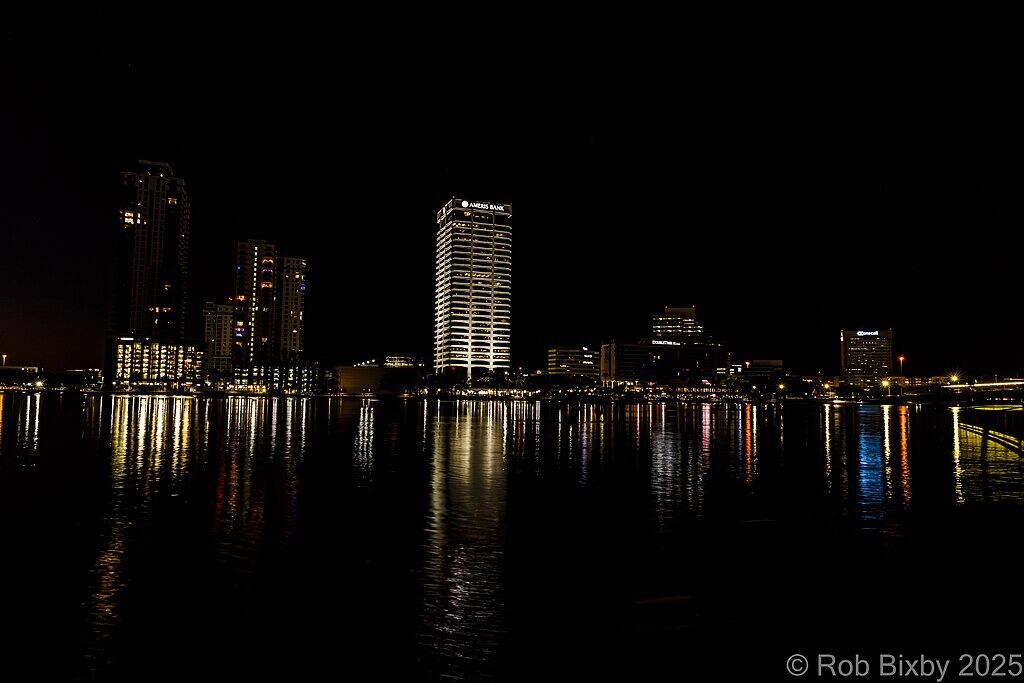
Jacksonville has about 950,000 residents, making it Florida’s most populous city by land area, yet much of that space feels spread out and suburban. Downtown foot traffic drops sharply after 7 p.m., and nightlife remains concentrated in a few pockets.
The median age is around 36, and average summer highs exceed 90°F, limiting daytime activity for months. Beaches are scenic but relaxed rather than party-driven. While housing costs remain lower than Miami, cultural density and walkable entertainment districts are comparatively thin.
2. Oklahoma City, Oklahoma
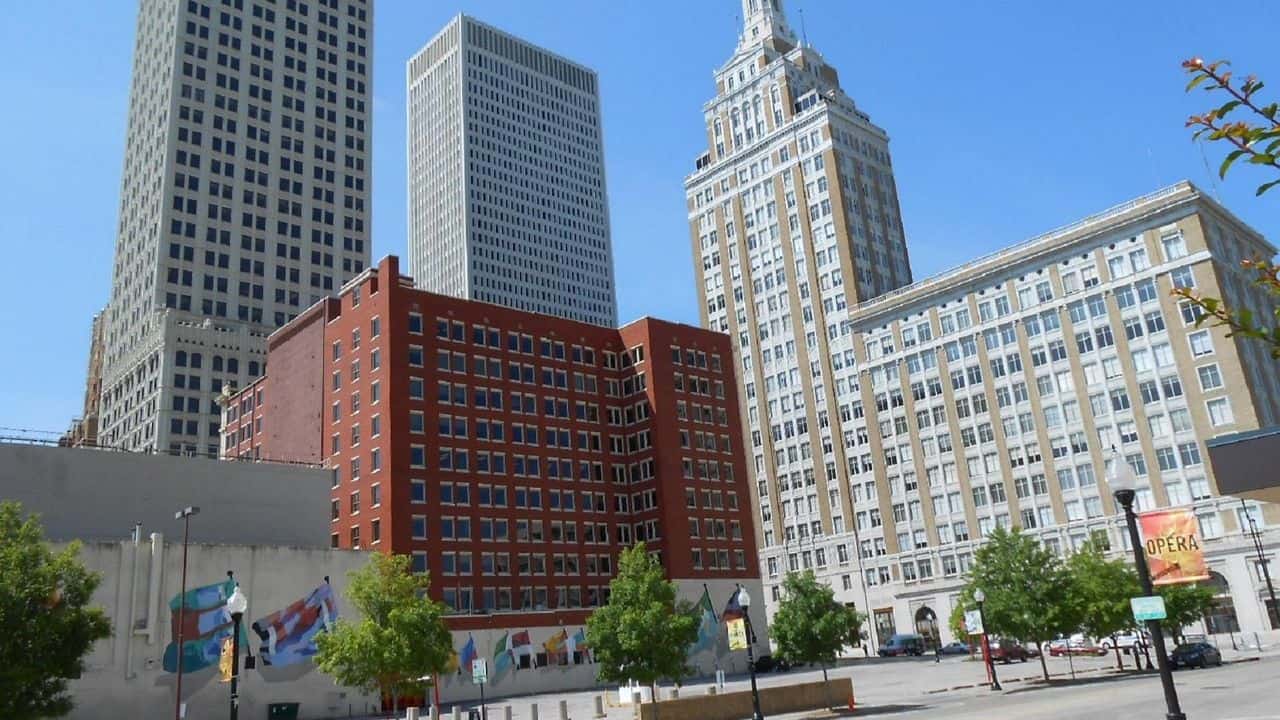
Oklahoma City is home to roughly 700,000 people and spans more than 600 square miles, creating long drives between attractions. Bricktown offers restaurants and bars, yet options feel modest compared to larger metros.
The median household income sits near $65,000, and winters bring average lows around 28°F. Public transit usage remains under 3 percent of commuters. While affordability is strong, large-scale festivals and late-night venues are limited, reinforcing its quieter reputation.
3. Wichita, Kansas
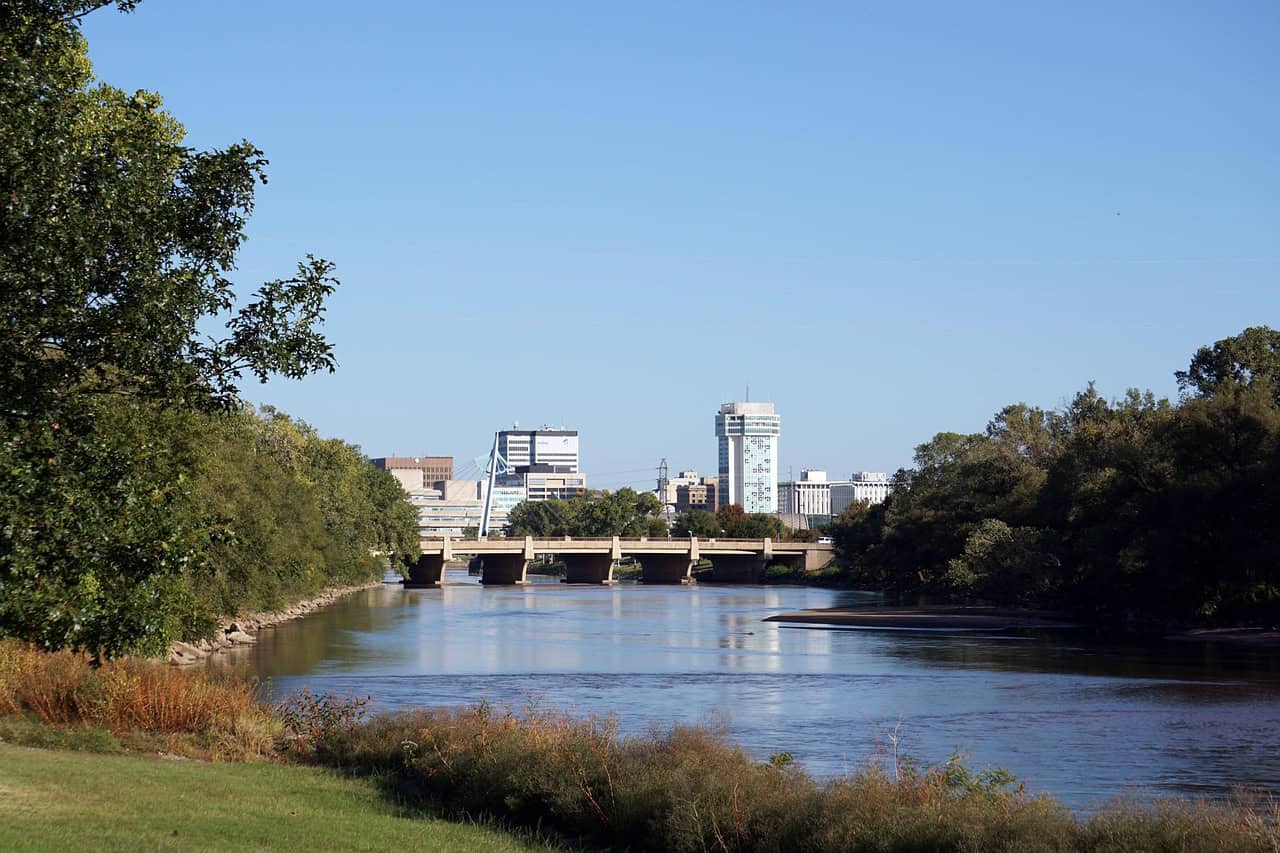
With a population near 395,000, Wichita functions largely as an aviation and manufacturing hub. The median home price remains below $220,000, attracting families seeking stability rather than excitement.
Average January temperatures hover near 30°F, and nightlife districts are compact. Cultural events occur periodically but rarely draw national attention. Younger residents often relocate for broader career or social opportunities, leaving behind a calm, predictable daily rhythm.
4. Fort Wayne, Indiana
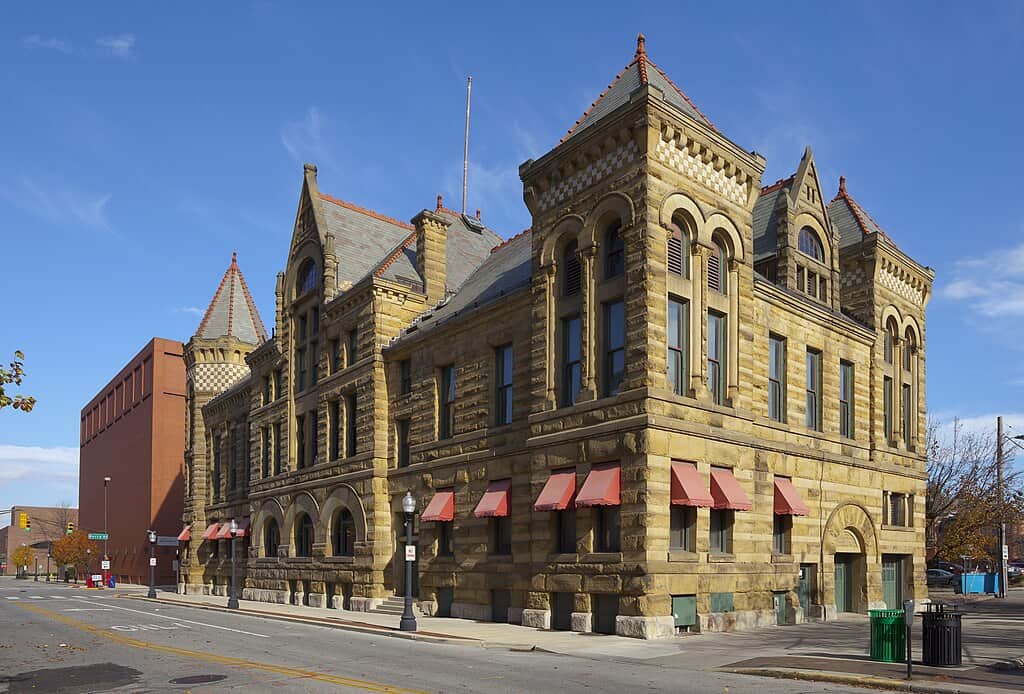
Fort Wayne has approximately 270,000 residents and a median age close to 35. Living costs are about 15 percent below the national average, making it financially practical.
However, winters bring over 30 inches of snow annually, and downtown activity slows considerably after work hours. Entertainment clusters are small, and major touring acts often skip the city. Residents value safety and affordability, though high-energy nightlife is limited.
5. Corpus Christi, Texas
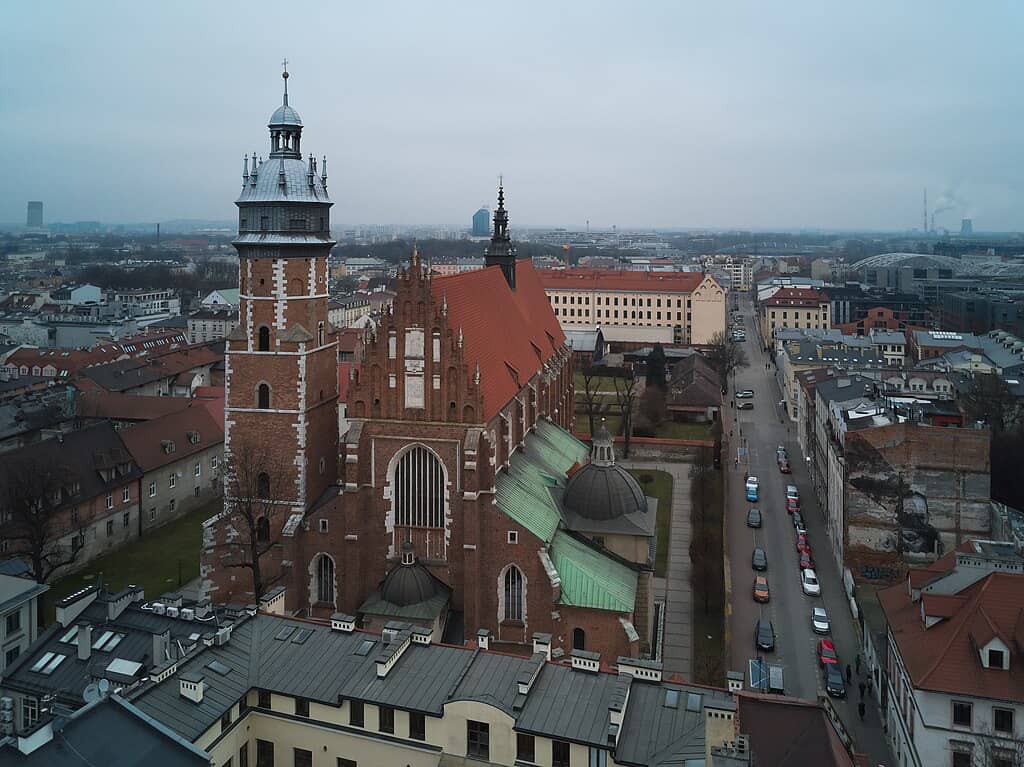
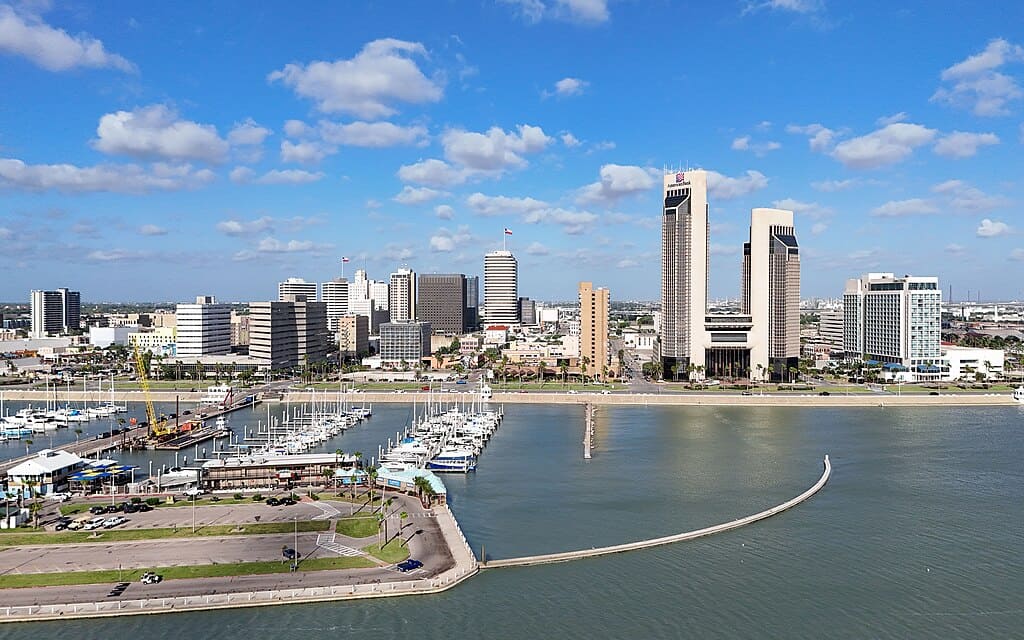
Along the Gulf Coast, Corpus Christi counts around 315,000 residents. Tourism supports parts of the economy, yet nightlife remains modest compared to other beach cities.
Summer highs average 93°F, and humidity often exceeds 70 percent. The job market leans toward energy and port operations. While waterfront views are appealing, large entertainment venues and diverse cultural districts remain relatively scarce for a city its size.
6. Des Moines, Iowa
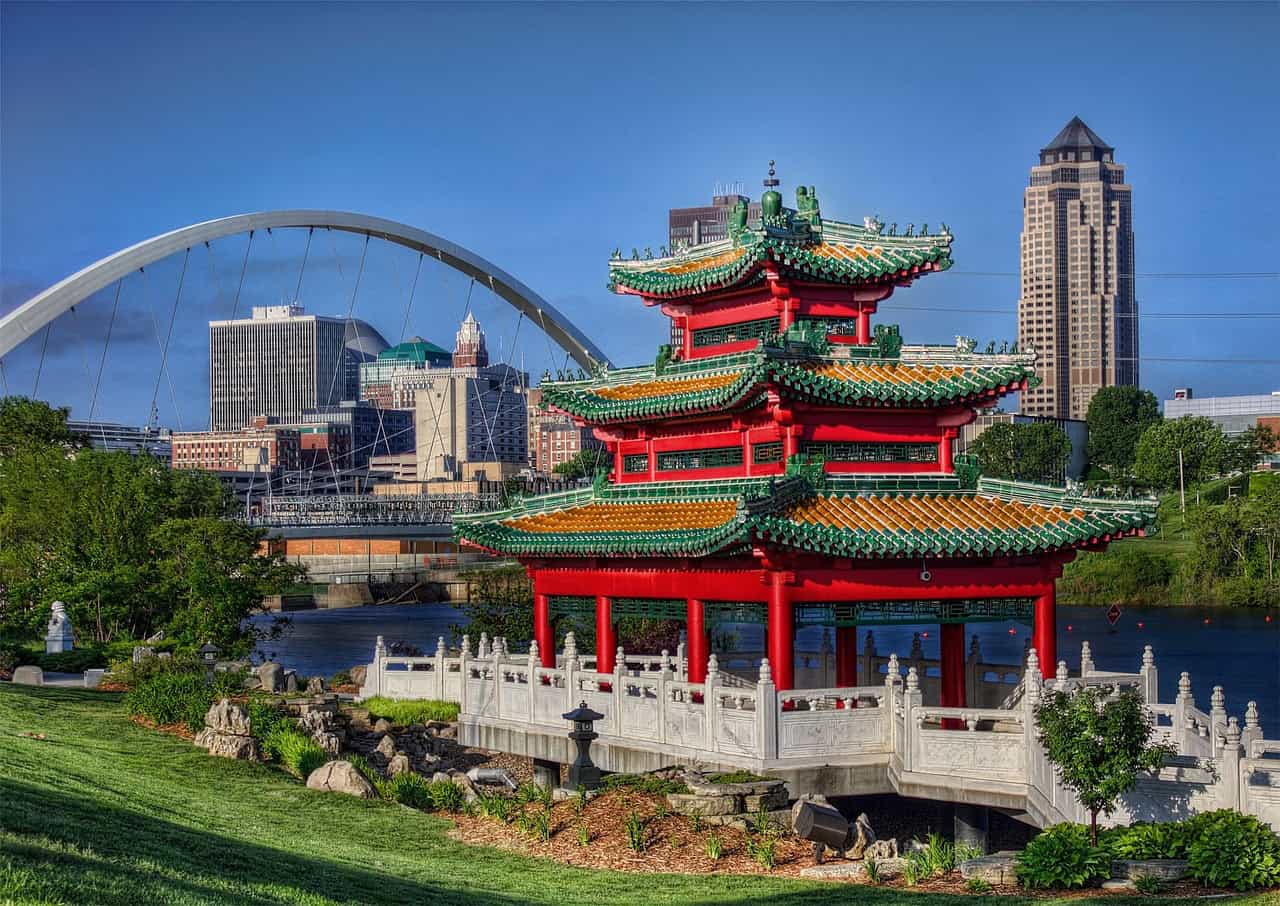
Des Moines holds roughly 215,000 residents, with a metro nearing 700,000. The median household income exceeds $70,000, reflecting economic stability.
Yet winter lows frequently dip below 20°F, and snowfall averages over 30 inches yearly. Downtown is tidy but compact, and nightlife options concentrate within a few streets. It excels in safety and affordability, though large-scale cultural variety is restrained.
7. Spokane, Washington
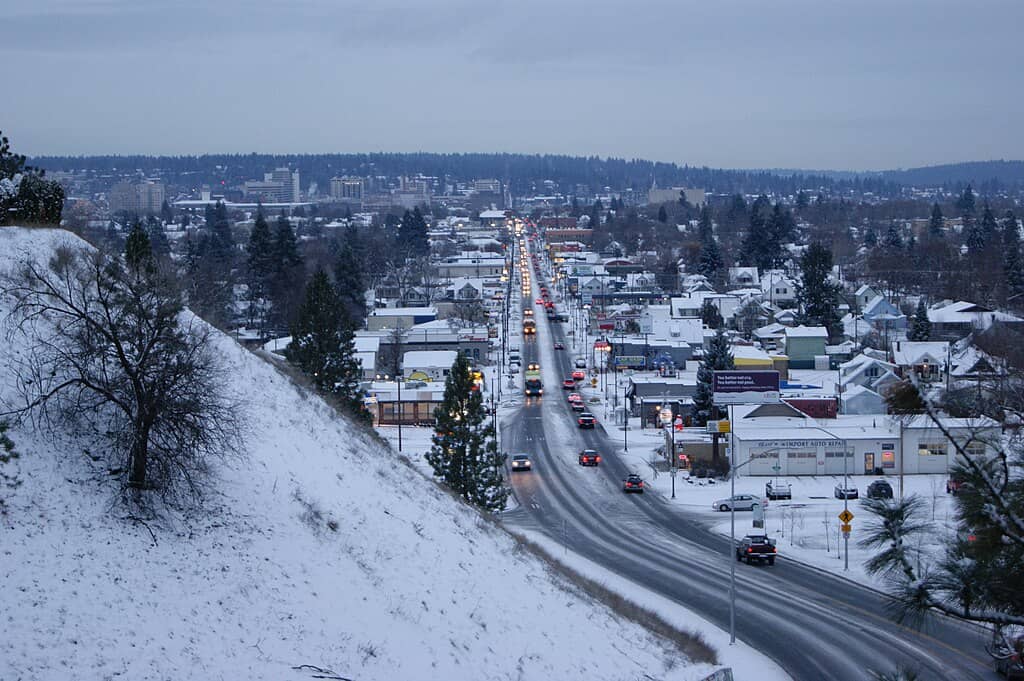
Spokane has about 230,000 residents and sits far from Seattle’s urban intensity. Outdoor recreation is abundant, yet entertainment venues are fewer than in larger Pacific Northwest cities.
Annual snowfall averages nearly 45 inches, and winter cloud cover is common. Median home prices have climbed above $380,000, narrowing affordability advantages. While scenic, the city’s event calendar and nightlife density remain comparatively limited.
8. Boise, Idaho
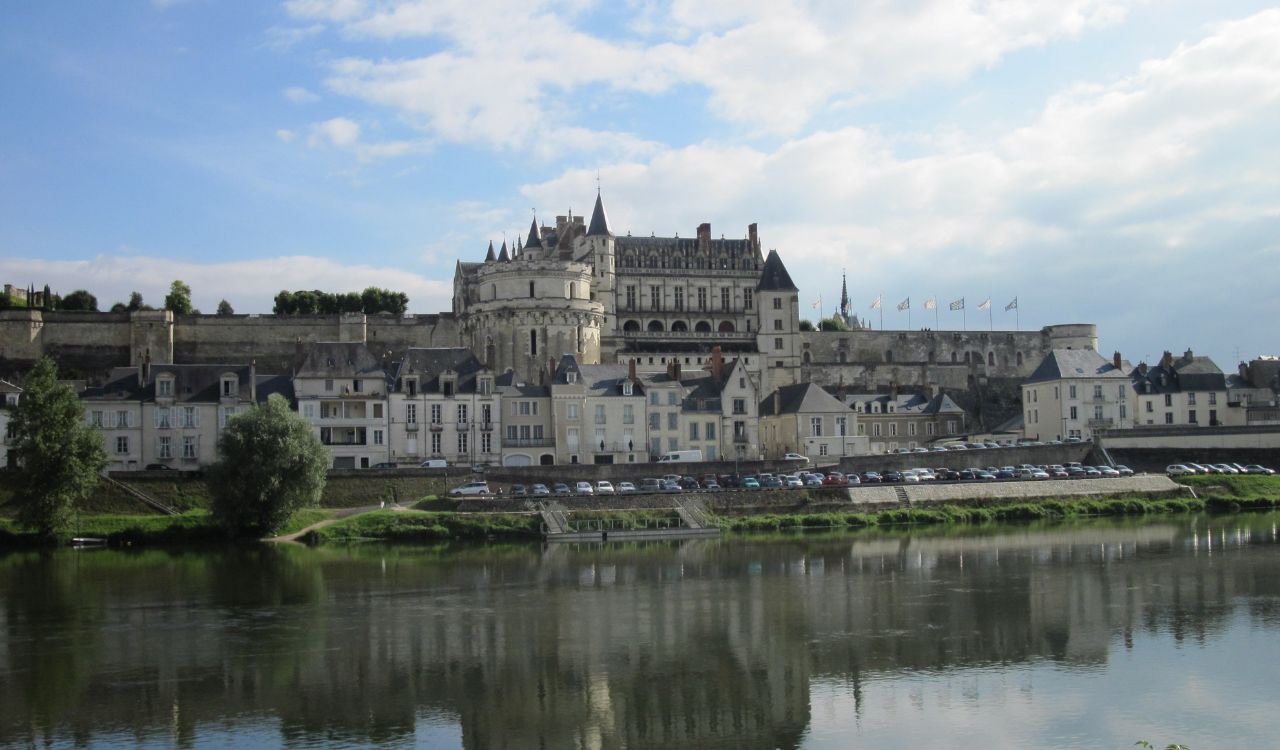
With roughly 240,000 residents, Boise is one of the fastest-growing mid-sized cities in the country. The median age is about 37, and outdoor recreation defines much of local culture.
Housing prices now exceed $450,000 on average, yet nightlife venues remain modest in number. Concert tours often bypass the city. It offers safety and scenic living, though urban entertainment expansion has not matched population growth.
9. Lubbock, Texas
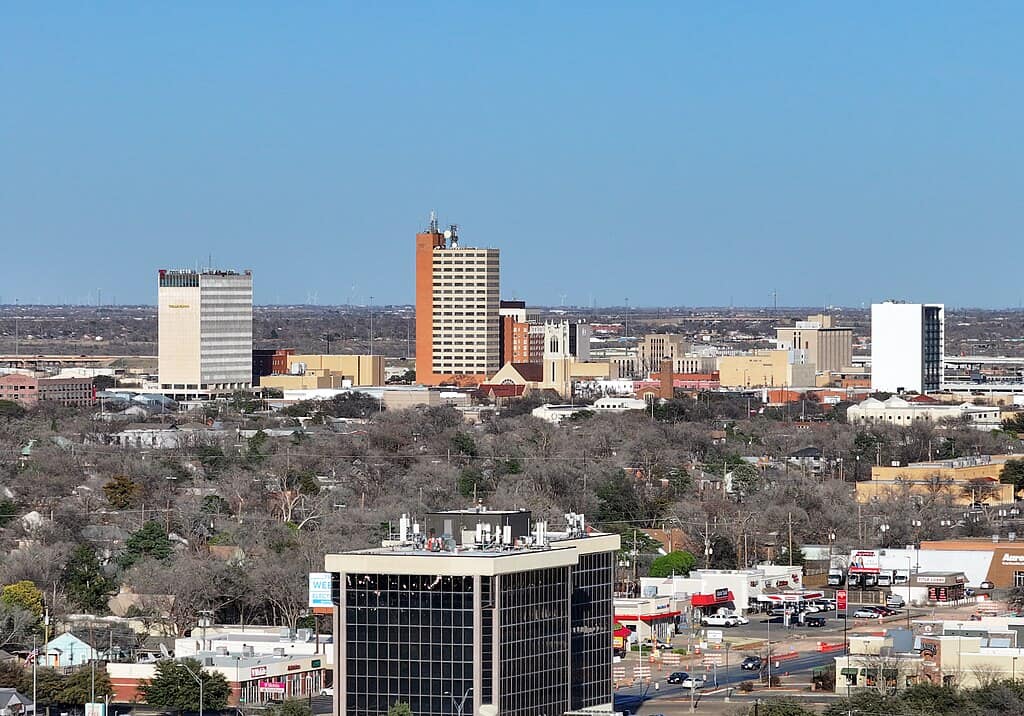
Lubbock, home to Texas Tech University, has around 260,000 residents. College enrollment fuels seasonal energy, yet outside campus life options narrow.
Summer highs regularly surpass 95°F, and the flat High Plains landscape shapes daily routines. Median home values remain under $210,000. After graduation season, social activity slows, reinforcing its reputation as steady but not especially dynamic.
10. Bakersfield, California
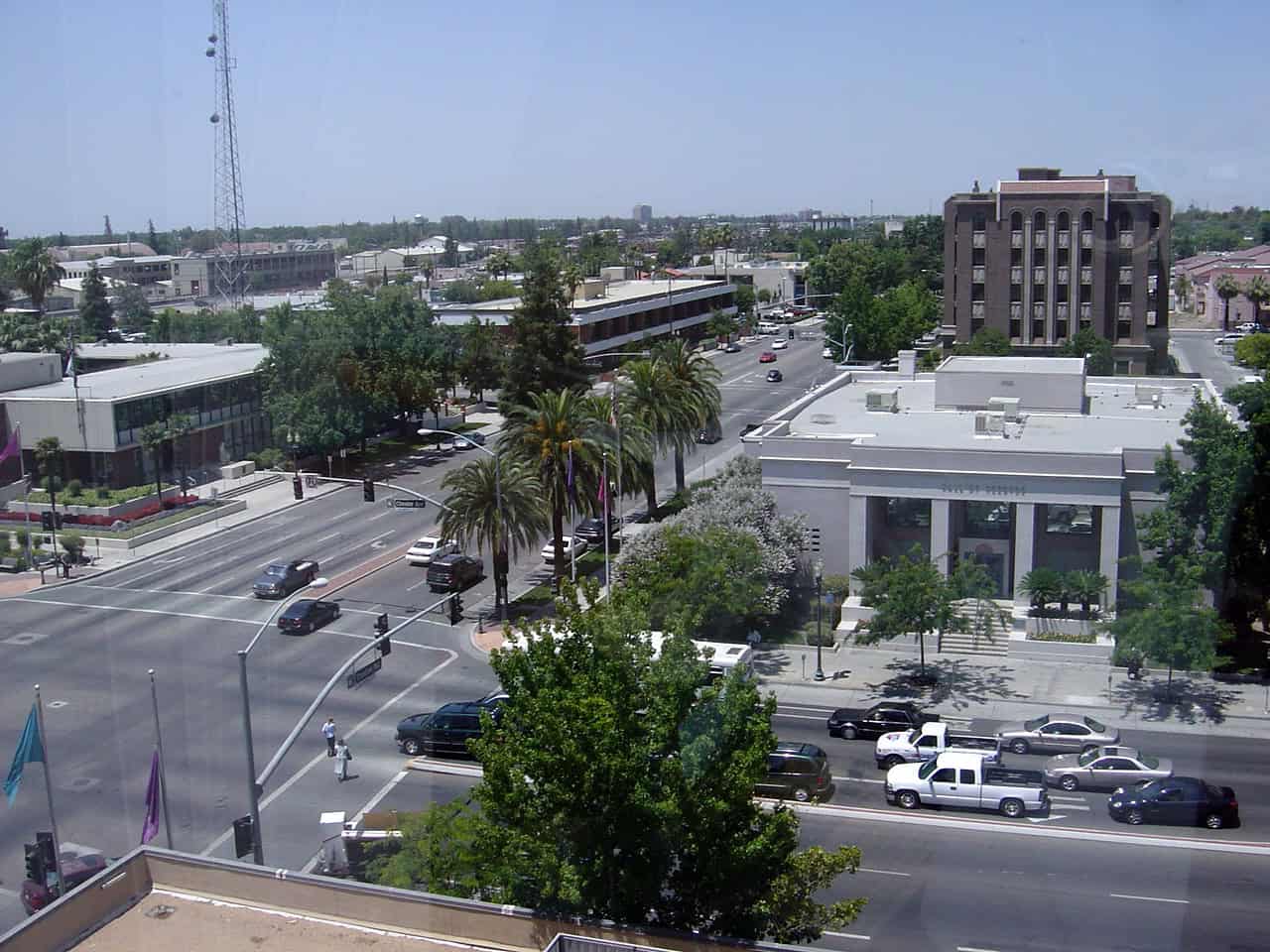
Bakersfield counts about 410,000 residents and relies heavily on agriculture and oil production. Median household income sits near $66,000, below California’s coastal cities.
Summer temperatures often exceed 100°F, and air quality ranks among the state’s weakest. Cultural districts are smaller than those in Los Angeles. While housing costs are lower than coastal averages, entertainment and nightlife density remain modest.
11. Anchorage, Alaska
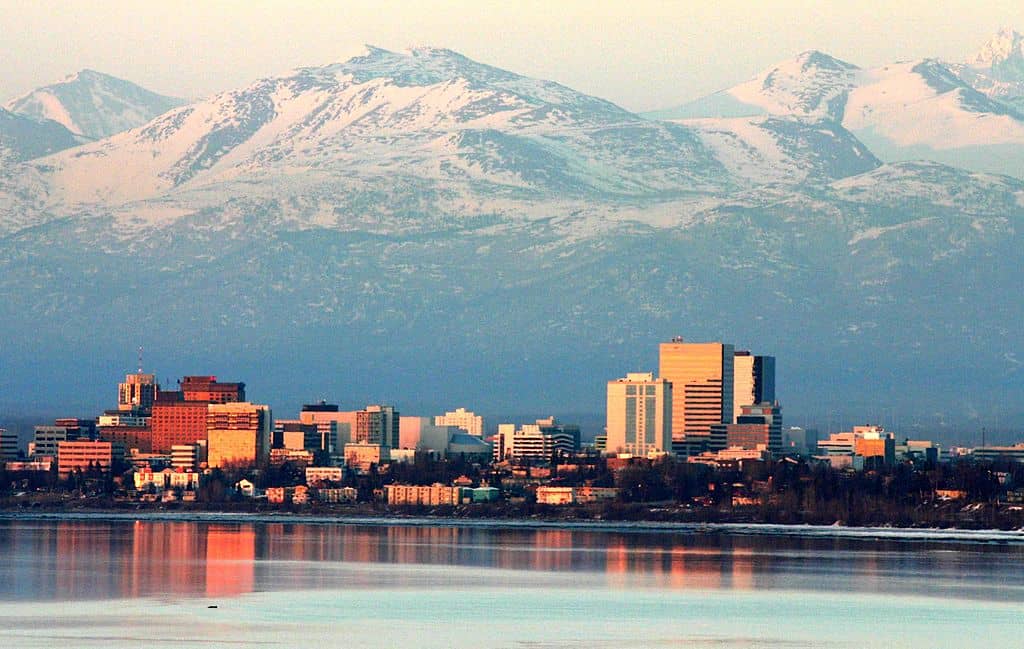
Anchorage has approximately 290,000 residents, making it Alaska’s largest city. Winter daylight can shrink to under six hours in December, affecting activity levels.
Median home prices hover near $380,000, and travel to the continental U.S. is costly. Outdoor adventure is exceptional, yet indoor entertainment venues are limited. Its isolation and long winters contribute to a quieter, slower social environment.
12. Rochester, New York
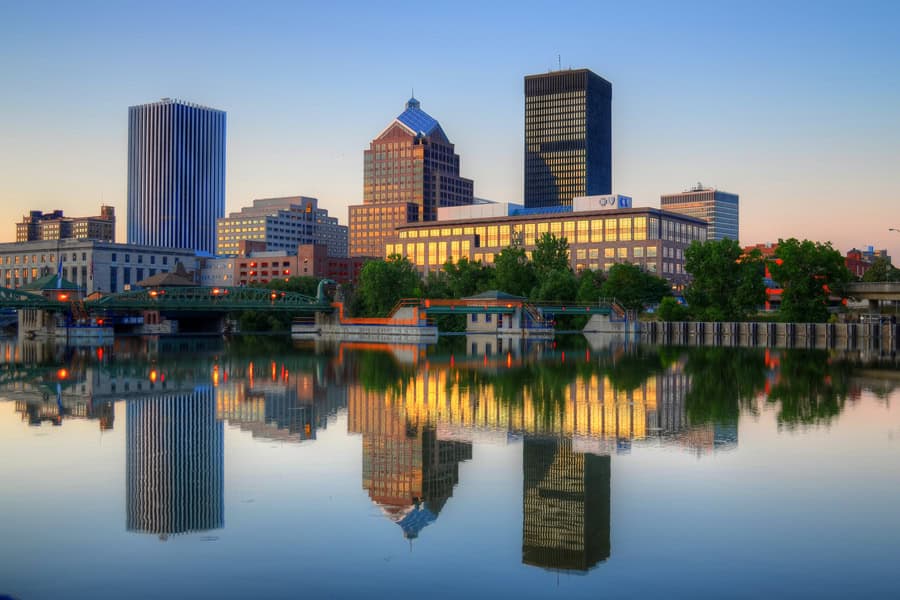
Rochester has about 210,000 residents, down from mid-20th-century peaks. Median home prices remain near $190,000, attracting budget-minded buyers.
Lake-effect snow pushes annual totals above 90 inches, and winter temperatures average below freezing. Cultural institutions exist but operate on a smaller scale than in Buffalo or NYC. Affordable living offsets, but nightlife breadth remains contained.
13. Montgomery, Alabama
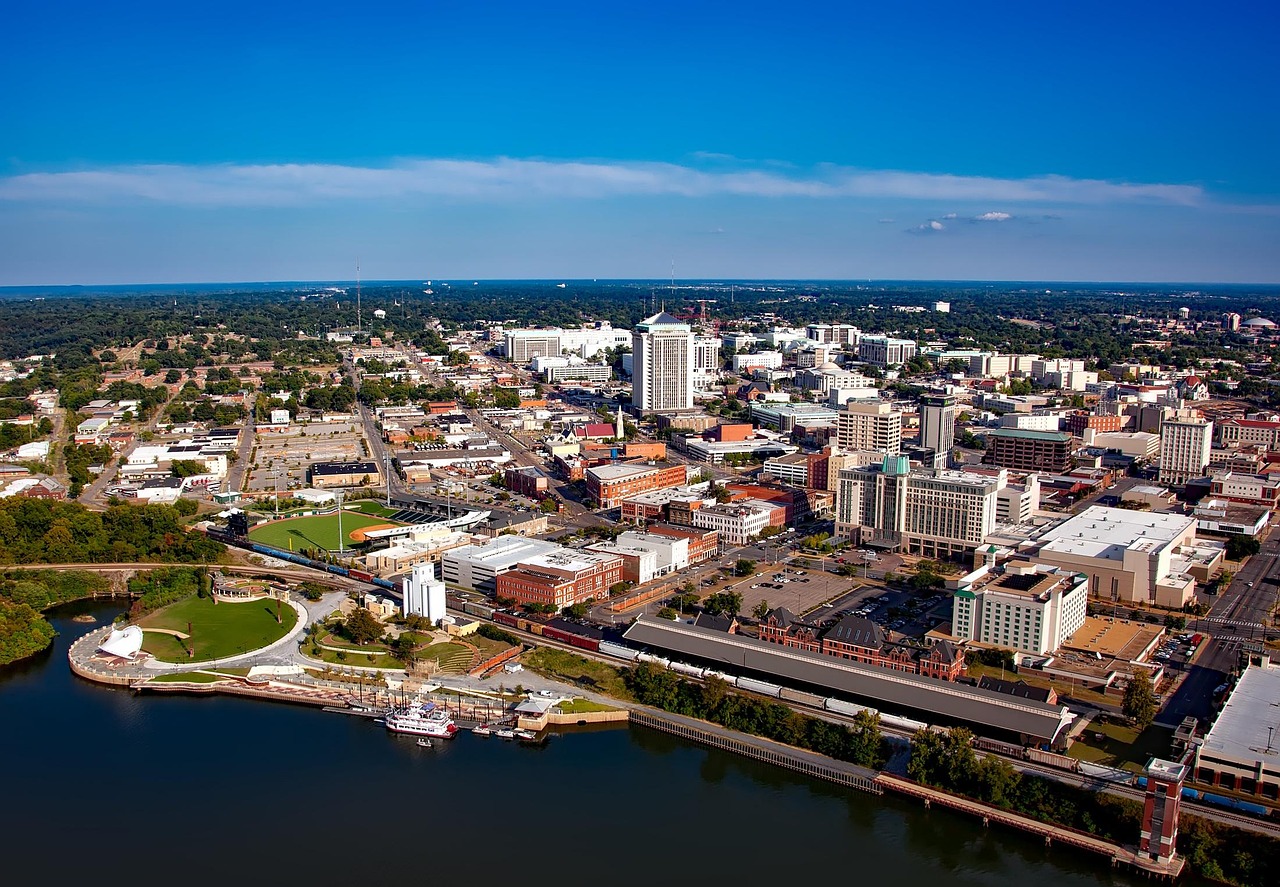
Montgomery is home to roughly 195,000 residents and serves as the state capital. Median household income is about $46,000, below the national average.
Summer highs frequently top 92°F with heavy humidity. While historically significant landmarks draw visitors, modern entertainment districts are limited in scale. Growth has been steady but modest, giving the city a slower, more traditional daily pace.