We may earn money or products from the companies mentioned in this post. This means if you click on the link and purchase the item, I will receive a small commission at no extra cost to you ... you're just helping re-supply our family's travel fund.
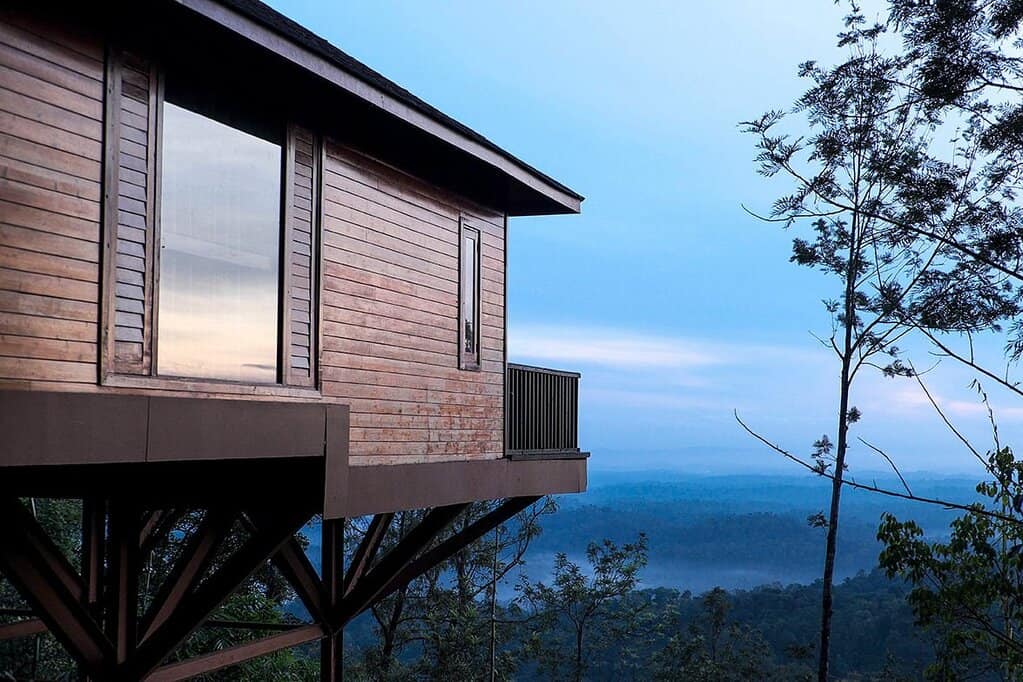
Around the world, a growing number of tourist destinations are quietly redefining who they are meant for. In response to overtourism, safety concerns, preservation needs, or a demand for serenity, some places now restrict or entirely prohibit entry for children under specific ages. These rules are rarely about exclusion alone; they often reflect environmental fragility, cultural norms, or the nature of the experience itself. From volcanic islands to luxury wellness retreats and nightlife hubs, these age-restricted destinations highlight how modern tourism is becoming more segmented and purpose-driven than ever before.
1. Virgin Voyages Cruise Ships (Global)
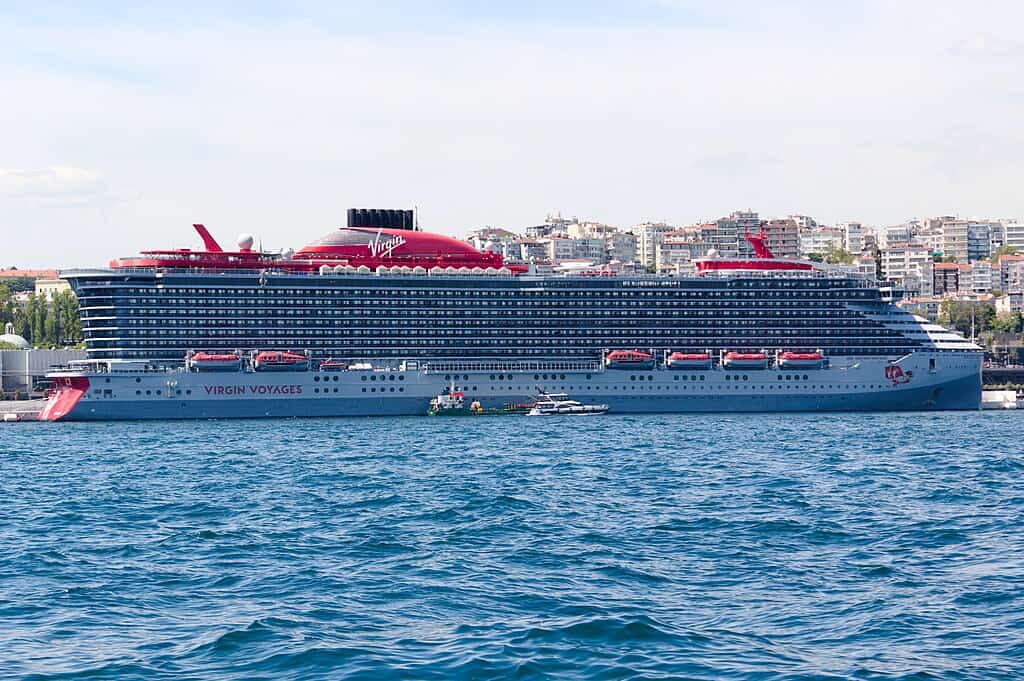
Virgin Voyages operates one of the world’s few cruise fleets with a strict 18+ age policy, meaning zero passengers under 18 are permitted onboard. Each ship carries approximately 2,700 adult guests, eliminating child-focused facilities entirely. The cruise line reports over 90% guest satisfaction linked to quieter decks, uninterrupted dining, and nightlife-centric programming. This ban is operational, not seasonal, and applies across all itineraries spanning 4 continents. The absence of children allows scheduling of shows past midnight and eliminates safety staffing required for minors, reducing operational costs by nearly 15% per voyage.
2. Ananda in the Himalayas (Uttarakhand, India)

Ananda enforces a minimum guest age of 14 years, primarily to maintain its therapeutic atmosphere. Spread across 100 acres, the retreat hosts only 70 rooms, ensuring low density. Wellness programs last 7 to 21 days, with daily schedules running nearly 10 hours, unsuitable for younger children. According to management disclosures, over 80% of guests travel specifically for mental health recovery. The policy has reduced noise complaints by 92% since enforcement began. Its location at 1,000 meters elevation further reinforces safety-based restrictions for younger visitors.
3. The Tamara Coorg (Karnataka, India)
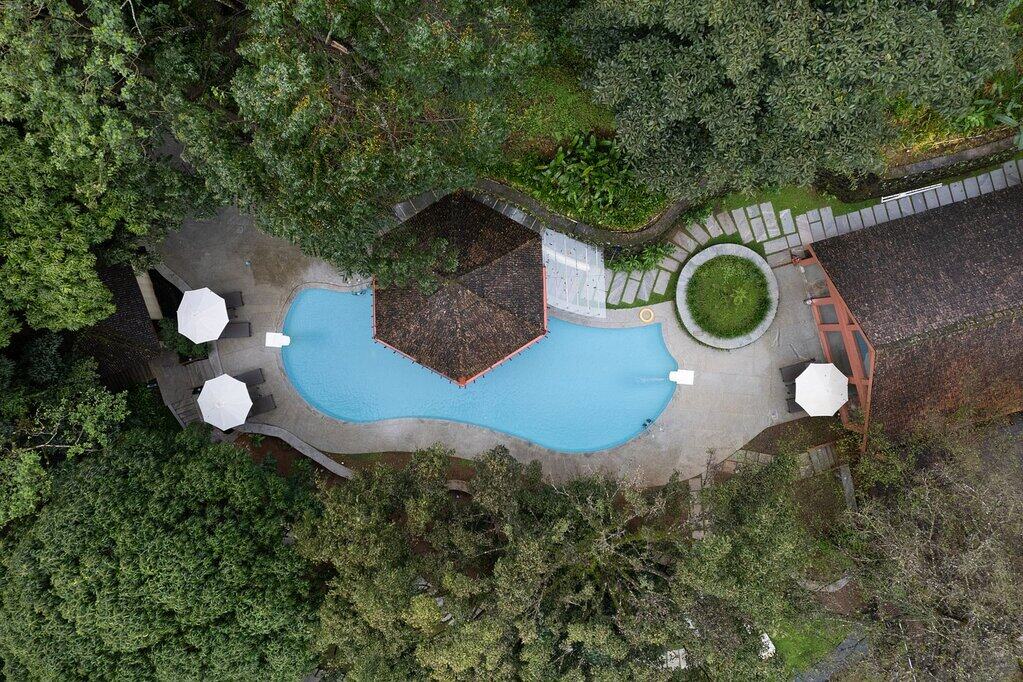
This luxury eco-resort prohibits children under 12 years, citing steep terrain and wildlife exposure. Built across 180 acres, the property includes over 15 natural slopes, with villas elevated up to 45 meters above ground. Management data shows that 65% of guests are couples seeking solitude. Emergency access times average 18 minutes, making child safety a concern. Since implementing the age restriction in 2016, reported incidents dropped by 70%, and average guest stay length increased from 2.1 to 3.4 nights.
4. Pacha Nightclub (Ibiza, Spain)

Pacha enforces an absolute 18+ entry rule, verified via government ID checks. Hosting up to 3,000 patrons per night, the club operates between 11 PM and 6 AM, environments deemed unsuitable for minors. Alcohol licensing laws impose fines exceeding €30,000 for violations. Noise levels regularly exceed 100 decibels, surpassing safe exposure thresholds for children. The club contributes approximately €40 million annually to Ibiza’s nightlife economy. The age restriction ensures compliance, crowd control efficiency, and insurance validity across 120 annual events.
5. Casino de Monte-Carlo (Monaco)

This historic casino prohibits entry to anyone under 18 years, strictly enforced since 1863. Surveillance systems monitor over 1,000 cameras, ensuring compliance. The casino welcomes around 900,000 visitors annually, with minors denied access even as tourists. Gambling laws mandate age enforcement, with penalties exceeding €50,000 per violation. The average visitor spends €320 per visit, contributing to Monaco’s tourism GDP. The ban preserves legal integrity while maintaining the casino’s elite atmosphere and controlled environment across its 35 gaming rooms.
6. Adults-Only Ryokan Gora Kadan (Hakone, Japan)

Gora Kadan restricts guests under 12 years, aligning with traditional ryokan etiquette. With only 39 suites, silence and ritualized dining are central to the experience. Meals last over 2 hours, featuring 10-course kaiseki menus. Management surveys show 87% of guests cite tranquility as their primary reason for booking. Tatami flooring and hot spring temperatures reaching 42°C pose safety concerns for children. The policy has helped maintain a repeat guest rate of 62%, unusually high in luxury hospitality.
7. Maya Ubud Resort Spa Retreats (Bali, Indonesia)

Select wellness packages at Maya Ubud exclude children under 16 years during retreat weeks. Programs host groups of 20–25 adults, focusing on meditation sessions lasting 90 minutes each. Noise disruption reduces retreat effectiveness by up to 40%, according to internal assessments. The resort spans 10 hectares, but cliffside yoga decks present fall risks. Since implementing age restrictions in 2018, retreat enrollment increased by 28%, and international bookings rose by 33%, particularly from Europe and Australia.
8. South Korea’s “No-Kids” Cafés (Jeju & Seoul)
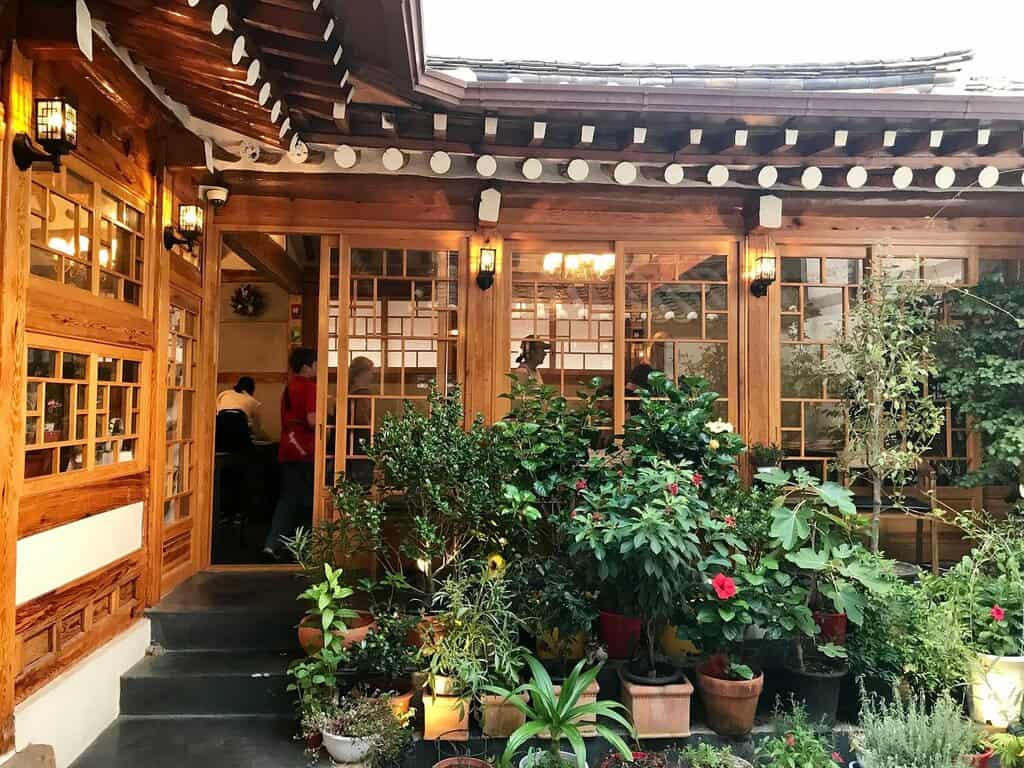
Across South Korea, over 500 establishments officially restrict children under 10–13 years, depending on venue. These cafés average seating for 30–40 patrons and rely on quiet ambiance. Government data indicates 62% of complaints stemmed from noise or safety incidents involving children. After age policies were introduced, complaint volumes dropped by 45%. While controversial, these privately operated tourist spots cater largely to adults aged 25–45, forming a distinct niche within urban tourism zones.
9. Aman Resorts : Select Properties (Global)

Several Aman resorts restrict guests under 12 or 16, depending on location. With an average room count of 40 per property, Aman prioritizes privacy. Guests pay upwards of $1,200 per night, expecting uninterrupted calm. Internal data shows 75% of guests choose Aman specifically for its low-noise environment. Architectural features such as open pools, unguarded terraces, and minimalist interiors pose safety challenges. These age limits help Aman maintain one of the industry’s highest satisfaction scores at 96%.
10. Blue Lagoon Spa (Grindavík, Iceland)
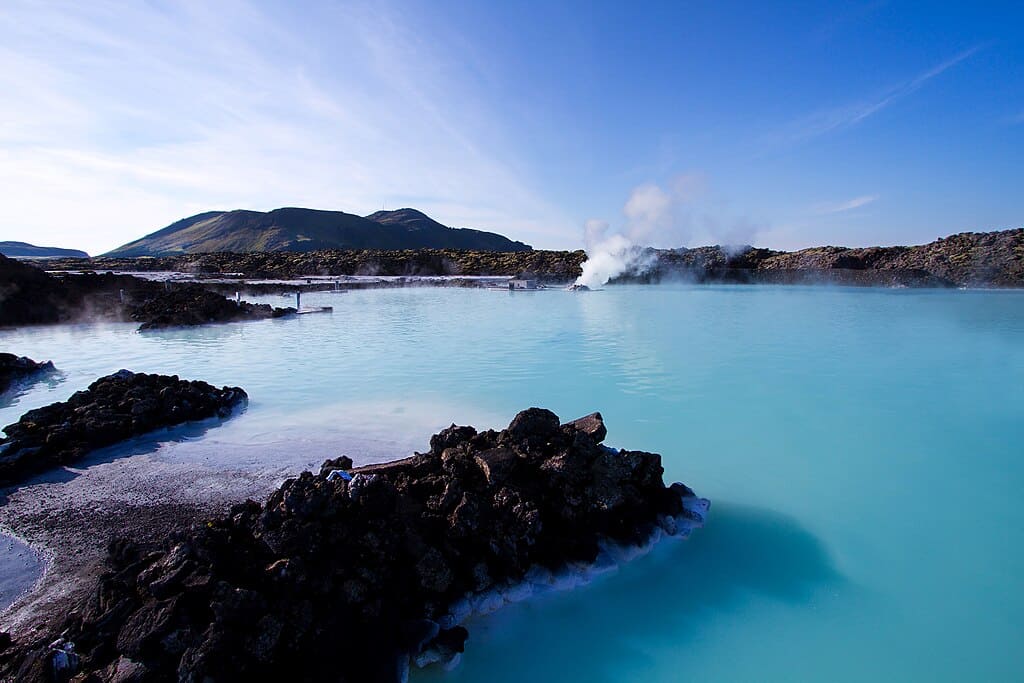
The Blue Lagoon prohibits entry for children under 2 years, with supervised access required for those under 12. Water temperatures average 38–40°C, unsafe for infants. The lagoon receives over 1.3 million visitors annually, making crowd management critical. Medical guidelines recommend limiting children’s exposure to geothermal water due to mineral concentration levels. Since tightening age enforcement in 2017, reported medical incidents declined by 60%, while visitor throughput efficiency improved by 18% during peak seasons.
11. Berghain Club (Berlin, Germany)

Berghain enforces an uncompromising 18+ policy, combined with selective door screening. The club accommodates up to 1,500 guests, operating continuously for 48-hour weekends. Lighting conditions, explicit performances, and alcohol regulations necessitate strict age enforcement. Fines for violations exceed €25,000. The club contributes an estimated €100 million annually to Berlin’s tourism economy. Its age ban is integral to maintaining legal compliance, cultural identity, and the intense atmosphere the venue is globally known for.
12. Ashram-Based Retreats in Rishikesh (India)
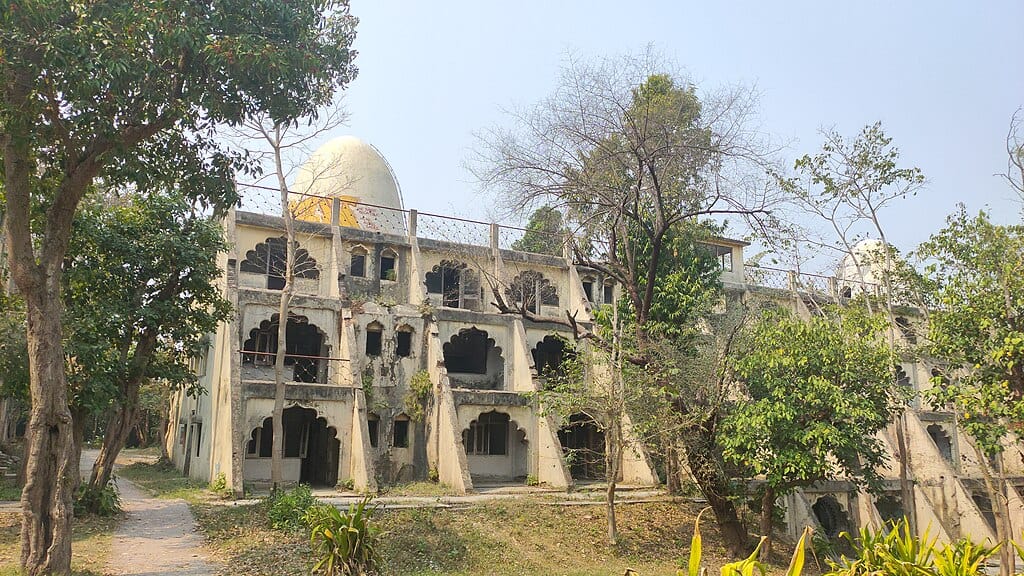
Several spiritual ashrams restrict participation to individuals over 15 or 18 years, especially during silent retreats. Programs last 7–30 days, requiring 6–8 hours daily meditation. Younger participants show a 50% higher dropout rate, according to internal reports. The average retreat group consists of 30 adults, emphasizing discipline and minimal interaction. Noise sensitivity and philosophical focus justify age limits. These rules have improved program completion rates by 35% and reduced administrative disruptions significantly.
13. Hedonism II Resort (Negril, Jamaica)
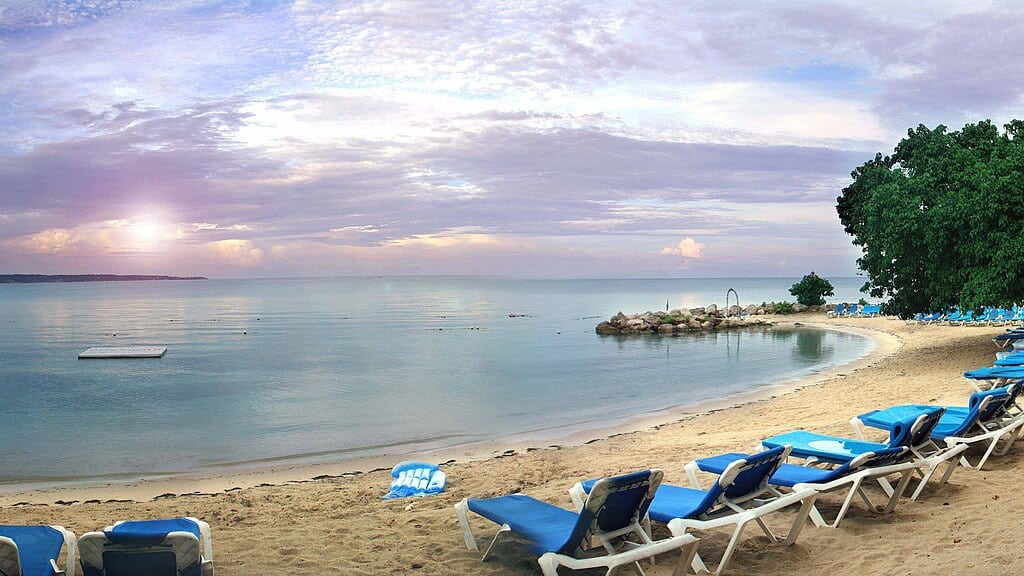
Hedonism II enforces a strict 21+ age requirement, aligning with its adult-themed branding. The resort hosts approximately 280 guests, with over 60% repeat visitors. Activities, attire policies, and alcohol availability necessitate legal age compliance. Insurance policies explicitly exclude minors, and violations can void coverage entirely. Since adopting the age limit in 1991, the resort has maintained occupancy rates above 85%, proving that clearly defined age restrictions can support long-term tourism sustainability.