We may earn money or products from the companies mentioned in this post. This means if you click on the link and purchase the item, I will receive a small commission at no extra cost to you ... you're just helping re-supply our family's travel fund.
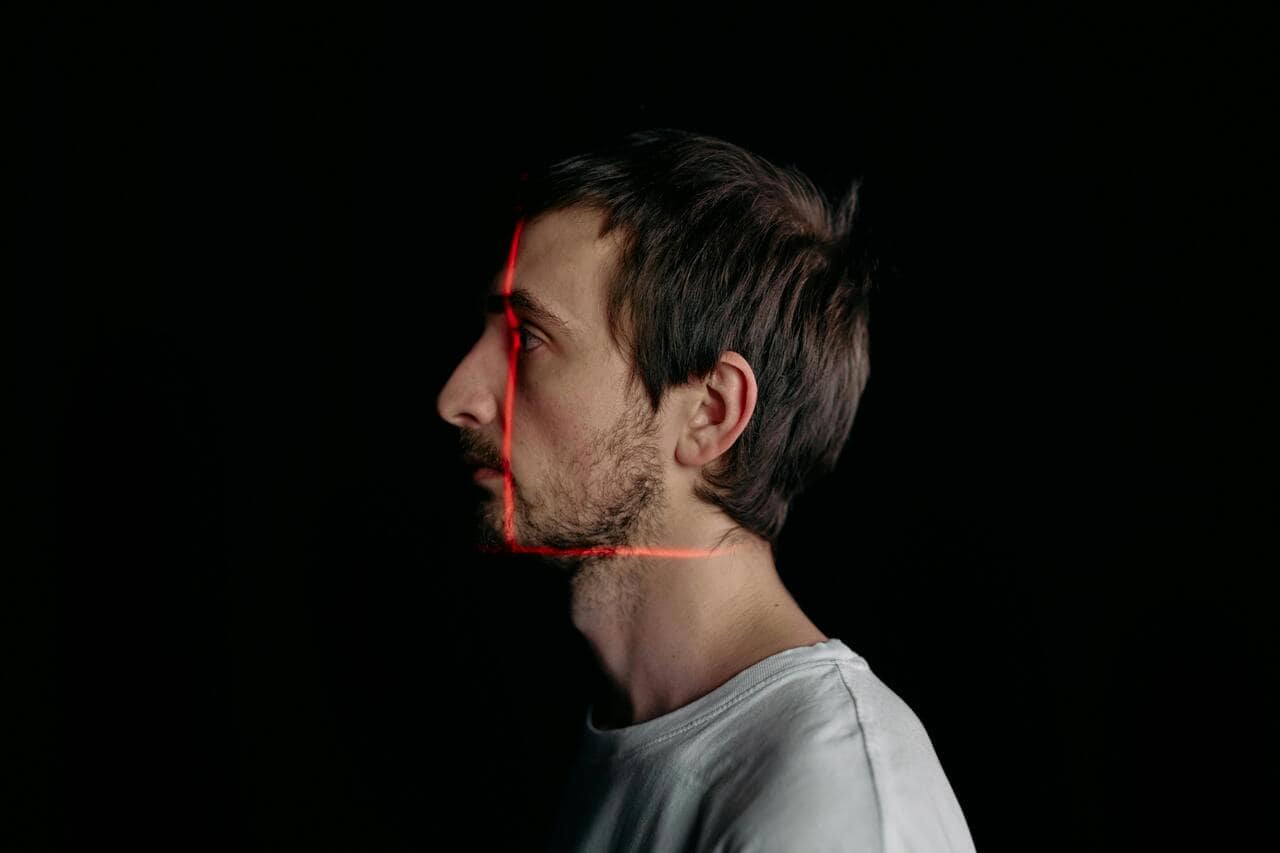
Facial recognition is rapidly reshaping how millions of travelers experience border control, airports, and identity checks worldwide. By 2026, biometric systems are expected to support more than 80% of major global airports, helping process over 4 billion annual passengers with faster verification and reduced document handling. While governments emphasize security and efficiency, many travelers remain cautious about privacy, data storage lengths, and potential identification errors. Understanding how these systems actually work in real travel situations helps reduce confusion and prepares people for smoother journeys.
1. How Travel Facial Recognition Actually Works
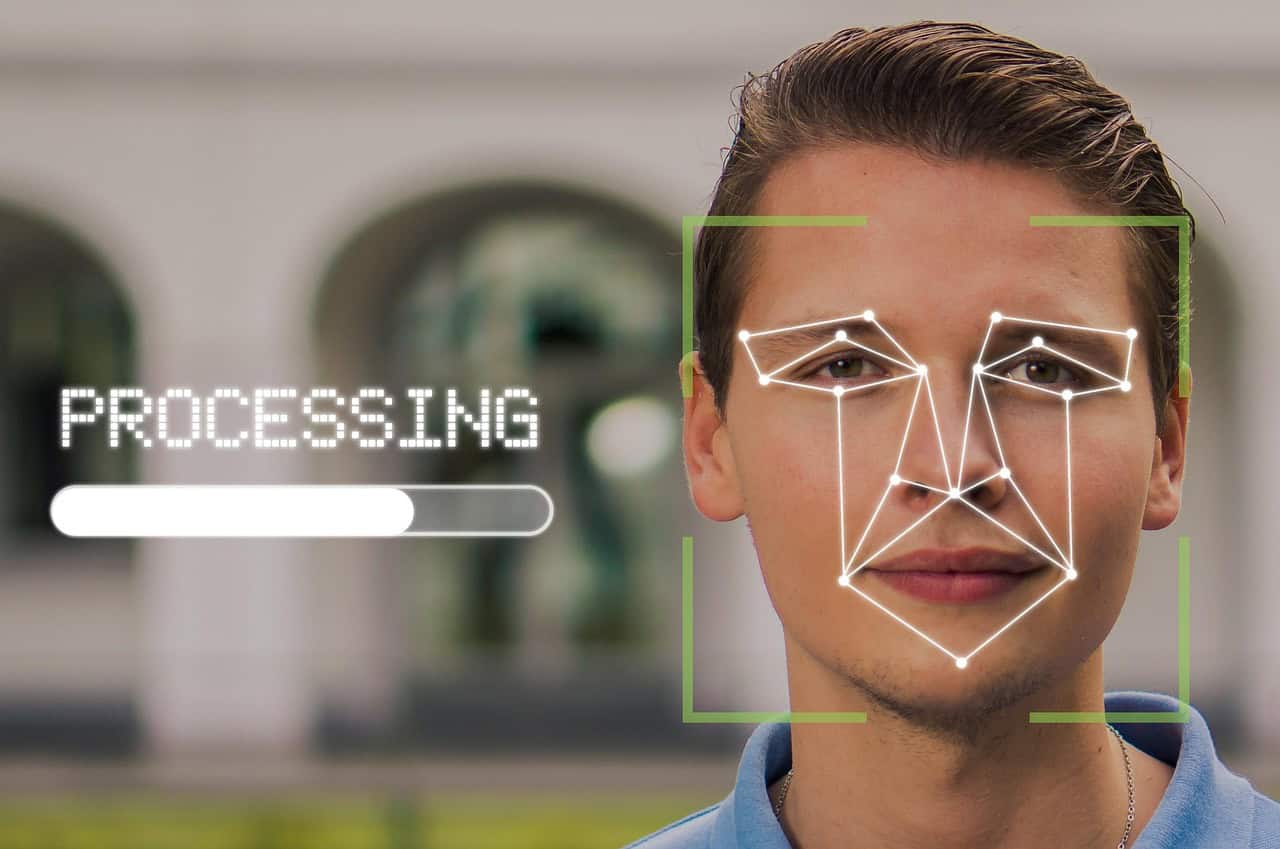
Travel facial recognition works by capturing a live image of your face and instantly comparing it to a stored passport or visa photo, usually completing the match within 2–5 seconds. Secure databases hold the reference images, and encrypted systems verify identity before allowing movement through immigration or boarding. Airlines, immigration agencies, and airport authorities synchronize records to ensure accuracy. With global airports processing more than 10 million passengers daily, automation helps reduce queues while still allowing human officers to step in whenever a mismatch occurs.
2. Where Travelers Most Commonly Experience It

Most travelers encounter facial recognition at airports, especially during immigration checks, airline boarding, and sometimes security screening lanes. More than 200 international airports now use some level of biometric identity verification, and in the United States alone over 50 million travelers have already passed through biometric systems. Beyond airports, several land border checkpoints and cruise terminals have also adopted cameras to handle massive passenger volumes. With global air traffic expected to exceed 4.5 billion travelers annually, these systems help maintain movement efficiency without constantly expanding manpower and infrastructure.
3. Who Is Usually Required to Participate
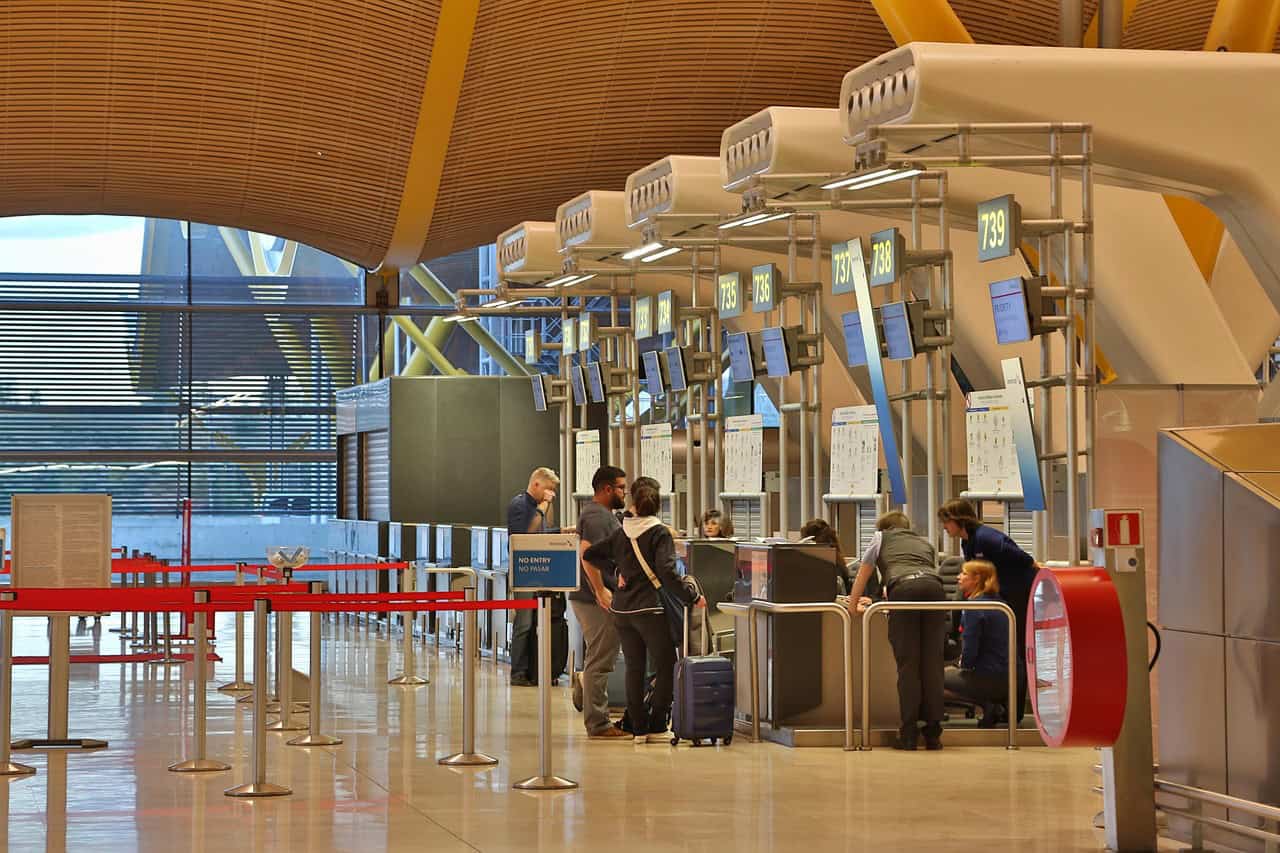
Participation depends heavily on nationality and travel category. In many countries, particularly the United States and parts of Europe, most non-citizens are required to complete some biometric verification as part of lawful entry and exit tracking. Citizens of some nations can request manual document inspection, though this may take longer. More than 130 countries worldwide now collect biometric data from visitors, including tourists, students, and work visa holders. With millions of international travelers moving every month, governments rely on biometrics to confirm real identities, reduce fraud, and maintain secure immigration records.
4. Airports and Airlines Using Biometric Boarding
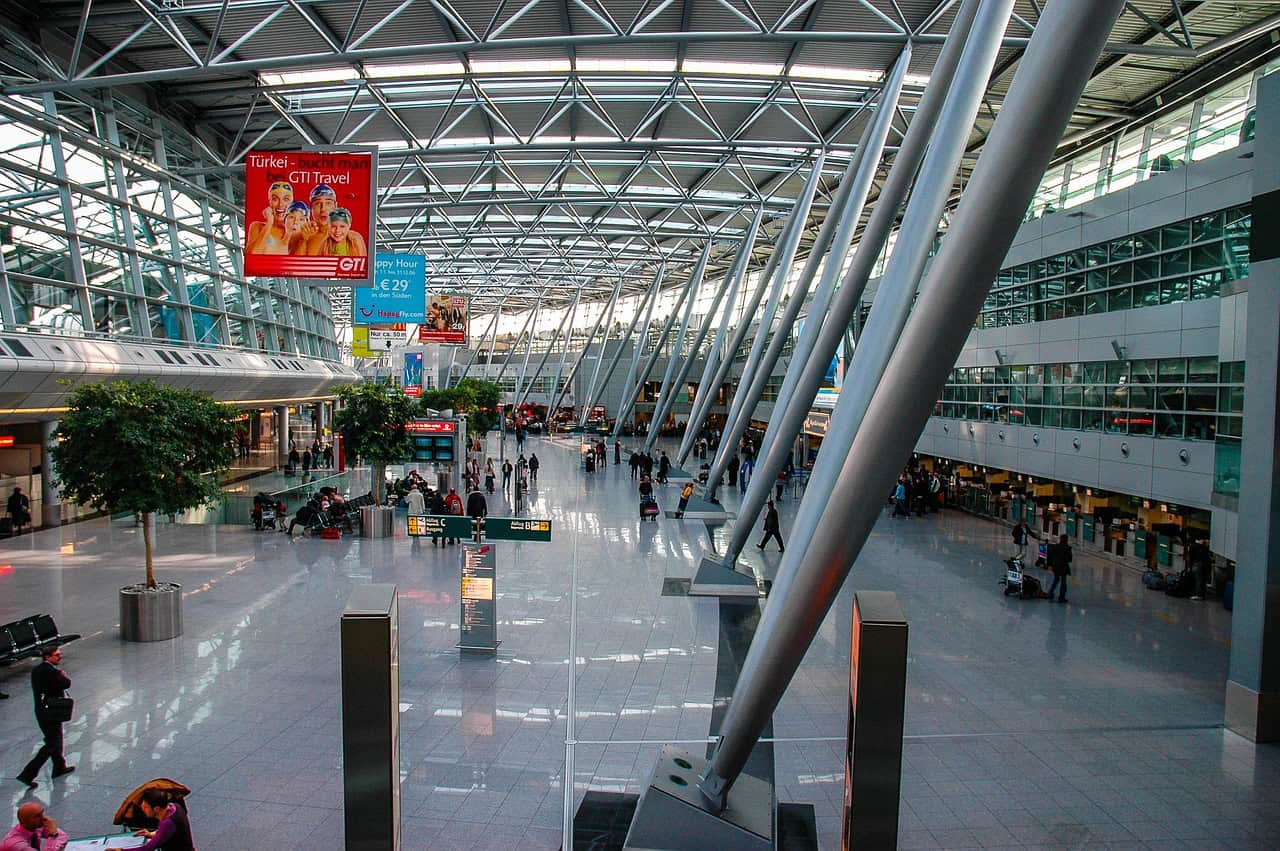
Airlines increasingly integrate biometric boarding to speed up departures and reduce repeated document checks. Cameras at boarding gates match passenger faces to stored passport images, confirming identity in seconds. Many major airlines report boarding times improving by 9 to 12 minutes per wide-body aircraft, which significantly matters when handling thousands of travelers each day. More than 60 airlines worldwide already use biometric boarding in select airports, with expansion planned through 2026. While travelers appreciate faster movement, this shift also means private airline systems handle sensitive biometric data alongside travel records.
5. Land Borders and Cruise Terminals

Facial recognition has also expanded far beyond airports. Busy land borders, where millions of vehicles and pedestrians cross annually, now use biometric cameras to verify identities more quickly without manually handling every passport. Cruise terminals processing ships carrying 3,000 to 6,000 passengers at once rely on facial comparison to avoid overwhelming immigration counters when thousands disembark simultaneously. These systems help track accurate entry and exit data, reduce congestion, and support border officers in monitoring large travel flows. As technology improves, more maritime and land checkpoints continue adopting automated identity tools worldwide.
6. Privacy Concerns and Public Debate
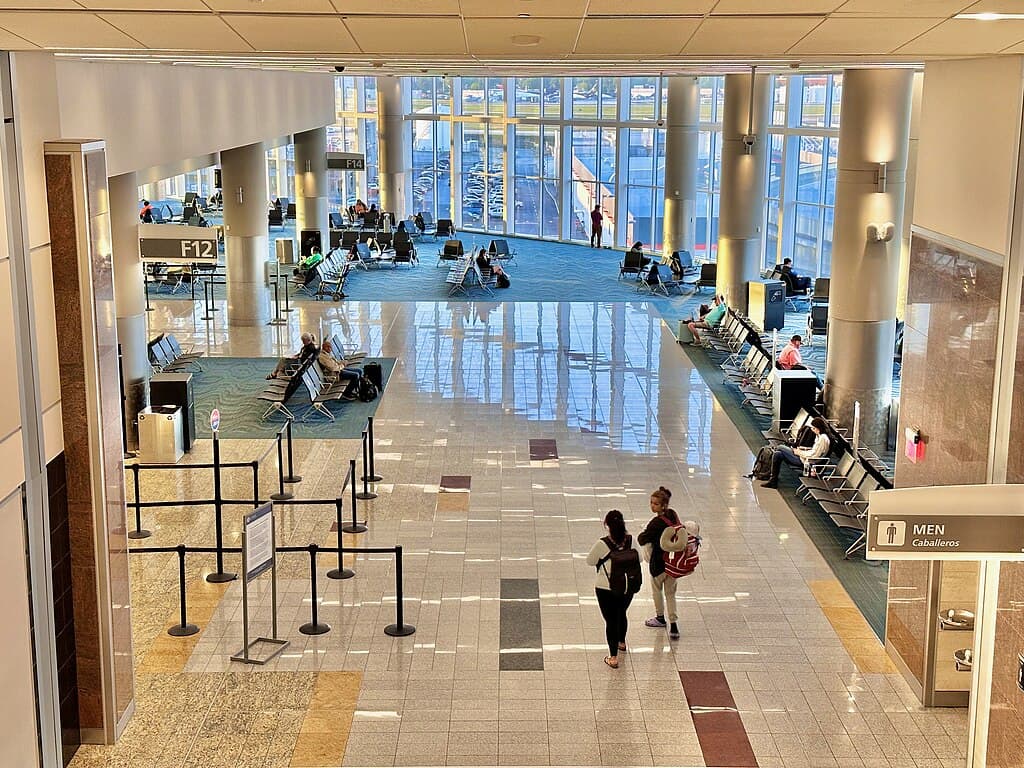
Privacy remains one of the biggest points of debate surrounding facial recognition in travel. In some countries, biometric images of foreign visitors can be stored for 10 to 75 years, raising understandable concerns about long-term surveillance and data misuse. Civil liberties groups warn about “normalizing” constant monitoring and argue that travelers should always know how their data is handled. Even with high accuracy, mistakes matter, especially during serious immigration processing. Some cities and regions have temporarily restricted government use of facial recognition, while others push expansion. This global debate continues shaping future policies and traveler rights.
7. How Long Biometric Data Is Stored
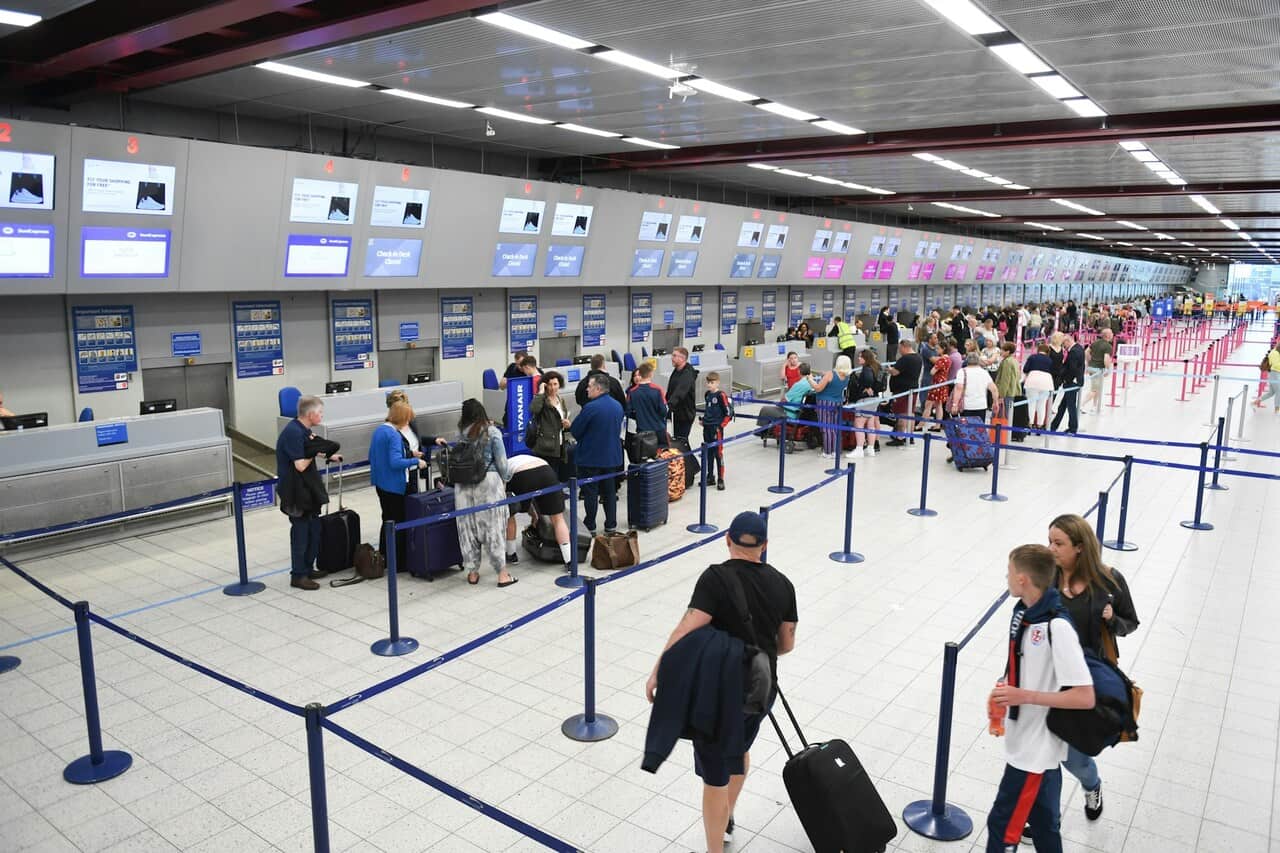
One major concern travelers often have is how long their facial data remains stored after travel. In some countries, such as the United States, images of citizens taken for comparison may be deleted within 12 hours, while non-citizen biometric data can remain in government systems for decades. Airlines and private airport partners may retain images anywhere from 30 to 90 days, depending on internal policy. Because regulations vary widely between nations and organizations, privacy-conscious travelers should review official storage rules before flying rather than assuming one universal global standard exists.
8. Accuracy, Bias, and Possible Errors
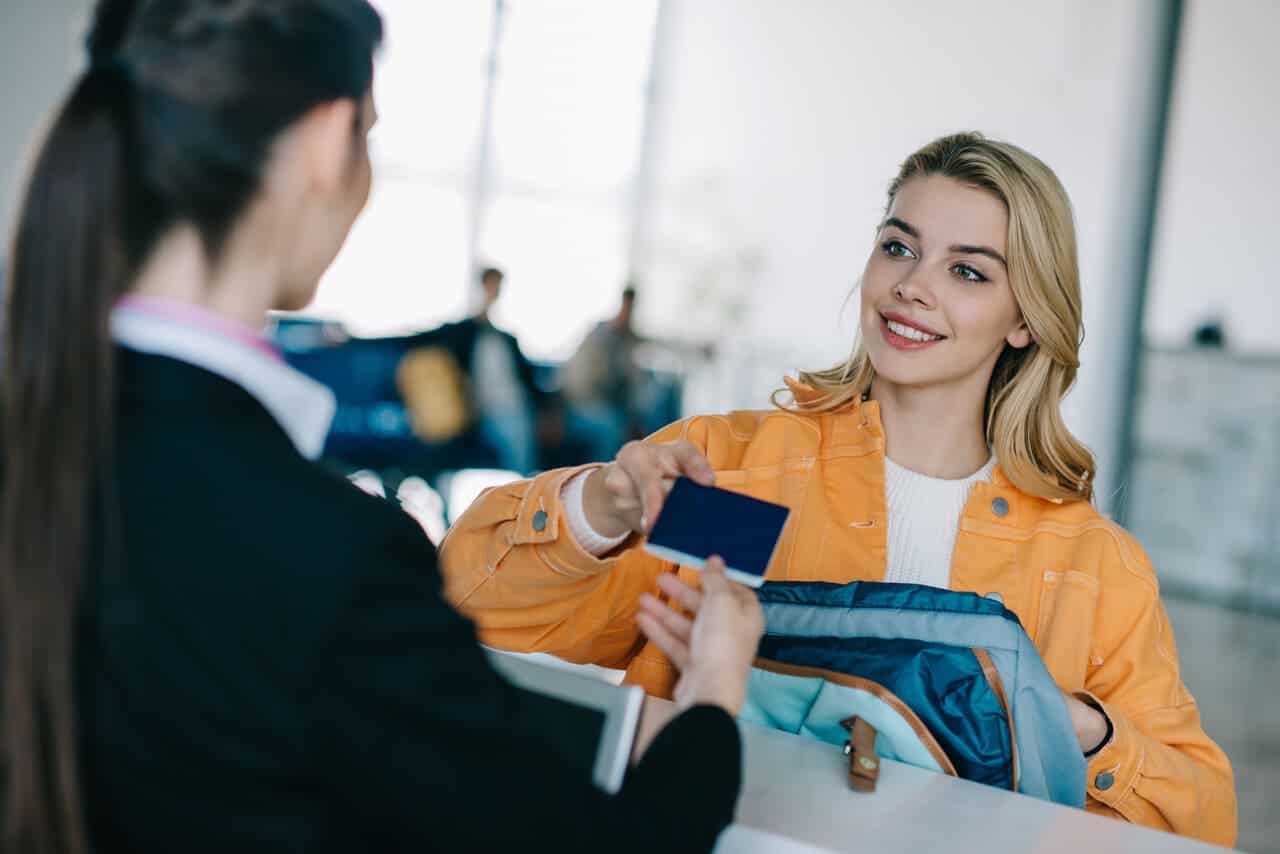
Although modern systems report accuracy rates above 95–98%, no biometric technology is perfect. Real-world lighting, camera quality, facial changes, and movement can cause mismatches. Studies show higher false-non-match rates among seniors, very young travelers, or people with significantly altered appearances. Even a 2% error rate becomes meaningful when millions of passengers travel each month, potentially affecting thousands of individuals. Because of this, airports always maintain manual verification options, and trained officers intervene whenever systems cannot confidently confirm identity. Biometrics are intended to assist human decision-making, not completely replace it.
9. Role in Immigration and Border Enforcement

Governments increasingly rely on facial recognition to enforce immigration rules and combat identity fraud. Biometrics help verify that the traveler truly matches the identity attached to their passport or visa, reducing forged document incidents. They also help confirm when visitors leave a country, improving tracking and reducing overstays. In nations processing more than 100 million international movements annually, automated identity confirmation allows immigration systems to function more efficiently without endlessly expanding staff. Authorities report that biometric tools have identified imposters, fraud attempts, and wanted individuals, strengthening border security while still allowing normal tourism and business travel.
10. Opt-Out Options and Traveler Choices
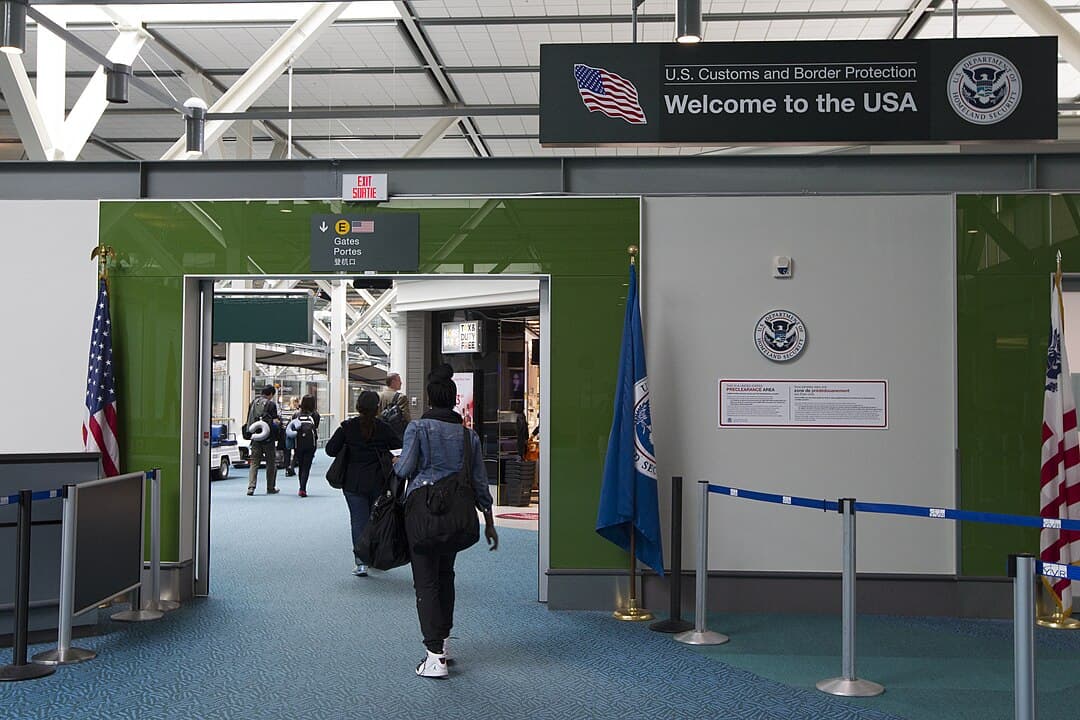
Whether a traveler can decline facial recognition largely depends on nationality and location. In several countries, including the United States, citizens can request manual identity inspection instead of biometric scanning, although it may take extra time. However, most foreign nationals and visa holders generally must complete biometric procedures under immigration law. Clear signage at airports typically explains whether participation is required or optional. Travelers concerned about privacy should speak politely with staff early in the queue instead of waiting until the scan occurs, helping avoid confusion and unnecessary processing delays during already busy travel situations.
11. Travel Delays, Speed, and Realistic Expectations
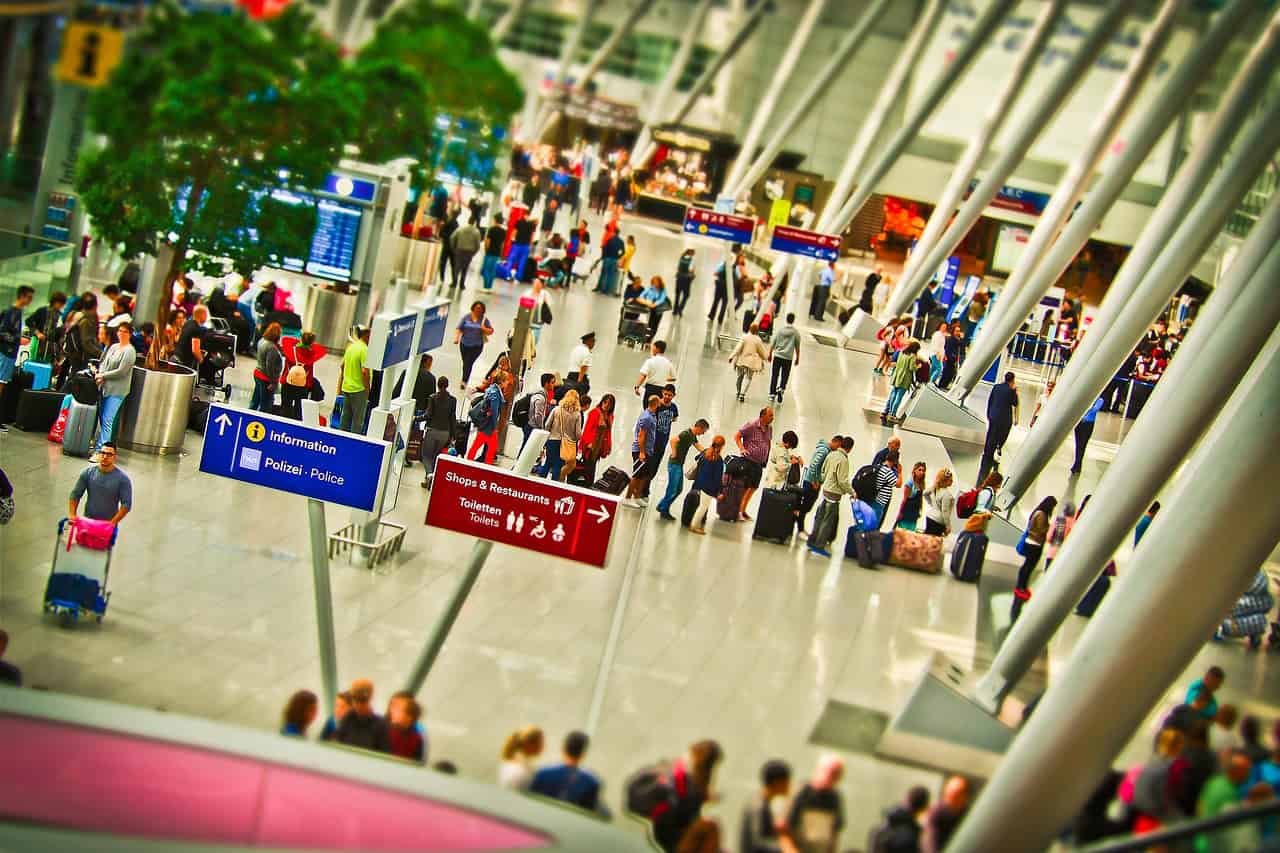
Supporters highlight speed as one of the biggest benefits of biometric travel, and many airports report noticeable improvements. Some trial programs reduced average processing time per traveler from around 45 seconds to nearly 10 seconds, which becomes significant when thousands pass through each hour. However, travelers should still maintain realistic expectations. Peak travel seasons, technical glitches, and manual verifications can still cause queues. Biometrics do not eliminate airport waiting entirely, but they generally smooth movement and reduce repeated paperwork, especially when combined with skilled border officers managing high-traffic environments.
12. International Expansion and Global Adoption
Facial recognition in travel is part of a broader global trend toward biometric identity systems. The European Union is rolling out large-scale entry programs expected to affect over 400 million residents and visitors, while major Asian and Middle Eastern airports already operate advanced biometric terminals. International aviation organizations increasingly encourage standardized biometric verification to reduce fraud and simplify movement across borders. As adoption spreads, travelers may encounter similar identity procedures worldwide rather than learning new methods everywhere. Over the next few years, biometric verification will likely become a familiar part of routine international travel rather than an experimental exception.
13. The Future of Travel with Biometrics

Looking forward to 2026 and beyond, facial recognition is expected to become even more embedded in global travel systems. Analysts predict that more than 80% of major airports may rely on biometric identity verification as a core part of operations, supporting everything from check-in to boarding. Governments will continue balancing efficiency with privacy regulation, while public debate shapes how far systems expand. Travelers may eventually experience largely touchless journeys, where their face functions as their boarding pass and passport. The smartest approach is awareness: understand rights, review policies, and stay informed as biometric travel continues evolving.