We may earn money or products from the companies mentioned in this post. This means if you click on the link and purchase the item, I will receive a small commission at no extra cost to you ... you're just helping re-supply our family's travel fund.
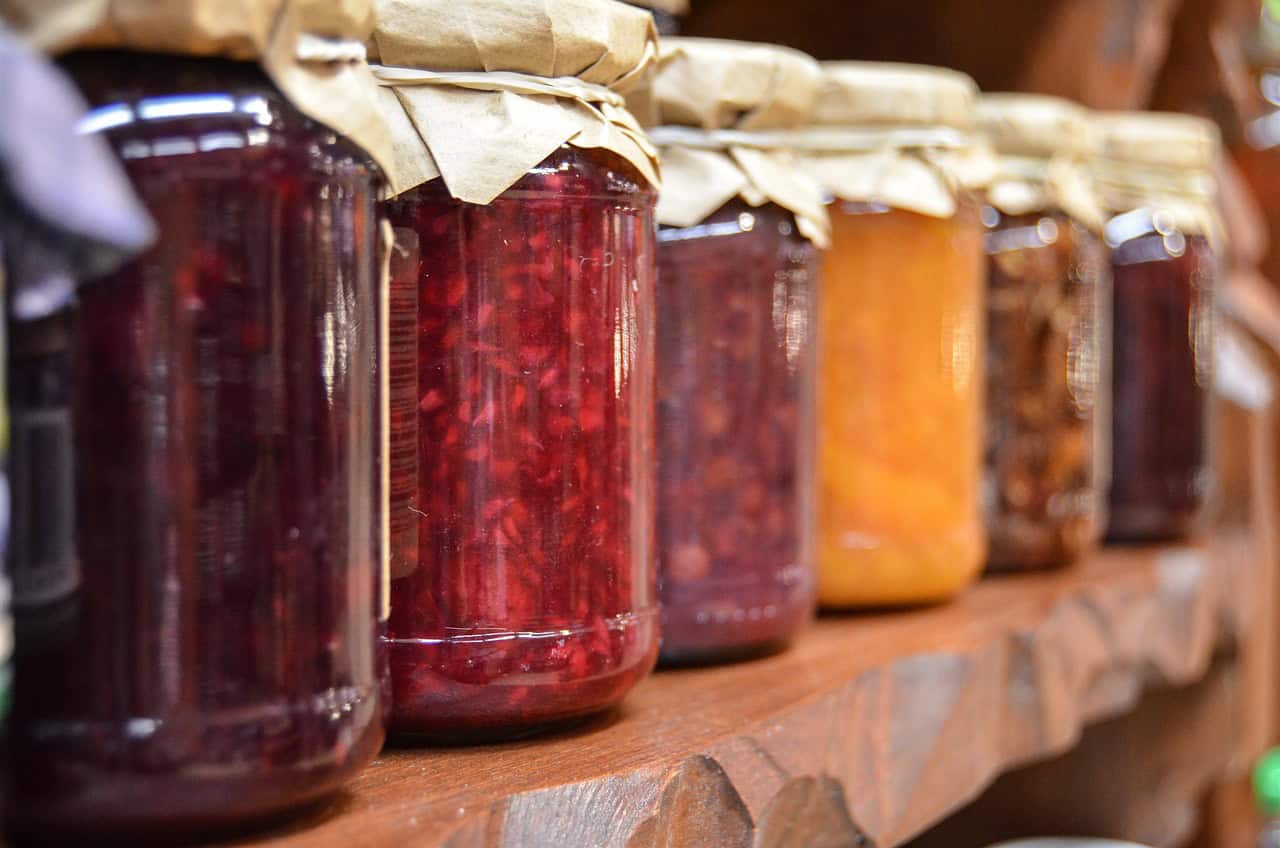
Travelers returning from Mexico are often surprised by how strict U.S. entry rules have become, especially regarding food, plants, wildlife products, and unprocessed natural materials. These laws exist because even a single risky item can threaten multi-billion-dollar industries, ecosystems supporting more than 330 million residents, and countless jobs tied to agriculture and tourism. Every year thousands of items are confiscated and hundreds of travelers face fines ranging from $300 to over $10,000 depending on severity, so understanding these bans matters more than most people realize.
1. Raw Eggs and Egg Products
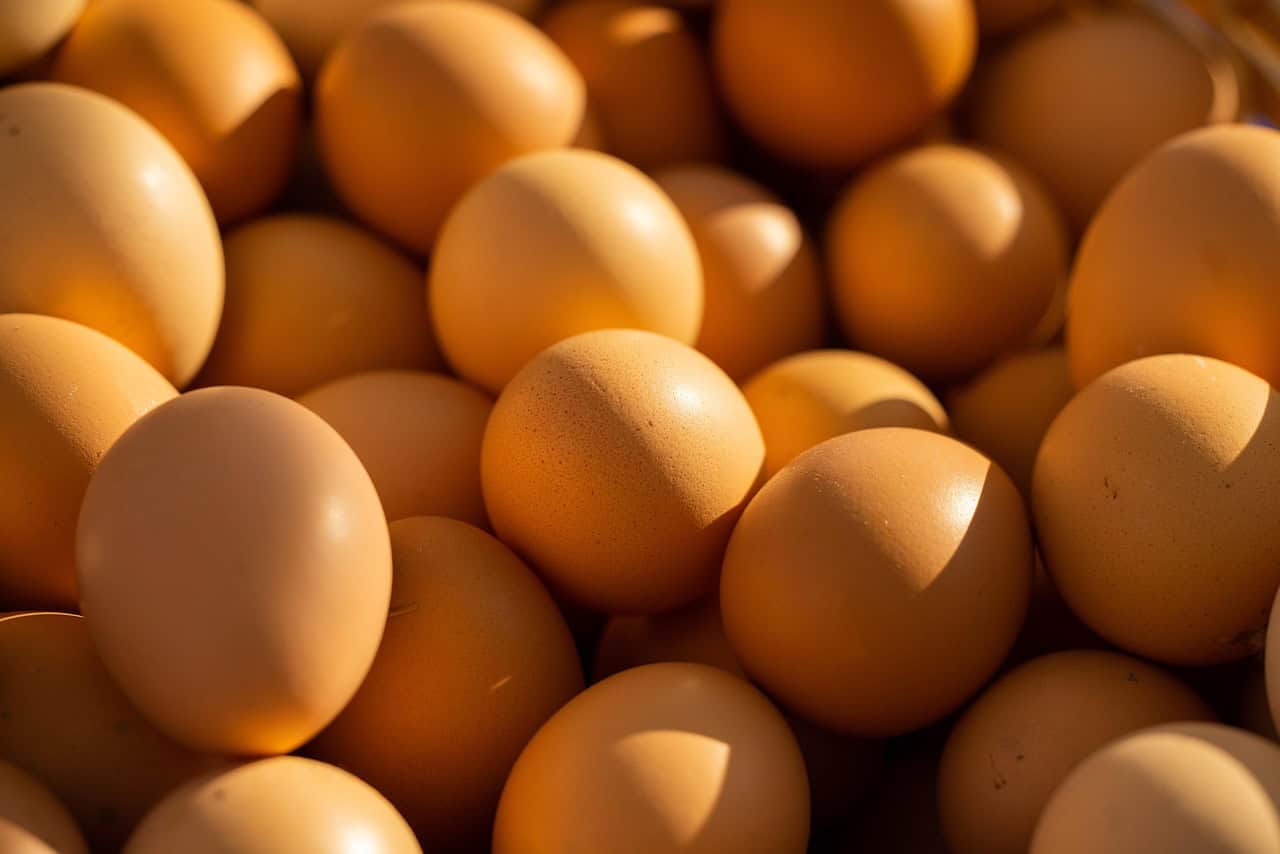
Uncooked eggs continue to rank among the most seized food items in the U.S-Mexico crossings, with thousands confiscated yearly as CBP officers protect a poultry sector exceeding $50 billion in value. Even one egg can potentially transport avian influenza or Newcastle disease capable of wiping out entire farms in weeks. Travelers face fines usually between $300 and $1,000 for undeclared eggs, and officers at major ports regularly record over 2,000 egg-related violations in heavy travel seasons. Something that costs just a few pesos in Mexico can transform into a costly airport mistake within minutes.
2. Raw Poultry and Live Birds
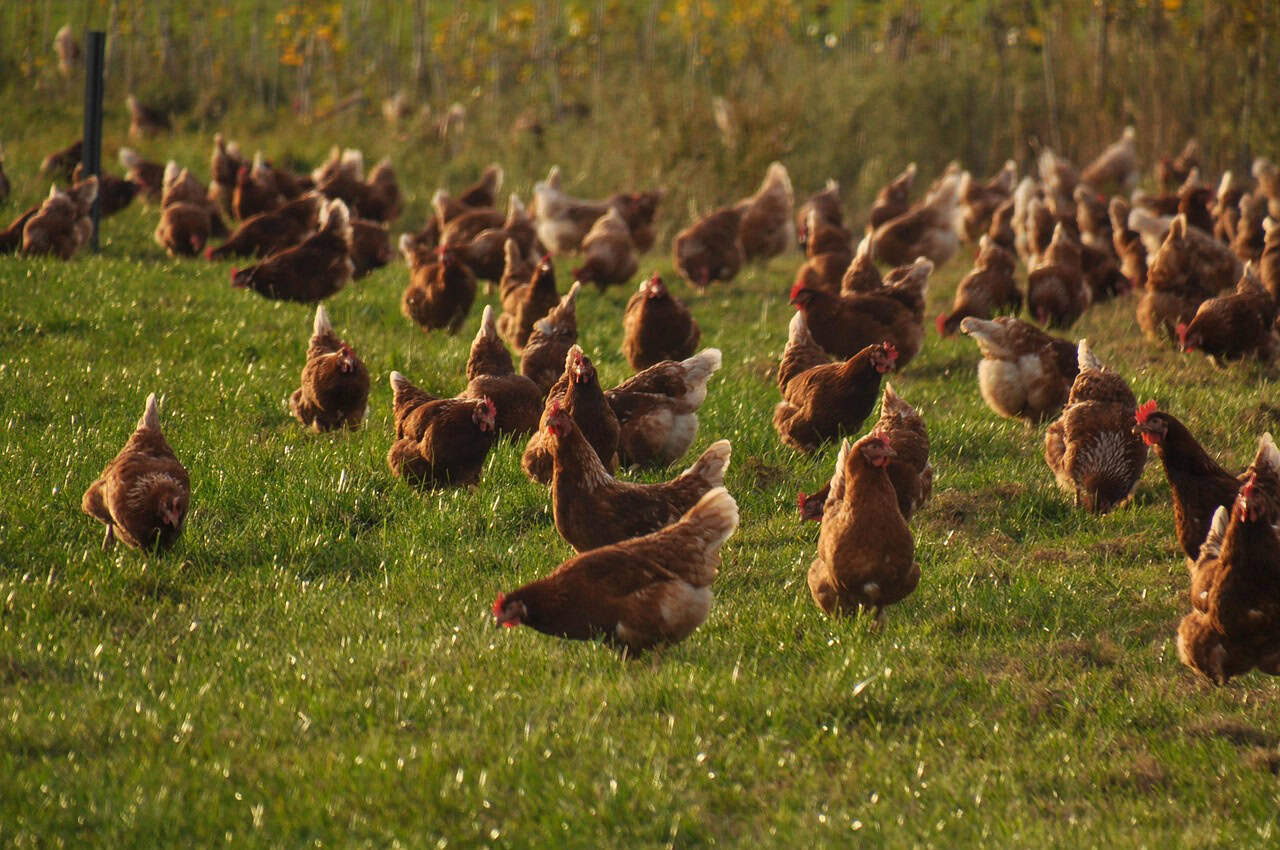
The U.S. raises nearly 9 billion chickens annually, so uncooked poultry and live birds from Mexico are completely banned to prevent foreign disease entry. In several publicized incidents, border agents seized more than 260 pounds of illegal poultry products in a single day, illustrating how often travelers misunderstand this rule. Anyone caught transporting undeclared poultry may face penalties exceeding $1,000 depending on intent. Authorities remind travelers that one outbreak can cost the economy billions and destroy massive bird populations, so the strict zero-tolerance approach protects food supply chains across all 50 states.
3. Fresh Meat of Any Kind
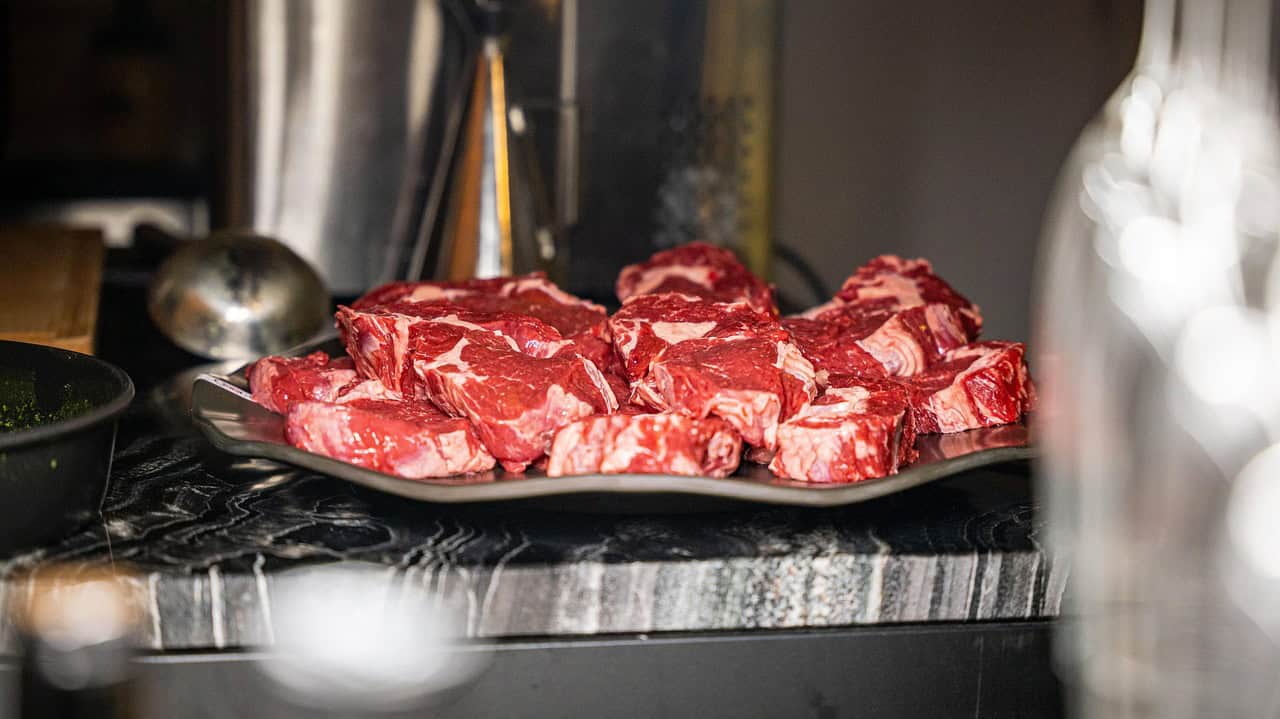
Whether beef, pork, lamb, or goat, almost all uncooked meat products are blocked from entering because illnesses like foot-and-mouth disease could devastate U.S. livestock valued above $100 billion yearly. Border agents regularly seize hundreds of pounds of prohibited meat during busy travel periods, and fines can quickly rise beyond $1,000 when guests fail to declare them. Even sealed or frozen meats do not automatically qualify as safe if they lack approved certification. A single contamination event can result in nationwide agricultural losses measured in billions, which explains why enforcement remains extremely firm.
4. Most Fresh Fruits and Vegetables

The United States spends billions annually fighting invasive pests, and just one infected fruit can spark damage costing millions. That is why nearly all fresh fruits and vegetables from Mexico remain prohibited unless specifically cleared. Inspectors confiscate thousands of pounds of produce every year, sometimes in bursts of as much as 500 to 1,000 pounds in holiday periods alone. Fines typically range from $300 to $1,000 when travelers fail to declare items. Considering U.S. agriculture supports more than 20 million jobs, officials view these preventive actions as essential defenses rather than inconveniences.
5. Plants, Seeds, and Soil
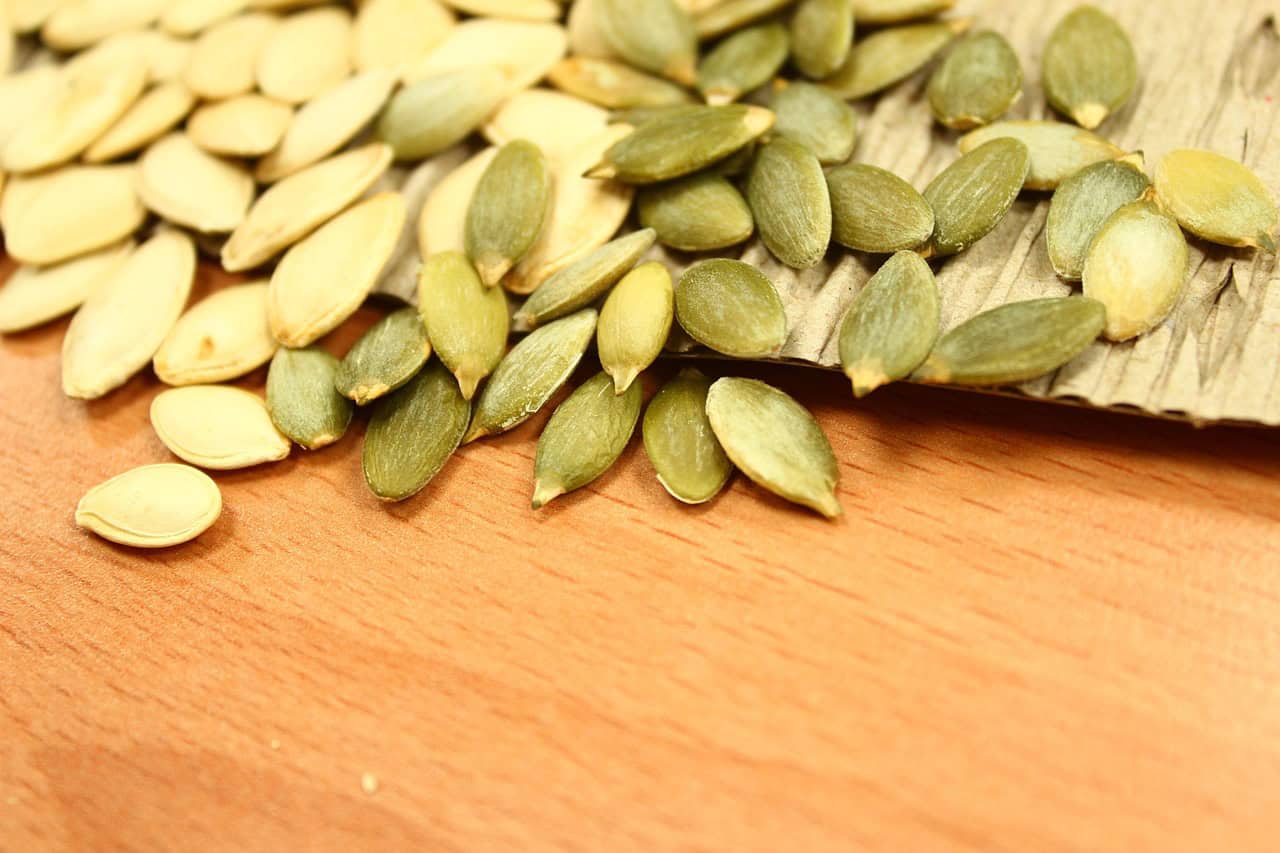
Garden materials look innocent, yet soil and plants can hide microscopic pests capable of destroying farmland worth hundreds of billions nationwide. U.S. agencies invest billions annually in plant health protection, and seizures of illegal soil, roots, and seeds number in the thousands every year. Even one potted plant can introduce fungi that spread faster than most people realize. Travelers carrying undeclared plant material risk fines commonly beginning around $300 but sometimes escalating far higher. These bans ensure long-term food security, ecosystem stability, and environmental safety across massive agricultural regions.
6. Souvenirs Made from Fresh Plant Material

Hand-woven palm crafts, untreated reed decorations, and natural-fiber souvenirs often end up confiscated because they can carry living larvae. Agriculture contributes over $1 trillion in related economic activity in the United States, so authorities refuse to gamble on risk. Border officials routinely collect hundreds of such banned plant souvenirs each month from unaware travelers. Even if an item only costs $5 in Mexico, undeclared agricultural material fines can exceed $500. Travelers are urged to buy fully processed or certified alternatives instead, protecting themselves and the farms supplying food to millions.
7. Whole Coconuts with Husk Attached
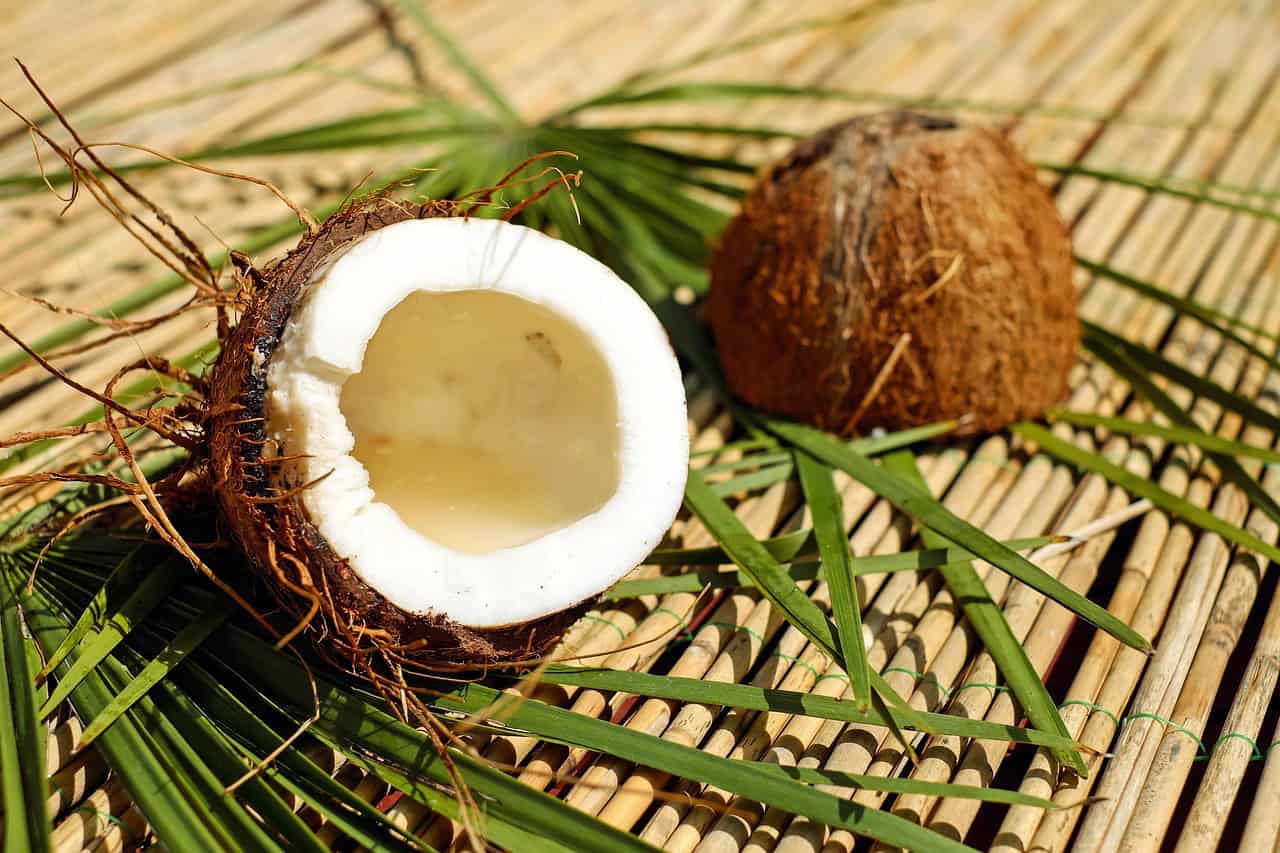
A whole coconut may feel like harmless tropical fun, but its husk can harbor insects that lead to crop infestations costing millions to control. In peak tourist weekends, border agents have seized dozens of coconuts within hours, showing how common this mistake remains. Anyone carrying undeclared agricultural products risks paying $300 or more immediately. The rule is simple: coconuts rarely pass unless fully processed and free of organic husk material. With agriculture defending economic stakes across millions of acres, officers stay strict to avoid repeating costly pest outbreaks seen in past decades.
8. Live Insects or Exotic Critters
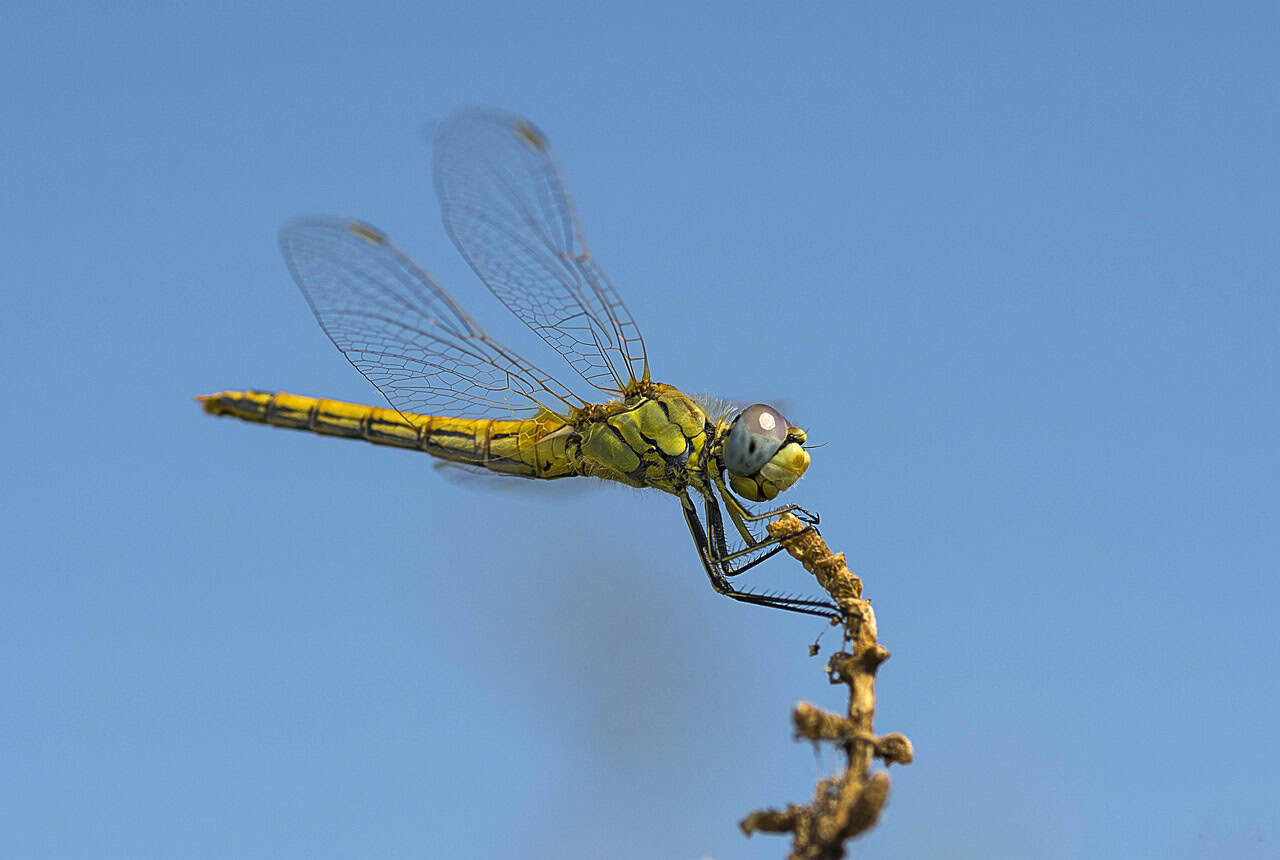
U.S. authorities treat invasive species seriously because past introductions have caused billions in economic and environmental loss. That is why live insects, scorpions, or exotic creatures from Mexico are banned without high-level permits. Each year multiple seizure cases involve jars, containers, or hidden boxes of creatures meant as “souvenirs.” Consequences can include fines, confiscation, and lengthy questioning, sometimes exceeding $1,000 in penalties. A single invasive species colony can multiply into thousands within months, threatening crops, native wildlife, and communities. Curiosity quickly becomes expensive when biology and law collide at border checkpoints.
9. Certain Cheeses and Unpasteurized Dairy
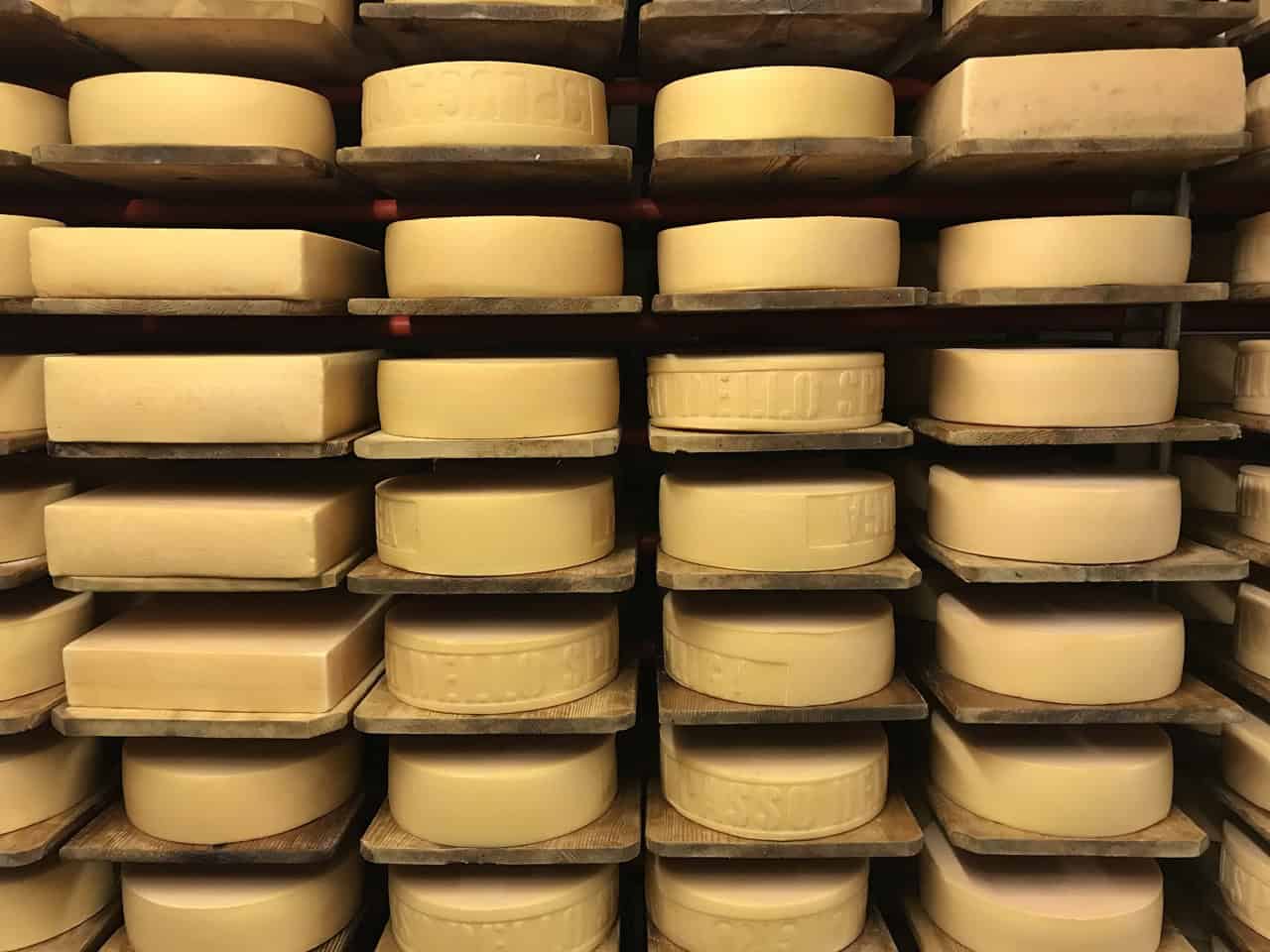
Soft, unpasteurized Mexican cheeses remain among the most confiscated foods because they can carry brucellosis or listeria, illnesses capable of hospitalizing thousands. The U.S. dairy industry generates more than $40 billion annually, so regulators enforce tight dairy controls. Seizures peak during holidays, when travelers frequently return carrying entire cheese wheels weighing several kilograms. Penalties often land in the $300 to $1,000 range when dairy is undeclared or improperly packaged. Even vacuum-sealed cheese can be rejected if safety cannot be verified, proving that delicious memories sometimes create expensive risks at re-entry.
10. Soil, Sand with Organic Matter, and Natural Earth Pieces
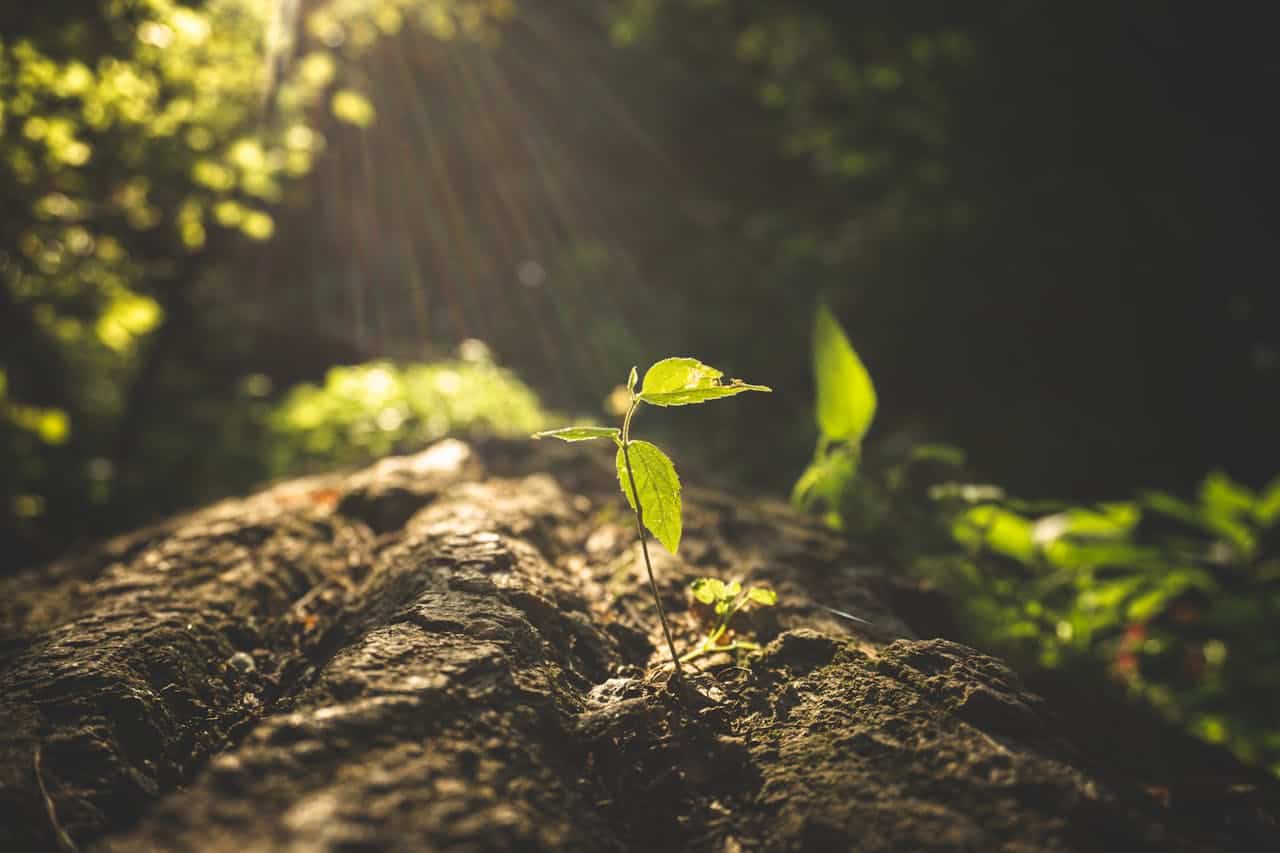
Collecting meaningful earth samples may seem sentimental, but soil can carry parasites and plant diseases capable of spreading across millions of acres. The U.S. spends billions fighting invasive organisms introduced accidentally, and inspectors confiscate hundreds of jars, bottles, and bags of sand or dirt every year. Even decorative containers filled with earth are disallowed. Declaring does not guarantee approval, but failing to declare can add hundreds of dollars in fines on top of confiscation. Authorities emphasize that environmental protection begins with controlling what microscopic threats cross international borders.
11. Wooden Handicrafts Containing Untreated Organic Material
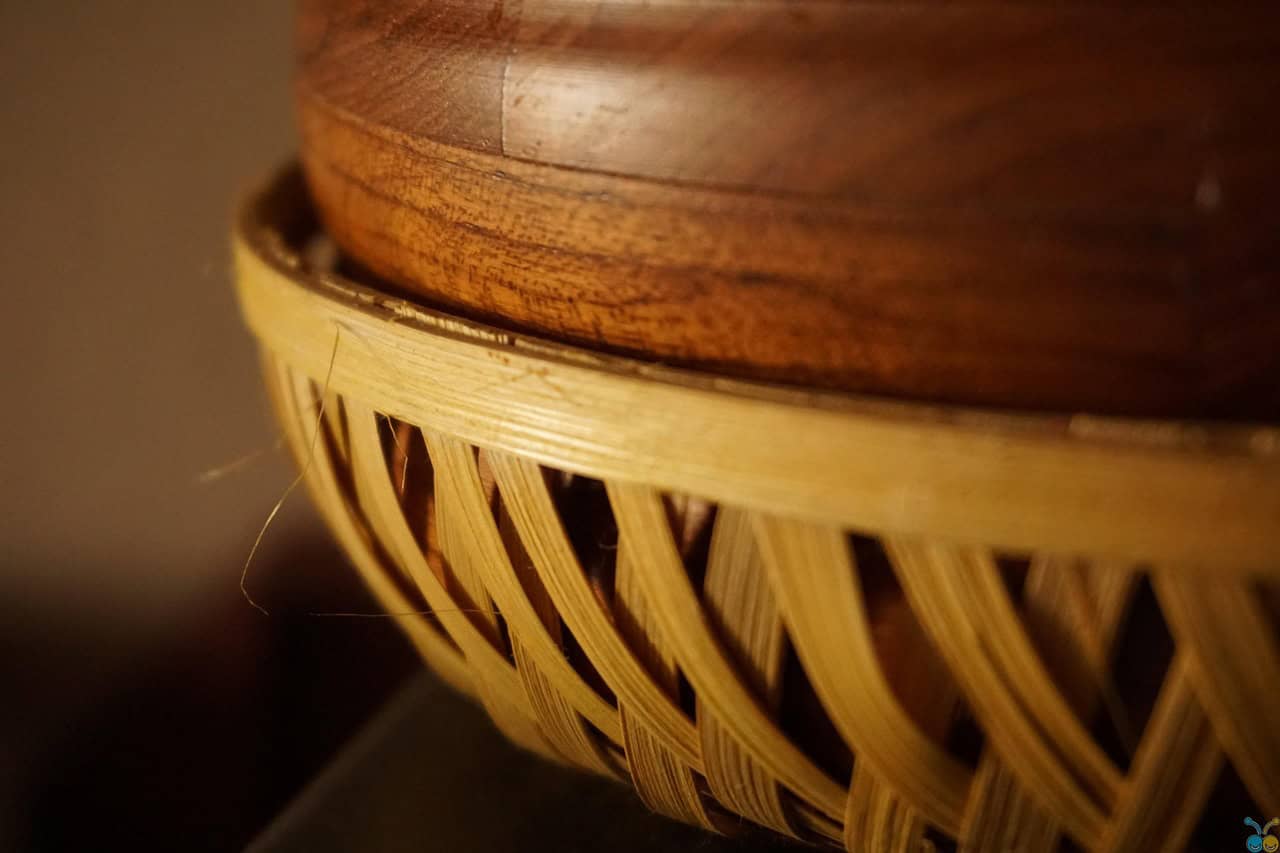
Untreated wood souvenirs appeal to thousands of travelers, yet they often hide beetles or larvae that later damage forests valued at hundreds of billions nationwide. Inspectors seize thousands of wooden masks, figures, and rustic crafts annually, especially those still showing bark or sap. Items lacking proof of treatment rarely get entry approval. Penalties again may range from about $300 upward if undeclared. The United States has previously spent hundreds of millions combating wood-boring pests, which explains why officers remain extremely strict. Choosing certified processed wood is the only safe alternative.
12. Wildlife Products and Protected Animal Parts
Souvenirs like coral, turtle shell items, certain shells, or protected animal parts fall under international wildlife laws, and violations can lead to penalties reaching thousands of dollars or even criminal cases. U.S. wildlife enforcement agencies report numerous seizures every year tied to endangered marine species and restricted wildlife materials. Even if something costs only 200 or 300 pesos in Mexico, transporting it illegally can create long-term legal consequences. The goal is to protect ecosystems, rare species, and responsible tourism industries that support millions globally. When in doubt, travelers should never buy wildlife-derived souvenirs.
13. Pork Products, Sausages, and Meat-Based Foods
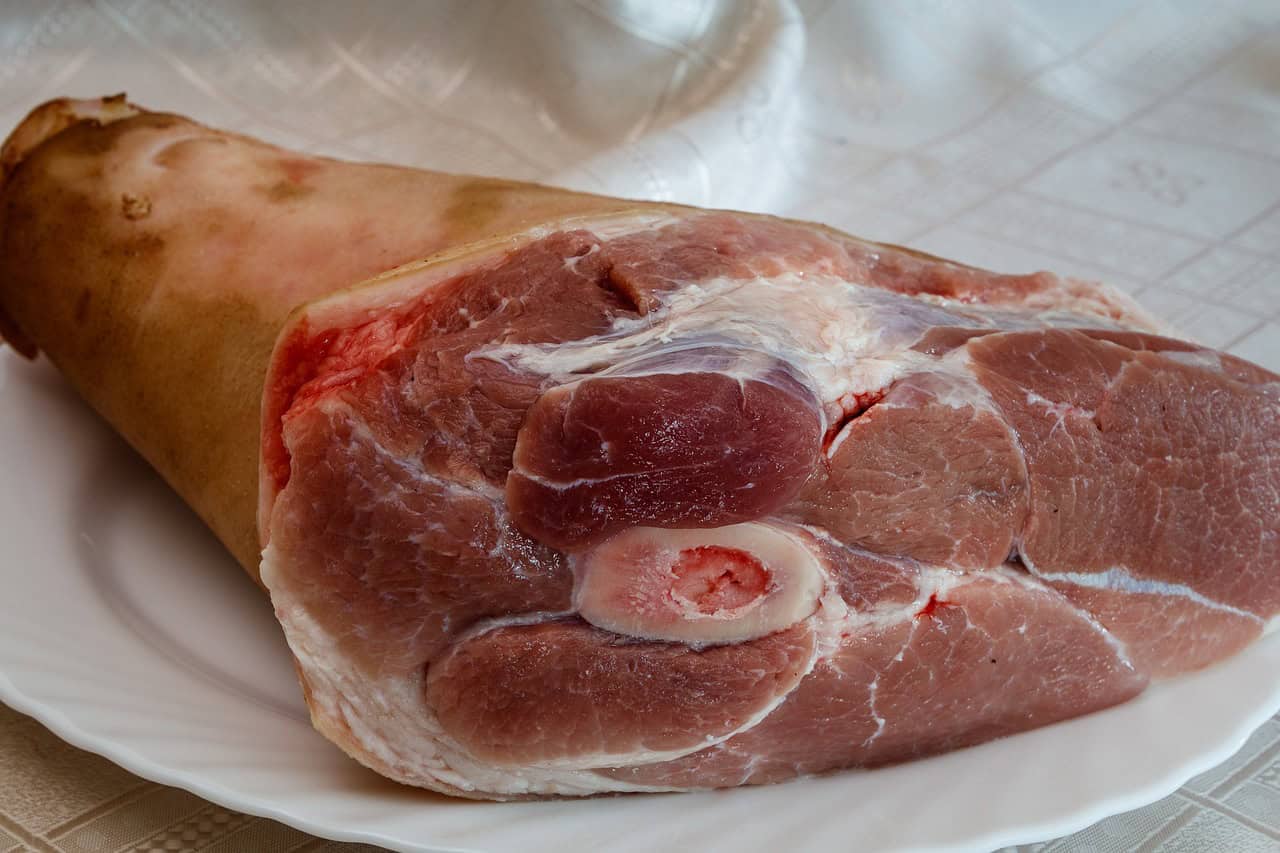
Pork products such as chorizo, sausages, and homemade cured meats are highly restricted because diseases like African swine fever could cripple a $23-billion American pork sector. In documented enforcement operations, officers have confiscated more than 200 pounds of illegal pork in a single case. Even cooked products can be rejected without proof of safe processing. Undeclared meat frequently results in fines between $300 and $1,000, and intentional smuggling can lead to higher penalties. Authorities insist the rule is essential because one outbreak could damage farms that feed millions and support thousands of workers.