We may earn money or products from the companies mentioned in this post. This means if you click on the link and purchase the item, I will receive a small commission at no extra cost to you ... you're just helping re-supply our family's travel fund.
Some travel scenes feel infinite until they collide with the reality of crowds, safety, and tired local infrastructure. By 2026, more viral viewpoints are being reshaped with screens, fences, timed access, and detours that quietly change how the image is made. What once felt like a spontaneous discovery now often comes with signage, barriers, and a nudge to keep moving. The shift is not anti-travel. It is a practical attempt to protect people, landscapes, and neighborhoods from being overwhelmed by a single, endlessly repeated frame.
Lawson Convenience Store View in Fujikawaguchiko, Japan
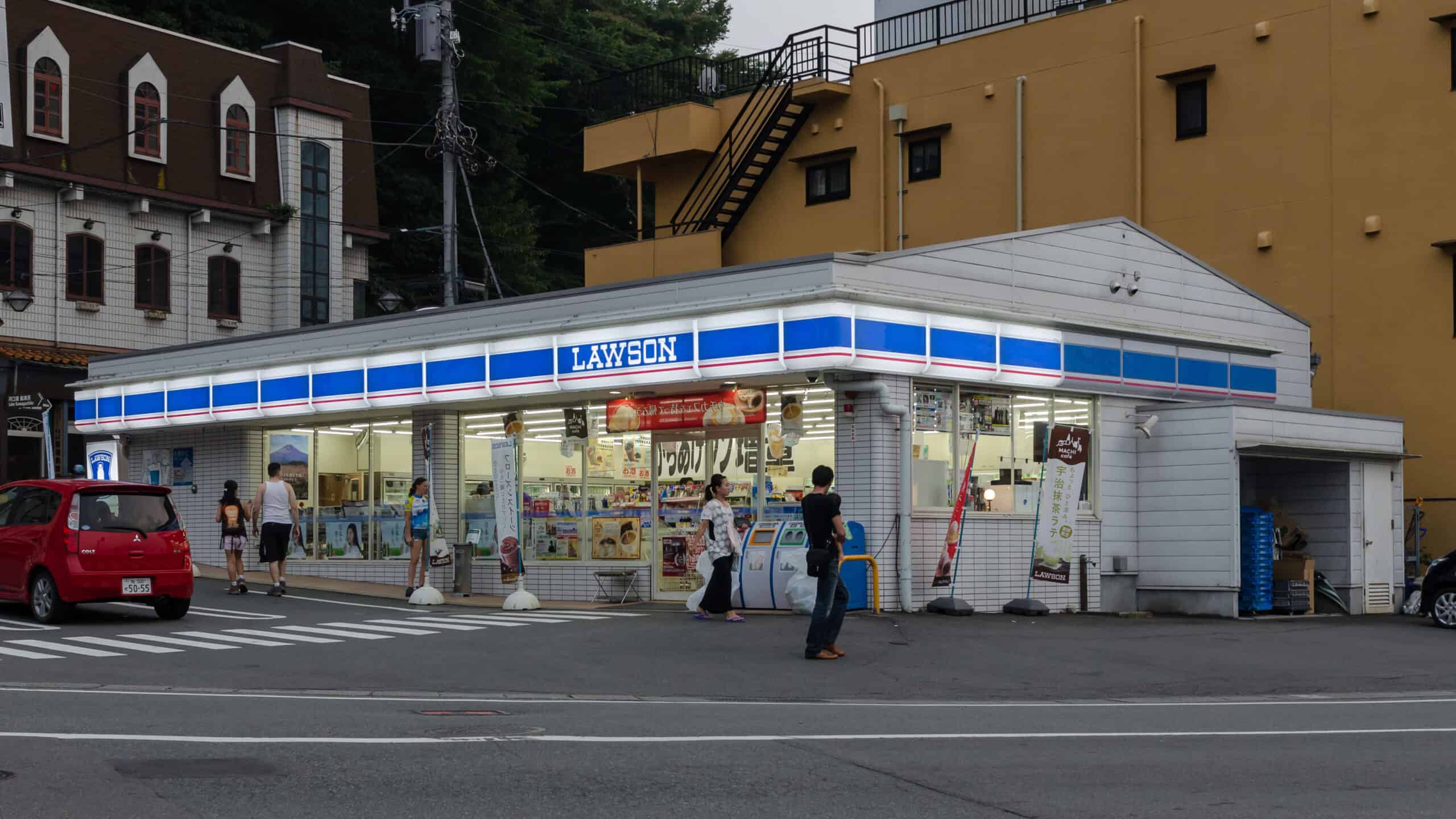
In Fujikawaguchiko, the classic shot of Mount Fuji rising above the Lawson convenience store drew crowds that clogged the curb, slowed buses, and turned a normal crosswalk into a photo queue. Local officials responded by installing a big black mesh screen along the sidewalk edge, blocking the clean, centered frame that made the scene famous. The mountain still dominates the skyline, but the effortless parking-lot perspective is gone, and by 2026 the corner feels like a boundary line between daily errands and a global photo hunt, with foot traffic funneled toward safer, less intrusive angles and a quiet message that the street is not a studio.
Fuji Dream Bridge in Fuji City, Japan
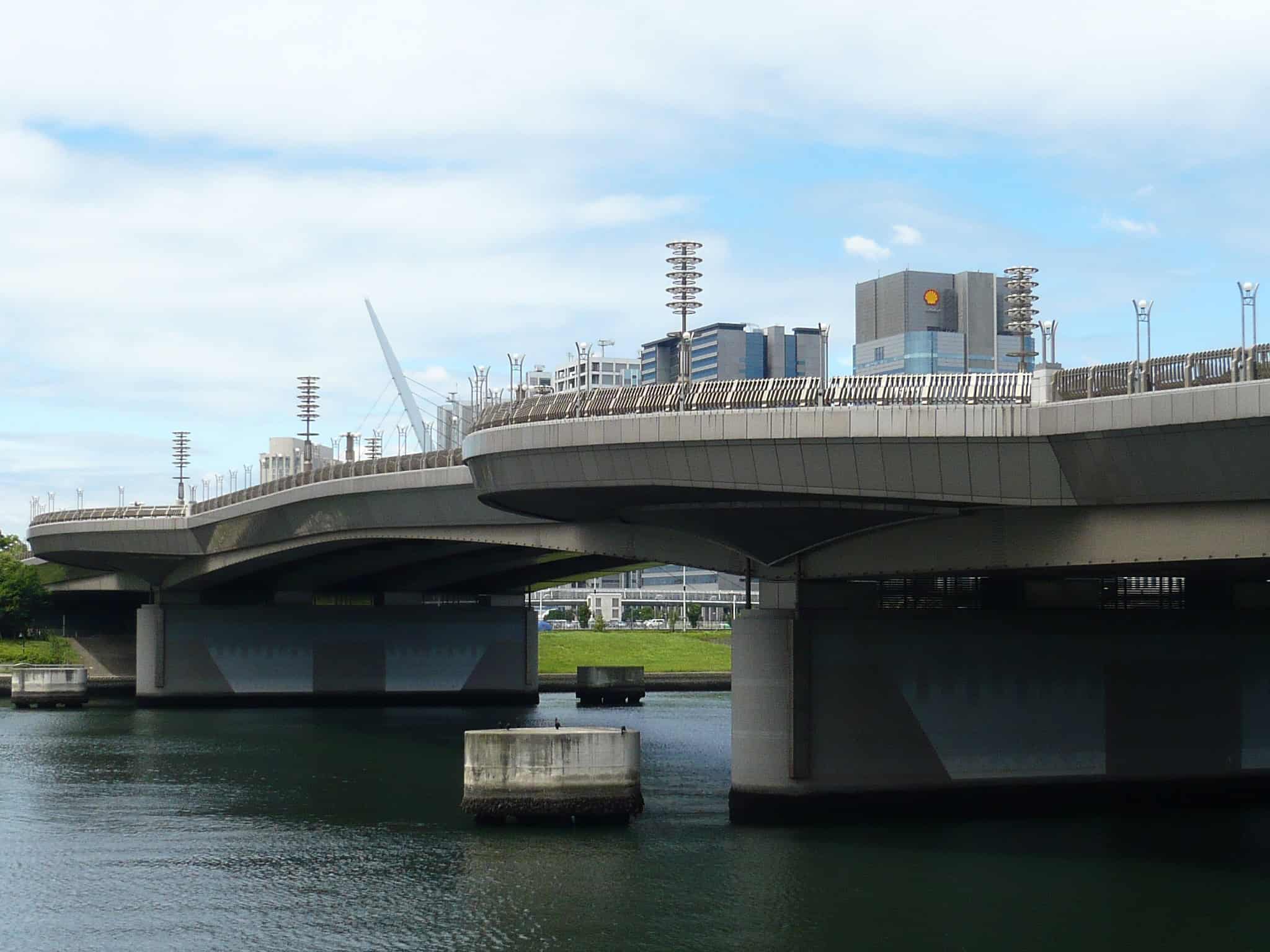
In Fuji City, the pedestrian overpass nicknamed the Fuji Dream Bridge became a viral frame for Mount Fuji, with travelers lining up on stair landings for the perfect centered shot. Complaints about blocked walkways and risky crowding on steps pushed the city to add fencing that limits where people can stop, lean, or set up tripods, cutting off some of the old compositions. By 2026, the bridge still delivers drama, but it does it on the city’s terms, with foot traffic kept moving, lingering discouraged, and the famous view experienced in passing rather than staged as a long, cinematic wait during peak hours and holiday seasons.
Hallstatt’s Lakefront Viewpoint in Austria
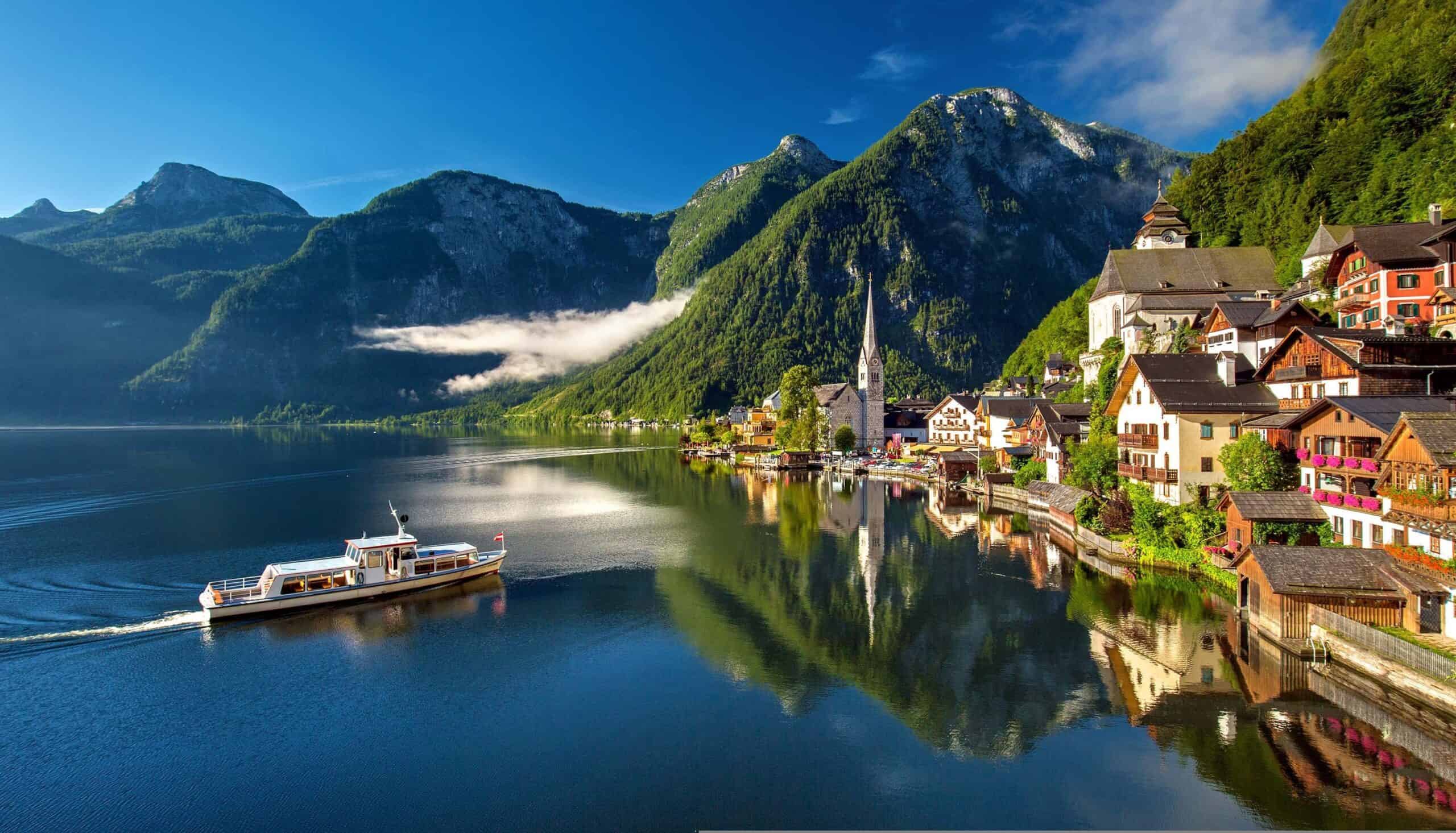
Hallstatt’s postcard view over the lake became so overrun that locals erected a temporary wooden fence at the most crowded lookout, turning a public scene into a controlled one. The barrier did not erase the beauty, but it signaled that the village’s tight lanes and fragile calm cannot absorb endless photo lines without real costs for residents. By 2026, even when fencing shifts or comes down, the lesson lingers in signage, routing, and patrols: arrivals are nudged toward dispersed viewpoints and earlier hours, because the best angle is never worth blocking homes, crowding cemeteries, or treating a lived-in town as a set.
Fjaðrárgljúfur Canyon in Iceland
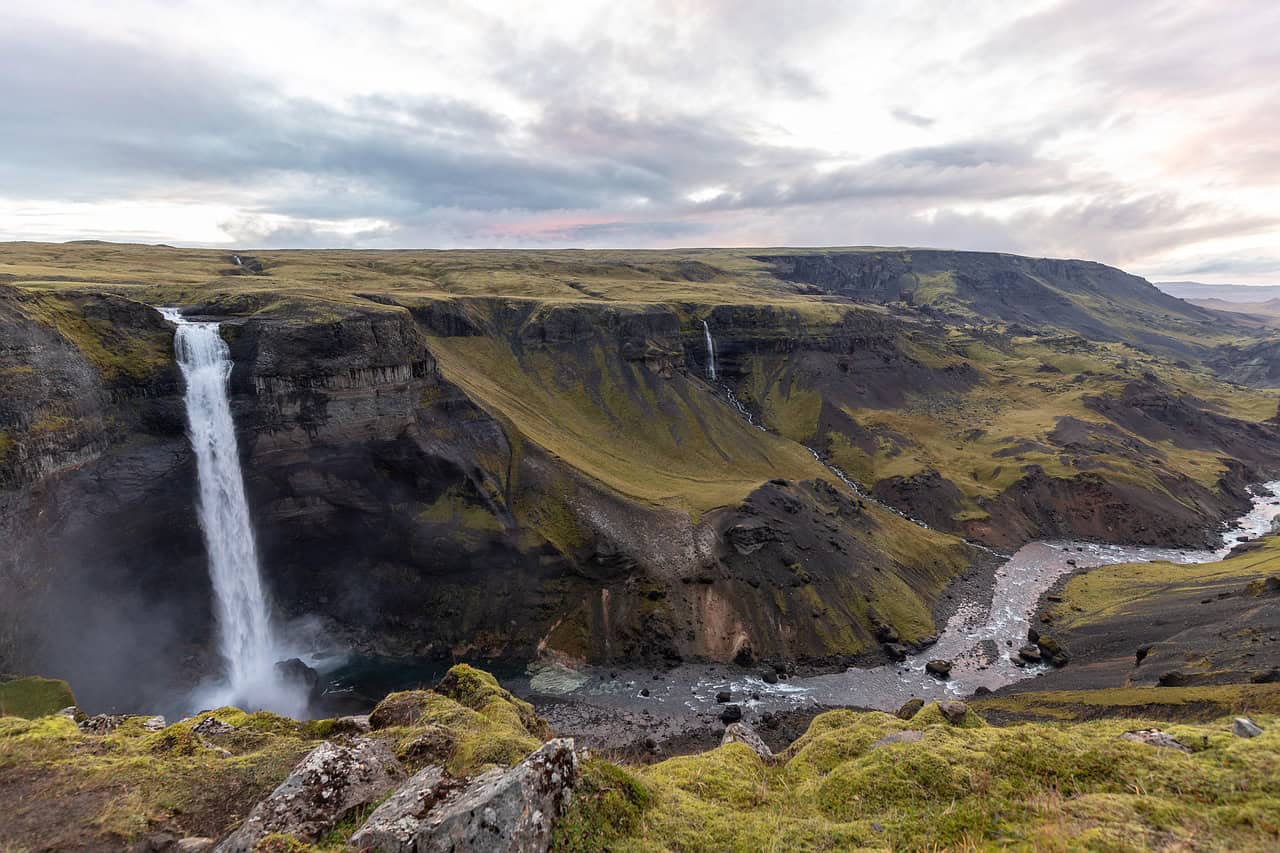
Fjaðrárgljúfur looks like it was designed for aerial drones, but its mossy edges bruise easily under boots, and years of viral exposure pushed Iceland to tighten access. Seasonal closures, roped sections, and fenced ground steer hikers onto hardened tracks and designated platforms, keeping feet off fragile slopes and people away from unstable canyon rims. By 2026, the gorge still stuns, yet the most tempting cliff-edge frames are often physically out of reach, and the restriction feels like a practical bargain: a slightly narrower shot in exchange for a place that can survive another decade of attention and not turn to mud.
Étretat Clifftops in Normandy, France
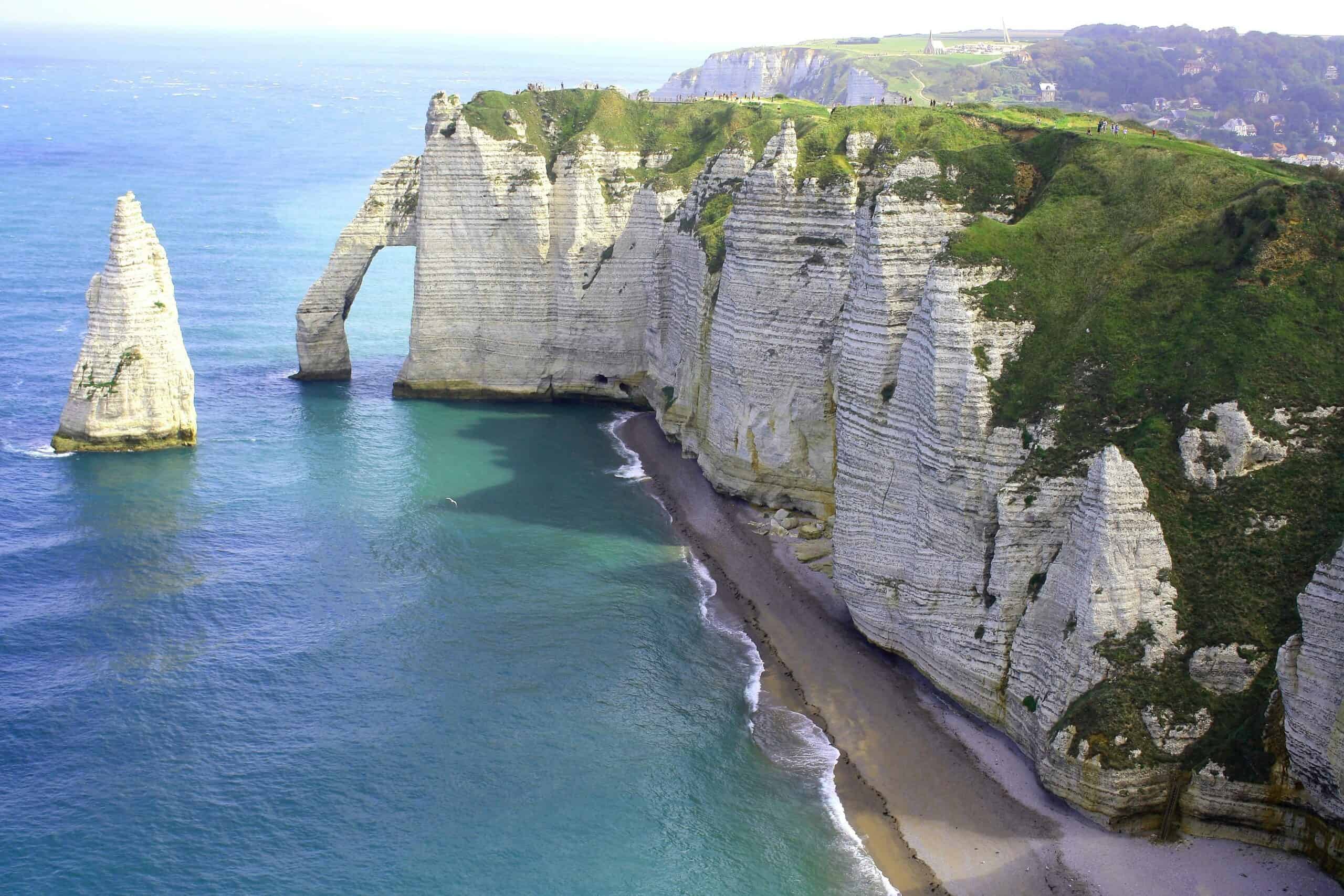
At Étretat, the chalk cliffs and arches draw day-trippers who want a clean horizon line and a dangerous perch, and the fragile turf has been worn thin by constant foot traffic. Officials responded with new fencing and closures on parts of the clifftop network, aiming to reduce falls, slow erosion, and stop visitors from cutting across unstable edges to recreate social-media poses. By 2026, the scenery still feels mythic, but it often arrives through a managed corridor, where wind warnings, barriers, and marked routes nudge photographers toward safer compositions and leave the most precarious viewpoints untouched.
Haiku Stairs in Oahu, Hawaii
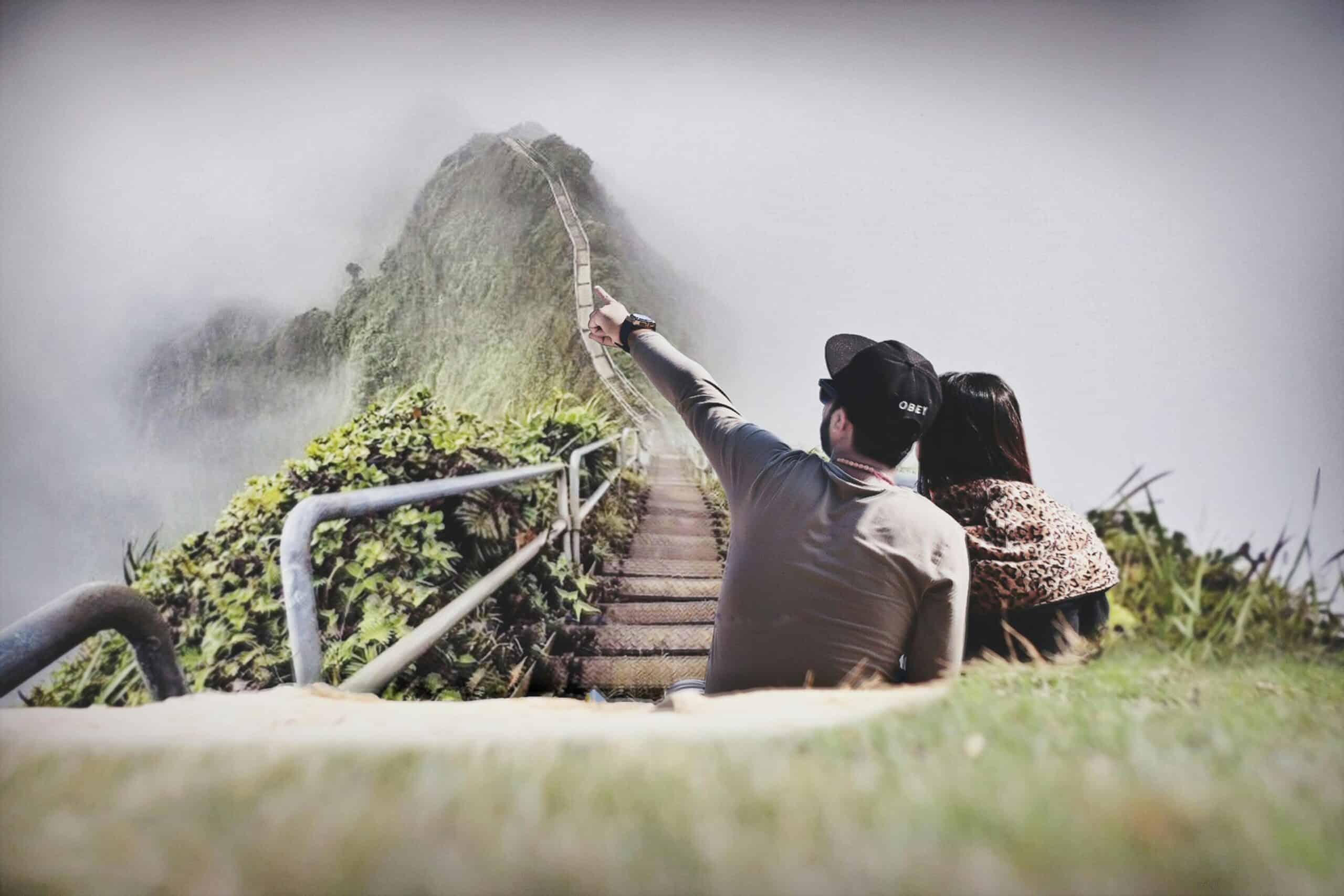
Haiku Stairs, the Stairway to Heaven hike on Oahu, became a badge of influencer bravado even as it remained closed and illegal to access. Fences, security patrols, and the state’s decision to dismantle the stairway have made the once-viral climb increasingly unreachable, turning many sunrise photos into proof of rule-breaking. By 2026, the lesson is blunt: the view is being fenced off not for convenience, but because rescue calls, noise, parking conflicts in residential streets, and repeated arrests finally outweighed the internet’s appetite for a single dramatic frame, even as other legal ridgeline hikes remain.
The Pillars on the Mornington Peninsula, Australia
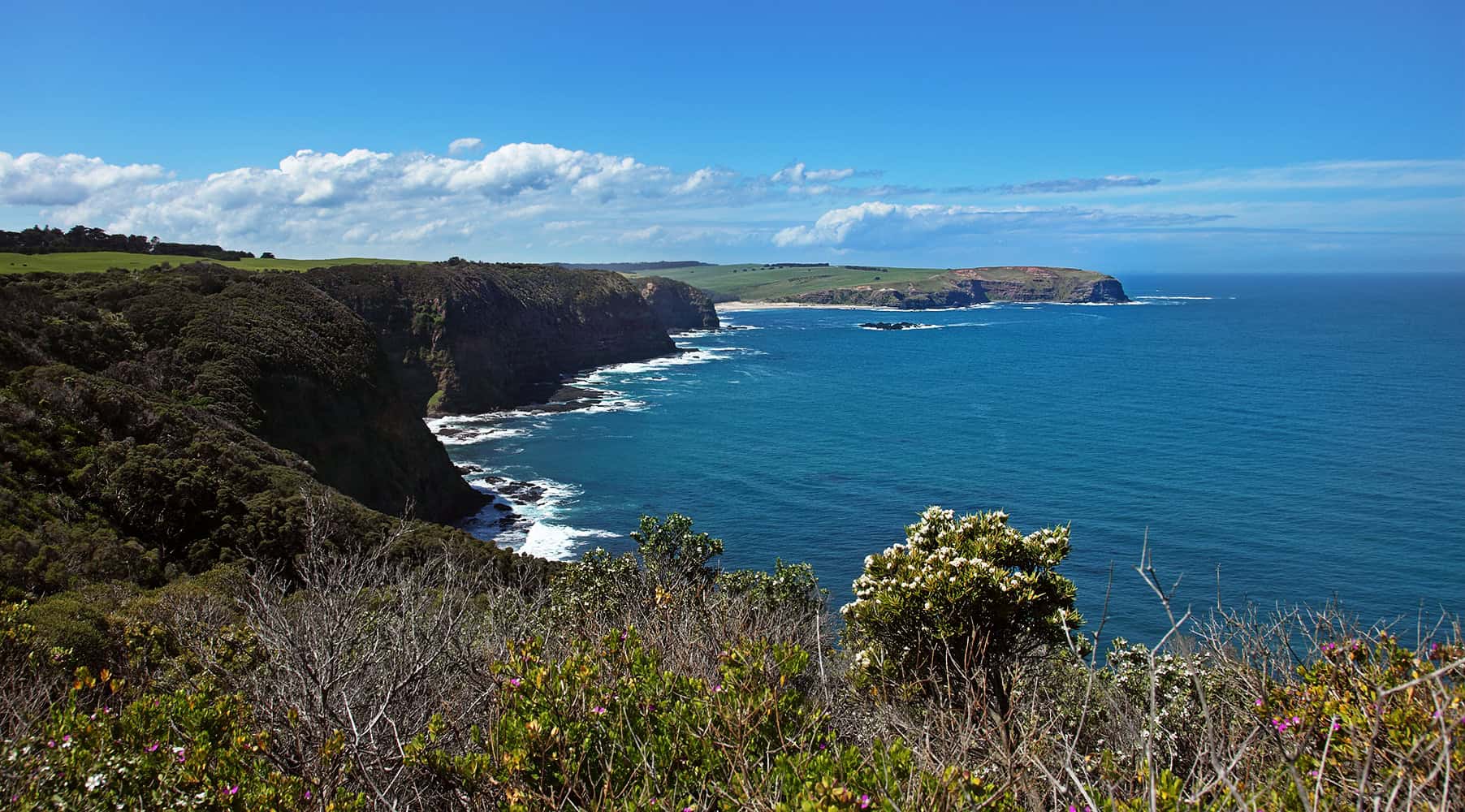
The Pillars, a cliffside spot on Australia’s Mornington Peninsula, went viral for golden-hour cliff jumping and ocean backdrops, even as the hazards showed in rough seas and slick rock. After injuries and constant crowding, local authorities moved to fence and close access points, aiming to stop people from scrambling down unstable edges, stripping vegetation, and triggering emergency callouts. By 2026, the most direct routes are often blocked, and the coastline reads more like protected infrastructure than a playground, pushing visitors toward safer beaches and signed lookouts that deliver the same sea light without the same gamble.
Glenfinnan Viaduct in the Scottish Highlands
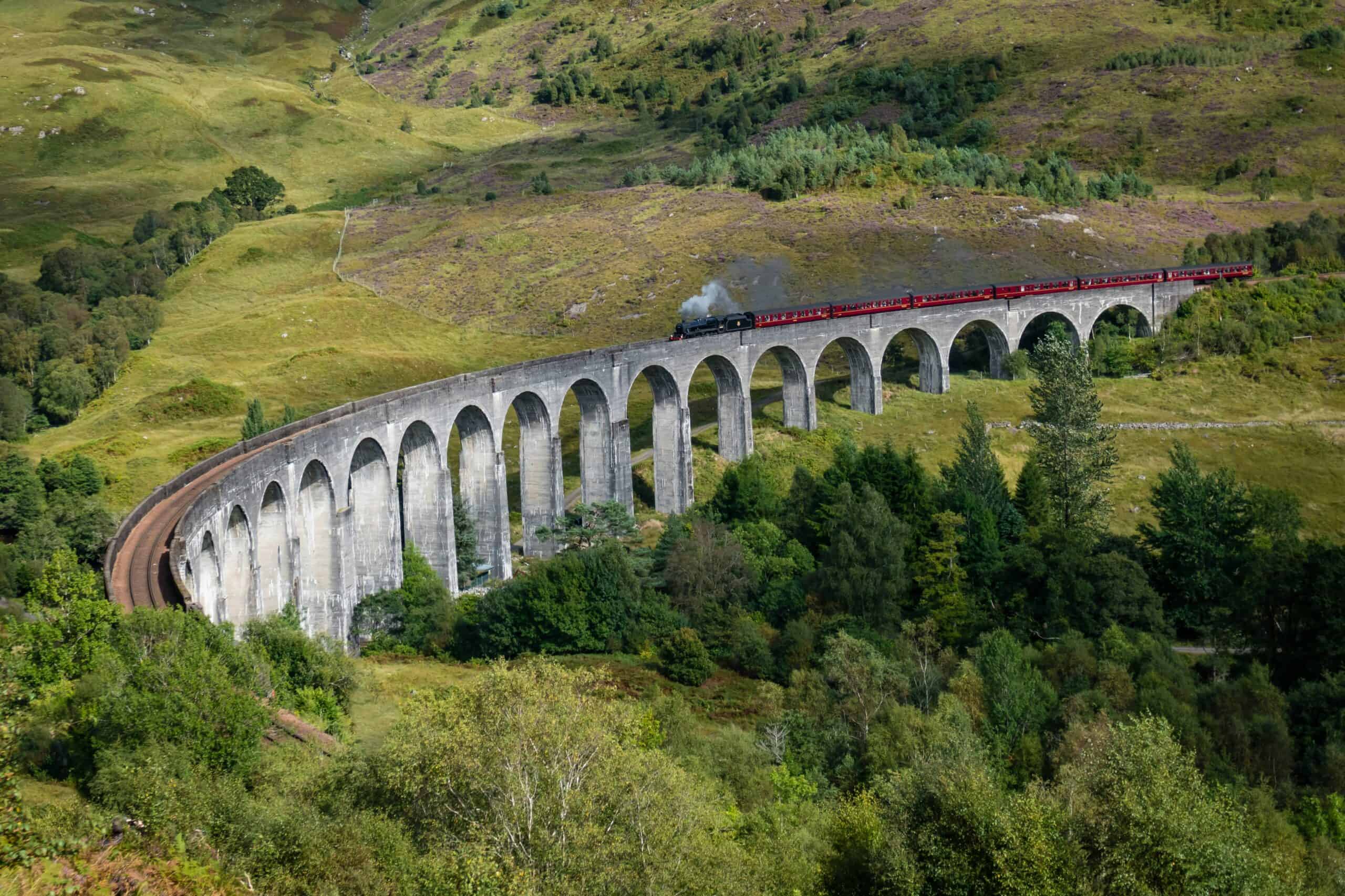
Glenfinnan’s sweeping viaduct, made famous by the “Harry Potter” films, attracts photographers who want the steam train and the curve in one frame. Network Rail has invested in renewed lineside fencing to keep the public separated from live tracks, after years of trespass, near misses, and people drifting onto ballast for a cleaner shot. By 2026, the most effortless angles are often the ones that do not exist anymore, with fences and safety signage nudging visitors toward established footpaths and hillside viewpoints, where the drama is the same but the risk is not, and where local roads breathe a little easier at peak times.
Navagio Shipwreck Beach Viewpoint on Zakynthos, Greece
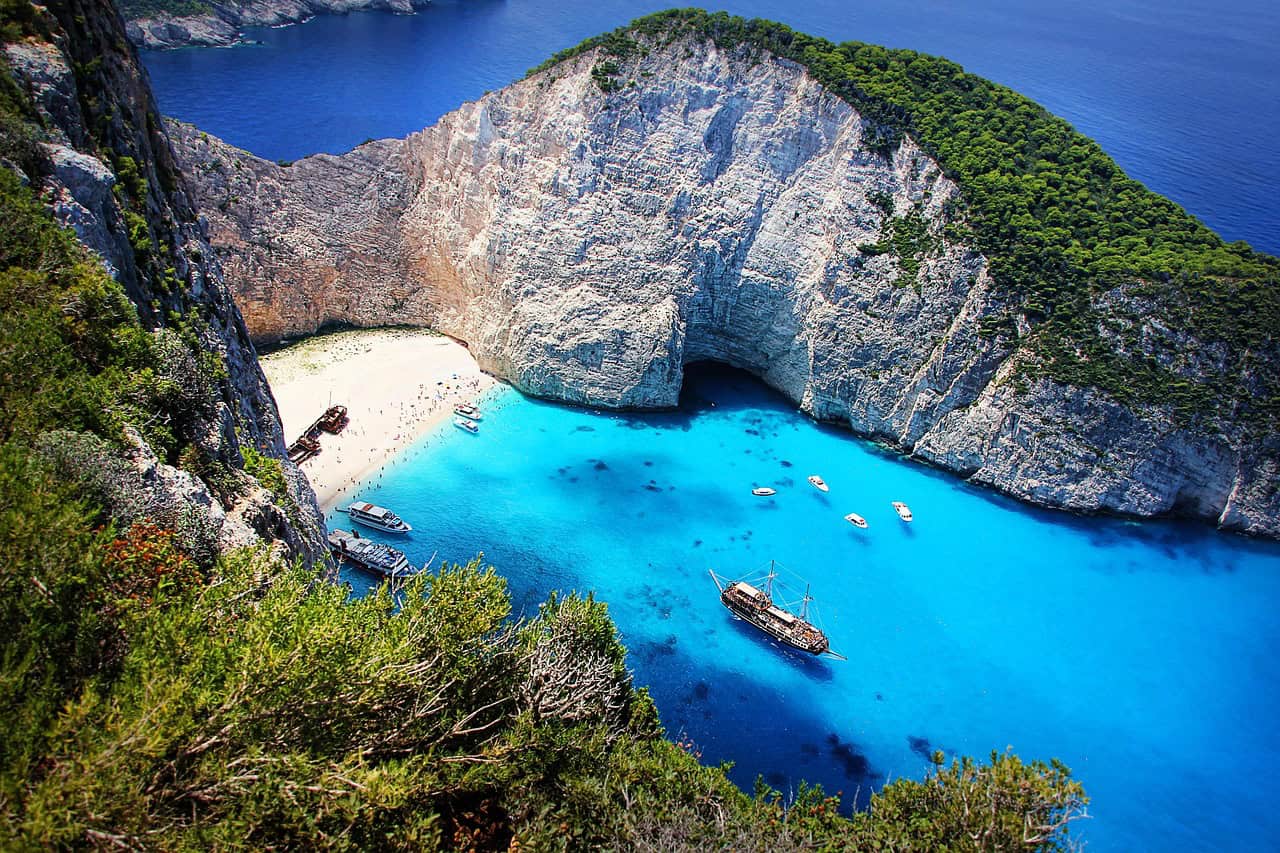
Navagio, the shipwreck cove on Zakynthos, became a Greece highlight precisely because the cliff-top lookout makes the turquoise water look unreal. After rockfall warnings and a string of safety concerns, officials restricted access, closing the main viewing platform area at times and pushing visitors back from the rim where crowds once leaned for a wider frame. By 2026, the cove still pulls in boats and cameras, but the cliff experience is tightly managed, with barriers, patrols, and seasonal rules making it clear that geology, not aesthetics, sets the boundary, and that one bad step can flip a day trip into a rescue.
The Vessel at Hudson Yards in New York City
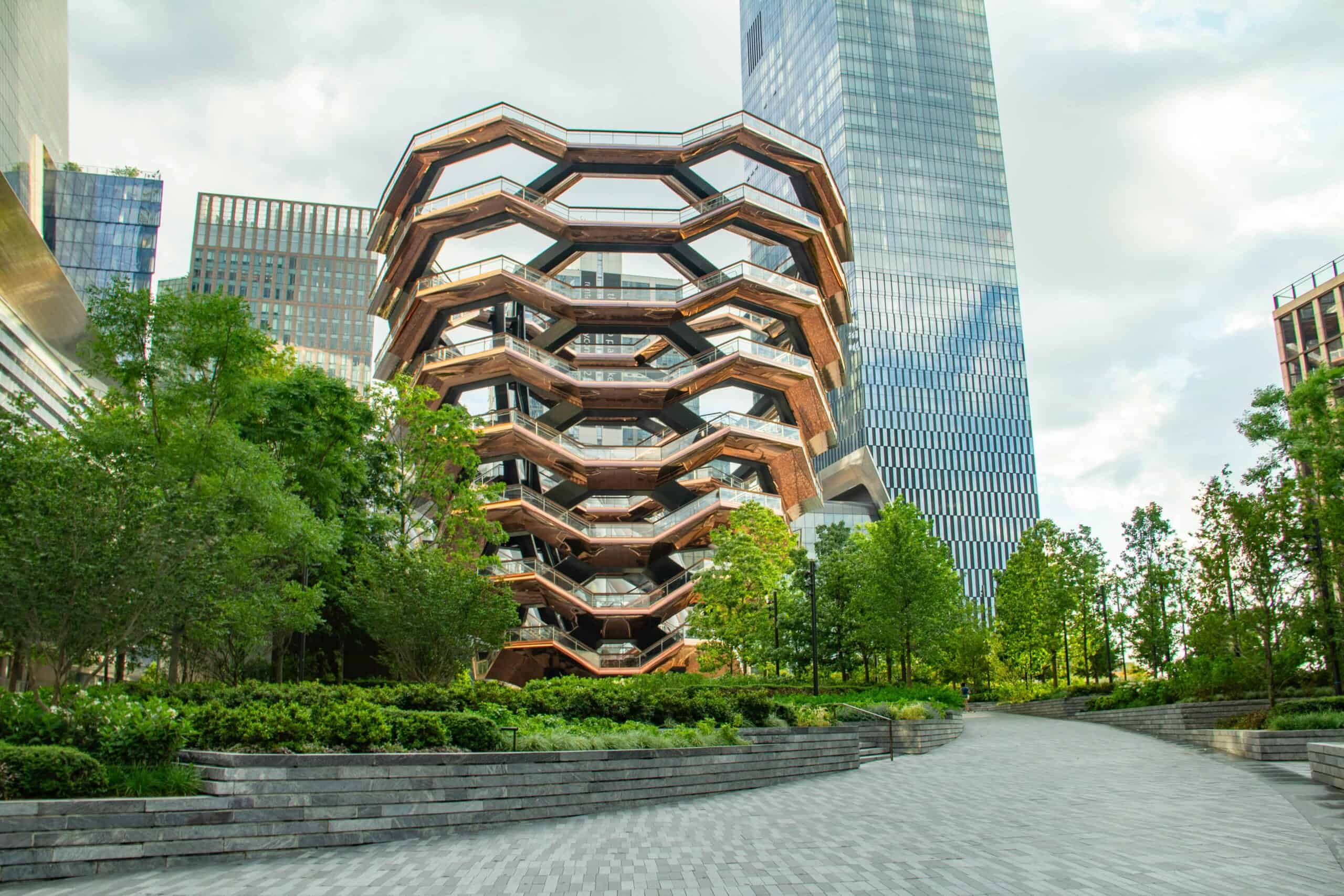
The Vessel at Hudson Yards was built for photos and views, and its honeycomb staircases quickly became a social-media staple for anyone chasing geometric symmetry. After safety concerns, the structure reopened with protective mesh barriers and adjusted access rules, which soften the dramatic open-air feel and interrupt some of the crisp interior lines that once read like an endless pattern. By 2026, the design still impresses, but the experience feels more guarded, with oversight built into the architecture itself, a reminder that public attractions in a dense city must balance spectacle with the unglamorous work of keeping people safe.
Horseshoe Bend Overlook Near Page, Arizona
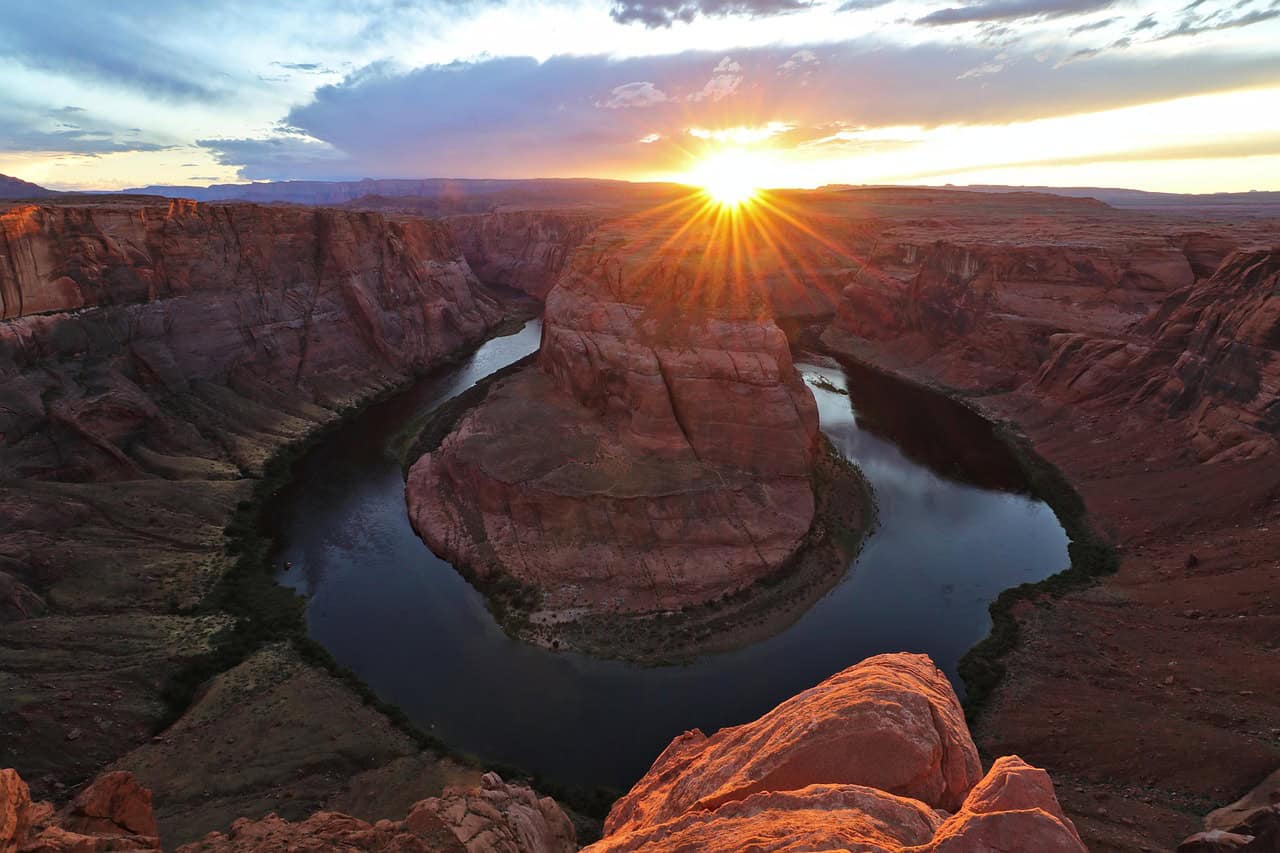
Horseshoe Bend became an Arizona icon because the cliff edge offers a clean, heart-stopping drop straight into the Colorado River’s curve. To reduce falls as visitation surged, managers added railings and fenced sections along parts of the rim, steering visitors away from the most exposed rocks where people once shuffled forward for a wider, emptier frame. By 2026, the overlook still feels vast, but the safest viewpoints are the easiest to reach via the improved trail and viewing areas, and the most extreme compositions often depend on accepting that the boundary exists for physics, not photography, especially at sunset.
McWay Falls Overlook in Big Sur, California
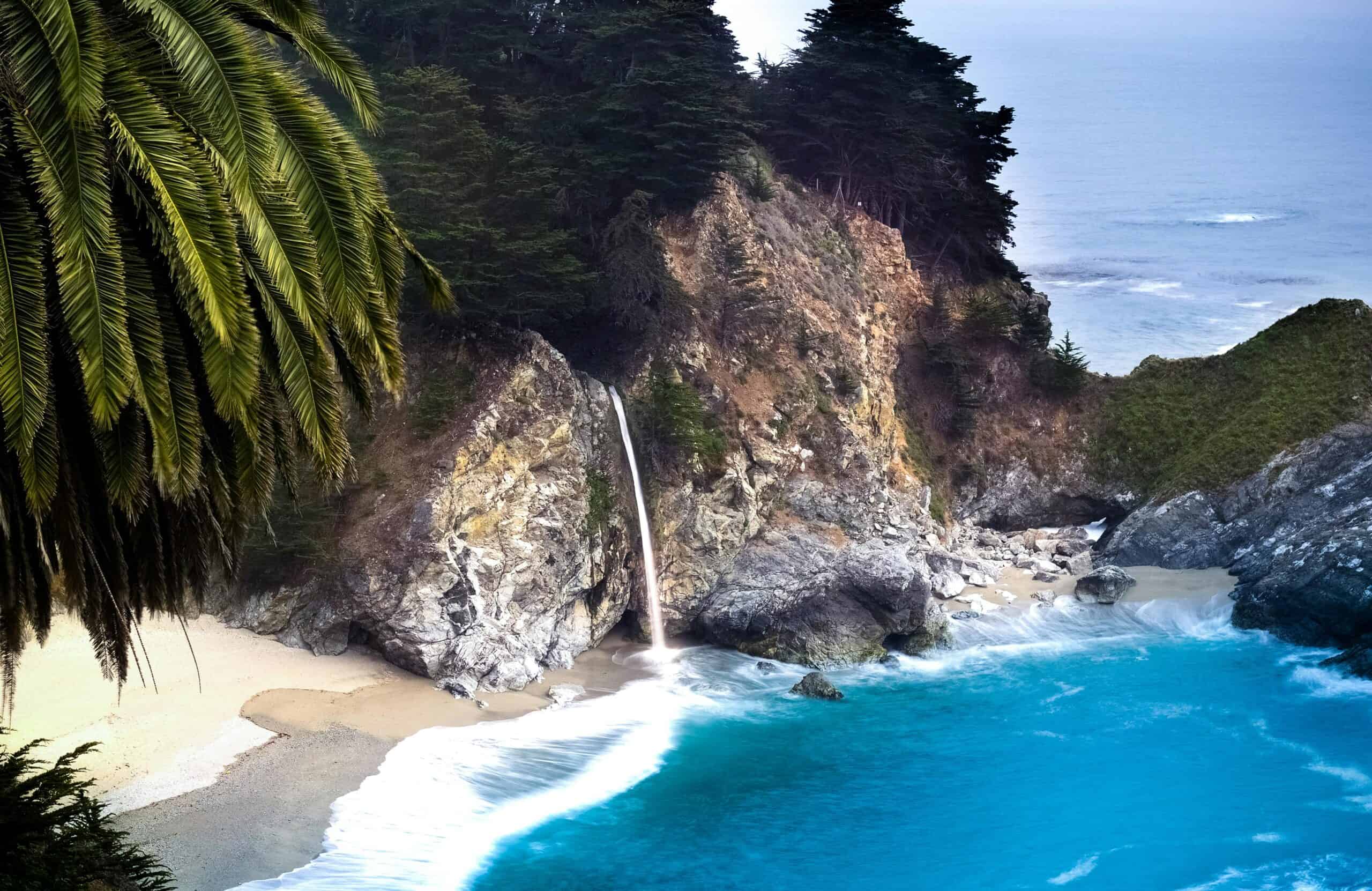
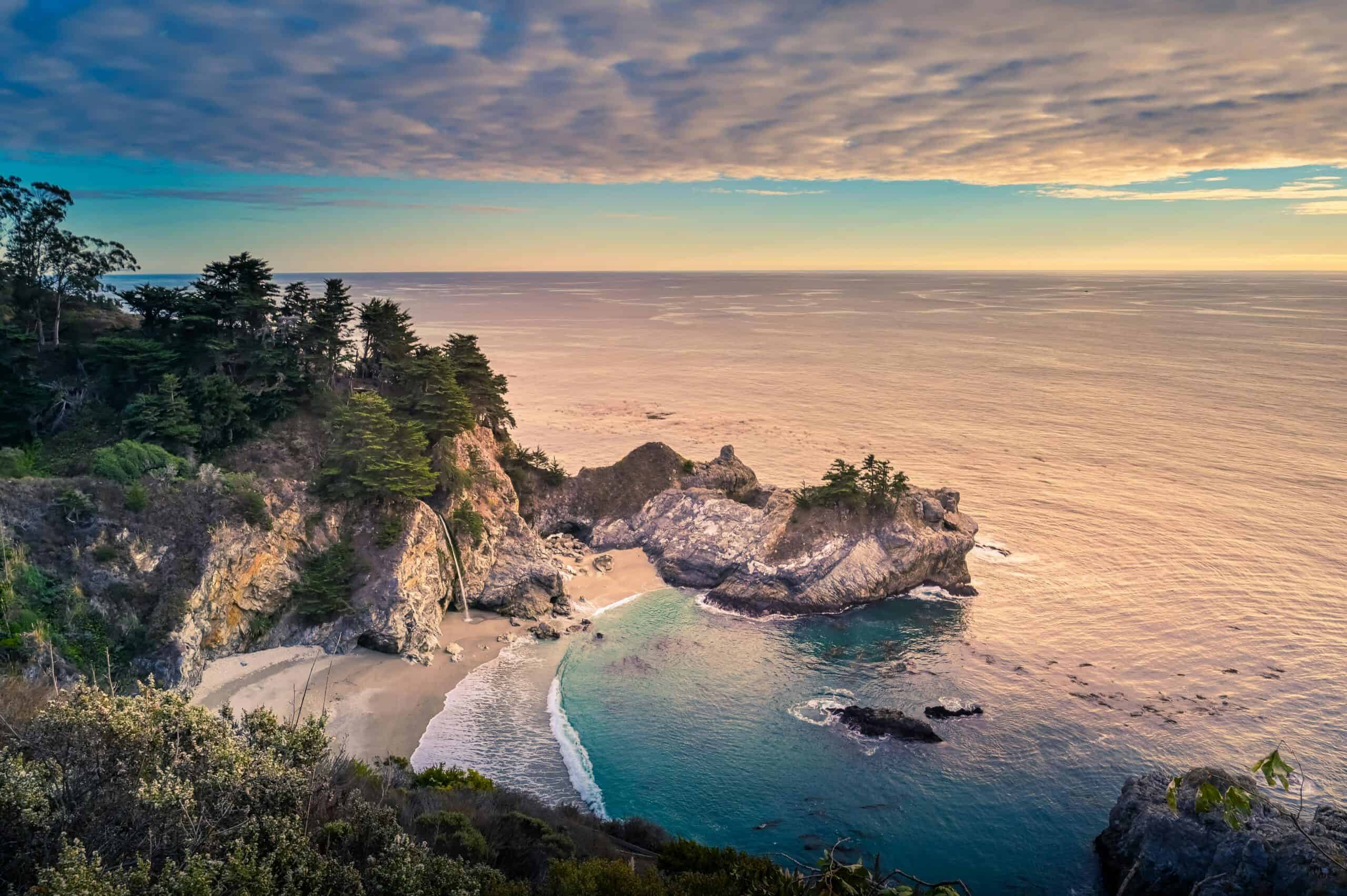
McWay Falls became a Big Sur obsession because the waterfall meets the beach in a single clean frame, and the Julia Pfeiffer Burns overlook turns that moment into instant proof of California beauty. After storms and ongoing repairs, officials have kept sections of the overlook trail closed at times, fencing off the easiest route and shrinking the number of safe, stable spots where crowds can stop. By 2026, the falls still glitter in afternoon light, but the experience often comes from a constrained viewpoint, with signs and barriers quietly reminding visitors that a cliffside walkway can fail long before an ocean sunset does.
Yosemite Firefall Viewing Corridor in Yosemite National Park
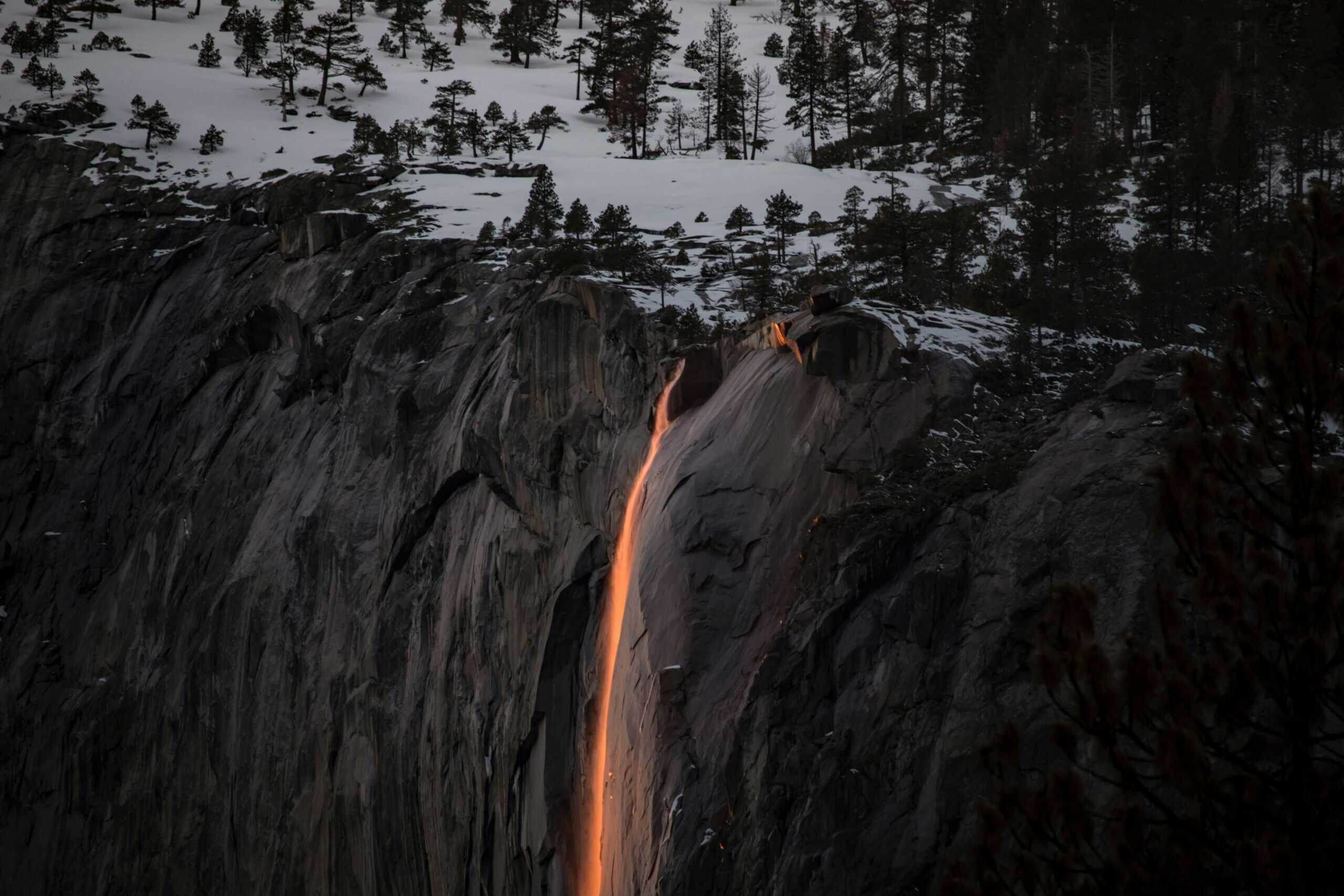
Yosemite’s firefall effect on Horsetail Fall is one of the most photographed natural moments in the United States, and it lasts only a few evenings each February when sunlight hits just right. To manage gridlock and protect roadside meadows near El Capitan, the park blocks off stopping zones, restricts parking, and uses cones, fencing, and enforcement that can make the old roadside framing impossible. By 2026, the ritual still draws crowds, but the view comes via marked viewing areas and longer walks from parking, a shift that reduces chaos, cuts down on risky road behavior, and leaves more space for the hush that made the phenomenon famous.