We may earn money or products from the companies mentioned in this post. This means if you click on the link and purchase the item, I will receive a small commission at no extra cost to you ... you're just helping re-supply our family's travel fund.
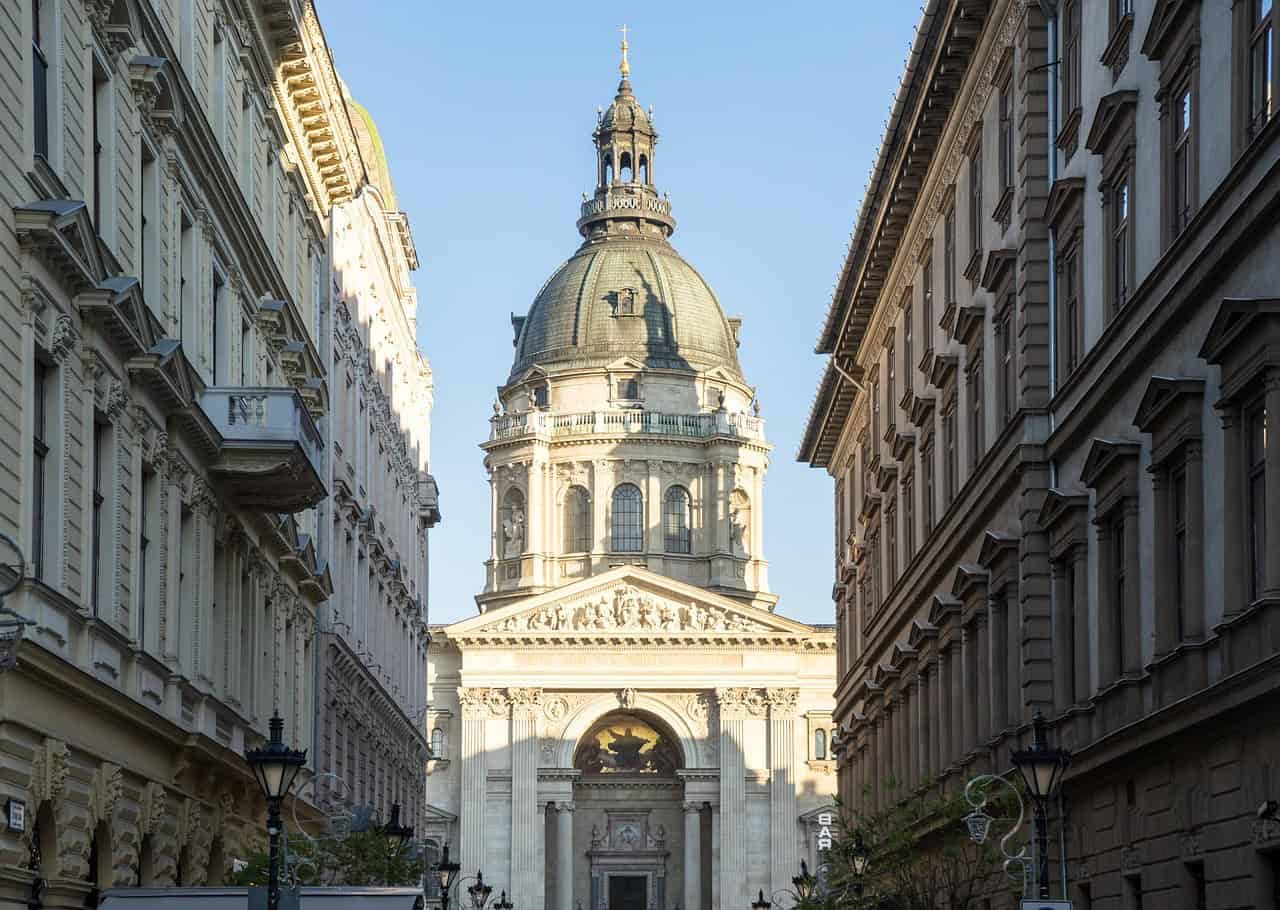
Living well in Europe is often portrayed as expensive, but that reality only applies to a handful of headline cities. Across the continent, many urban centers still offer affordable housing, reasonable daily expenses, dependable public services, and satisfying lifestyles without demanding high incomes. In these cities, rent does not dominate monthly budgets, groceries remain attainable, and social life is not a luxury. The list below highlights 13 European cities where comfort, culture, and stability remain accessible, with each section outlining practical living conditions and typical monthly costs shown using the $ symbol for clarity and easy comparison.
1. Budapest, Hungary
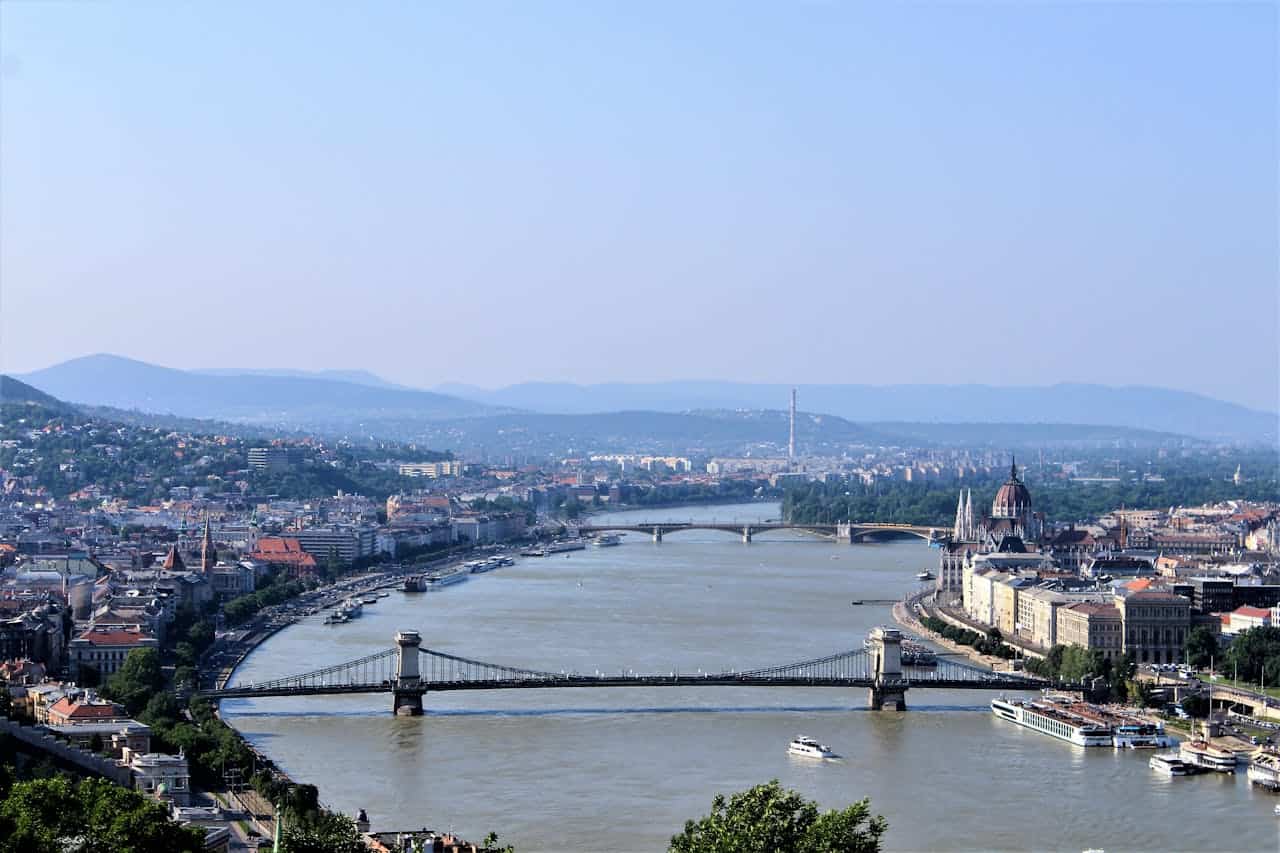
Budapest stands out for delivering a high quality of life at moderate cost. A one-bedroom apartment outside the city center typically rents for $520–$680 per month. Utilities average around $120, while a monthly public transport pass costs about $28. Grocery expenses for one person usually stay near $190, and local restaurant meals are commonly priced between $8–$10. Healthcare is accessible and affordable, and the city is highly walkable. With historic neighborhoods, thermal baths, cultural events, and an active social scene, Budapest allows residents to enjoy daily comforts without feeling financially stretched.
2. Porto, Portugal
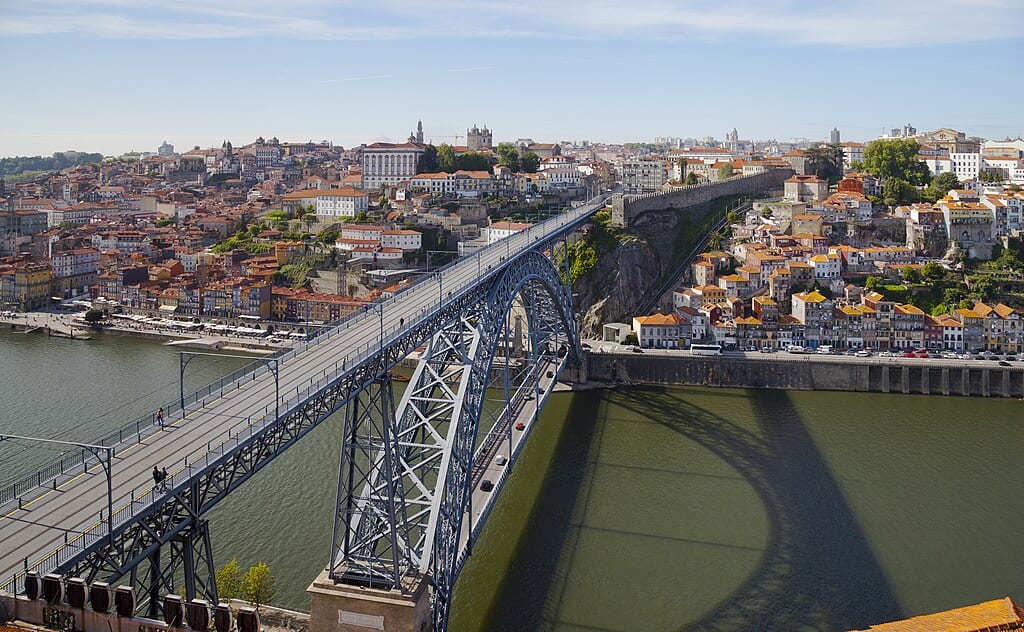
Porto offers a relaxed coastal lifestyle with manageable expenses. One-bedroom apartments outside the center generally cost $600–$760 per month. Utilities average about $130, and a monthly transport pass costs around $45. Grocery spending typically totals $210, while restaurant meals range from $9–$12. Public healthcare access is reliable, and walkable neighborhoods reduce transportation costs. Combined with mild weather, affordable fresh food, and a slower pace of life, Porto supports comfortable living without the high costs found in larger Western European cities.
3. Kraków, Poland
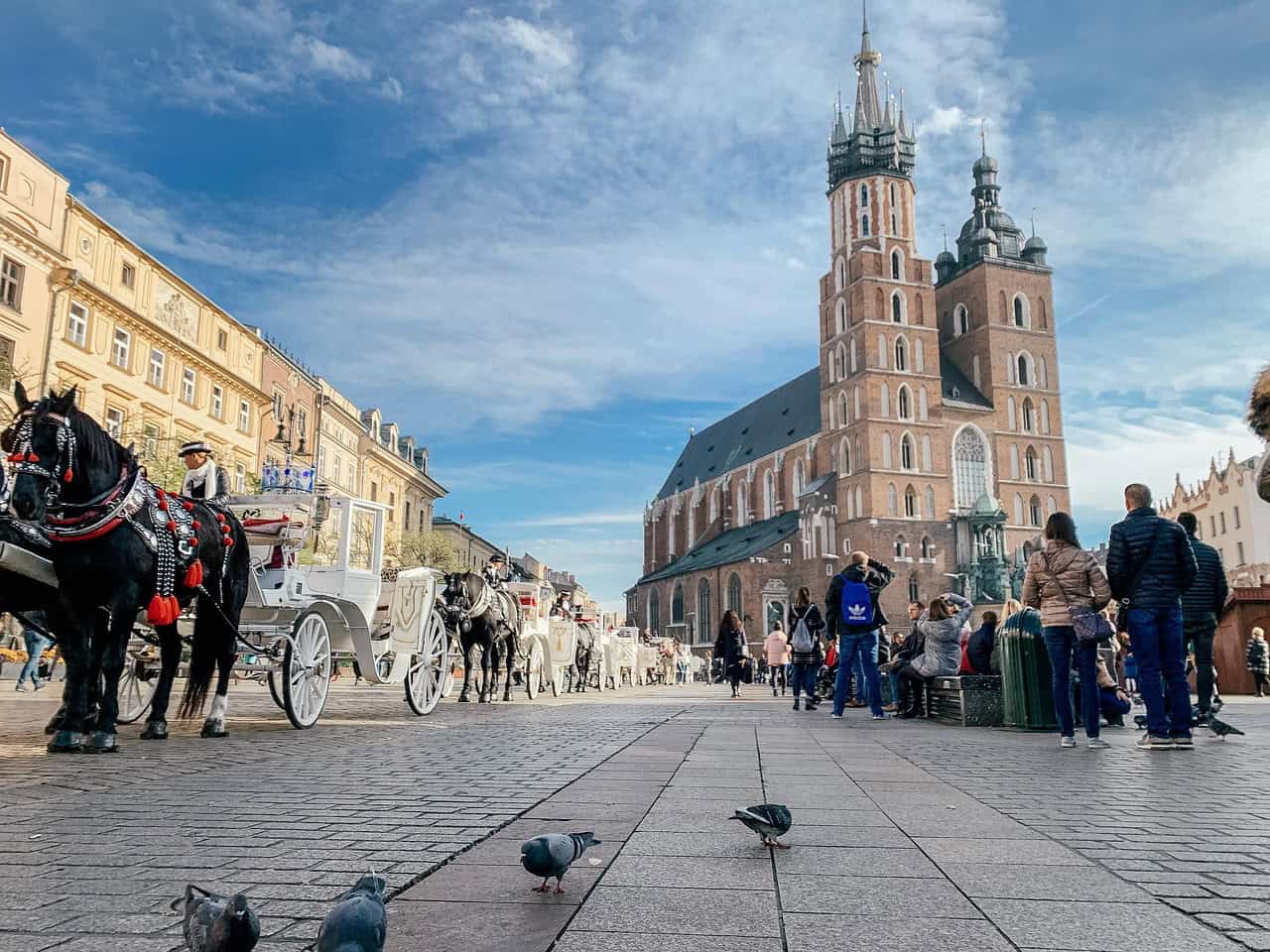
/pixabay
Kraków blends historic appeal with reasonable living costs. A one-bedroom apartment outside the city center rents for approximately $540–$700 per month. Utilities usually average $140, particularly during winter months. Monthly public transport passes cost about $32. Grocery expenses typically stay near $200, while local meals cost $7–$9. The city offers strong public services, green spaces, and a lively café culture. Kraków’s predictable expenses make it easy to maintain a balanced lifestyle without constant budget pressure.
4. Valencia, Spain
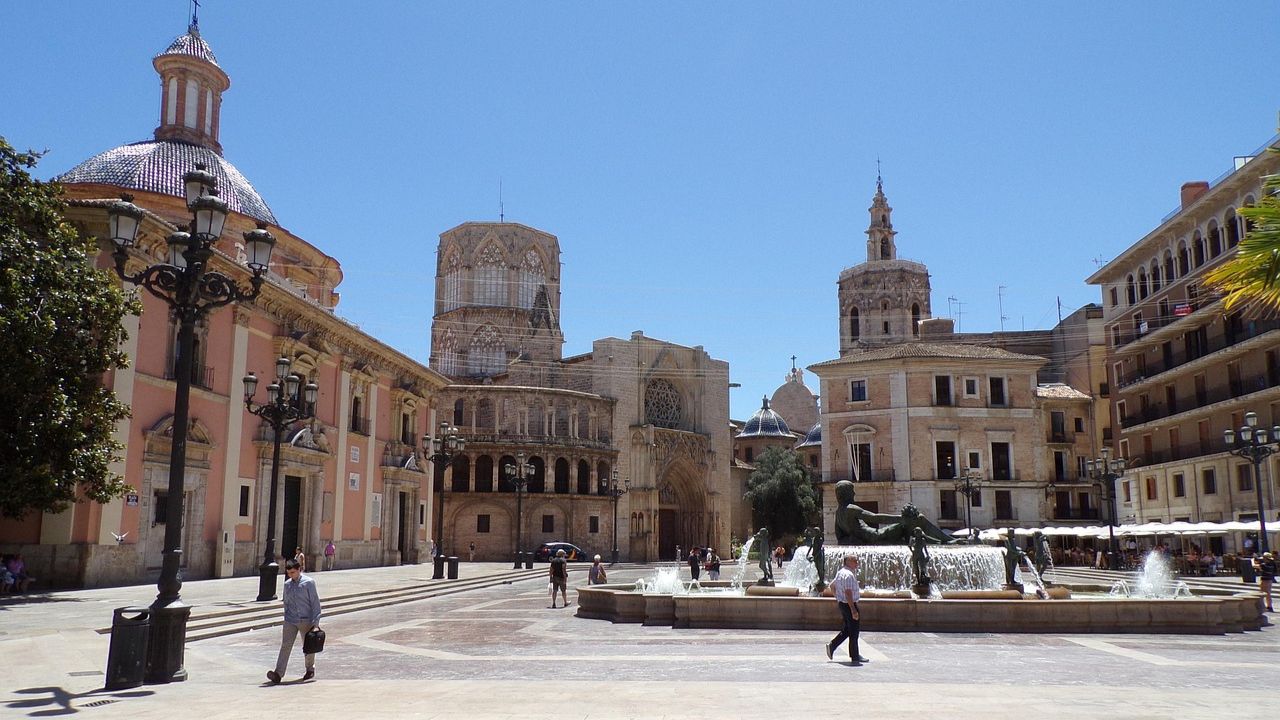
Valencia delivers Mediterranean living at a more attainable price. One-bedroom apartments outside the city center average $700–$860 per month. Utilities typically cost around $150, while monthly transport passes are about $48. Grocery expenses usually stay near $220. Dining out remains affordable, with daily lunch menus priced around $11. Public healthcare, beaches, parks, and outdoor spaces add lifestyle value. Valencia allows residents to enjoy sun, sea, and city life without the high expenses seen in Spain’s larger urban hubs.
5. Sofia, Bulgaria
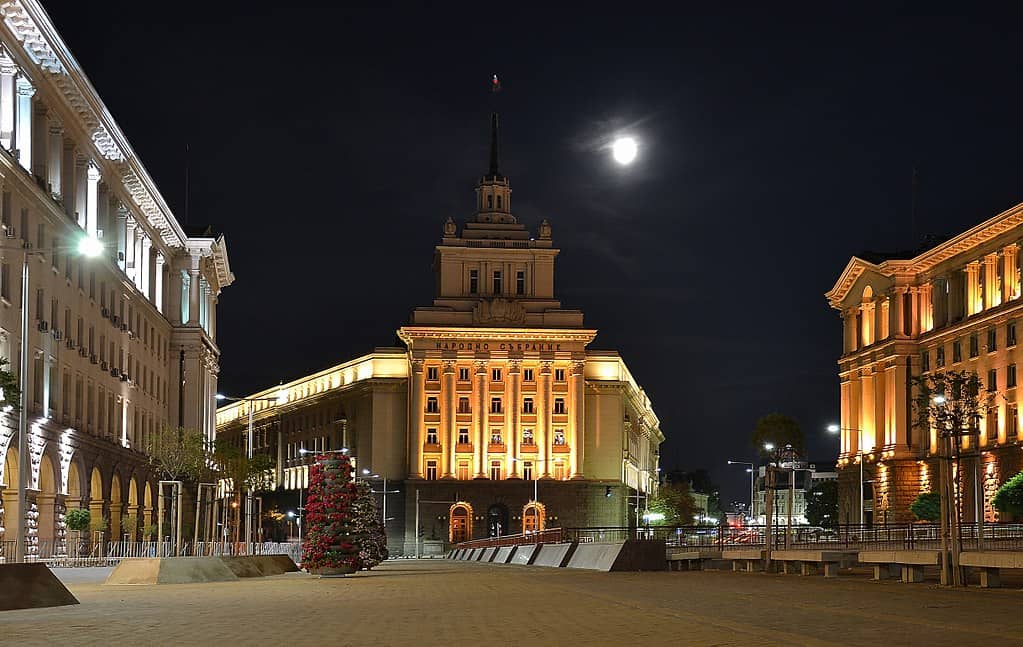
Sofia remains one of Europe’s most affordable capitals. One-bedroom apartments outside the center typically cost $430–$580 per month. Utilities and internet together average around $120. Monthly transport passes cost about $26, while grocery expenses usually total $190. Restaurant meals are widely available for $7–$10. The city offers reliable infrastructure, growing job opportunities, and easy access to nearby mountains. Sofia’s low daily costs make it possible to live comfortably, socialize regularly, and maintain financial stability.
6. Vilnius, Lithuania
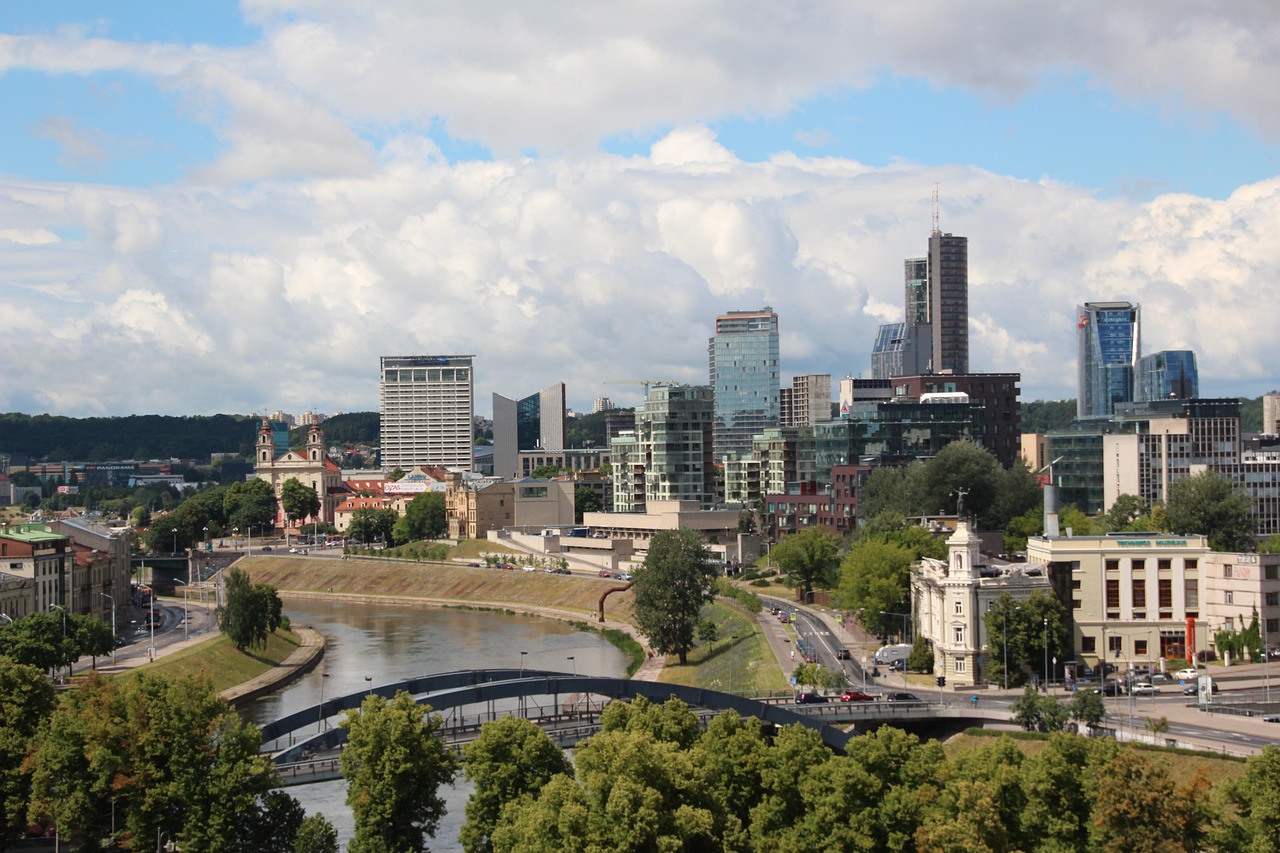
Vilnius combines safety, efficiency, and affordability. One-bedroom apartments outside the city center rent for about $580–$740 per month. Utilities average $150, and monthly public transport passes cost around $32. Grocery expenses usually reach $210, while restaurant meals cost $9–$12. The city’s compact layout reduces commuting costs, and public services are dependable. Vilnius supports a calm, organized lifestyle where essential expenses remain manageable and quality of life stays consistently high.
7. Brno, Czech Republic
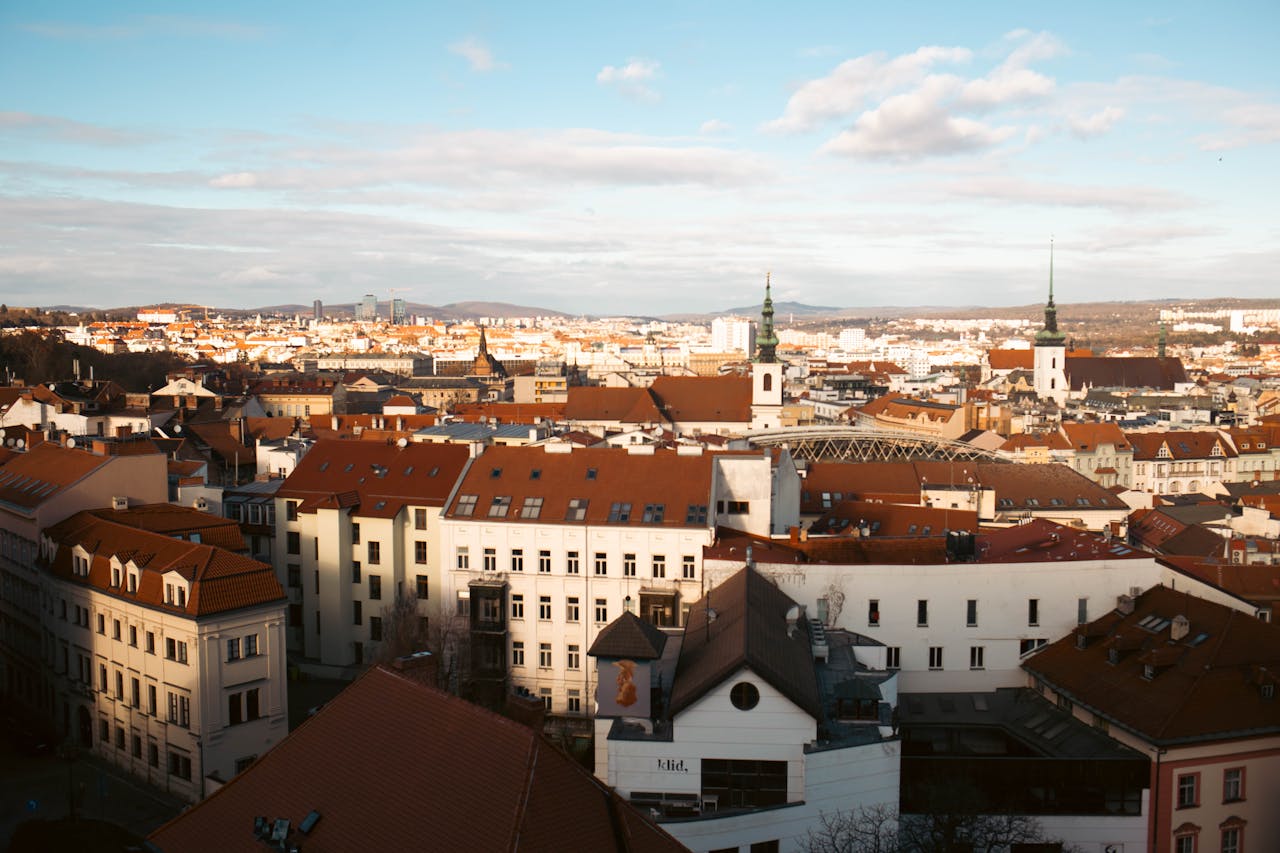
Brno offers urban comfort without Prague’s high prices. One-bedroom apartments outside the city center typically rent for $580–$730 per month. Utilities usually average around $140, while monthly transport passes cost about $26. Grocery expenses stay near $210, and casual dining costs $8–$11. Strong healthcare, walkable neighborhoods, and a youthful atmosphere contribute to everyday ease. Brno allows residents to enjoy cultural life, social spaces, and stability without tourist-driven price inflation.
8. Bucharest, Romania
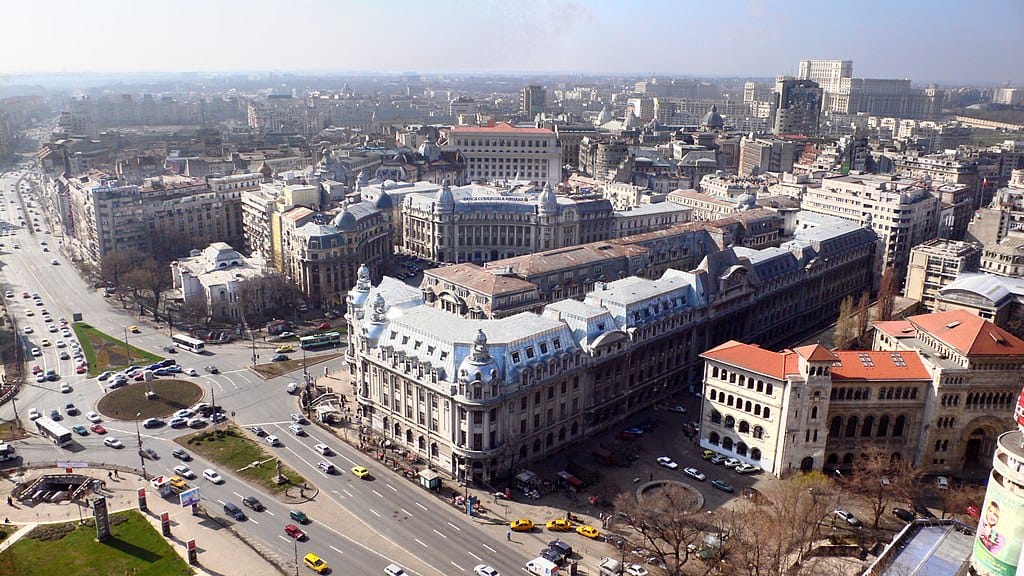
Bucharest offers a rare mix of affordability and modern urban life. A one-bedroom apartment outside the city center typically rents for $470–$620 per month, while utilities average around $125. Monthly public transport passes cost about $26, making commuting inexpensive. Grocery costs usually stay near $200 for one person, and casual restaurant meals are widely available for $7–$10. The city has reliable internet, expanding tech and business sectors, and plenty of parks and cultural venues. With low daily expenses and improving infrastructure, Bucharest allows residents to enjoy a full city lifestyle without heavy financial pressure.
9. Belgrade, Serbia
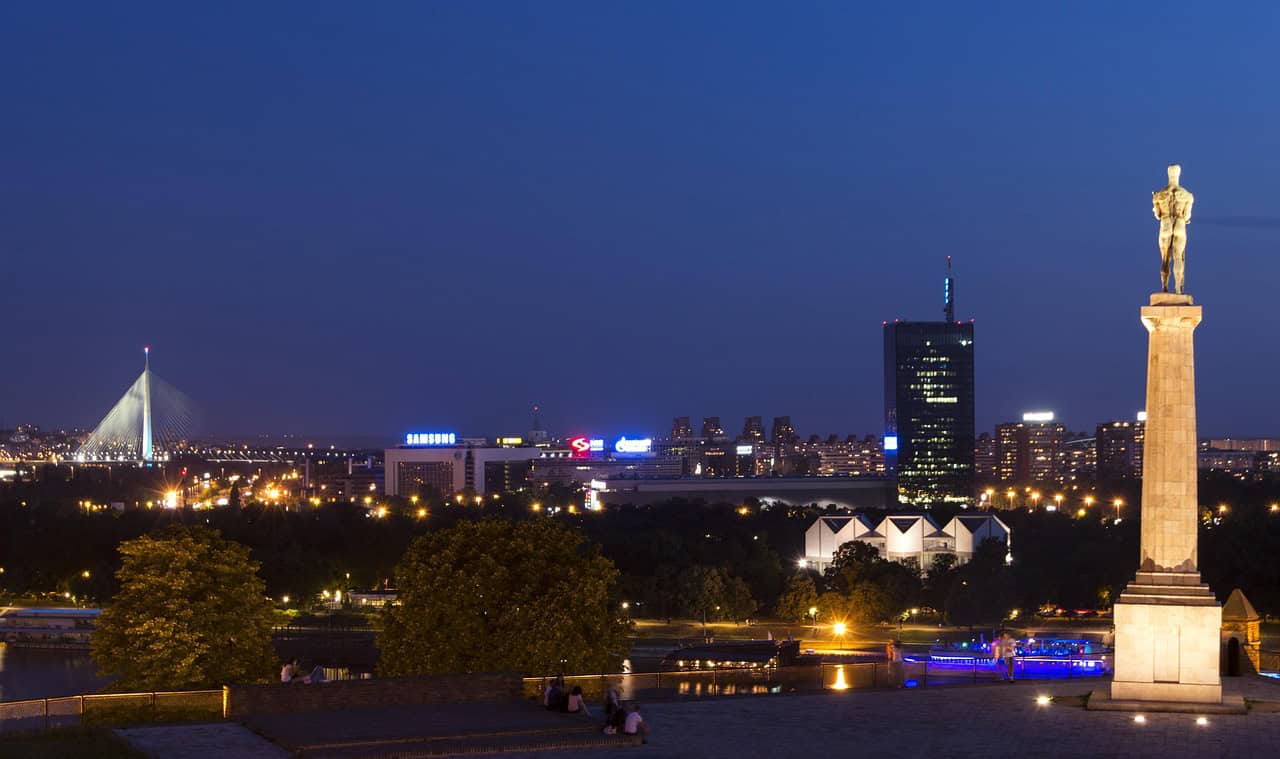
Belgrade is known for its affordability and strong social culture. One-bedroom apartments outside the center generally cost $480–$630 per month. Utilities average $135, and a monthly transport pass costs about $31. Grocery spending typically stays around $200, while eating out remains affordable, with meals priced at $8–$11. Cafés, nightlife, and riverfront areas provide constant entertainment without high costs. The city’s friendly atmosphere and low daily expenses make it possible to live actively, socialize often, and still keep monthly budgets under control.
10. Palermo, Italy
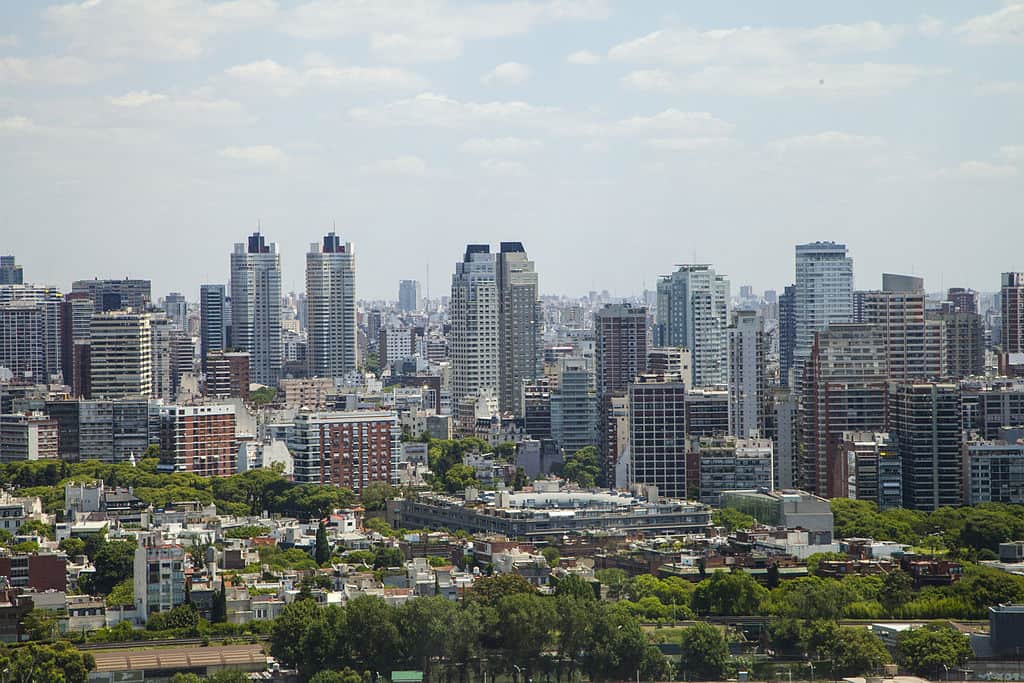
Palermo delivers Italian living without northern Italy’s price levels. One-bedroom apartments outside the city center rent for roughly $420–$580 per month. Utilities average about $140, while grocery costs usually remain near $195, especially when shopping at local markets. Monthly transport passes cost around $38, and restaurant meals often stay under $11. While salaries may be lower, daily expenses are manageable. The warm climate, strong food culture, and slower pace of life allow residents to enjoy comfort and community without luxury spending.
11. Thessaloniki, Greece
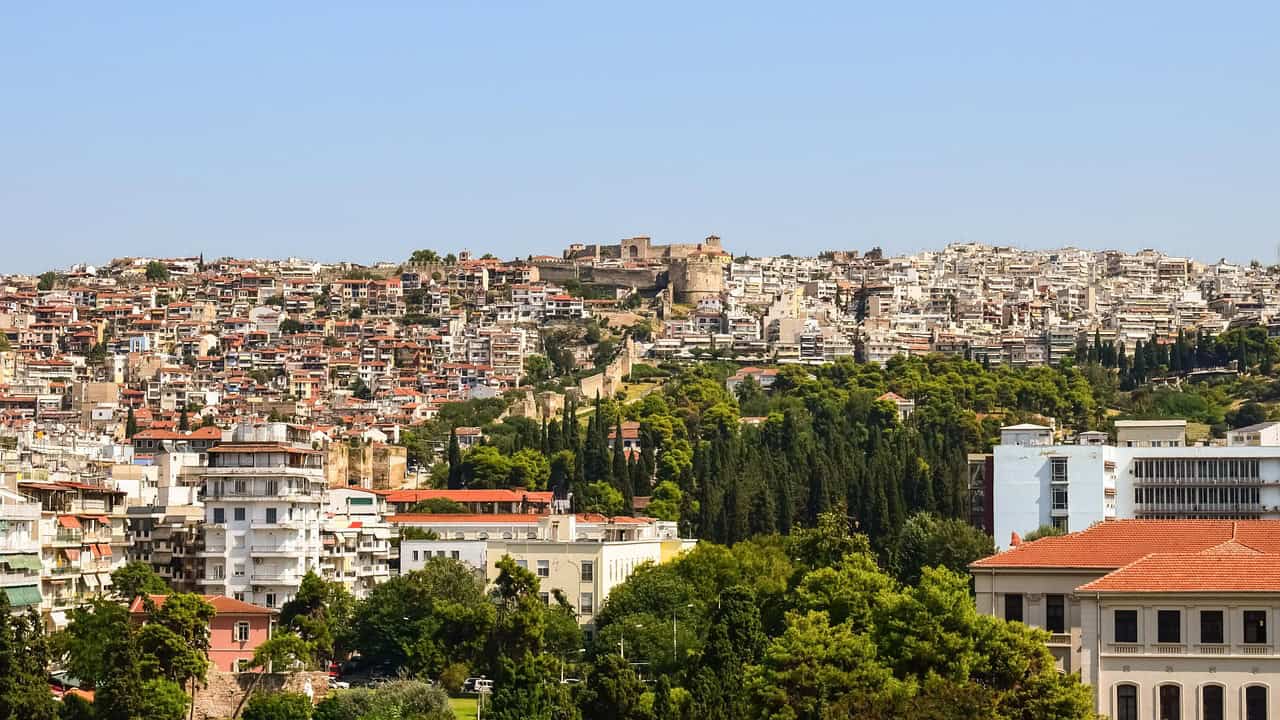
Thessaloniki combines coastal living with reasonable costs. A one-bedroom apartment outside the city center averages $520–$680 per month. Utilities usually remain close to $145, while monthly transport passes cost about $31. Grocery expenses typically total $215, and local restaurant meals range from $9–$12. The city offers seaside walks, historic neighborhoods, and a relaxed café culture that supports everyday enjoyment without constant spending. Thessaloniki’s balance of affordability, culture, and scenery makes it a strong option for comfortable urban living.
12. Riga, Latvia
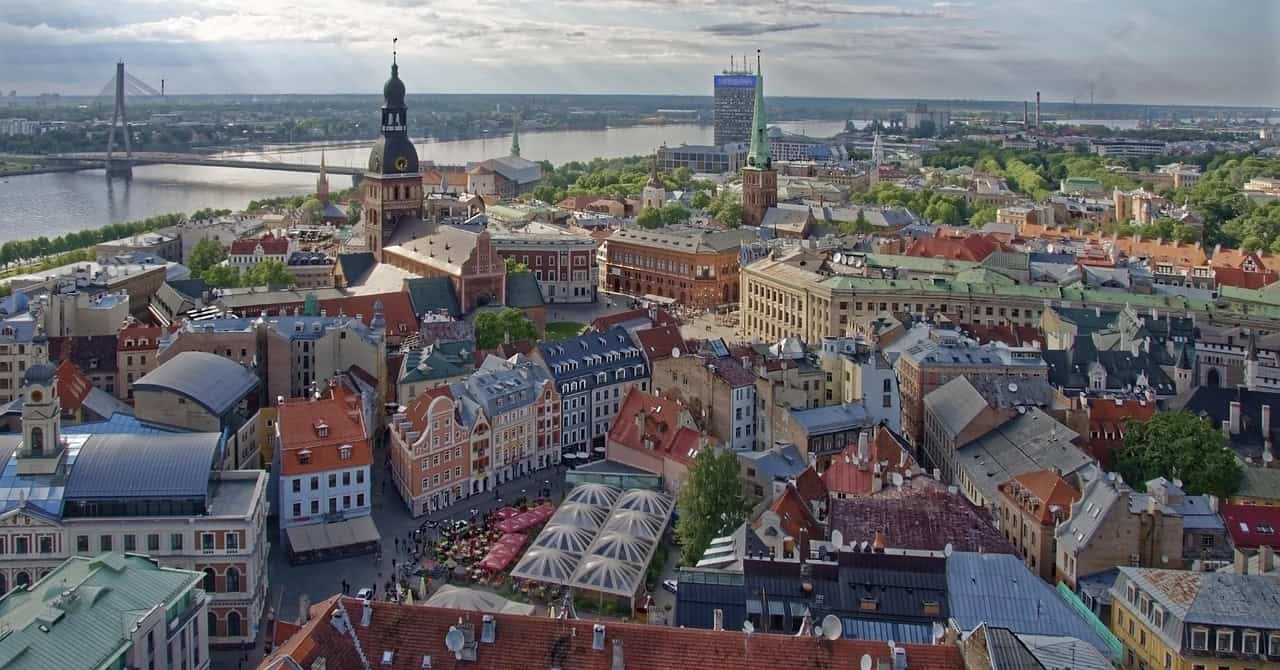
Riga offers Northern European quality at more accessible prices. One-bedroom apartments outside the center generally rent for $580–$740 per month. Utilities and the internet together average around $150. Monthly public transport passes cost about $32, while grocery expenses usually total $220. Restaurant meals range from $10–$13. The city is clean, well-organized, and surrounded by nature, reducing lifestyle stress. Riga supports a calm, structured way of living where essential costs remain predictable and manageable.
13. Zagreb, Croatia
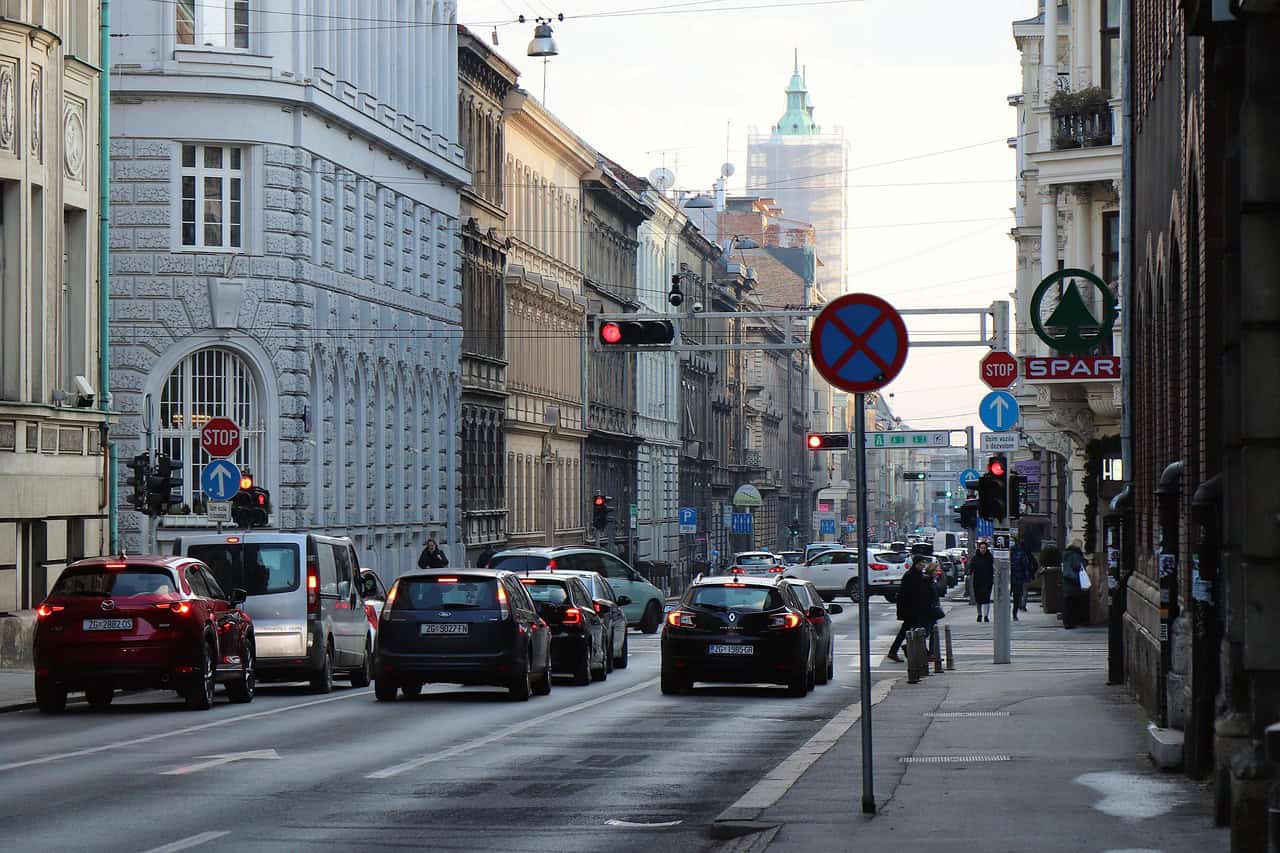
Zagreb provides affordability compared to Croatia’s coastal hotspots. One-bedroom apartments outside the city center typically cost $520–$680 per month. Utilities average about $145, and monthly transport passes cost roughly $42. Grocery expenses usually stay near $215, while restaurant meals are commonly priced between $9–$12. The city offers reliable healthcare, green spaces, and a strong café culture. Zagreb allows residents to enjoy stable city life, social routines, and comfort without the higher expenses found in tourist-driven destinations.