We may earn money or products from the companies mentioned in this post. This means if you click on the link and purchase the item, I will receive a small commission at no extra cost to you ... you're just helping re-supply our family's travel fund.
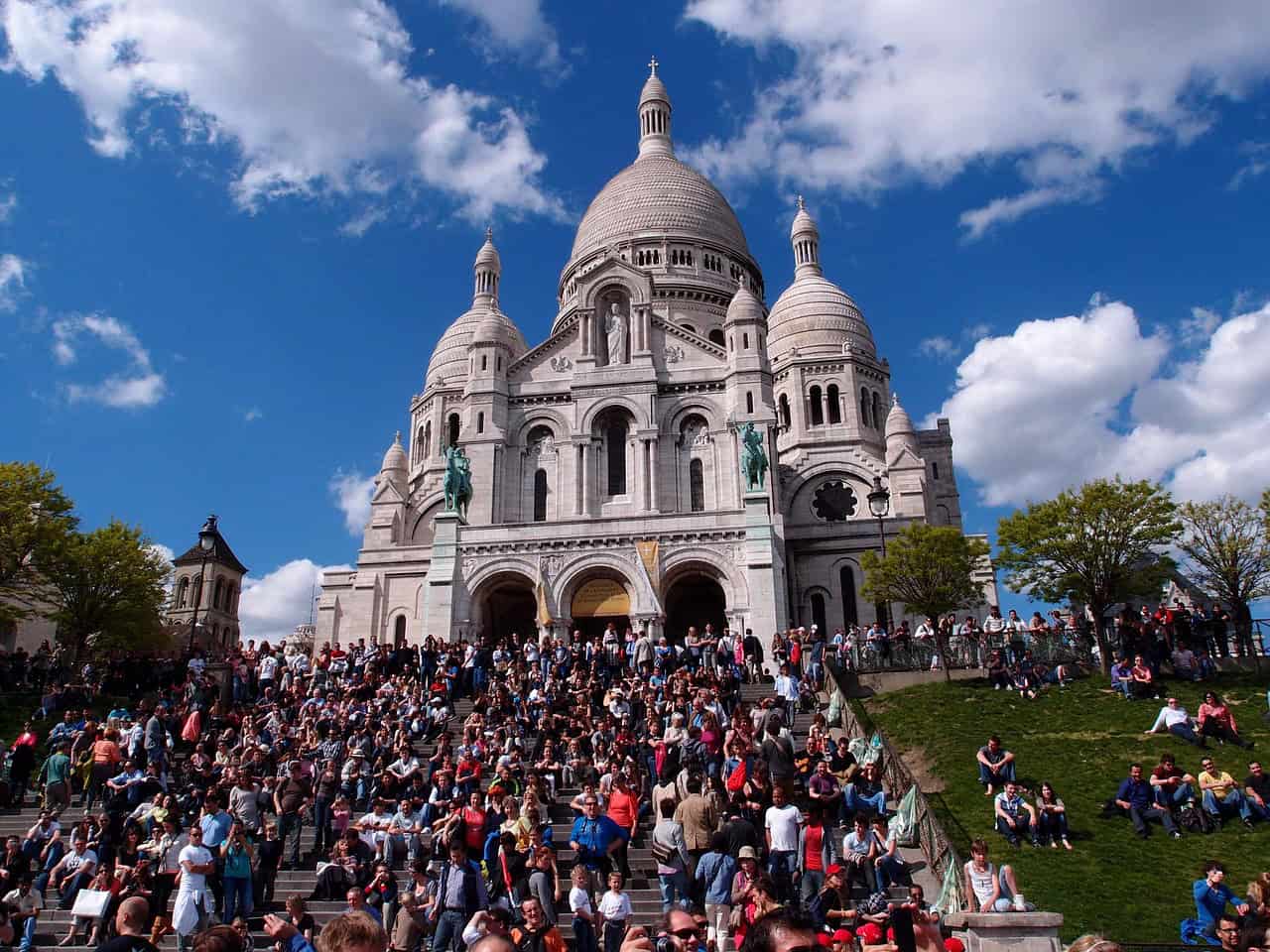
Public staircases across Europe were never designed for picnics, yet tourism pressure has turned old stone into seating, dining rooms, and recycling bins. City leaders now push back with targeted fines, arguing that litter, spills, and blocked passage damage buildings already strained by crowding. Preservation rules often sound strict, but many locals describe them as simple measures to protect shared civic space. In 2026, the warning appears in multiple languages: enjoy the view, but leave the steps clear for everyone else.
Rome, Italy
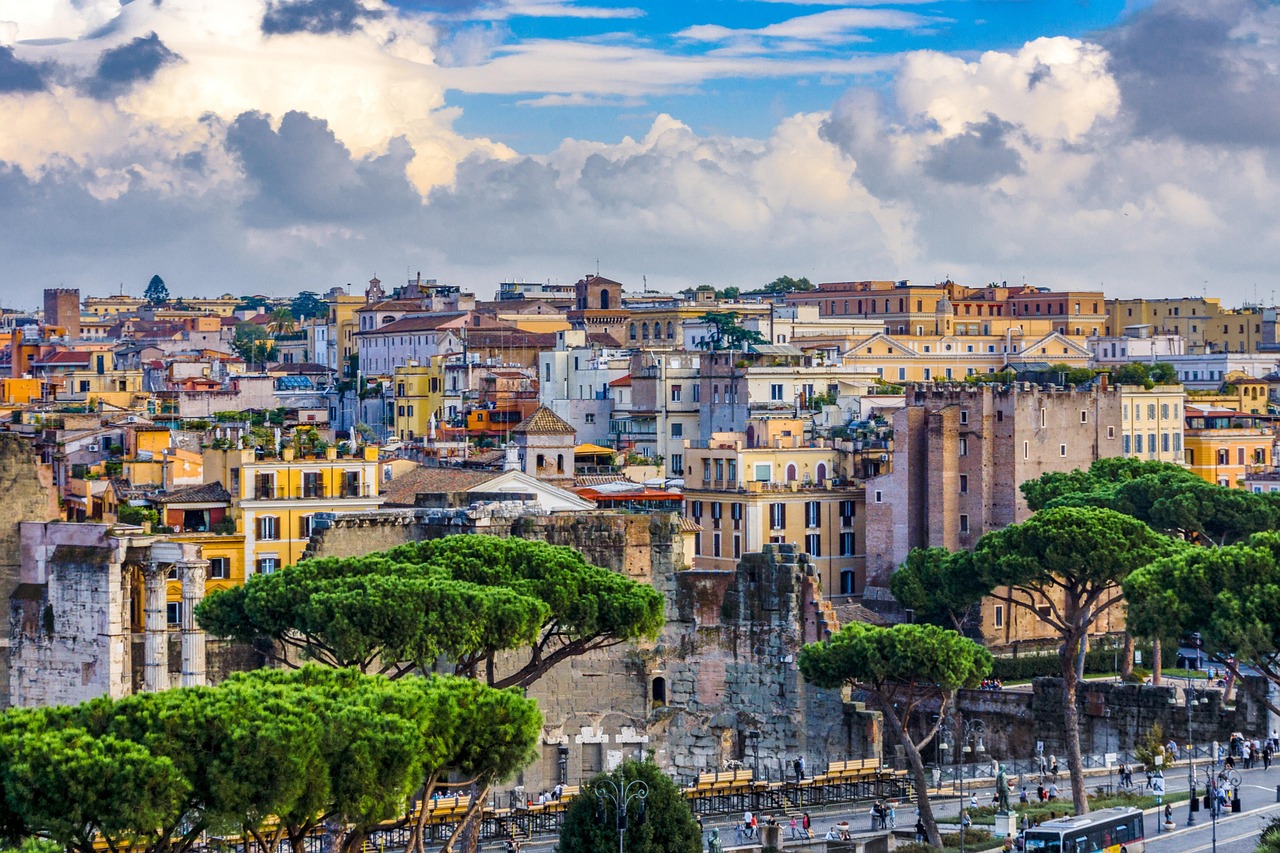
Rome is strict around major monuments, and the Spanish Steps are the clearest example. Patrols circulate during peak daylight and tell visitors to keep food and drinks off the marble and to stop using the stairway as a picnic bench. The city’s logic is simple: spills stain, crumbs draw pests, and sitting groups block the flow in a corridor that is already jammed most days. It also protects the steps from constant scrubbing, which can wear surfaces down faster than footsteps alone. Tourists can still pause nearby, but the steps themselves are treated as a monument, not seating. Step off to a café before unwrapping anything.
Florence, Italy
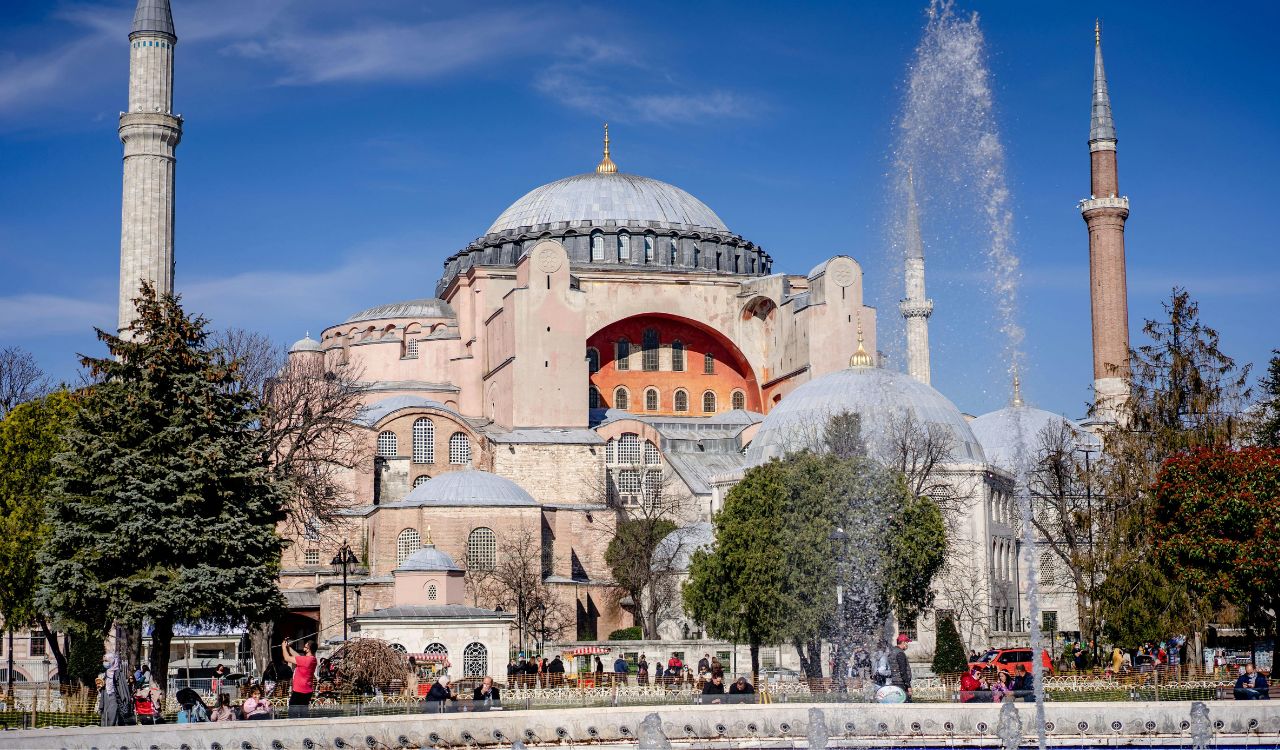
Florence pushes back when tourists treat church steps as a casual dining spot, especially near the Duomo and Santa Croce. Officers can issue penalties when wrappers, cups, and food scraps collect on staircases or spill into tight corridors. Officials frame it as respect for places built for worship and civic life, not a takeaway table with a view. There is also a practical side: one seated group can choke a passage and force pedestrians into the street. The rule keeps entrances clear, reduces cleanup, and protects historic stone from greasy stains that are hard to remove. Even a gelato drip can leave marks restorers must correct.
Venice, Italy
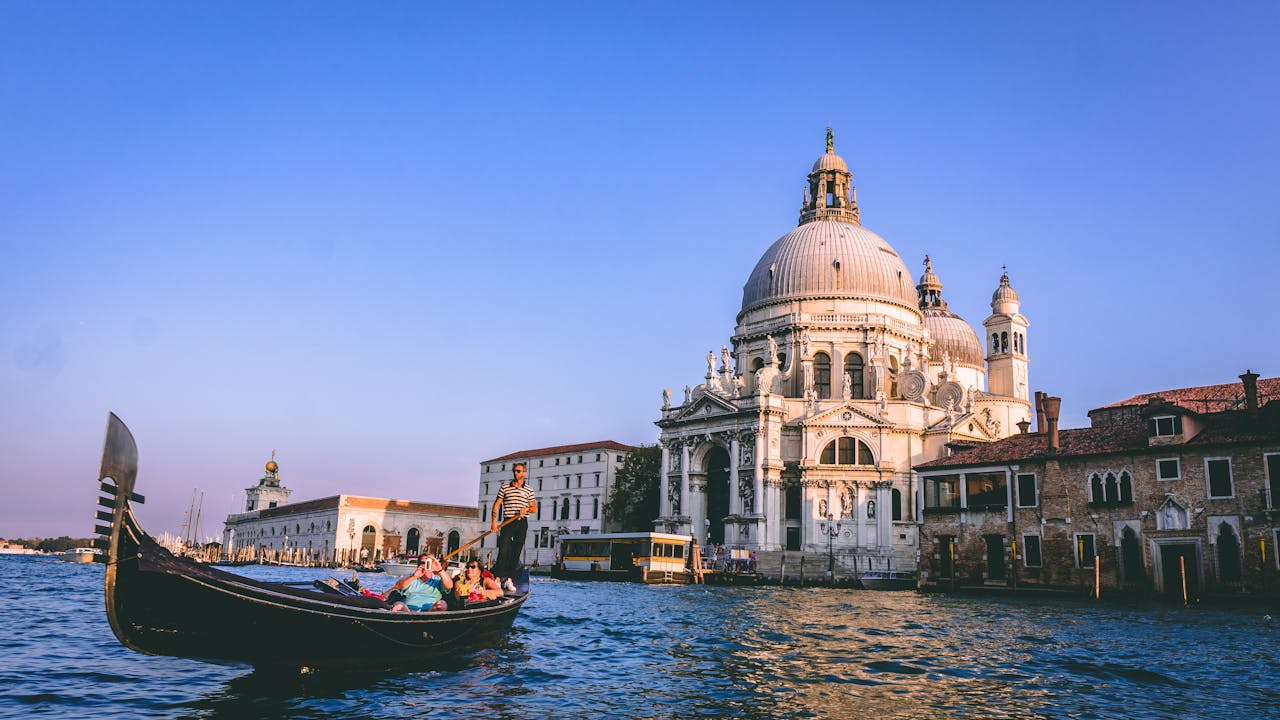
Venice fines picnicking on bridges and monument steps because the city’s pedestrian routes are narrow and fragile. When a group eats on a landing, circulation slows to a crawl, and spilled drinks on algae-slick stone can become a fall hazard. Officials keep pointing visitors toward designated waterfront seating and proper bins, not because they dislike street life, but because Venice has no extra space to absorb bad habits. Every bridge and stair acts like a bottleneck, especially at midday. Keeping them clear is crowd control, safety, and preservation rolled into one. A ten-minute snack can slow a bridge crossing for hundreds.
Milan, Italy
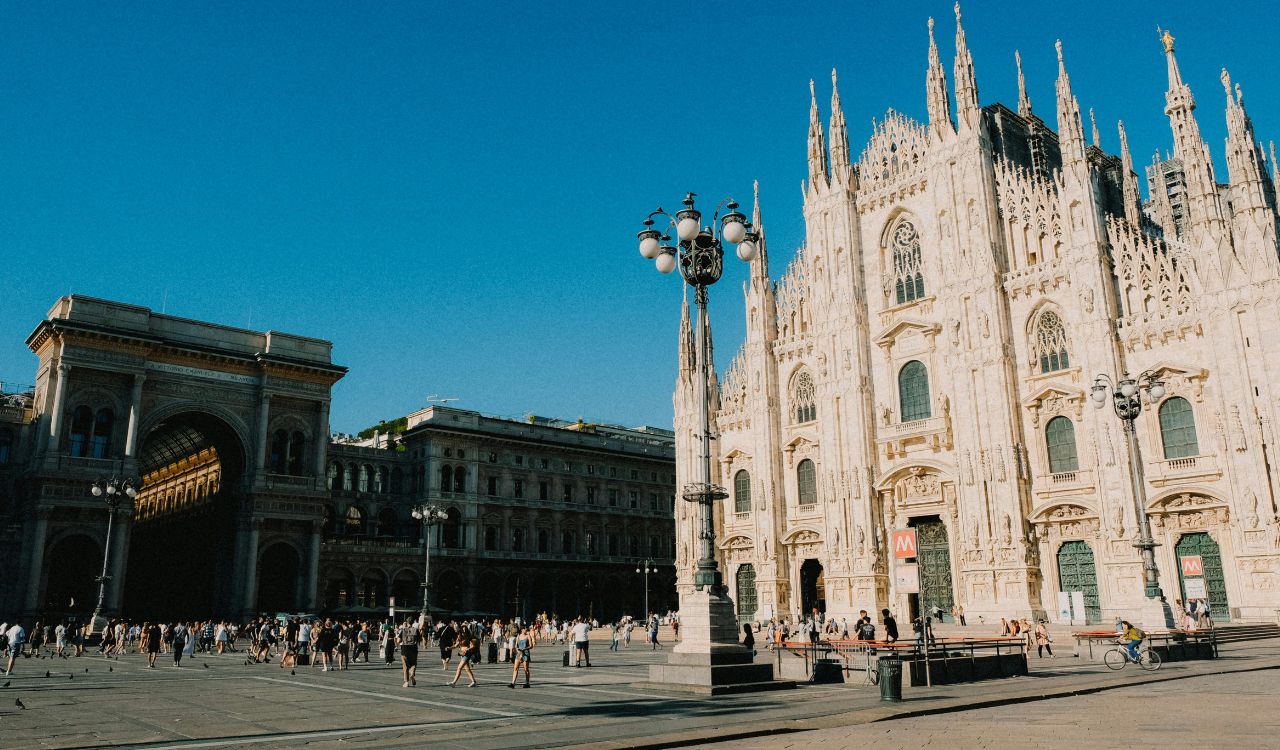
Milan has tightened rules around cathedral-area staircases where aperitivo culture can spill into public landings. When visitors linger with cups and snacks, foot traffic jams fast and the nightly cleanup load jumps. Fines are meant to keep the piazza moving and to stop landmark entrances from turning into informal waiting rooms before dinner. The message is not anti-fun, it is about boundaries in shared space. Public steps are a passageway first, and they stay safer when glass, crumbs, and sticky spills are pushed back into cafés and proper seating zones. It keeps the cathedral frontage from feeling like a spill zone.
Barcelona, Spain
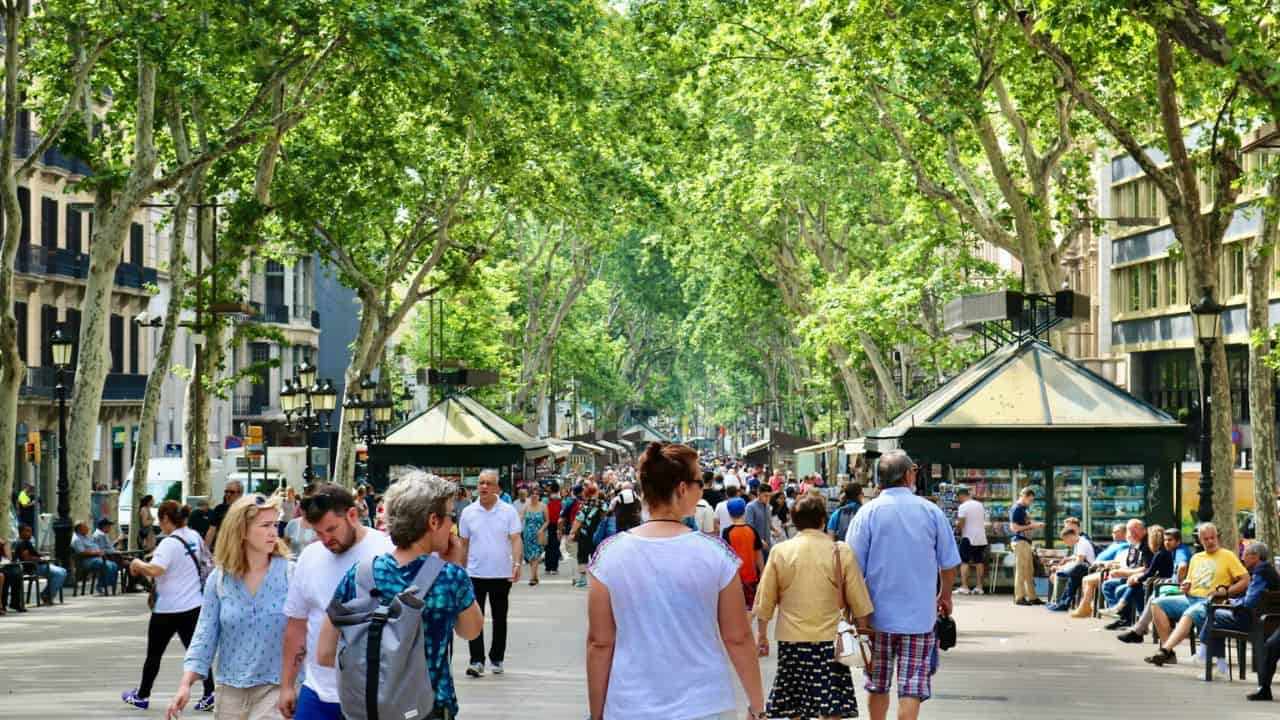
Barcelona’s enforcement shows up in Ciutat Vella, where stairways and tight lanes run straight into shops and apartment doors. Officers focus on late-night clusters fueled by takeaway drinks, when crowds swell and noise travels up the stone walls. Eating and drinking on steps seems harmless until it blocks entryways, leaves spills that turn slick, and adds litter in neighborhoods with limited room for bins. These fines fit into a broader effort to cool party tourism and protect residents’ sleep. The goal is simple: keep the old city passable, clean, and livable after dark. It also keeps doorways and storefronts usable.
Madrid, Spain
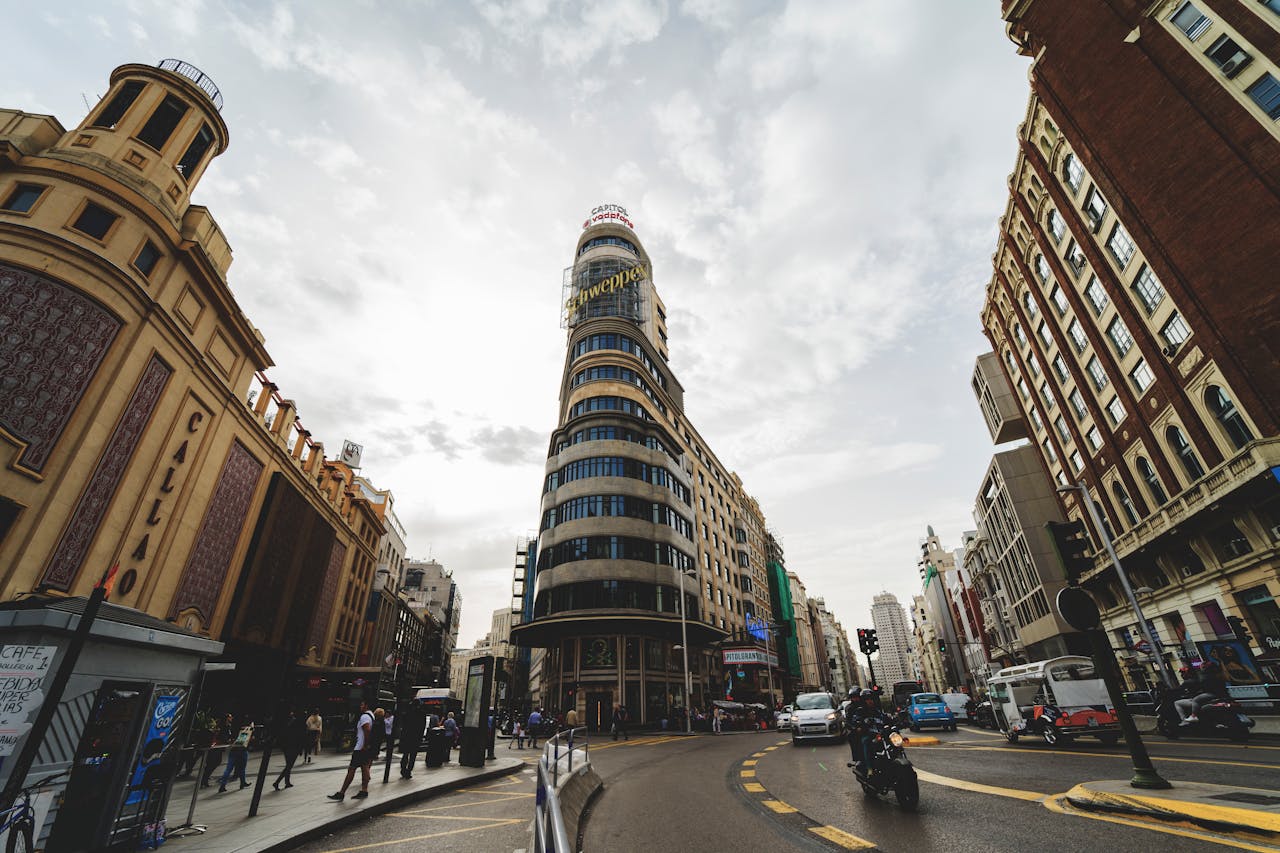
Madrid targets outdoor drinking and snacking on historic steps near museums, plazas, and markets that become hangout spots after 10 p.m. When bottles, cans, and food scraps pile up, sanitation crews spend the night chasing a mess that spreads down the stairs and into side streets. The rule also overlaps with public drinking limits, so enforcement is partly about behavior, not just trash. Officials want stairs to stay usable for people moving through, including families and older locals. In practice, it nudges gatherings toward bars and terraces instead of turning every landing into a sidewalk lounge. It nudges people toward bars, not stairs.
Dubrovnik, Croatia
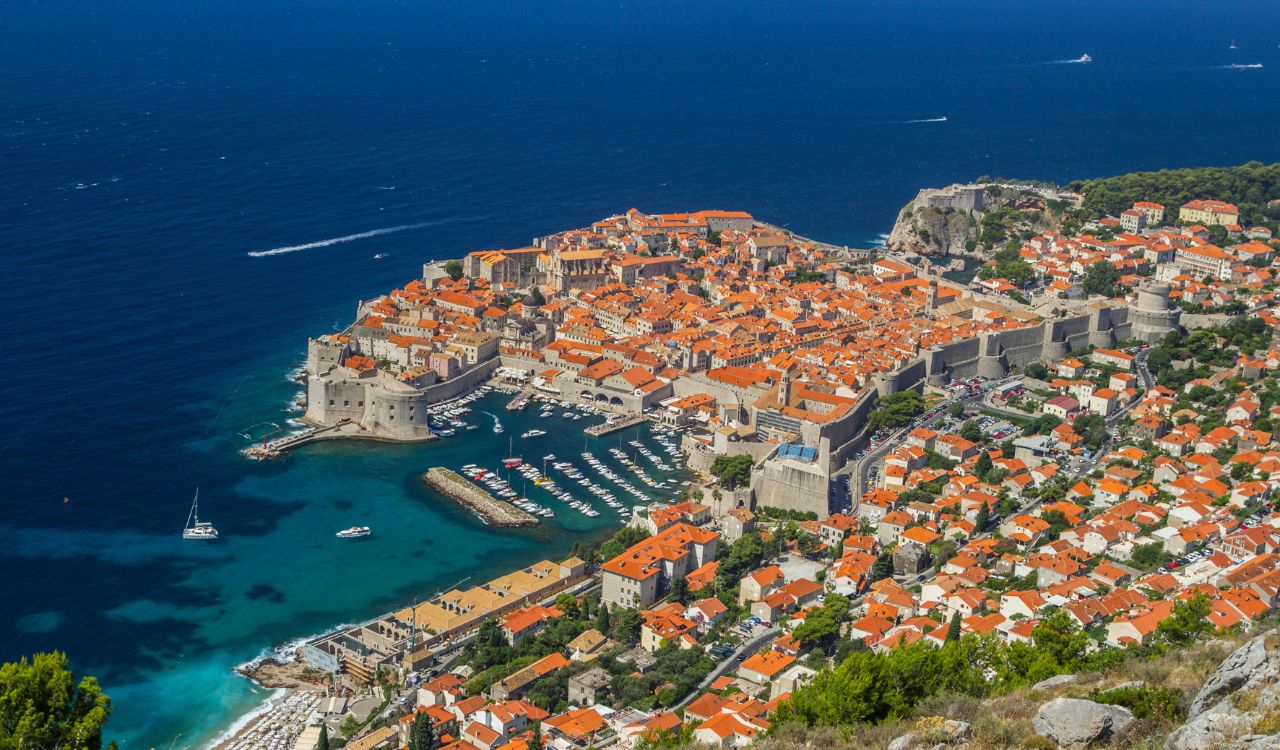
CC BY-SA 4.0/Wikimedia Commons
Dubrovnik keeps a tight grip on behavior inside the old city walls, and staircases are part of that discipline. Eating on steps adds grease and spills to polished stone corridors that already strain under steep grades and heavy crowds. Officials encourage visitors to sit in restaurants or designated seating so circulation stays open and surfaces stay safe. The logic is practical: centuries-old stone is worn smooth, and one slick patch can cause a fall in a dense queue. Fines back up the message that the walls are a heritage site, not a casual dining ledge. In heat, spills bake in fast, making gentle cleaning nearly impossible.
Split, Croatia
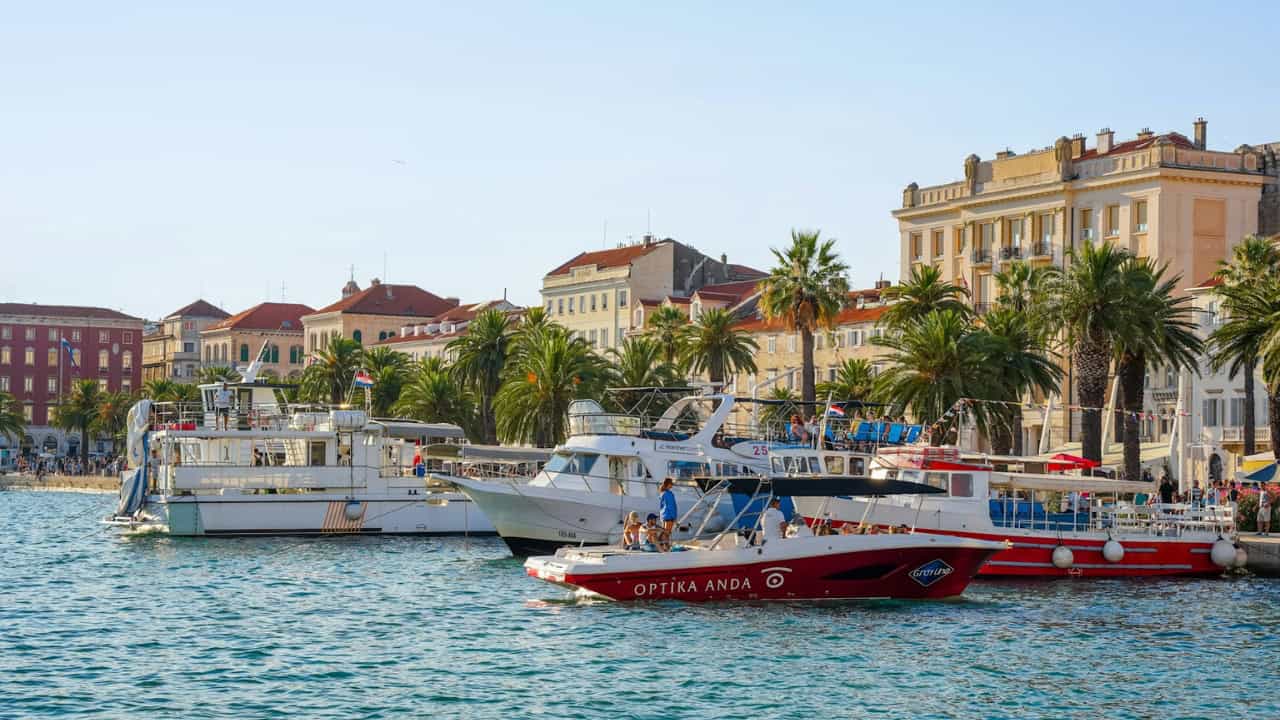
Split issues penalties when visitors snack on the ancient steps of Diocletian’s Palace, especially near narrow arches where people compress into single-file. Custodians worry about grease staining porous stone and drinks seeping into joints that are hard to clean without damage. Guides often remind groups that this is not a sealed museum. It is a living neighborhood threaded through a Roman complex. Residents still use these paths to get home, carry groceries, and move children through the alleys. Keeping steps clear is basic courtesy, and the fine exists to make that courtesy stick. Beautiful, yes, but not a food court.
Paris, France
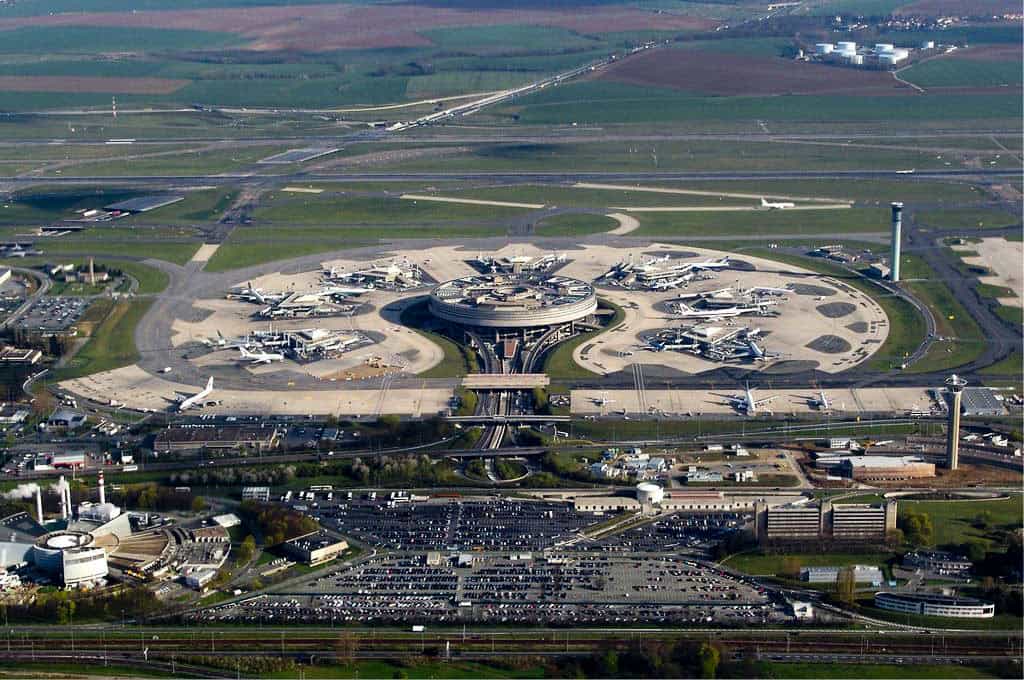
Paris cracks down near Montmartre and around Sacré-Coeur, where sunset crowds like to sit, sip, and leave cans tucked between steps. The issue is scale: when hundreds do it at once, cleaners cannot keep pace and the staircase turns sticky, crowded, and unpleasant. Fines aim to keep movement lanes open and reduce litter in a spot that already runs hot with visitors. The city is not banning the view, it is managing the bottleneck. If people want a picnic, Paris would rather they use a park bench than a staircase that serves as a main pedestrian route. It keeps the hill from turning into a trash trap. Nearby cafés make it easy to eat elsewhere.
Nice, France
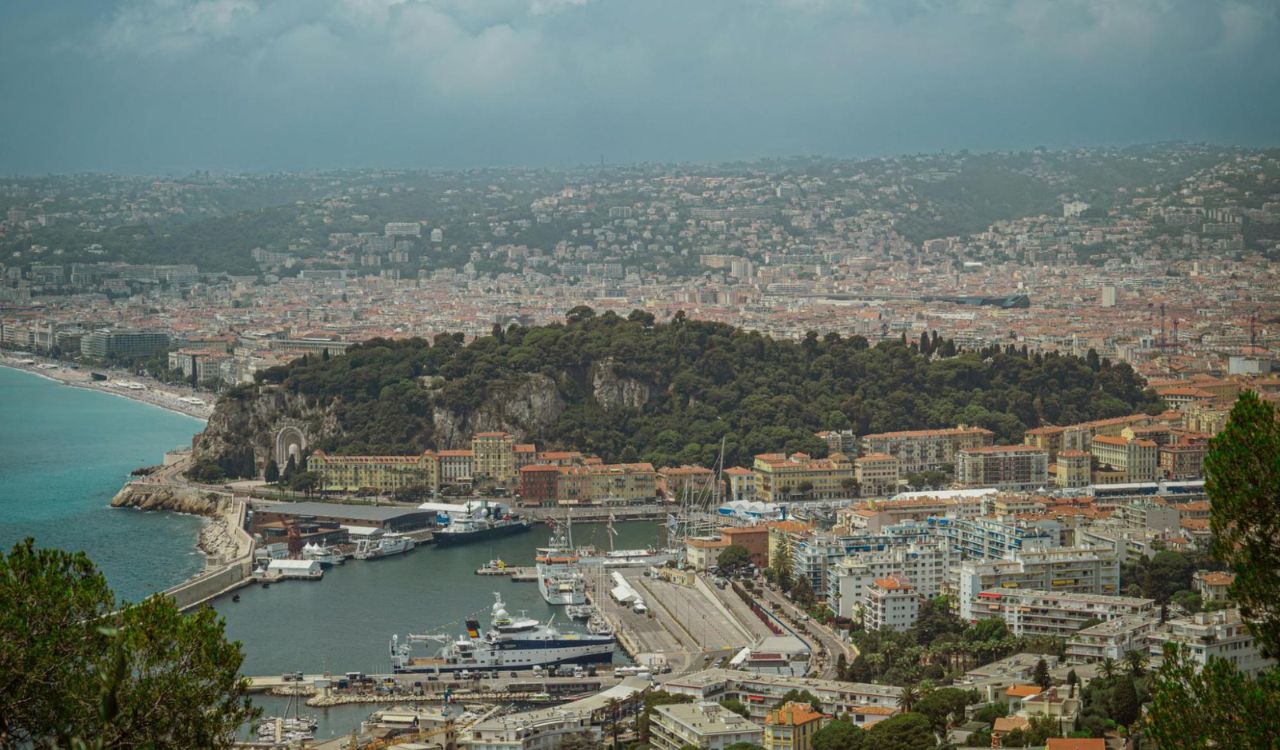
Nice limits eating on steps around Old Town facades, where older stone and plaster do not handle constant scrubbing well. Enforcement often starts with a warning, but fines follow when the same corners become routine snack stops. Summer heat makes the problem worse because spills get sticky, smells linger, and waste attracts more mess before crews arrive. Officials present it as preservation and sanitation, not scolding. The rule keeps entrances tidy, reduces slip hazards from melted ice and spilled drinks, and protects fragile surfaces that crumble under repeated cleaning. In the old quarter, one messy stair affects a whole block.
Prague, Czech Republic
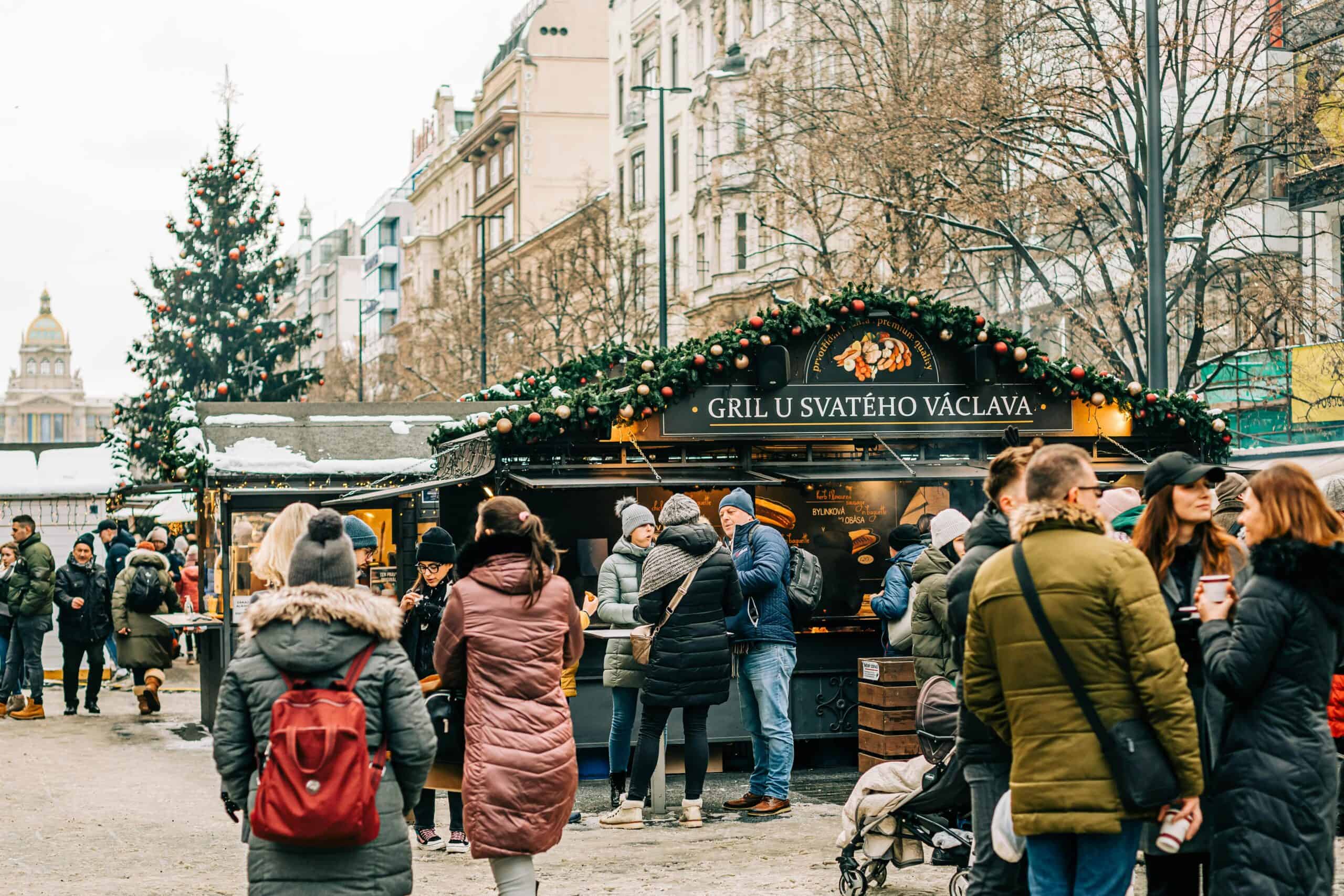
Prague uses no-alcohol zones around castle staircases and steep alleys that funnel visitors through tight, sloped passages. After rain, stone can turn slick, and glass bottles add both hazard and cleanup work in places where a fall can cascade into the crowd behind. Authorities describe it as crowd control and safety management rather than moral policing. Keeping steps clear matters in a city with limited alternate routes and sharp inclines. In practice, one group sitting with drinks can block an entire lane and push others into risky footing, so the fine is meant to prevent that pileup. Enforcement tightens when tour groups spill over steps.
Lisbon, Portugal

Lisbon enforces fines along Alfama’s steps, where viewpoints, bars, and daily residential life collide in the same narrow lanes. Residents often report blocked doorways when crowds stop to eat, leaving crumbs and cartons wedged between risers. In these hill districts, staircases are not scenery. They are the transport network that locals use all day. Officials want circulation to stay open for deliveries, emergency access, and basic movement. The rules also reduce noise and trash at night, when music and sightseeing blend into a street party. Visitors can pause, but they are expected to keep steps clear. It keeps Alfama charming, not chaotic.
Porto, Portugal
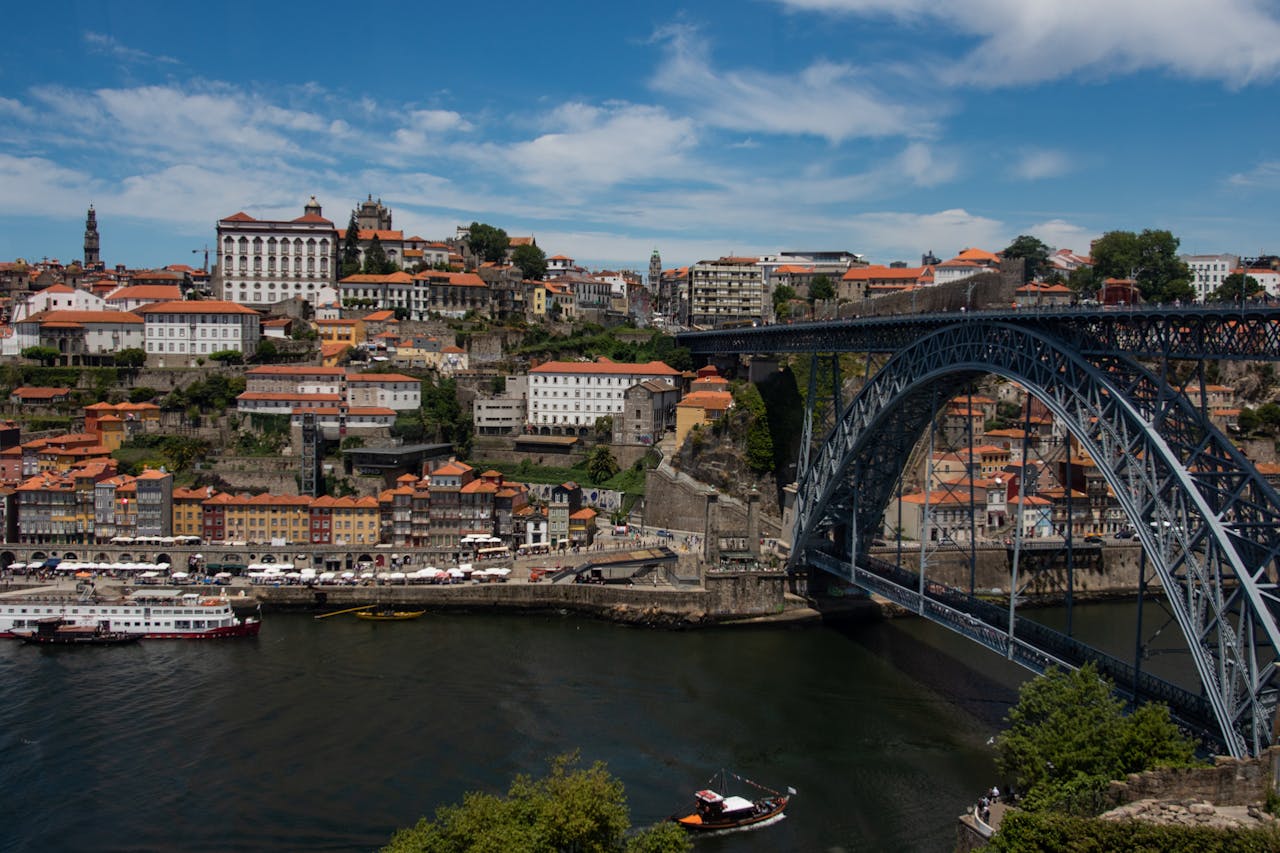
Porto restricts drinking on narrow riverfront stairs that draw visitors at sunset, when the steps feel like a natural seat. Officials worry about broken glass on uneven stone, especially in damp weather when slips are more likely. There is also a preservation angle: river mist and constant foot traffic already erode surfaces, and sticky spills push crews toward harsher cleaning. The fine is a nudge toward safer habits, like using terraces, benches, and proper bins. It also keeps stairways passable for locals who still use the waterfront as a working corridor, not just a viewpoint. Broken glass hides in cracks and is hard to spot at night.