We may earn money or products from the companies mentioned in this post. This means if you click on the link and purchase the item, I will receive a small commission at no extra cost to you ... you're just helping re-supply our family's travel fund.

Camping in North America looks similar at first glance: pine forests, starry skies, and trucks packed with gear. Cross the border with a tent, though, and the habits, rules, and unspoken etiquette start to shift. In the United States, camping leans toward road trip spontaneity, private campgrounds, and big rigs. In Canada, it tilts toward provincial parks, long weekend rituals, and quiet pride in handling cold nights. Together, they sketch two neighbors chasing the same campfire glow in slightly different ways, each revealing what comfort and adventure really mean.
Booking Rush And Reservation Culture
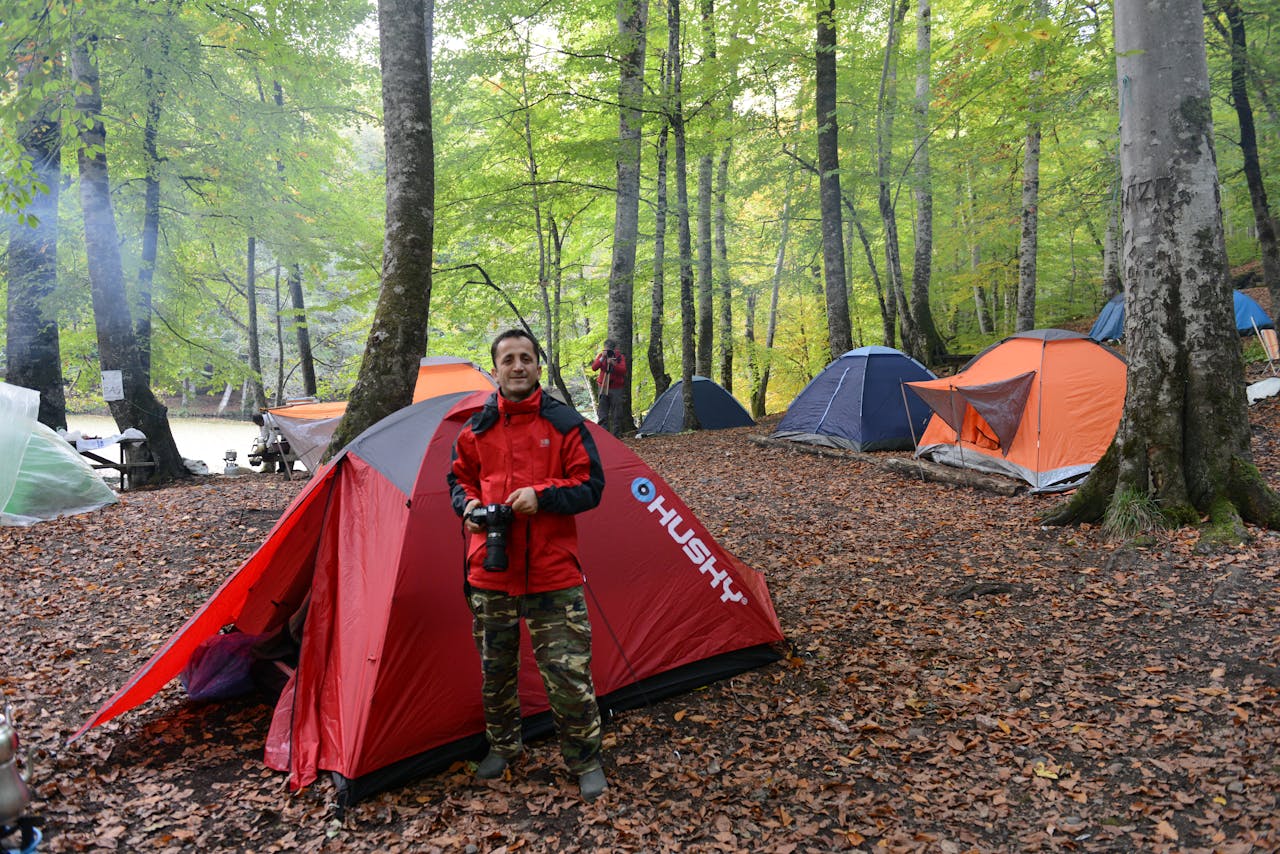
In the United States, campers stalk reservation sites like flash sales, with national park spots vanishing in minutes and cancellations traded in group chats. In Canada, the tension feels similar, but families often shape summer around a few beloved provincial parks that open bookings on set mornings. The ritual can feel more like ticket day for a concert than planning a quiet weekend. Anyone raised on walk in sites quickly learns that calendar skills now matter almost as much as knowing how to pitch a tent in the rain. Even the most relaxed trip starts life as an alarm on a phone.
Public Parks Versus Private Parks
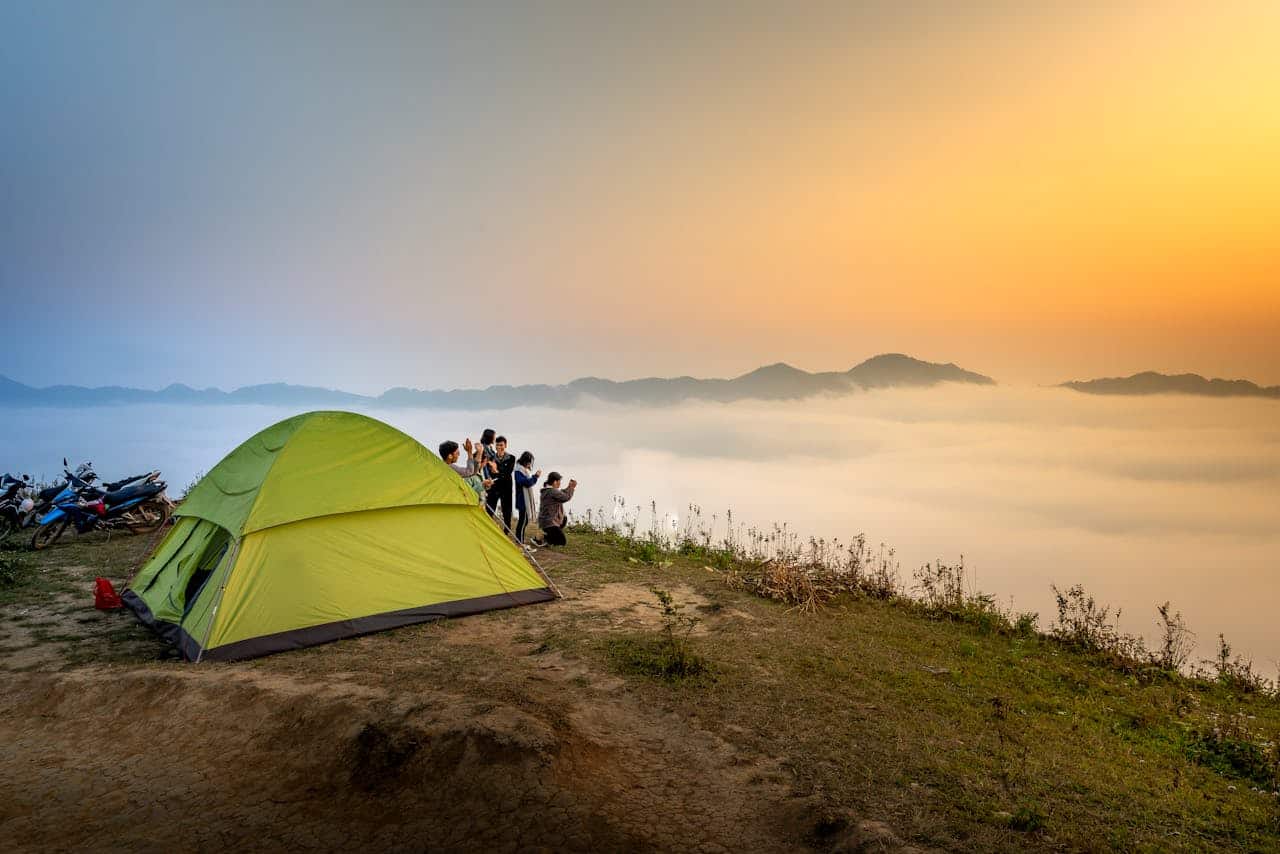
A key split shows up in who runs the campground. In the United States, a thick layer of private RV parks and resort style campgrounds sits beside public land, often adding pools, playgrounds, and dense rows of hookups. In Canada, provincial and federal parks tend to feel like the default choice, with private operators more scattered and quieter in tone. That difference shapes expectations. Some campers arrive ready for scheduled activities and amenities; others expect a simple site, a clean washroom, and forests doing most of the talking every night and early morning.
RV Nation Versus Truck And Tent
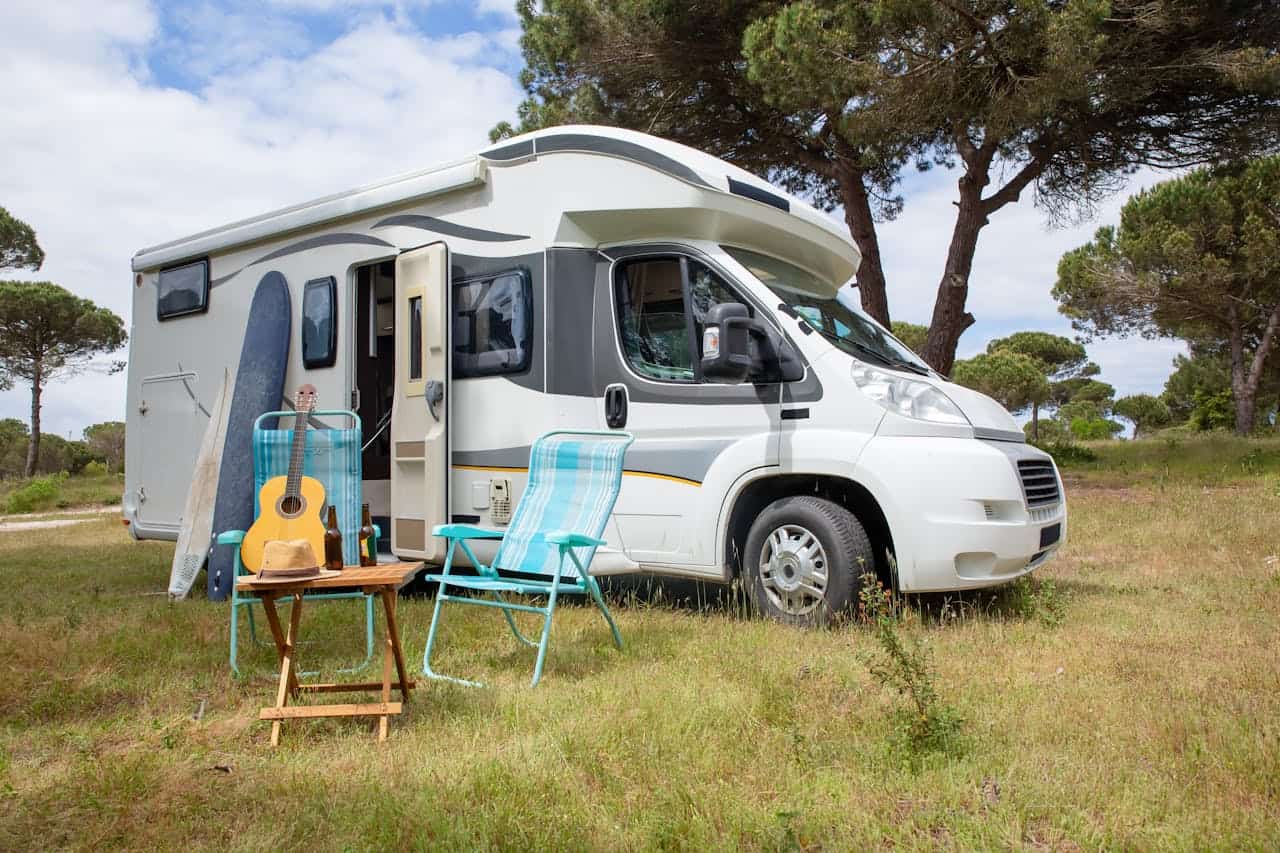
Both countries love RVs, but the scale shifts south of the border. In the United States, towering fifth wheels, toy haulers, and long motorhomes can fill entire loops, with rigs that barely fit in older national park pads. In Canada, truck campers, modest trailers, and classic family tents still hold more ground, especially in older provincial parks tucked into tighter clearings. The evening soundtrack changes with the hardware. One loop hums with generators and air conditioning; another settles into the softer clink of enamel mugs, zipper pulls, and coolers opening in the dark.
Holiday Weekends And Camping Traditions
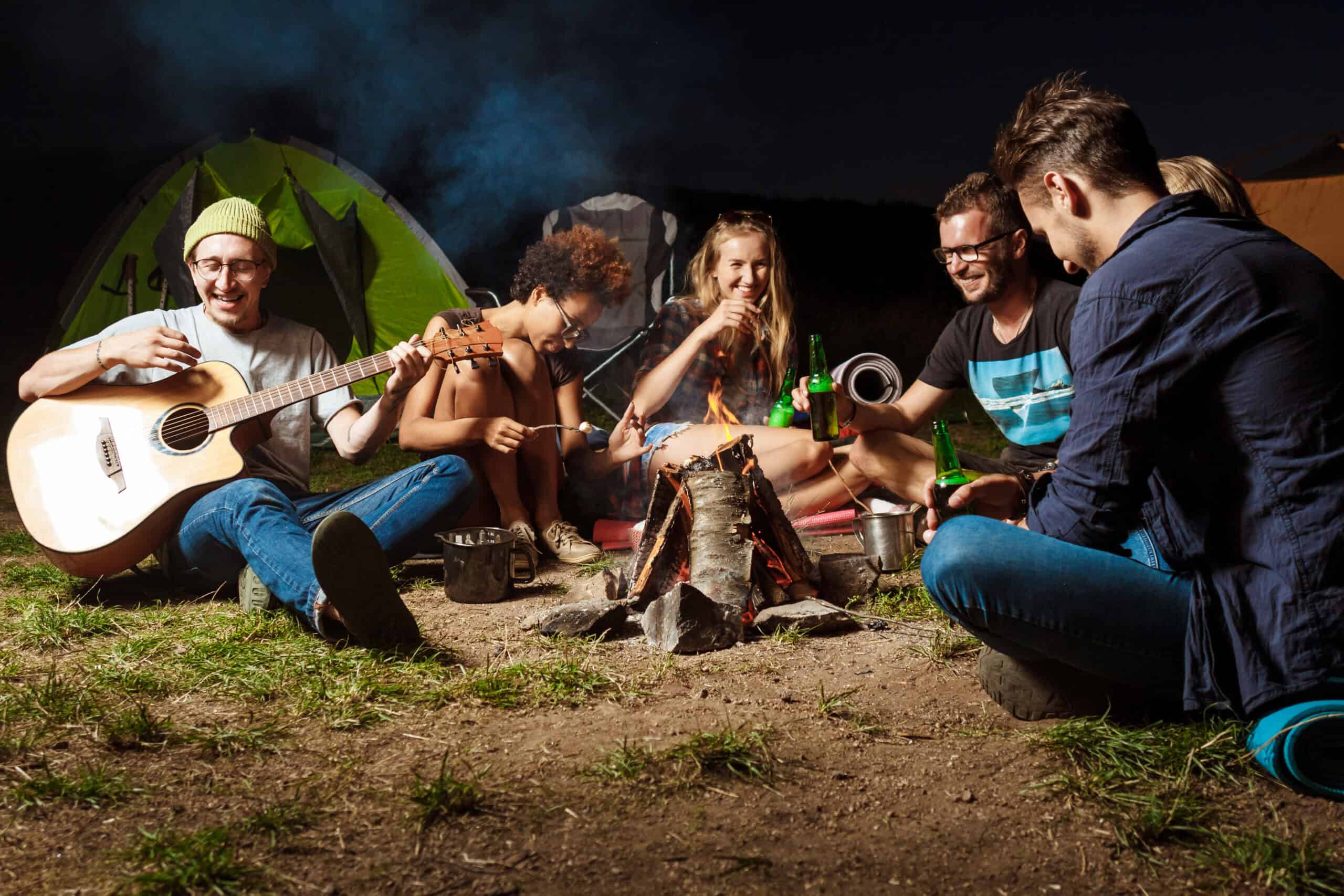
Holiday weekends shape camping calendars on both sides, just with different anchors. In the United States, Memorial Day, the Fourth of July, and Labor Day form a three part frame for summer, with packed campgrounds and flag themed decorations. In Canada, Victoria Day and Canada Day set the rhythm, with May long weekend treated as the unofficial frost test for tents and trailers. Families return to the same loop year after year, trading stories at the same picnic tables and watching kids grow up one smoky weekend at a time, through sun, rain, and the odd cold snap.
Wildlife Expectations And Comfort Zones
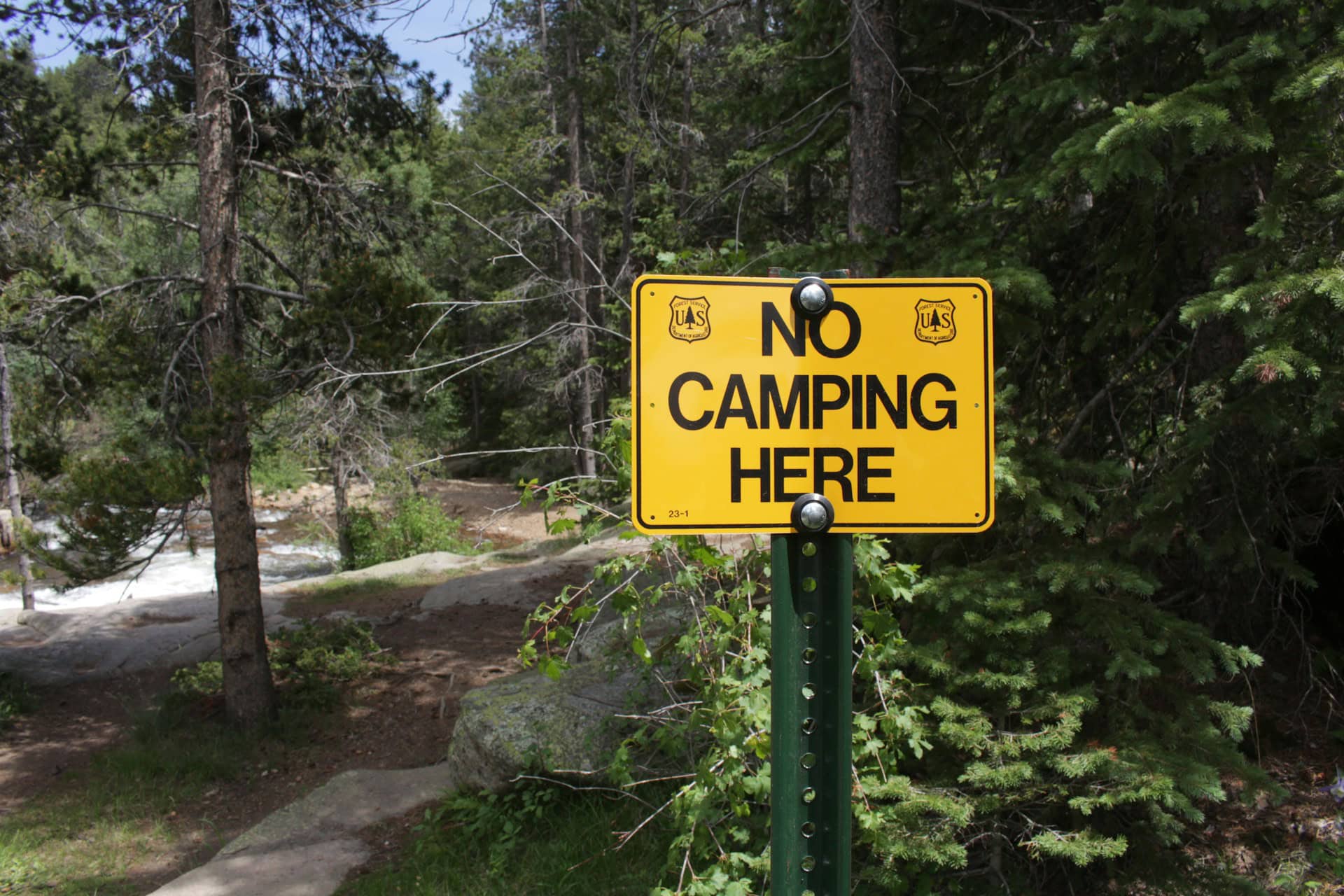
Wildlife stories carry different tones. In many U.S. parks, raccoons, black bears, and opportunistic deer dominate camp gossip, with food lockers and strict trash rules trying to stay ahead of clever paws. In Canadian parks, conversations tilt more often toward brown bears, wolves, and moose blocking narrow roads at dusk. The shared message is respect, but the stakes feel different. One group jokes about missing hot dog buns; another swaps tips about bear spray, cooking far from tents, and waking to fresh tracks pressed into the mud beside the fire ring after a long night.
Firewood Rules And Campfire Rituals
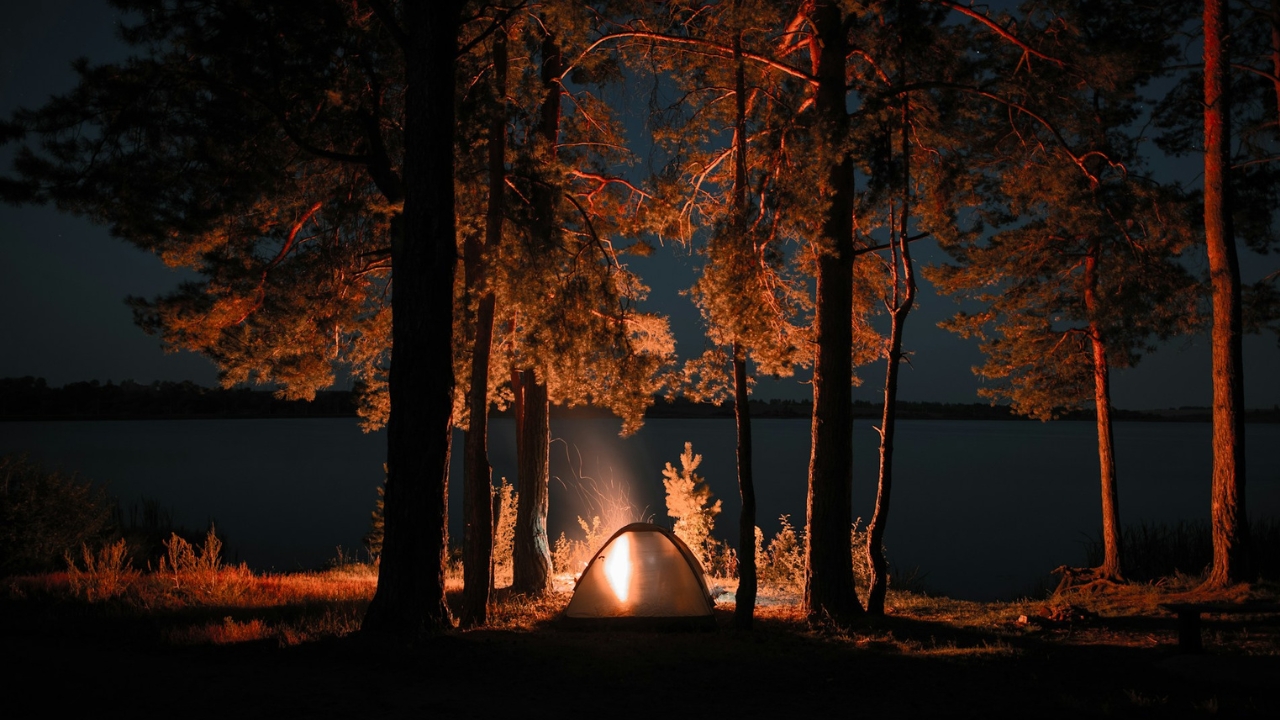
Campfires sit at the center of camping culture in both countries, yet rules and habits do not always line up. In the United States, messages focus on invasive insects and wildfire risk, with big campaigns around buying local wood and bans during dry spells. In Canada, parks often sell bundled wood directly and tightly control what can be gathered from the forest floor. The nightly scene still looks familiar: chairs in a circle, smoke in hair, and slow conversations that last long after the last log collapses into coals, long past bedtime for most kids and adults.
Alcohol Rules And Evening Vibes
Alcohol rules quietly shape evenings. In many U.S. campgrounds, a drink at the site is fine as long as behavior stays respectful, and some private parks lean into social hours with shared spaces. In Canada, certain provinces impose alcohol bans on busy weekends or at campgrounds with repeated noise problems. Those choices influence how loud nights get, whether music drifts over the trees, and how relaxed families feel booking into popular loops. A cooler can be a simple supply bin or the start of a long, unpredictable night of stories, laughter, and arguments.
Distance, Driving, And What Counts As Close
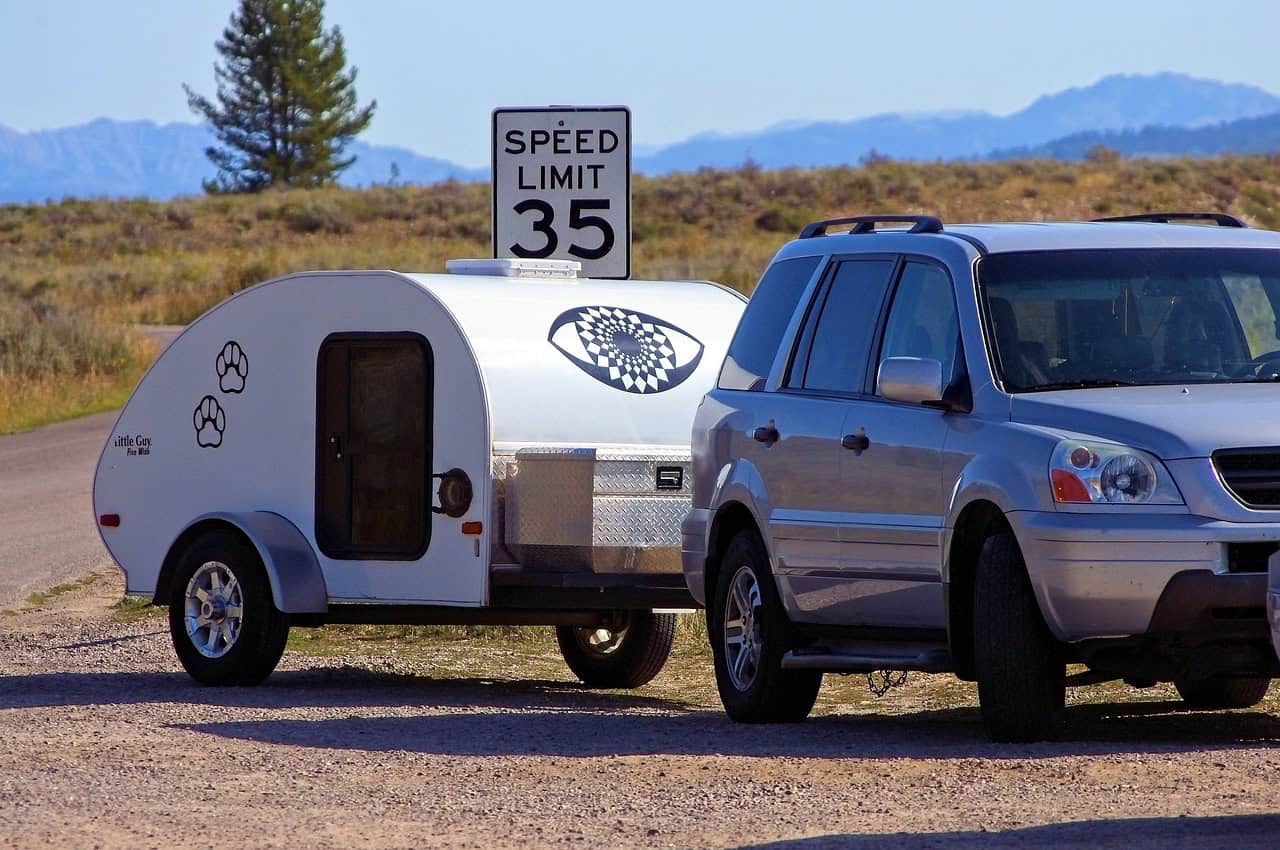
Both countries are huge, but the sense of what counts as close shifts at the border. Many Canadians treat several hours on the highway as a normal run to cottage country or a favorite provincial park. In the United States, habits vary more by region, from campers who rarely cross a state line to families who see multi state road trips as standard. Those mental maps shape how far people will drive for a dark sky or a familiar lake. Geography stays the same; tolerance for distance does not, and that difference slowly rewrites weekend plans, packing lists, and traditions.
Shoulder Seasons And Weather Bragging Rights
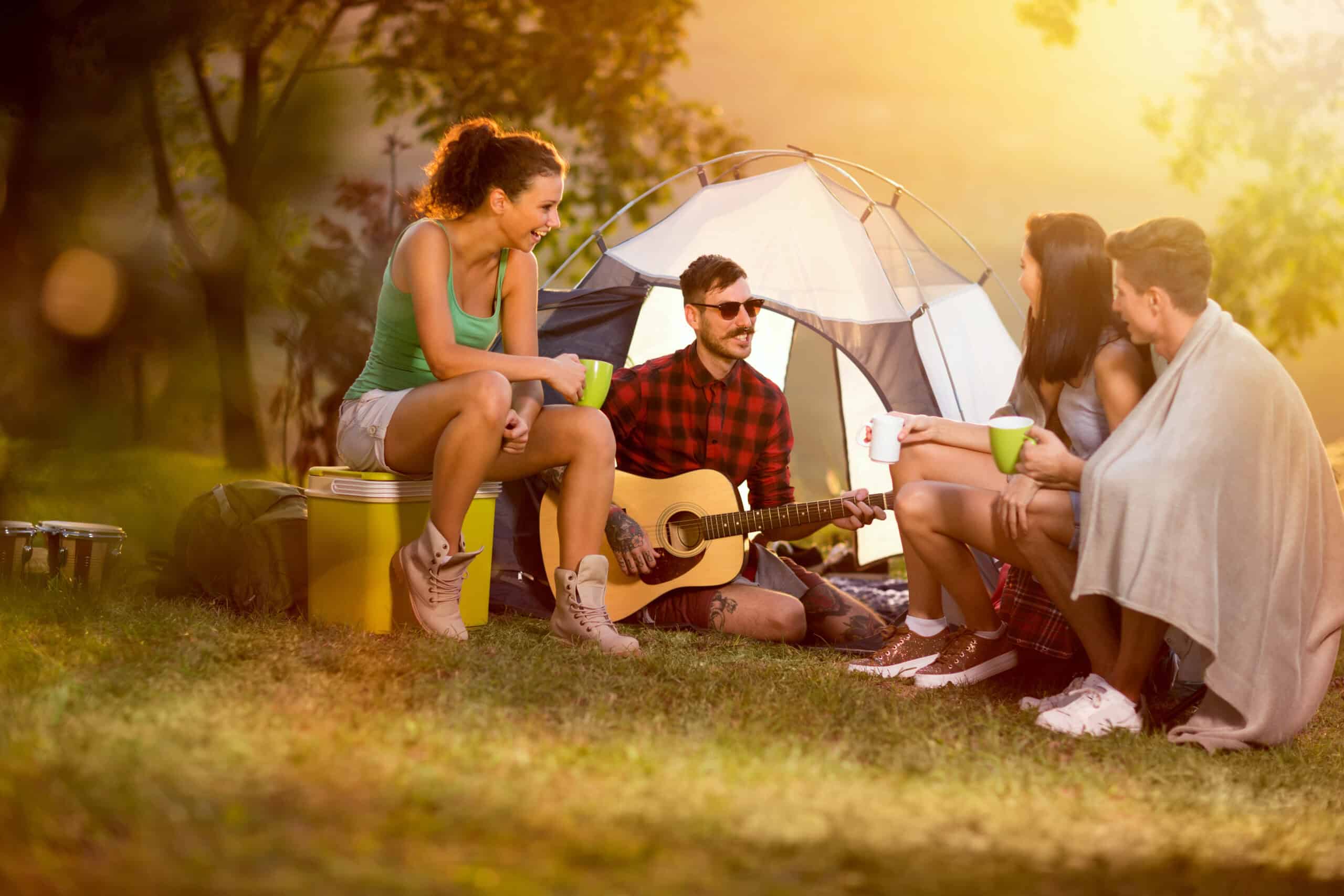
Shoulder seasons become a quiet point of pride. In much of Canada, spring and fall campouts mean frost warnings, frozen hoses, and a familiar scramble for extra blankets at dawn. In many U.S. regions, especially the South and West, the bigger worry is heat, sudden storms, or smoke drifting in from distant fires. Those different pressures shape what ends up in the gear bin, from heavy sleeping bags and toques to sun shades, fans, and extra water. Everyone brags, just about very different kinds of survival stories told back in town over coffee and shared photos.
Gear, Comfort, And Minimalism
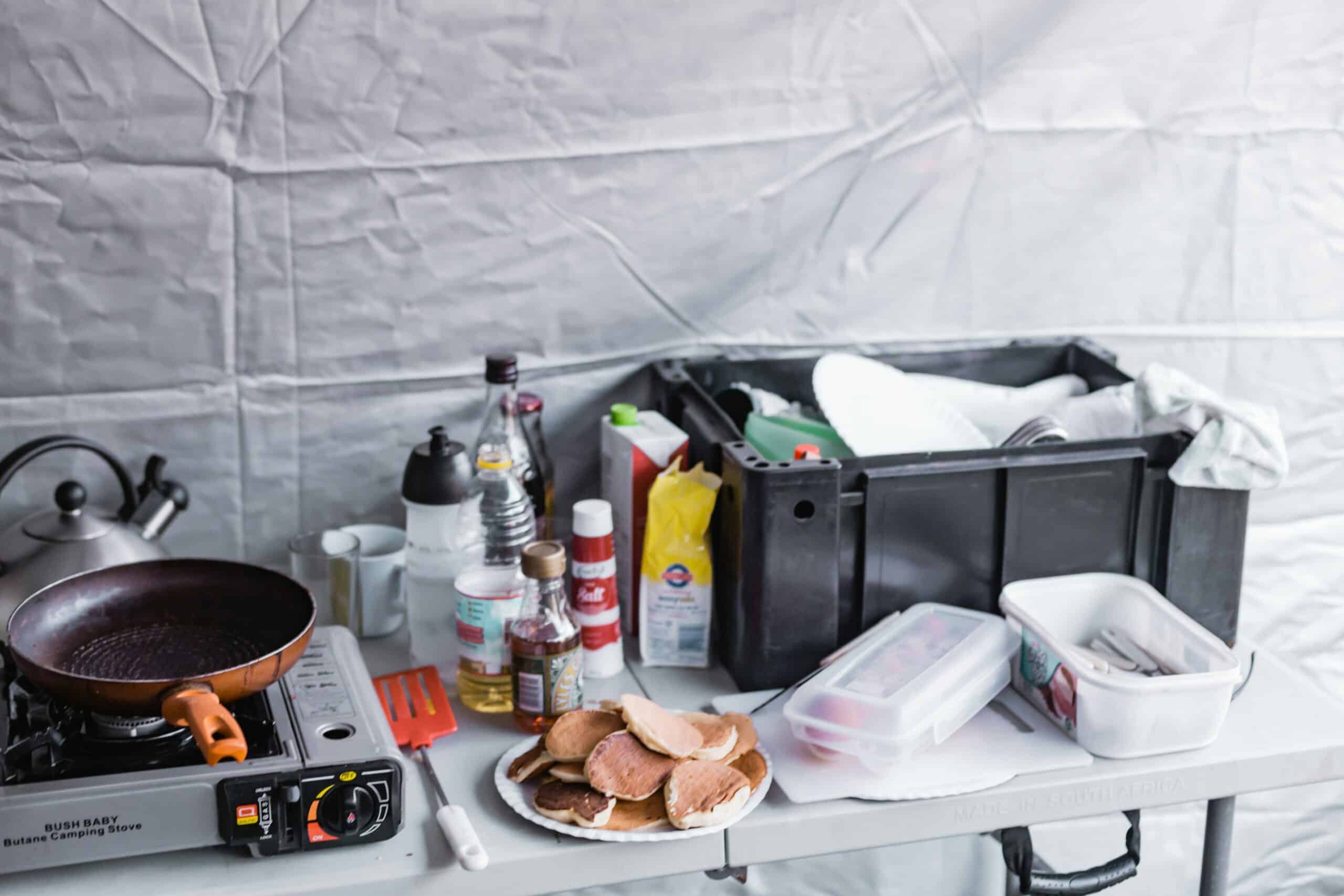
Gear culture hints at deeper expectations. In the United States, big outdoor chains make it easy to build camp kitchens with griddles, coolers, lights, and portable power, turning some sites into small moving cottages. In Canada, the same gear exists, but there is often slightly more patience for older equipment and simpler setups, especially in parks that require carrying everything in. Comfort still matters on both sides. The difference lies in how much a campsite is expected to mimic home and how much can be left to weather, noise, and improvisation.
Backcountry Norms And Access
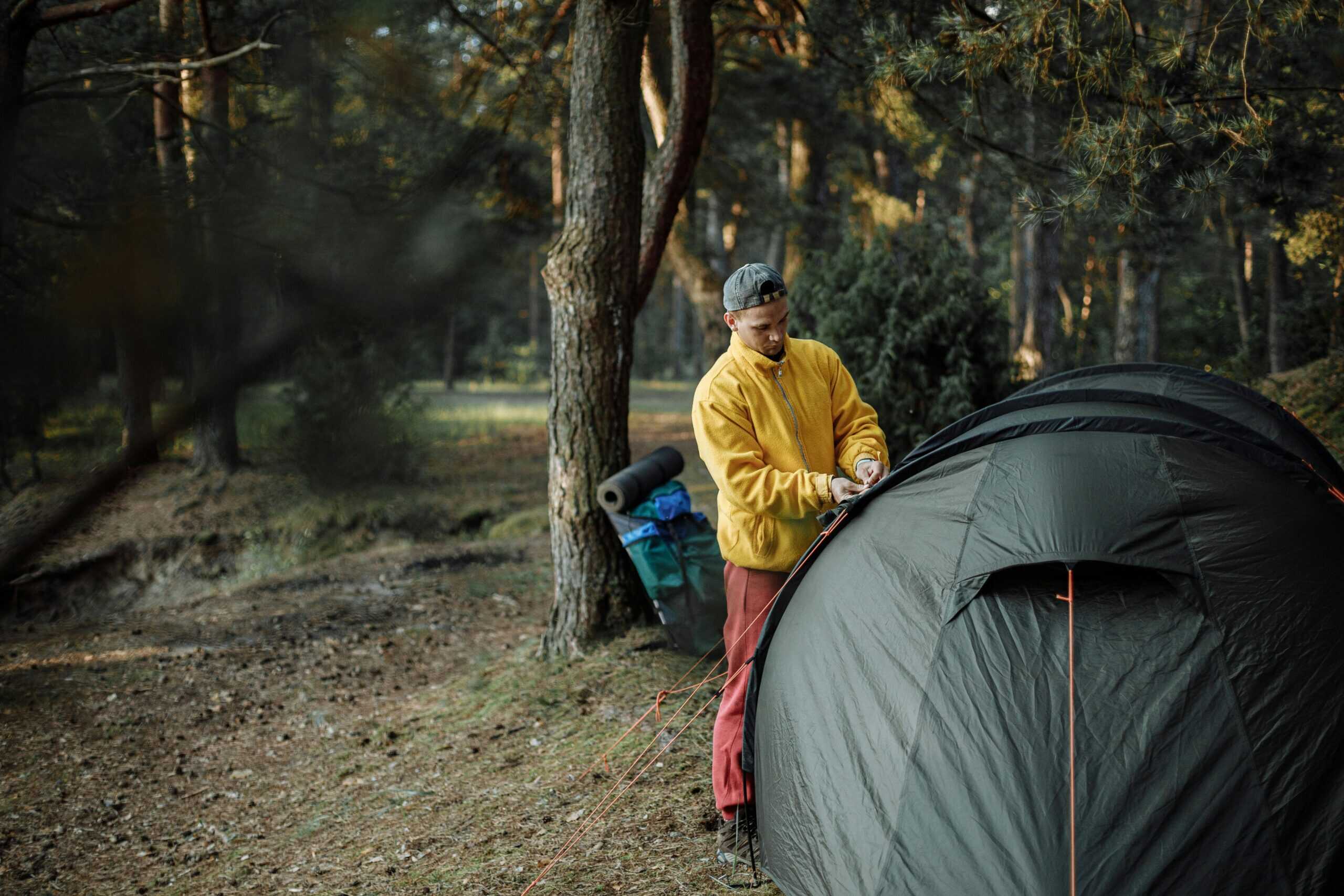
Backcountry camping sits inside both cultures, yet the default images differ. In the United States, famous trails and permits for specific national park routes loom large, while vast stretches of national forest still offer dispersed camping with few formalities. In Canada, many stories center on canoe trips, portage routes, and hut or yurt systems deep in provincial and national parks. The shared ethic is self reliance, but the movements change, from boots crossing dusty switchbacks to paddles dipping into black, still lakes at dusk and dawn, far from road noise.
Indigenous Presence And Place Names
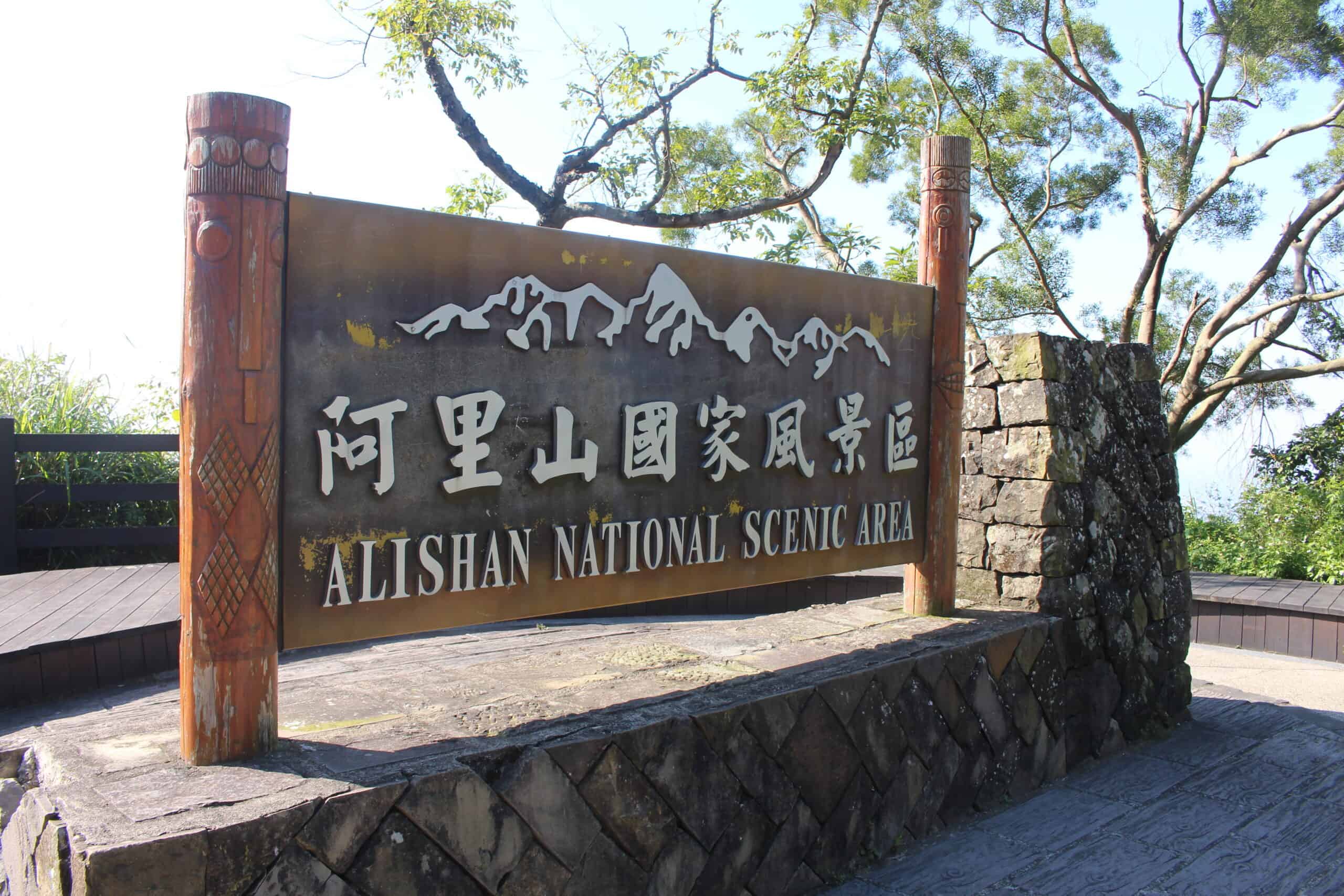
Camping in both countries happens on Indigenous land, and how that truth appears at campgrounds is slowly changing. In Canada, more parks now feature dual place names, partner with local nations, and include that history in brochures, signs, and guided walks. In the United States, some parks are moving in the same direction, but many still lean heavily on settler era stories alone. Attentive campers notice who is named and who is missing. Those details quietly affect how a weekend away feels and what kind of respect the land seems to receive from visitors.
Noise Rules, Quiet Hours, And Neighbor Etiquette
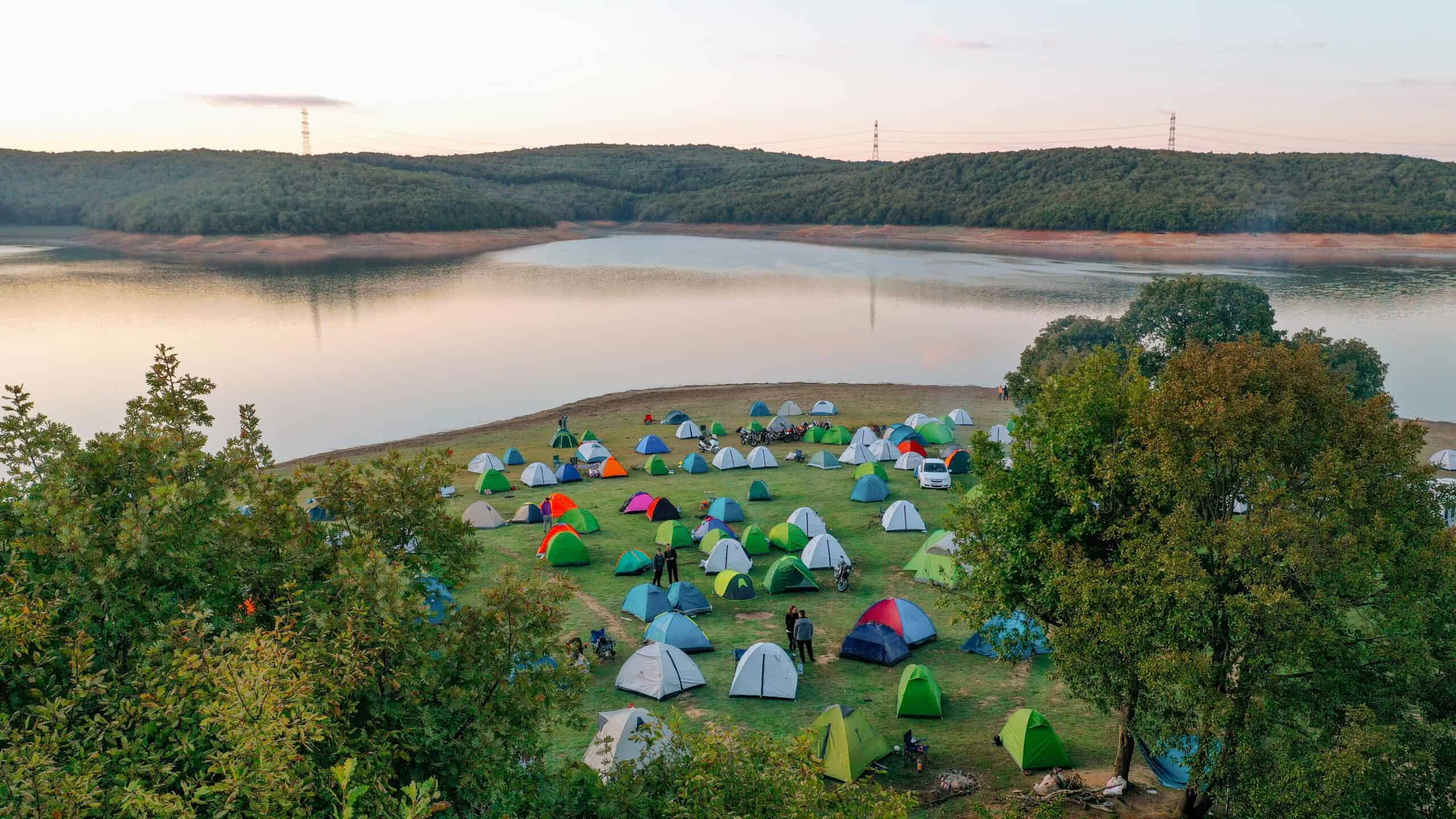
Quiet hours exist on both sides of the border, yet the social enforcement feels different around the fire ring. In parts of the United States, some campgrounds tolerate louder gatherings, generators, and music until staff finally step in, while others now clamp down hard. In Canada, many popular provincial parks keep a firm line that fellow campers support, with rangers responding quickly to repeated complaints. Unwritten etiquette shifts too, from how much neighbors mingle to how safe solo travelers feel striking up a chat at the tap or woodpile at dusk.