We may earn money or products from the companies mentioned in this post. This means if you click on the link and purchase the item, I will receive a small commission at no extra cost to you ... you're just helping re-supply our family's travel fund.
College towns usually depend on steady waves of young people to fill apartments, shape local culture, and keep small businesses thriving. As enrollment declines at many regional universities, a subtle quiet is settling into places once defined by packed sidewalks and late-night routines. Empty dorms, softer lunch rushes, and slower rental turnover tell a story locals feel more than they discuss. Each town is adjusting in its own way, trying to understand what community looks like when fewer students arrive each fall.
Macomb, Illinois
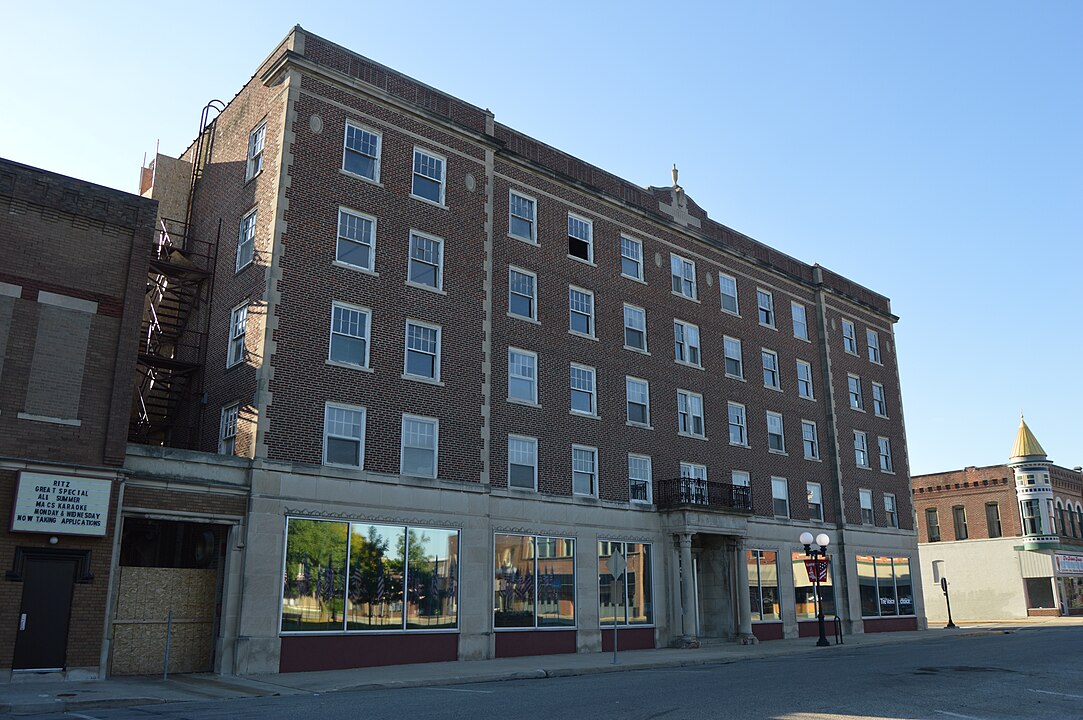
Macomb grew around Western Illinois University, and its rhythm always matched the size of each incoming class. With enrollment slipping for more than a decade, familiar streets now feel calmer, especially on weeknights when crowds once filled cafes and study spots. Vacant lots and older rentals reveal how deeply the campus shaped local routines. Residents talk about revitalizing the town through new training programs and creative partnerships so the university remains central, even as the population shifts.
Carbondale, Illinois
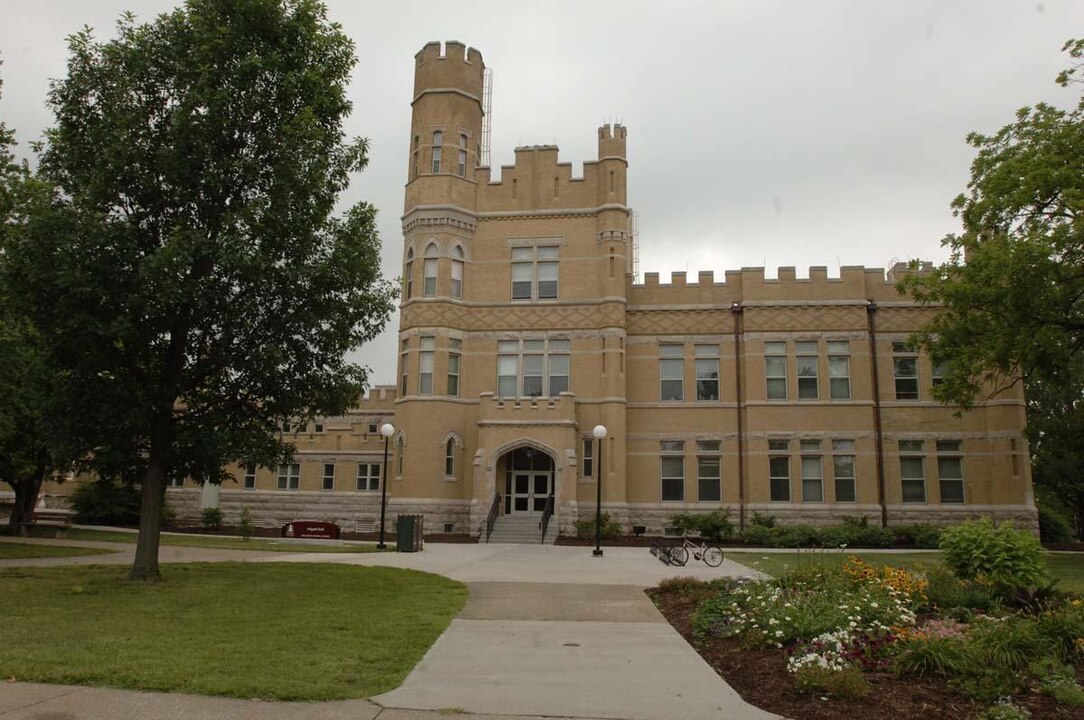
Carbondale built much of its identity around Southern Illinois University, but enrollment drops have reshaped the town’s daily landscape. Apartment complexes that once filled within weeks now advertise year round, and restaurant owners describe quieter stretches between weekends. Students who do stay enjoy more breathing room, yet the slower pace lingers. Locals are exploring ideas that blend tourism, outdoor recreation, and new academic tracks to keep visitors coming and long-term residents confident in the town’s stability.
Charleston, Illinois
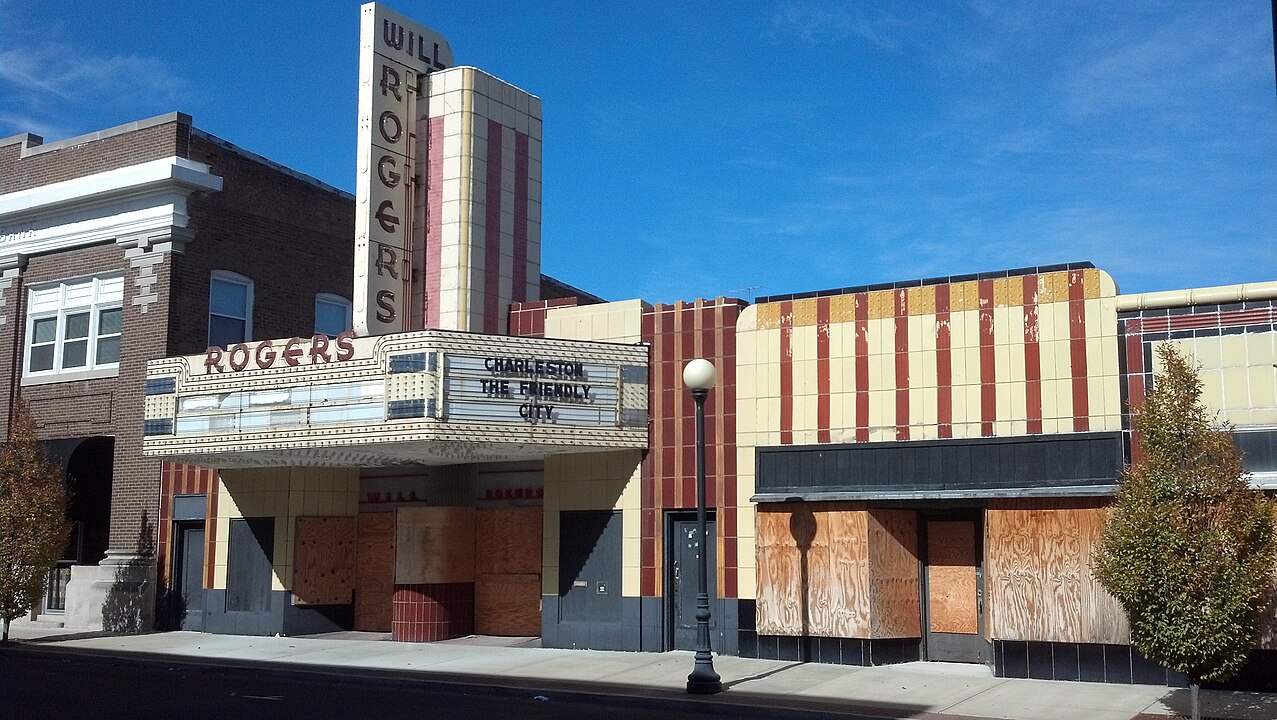
Charleston has long relied on the steady presence of Eastern Illinois University, yet recent decades have brought shrinking class sizes that ripple through the community. Streets once crowded during move-in now feel more relaxed, and local shop owners adjust their hours to match softer demand. Parents visiting for sports or theatre still bring energy, but the town senses the need for new anchors. Community groups now focus on arts festivals, regional employers, and small business grants to balance the slower student flow.
DeKalb, Illinois
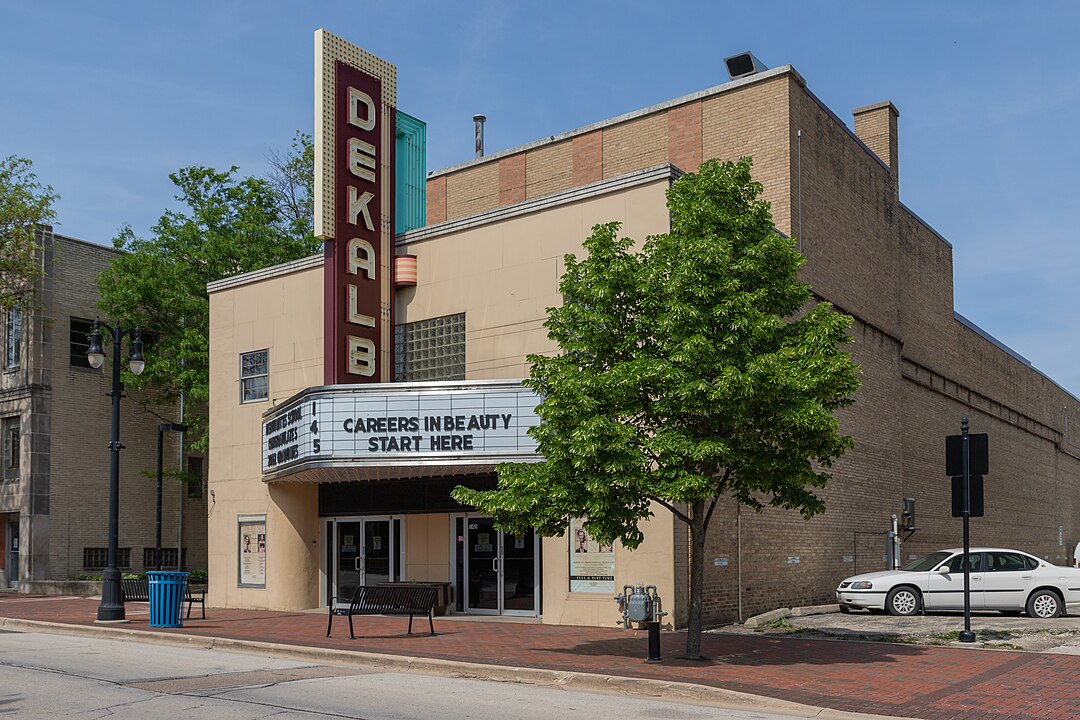
DeKalb grew alongside Northern Illinois University, giving the town a mix of campus buzz and small-city calm. As enrollment has declined, some long-standing hangouts see fewer regulars, and landlords offer flexible leases to fill open rooms. Students mention shorter lines and quieter study spots, while residents hope for renewed academic programs to draw fresh interest. The town still benefits from Chicago’s proximity, yet many agree that rebuilding momentum will take patience, collaboration, and steady investment in student life.
Oxford, Ohio
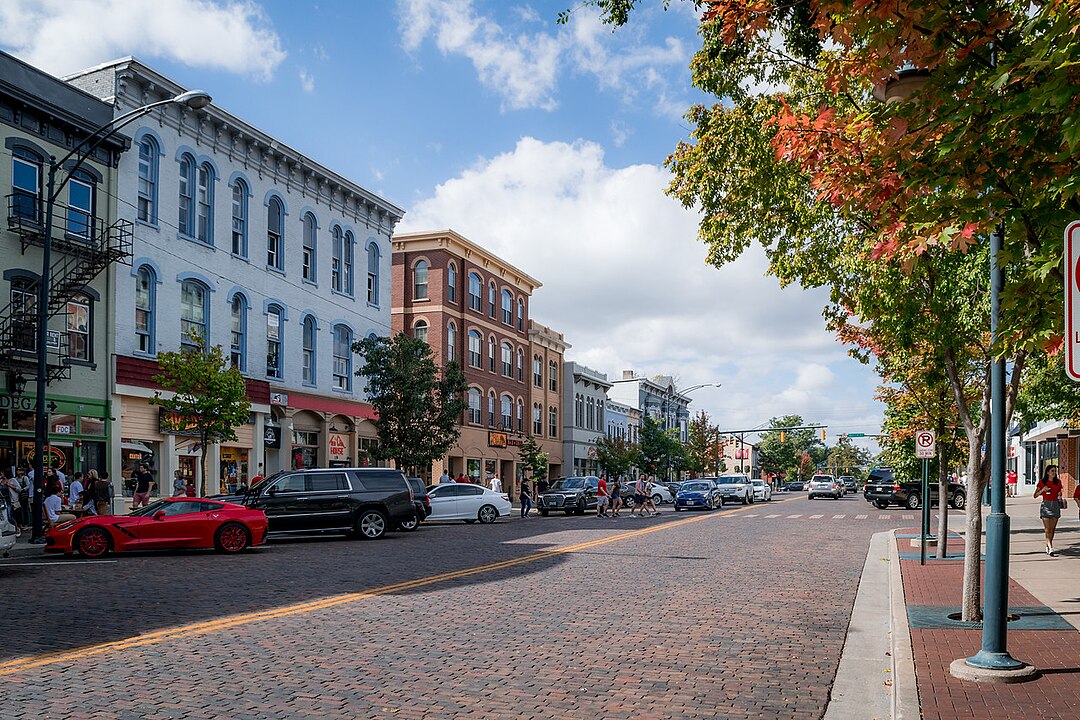
Oxford thrives on the energy Miami University brings, yet falling international enrollment has quietly reshaped the town’s atmosphere. Restaurants that once depended on large groups now see smaller lunch crowds, and rental turnover has become less predictable. The change hasn’t erased the lively feel entirely, but it has softened the edges of campus life. Locals and alumni hope expanded programs and summer events help bridge the gap, keeping Oxford vibrant even as student numbers fluctuate.
Rohnert Park, California
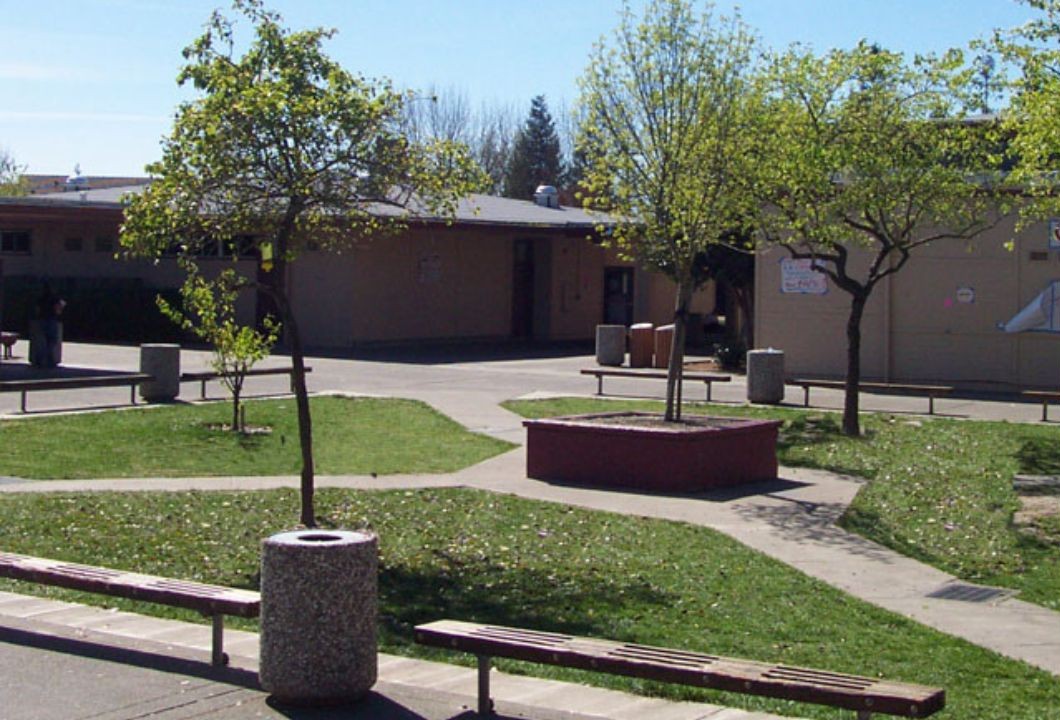
Rohnert Park’s pace has long followed the rhythms of Sonoma State University, where full residence halls once signaled strong academic years. As enrollment has dipped, some dorms have closed or shifted purpose, leaving surrounding businesses to rethink how they plan for steady traffic. Cafes adjust staffing, and community leaders discuss drawing in more adult learners and weekend visitors. Residents still appreciate the town’s relaxed California feel, but they understand that new ideas are needed to keep activity levels healthy.
Johnson, Vermont
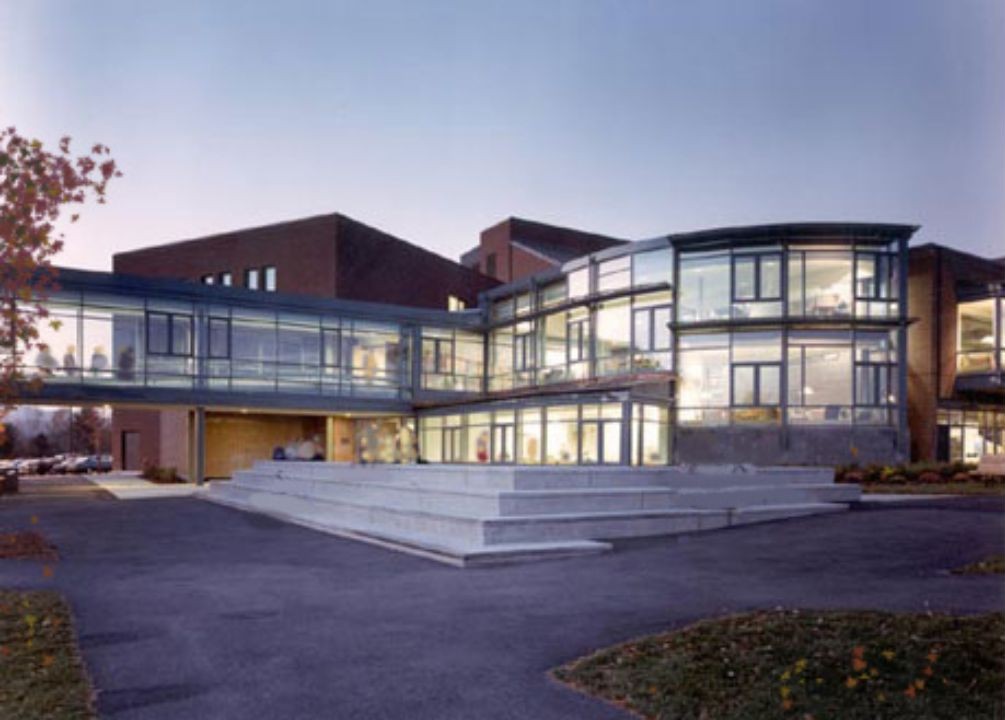
Johnson sits tucked into Vermont’s hills, shaped for decades by its campus, now part of the statewide university system. Enrollment declines have left some dorms with more empty rooms than expected, and the town feels the difference in grocery aisles and coffee shops. Locals recognize the opportunity to reimagine unused housing for workshops or short-term programs that bring fresh faces throughout the year. The community’s strength lies in its ability to adapt without losing the warmth that defines small towns.
Castleton, Vermont
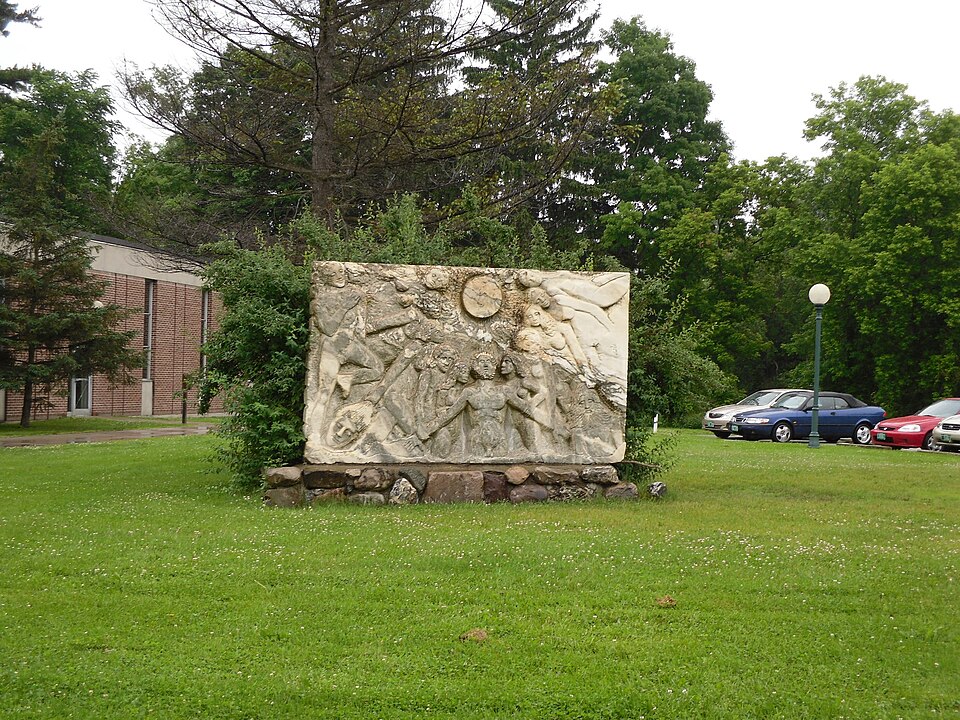
Castleton’s identity has long intertwined with its university, which now shares resources under a broader statewide system created in response to declining enrollment. The shift has made some residents notice quieter streets and fewer seasonal renters, especially in months that once felt packed. Yet many still see the campus as a central gathering place for sports, arts, and public events. Community leaders explore ideas like year-round seminars and expanded outreach to keep Castleton lively despite changing demographics.
Monticello, New York
Monticello’s connection to SUNY Sullivan has shaped its housing market, local shops, and community rhythms for years. Enrollment swings now leave some residence halls partly empty, and nearby businesses feel the shift in their weekend traffic. The town’s leaders discuss adapting campus housing for short-term training programs and regional partnerships that welcome new types of learners. Residents see promise in blending education with tourism and local industry to stabilize activity levels throughout the year.
Gorham, Maine
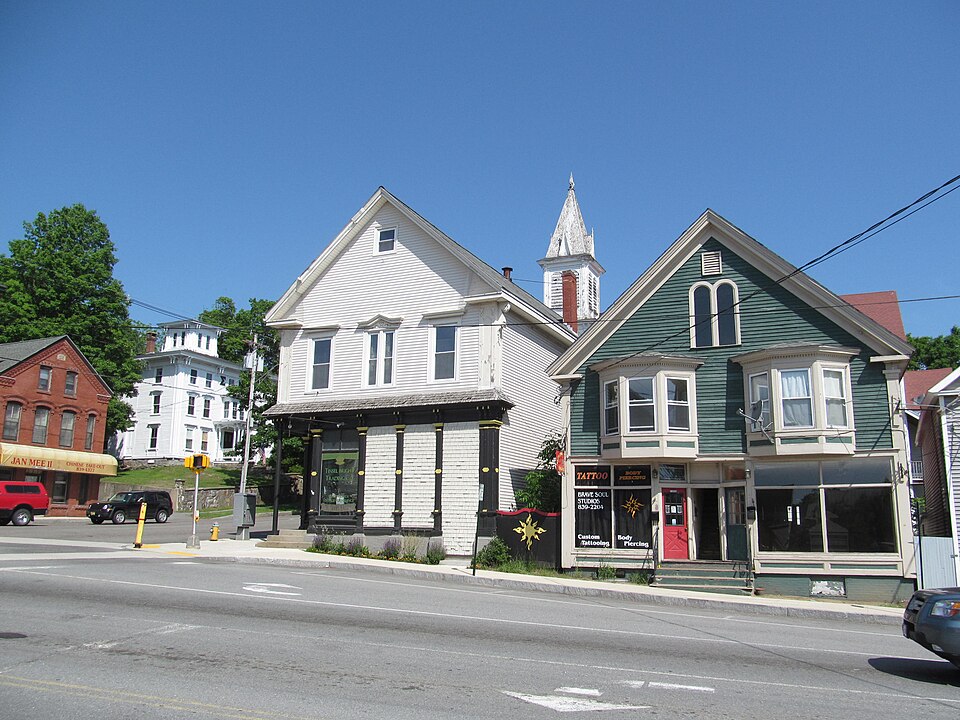
Gorham shares its daily life with the University of Southern Maine’s main residential campus, where some older dorms remain underused. That change echoes through the town in quieter bus stops, lighter evening foot traffic, and slower turnover in apartments. Community conversations now focus on how to repurpose extra space while supporting the students who remain. Locals hope thoughtful planning can preserve Gorham’s friendly campus-town character even as numbers shift around it.
Unity, Maine
Unity built a reputation as a destination for environmental studies, and its small campus once filled the town with steady seasonal energy. Changes to the college’s structure and enrollment have left more rooms vacant and fewer student-centered events on the calendar. Residents still value the school’s mission and want to keep its influence strong. Ideas like nature workshops, summer institutes, and community retreats now circulate as ways to bring new visitors into a town that still thrives on curiosity.
Dryden, New York
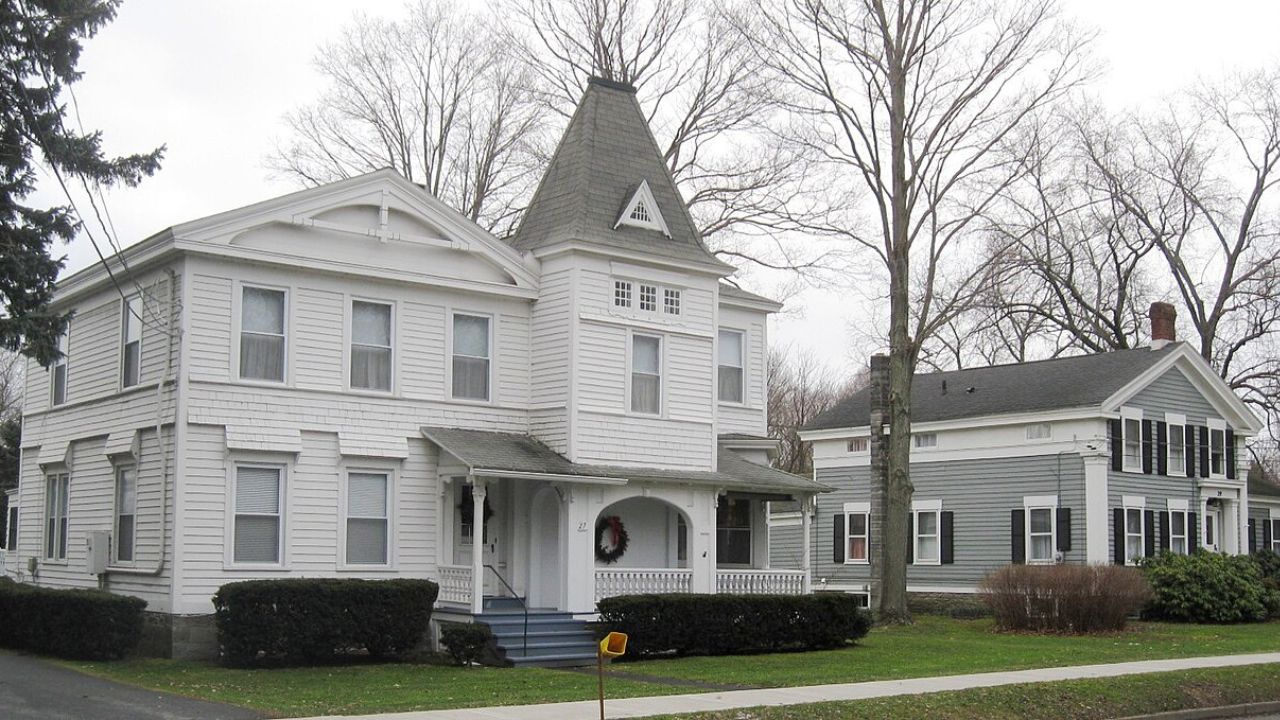
Dryden shares a ridge with Tompkins Cortland Community College, where enrollment changes have left some residence halls less full than expected. The town sees practical effects in grocery stores, coffee lines, and bus routes that shift as commuting grows more common. Leaders consider adapting available housing for workforce programs or short-term residents, hoping to keep the campus hub active. Dryden’s success has always relied on flexibility, and that mindset guides current conversations.
Oakdale, New York
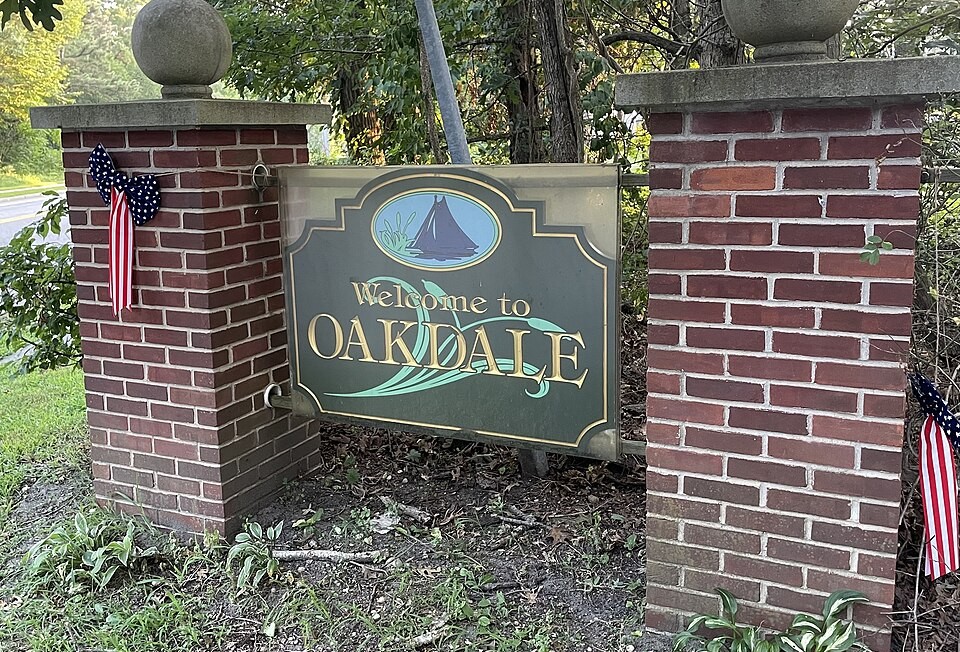
Oakdale once revolved around a private college that shaped its identity until declining enrollment pushed the campus to close. The empty buildings became a symbol of change, prompting the town to reimagine what could take their place. Residents now discuss redevelopment that blends education, offices, and public space, giving the area a path forward without erasing its academic roots. Oakdale’s calm waterfront and historic structures offer a foundation for renewal if the right partners take interest.