We may earn money or products from the companies mentioned in this post. This means if you click on the link and purchase the item, I will receive a small commission at no extra cost to you ... you're just helping re-supply our family's travel fund.
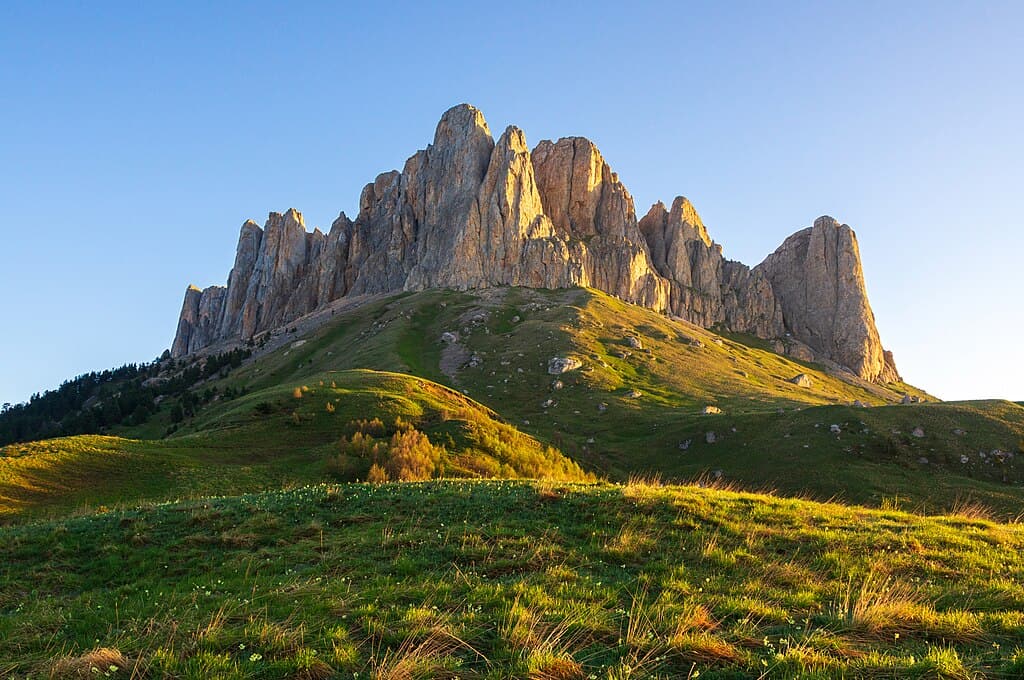
Backcountry ski touring is as much about exploration as it is about skiing. The world’s best routes combine raw terrain, demanding climbs, and descents that feel earned rather than served. From glacier-heavy traverses to powder-rich maritime ranges, these routes test fitness, judgment, and mountain awareness. Below is a carefully curated list of thirteen iconic backcountry ski touring routes, each expanded with terrain specifics, seasonal timing, skill demands, and hard numerical data. Every section follows the same structure and depth to give serious snow adventurers a clear, realistic picture before committing to these legendary lines.
1. Chugach Mountains, Alaska, USA
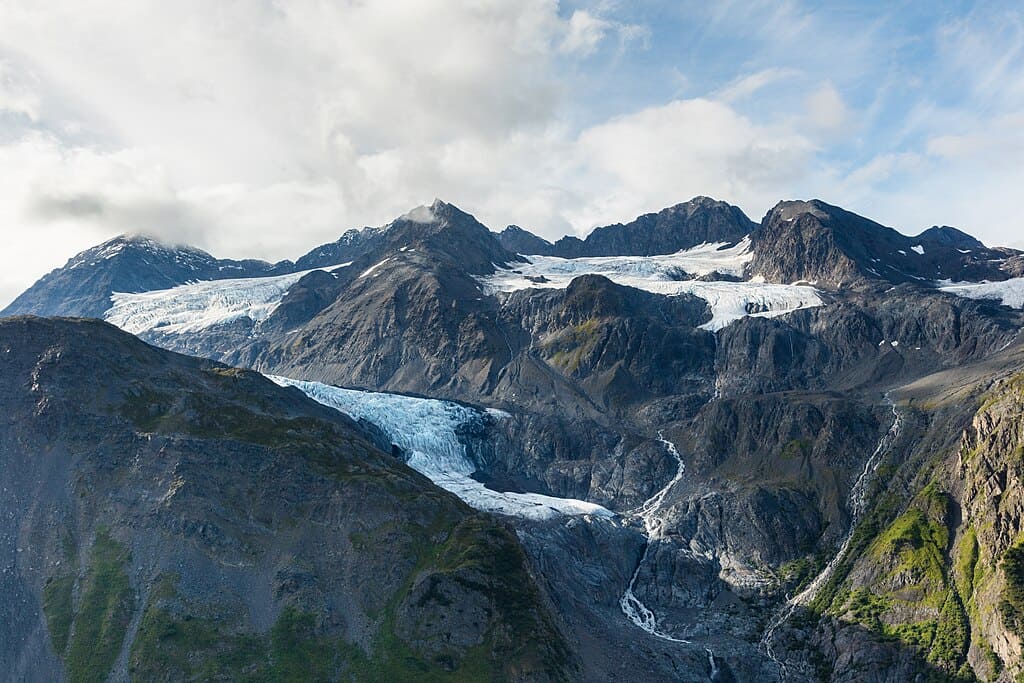
The Chugach Mountains define big-mountain ski touring, with vast glaciers, steep alpine faces, and some of the deepest snowpacks on Earth. Annual snowfall regularly exceeds 18–20 meters, creating long, sustained descents often ranging from 1,200 to 1,800 vertical meters. Touring routes involve glacier travel, complex avalanche terrain, and extended approaches that can last 6–10 hours. Spring offers more stable conditions, though storms remain frequent. Average touring elevations sit between 900 and 2,500 meters. Crevasse navigation, cold-weather endurance, and advanced snowpack analysis are mandatory, as rescue services are extremely limited across this remote Alaskan landscape.
2. Lyngen Alps, Norway
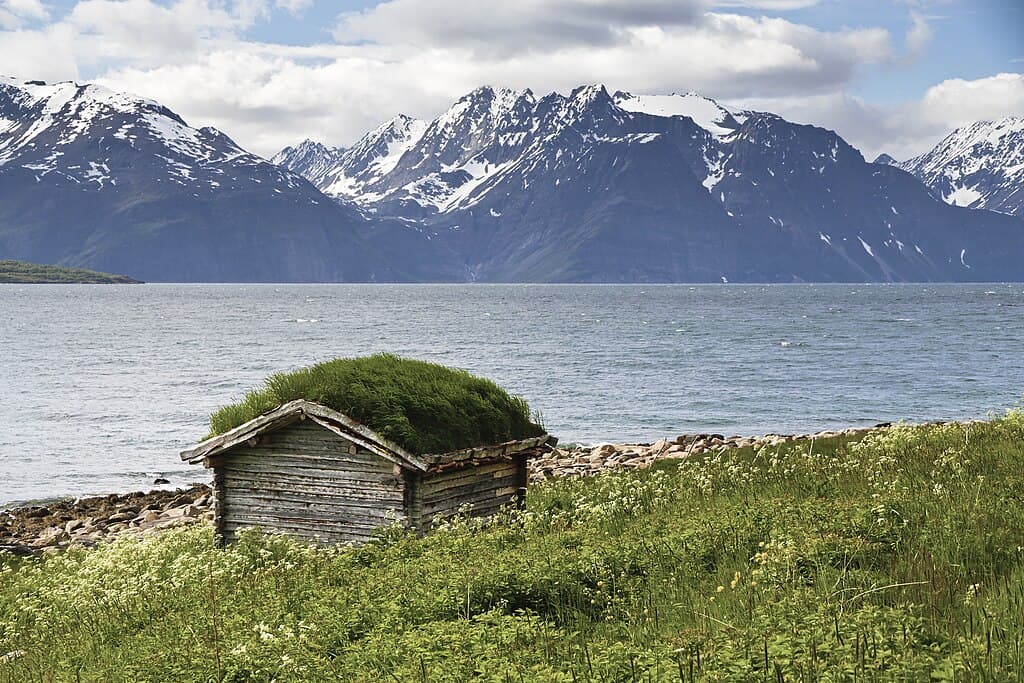
The Lyngen Alps rise directly from Arctic fjords, delivering rare summit-to-sea ski touring. Typical routes climb 800–1,200 vertical meters, with total distances averaging 8–14 kilometers per day. Snowfall ranges from 6–8 meters annually, while spring temperatures stabilize the snowpack for corn skiing. Touring elevations usually peak near 1,800 meters, yet descents often finish at sea level. The terrain blends mellow ridgelines with steep, exposed faces exceeding 35 degrees. Long daylight hours from March to May allow flexible timing, though maritime weather can shift rapidly, demanding precise planning and conservative route selection.
3. Silvretta Traverse, Austria–Switzerland
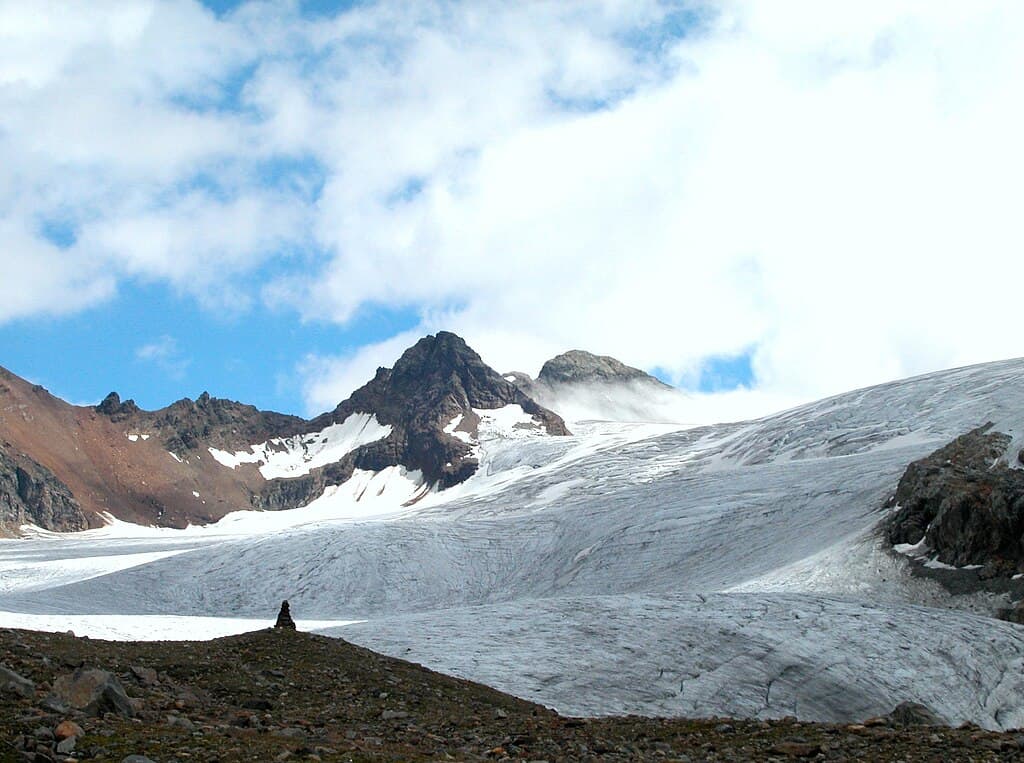
The Silvretta Traverse is a classic multi-day ski tour linking high alpine glaciers and historic huts. Most itineraries span 4–6 days, covering roughly 60–80 kilometers with cumulative elevation gains near 6,000 meters. Daily ascents average 900–1,100 vertical meters, primarily above 2,500 meters elevation. Snow conditions are typically stable in late March through April, supported by a continental-alpine climate. The route demands glacier travel skills, efficient pacing, and solid navigation in whiteout conditions. Well-spaced refuges reduce pack weight but do not diminish the seriousness of the high-alpine terrain.
4. Rogers Pass, British Columbia, Canada
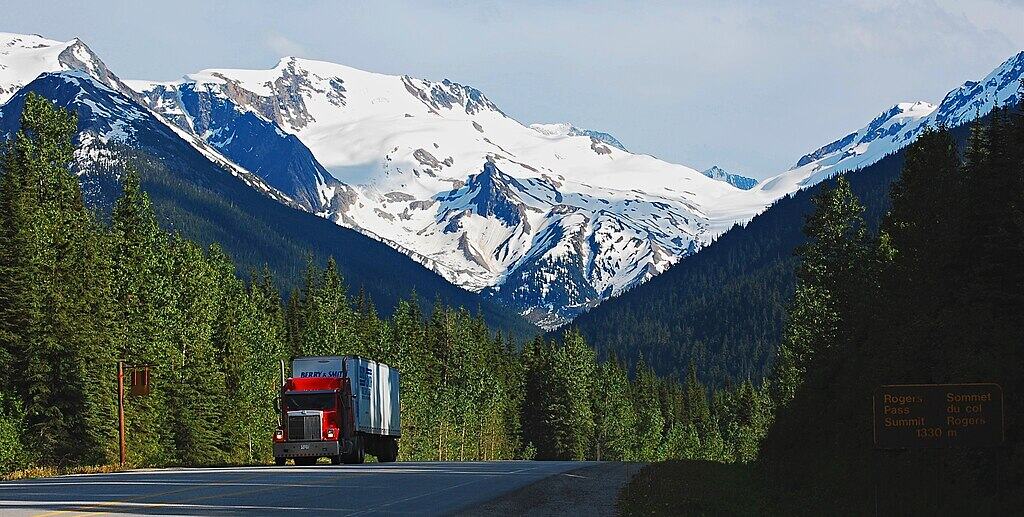
Rogers Pass is legendary for its combination of accessibility and severe avalanche risk. Annual snowfall often exceeds 10 meters, producing deep powder across steep tree lines and open alpine bowls. Typical tours involve 700–1,300 vertical meters of climbing over 6–12 kilometers. Elevations range from 1,300 to 2,600 meters, with terrain angles frequently surpassing 35 degrees. The area records some of Canada’s highest avalanche incident rates, making snowpack evaluation critical. While roadside access shortens approaches, weather volatility and terrain traps demand advanced decision-making on every tour.
5. Haute Route, France–Switzerland
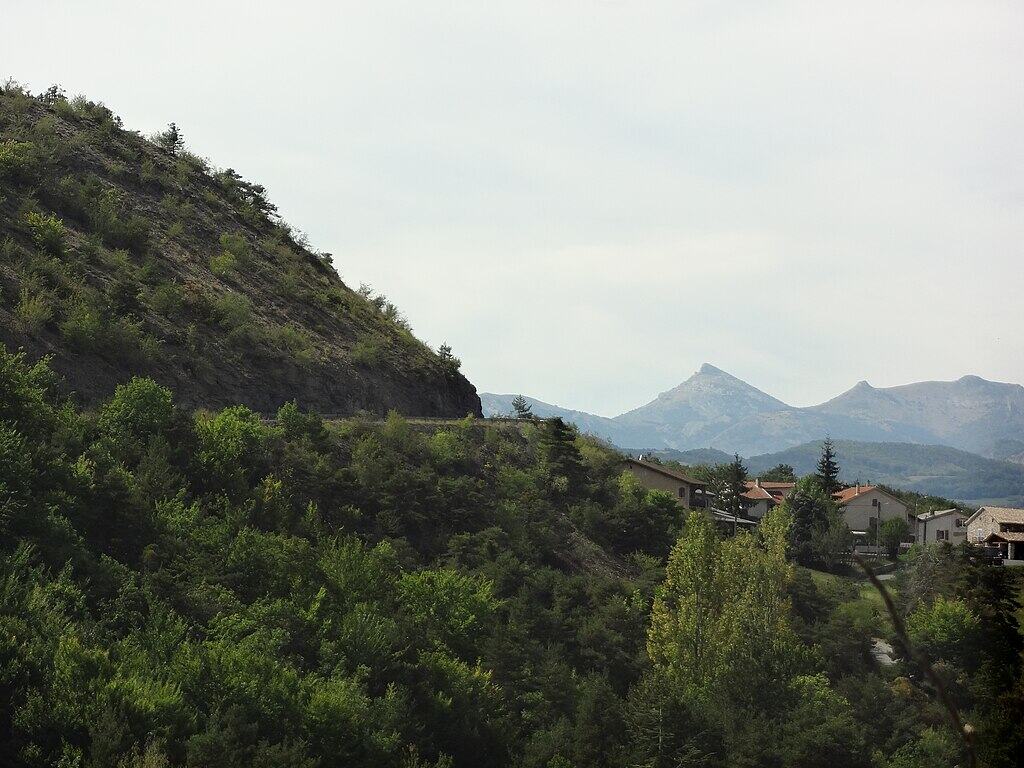
The Haute Route is the world’s most famous ski traverse, covering approximately 180 kilometers from Chamonix to Zermatt over 5–7 days. Total elevation gain exceeds 10,000 meters, with daily climbs averaging 1,200–1,500 meters. Touring elevations regularly surpass 3,000 meters, crossing heavily glaciated terrain beneath iconic peaks. Snow conditions are best from late March to mid-April, balancing daylight and stability. Crevasse zones, long exposure, and complex route finding define the challenge. While huts provide shelter, the route demands endurance, strong glacier skills, and careful weather management.
6. Mount Cook National Park, New Zealand
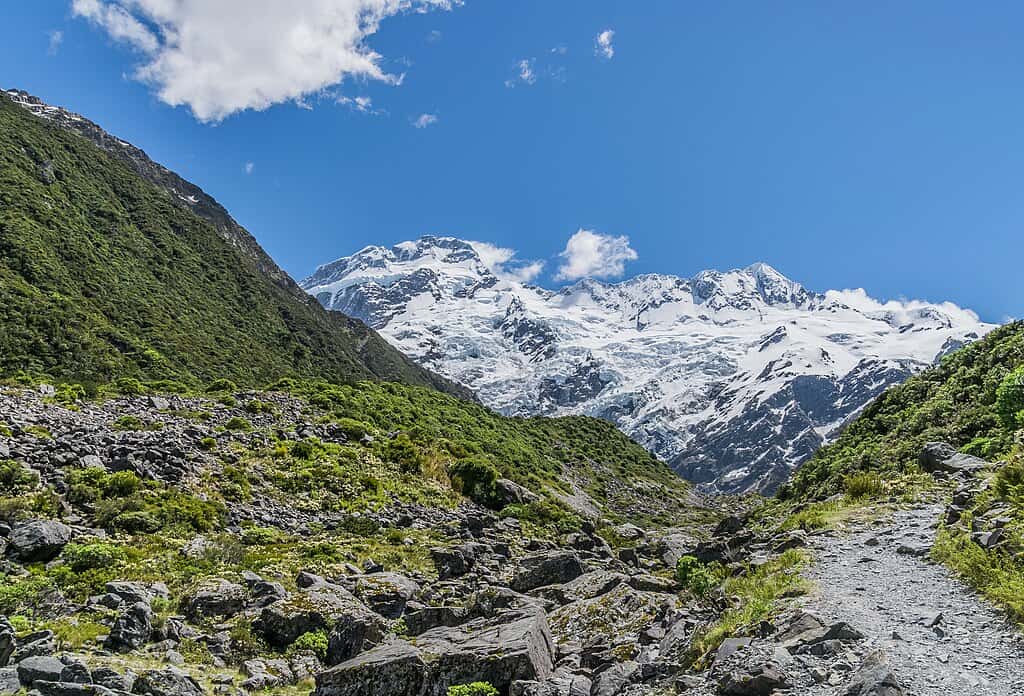
Mount Cook National Park delivers rugged Southern Hemisphere ski touring across massive glaciers and sharp alpine ridges. Typical tours climb 1,000–1,600 vertical meters, often exceeding 12 kilometers per day. Elevations range from 700 to 3,000 meters, with rapidly changing snow conditions due to maritime influence. Annual snowfall averages 6–9 meters, though wind and temperature swings shape variable surfaces. The prime season runs from October to November. Complex crevasse systems, limited rescue infrastructure, and volatile weather require advanced mountaineering skills and conservative planning throughout this demanding terrain.
7. Japanese Alps, Honshu, Japan
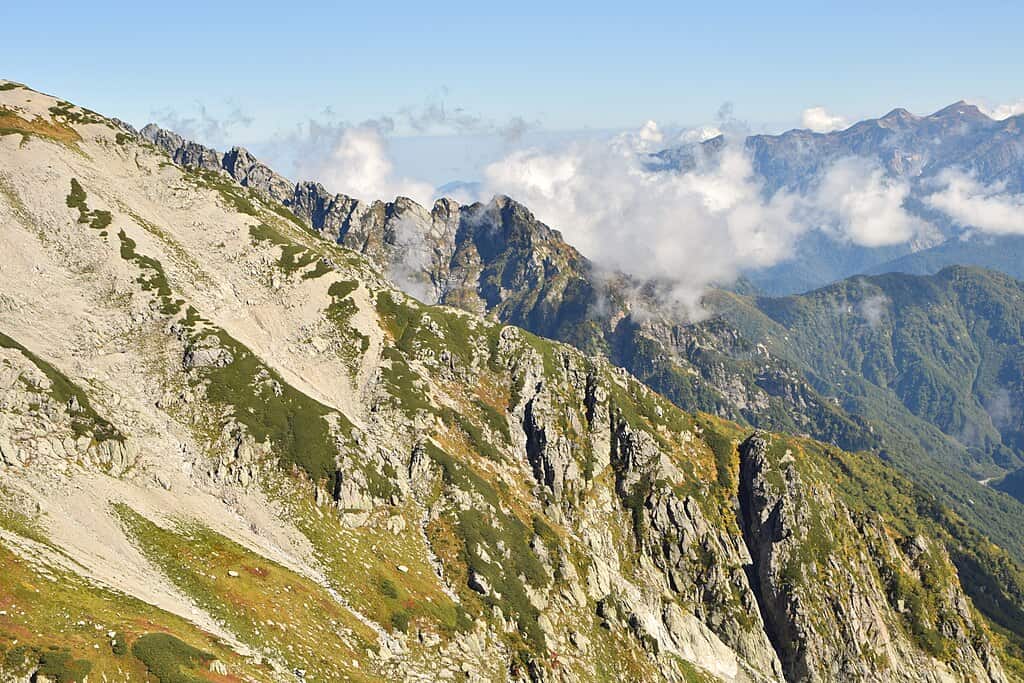
The Japanese Alps combine deep powder with steep forested terrain and volcanic alpine zones. Snowfall is extraordinary, averaging 10–15 meters annually in regions like Hakuba and Tateyama. Touring routes typically involve 600–1,200 vertical meters of ascent over 7–15 kilometers. Elevations are modest, usually topping out near 2,500 meters, but consistent snowfall keeps conditions prime. Winter touring emphasizes tree skiing and avalanche awareness, while spring opens alpine ridges. Dense forests, terrain traps, and rapid loading during storms demand disciplined route selection and constant snowpack monitoring.
8. Sierra Nevada, California, USA
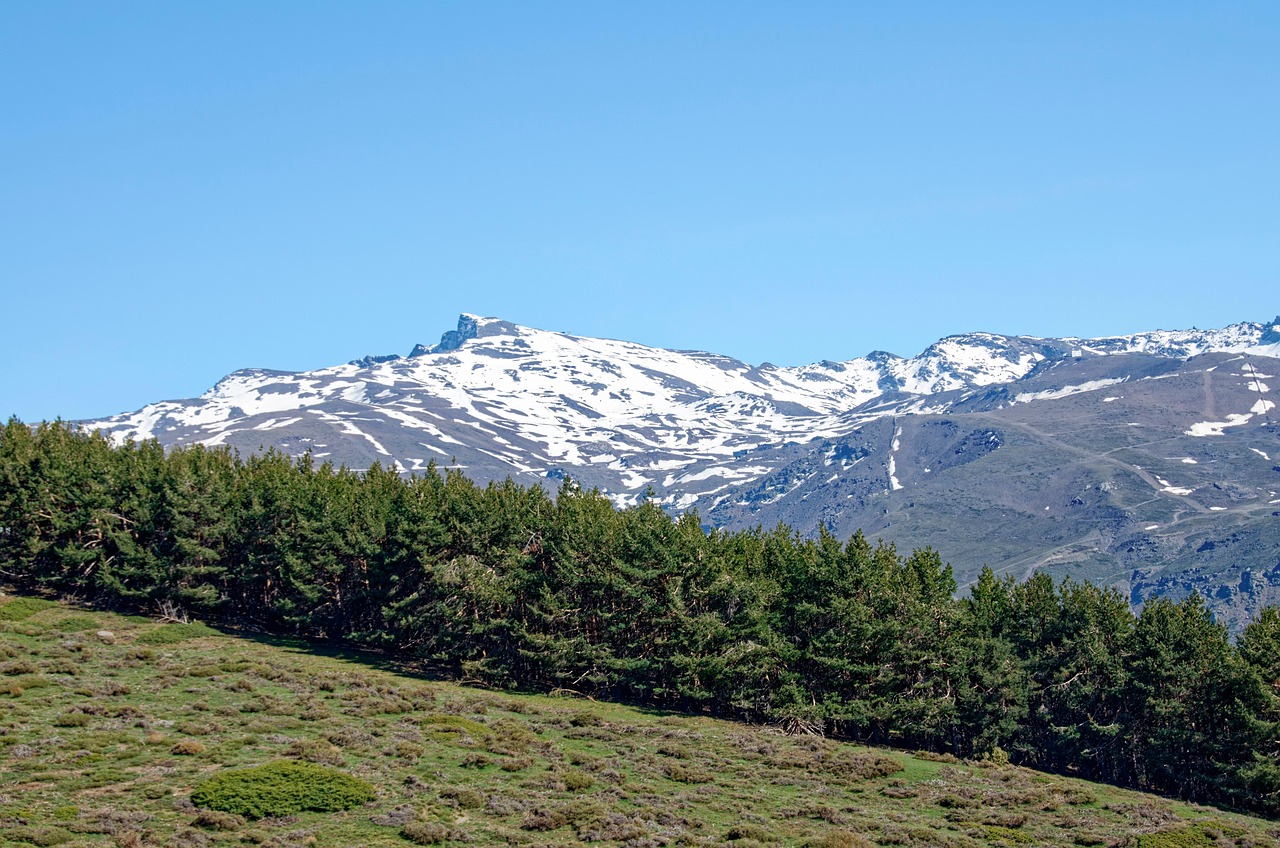
The Sierra Nevada is renowned for long spring ski tours featuring stable corn snow and volcanic terrain. Routes on peaks like Mount Shasta involve 1,500–2,200 vertical meters of climbing, often in a single push. Elevations range from 2,000 to over 4,300 meters, with total distances near 15–20 kilometers. Annual snowfall averages 7–10 meters, concentrated in winter storms. April through June offers optimal conditions. Though avalanche danger decreases in spring, altitude, exposure, and rapid weather shifts require strong endurance and careful timing to manage snow stability.
9. Romsdalen, Norway
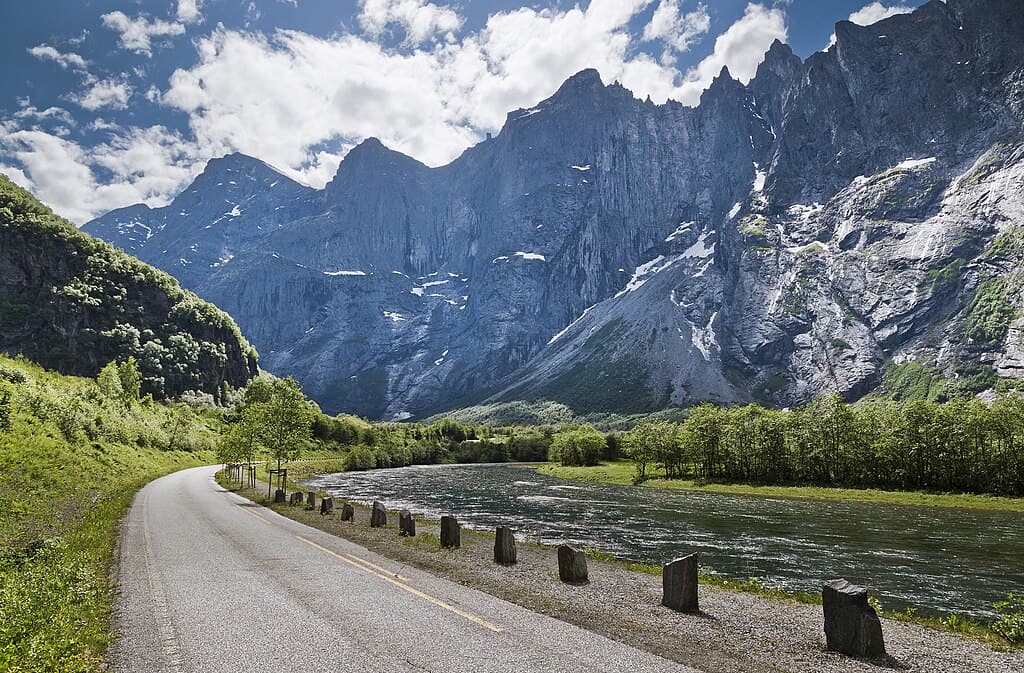
Romsdalen offers steep, technical ski touring in a dramatic fjord setting. Typical routes feature 900–1,400 vertical meters of ascent, with descents frequently exceeding 40 degrees. Annual snowfall averages 6–7 meters, heavily influenced by maritime weather systems. Elevations reach approximately 1,800 meters, but vertical relief feels greater due to sea-level starts. March through May provides the best balance of snow quality and stability. Complex terrain, narrow couloirs, and exposure to rockfall demand ski-mountaineering skills and precise timing, making Romsdalen a serious destination for advanced tourers.
10. Caucasus Mountains, Georgia
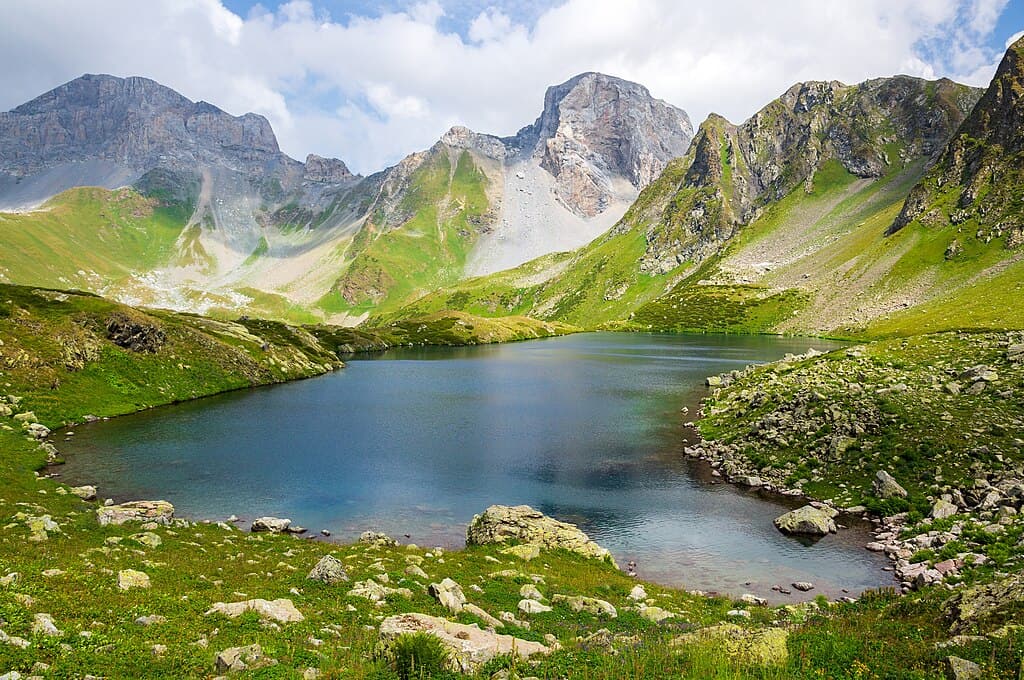
Georgia’s Caucasus Mountains are emerging as a premier backcountry destination, offering vast terrain and minimal crowds. Annual snowfall ranges from 4–6 meters, with touring elevations between 1,800 and 3,500 meters. Typical day tours involve 1,000–1,500 vertical meters over 10–16 kilometers. January through March delivers consistent powder, while spring offers longer missions. Infrastructure is limited, requiring self-sufficiency and local knowledge. The terrain features broad alpine faces and long fall-line descents, but weather instability and limited forecasting demand conservative decisions and flexible itineraries.
11. San Juan Mountains, Colorado, USA

The San Juan Mountains are known for high-alpine touring and dramatic avalanche terrain. Annual snowfall averages 7–9 meters, with elevations commonly exceeding 3,600 meters. Typical tours climb 900–1,400 vertical meters over 8–14 kilometers. Spring is the prime season, offering predictable corn cycles and improved stability. Terrain includes steep couloirs, wide bowls, and complex ridgelines. Thin early-season snowpacks can create persistent weak layers, making snowpack assessment critical. Fitness, patience, and timing are essential for safe and rewarding tours in this rugged Colorado range.
12. Adamello–Presanella Range, Italy

The Adamello–Presanella range offers expansive glaciers and quieter alpine touring compared to Western Alpine hotspots. Multi-day tours often cover 50–70 kilometers with cumulative elevation gains near 5,000–7,000 meters. Daily ascents average 900–1,200 vertical meters, with elevations topping out around 3,500 meters. Snowfall averages 5–7 meters annually, with stable conditions from late March to April. Well-placed huts support longer traverses, though glacier travel remains a constant. The terrain emphasizes endurance and efficiency rather than extreme steepness, making it ideal for classic ski mountaineering.
13. Sarek National Park, Sweden
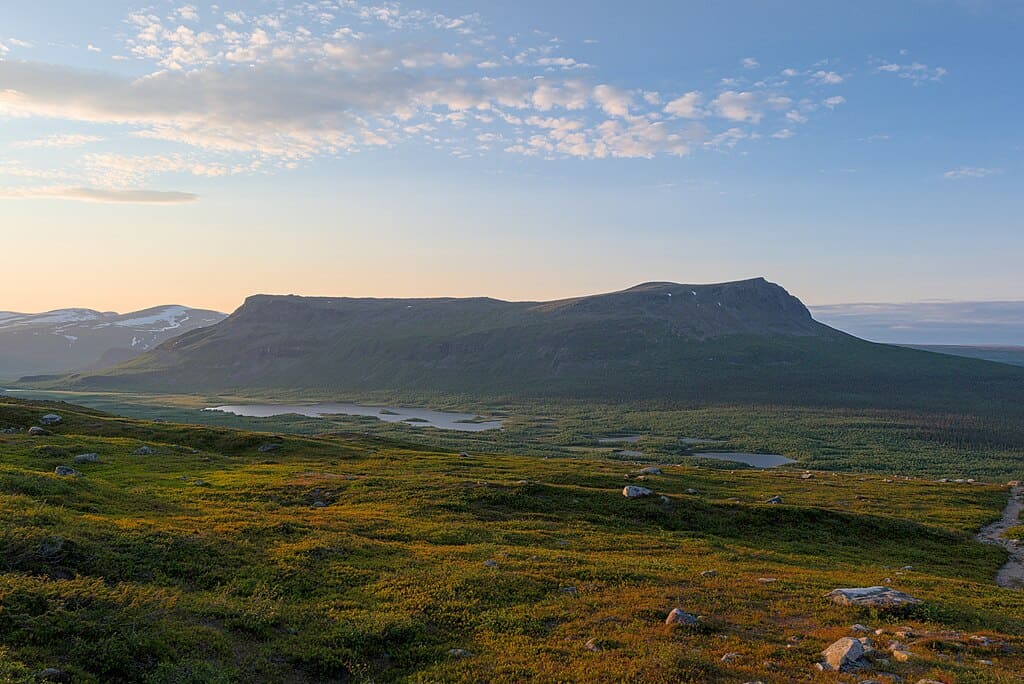
Sarek National Park represents pure wilderness ski touring, with no huts, marked routes, or infrastructure. Multi-day expeditions typically span 7–12 days, covering 80–120 kilometers with cumulative elevation gains exceeding 6,000 meters. Elevations are modest, generally below 2,100 meters, but Arctic exposure amplifies difficulty. Snowfall averages 3–4 meters annually, shaped by wind and cold temperatures. March and April offer the best light and stability. Extreme remoteness, subzero temperatures, and self-rescue requirements make Sarek suitable only for highly experienced, self-sufficient ski tourers.