We may earn money or products from the companies mentioned in this post. This means if you click on the link and purchase the item, I will receive a small commission at no extra cost to you ... you're just helping re-supply our family's travel fund.
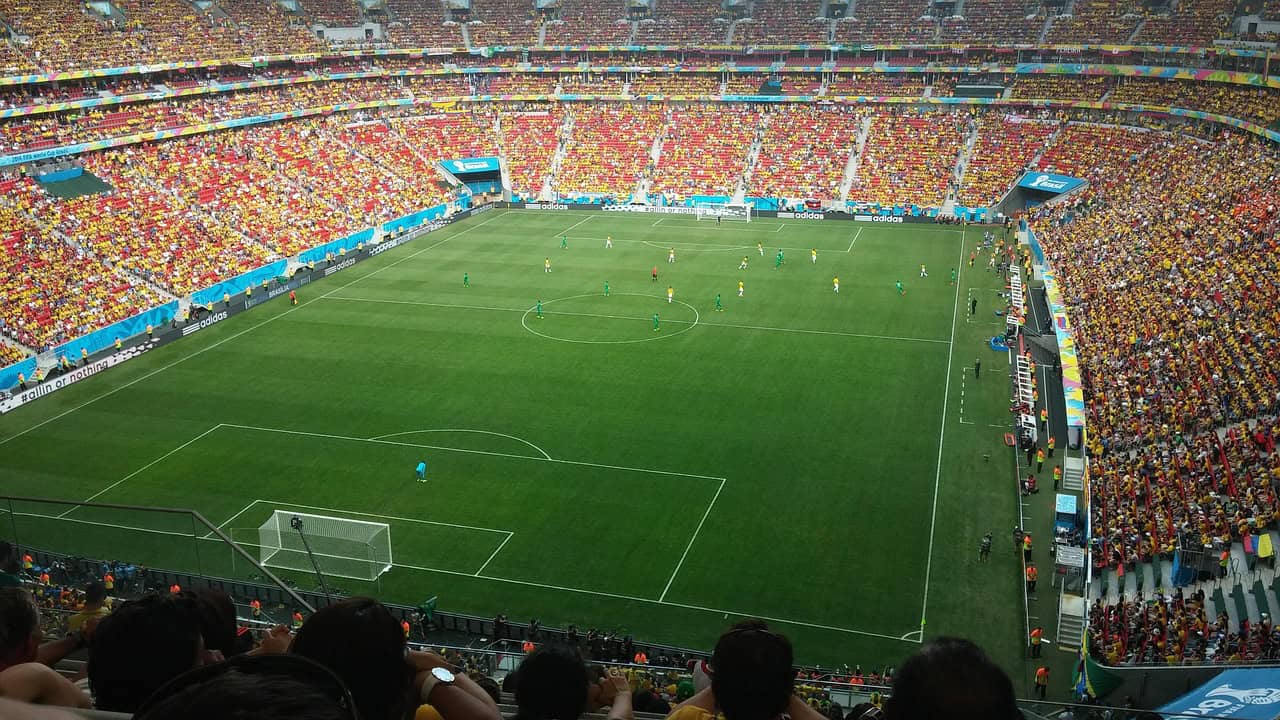
Attending a World Cup match is thrilling, but getting stuck in transit can ruin the experience. From overlooked shuttle services to weather disruptions, even small mistakes can make fans miss kickoff or crucial game moments. Planning ahead, understanding official transit, and allowing extra time are essential for a stress-free experience. Here are 12 transit mistakes that could cost you the match, with practical advice and key numbers for World Cup 2026 attendees.
1. Ignoring Official Shuttle Services
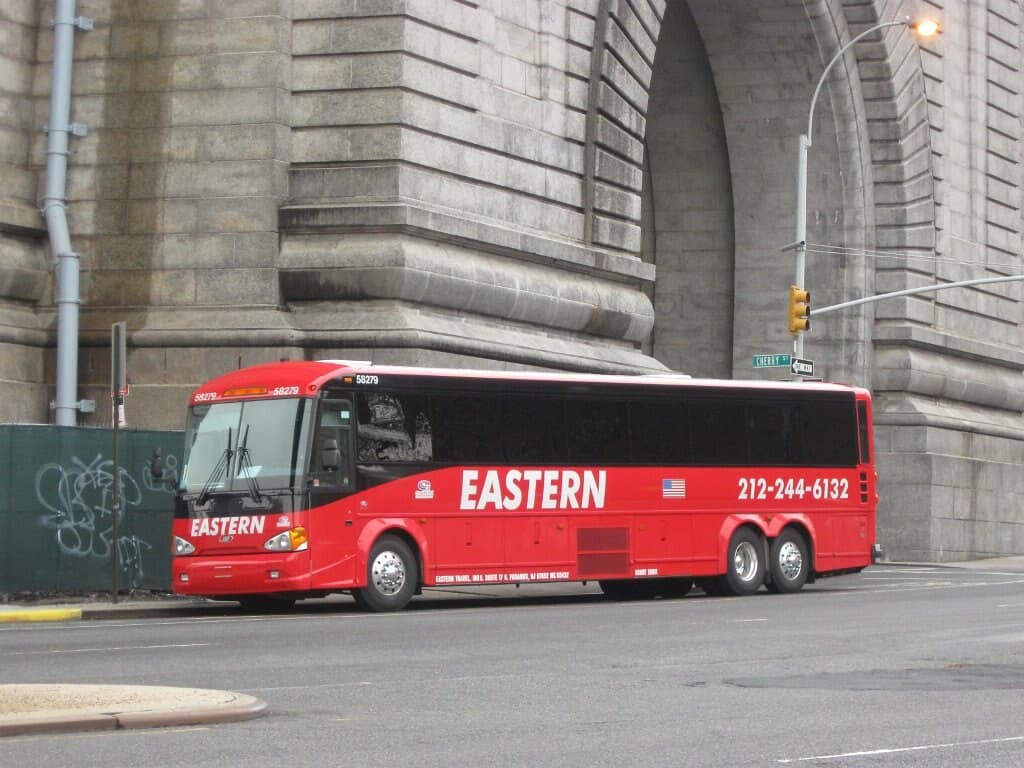
Many fans assume taxis or ride shares are faster, but official World Cup shuttles often have dedicated lanes and priority boarding. During the 2026 tournament, official shuttles could save 15–25 minutes compared to taxis in congested city areas. For stadiums with 70,000+ seats, these shuttles are timed to kickoff schedules, avoiding heavy traffic near entrances. Fans who skip them risk missing 10–15 minutes of the match, losing crucial pre-game excitement.
2. Overlooking Ticketed Transit Options
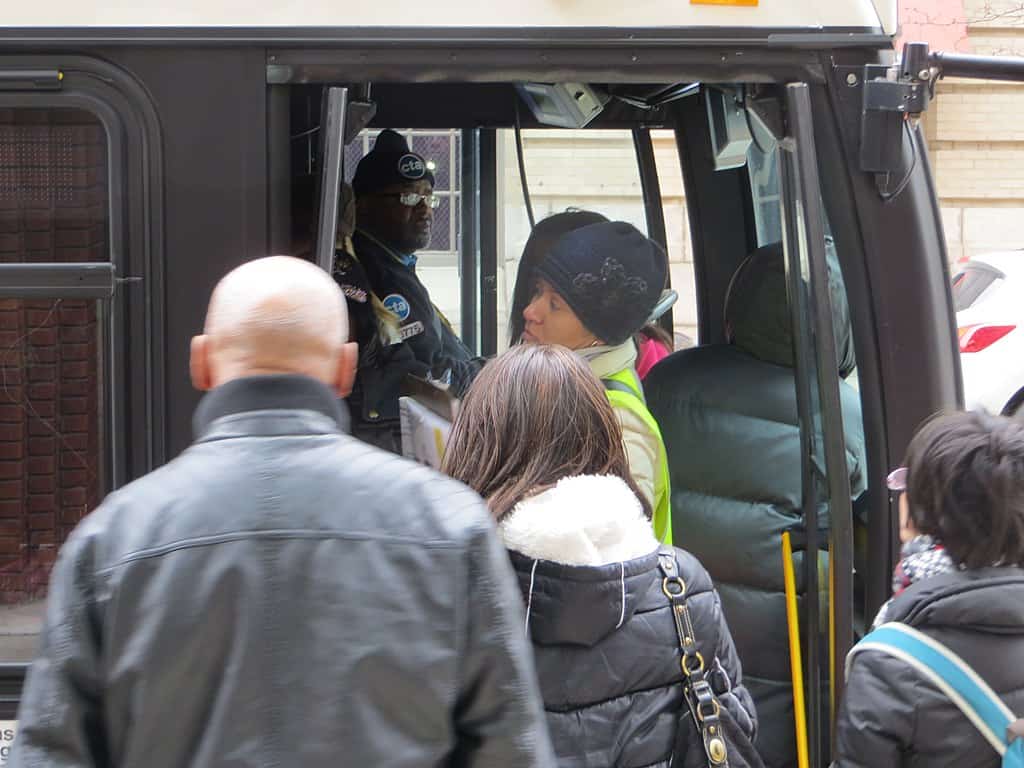
Several host cities offer transit passes bundled with match tickets, covering metro, bus, and tram rides for $10–15 daily. Ignoring these passes forces fans to pay standard fares of $5–7 per ride, doubling costs and adding long queue waits of 20–40 minutes during peak hours. Using included transit ensures faster entry, reduces crowd stress, and saves both money and up to 30 minutes of waiting time. These passes also provide priority boarding in some cities.
3. Traveling During Peak Arrival Windows
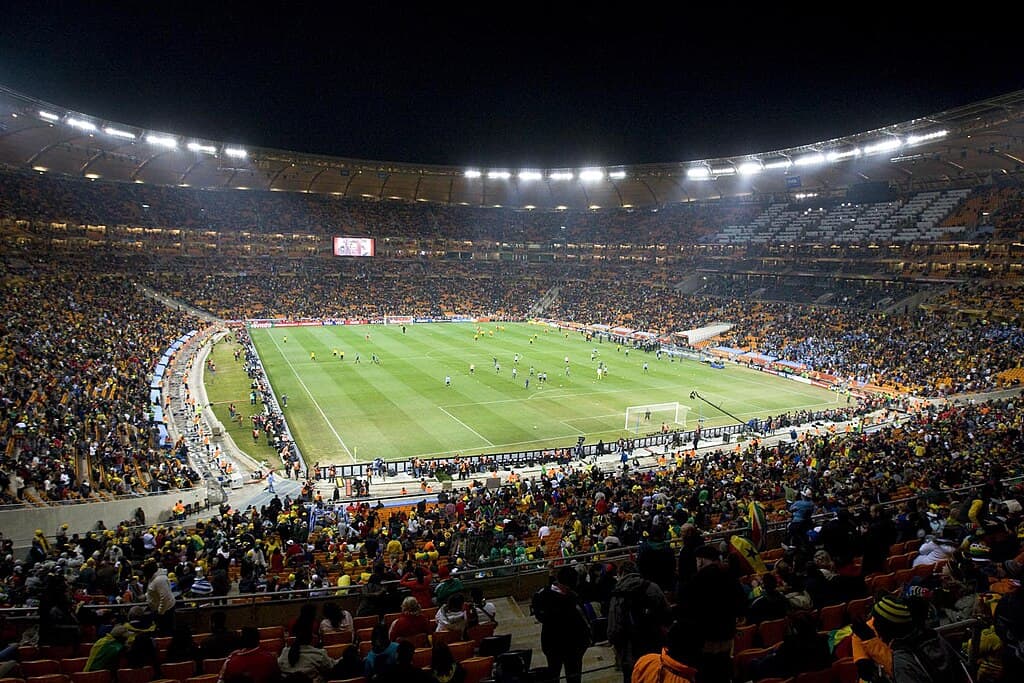
Attempting to arrive 15–20 minutes before kickoff is a common mistake. Peak arrival windows often see transit waits of 40–50 minutes due to crowd surges at stations and shuttle stops. Arriving at least 90 minutes early reduces this risk, allows fans to find seats, and enjoy pre-match fan zones. Stadiums with capacities over 60,000 can experience entry congestion, so timing travel outside peak intervals ensures fans don’t miss the first 10–15 minutes of the match.
4. Ignoring Real-Time Transit Updates
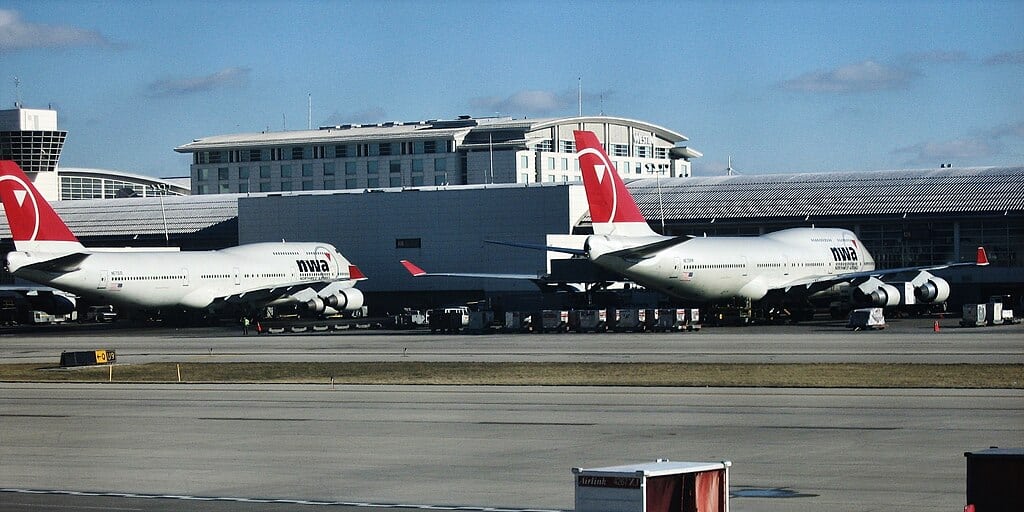
During World Cup 2026, live updates on delays, train breakdowns, and road closures can save fans 20–30 minutes of unexpected travel time. Ignoring official apps, social media channels, or stadium websites risks arriving late due to sudden detours or shuttle reroutes. Some host cities have experienced last-minute metro disruptions affecting 5,000–10,000 fans. Staying updated allows route adjustments, preventing missed goals and ensuring fans reach stadiums efficiently.
5. Not Accounting for Multi-Modal Transfers

Many stadiums require combining buses, trams, and trains for efficient access. Fans relying on a single mode risk 10–20 minute delays during transfers. For example, combining a tram and shuttle can reduce travel time from 50 to 35 minutes. Using transit apps to plan multi-modal routes ensures faster arrival and fewer surprises. Walking distances between stops, often 300–800 meters, should also be considered to prevent fans from missing early match moments.
6. Not Factoring in Security Delays
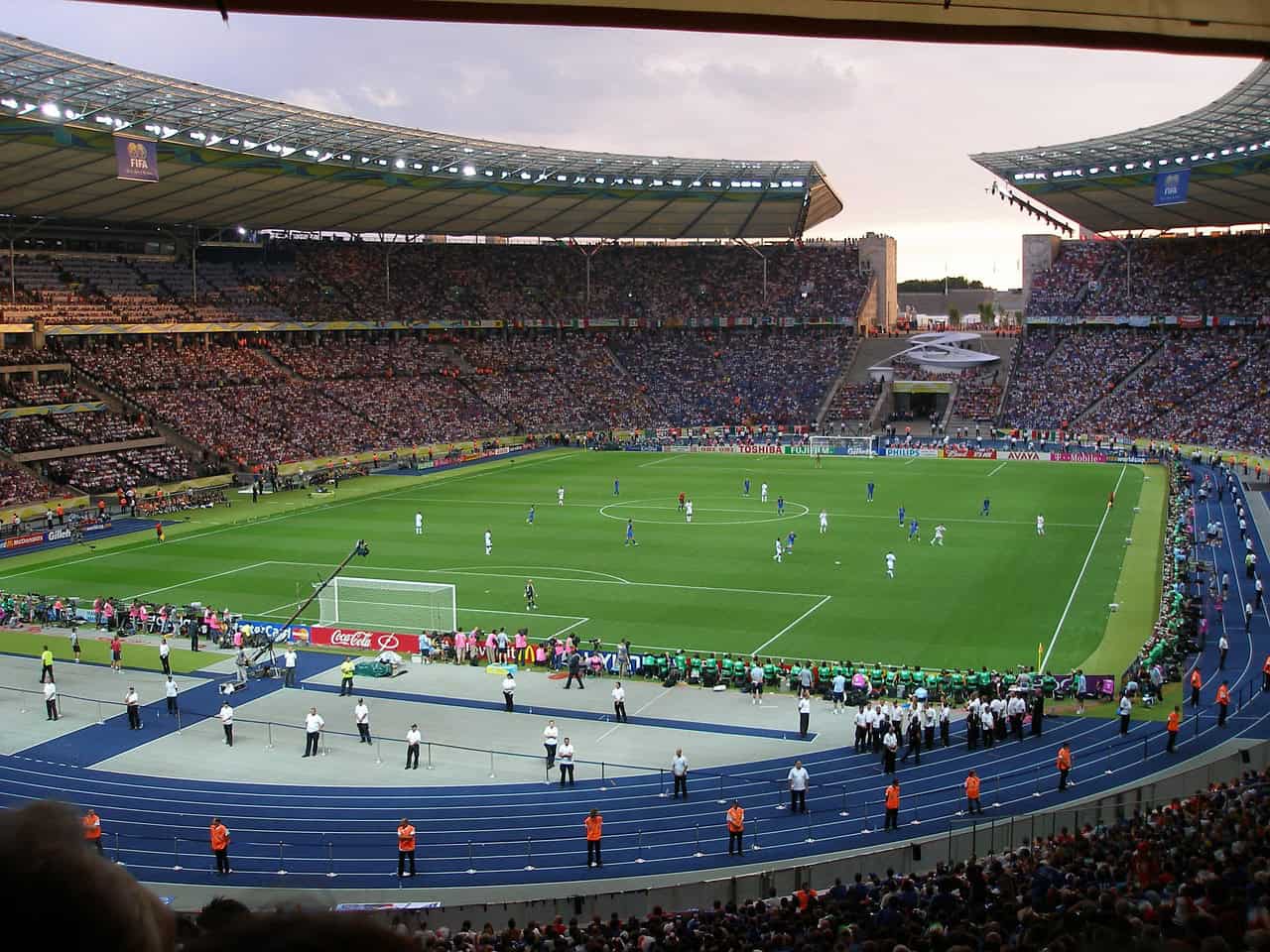
High-profile matches have strict security checks lasting 20–40 minutes, especially for stadiums holding over 60,000 fans. Oversized bags, electronics, or liquids can trigger secondary screening, causing longer waits. Fans who ignore this risk missing early goals or halftime ceremonies. Checking prohibited item lists and packing light ensures smoother entry. Security personnel often recommend arriving 60–90 minutes before kickoff for a stress-free experience.
7. Overpacking or Mishandling Bags
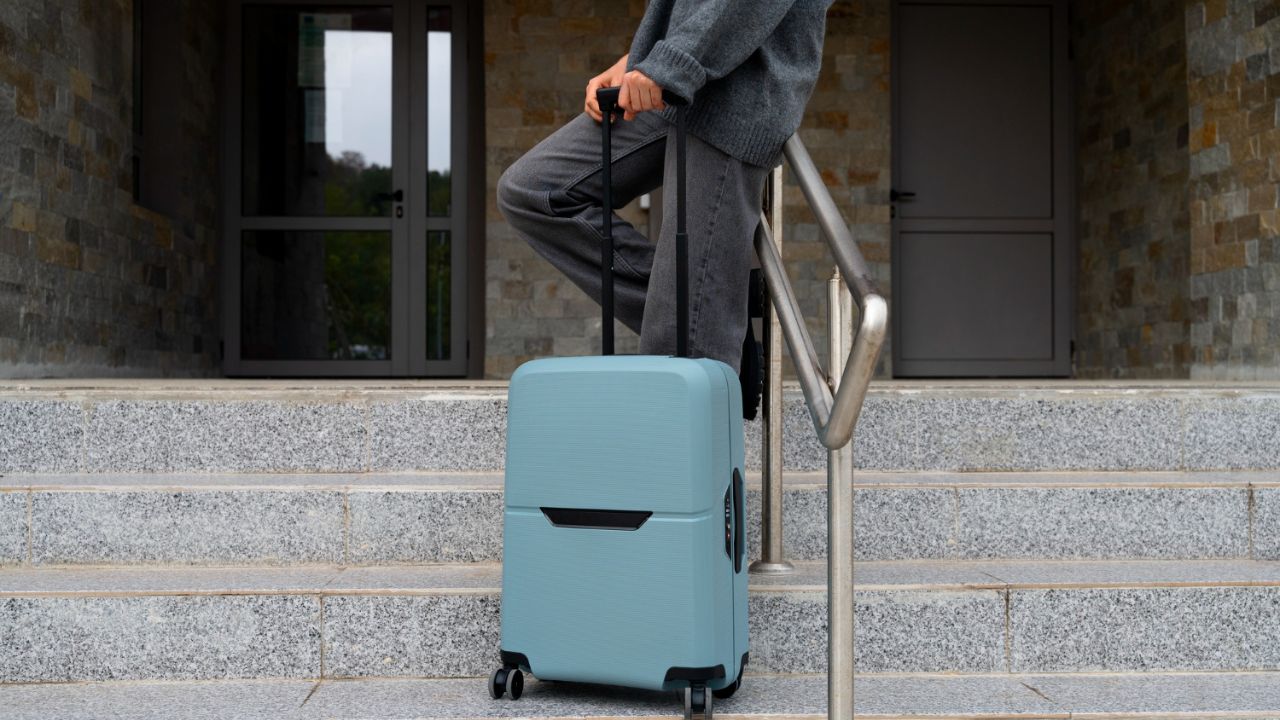
Large backpacks or bulky luggage slow boarding on shuttles and trains, and can even be denied at some entrances. Fans carrying oversized bags may face 10–20 minute delays for secondary screening. Compact, lightweight backpacks streamline transit, reduce fatigue, and allow faster movement from transport hubs to stadium gates. Even a 5–10 minute delay in crowded zones can mean missing a goal, so smart packing is key to keeping pace with large stadium crowds.
8. Underestimating Walking Distances
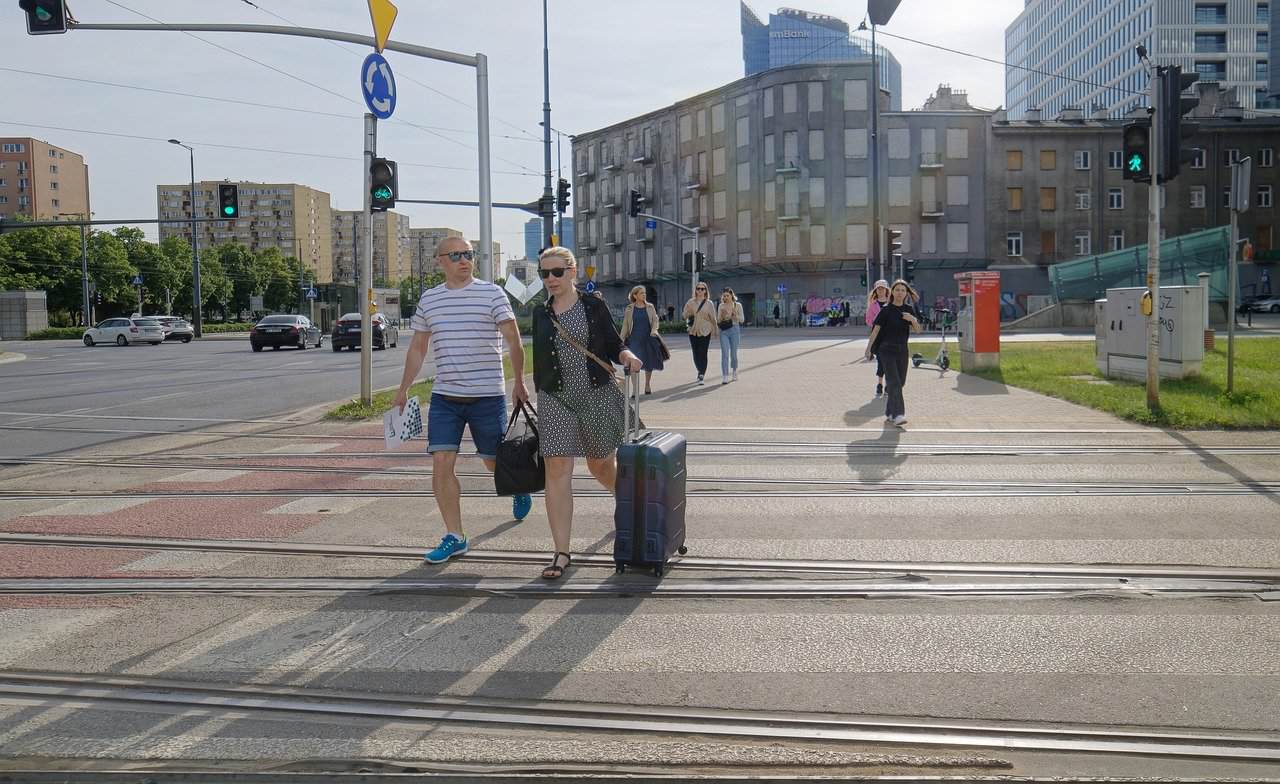
Many stadiums require 10–20 minutes of walking from drop-offs or transit stops. Fans who miscalculate walking time may arrive late despite early departure. Comfortable shoes and pre-planned walking routes prevent last-minute sprints. For instance, at stadiums with multiple gates, knowing which entrance is closest to your seat can save up to 10 minutes. Walking preparation ensures fans experience the full pre-match atmosphere and catch kickoff without stress.
9. Ignoring Accessibility Options
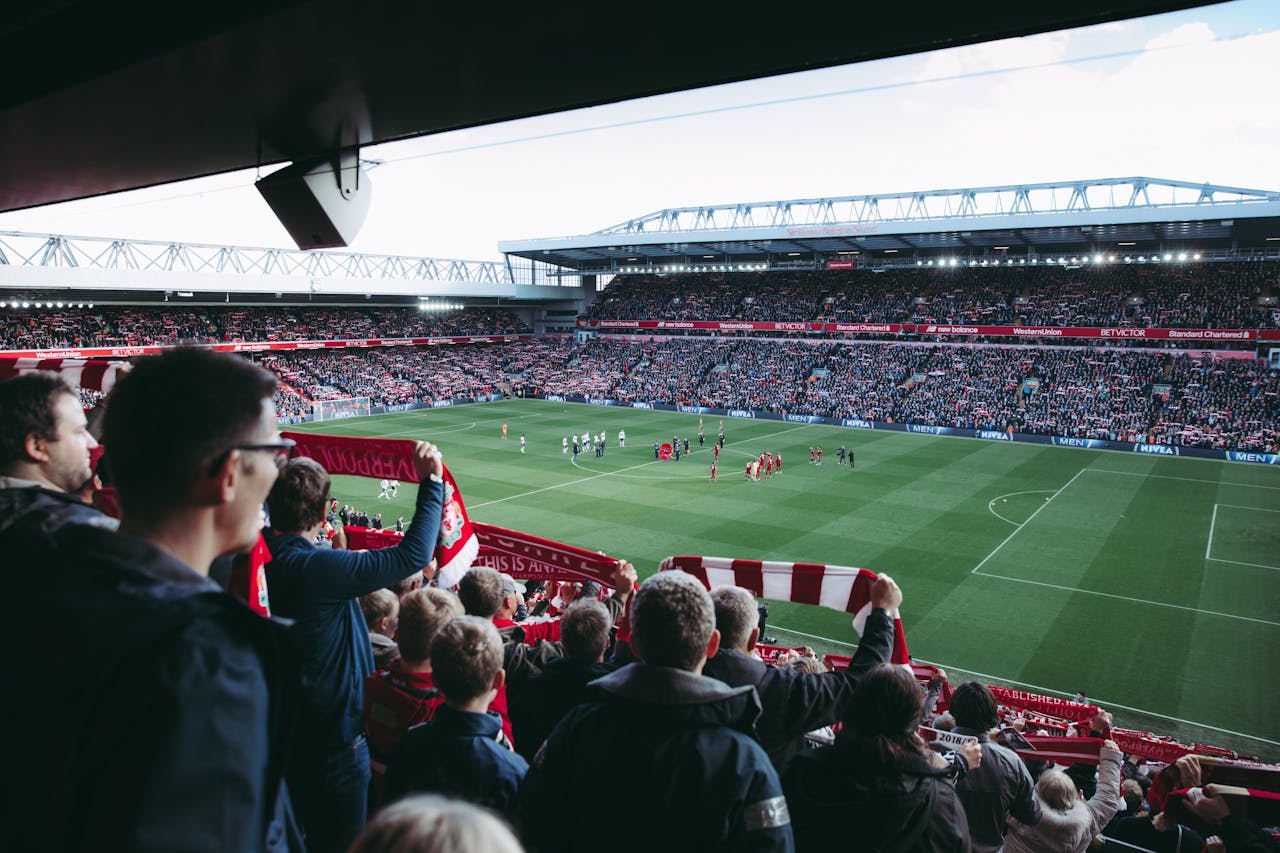
Fans with mobility needs often miss priority boarding or accessible shuttles, leading to 15–20 minute delays. Most host stadiums provide elevators, ramps, and dedicated seating areas, allowing quicker access. Checking accessibility options ahead guarantees timely arrival and reduces frustration. In previous tournaments, accessible transit services helped over 5,000 fans reach stadiums efficiently, highlighting the importance of planning for mobility requirements in 2026.
10. Choosing Convenience Over Speed
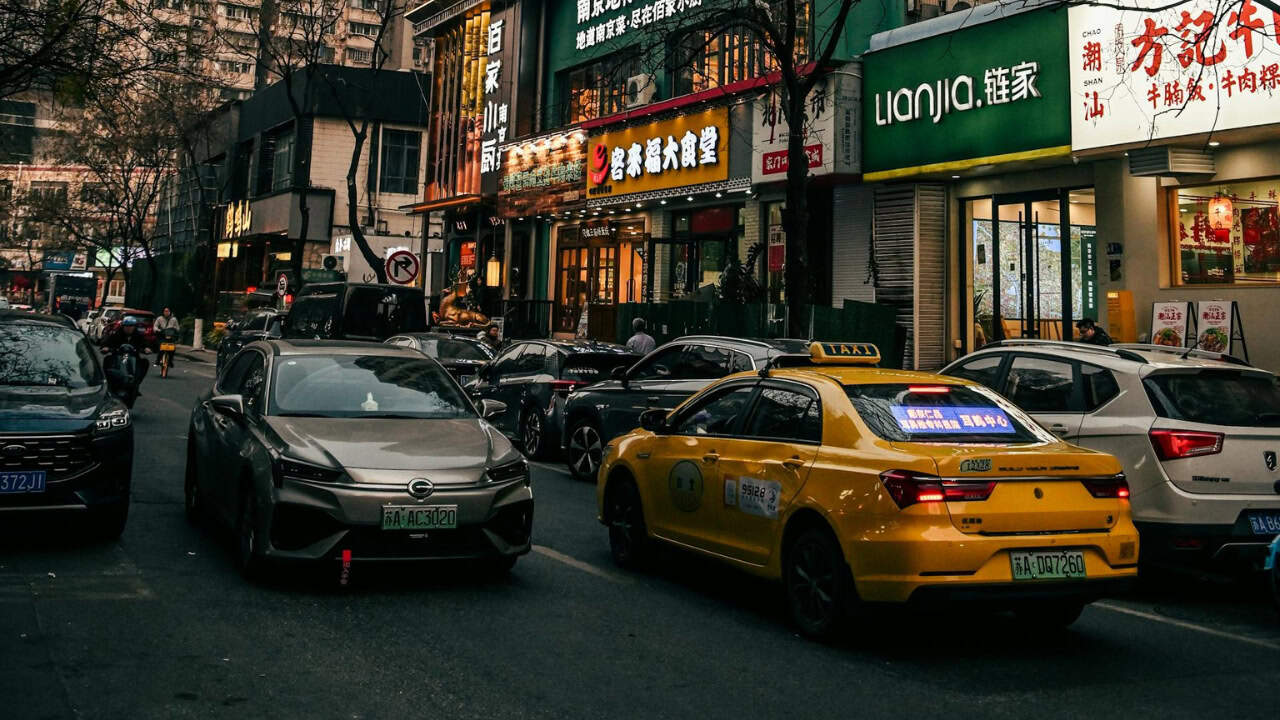
Relying solely on familiar options like taxis or rideshares can backfire in congested host cities. During high-traffic periods, such trips can take 30–50% longer than official shuttles or express trains. For example, a 20-minute taxi ride might take 35–40 minutes near stadiums with 60,000–70,000 fans. Researching the fastest transit options ensures fans don’t miss early goals, pre-match festivities, or fan zone experiences, making speed a priority over convenience.
11. Forgetting Return Trip Planning
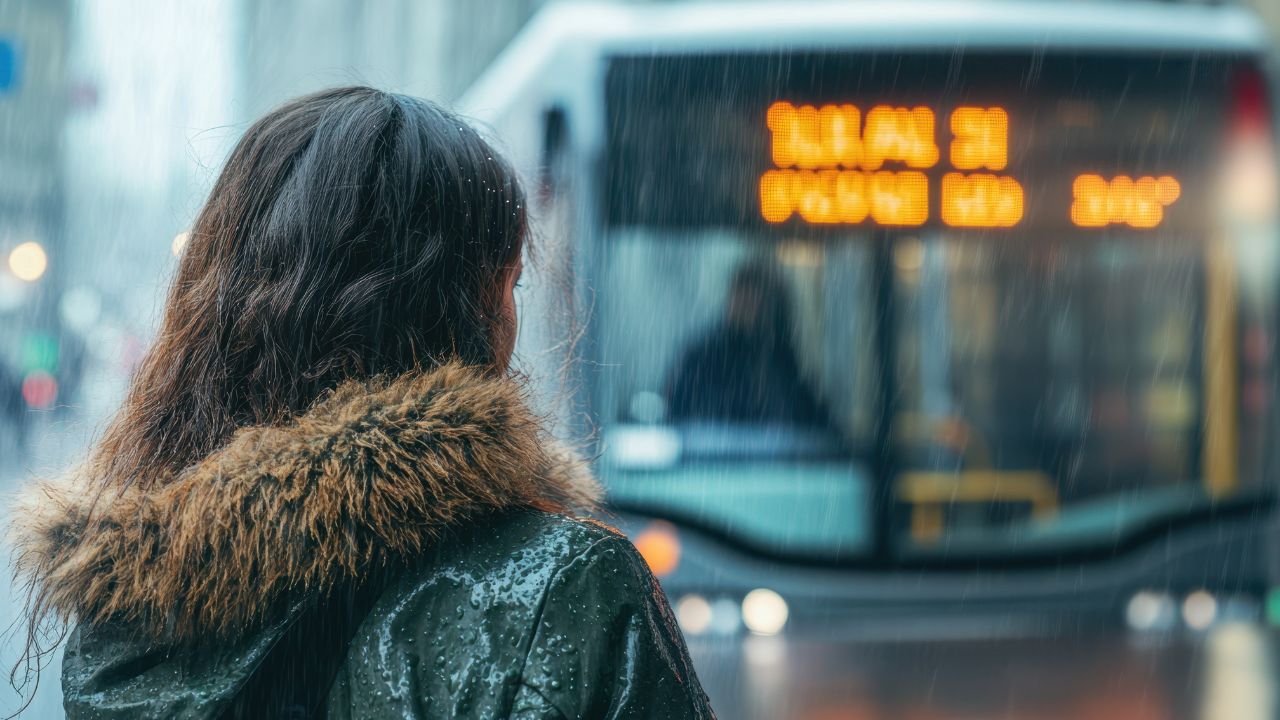
Post-match transit is often chaotic, with waits up to 60–90 minutes for buses and trains. Fans who ignore return planning risk exhaustion and missed connections. Booking shuttles or rideshares in advance, or knowing alternative routes, ensures smooth departures. For large stadiums, staggered exit strategies reduce bottlenecks and waiting times by up to 25%. Proper planning makes the entire match experience enjoyable, from kickoff to final whistle, without last-minute stress.
12. Neglecting Weather and Seasonal Delays

Weather can drastically affect transit. Summer heatwaves or winter storms may slow buses by 10–20 minutes, halt trains, or cause road closures. Fans neglecting forecasts risk delays, dehydration, or discomfort. Carrying water, sunscreen, or rain gear and adding a 15–20 minute buffer ensures comfortable transit. Monitoring updates helps avoid disruptions affecting thousands of attendees, ensuring fans reach stadiums safely and on time, ready to enjoy every minute of the match.