We may earn money or products from the companies mentioned in this post. This means if you click on the link and purchase the item, I will receive a small commission at no extra cost to you ... you're just helping re-supply our family's travel fund.
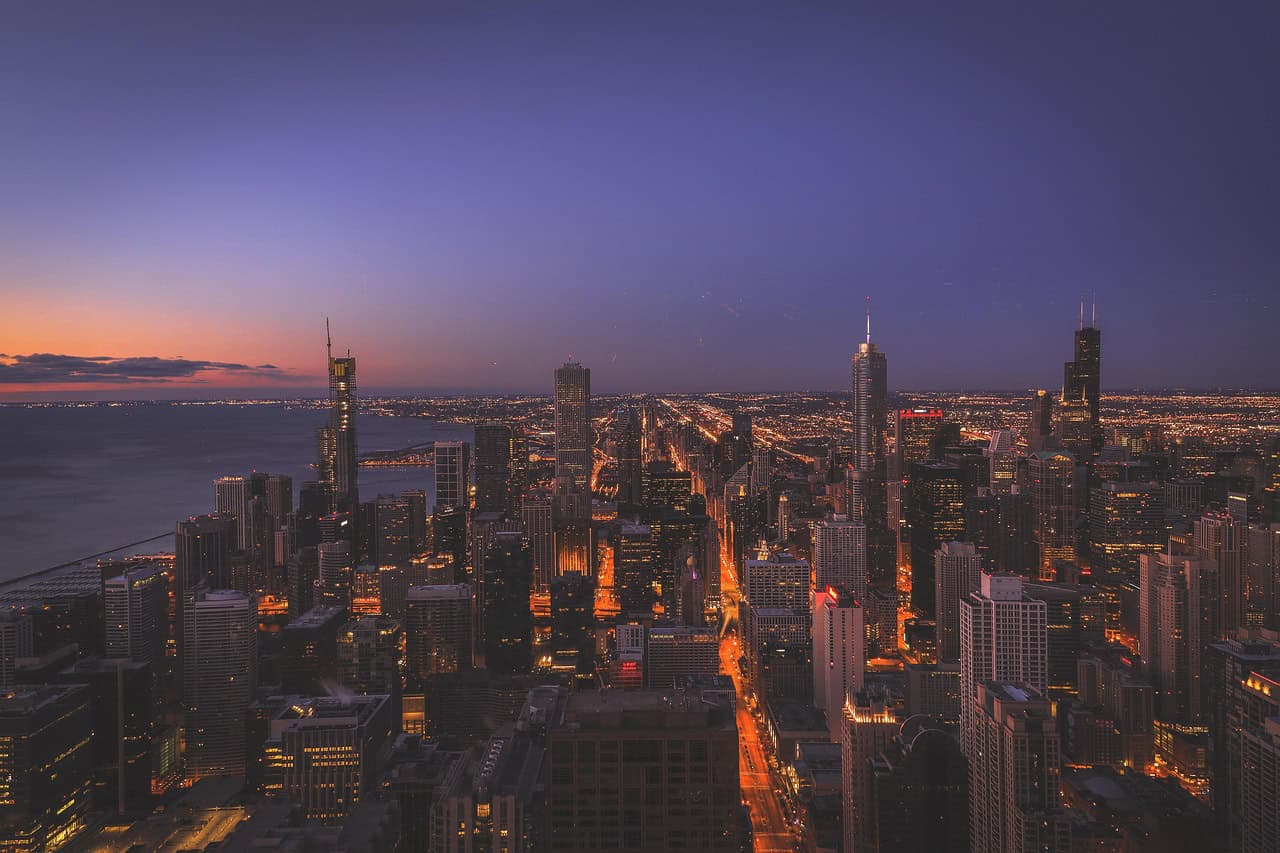
While the United States remains one of the world’s most visited countries, several foreign governments have quietly updated travel advisories for specific U.S. destinations. These warnings are rarely dramatic bans. Instead, they focus on elevated crime rates, civil unrest, gun violence statistics, climate risks, and aggressive law-enforcement practices that differ sharply from what many international travelers expect. Below are twelve U.S. destinations that repeatedly appear in foreign advisory language, along with the reasons embassies urge extra caution.
1. Chicago, Illinois
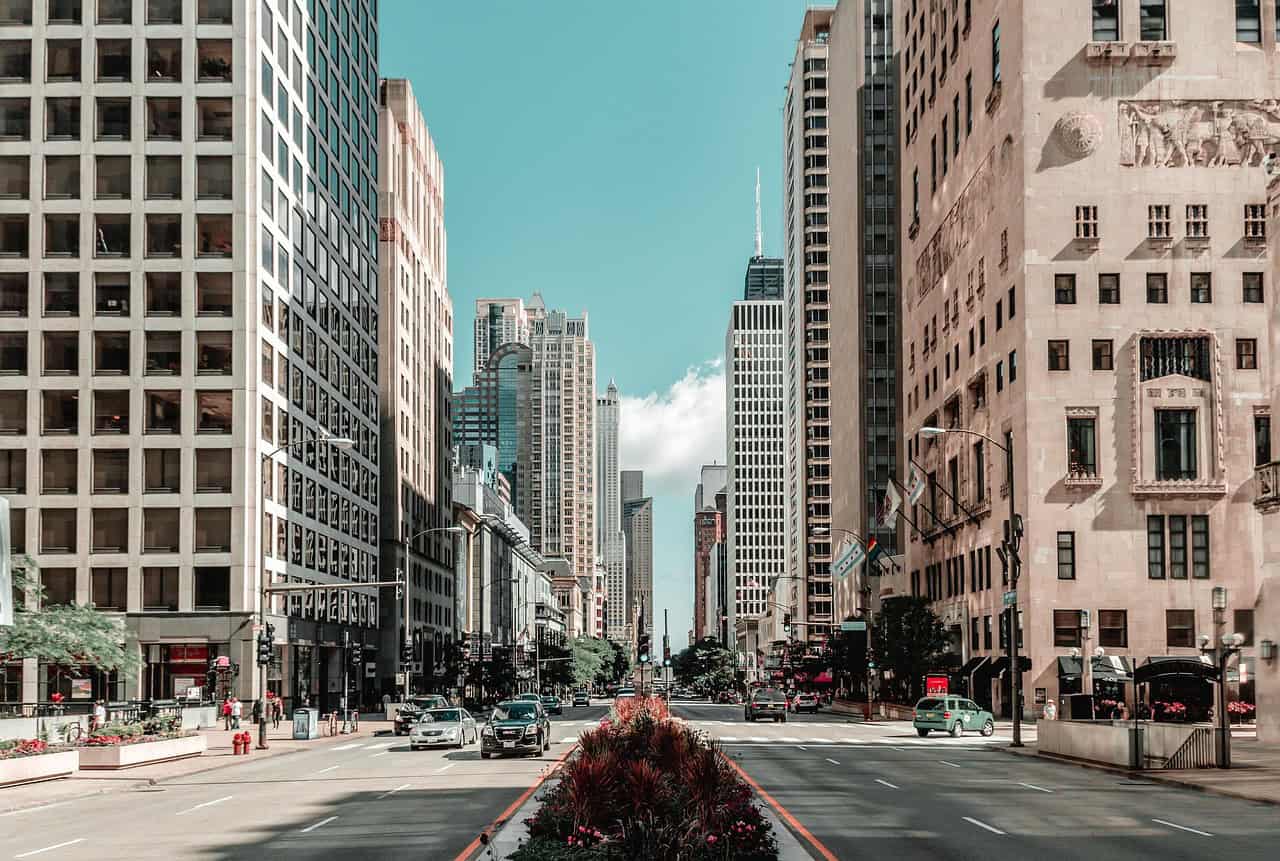
Chicago appears in multiple foreign travel advisories due to its persistent violent crime levels. In 2024, the city recorded over 560 homicides and more than 2,500 shooting incidents, numbers frequently cited in European and Canadian safety briefings. Foreign embassies warn that violent crime is highly localized but unpredictable, particularly on the South and West Sides. Advisories stress that tourists can unknowingly cross into high-risk neighborhoods within minutes. Governments recommend avoiding late-night transit, limiting public transport use after dark, and monitoring local alerts, especially during summer when violent crime historically rises by nearly 20–25% compared to winter months.
2. New Orleans, Louisiana
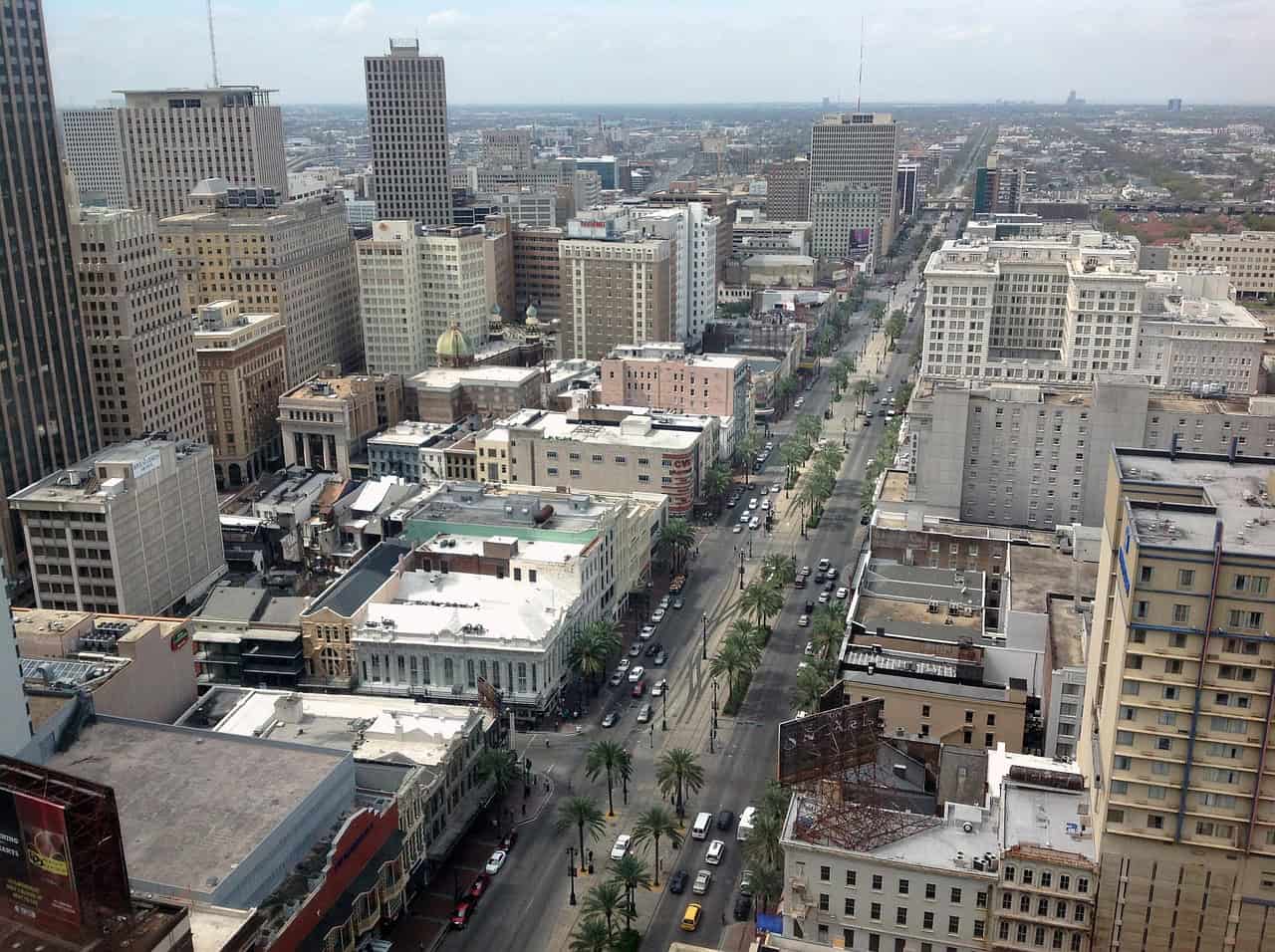
New Orleans is flagged by foreign governments for a combination of violent crime and emergency response limitations. In 2023–24, the city averaged 65–70 homicides per 100,000 residents, one of the highest rates in the U.S. Embassies note that popular tourist zones sit close to high-crime areas, increasing risk for unaware visitors. Advisories highlight carjackings, armed robberies, and limited late-night policing capacity. Foreign governments also point to hurricane evacuation challenges, noting that during major storms, over 30% of hotel infrastructure can temporarily shut down, complicating travel logistics for non-U.S. citizens.
3. San Francisco, California

San Francisco is less associated with violent crime but appears frequently in advisories due to property crime. In 2024, the city reported more than 45,000 vehicle break-ins, with rental cars targeted disproportionately. Several Asian and European governments warn citizens that theft can occur in daylight, even in tourist areas. Smash-and-grab incidents often take under 60 seconds, leaving travelers stranded without documents. Advisories stress never leaving luggage in vehicles and recommend hotel safes for passports. While violent crime remains comparatively low, foreign governments emphasize that financial loss risks here exceed those in most U.S. cities.
4. Los Angeles, California
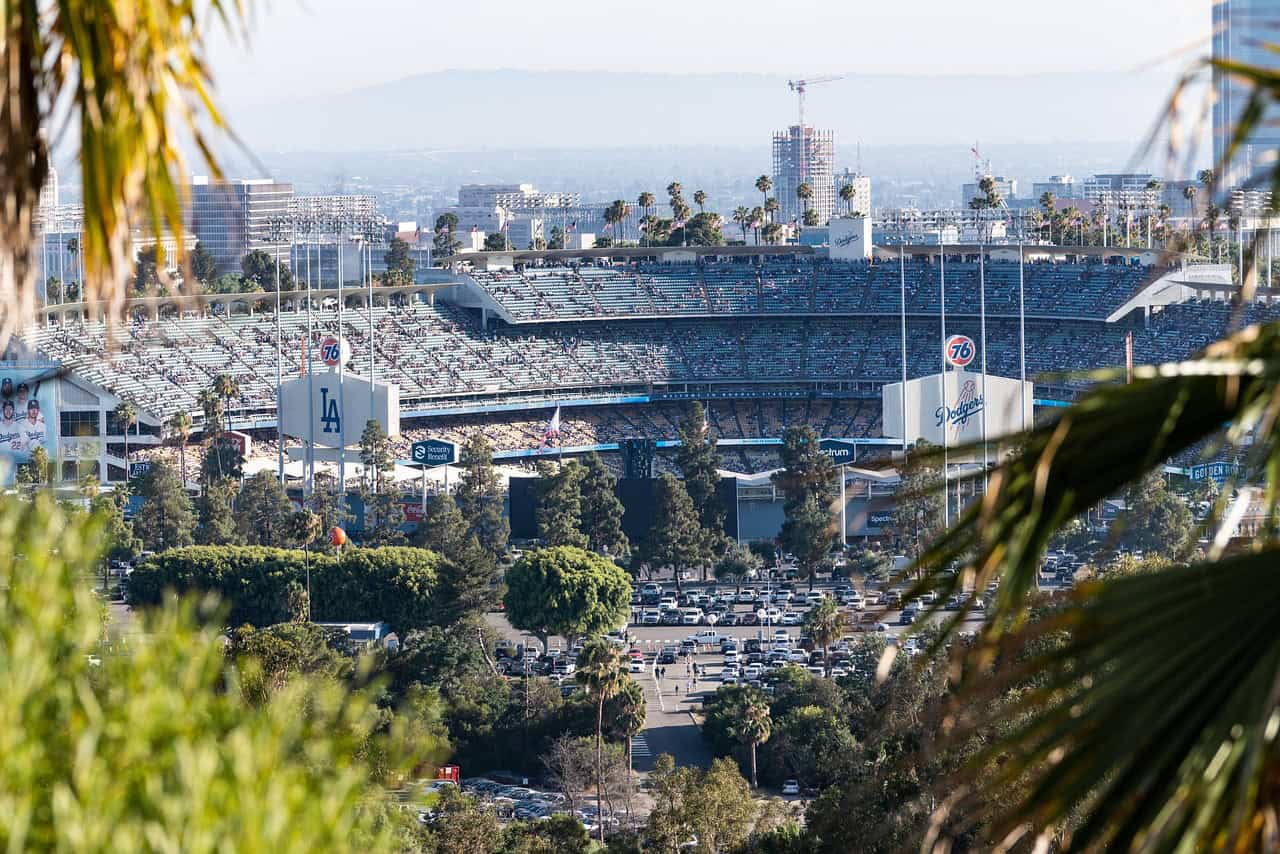
Los Angeles is flagged for its sheer scale of crime exposure and civil unrest. With over 3.8 million residents, foreign advisories note that localized incidents can escalate rapidly. In 2024, LAPD logged more than 1,200 homicides countywide. Embassies frequently warn about protests, which can attract thousands within hours and turn confrontational. Tourists are advised to avoid demonstration zones and follow local media closely. Foreign governments also cite homelessness-related safety concerns, noting that emergency services response times in some districts exceed 10–12 minutes, significantly longer than international norms.
5. Memphis, Tennessee
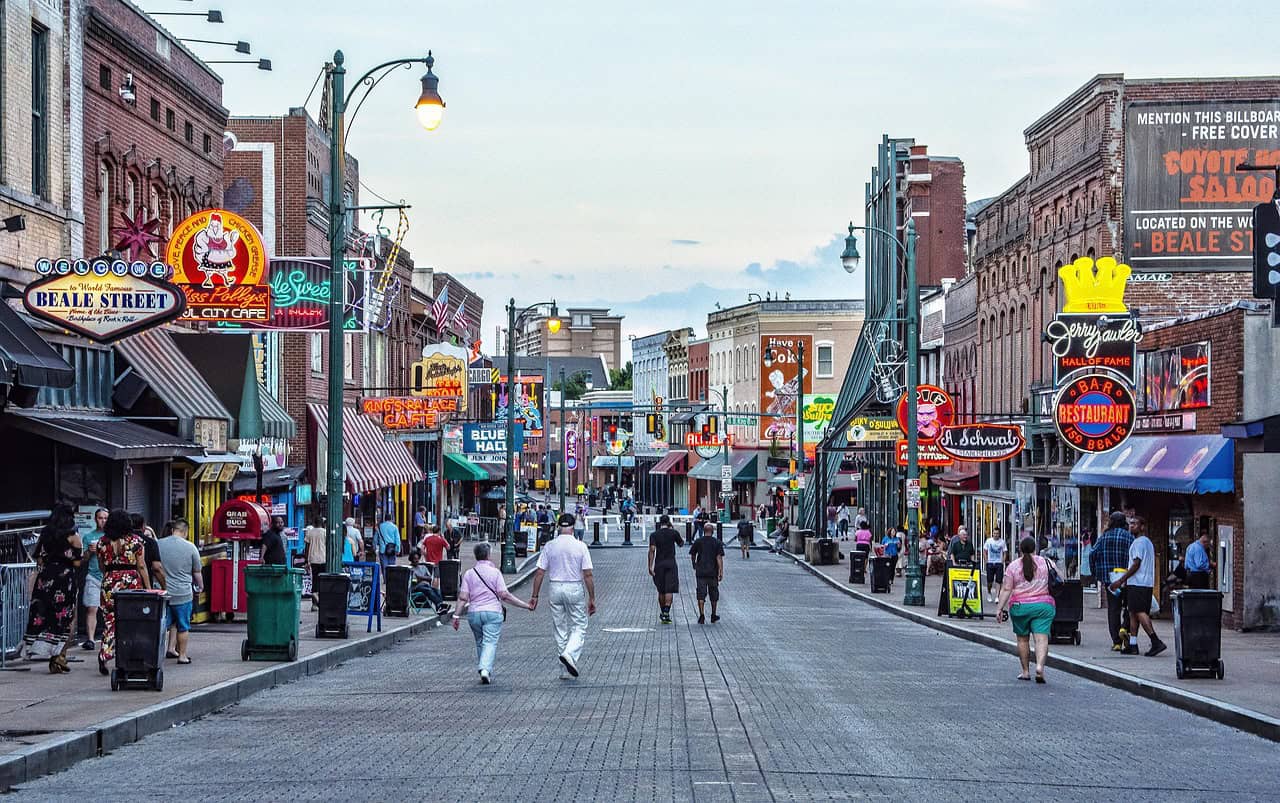
Memphis consistently ranks among the most violent U.S. cities, prompting repeated foreign advisories. In recent years, the city recorded homicide rates exceeding 50 per 100,000 residents, nearly 8 times the EU average. Embassies warn that violent incidents are not confined to nightlife areas and can occur near hotels and highways. Carjackings are a specific concern, with reported incidents rising over 20% year-over-year. Foreign governments advise avoiding spontaneous travel after dark, renting vehicles with GPS tracking, and minimizing stops at isolated fuel stations, especially outside peak daylight hours.
6. Baltimore, Maryland
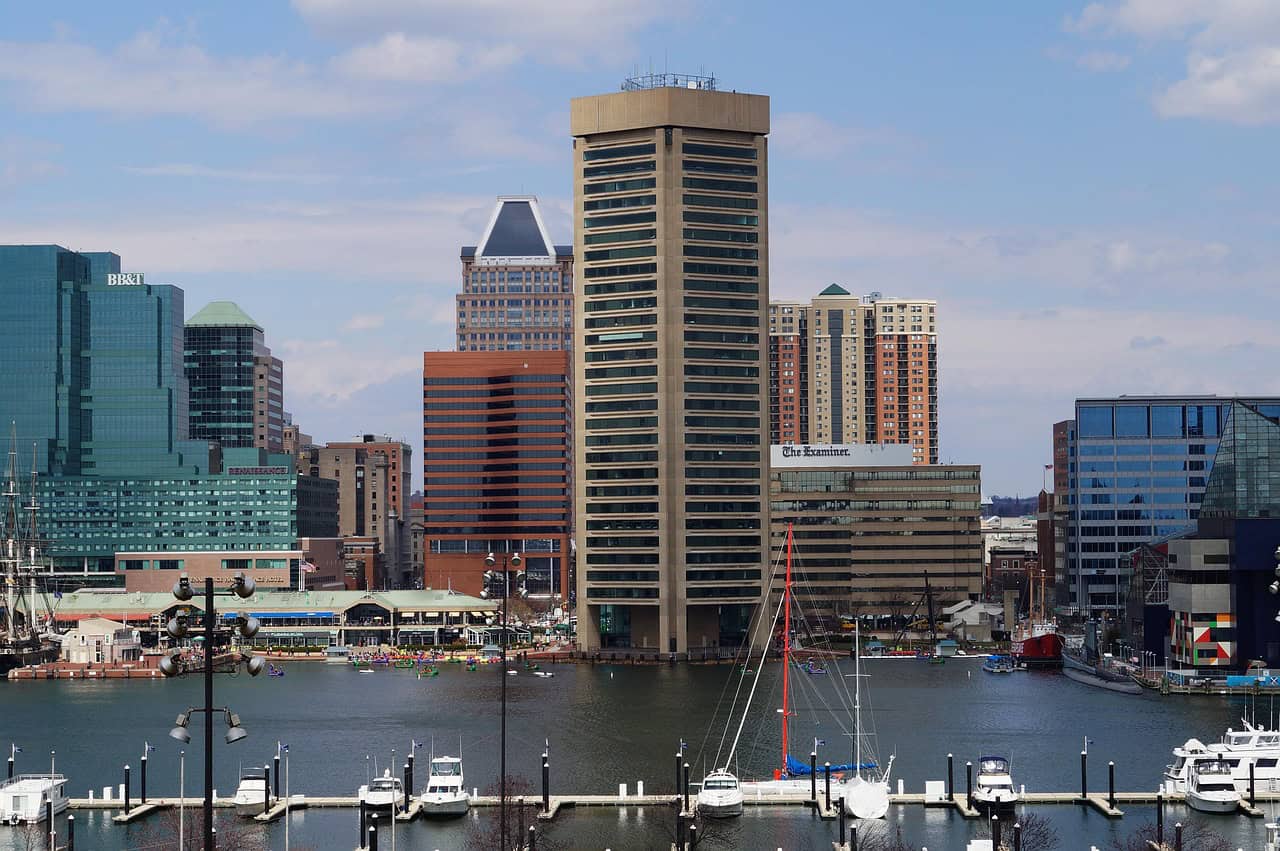
Baltimore appears in advisories due to persistent violent crime and uneven policing coverage. In 2024, the city recorded approximately 300 homicides, despite a declining population. Foreign governments caution that crime boundaries shift rapidly, making navigation difficult for visitors. Embassies note that some tourist corridors border high-risk neighborhoods within 1–2 blocks. Advisories recommend limiting movement to well-known areas, avoiding public transit at night, and using licensed ride services. Several governments also warn that emergency medical response times can vary widely, ranging from 6 to 15 minutes depending on location.
7. Oakland, California

Oakland is frequently highlighted for violent crime and vehicle theft risks. In 2024, auto theft rates exceeded 1,200 per 100,000 residents, among the highest nationwide. Foreign advisories warn that tourists driving rental vehicles face increased targeting. Armed robberies near highway exits and parking areas are repeatedly mentioned. Governments advise avoiding nighttime driving and recommend accommodations with secure parking. While cultural districts remain popular, embassies stress that crime patterns shift quickly, and relying on daytime safety assumptions after dark significantly increases risk exposure for international visitors unfamiliar with local dynamics.
8. St. Louis, Missouri
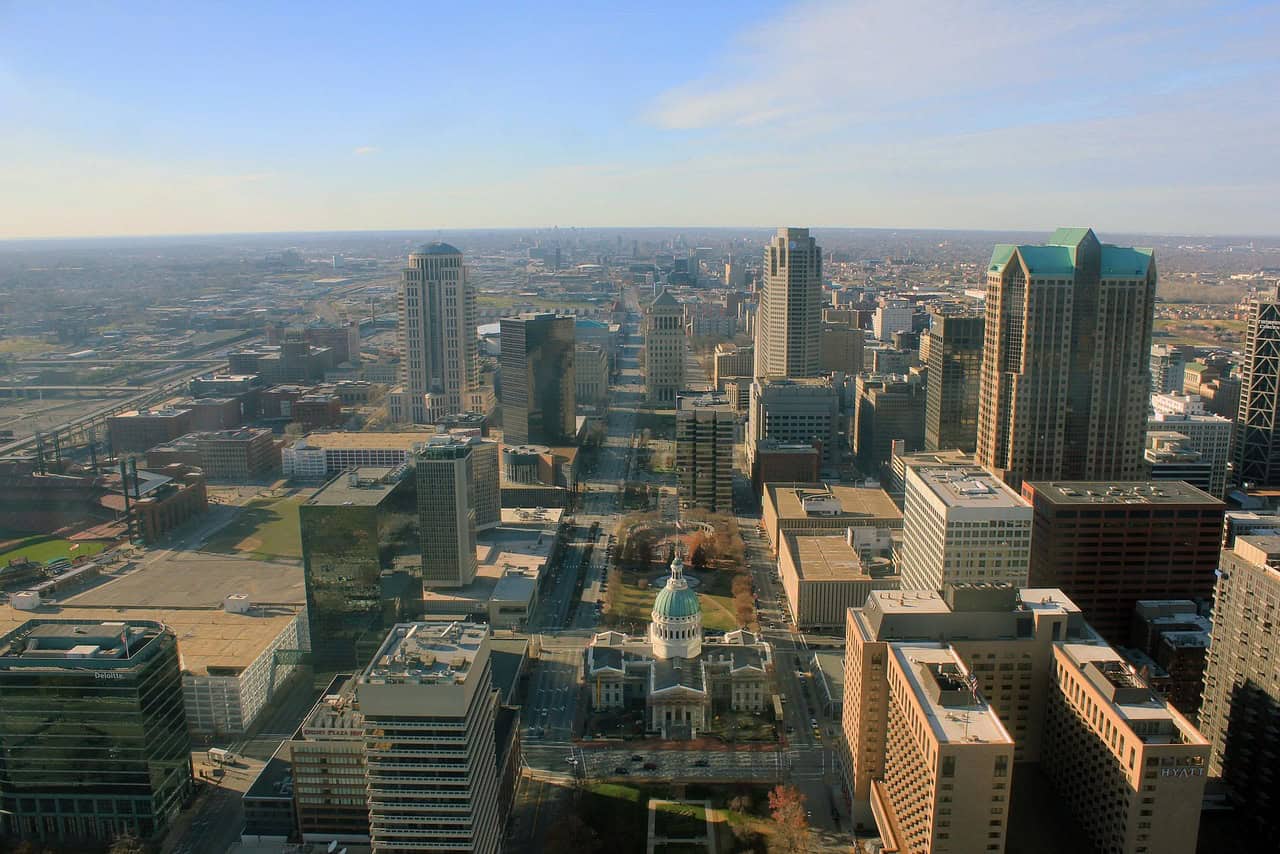
St. Louis often appears in foreign advisories because of its extreme violent crime statistics. The city has repeatedly posted homicide rates above 60 per 100,000 residents, placing it among the most dangerous urban areas in the U.S. Embassies warn that downtown revitalization zones sit near high-crime districts, increasing accidental exposure risk. Foreign governments advise limiting walking, especially after sunset, and avoiding public transport late at night. Advisories also cite firearm prevalence, noting that Missouri has some of the loosest gun laws, which contributes to elevated risk during routine disputes.
9. Detroit, Michigan
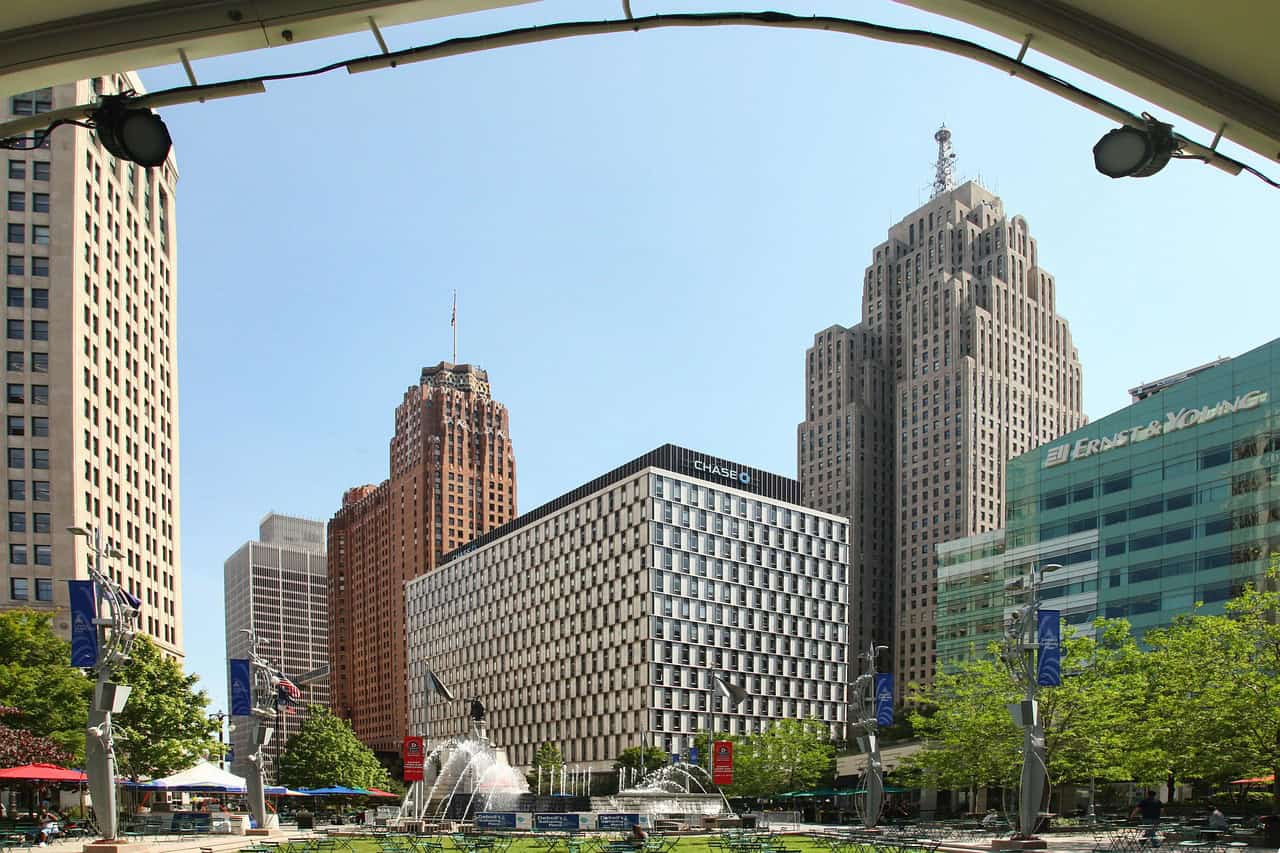
Detroit remains under foreign advisory watch due to violent crime and infrastructure challenges. In recent data, the city averaged around 40 homicides per 100,000 residents, far above global urban norms. Embassies warn that road conditions, poor lighting, and sparse pedestrian traffic increase vulnerability for visitors. Advisories recommend staying within central districts and avoiding spontaneous exploration. Foreign governments also highlight winter travel risks, noting that severe weather contributes to over 1,500 traffic accidents annually, complicating emergency response and mobility for travelers unfamiliar with U.S. winter driving conditions.
10. Miami, Florida
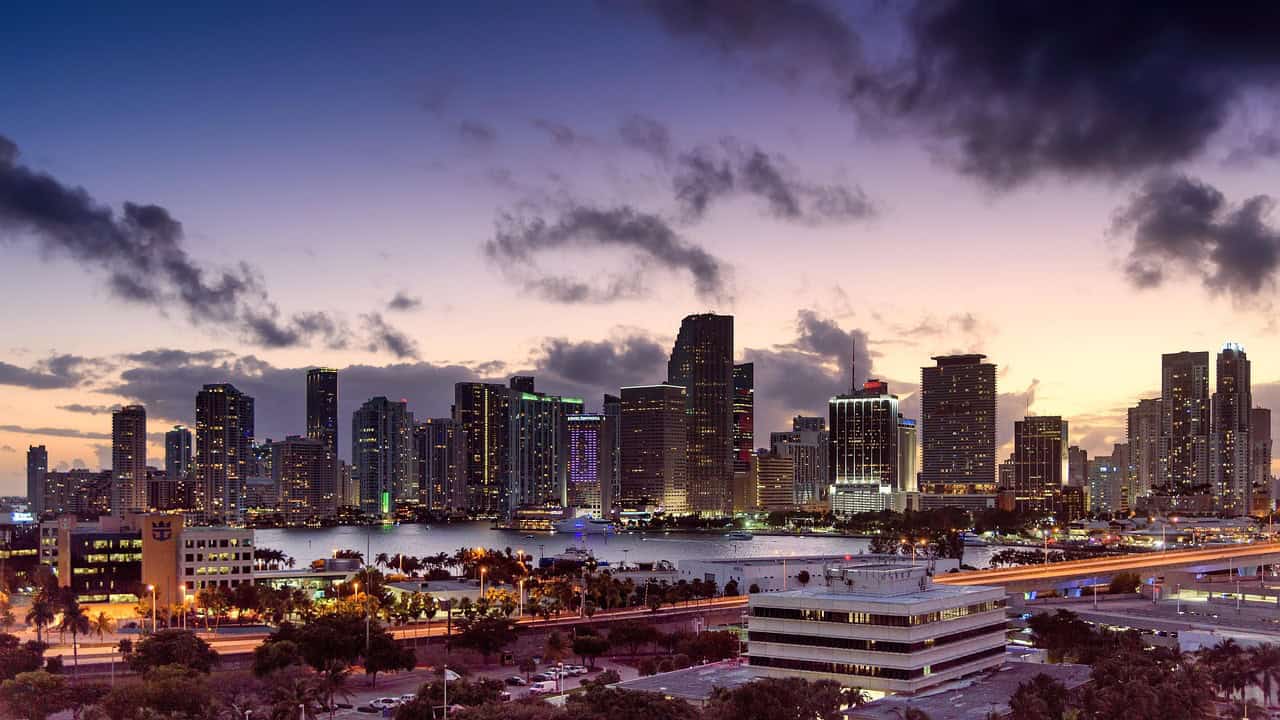
Miami is flagged less for violent crime and more for fraud, scams, and climate risk. Foreign advisories cite rising credit-card fraud reports involving tourists, with losses averaging $1,200–$2,000 per incident. Embassies also warn about hurricane season disruptions, noting that evacuation orders can affect over 2 million residents within hours. Nightlife-related assaults and drink-spiking incidents are mentioned in several European advisories. Governments recommend heightened caution during spring break, when visitor numbers surge by nearly 30–40%, stretching local law enforcement resources.
11. Phoenix, Arizona

Phoenix appears in foreign advisories primarily due to extreme heat risks. In 2024, the city recorded over 150 heat-related deaths, many involving visitors unfamiliar with desert conditions. Embassies warn that summer temperatures regularly exceed 43°C (110°F), posing serious dehydration risks. Advisories also mention remote desert travel dangers, where rescue times can exceed 2–3 hours. Foreign governments recommend avoiding outdoor activity during midday, carrying large water reserves, and limiting off-road travel. While violent crime is moderate, environmental risk is considered exceptionally high for unprepared tourists.
12. Washington, D.C.

Washington, D.C. is frequently cited in advisories due to political demonstrations and rising violent crime. In 2024, the city recorded over 270 homicides, a sharp increase from pre-pandemic levels. Embassies warn that protests can form rapidly near monuments and government buildings, drawing heavy police presence. Foreign governments advise avoiding demonstration areas and monitoring embassy alerts closely. Carjackings are a particular concern, with incidents increasing by over 80% in two years. Travelers are advised to use licensed transport and remain cautious even in traditionally tourist-friendly zones.