We may earn money or products from the companies mentioned in this post. This means if you click on the link and purchase the item, I will receive a small commission at no extra cost to you ... you're just helping re-supply our family's travel fund.
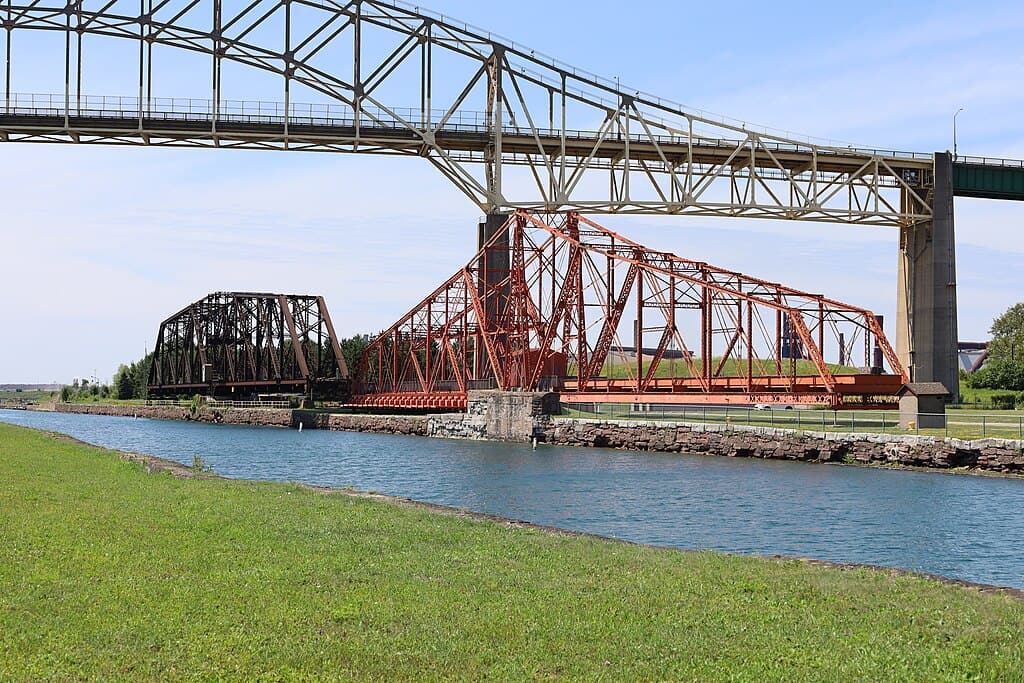
Along the vast U.S.–Canada border, several American towns feel less like extensions of their own states and more like cultural outposts of Canada. Geography, economics, and daily cross-border movement blur national distinctions. In these places, Canadian accents dominate cafés, hockey schedules matter more than football scores, and the local economy often depends on Canadian dollars. From border towns where most shoppers arrive from Ontario to communities that rely on Canadian utilities or media, these locations exist in a unique in-between space shaped by proximity, shared history, and constant movement across one of the world’s longest borders.
1. Point Roberts, Washington
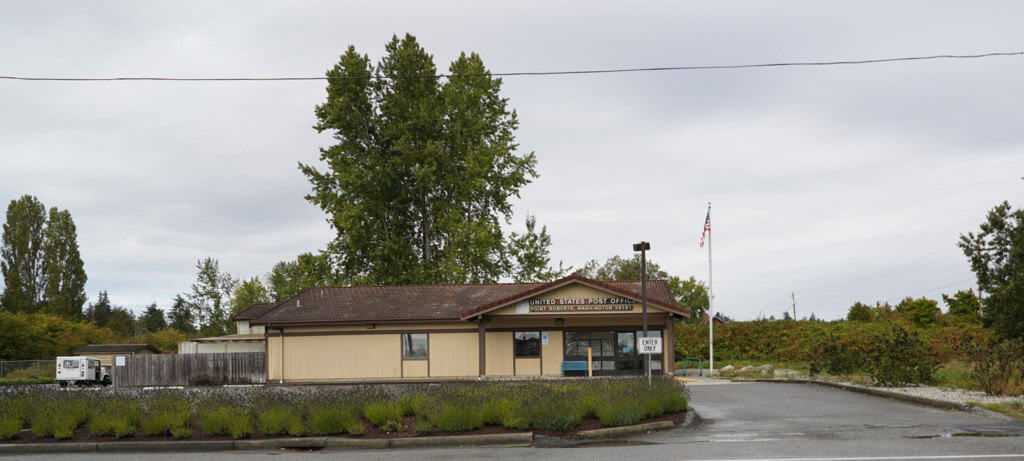
Point Roberts is geographically isolated from the rest of the U.S., reachable by land only through Canada. Roughly 75% of property owners are Canadian, mostly from British Columbia. Before border restrictions, over 90% of daily visitors arrived from Canada, sustaining gas stations, grocery stores, and marinas. The town has just about 1,200 residents, yet the seasonal population swells far beyond that due to Canadian vacation homeowners. Canadian cell networks, media channels, and even postal routing habits dominate daily life, making Point Roberts functionally dependent on Canada despite its American governance.
2. Blaine, Washington

Located directly across from Surrey, British Columbia, Blaine sees massive Canadian influence. Nearly 60% of retail spending in peak years comes from Canadian shoppers crossing the Peace Arch border. On busy weekends, border traffic has exceeded 20,000 vehicles per day. Canadian license plates often outnumber U.S. plates in parking lots. The town’s population sits near 6,000, yet retail infrastructure is sized for a much larger, Canada-fed customer base. Currency exchange signs, bilingual menus, and Canadian sports broadcasts are routine parts of daily commerce.
3. Sault Ste. Marie, Michigan
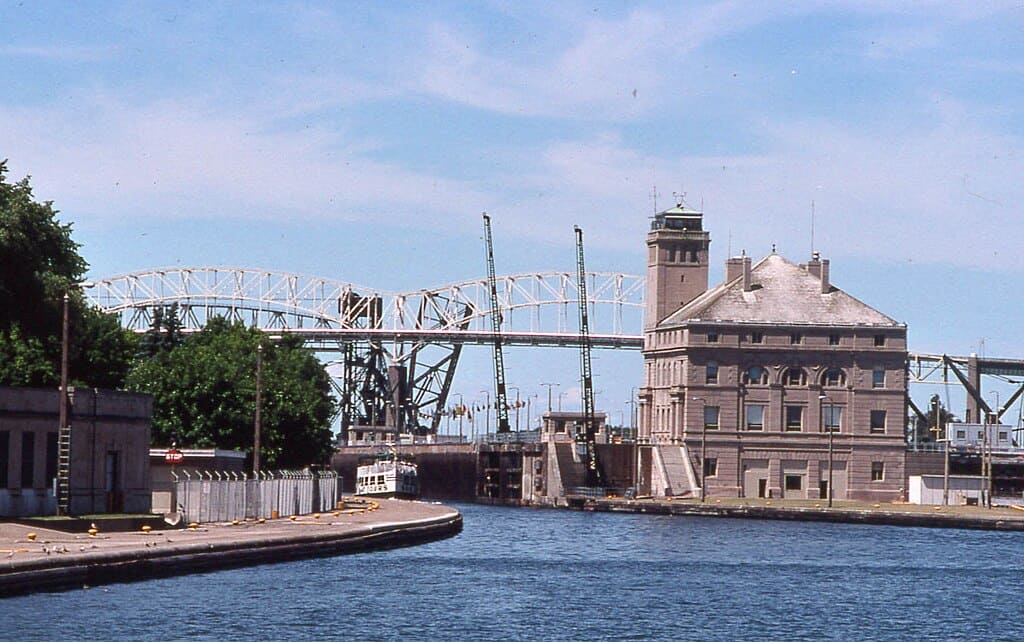
Separated from its Canadian twin only by the St. Marys River, Sault Ste. Marie operates like one bi-national city. Roughly 40% of tourism spending comes from Ontario residents. The International Bridge carries over 3 million crossings annually in normal years. Local radio stations frequently feature Canadian content, and hockey attendance spikes when Canadian teams visit. With a population near 13,000, the city’s economy relies heavily on cross-border medical visits, shopping, and education exchanges, creating a rhythm closely tied to Canadian schedules and holidays.
4. Derby Line, Vermont
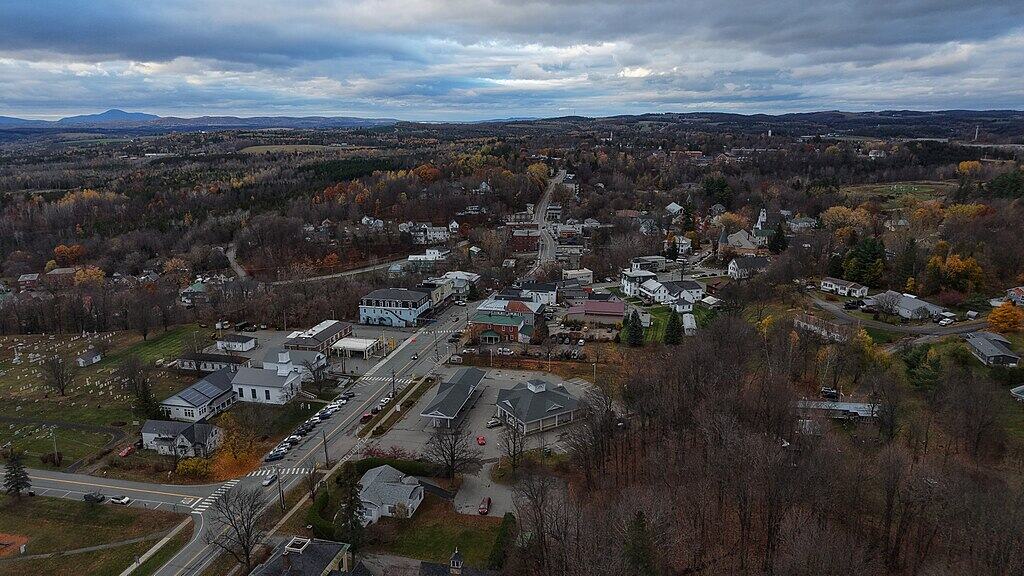
Derby Line is one of the most literal examples of border blending. The international boundary runs directly through buildings, including the famous Haskell Free Library and Opera House. Nearly 65% of library users are Canadian, primarily from Québec. The town’s population is just under 700, yet daily foot traffic reflects far more activity due to cross-border movement. French is commonly heard in public spaces, and local businesses adjust hours to match Canadian travel patterns. The town’s identity is shaped less by Vermont and more by its seamless connection to Canada.
5. International Falls, Minnesota
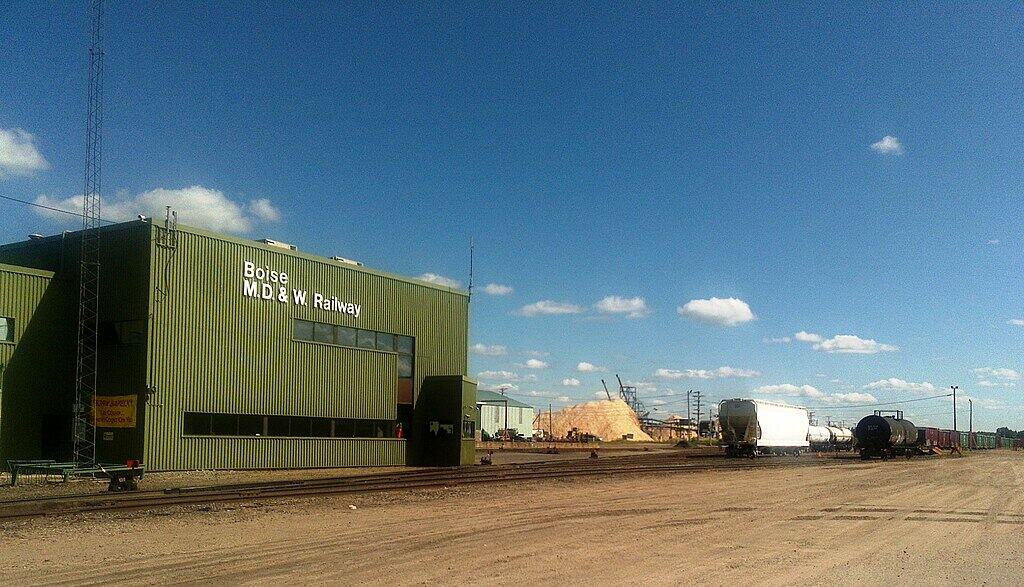
Often called the “Icebox of the Nation,” International Falls sits directly across from Fort Frances, Ontario. About 45% of retail transactions involve Canadian customers during strong exchange periods. The town of roughly 6,000 residents depends heavily on cross-border tourism, especially fishing and seasonal festivals. Border crossings here average over 1.5 million annually in stable years. Canadian TV stations, weather forecasts, and sports coverage are commonly followed, and many residents hold dual cultural ties that make daily life feel distinctly binational.
6. Houlton, Maine
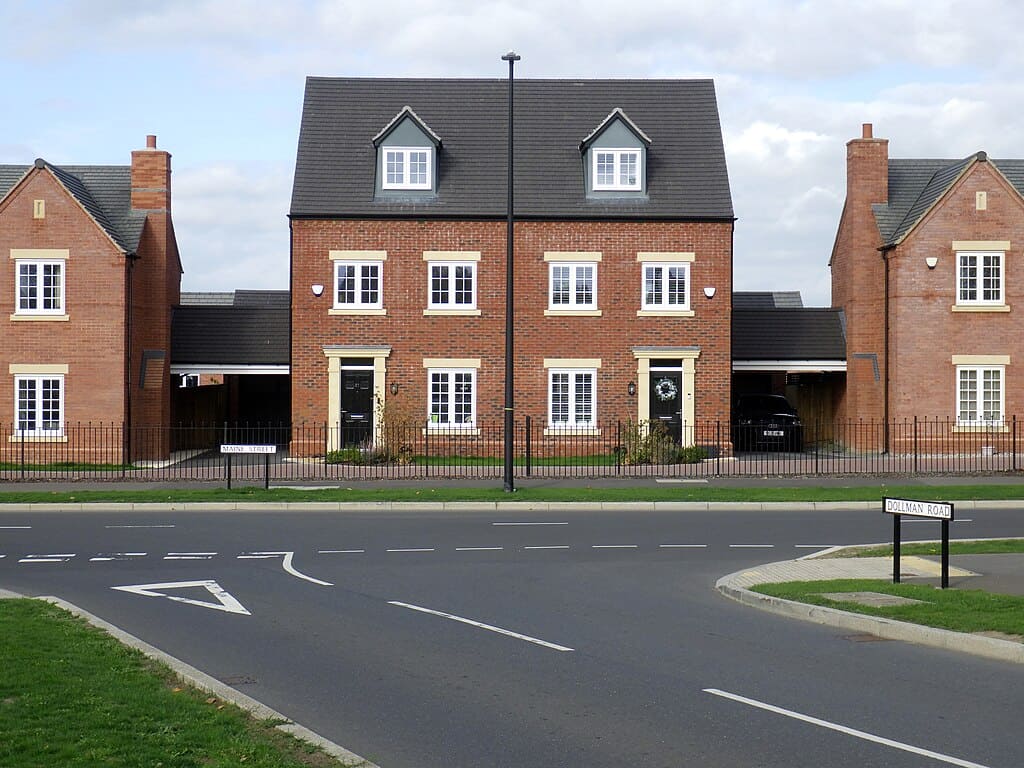
Houlton is one of Maine’s busiest land border crossings, handling over 1.3 million vehicle crossings per year in typical conditions. Canadian shoppers account for nearly 35% of local retail revenue when exchange rates favor the Canadian dollar. With a population around 6,000, the town maintains services and stores far beyond what its size would normally support. Canadian accents, license plates, and holidays influence everything from school schedules to restaurant specials, giving the town a distinctly Canadian-leaning atmosphere.
7. Niagara Falls, New York

Although famous worldwide, Niagara Falls, NY operates in constant comparison and cooperation with its Canadian counterpart. Over 50% of hotel bookings during peak season come from Canadian visitors. The Rainbow Bridge sees more than 4 million crossings annually in strong tourism years. Canadian media, pricing expectations, and travel habits shape local business strategies. With a population near 48,000, the city’s tourism economy is heavily synchronized with Ontario’s holiday calendar, making Canadian presence feel permanent rather than seasonal.
8. Ogdensburg, New York
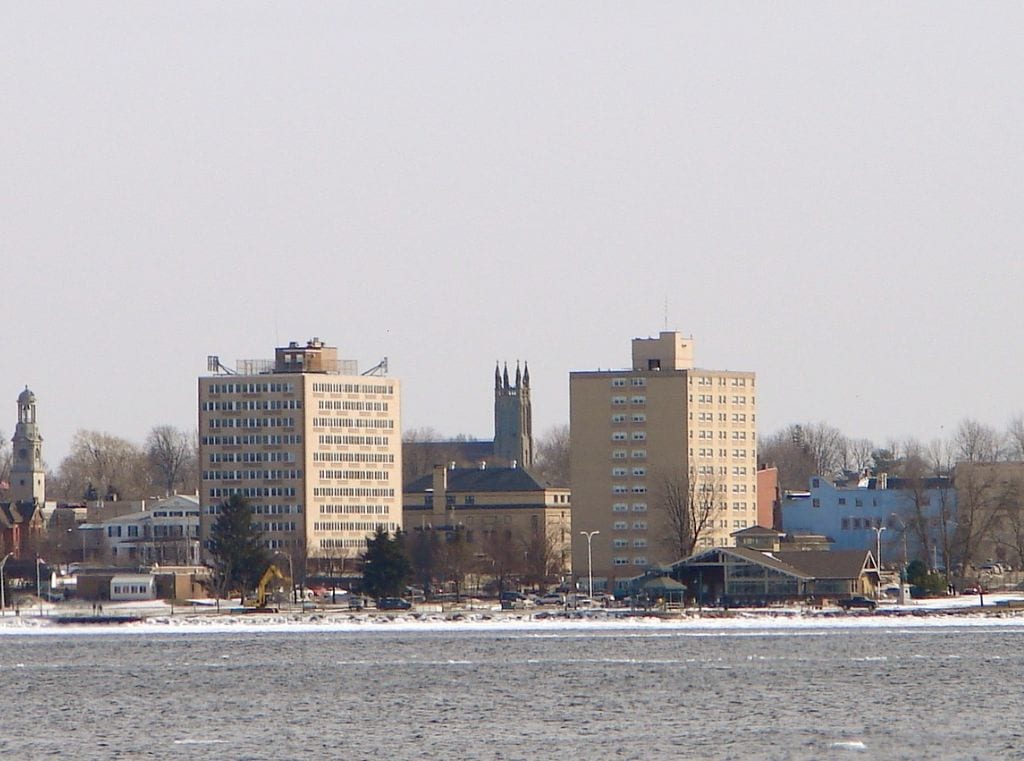
Situated along the St. Lawrence River, Ogdensburg depends heavily on Canadian traffic from Ontario. Around 40% of downtown retail spending historically comes from Canadian shoppers. The Ogdensburg–Prescott International Bridge supports nearly 1 million crossings annually. With a population of just over 10,000, the town’s retail scale reflects a much larger binational customer base. Canadian radio stations, sports allegiance to NHL teams north of the border, and bilingual signage contribute to a daily life that feels distinctly Canadian-influenced.
9. Calais, Maine
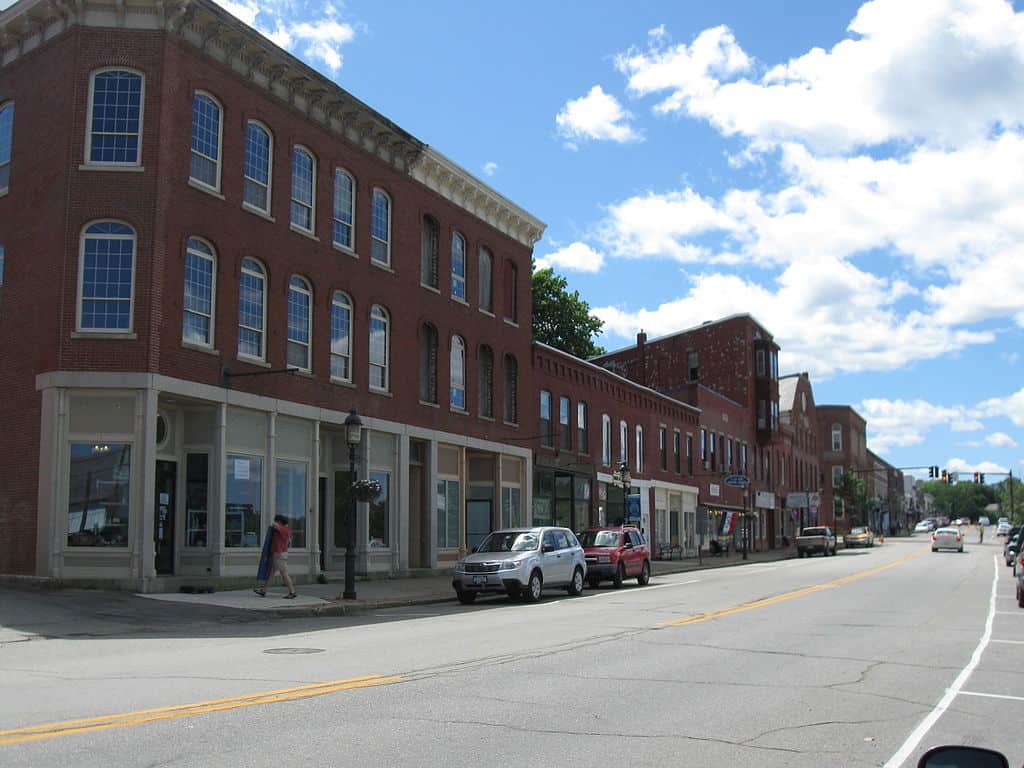
Calais shares a close relationship with St. Stephen, New Brunswick, connected by multiple bridges. Approximately 50% of retail customers come from Canada during favorable exchange periods. The town has a population of about 3,000 but supports commercial infrastructure designed for far more daily users. Border crossings here exceed 800,000 annually in stable years. Canadian holidays impact business cycles, and many residents maintain social and professional relationships across the border, making the town feel like a shared community rather than a divided one.
10. Lynden, Washington
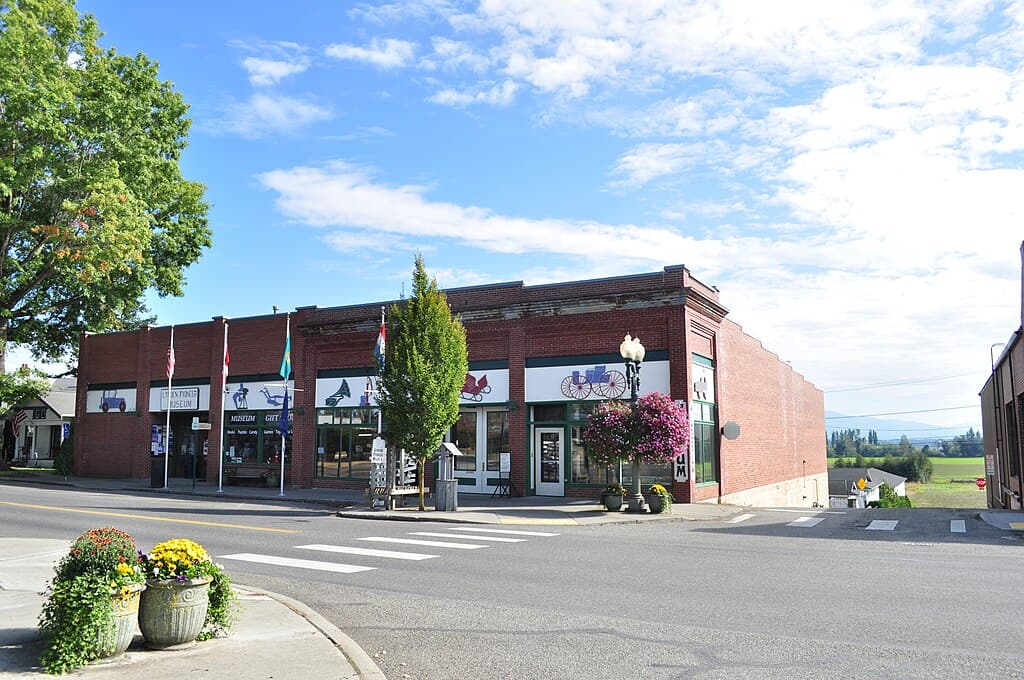
While known for its Dutch heritage, Lynden is deeply influenced by nearby British Columbia. Nearly 30% of retail customers originate from Canada, particularly during weekends and holidays. The town’s population of roughly 15,000 grows noticeably with Canadian visitors. Local farmers’ markets, hardware stores, and specialty shops cater to Canadian buyers familiar with U.S. pricing advantages. Canadian license plates are common year-round, and cross-border family ties reinforce Lynden’s role as an informal extension of the Lower Mainland.
11. Pembina, North Dakota

Pembina is a tiny town with outsized Canadian impact. Despite a population under 600, the Pembina–Emerson border crossing handles over 1 million vehicles annually. Nearly 70% of local fuel and convenience store sales are driven by Canadian travelers. The town’s economy exists almost entirely because of its border location. Canadian radio stations dominate airwaves, and business hours align with Canadian travel flows, making Pembina feel more like a service hub for Manitoba than a standalone American town.
12. Alburgh, Vermont
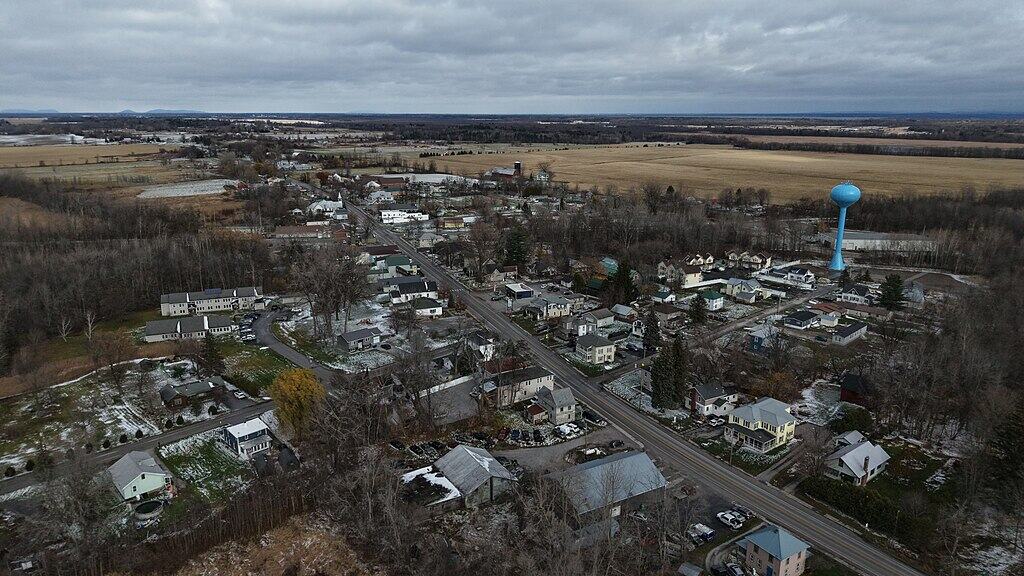
Alburgh sits on a peninsula that juts into Québec, making Canadian access easier than travel to much of Vermont. Roughly 40% of seasonal visitors come from Canada, particularly during summer months. The town’s population of about 2,000 swells significantly due to Canadian lake tourism. Border crossings nearby handle hundreds of thousands of vehicles annually. Canadian boating culture, accents, and consumer habits shape local marinas and shops, giving Alburgh a distinctly Canadian rhythm despite its U.S. address.