We may earn money or products from the companies mentioned in this post. This means if you click on the link and purchase the item, I will receive a small commission at no extra cost to you ... you're just helping re-supply our family's travel fund.
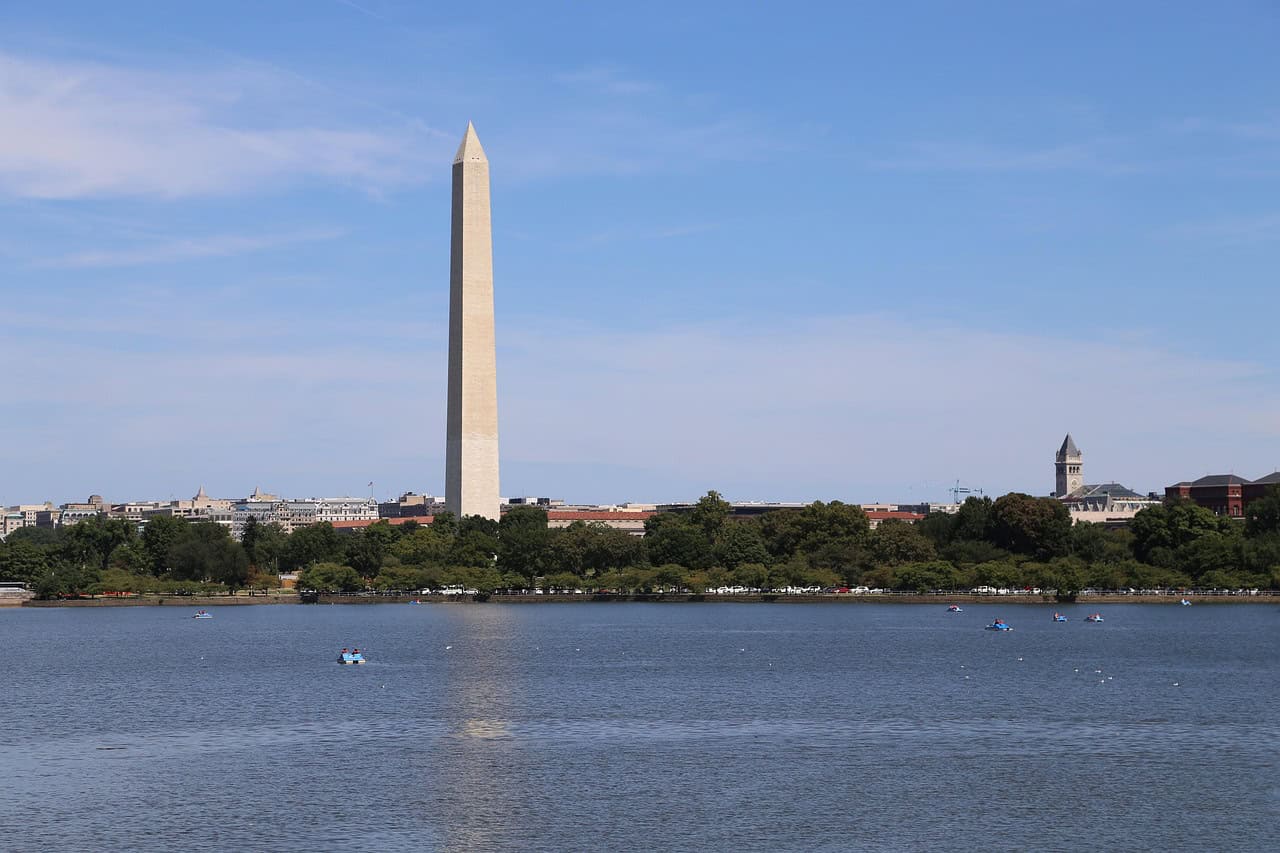
The Cold War was not only fought in distant lands but also on American soil, where secrecy, intelligence, and espionage quietly shaped history. Across the country, laboratories, military bases, and urban centers became silent battlefields for spies, double agents, and covert operations. From atomic research sites to strategic surveillance hubs, these 12 U.S. locations played pivotal roles in the clandestine struggle between the U.S. and the Soviet Union, blending science, strategy, and suspense.
1. Los Alamos, New Mexico
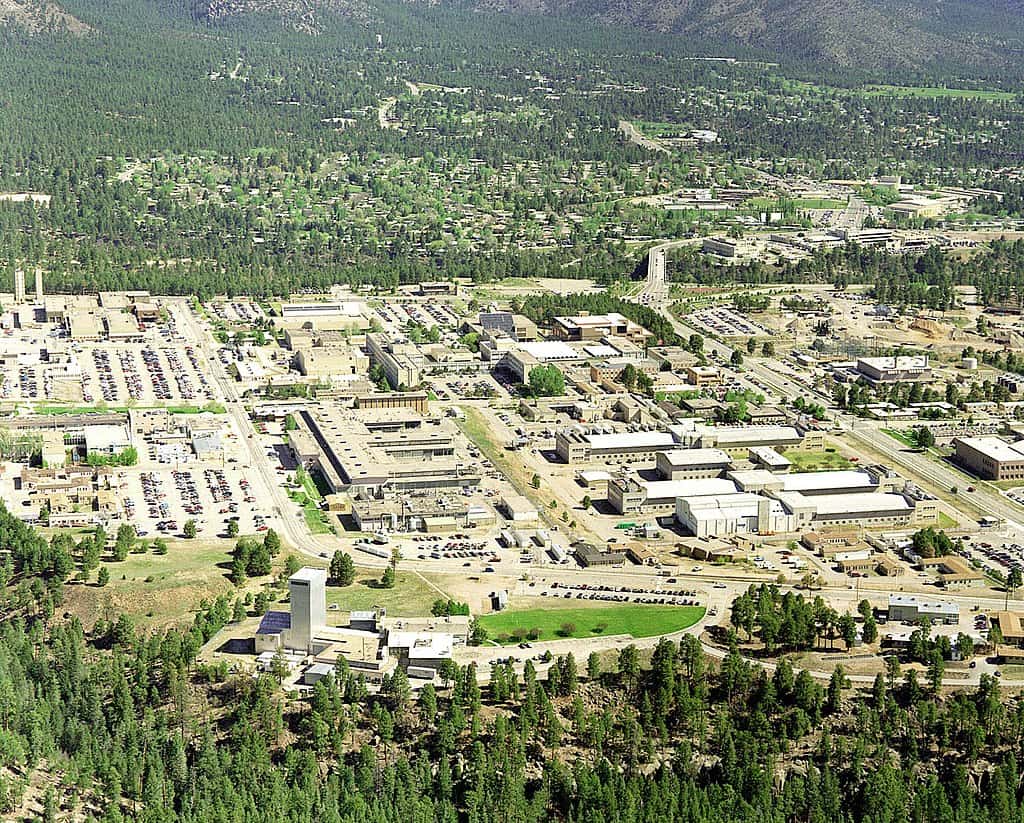
Los Alamos became infamous as the birthplace of America’s atomic bomb and a magnet for Cold War espionage. Between 1945 and 1950, Soviet spies like Klaus Fuchs accessed classified nuclear research here, risking catastrophic consequences. The town, covering roughly 26 square miles, was heavily guarded, with hundreds of scientists under strict secrecy. Its remote location in northern New Mexico and high-security labs made it both a scientific marvel and an intelligence hotspot, where every experiment was shadowed by suspicion.
2. Washington, D.C.
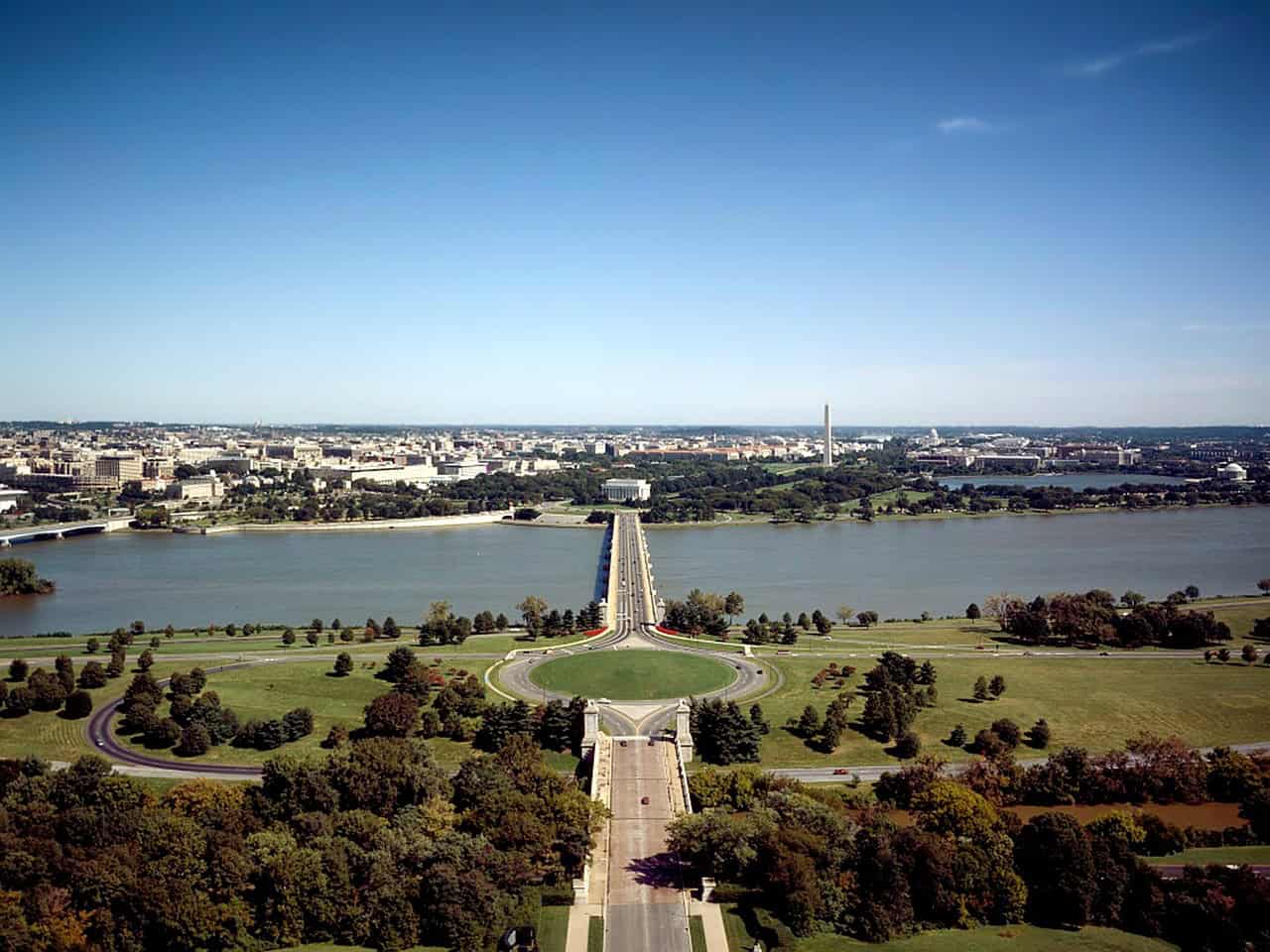
America’s capital was a frontline for covert operations during the Cold War. Between 1947 and 1962, embassy neighborhoods, government offices, and residential districts became stages for espionage. The city housed the CIA’s Langley operations and FBI counterintelligence teams who investigated over 200 suspected Soviet agents. Surveillance cameras, wiretaps, and informants blended into city life, making Washington not only a political hub but also a chessboard of secret maneuvering that shaped decades of international intrigue.
3. New York City, New York
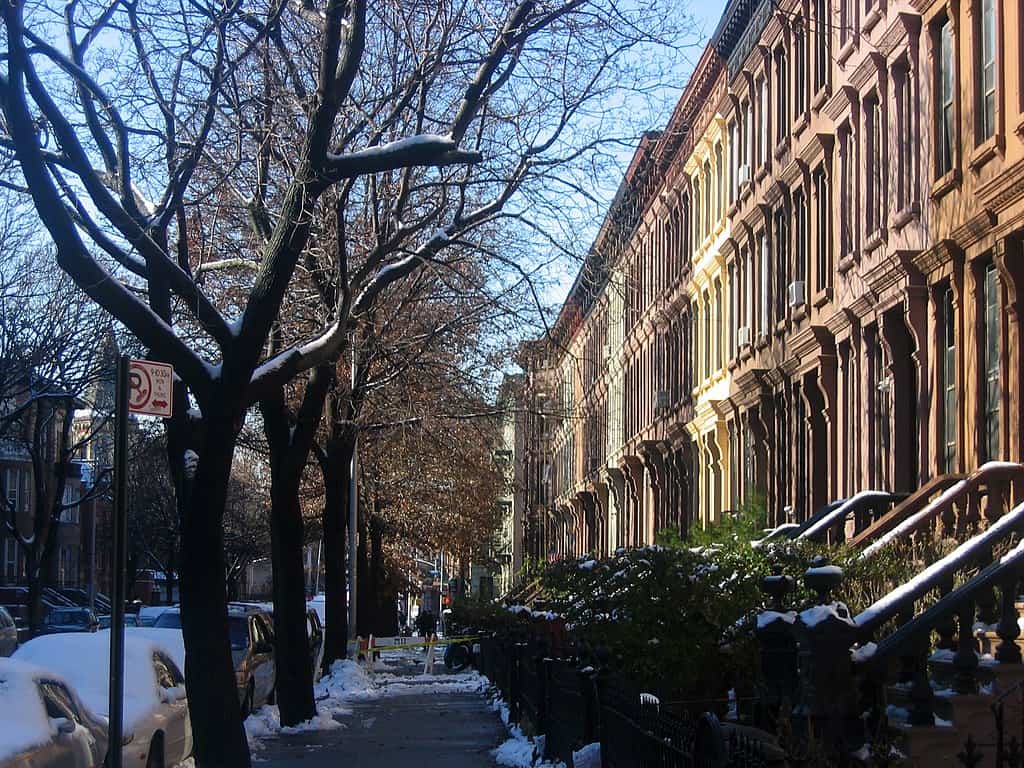
New York City, home to 7.5 million residents in 1960, served as a covert intelligence theater. Soviet operatives worked within the United Nations and financial districts, exploiting the city’s density to hide their tracks. American counterintelligence monitored dozens of suspected spies, sometimes using wiretaps and undercover operatives in apartments and office towers. High-rise buildings, bustling streets, and public transit became unexpected arenas where ordinary urban life collided with high-stakes espionage and global political tension.
4. Arlington, Virginia (CIA Headquarters)
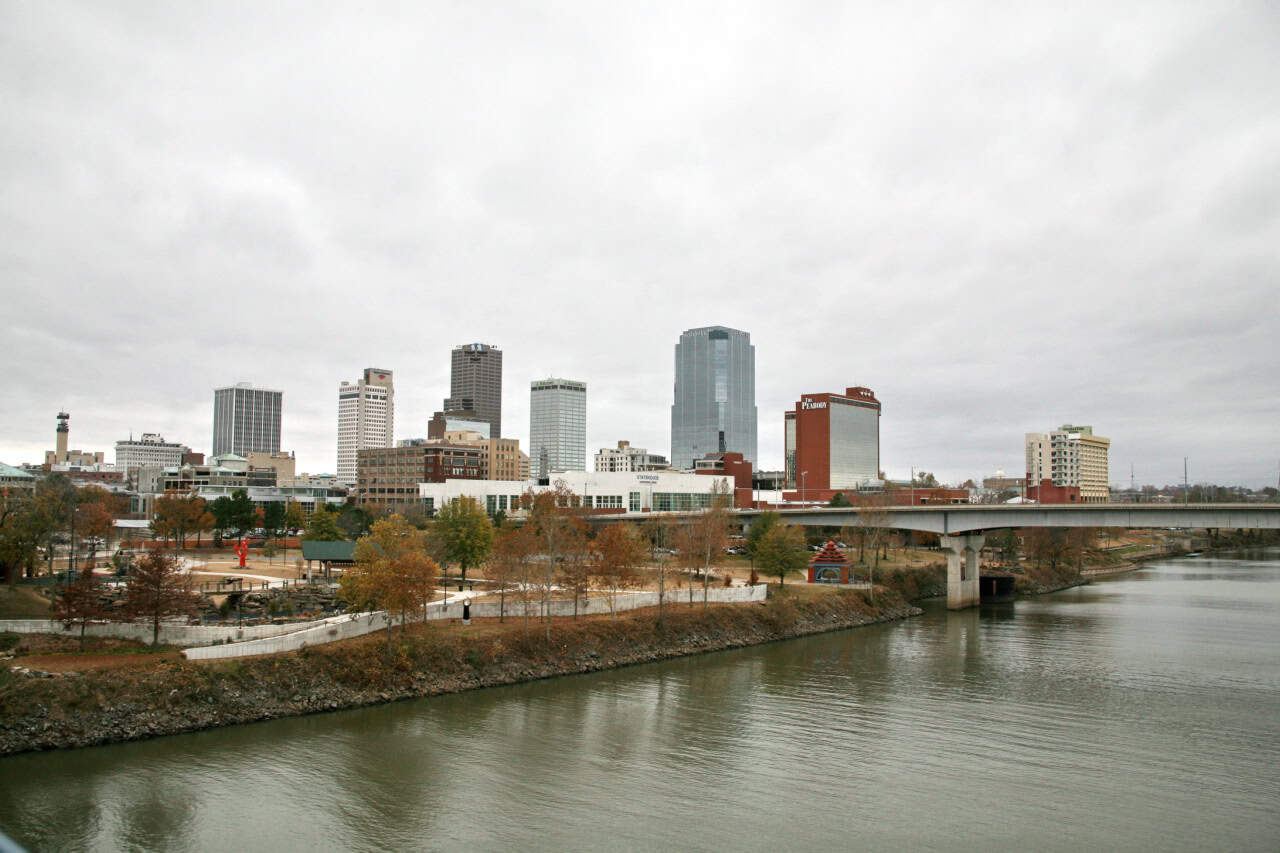
Arlington’s CIA headquarters in Langley spans roughly 258 acres and became synonymous with global intelligence operations. From the 1950s onward, it coordinated secret missions worldwide, monitored Soviet activities, and trained field officers. Analysts inside tracked more than 1,000 active intelligence leads annually. Its fortified perimeters, underground facilities, and sophisticated communication networks made Langley both a symbol of American spycraft and a hub where every strategic decision reverberated across Cold War battlefields.
5. Fort Meade, Maryland (NSA Headquarters)
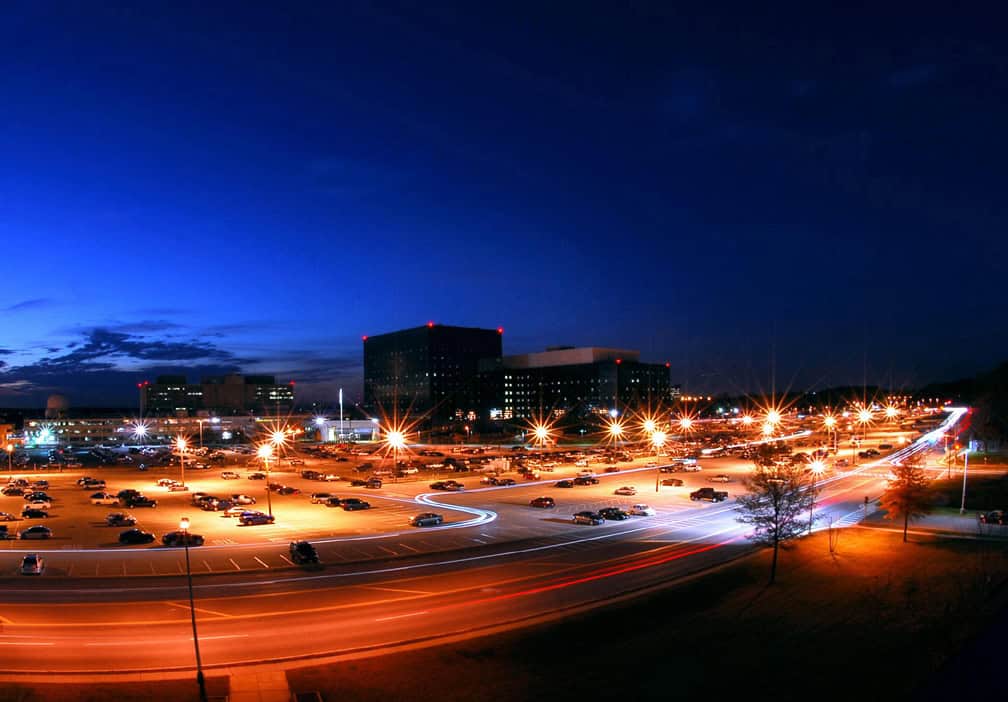
Fort Meade, covering 5,100 acres, became the nation’s nerve center for signals intelligence. From the 1950s onward, the NSA intercepted thousands of Soviet communications daily, decrypting classified messages that shaped U.S. strategies. Analysts worked in top-secret facilities, using early computers to process massive datasets. The base’s strict access protocols and underground command centers made it nearly impenetrable, transforming Maryland into a silent but essential Cold War battlefield where information truly became power.
6. Cheyenne Mountain, Colorado

Cheyenne Mountain’s NORAD complex, built inside 2,000 feet of granite, was a fortress against nuclear threats. Operational by 1966, it monitored over 5,000 radar tracks and potential missile attacks daily. Its underground tunnels, blast doors weighing 25 tons each, and climate-controlled command rooms allowed continuous operations during extreme crises. Military personnel and intelligence officers managed constant alerts, making the mountain a symbol of vigilance, deterrence, and the ever-present tension of the Cold War’s nuclear standoff.
7. Oak Ridge, Tennessee
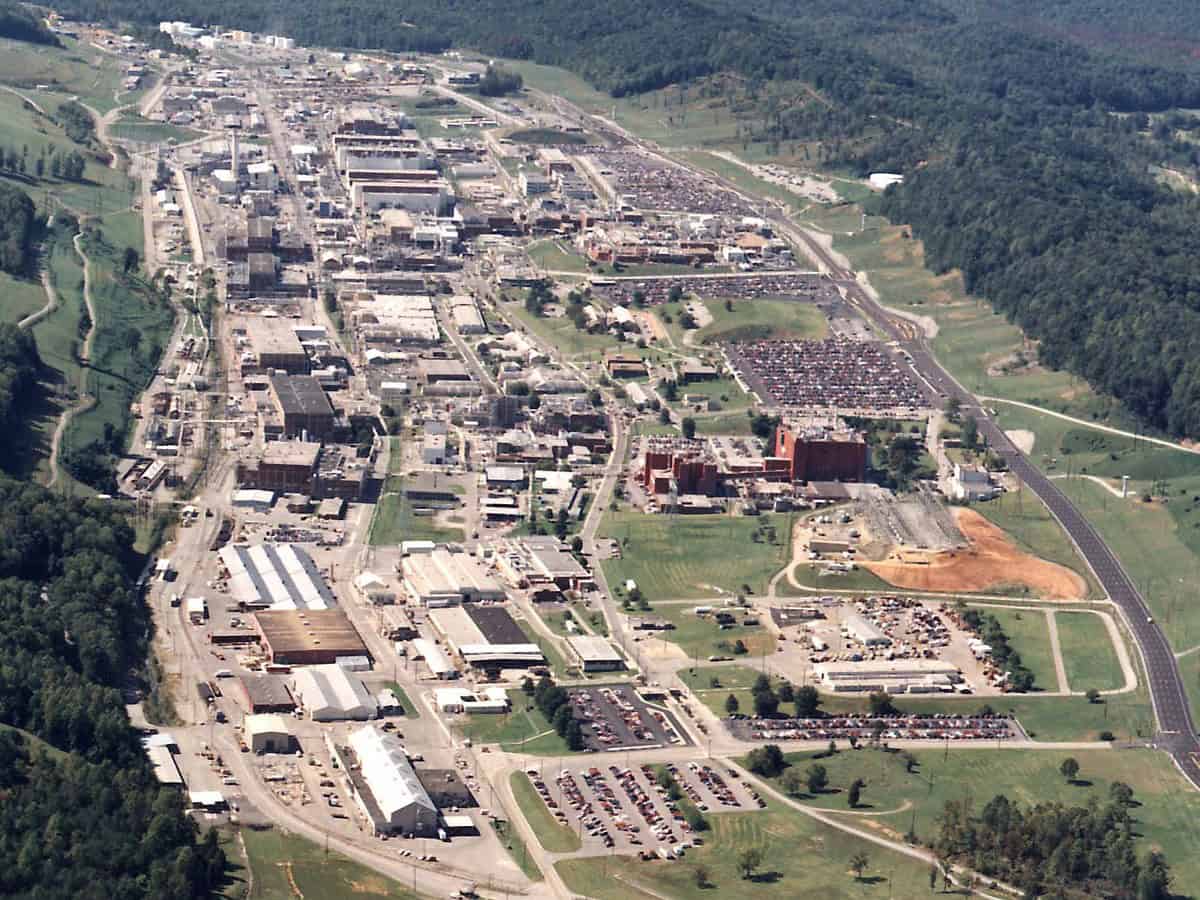
Oak Ridge, covering approximately 60 square miles, was a critical hub for nuclear research and atomic secrets. During the late 1940s and 1950s, Soviet intelligence sought blueprints, while U.S. security screened thousands of workers. Restricted areas, fenced laboratories, and armed patrols maintained secrecy, while advanced enrichment techniques were developed. This city became a high-stakes intelligence arena where science and surveillance intersected, shaping nuclear policy and ensuring the United States maintained a strategic advantage over global adversaries.
8. Anchorage, Alaska
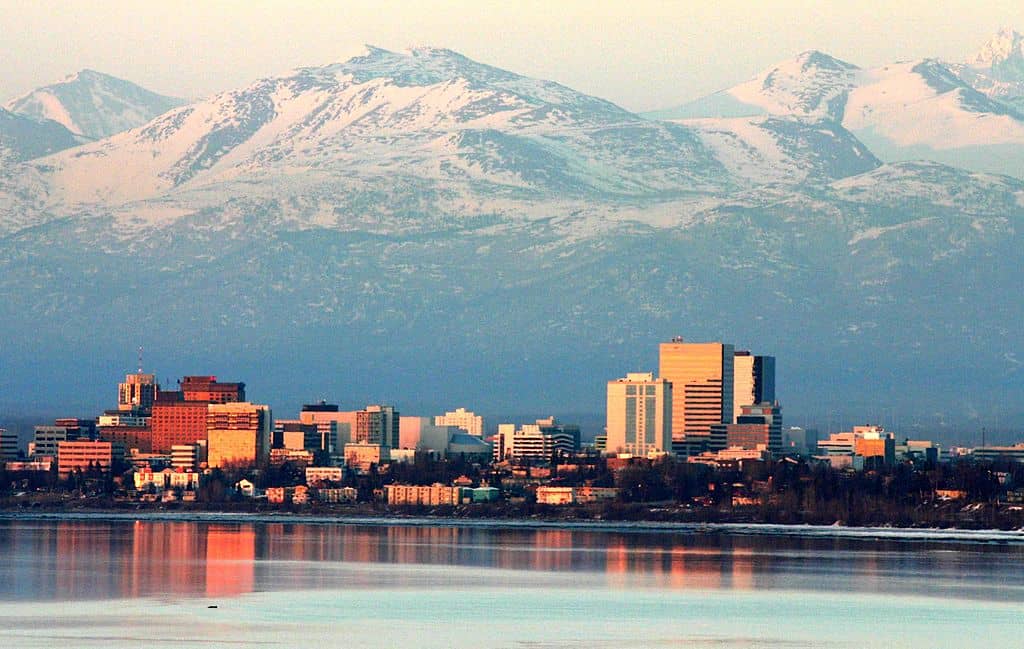
Anchorage became a strategic intelligence frontier due to its proximity just 2,300 miles from Moscow. During the 1950s and 1960s, U.S. Air Force and radar installations monitored hundreds of Soviet flights over the Arctic. Early-warning systems detected potential missile launches, while spy planes conducted reconnaissance missions in nearby airspace. Military personnel stationed here endured extreme weather to maintain surveillance. Anchorage’s unique location made it an Arctic sentinel, bridging domestic security with global Cold War strategy.
9. Los Angeles, California

Los Angeles, sprawling across 503 square miles, was a center for aerospace innovation and espionage. Companies designing missiles and aircraft attracted Soviet attention, and dozens of suspected infiltrations were investigated by the FBI in the 1950s. Suburban offices and industrial sites were secretly monitored, while defense projects produced technologies that shaped U.S. military superiority. Hollywood’s culture of secrecy and cover stories provided an unexpected backdrop for covert operations, blending espionage into everyday life in Southern California.
10. Key West, Florida
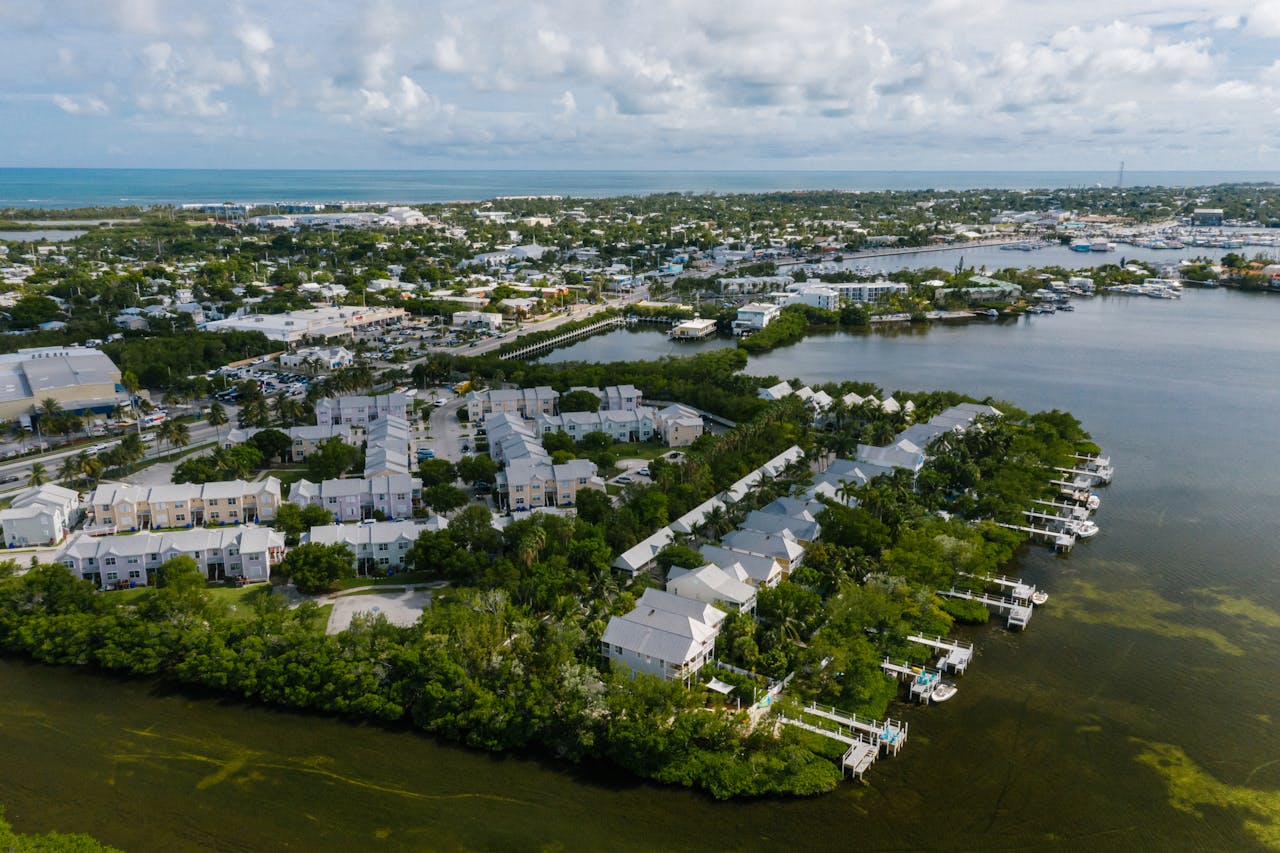
Key West, only 90 miles from Cuba, became critical after 1959. Naval bases and intelligence stations tracked Soviet and Cuban military movements during the Cuban Missile Crisis in 1962. U.S. forces deployed ships and aircraft from the island, monitoring thousands of targets across the Caribbean. Surveillance operations blended with local life, as signals intelligence and patrols operated constantly. Key West’s location made it a frontline for clandestine operations, turning a tropical island into a hotspot of Cold War tension and strategic observation.
11. Boston, Massachusetts
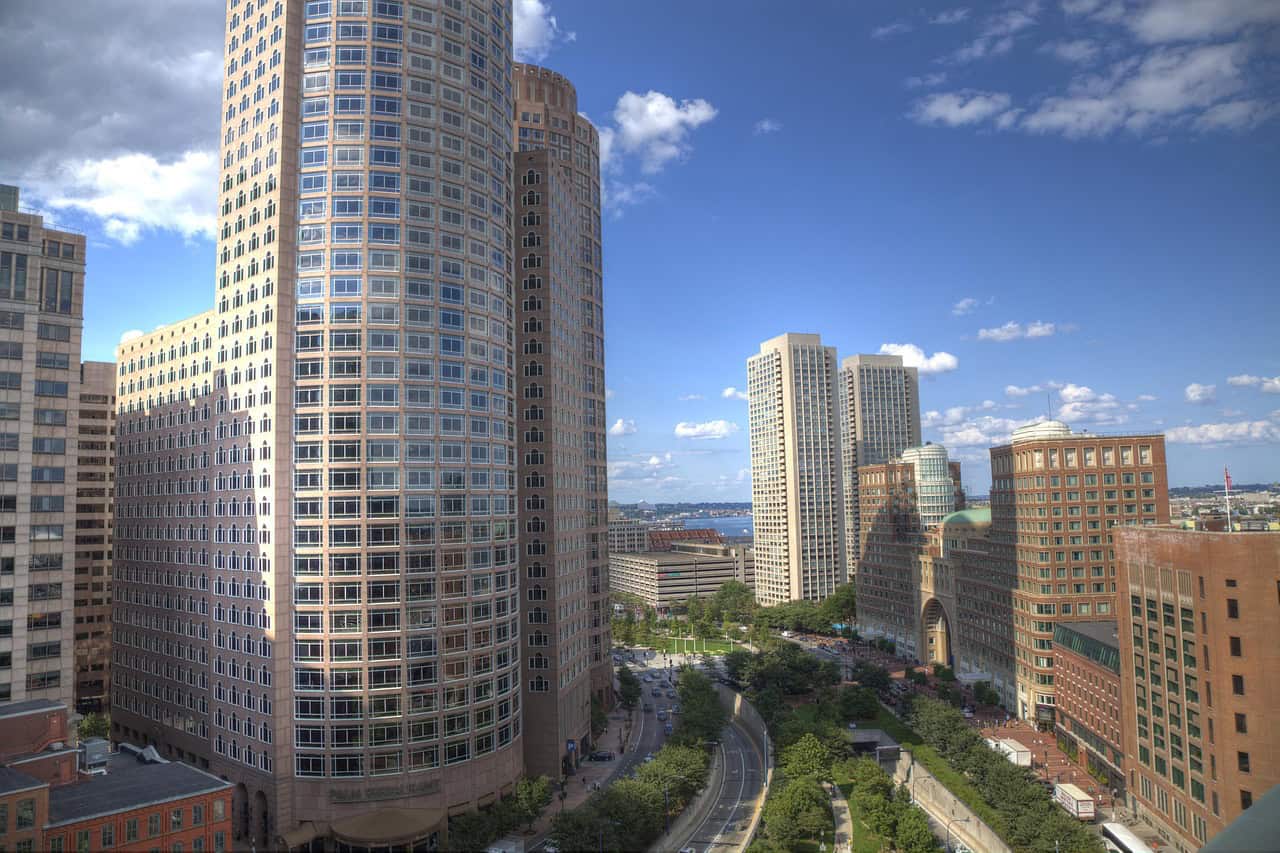
Boston’s 1950s–1960s landscape included major universities and research labs targeted by Soviet espionage. Projects in nuclear physics, engineering, and defense technologies made it a high-value intelligence target. Federal investigators monitored dozens of suspicious contacts, while campuses became arenas for clandestine recruitment of scientists and students. The city’s dense intellectual network, spanning over 60 colleges and research centers, transformed academic life into a covert battlefield where science, strategy, and espionage intersected daily.
12. Honolulu, Hawaii
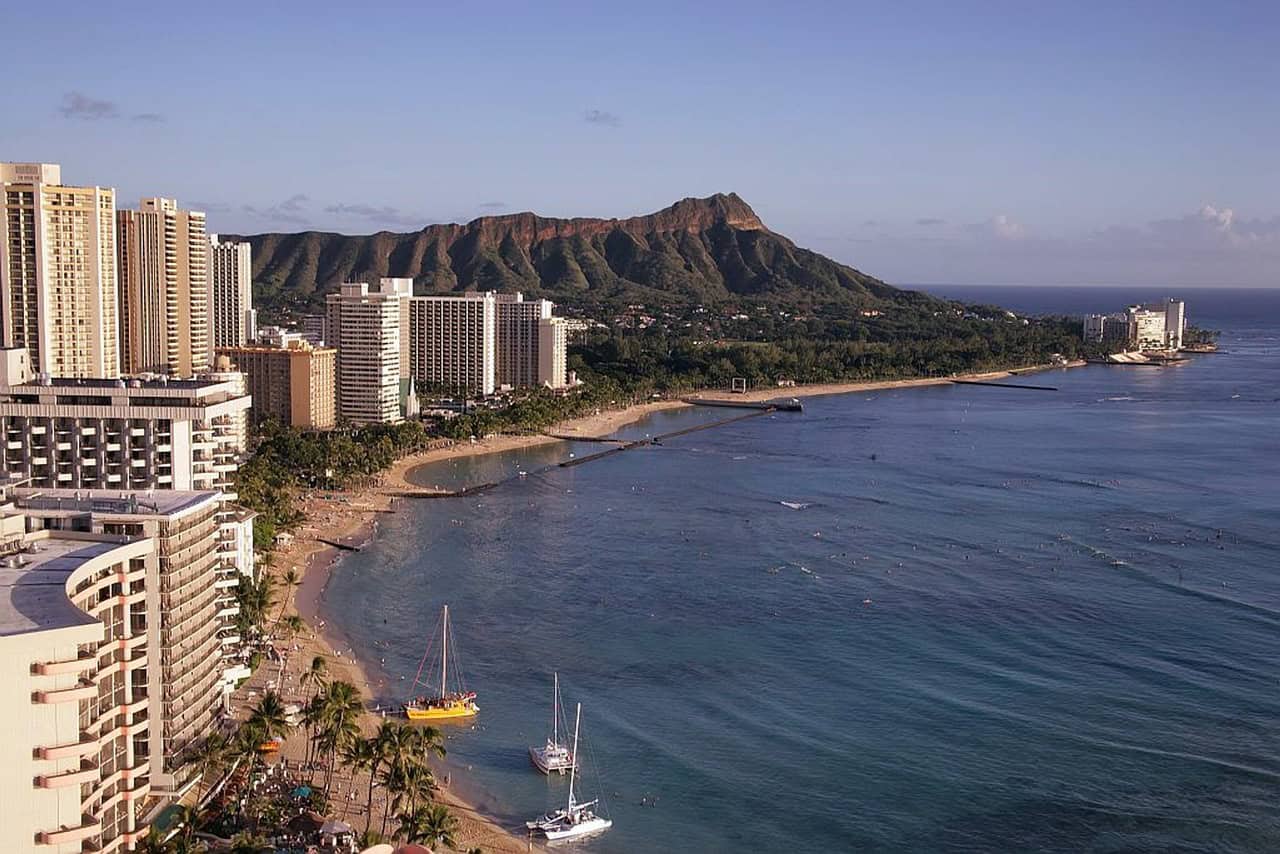
Honolulu’s strategic location, 2,400 miles from Tokyo and 3,800 miles from Moscow, made it essential for Pacific intelligence. During the Cold War, U.S. Navy and Air Force bases monitored Soviet naval movement, submarine activity, and air traffic across vast ocean regions. Signals intelligence stations intercepted thousands of messages monthly, while analysts coordinated with continental headquarters. The islands’ tropical beauty concealed a complex network of operations, blending military readiness with intelligence vigilance in one of the nation’s most remote yet critical outposts.