We may earn money or products from the companies mentioned in this post. This means if you click on the link and purchase the item, I will receive a small commission at no extra cost to you ... you're just helping re-supply our family's travel fund.

Across the United States, certain neighborhoods repeatedly appear in discussions about high crime rates, socioeconomic stress, and long-term safety concerns. These areas often struggle with limited job opportunities, aging infrastructure, and persistent violence that affects daily life. While many communities are working toward renewal, understanding the scale of these challenges helps provide essential context for why these locations remain on national danger rankings.
1. Englewood : Chicago, Illinois
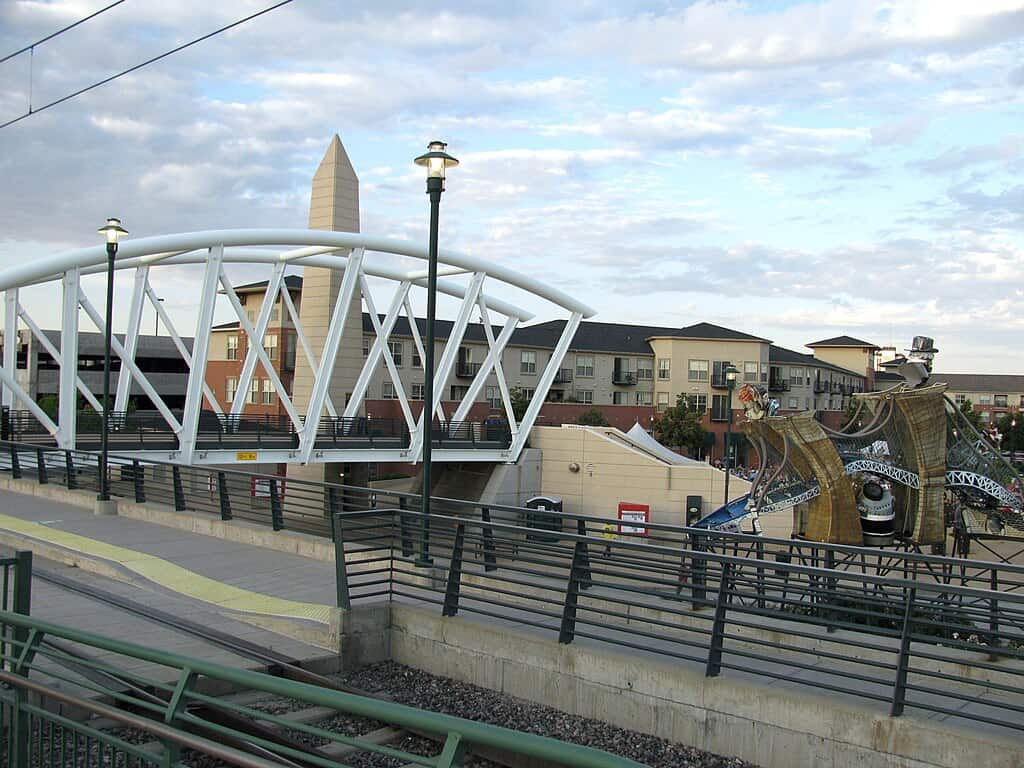
Englewood consistently ranks among Chicago’s most violent neighborhoods, with annual violent-crime rates often exceeding 2,000 incidents per 100,000 residents. Long-term population decline and unemployment rates above 15%contribute to instability. Despite active community organizations and redevelopment plans, gang activity and disinvestment continue to create safety concerns. Many residents note that conditions vary widely block to block, yet the neighborhood’s overall statistics keep it high on national danger lists.
2. West Garfield Park : Chicago, Illinois
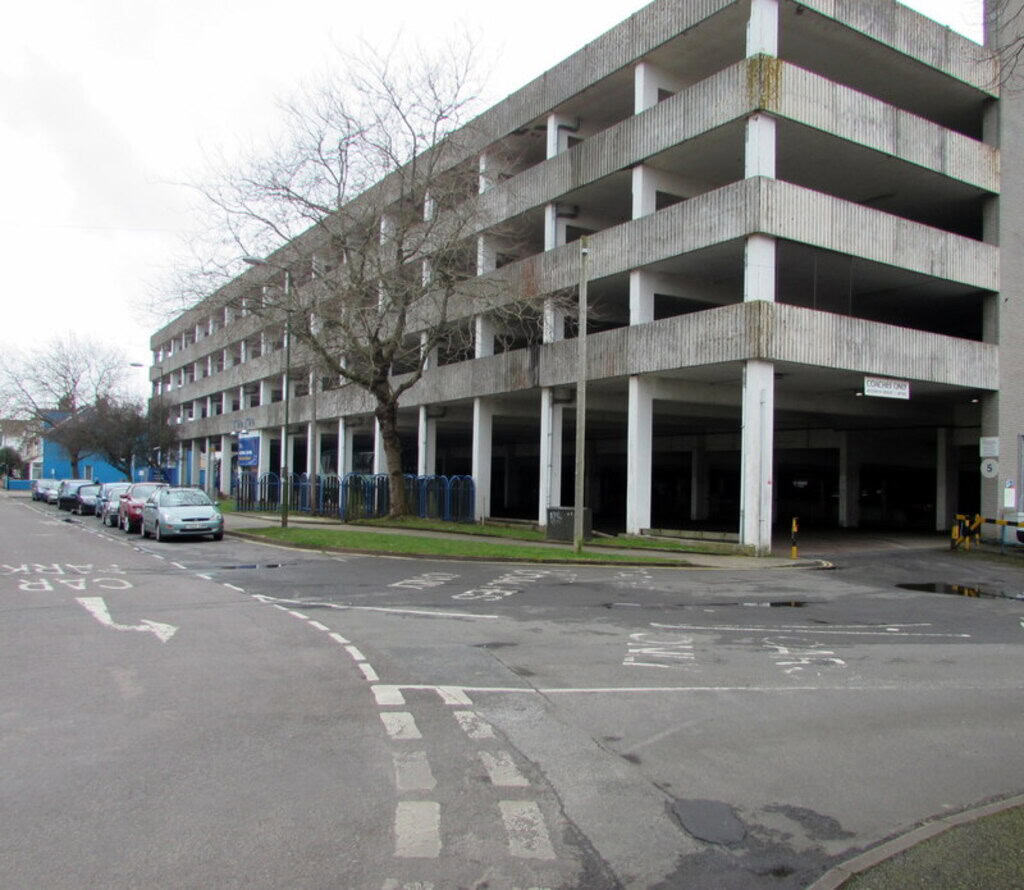
West Garfield Park frequently reports Chicago’s highest violent-crime density, surpassing 2,400 crimes per 100,000 people in several recent years. The area faces deep-rooted economic distress, with median household income below $25,000 and vacancy rates above 20%. Persistent drug-related activity fuels much of the violence, although local groups continue pushing for youth programs and business investment. Despite these efforts, data trends place it among the nation’s most scrutinized neighborhoods.
3. Central : Detroit, Michigan
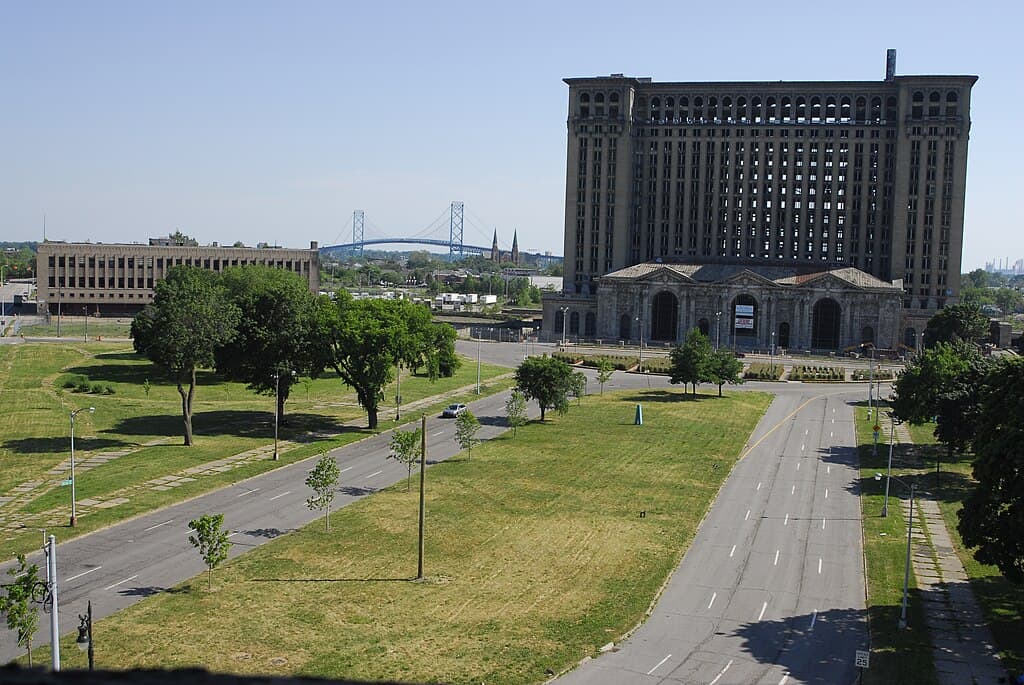
Detroit’s Central neighborhood encounters violent-crime levels often above 2,200 incidents per 100,000 residents, driven by decades of economic contraction. Poverty exceeds 30%, and abandoned properties create opportunities for illegal activity. Community revitalization projects have begun stabilizing certain blocks, but progress is uneven. Residents frequently highlight the lack of reliable services and limited employment access as significant contributors to ongoing safety challenges that keep the area on high-risk lists.
4. Midtown : St. Louis, Missouri

Midtown St. Louis faces violent-crime rates that regularly surpass 1,900 per 100,000 residents, influenced by its proximity to major transit corridors. Reported assaults and robberies remain high, even as commercial redevelopment slowly expands. Poverty rates above 28% and limited affordable housing options intensify instability. Increased policing and university-led initiatives have improved certain sections, yet the neighborhood continues appearing on national danger rankings due to persistent year-round incidents.
5. Buckeye-Woodhill : Cleveland, Ohio
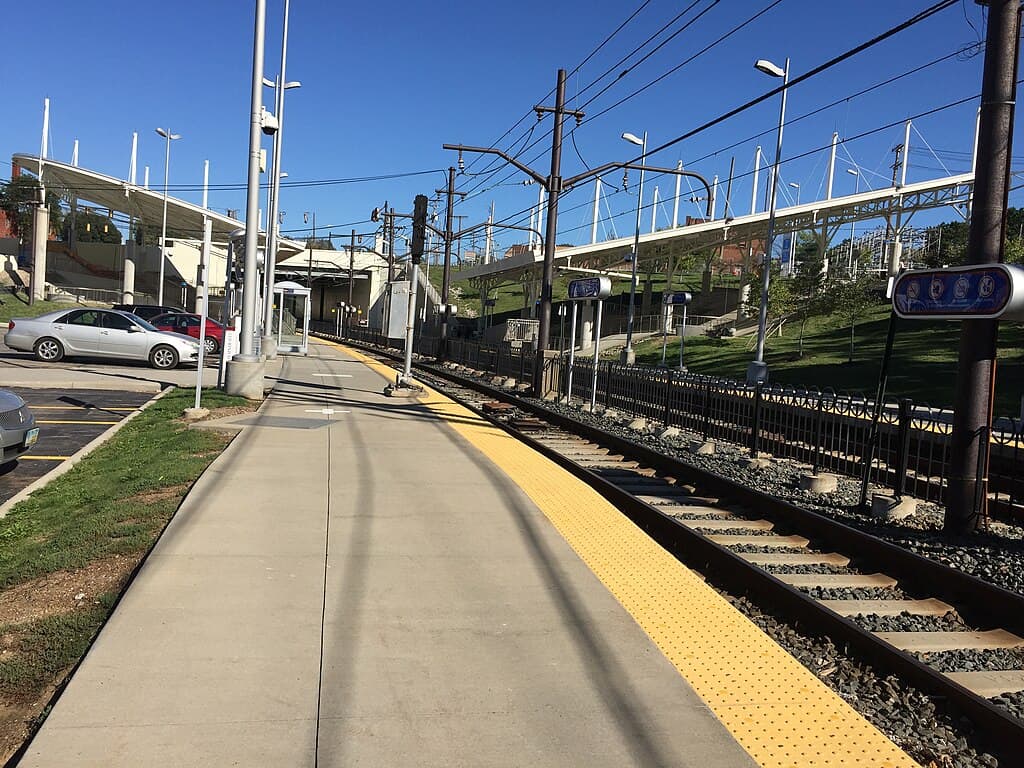
Buckeye-Woodhill reports violent-crime rates often exceeding 1,800 incidents per 100,000 residents, with concentrated pockets of gang activity. The neighborhood’s poverty rate sits above 35%, and decades of industrial decline left many homes vacant. While new housing projects and community centers introduced fresh momentum, crime trends remain stubbornly high. Residents acknowledge strong communal bonds, but statistical realities keep the area listed among Cleveland’s most at-risk zones nationally.
6. South Cumminsville : Cincinnati, Ohio
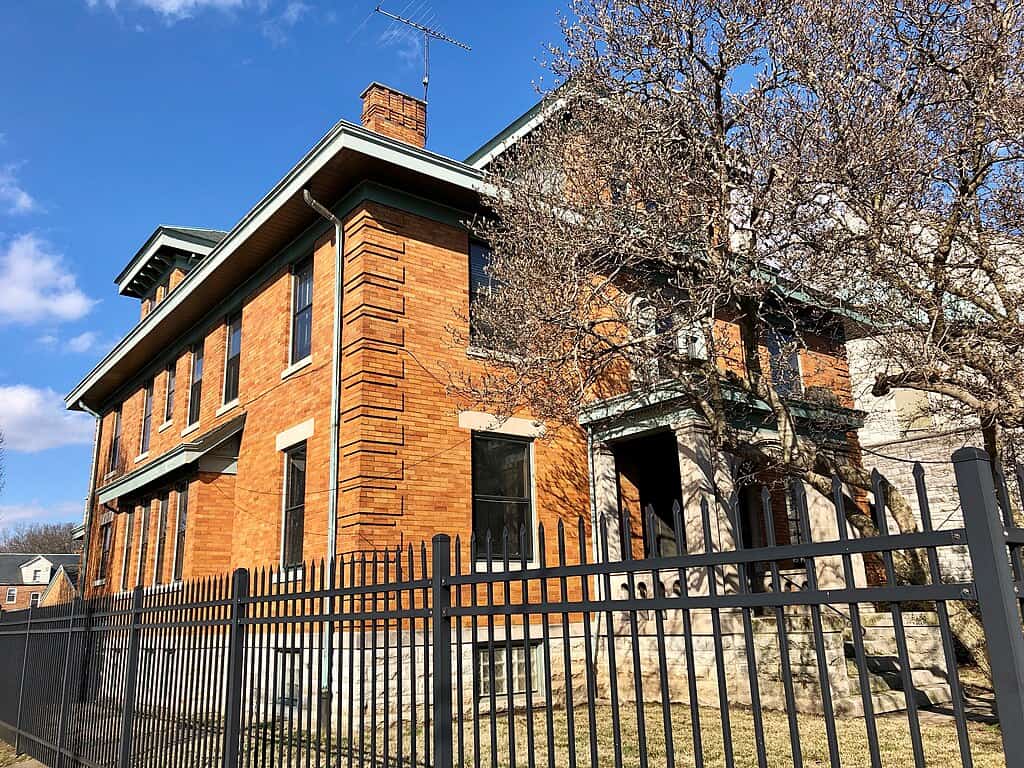
South Cumminsville regularly records violent-crime levels near 1,700 per 100,000 residents, shaped by long-standing economic hardship. Poverty exceeds 30%, and limited transit access restricts employment opportunities. Though recent urban-renewal grants have improved infrastructure, sporadic shootings and robberies continue to raise concern. Community organizations remain active, yet federal crime data consistently places the neighborhood among Cincinnati’s most dangerous locations.
7. North Memphis : Memphis, Tennessee
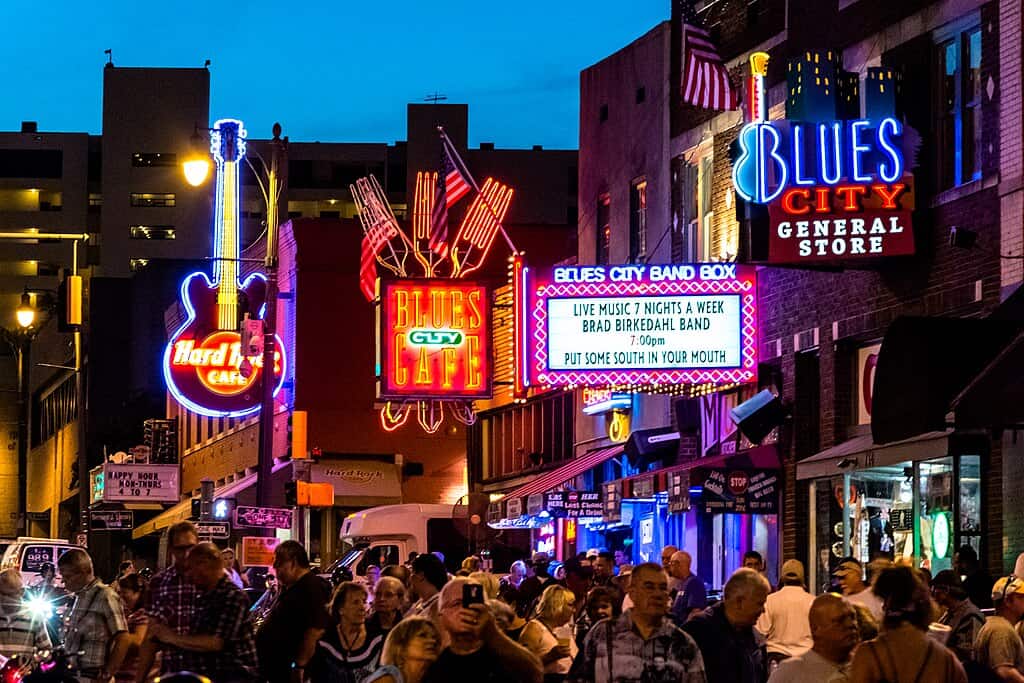
North Memphis experiences violent-crime rates above 1,900 incidents per 100,000 people, driven largely by drug-related conflicts and long-term disinvestment. Poverty is estimated above 32%, and the area’s aging housing stock complicates recovery efforts. Local schools and nonprofits work to create safer pathways for youth, but persistent year-round incidents keep the neighborhood listed among the country’s high-risk zones. Despite challenges, various blocks show promising localized improvements.
8. Martin Luther King Jr. District : Atlanta, Georgia
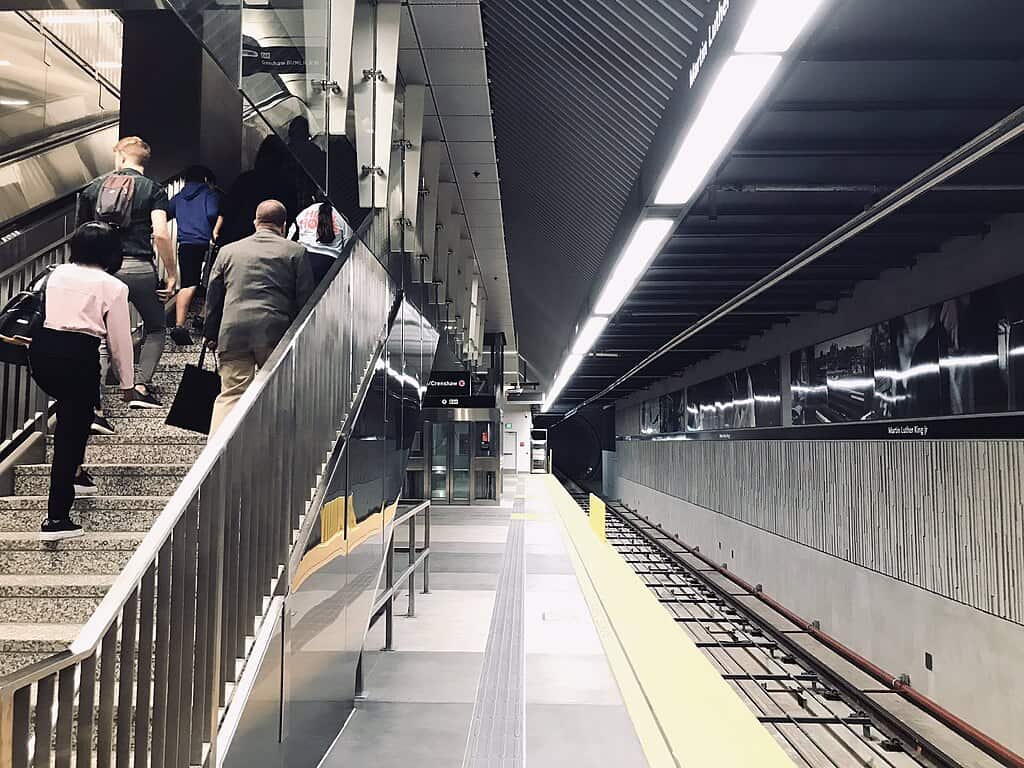
This district often reports violent-crime rates near 1,600 per 100,000 residents, with robberies and aggravated assaults appearing frequently in annual crime summaries. Poverty surpasses 28%, and rapid gentrification has produced sharp income disparities that heighten tension. Community outreach groups have expanded mentorship programs and patrol initiatives, yet crime clusters remain. These factors place the area consistently among Atlanta’s most danger-flagged neighborhoods.
9. Central City : New Orleans, Louisiana
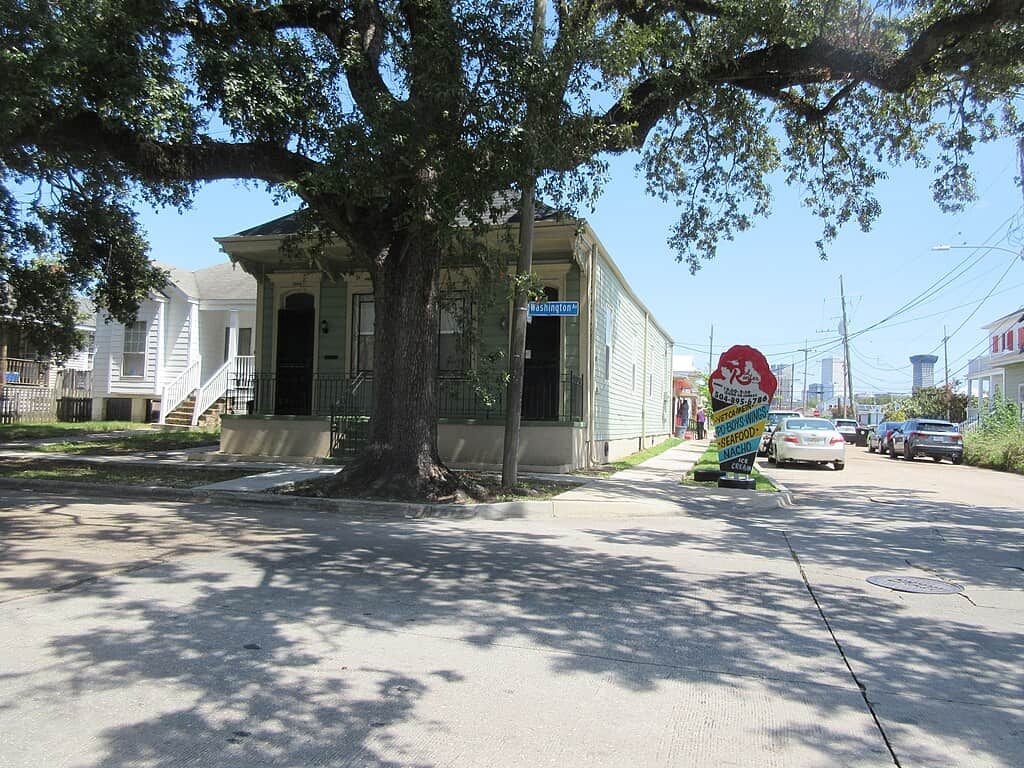
Central City faces some of New Orleans’ highest violent-crime numbers, frequently above 1,800 incidents per 100,000 people. Generational poverty above 35% and recurring drug-trade conflicts drive instability. Although cultural pride and grassroots rebuilding efforts remain strong, homicide and armed-robbery rates continue to outpace city averages. The neighborhood’s ongoing struggle for economic recovery keeps it regularly cited in national danger assessments.
10. Aurora District : Denver, Colorado
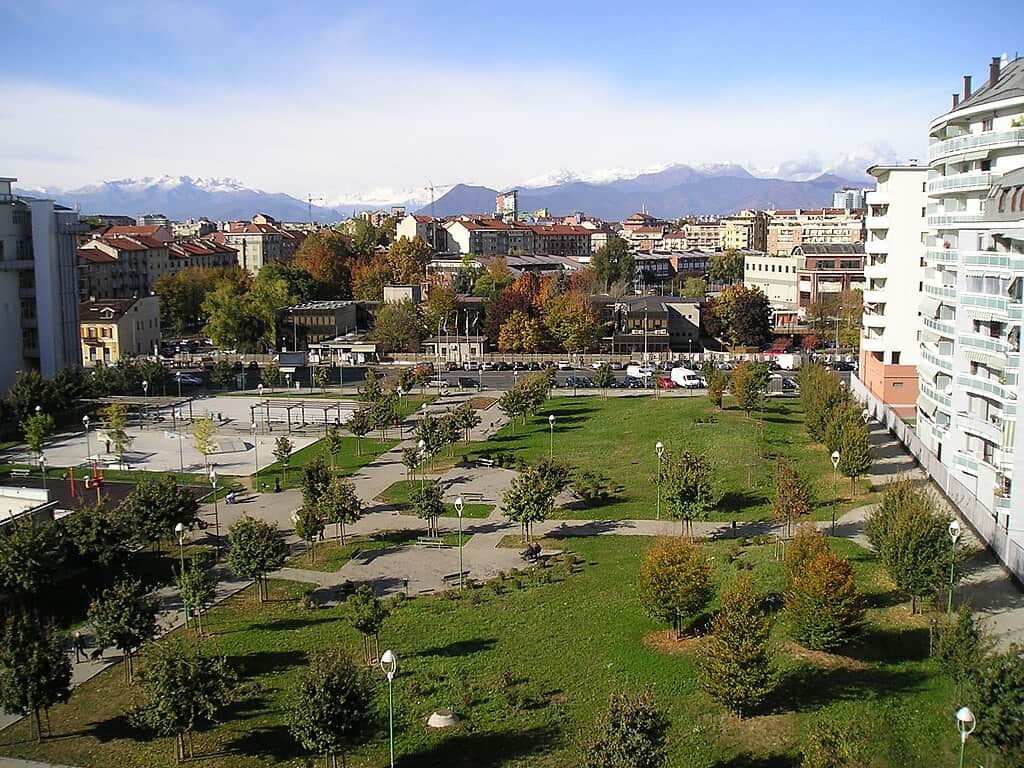
Although Denver is known for growth, parts of the Aurora District report violent-crime rates nearing 1,500 per 100,000 residents. Rising housing costs push lower-income families into unstable conditions, contributing to increased assaults and thefts. Poverty rates hover around 20%, and schools often experience spillover effects from neighborhood tensions. Law-enforcement collaboration and youth-engagement initiatives show potential, but data trends maintain its place among high-risk urban zones.
11. South Dallas : Dallas, Texas
South Dallas consistently posts violent-crime figures above 1,700 incidents per 100,000 people, with shootings and burglaries occurring at elevated levels. Poverty exceeds 30%, and historical segregation has left infrastructure gaps that complicate improvement efforts. Community gardens, business grants, and housing programs aim to revitalize the area, but crime concentration remains significant. These persistent patterns regularly keep South Dallas listed among the most dangerous neighborhoods nationally.
12. Jackson Hill : Jersey City, New Jersey

Jackson Hill records violent-crime rates often near 1,400 per 100,000 residents, influenced by economic inequality and long-standing gang issues. Poverty rates surpass 25%, and uneven development has produced sharp contrasts between adjacent blocks. Community policing and small-business investment have helped stabilize parts of the district, yet robberies and assaults remain above city averages. These conditions continue to position Jackson Hill on national danger-watch lists.