We may earn money or products from the companies mentioned in this post. This means if you click on the link and purchase the item, I will receive a small commission at no extra cost to you ... you're just helping re-supply our family's travel fund.
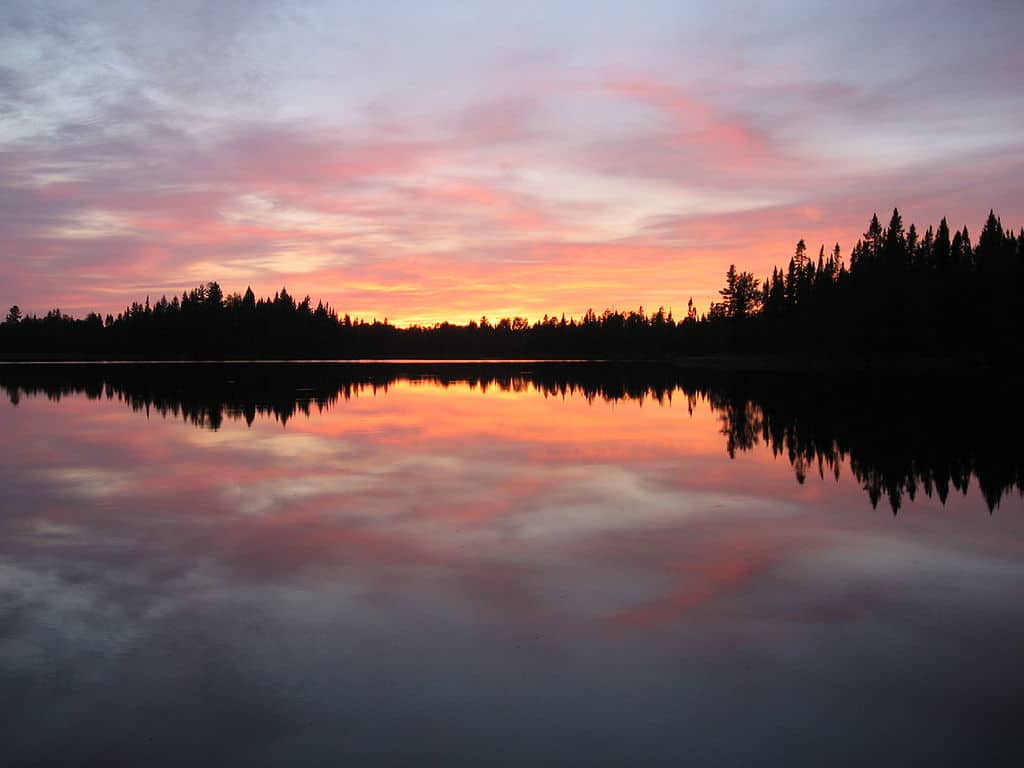
Escaping for a week has become less about luxury and more about stepping outside the constant digital pulse. Many travelers now seek places where devices fade into irrelevance, where no steady bars of service follow them, and where nature sets every rhythm. The following destinations aren’t about hiding, they’re about rediscovering solitude in landscapes built for silence, distance, and genuine disconnection. Each spot offers geographic scale, isolation, and a feeling of being briefly unreachable in a comforting, restorative way.
1. Frank Church – River of No Return Wilderness, Idaho
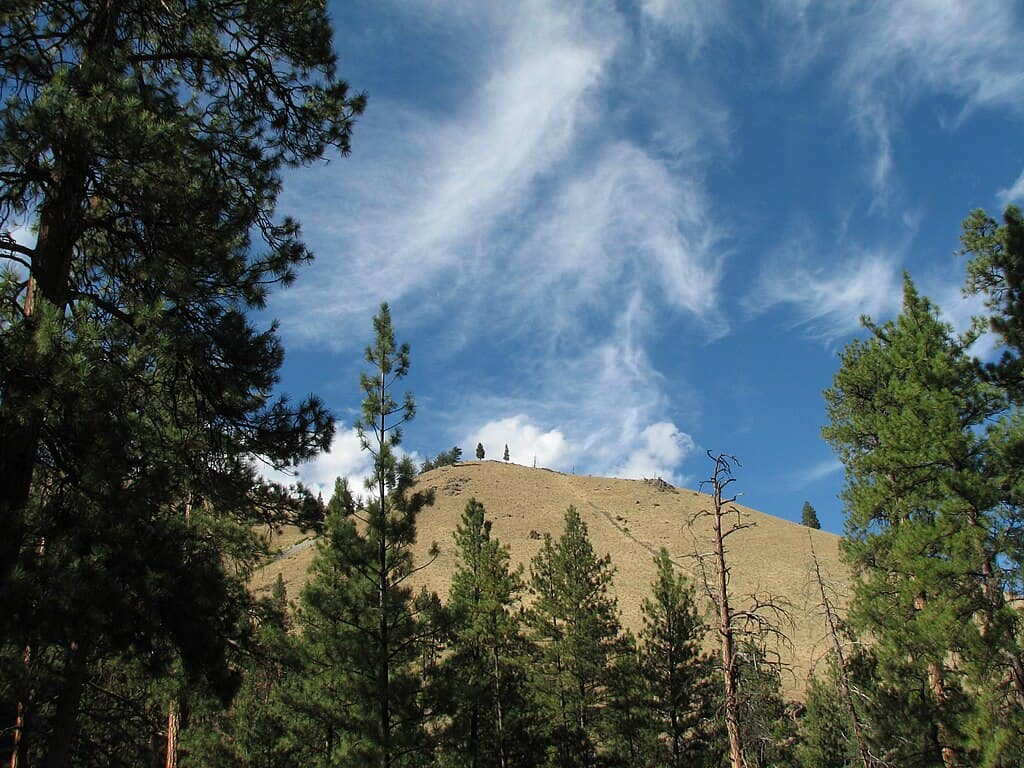
Spanning roughly 2.37 million acres, the Frank Church region is one of the largest untouched tracts in the lower 48, offering deep canyons, 10,000-ft ridgelines, and long valleys with zero reliable cell signal. Many trails stretch 20–40 miles without infrastructure, giving visitors a full week of uninterrupted quiet. The Salmon River cuts a 6,000-ft gorge that naturally isolates the area, and the remoteness makes each day feel unhurried, shaped by forests, open sky, and a pleasantly steady silence.
2. Big Bend National Park Backcountry, Texas
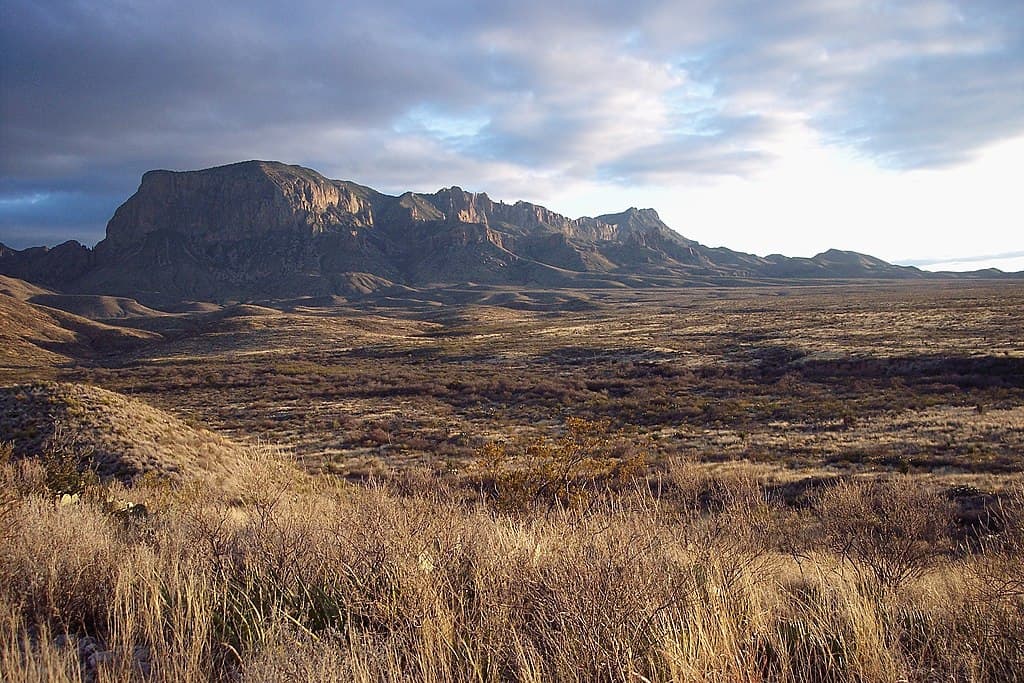
Covering more than 800,000 acres, Big Bend’s desert backcountry delivers wide spaces, scarce crowds, and long corridors without service. Chihuahuan mesas rise over 7,000 ft while canyons stretch for 10–20 miles, leaving days defined by heat, stars, and slow desert wind. Backcountry roads can run 30 miles without passing another vehicle, and distant ridge lines mute outside noise completely. Visitors often describe an unexpectedly meditative calm that sets in after two or three disconnected days.
3. Boundary Waters Canoe Area Wilderness, Minnesota
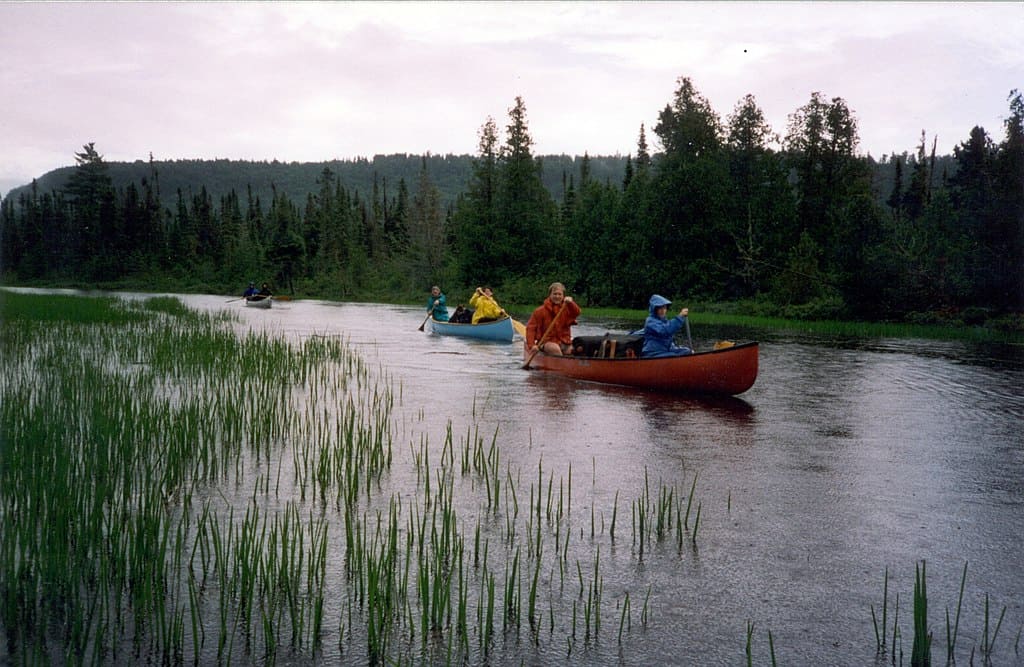
With over 1,100 lakes and nearly 1,200 miles of canoe routes, the Boundary Waters offers a week where still water and paddling replace screens entirely. Much of the region lacks towers, creating long stretches of natural silence. Campsites are spaced roughly 1–2 miles apart, giving travelers steady solitude even during active months. The mixture of granite shores, boreal forest, and distant loon calls fosters a rhythm that feels older than any modern pace, grounding visitors quickly.
4. Okefenokee National Wildlife Refuge Backcountry, Georgia
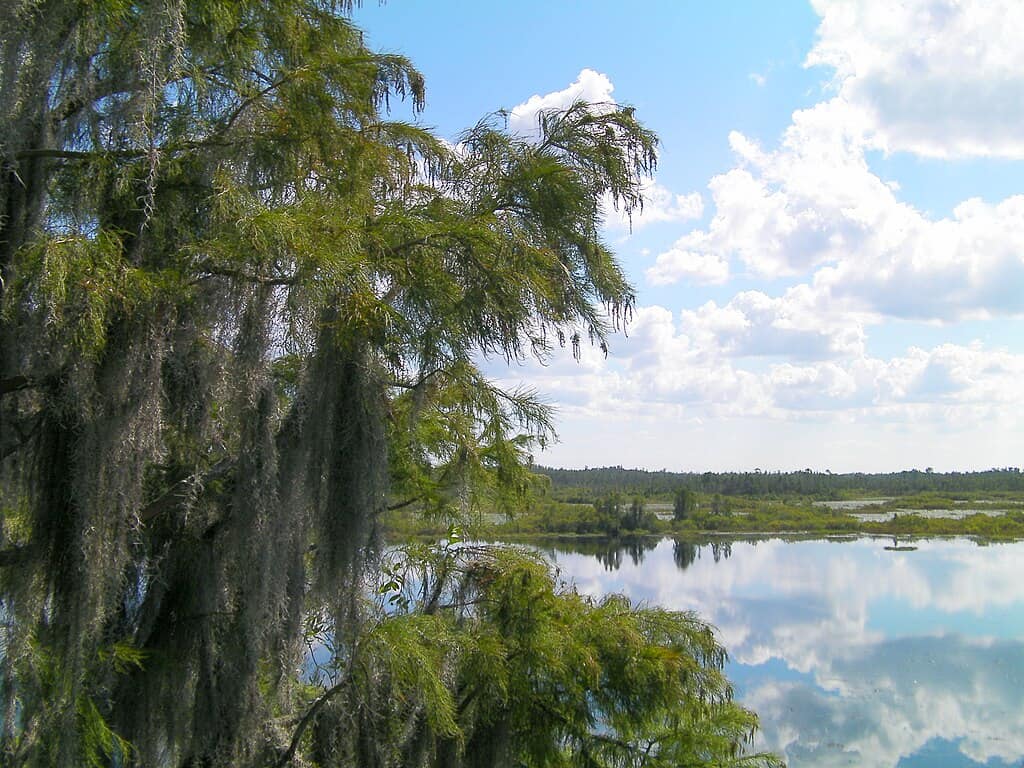
The Okefenokee spans around 438,000 acres, with paddle routes extending 40+ miles through channels where service simply disappears. Raised platforms sit up to 10 miles apart, letting guests spend nights suspended above wetlands alive with subtle sounds. Water levels shift inches daily, and visibility across the prairies can stretch for several miles, enhancing the sense of openness. The environment encourages slow travel, early rest, and quiet observation shaped by a truly ancient swamp ecosystem.
5. High Uintas Wilderness, Utah
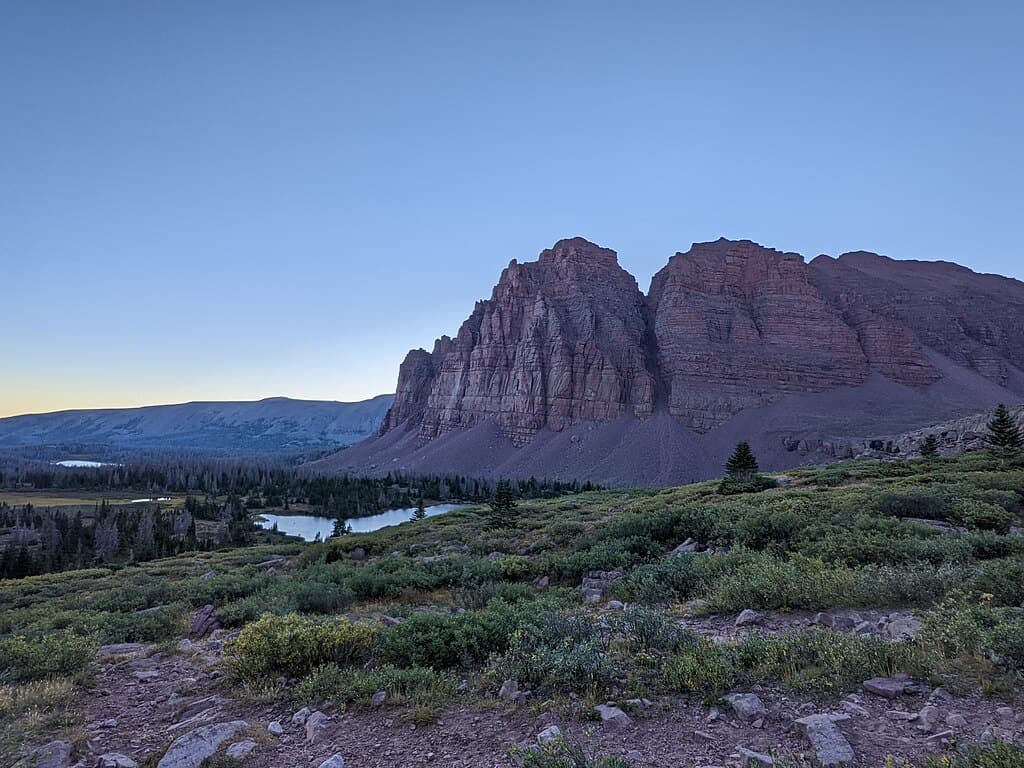
The High Uintas cover 456,000 acres of alpine terrain, with over 1,000 lakes scattered between 10,000 and 13,500 ft. Cell coverage fades within the first few miles, replaced by crisp wind and cirque bowls enclosed by stone. Long trails such as the 96-mile Highline Route allow days with no developed crossings. Temperature swings can exceed 30°F in a single afternoon, adding to the sense of raw remoteness. A week here naturally resets pace, energy, and attention.
6. Mojave National Preserve Backcountry, California
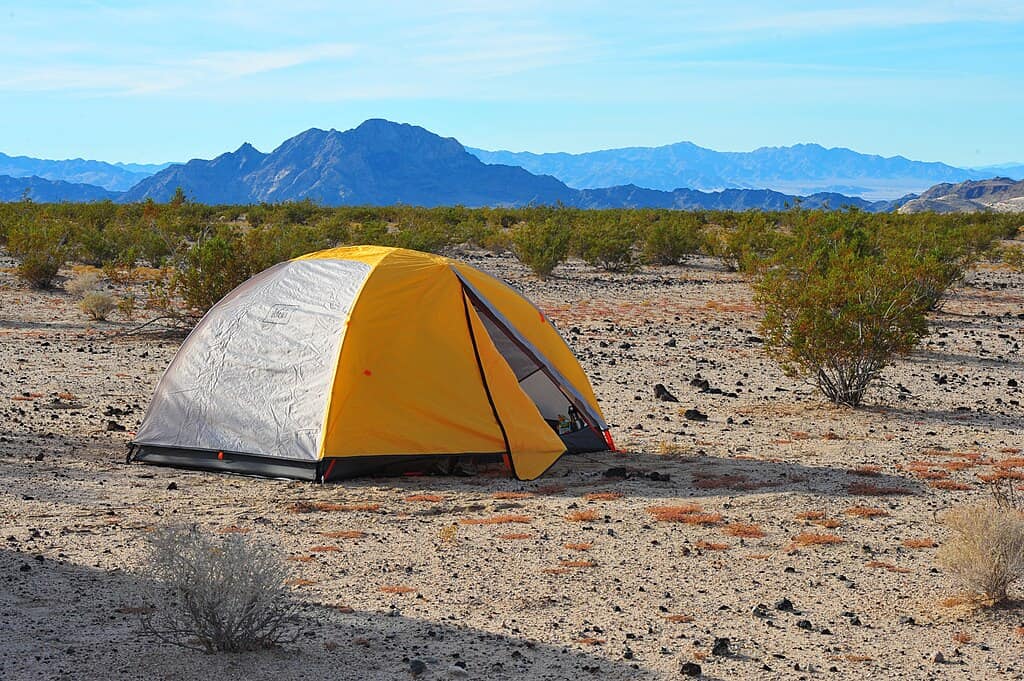
At 1.6 million acres, the Mojave Preserve is a vast desert of volcanic fields, dunes, and Joshua tree flats where service drops within minutes of leaving paved roads. Elevation ranges from 880 ft to over 7,900 ft, creating sharp contrasts in quiet and temperature. Dirt tracks run 20–50 miles between points of interest, ensuring genuine solitude. Days stretch slowly under wide skies, while nights deliver some of the darkest stargazing in the Southwest.
7. Hoh Rain Forest Backcountry, Washington
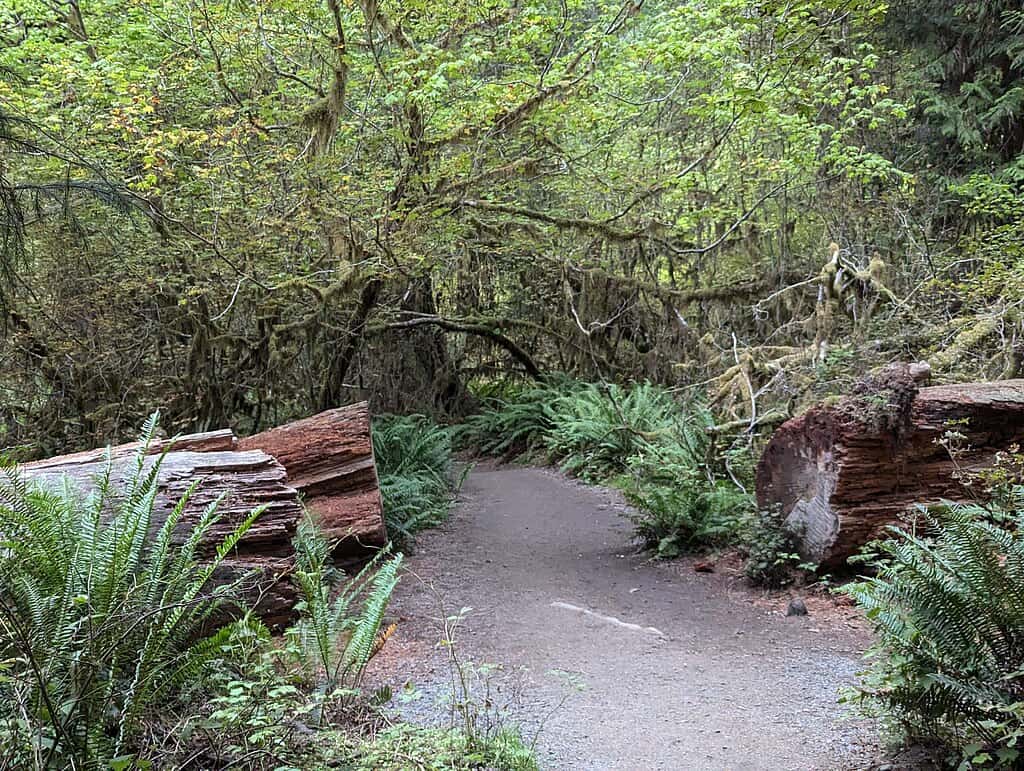
Part of Olympic National Park’s 922,000 acres, the Hoh backcountry leads hikers deep into moss-covered valleys where old-growth trees reach heights over 250 ft. Past the 10-mile mark, cell reception vanishes completely, replaced by steady rainfall and river echoes. Trails climb toward Blue Glacier and Mt. Olympus at 7,980 ft, creating isolation shaped by fog and green light. Visitors often find that two or three days here dissolve stress like mist in the canopy.
8. Sawtooth Wilderness, Idaho
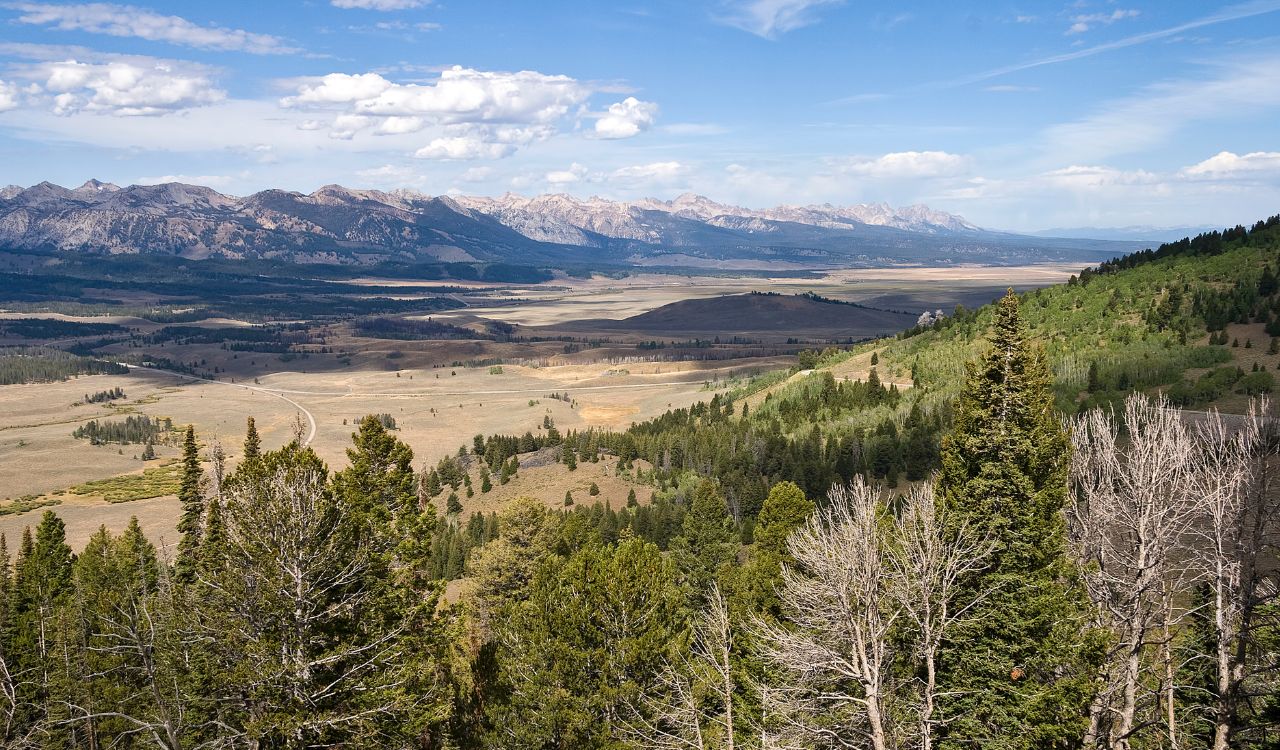
Spanning 217,000 acres, the Sawtooths offer jagged granite peaks rising near 10,000 ft and more than 300 alpine lakes tucked into glacial bowls. Most valleys lack coverage, and long approaches, often 8–12 miles to ensure genuine solitude. Temperature drops of 20°F after sunset are common, adding to the wilderness feel. The rugged shape of the range creates natural acoustic pockets where wind and water dominate, inviting travelers into a week of slow, reflective movement through stone country.
9. Everglades Wilderness Waterway, Florida
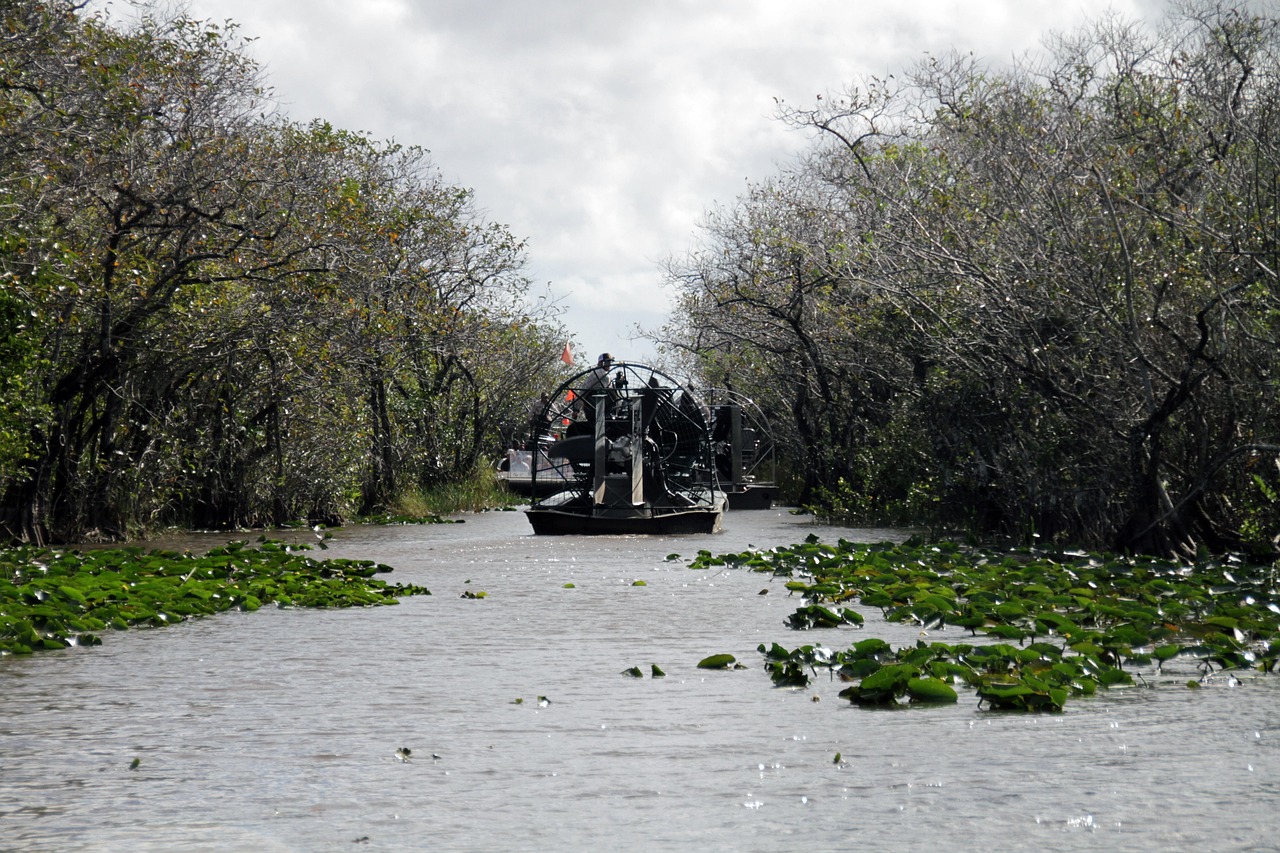
This 99-mile paddling route threads through mangrove tunnels, open bays, and coastal beaches where service is nearly nonexistent. Campsites often sit 5–10 miles apart, giving each day a calming rhythm shaped by tides and wildlife. The surrounding Everglades ecosystem covers over 1.5 million acres, offering abundant birdlife and quiet expanses of flat water. The week unfolds at paddling pace, and evenings on chickees bring a simple, grounding sense of separation from the mainland world.
10. Absaroka-Beartooth Wilderness, Montana/Wyoming
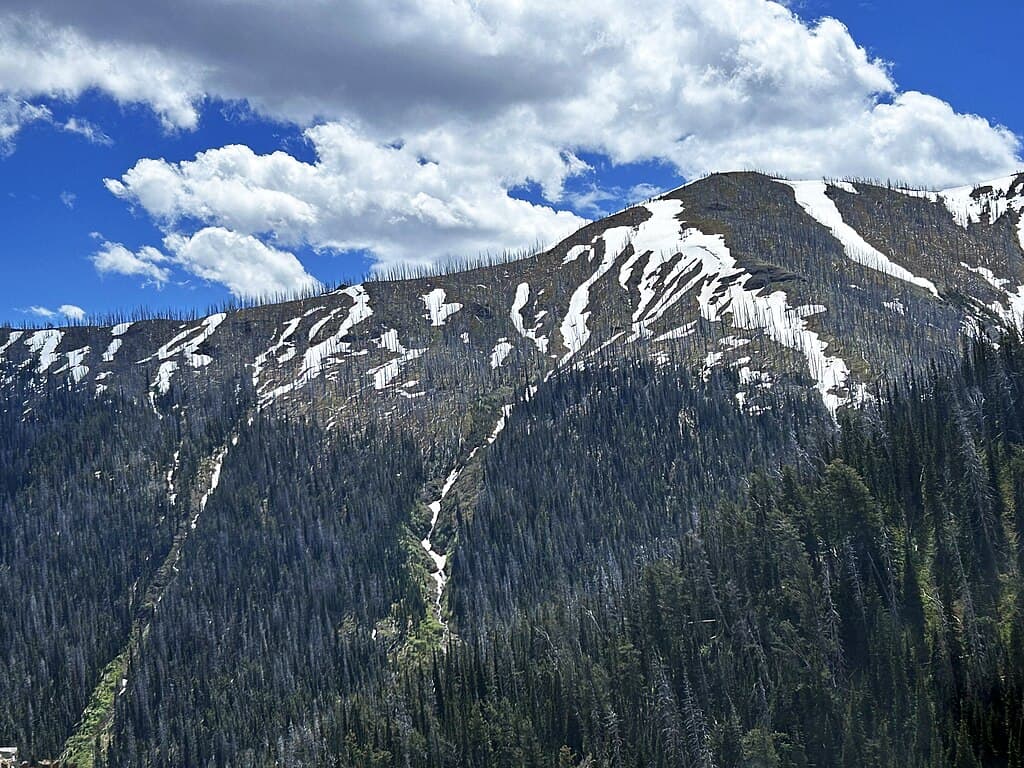
Covering about 944,000 acres, this wilderness features high plateaus at 10,000 ft and more than 400 lakes scattered across alpine basins. Service disappears shortly after trailheads, replaced by wind sweeping across long tundra stretches. Trails often climb 2,000–3,000 ft in a day, naturally thinning crowds. The vastness encourages slow reflection, with distant ridges visible for 20 miles. Visitors often describe feeling both small and entirely free within its enormous scale.
11. Great Basin Desert Backroads, Nevada
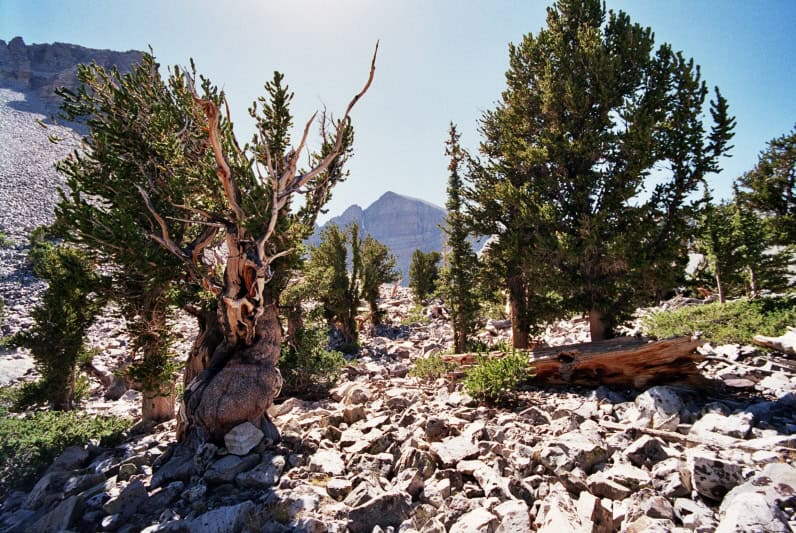
Nevada holds more than 300 mountain ranges, many separated by 20- to 40-mile valleys where no towers reach. Backroads run for dozens of miles between small towns, producing a sense of open, quiet drift unique to the region. Elevations shift from 4,000-ft basins to peaks over 11,000 ft within an hour’s drive. Days feel unstructured, shaped by long horizons and clear skies, while nights bring temperatures that drop 15–25°F and intensify the desert stillness.
12. Remote Zones of Wrangell–St. Elias, Alaska
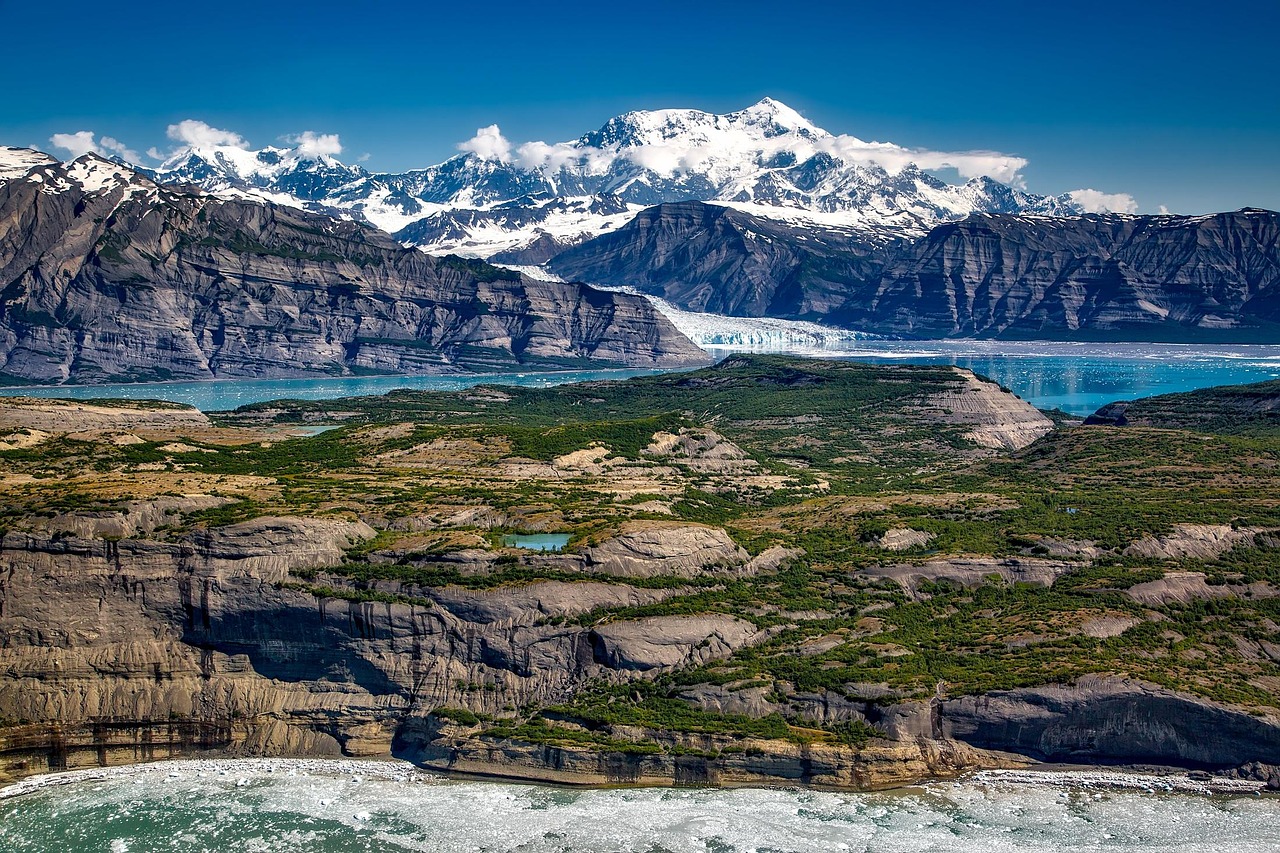
America’s largest national park spans 13.2 million acres, with mountains rising above 18,000 ft and valleys that stretch for 40 miles without roads. Many visitors access deeper areas by small bush plane, after which service vanishes entirely. Glaciers tens of miles long shape the landscape and naturally buffer sound. A week spent here unfolds slowly amid immense scale, where the combination of isolation, cold air, and wide silence becomes deeply restorative.